Top 16 Natural Monuments around Ispagnac
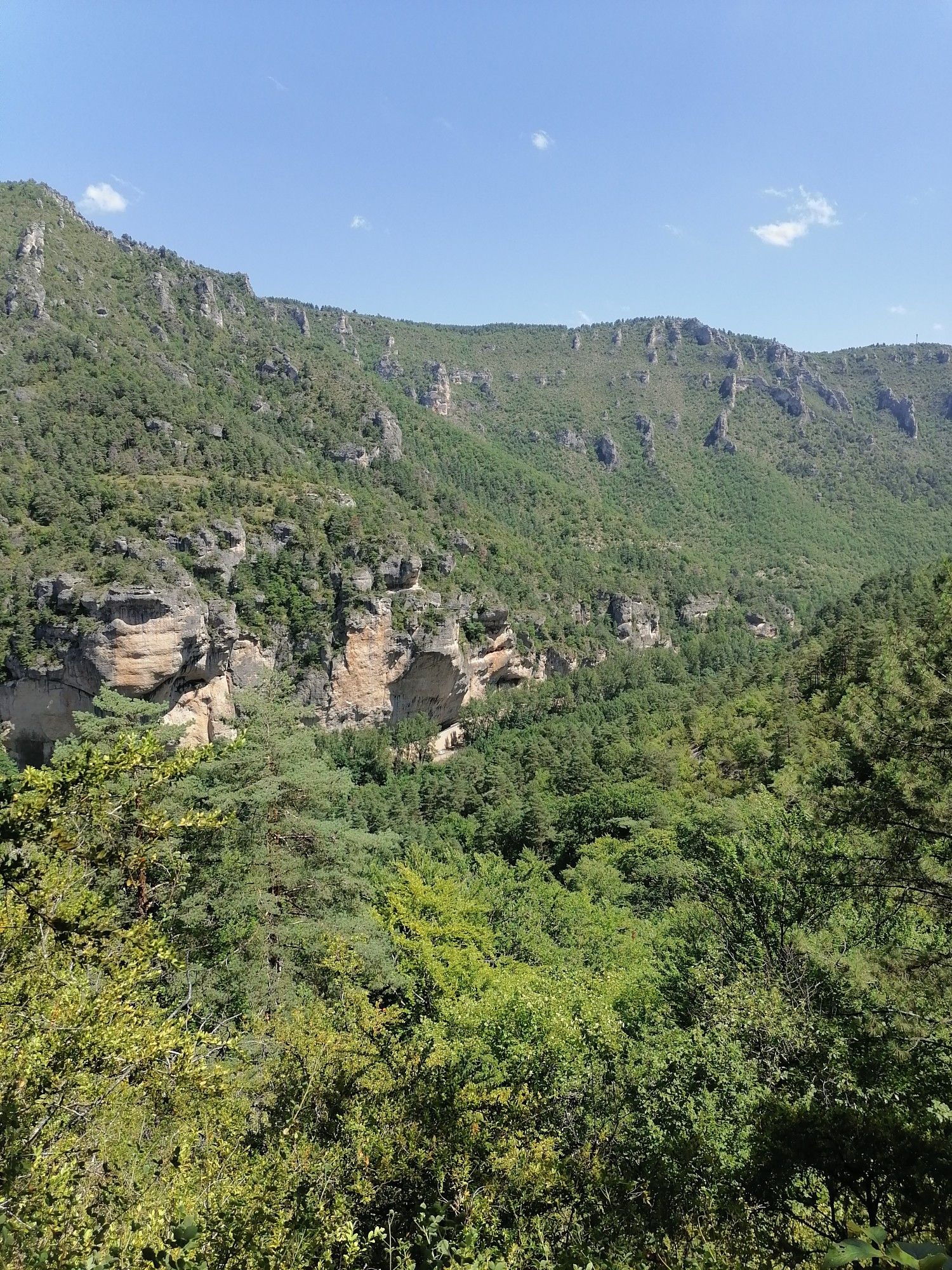
Best natural monuments around Ispagnac are situated within the Cévennes National Park and at the entrance to the Gorges du Tarn. This region is a UNESCO World Biosphere Reserve, characterized by diverse landscapes including low mountains, plateaus, gorges, and forests. It offers a variety of geological formations and natural features for exploration.
Best natural monuments around Ispagnac
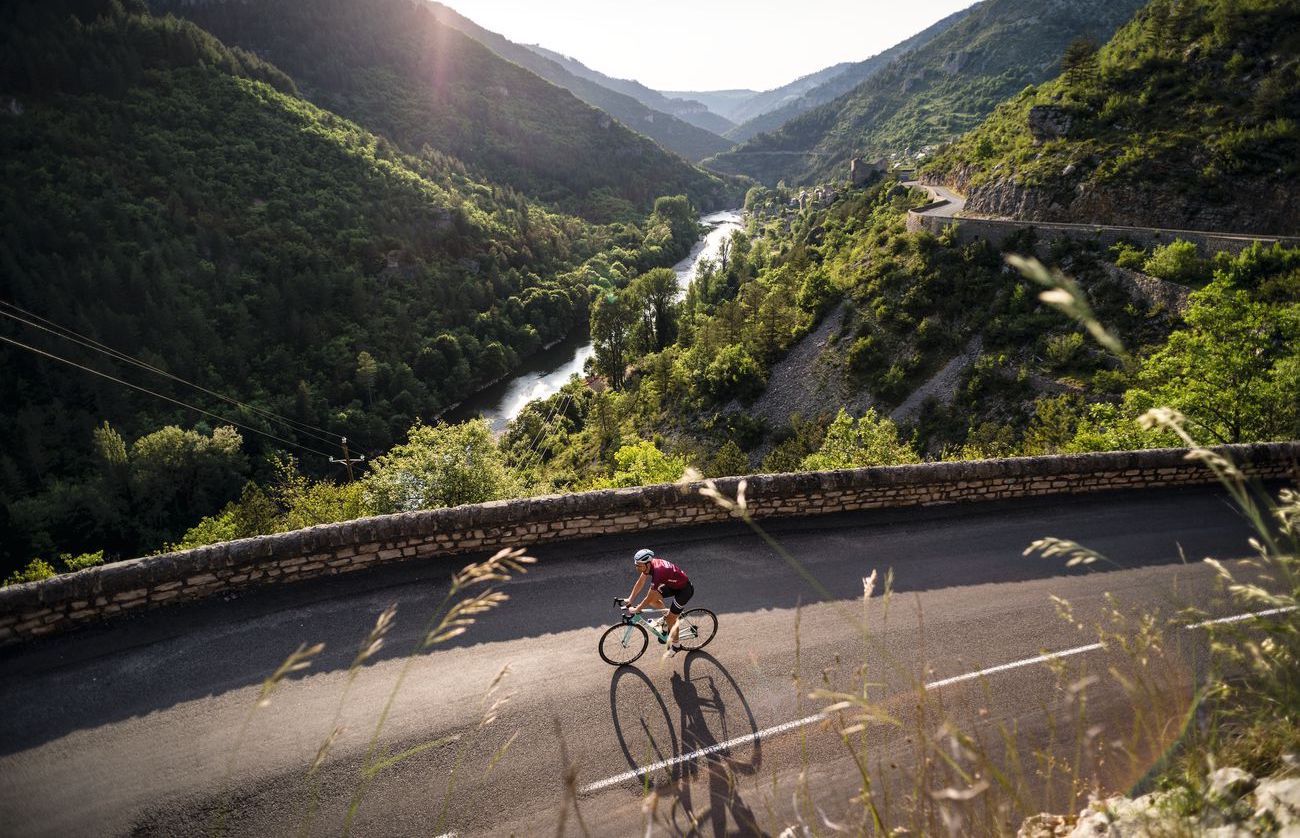
- The most popular natural monuments is Gorges du Tarn, a canyon formed by the Tarn River between the Causse Méjean and the…
Last updated: July 4, 2026
Notre-Dame de Cénaret Chapel
Highlight • Religious Site
Very beautiful buildings ranging from medieval times to the …
Translated by Google •
Tip by

Dolmen at Col de la Pierre Plate
Highlight • Mountain Pass
His chamber, covered by a large slab and open towards the east, is three …
Translated by Google •
Tip by

Sign up now to discover places like this
Get recommendations on the best single tracks, peaks, & plenty of other exciting outdoor places.
Sign up for free
Blajoux fairy chimneys
Highlight • Natural Monument
Translated by Google •
Tip by
Les Amoureux Rock Formations
Highlight (Segment) • Natural Monument
The …
Translated by Google •
Tip by

Gorges du Tarn
Highlight (Segment) • Canyon
Translated by Google •
Tip by

Sign up for free to discover even more natural monuments around Ispagnac.
Sign up for free
Already have an account?
Start today with a free account
Your next adventure awaits.
Login or Signup



Tips from the Community

old mill, magnificent to see it is used to display local and artisanal products
0
0

The 2010 photos took the city and the valley. While sorting through the photos, I first noticed the two shapes, then a third in the foreground on the right. The legend, (completely plotted), sees the two characters overlooking the city, and in a corner on the right, a third form. Who is this curious person among the first who just want to kiss each other? NB: The position is slightly "offset", depending on your direction.
0
0

Nestled under a rock wall at the bottom of the village of Saint-Chély du Tarn, the Notre-Dame de Cénaret chapel, dating from the 12th century, sits near a spring leading to an underground lake. It's definitely worth the detour!
0
0

This Marian shrine, dedicated to the Mother of God under the customary title "Notre Dame" (Our Lady), crouches – at least so it seems – almost protectively under the ledge.
0
0

Small but fine rock chapel, which is not at all expected in the place
1
0

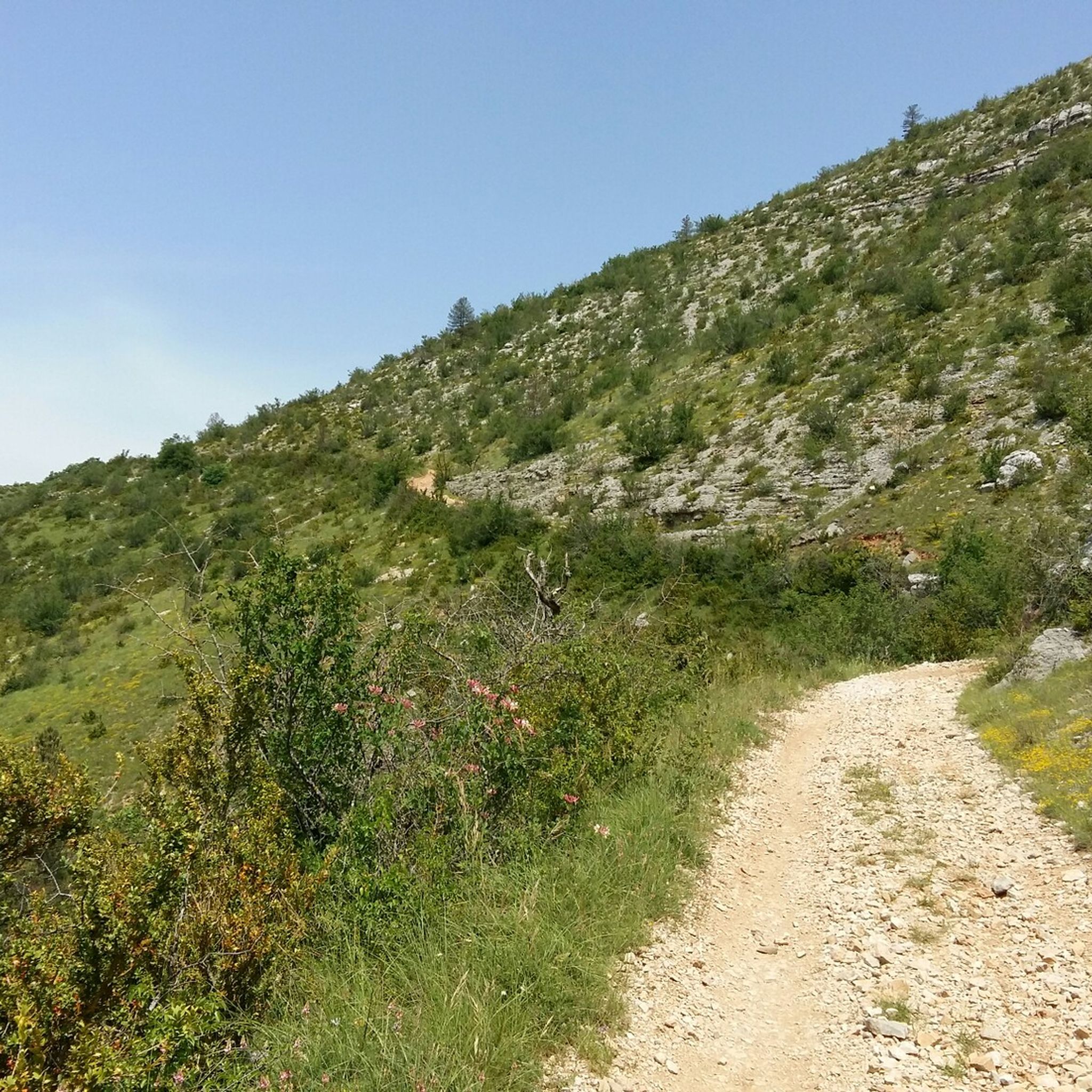
Unfortunately, hikers are not welcome there. The path was blocked every 20-30 meters with branches laid across it, which were obviously placed there specially. Our hike came to an abrupt end in front of a sheep fence that was stretched across the path. Meanwhile, someone had left a large dog mess in front of the driver's door of our car, which we had parked nearby on the edge of a small hamlet. The message was clear.
2
0

This chapel built in the 12th century at the entrance to a cave is impressive. It is now a craft shop. Very beautiful buildings ranging from medieval times to the Renaissance are to be discovered all around in the village of Saint-Chély-du-Tarn.
1
0

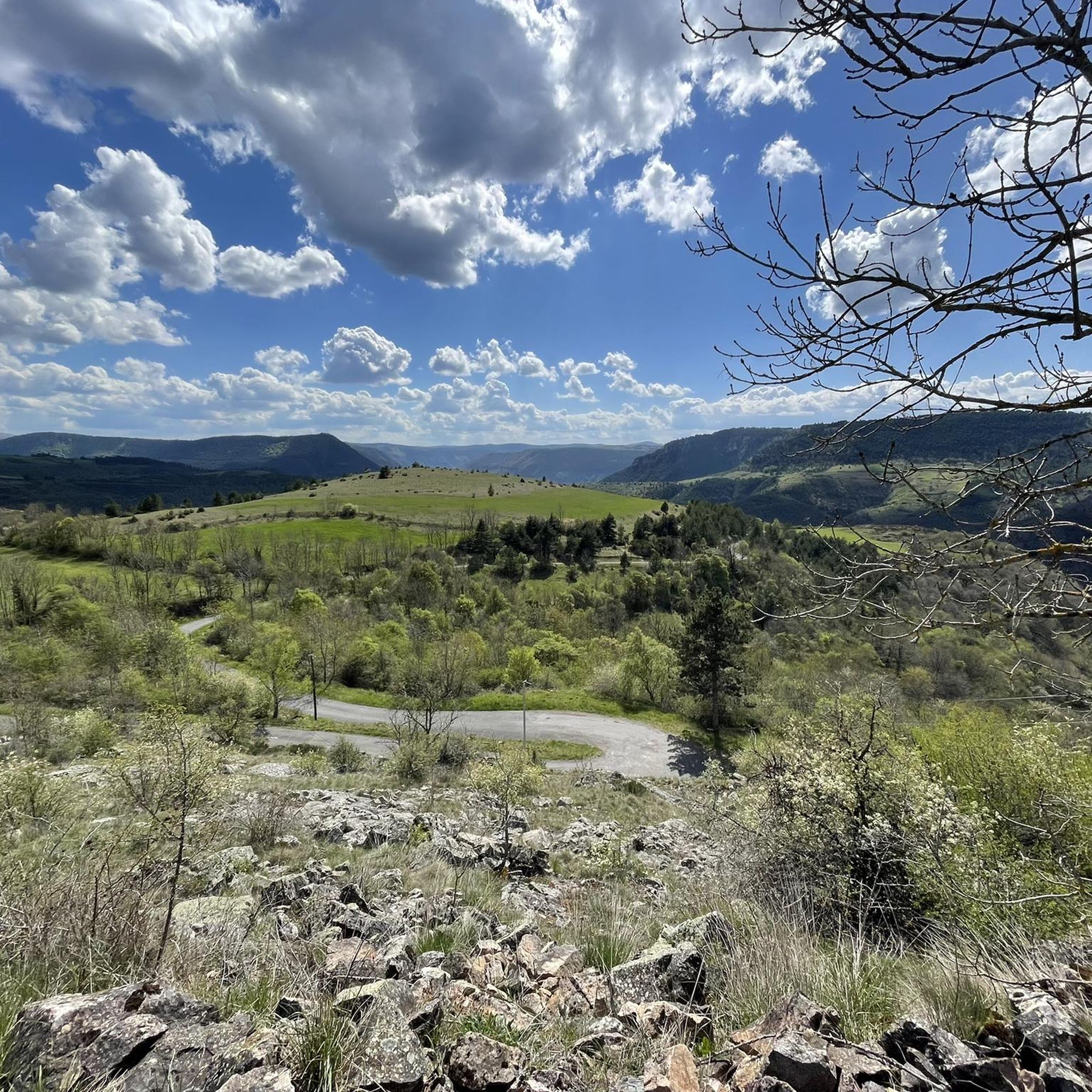
The Col de la Pierre Plate, at an altitude of 1016m, obviously owes its name to the dolmen whose enormous megalith that crowns it has a perfectly flat shape.
0
0
Frequently Asked Questions
What are some of the most remarkable natural monuments around Ispagnac?
The region around Ispagnac is rich in natural wonders. Don't miss the dramatic Gorges du Tarn, a spectacular canyon carved by the Tarn River, offering breathtaking scenery. Another must-see is the Blajoux fairy chimneys, known for their unique geological formations and stunning views over the valley. The Dolmen at Col de la Pierre Plate also stands out as a well-preserved megalithic tomb set in a scenic mountain pass.
What unique geological formations can I explore near Ispagnac?
Ispagnac is surrounded by diverse geological formations. Beyond the deep canyons of the Gorges du Tarn, you can explore the eroded dolomitic landscapes of the Blajoux fairy chimneys. Further afield, the Chaos de Nîmes-le-Vieux presents a labyrinth of unusually shaped, weathered limestone rocks, while the Aven Armand cave system reveals an immense underground forest of stalagmites, showcasing the region's subterranean geological processes.
Are there hiking opportunities near the natural monuments around Ispagnac?
Absolutely. The Cévennes National Park, which encompasses many of these natural monuments, offers numerous hiking trails. You can find routes that explore the Gorges du Tarn, ascend Mont Lozère for panoramic views, or wind through the unique formations near the Blajoux fairy chimneys. For specific running trails in the area, you can explore options like the 'Quézac and its bridge – Pont de Quézac loop from Ispagnac' on the Running Trails around Ispagnac guide.
What other outdoor activities can I do in the natural monument areas?
Beyond hiking, the natural monument areas around Ispagnac are perfect for various outdoor activities. The Gorges du Tarn are ideal for canoeing and kayaking. Cycling is also popular, with options for mountain biking and gravel biking. You can find routes like the 'Pont de Quézac – Town of Florac Trois-Rivières loop from Ispagnac' in the MTB Trails around Ispagnac guide, or explore the 'Cévennes Greenway' via the Gravel biking around Ispagnac guide.
Are there any circular walks or trails around these natural monuments?
Yes, there are several circular routes that allow you to experience the natural monuments. For instance, you can find circular running routes starting from Ispagnac that explore the area around Quézac and the Gorges du Tarn. The Running Trails around Ispagnac guide lists options like the 'Quézac and its bridge – Gorges du Tarn Trail loop from Ispagnac'.
Are there family-friendly natural monuments suitable for children?
Many natural monuments around Ispagnac offer experiences suitable for families. The Gorges du Tarn provide opportunities for gentle riverside walks and boat trips. Exploring the unique rock formations at Chaos de Nîmes-le-Vieux can be an adventurous and engaging activity for children. The Aven Armand cave system, with its impressive stalagmites, offers a fascinating underground journey that often captivates younger visitors.
Are any natural monuments around Ispagnac wheelchair accessible?
While many natural monuments in this rugged region involve uneven terrain, some areas offer better accessibility. The Aven Armand cave system, for example, is known for its accessibility, featuring a funicular that takes visitors down into the cave, making it possible for wheelchair users to experience its wonders. Always check specific site information for the most up-to-date accessibility details.
When is the best time to visit the natural monuments around Ispagnac?
The best time to visit the natural monuments around Ispagnac is generally from spring to autumn (April to October). Spring brings lush greenery and blooming wildflowers, including wild orchids near the Blajoux fairy chimneys. Summer offers warm weather ideal for water activities in the Gorges du Tarn, though it can be busier. Autumn provides pleasant temperatures for hiking and stunning fall foliage. Winter can be beautiful but some services or access might be limited due to weather conditions.
Can I bring my dog to the natural monuments in the Ispagnac area?
Many outdoor areas in the Cévennes National Park are dog-friendly, especially on trails. However, specific rules can vary by site. For example, while some natural formations like the Blajoux fairy chimneys might be accessible, local landowners or park regulations may restrict access in certain areas, particularly near livestock. It's always best to keep dogs on a leash and check local signage or official park guidelines for each specific natural monument you plan to visit.
Are there any less crowded or "hidden gem" natural monuments to discover?
While popular sites like the Gorges du Tarn can attract crowds, exploring areas like the Dolmen at Col de la Pierre Plate or the Les Amoureux Rock Formations can offer a more tranquil experience. The vastness of Mont Lozère also provides numerous opportunities to find solitude amidst its moorlands and forests. Early mornings or late afternoons are generally the best times to avoid peak visitor numbers at any location.
What kind of wildlife might I encounter in the natural monument areas?
The Cévennes National Park, a UNESCO World Heritage site, is known for its exceptional biodiversity. In the natural monument areas, you might spot various bird species, including raptors soaring above the Gorges du Tarn. Mammals like wild boar, deer, and even beavers along the rivers are present. The diverse flora also includes unique species, such as the wild orchids found near the Blajoux fairy chimneys.
Are there any historical or cultural sites associated with the natural monuments?
Yes, the region's natural monuments often intertwine with its rich history. The Dolmen at Col de la Pierre Plate is a prime example of ancient megalithic structures found on the Causse Méjean, hinting at a prehistoric past. Additionally, the Notre-Dame de Cénaret Chapel, built into a cave at Saint-Chély-du-Tarn, showcases centuries of human interaction with the natural landscape, blending religious architecture with a natural grotto.
Most popular routes around Ispagnac
Most popular attractions around Ispagnac

Get inspired with the komoot mobile app


Explore more
Extend your search for the best caves by checking out these guides of the top ones around Ispagnac:
