Top 17 Natural Monuments around Barre-Des-Cévennes
Best natural monuments around Barre-Des-Cévennes are found within the Cévennes National Park, a UNESCO World Heritage site. This region features diverse landscapes, including granite highlands, limestone plateaus, and deep valleys. The area is characterized by its natural features, from ancient megaliths to dramatic gorges and unique rock formations. It provides extensive opportunities for outdoor exploration.
Best natural monuments around Barre-Des-Cévennes
- The most popular natural monuments is La Can de l’Hospitalet, a viewpoint that offers magnificent views of the Cévennes.…
Last updated: July 4, 2026
Dolmen at Col de la Pierre Plate
Highlight • Mountain Pass
His chamber, covered by a large slab and open towards the east, is three …
Translated by Google •
Tip by

Chaos de Nîmes-le-Vieux
Highlight • Natural Monument
Translated by Google •
Tip by
Sign up now to discover places like this
Get recommendations on the best single tracks, peaks, & plenty of other exciting outdoor places.
Sign up for free
La Can de l’Hospitalet
Highlight (Segment) • Viewpoint
Translated by Google •
Tip by

Les Amoureux Rock Formations
Highlight (Segment) • Natural Monument
The …
Translated by Google •
Tip by

The Tarn at Cocurès
Highlight • River
Translated by Google •
Tip by

Sign up for free to discover even more natural monuments around Barre-Des-Cévennes.
Sign up for free
Already have an account?
Start today with a free account
Your next adventure awaits.
Login or Signup
Popular around Barre-Des-Cévennes

Other adventures around Barre-Des-Cévennes

Tips from the Community


The 2010 photos took the city and the valley. While sorting through the photos, I first noticed the two shapes, then a third in the foreground on the right. The legend, (completely plotted), sees the two characters overlooking the city, and in a corner on the right, a third form. Who is this curious person among the first who just want to kiss each other? NB: The position is slightly "offset", depending on your direction.
0
0

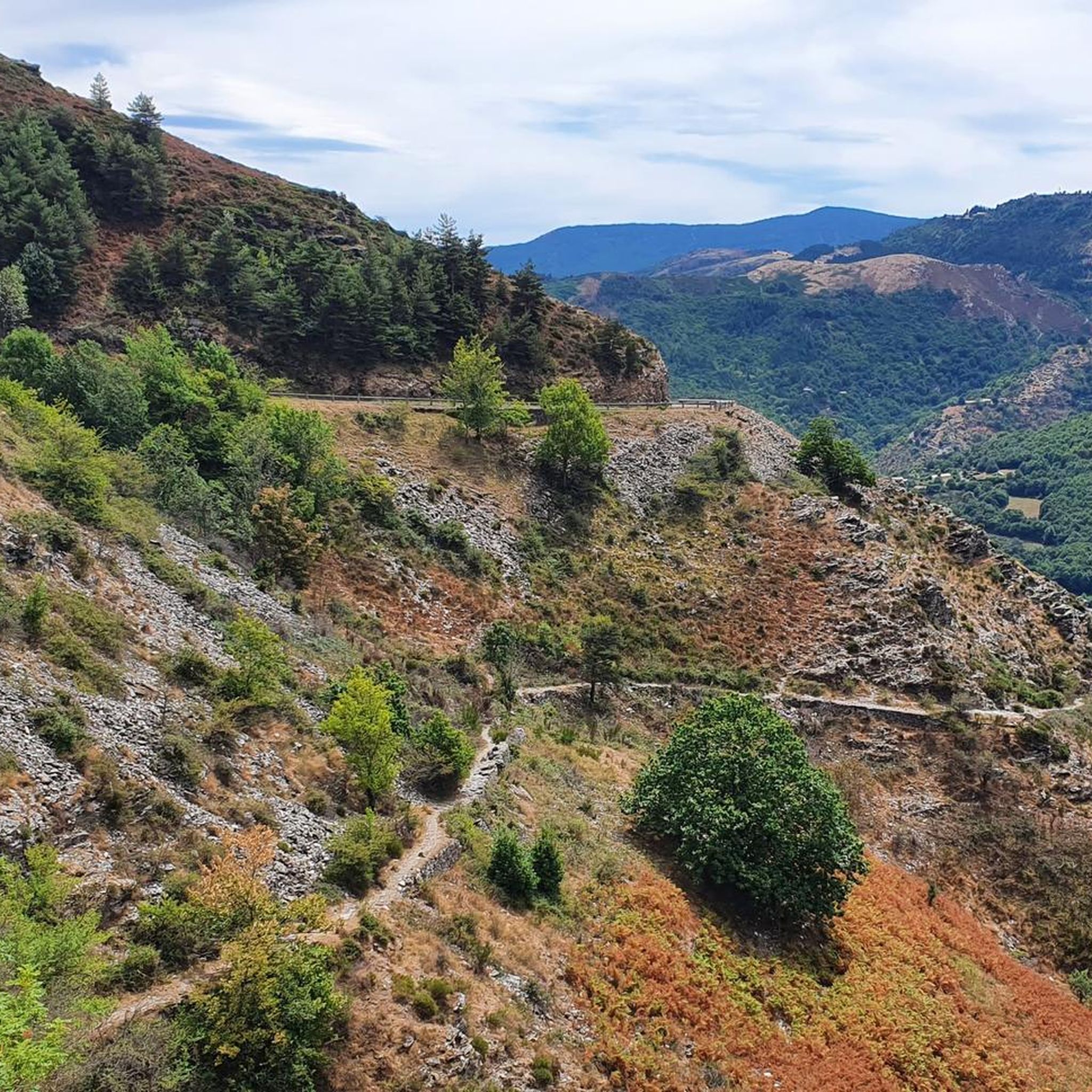
When traveling the Stevenson Way (GR70) one is rewarded for taking the longer route to Florac and staying on the GR70. Here the still young Tarn has dug deep. On both sides of the gorge are steep cliffs. The gorge is even accessible from the other side at Cocurès.
5
0

The Col de la Pierre Plate, at an altitude of 1016m, obviously owes its name to the dolmen whose enormous megalith that crowns it has a perfectly flat shape.
0
0
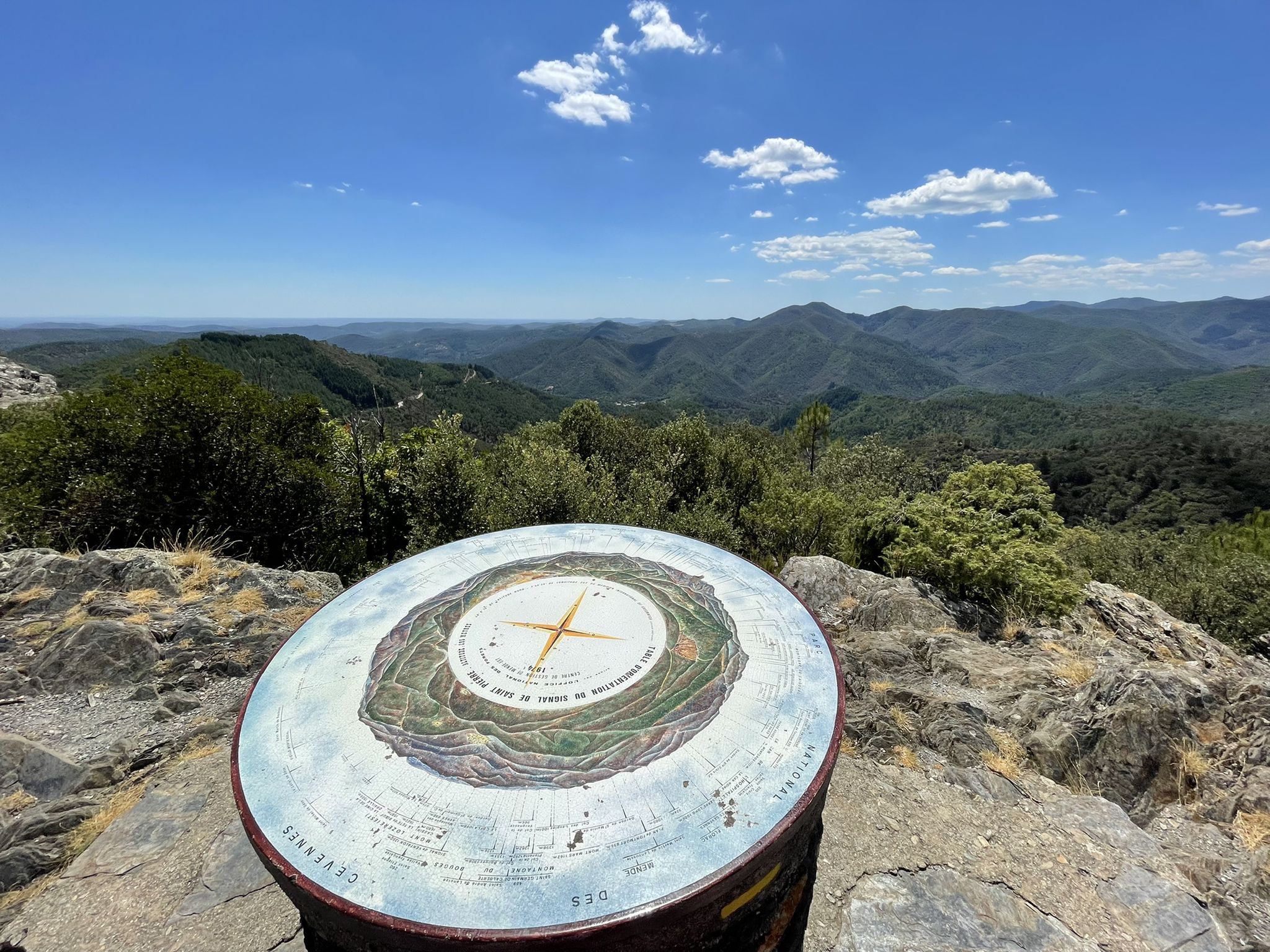
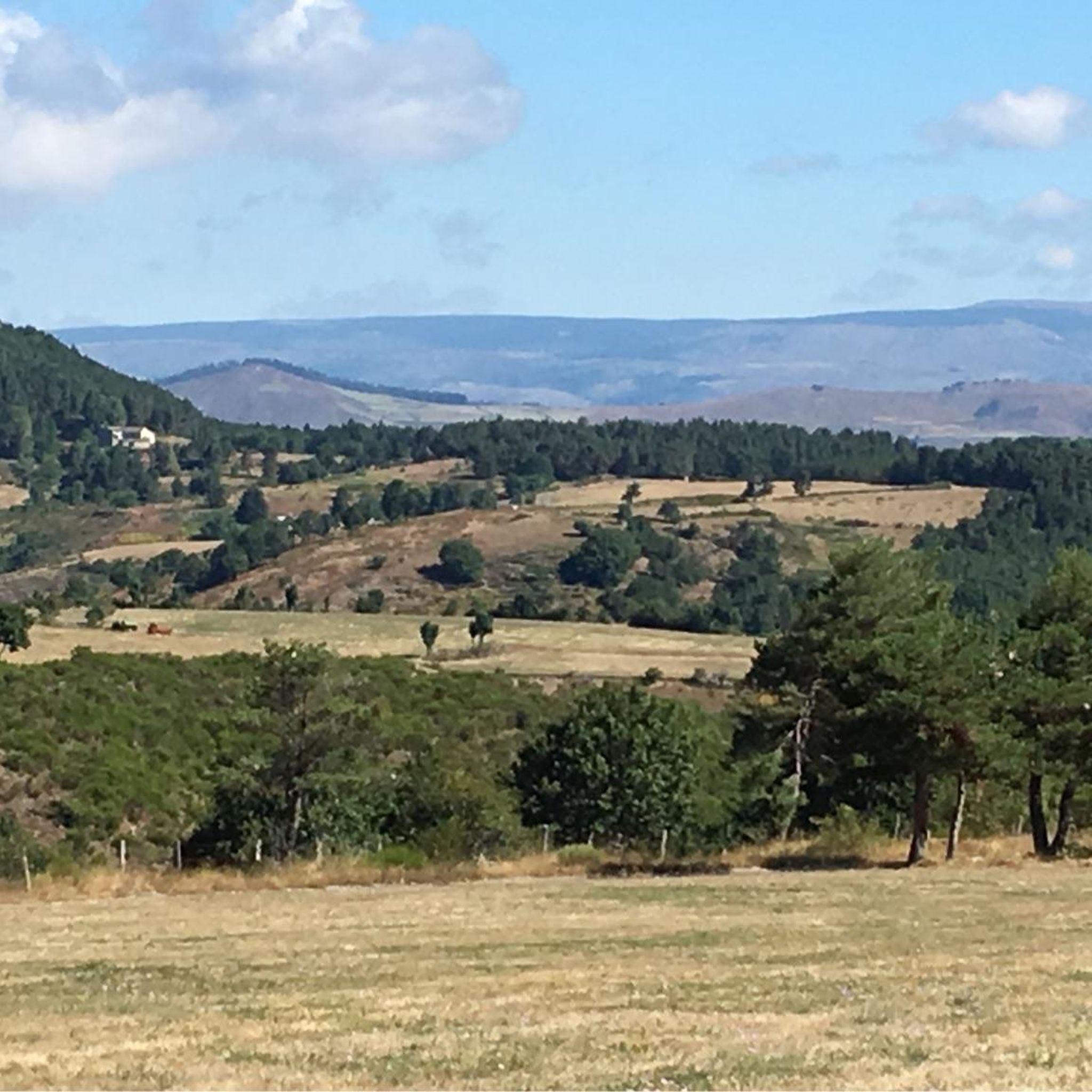
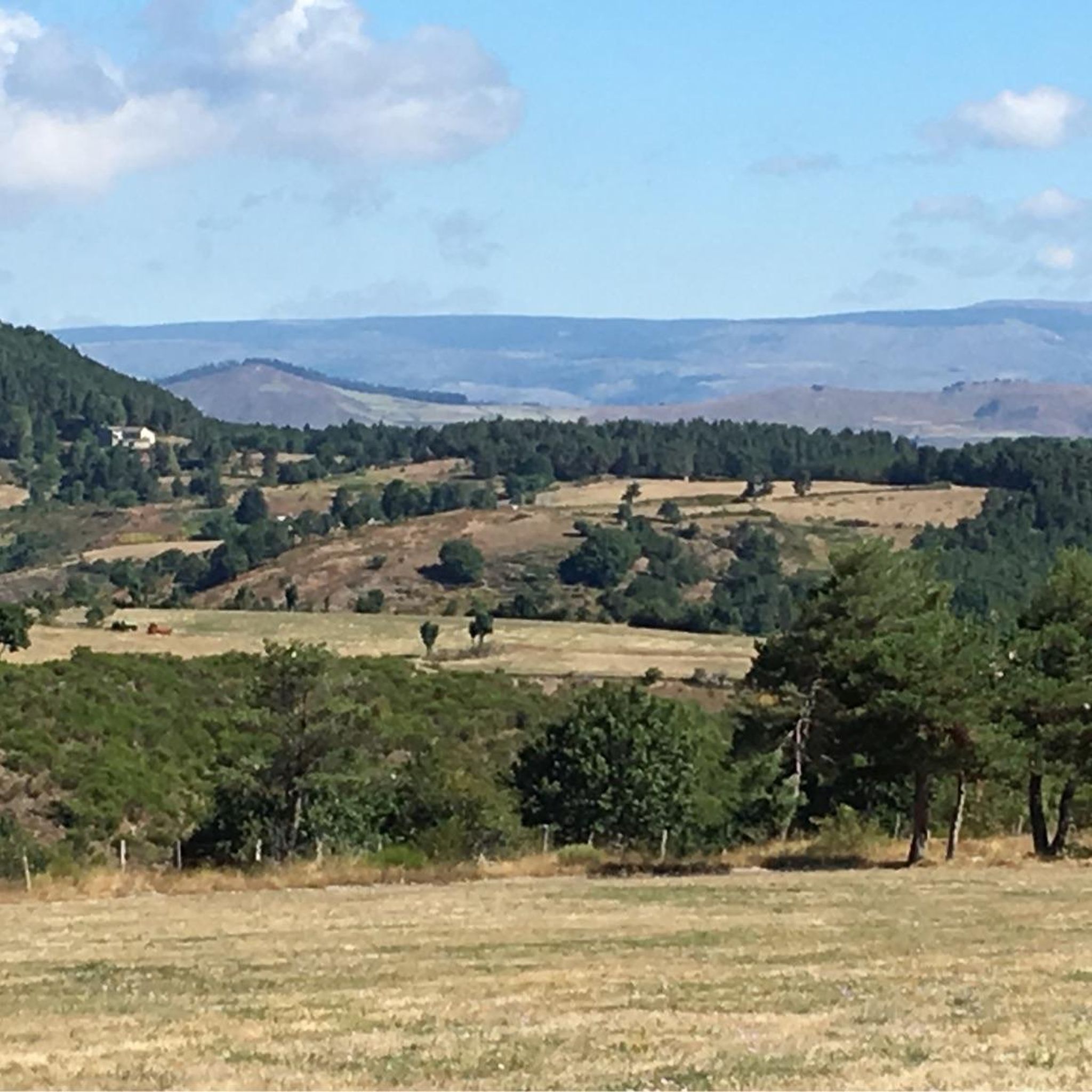
The Can de l'Hospitalet is a plateau separated from the Causse Méjean by the Tarnon. It offers magnificent views of the Cévennes. Its highest point, the Serre de Montgros, culminates at an altitude of 1,111m.
0
0

Let Édouard-Alfred Martel benefit from the description of the chaos of Nîmes-le-Vieux: "It is a front of cliffs, a projection from the surface of the Causse Méjean, which presents a great length of half-cirques, all bristling hundreds of dolomitic rocks, perforated, cut, sculpted...". Indeed, the path that winds through chaos reveals an archaic marvel lost in the heart of the Causse Méjean. None of the rocks that emerge from the ground are alike. This ruiniform site ultimately resembles a limestone forest, unfathomable and punctuated with curiosities.
0
1
The Pierre Plate pass dolmen is one of the best preserved on the Causse Méjean plateau. His chamber, covered by a large slab and open towards the east, is three meters long. According to local legends, the dolmen would have healing properties for people suffering from whooping cough.
2
0

A dolmen (from Cornish tolmen 'stone table') is usually a tomb built from large, unhewn or hewn blocks of stone (megaliths). It consists of three or more upright supporting stones (orthostatics) on which one or more cover plates rest.[1] Dolmens are traditionally considered the simplest form of megalithic tomb.[2] In Europe, most dolmens were originally covered with mounds of stone or earth.
4
1
Frequently Asked Questions
What unique natural monuments can I explore near Barre-des-Cévennes?
The region offers a variety of unique natural monuments. You can visit Chaos de Nîmes-le-Vieux, a ruiniform site with hundreds of sculpted dolomitic rocks resembling a limestone forest. Another fascinating spot is Les Amoureux Rock Formations, known for its distinctive shapes.
What kind of landscapes can I expect to see within the Cévennes National Park?
The Cévennes National Park, a UNESCO World Heritage site, boasts incredibly diverse landscapes. You'll find everything from granite highlands and vast limestone plateaus like the Causse Méjean, to deep valleys and dramatic gorges such as the Gorges du Tarn. The park is also characterized by its wild, unspoiled countryside, dotted with torrents, rivers, and streams.
Are there any significant historical natural monuments in the area?
Yes, the region has a rich historical dimension. You can explore the Dolmen at Col de la Pierre Plate, a well-preserved megalithic tomb with a large, flat cover slab. Another significant historical site is Cham des Bondons, which hosts one of Europe's largest concentrations of megalithic menhirs, some dating back approximately 4,000 years.
Where can I find breathtaking panoramic views around Barre-des-Cévennes?
For stunning panoramic views, head to La Can de l’Hospitalet, a plateau offering magnificent vistas of the Cévennes. Its highest point, the Serre de Montgros, reaches 1,111 meters. Mont Aigoual, the highest point in the Gard department, also provides breathtaking views that can extend across a quarter of France on a clear day, including the Mediterranean Sea and even the Pyrenees.
What impressive water features can I visit?
The region is home to spectacular water features. The Gorges du Tarn, carved by the Tarn River, are among Europe's most significant karstic gorges, reaching depths of nearly 500 meters. You can also visit The Tarn at Cocurès, where the still-young Tarn has dug deep into the landscape. Another highlight is Cascade de Runes, an impressive waterfall cascading approximately 60 meters with two distinct drops.
What outdoor activities can I do near these natural monuments?
The area around Barre-des-Cévennes is ideal for outdoor enthusiasts. You can find numerous opportunities for hiking, cycling, and running. For detailed routes, explore the Hiking around Barre-Des-Cévennes guide, the Cycling around Barre-Des-Cévennes guide, and the Running Trails around Barre-Des-Cévennes guide.
Are there hiking trails suitable for different difficulty levels?
Yes, the Cévennes National Park offers over 5,000 km of marked trails catering to various difficulty levels. For instance, the Hiking around Barre-Des-Cévennes guide includes easy routes like the 'Barre-des-Cévennes – Fountain loop' (3.1 km) and more moderate options like the 'Point at the water's edge – Cévennes Greenway loop' (14.4 km).
What is the best time of year to visit the natural monuments in the Cévennes?
The Cévennes region is beautiful throughout the year, but spring and autumn generally offer the most pleasant weather for exploring natural monuments and outdoor activities. Summers can be warm, ideal for water activities in the Gorges du Tarn, while winters can bring snow to higher elevations like Mont Aigoual, offering a different kind of beauty.
What kind of wildlife can I spot in the Cévennes National Park?
The Cévennes National Park is a UNESCO World Biosphere Reserve, home to rich biodiversity. You might spot reintroduced populations of deer, roe deer, mouflons, and beavers. The park is also known for its diverse birdlife, including various vultures and other raptors, especially in protected areas like the Gorges du Tarn and the Causse Méjean, where griffon vultures have been reintroduced.
Are there family-friendly natural monuments around Barre-des-Cévennes?
Many natural monuments in the Cévennes are suitable for families. The short, albeit steep, trail to Cascade de Runes can be an exciting adventure. Exploring the unique rock formations at Chaos de Nîmes-le-Vieux can also be a fun and engaging experience for children. Always check specific trail conditions and difficulty before heading out with young children.
What do visitors particularly enjoy about the natural monuments in this region?
Visitors appreciate the wild and unspoiled nature of the Cévennes, the breathtaking panoramic views from spots like La Can de l’Hospitalet, and the unique geological formations. The historical significance of sites like the Dolmen at Col de la Pierre Plate and the Cham des Bondons also captivates many. The opportunity for extensive outdoor activities in a UNESCO-listed landscape is a major draw.
Most popular routes around Barre-Des-Cévennes
Most popular attractions around Barre-Des-Cévennes

Get inspired with the komoot mobile app


Explore more
Extend your search for the best caves by checking out these guides of the top ones around Barre-Des-Cévennes:
