Top 6 Natural Monuments around Gailhan
Best natural monuments around Gailhan, a commune in the Gard department of southern France, offer diverse natural landscapes. This small village in the Occitanie region serves as a gateway to a variety of geological formations, unique ecosystems, and scenic viewpoints. The area is characterized by its proximity to both the Mediterranean coast and the Cévennes mountains, providing a range of natural attractions. Visitors can explore underground caves, vast wetlands, and dramatic river formations within a reasonable distance.
Best natural monuments…
Last updated: June 20, 2026
Carrières de Junas
Highlight • Structure
Translated by Google •
Tip by

Roc du Midi Orientation Table
Highlight • Viewpoint
Translated by Google •
Tip by
Sign up now to discover places like this
Get recommendations on the best single tracks, peaks, & plenty of other exciting outdoor places.
Sign up for free
Orientation table
Highlight • Viewpoint
Translated by Google •
Tip by

Stepping Stones at the Large Rock
Highlight • Bridge
Translated by Google •
Tip by

Roman Quarries
Highlight • Historical Site
Translated by Google •
Tip by
Sign up for free to discover even more natural monuments around Gailhan.
Sign up for free
Already have an account?
Start today with a free account
Your next adventure awaits.
Login or Signup

Tips from the Community


very nice hike to see and do not miss the cave of the Bois de Paris be careful slippery and lamp necessary
0
0

Incredible spot, on the other hand the orientation table which indicates Moscow or Abidjan could have been a little more informative and indicated Mont Ventoux closer to us for example.
1
0

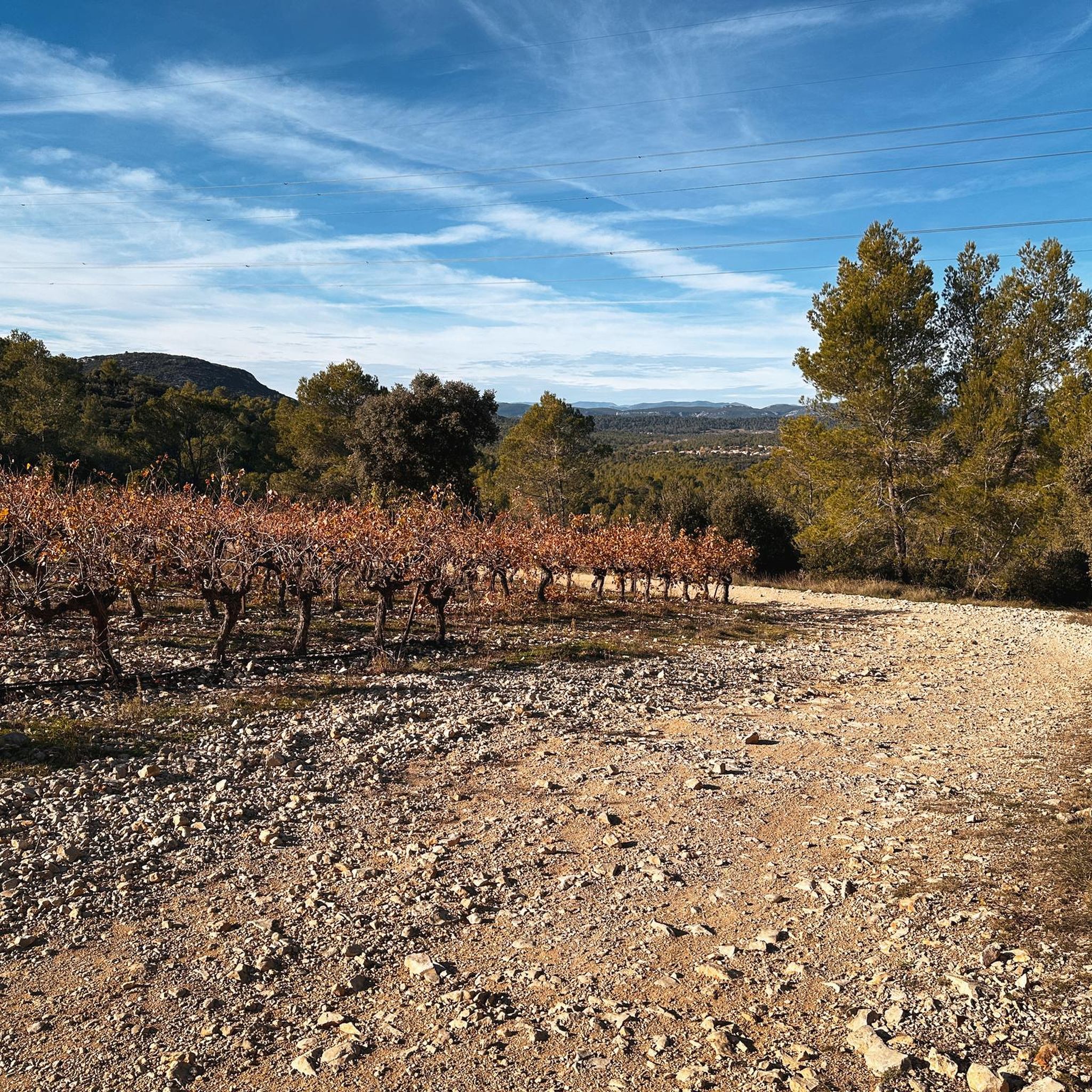
A very beautiful place, a little away from the main path but accessible by a small well marked path. Old quarries with some holes filled with water (in April 2023 anyway).
3
0

A grandiose and magical place, forged by more than 2000 years of rock quarrying using an unchanged manual method, hundreds of cubic meters of stone quarried there were used in particular to build the Pont de Sommières, then later in Aigues-Mortes and Vigan .
8
0

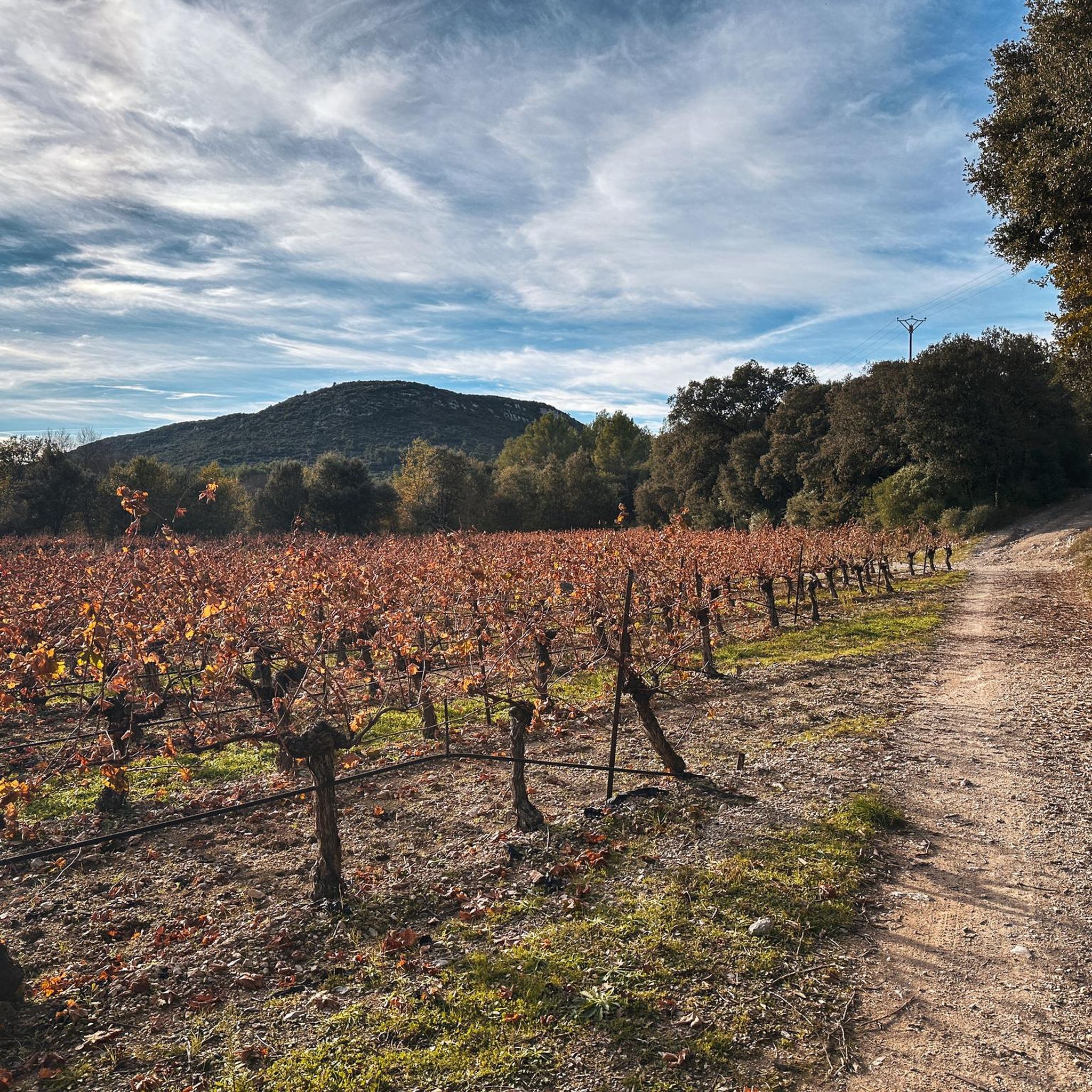
From the orientation table of the Roc du Midi at the top of the Travers des Côtes, there is a magnificent panorama over the plain of Asperes.
1
0
Les Carrières de Junas, or quarries of Good Time, is the site of an old stone quarry exploited since Antiquity and whose shapes evoke human constructions.
3
0
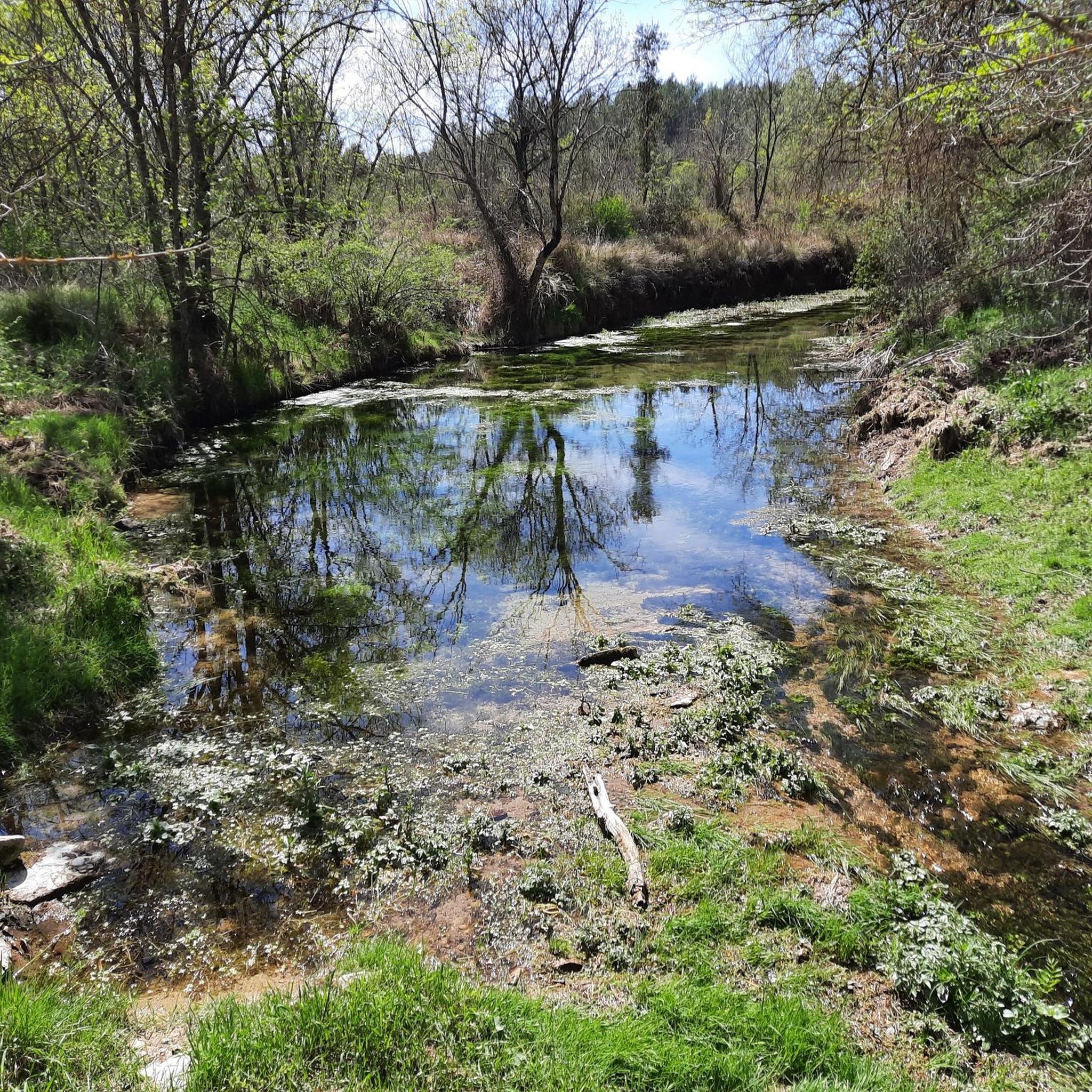
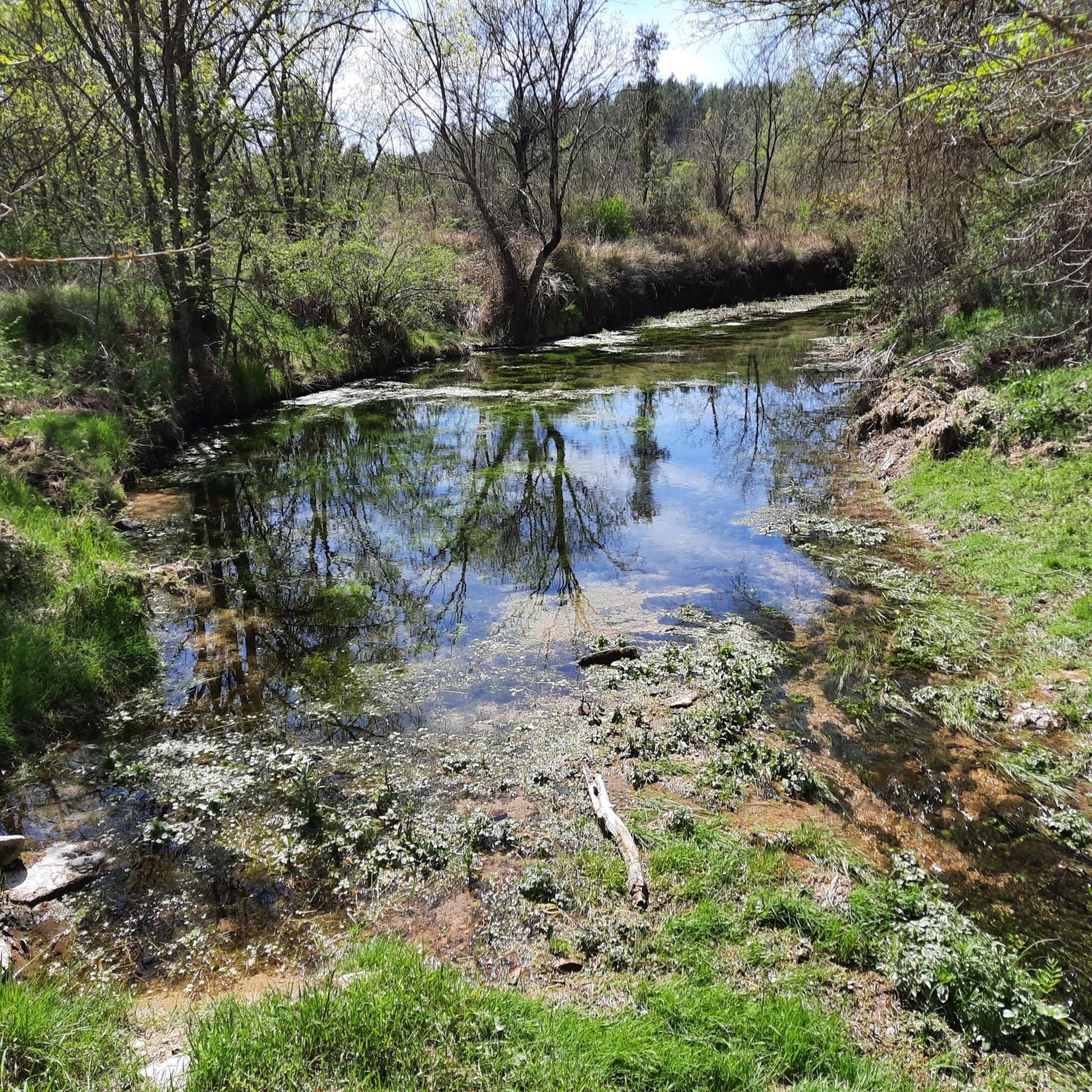
A very pretty little corner with its large rock, its passage in the ford with more or less water depending on the season.... you don't expect to come across such a place here!
0
0
Frequently Asked Questions
What types of natural monuments can I explore near Gailhan?
Near Gailhan, you can discover a diverse range of natural monuments. These include impressive underground cave systems like the Grotte des Demoiselles and Grotte de la Clamouse, vast wetlands such as the Etang de Scamandre, and dramatic river formations like the Cascades du Sautadet and Abîme de Bramabiau. You can also find unique geological sites like the Carrières de Junas, an ancient stone quarry with human-shaped formations, and scenic viewpoints offering panoramic vistas.
Are there any natural monuments with historical significance around Gailhan?
Yes, several natural monuments near Gailhan also hold historical significance. The Carrières de Junas is an ancient stone quarry exploited since Antiquity, showcasing over 2000 years of rock quarrying. Similarly, the Roman Quarries offer a glimpse into historical extraction methods, with some areas now featuring water-filled holes.
Which natural monuments offer the best panoramic views?
For breathtaking panoramic views, you should visit the Orientation table, which provides a superb 270° view over a large part of the Hérault and surrounding mountains. Another excellent spot is the Roc du Midi Orientation Table, offering a magnificent panorama over the plain of Asperes from the top of the Travers des Côtes. Further afield, Mont Aigoual, the highest point in the Gard department, also offers extensive views.
Are there family-friendly natural monuments or activities near Gailhan?
Absolutely! The Carrières de Junas is considered family-friendly and offers a unique environment for exploration and even climbing. Exploring the Grotte des Demoiselles or Grotte de la Clamouse can also be a fascinating experience for families, with guided tours making them accessible. For outdoor activities, the area offers various easy to moderate hiking trails suitable for families, which you can find in the Hiking around Gailhan guide.
What unique natural features can I find in the rivers and waterways near Gailhan?
The region boasts several unique riverine natural features. The Cascades du Sautadet are a series of natural rapids and sculpted rock formations on the Cèze River, where water has carved out potholes and marmites. The Abîme de Bramabiau is a spectacular resurgence where an underground river emerges from a cliff face, creating impressive waterfalls and a deep canyon. You can also find charming spots like the Stepping Stones at the Large Rock, where you can cross a ford with varying water levels depending on the season.
What outdoor activities can I do near these natural monuments?
Beyond exploring the natural monuments themselves, the area around Gailhan offers various outdoor activities. You can find numerous trails for hiking, including moderate routes like the 'Bois de Paris Loop'. For cyclists, there are options for gravel biking with routes ranging from moderate to difficult. If you enjoy running, check out the Running Trails around Gailhan for scenic routes.
What is the best time of year to visit the natural monuments around Gailhan?
The best time to visit the natural monuments around Gailhan generally depends on the activity. Spring (April-June) and early autumn (September-October) offer pleasant temperatures for hiking and exploring outdoor sites like viewpoints and river formations. During these seasons, the weather is typically mild, and the landscapes are vibrant. For cave visits, the temperature inside remains constant year-round, making them a good option even in hotter summer months or cooler winters.
Are there any natural areas known for wildlife spotting near Gailhan?
Yes, the Etang de Scamandre, located within the larger Camargue region, is a significant natural reserve renowned for its rich biodiversity, particularly its birdlife. It's an excellent spot for birdwatching, where you might see flamingos, herons, and various migratory species in their natural wetland habitat.
What should I wear when visiting natural monuments in the area?
When visiting natural monuments around Gailhan, it's advisable to wear comfortable walking shoes or hiking boots, especially if you plan to explore trails or uneven terrain. Layers of clothing are recommended as temperatures can vary, particularly in caves where it's consistently cool. For sunny days, bring sun protection like a hat and sunscreen. If visiting river areas, be mindful of potentially slippery surfaces.
How accessible are the natural monuments around Gailhan by public transport?
While Gailhan itself is a small village, accessing some natural monuments by public transport can be challenging. Many of the more remote natural sites, especially those within the Cévennes National Park or specific cave systems, are best reached by car. However, local bus services might connect to larger towns from which you could potentially arrange further transport or find closer access points to certain areas. It's recommended to check specific routes and schedules for your chosen destination.
Can I find untouched coastal natural beauty near Gailhan?
Yes, the Pointe de l'Espiguette, located on the Mediterranean coast about 39km from Gailhan, offers a vast, wild, and undeveloped sandy beach backed by dunes. Unlike more commercialized areas, it provides a pristine and natural coastal experience, ideal for long walks and enjoying untouched natural beauty.
Most popular routes around Gailhan
Most popular attractions around Gailhan

Get inspired with the komoot mobile app


Explore more
Extend your search for the best caves by checking out these guides of the top ones around Gailhan:
