Top 20 Natural Monuments around La Trinité-Sur-Mer
Best natural monuments around La Trinité-Sur-Mer include a variety of coastal landscapes and ancient megalithic sites. This region in Brittany, France, features diverse natural attractions, from expansive sandy beaches to protected salt marshes and significant prehistoric stone alignments. The area's geography is characterized by its proximity to the Atlantic Ocean, offering a blend of marine environments and historical land formations. These sites provide opportunities for exploring both natural beauty and cultural heritage.
Best natural monuments around La Trinité-Sur-Mer
- The most…
Last updated: July 4, 2026
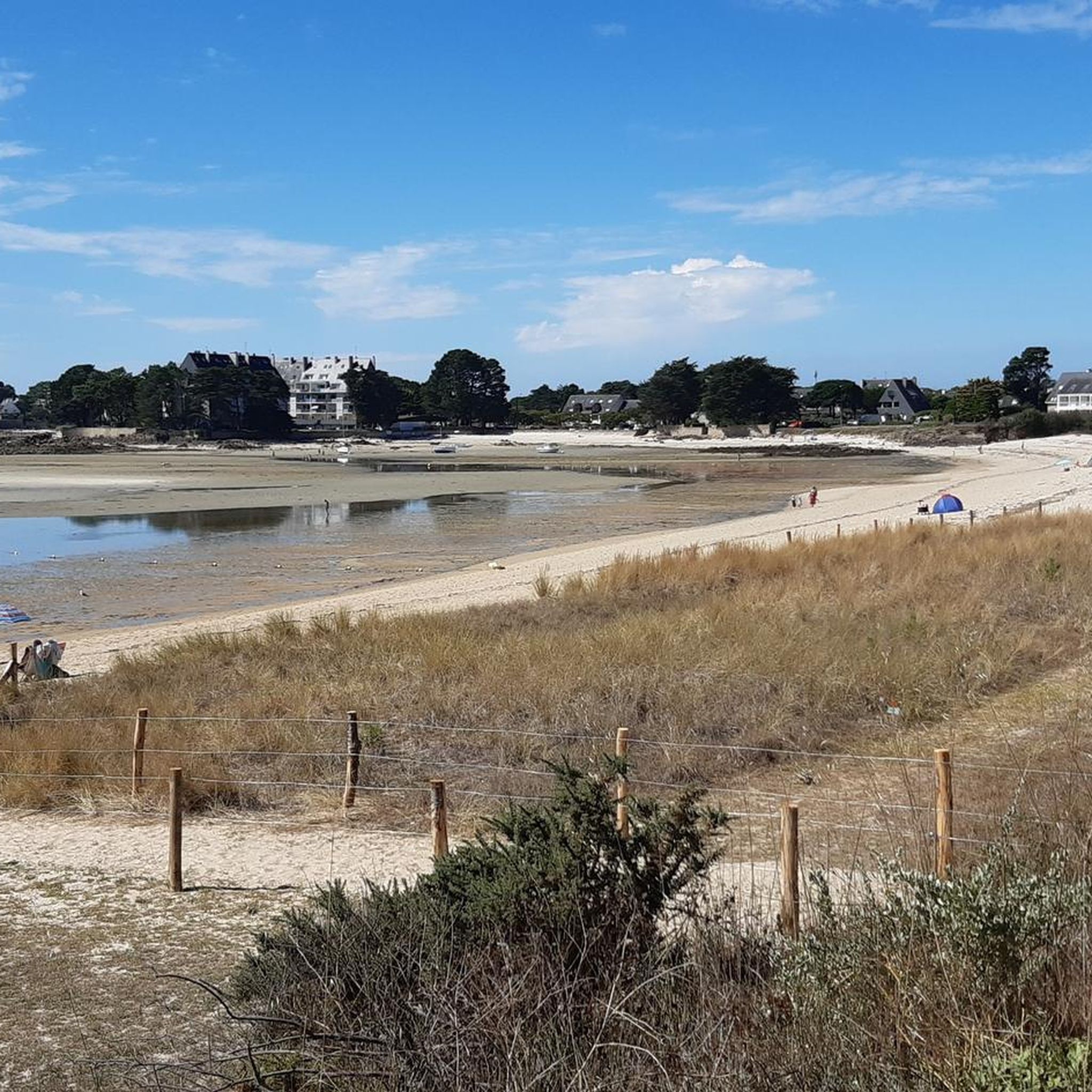
Isthmus of Penthièvre
Highlight • Natural
On these few meters a road, a railway line and the cycle …
Translated by Google •
Tip by

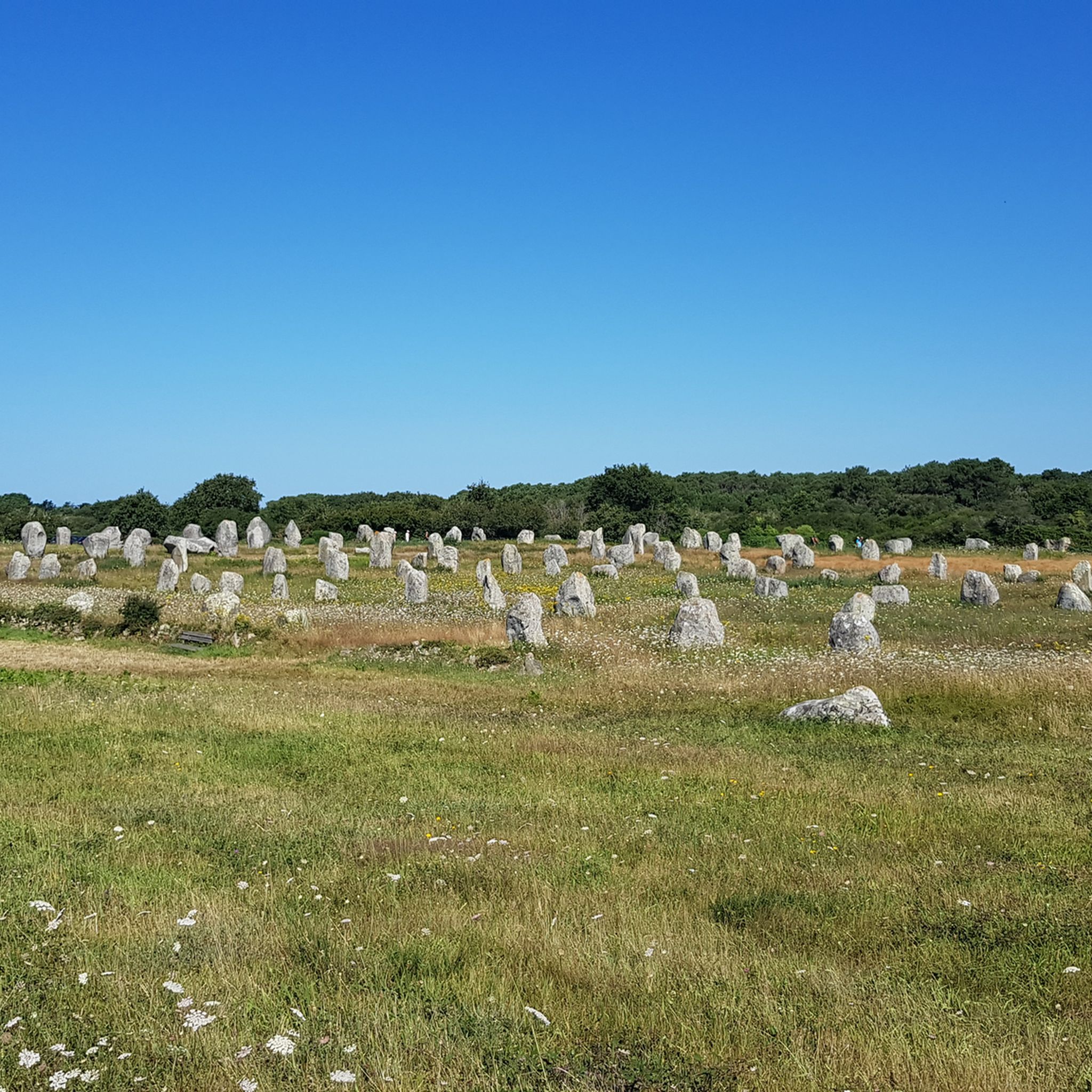
Alignments of Ménec
Highlight • Monument
Translated by Google •
Tip by

Sign up now to discover places like this
Get recommendations on the best single tracks, peaks, & plenty of other exciting outdoor places.
Sign up for free
Kermario Stone Alignments
Highlight • Historical Site
Translated by Google •
Tip by
Dolmen des Pierres Plates
Highlight • Historical Site
Translated by Google •
Tip by
Géant du Manio Menhir
Highlight • Monument
Translated by Google •
Tip by

Sign up for free to discover even more natural monuments around La Trinité-Sur-Mer.
Sign up for free
Already have an account?
Start today with a free account
Your next adventure awaits.
Login or Signup

Tips from the Community

When the wind blows from the east, kitesurfers flock here. Beautiful views of Carnac.
0
0

The Quiberon Peninsula loop from Erdeven (50 km) is a must-do. More than 40 km of cycle path. Magnificent scenery.
0
0

A site full of history, with a magnificent view of the bay of Quiberon. Be sure to respect the regulations of the place!
0
0


Interesting dolmen right by the sea.
1
0

The two comic book heroes Asterix and Obelix, who are very popular not only in France, discover Brittany and the huge stone rows from ancient times that can be found there on their very own "Tour de France" (under the title "Le Tour de Gaule", volume 5 of the French edition, but volume 6 in the German edition). The explanation given to the two travellers for the origin of the megalithic culture is, however, too simple: people say that the soil is so bad that only stones grow there; this can be read in the comic.
3
0

The Alignement de Kermario may not have the most megaliths, but it does have the largest and most impressive ones. All megalithic fields are fenced off, but a beautifully laid out and well-signposted circular path opens up and connects the megalithic fields and allows you to see the stone witnesses of history from the path. Don't forget that it doesn't cost a cent to walk the paths.
2
1
Frequently Asked Questions
What ancient historical natural monuments can I visit around La Trinité-sur-Mer?
The region is rich in megalithic sites. You can explore the impressive Alignments of Ménec, which feature over 1000 menhirs in straight rows, part of the larger Carnac Alignments. Nearby, the Kermario Stone Alignments offer another significant megalithic field. Don't miss the Dolmen des Pierres Plates, a fascinating dolmen by the sea with carved drawings inside, dating back to 3500-3000 BC.
What natural coastal features can I explore near La Trinité-sur-Mer?
La Trinité-sur-Mer offers diverse coastal landscapes. You can visit the Isthmus of Penthièvre, a narrow strip of land connecting the Quiberon peninsula to the mainland, offering beaches on both sides. The Pointe de Kerbihan is a protected headland with panoramic views of Quiberon Bay, ideal for coastal walks. The Presqu'île de Quiberon itself features the dramatic 'Côte Sauvage' with cliffs and sea-sculpted arches on its western side.
Are there family-friendly natural monuments or activities in the area?
Yes, several natural monuments are suitable for families. The Alignments of Ménec and Kermario Stone Alignments are great for educational walks. The beaches of La Trinité-sur-Mer, such as Plage de Kervillen and Plage du Men Dû, are perfect for swimming and exploration, with the latter featuring a sandbar to the islet of Stuhan at low tide. The Géant du Manio Menhir is also a fascinating stop for all ages.
What unique natural areas can I discover beyond the immediate coastline?
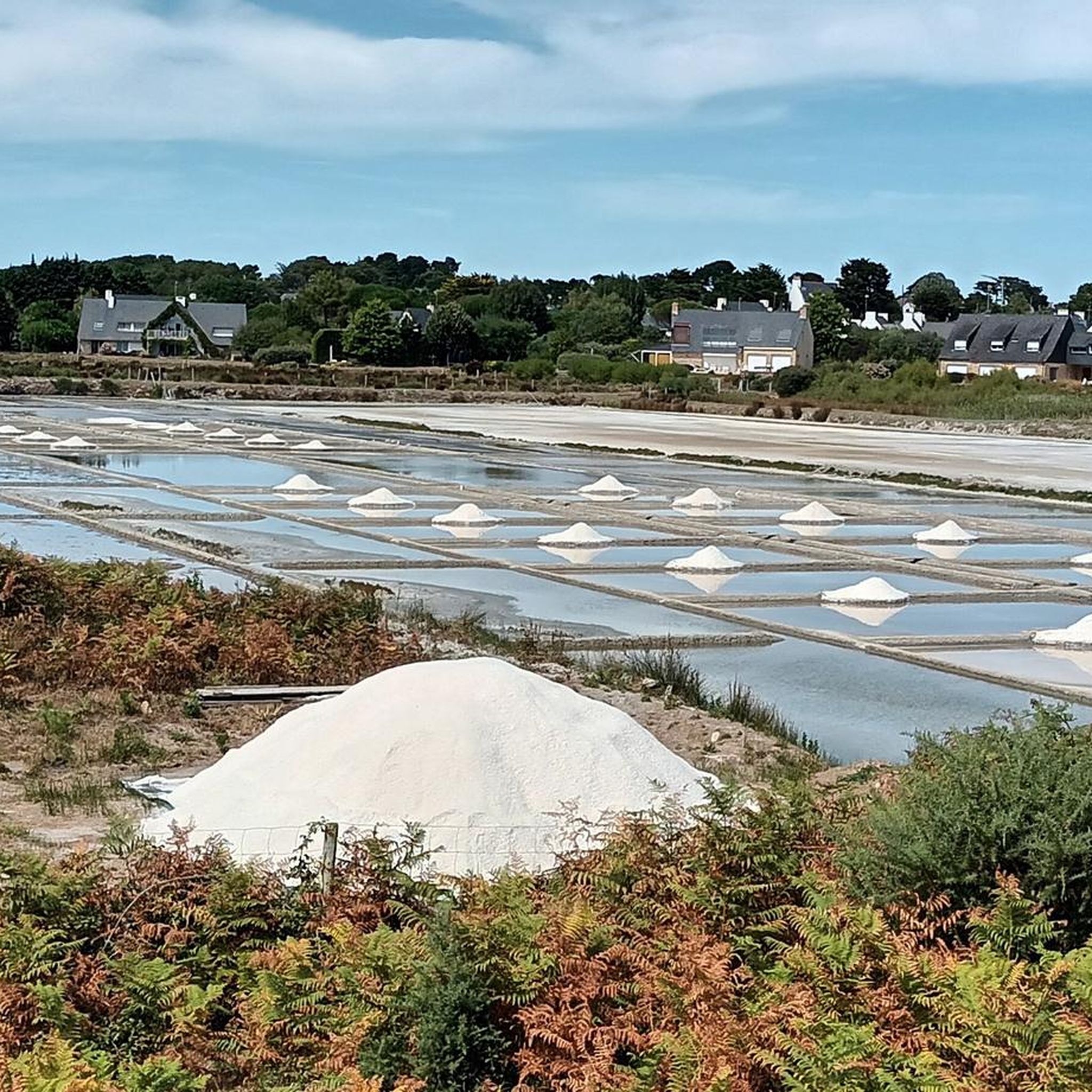
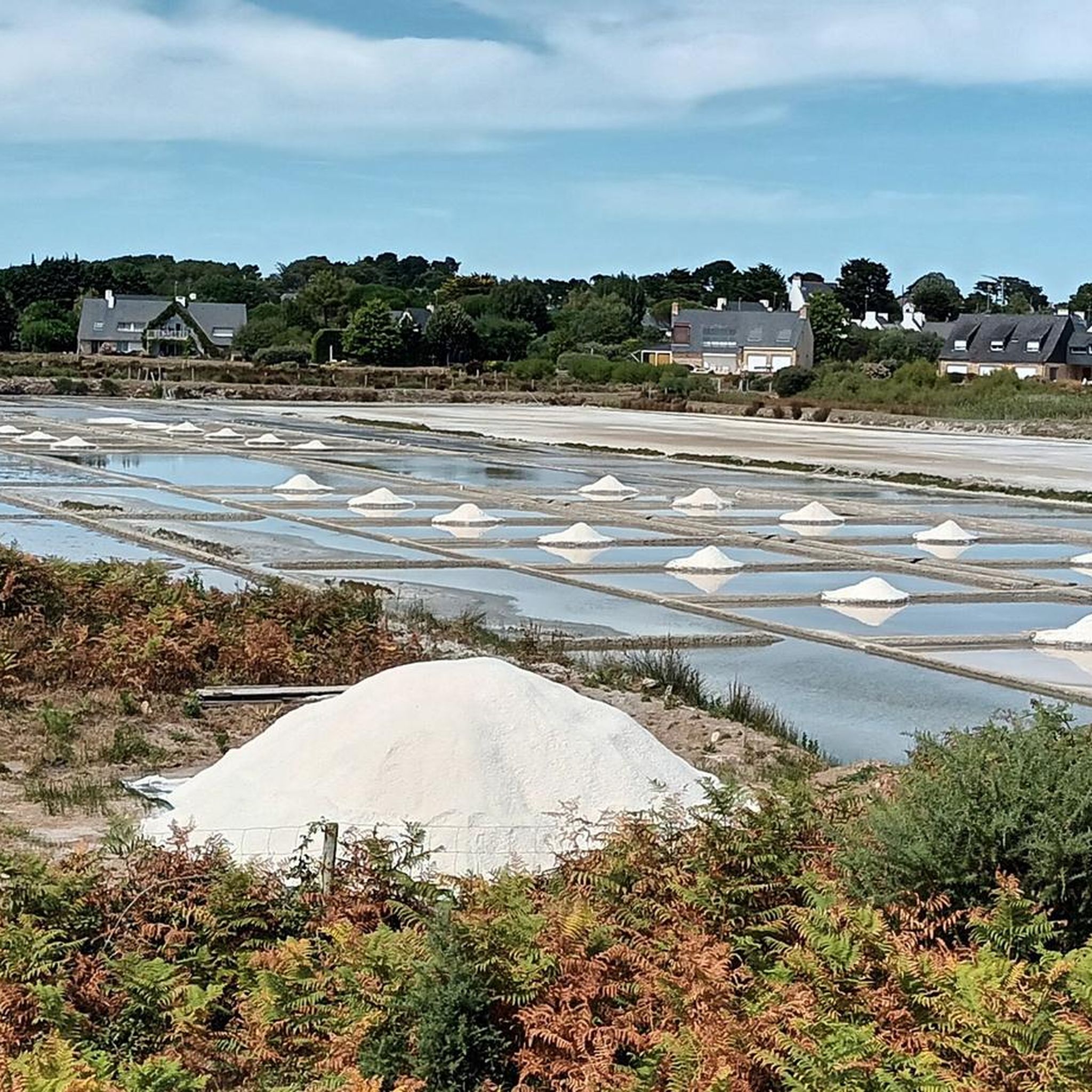
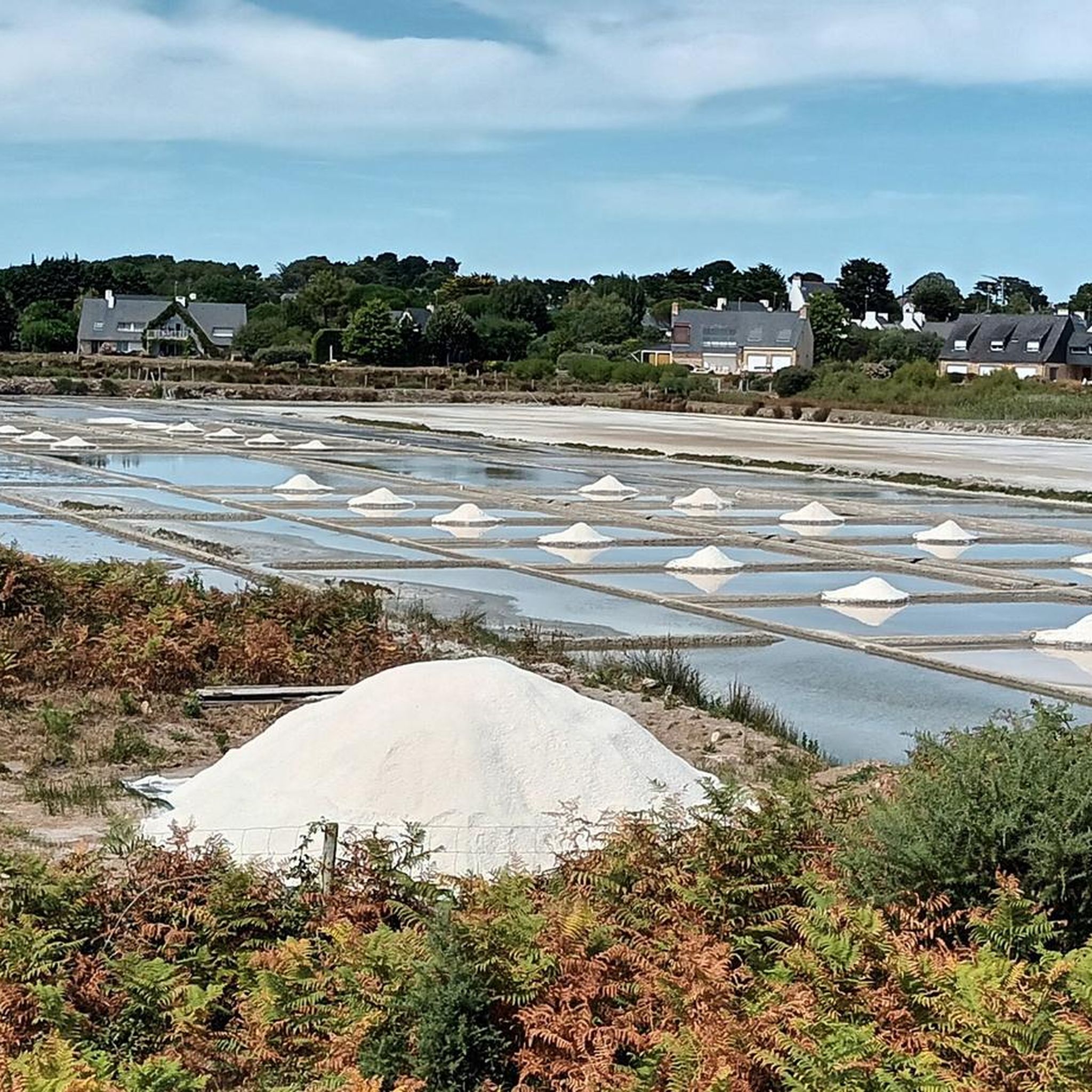
Beyond the coast, you can explore the Kervilhen Salt Marshes, recognized as a sensitive natural area. These marshes are the northernmost active salt marshes in France, offering opportunities for nature observation and birdwatching. The vast Golfe du Morbihan, often called a 'little sea,' is a Regional Natural Park with numerous islands and rich biodiversity, perfect for boating, kayaking, and birdwatching.
What kind of outdoor activities are available near these natural monuments?
The region offers a wide range of outdoor activities. You can enjoy hiking along the coastal paths, including sections of the GR 34 around the Gulf of Morbihan and Pointe de Kerbihan. Cycling is popular, especially on the Isthmus of Penthièvre. The nearby Crac'h River Estuary is ideal for kayaking or stand-up paddleboarding to discover oyster beds. For more detailed routes, you can find various hiking, MTB, and road cycling routes.
Are there hiking trails near the megalithic sites?
Yes, there are several trails that allow you to explore the megalithic sites. For example, you can take an easy 19 km MTB loop from La Trinité-sur-Mer that includes the Kermario Stone Alignments. There's also a moderate 9 km hiking loop that offers views of both the Kermario and Ménec alignments. Many of these sites are integrated into walking paths, allowing for a serene experience, especially through wooded areas like those surrounding the Petit Ménec Alignments.
When is the best time to visit the natural monuments around La Trinité-sur-Mer?
The best time to visit is generally from spring to early autumn (April to October) when the weather is mild and pleasant for outdoor activities. Summer offers warm temperatures ideal for beach activities, but can be busier. Spring and autumn provide cooler weather, fewer crowds, and beautiful natural colors, making them excellent for hiking and exploring the megalithic sites and salt marshes.
Can I bring my dog to the natural monuments and trails?
While many outdoor areas in Brittany are dog-friendly, specific rules can vary by site, especially for protected natural areas or archaeological sites. It's generally advisable to keep dogs on a leash. For the megalithic alignments, dogs are often permitted on the surrounding paths but may have restrictions within the immediate fenced areas. Always check local signage for the most current regulations.
Are there any natural monuments that are particularly good for birdwatching?
Absolutely. The Kervilhen Salt Marshes are a significant habitat for numerous bird species, making them an excellent spot for birdwatching. The Golfe du Morbihan, with its unique microclimate and diverse ecosystems, is a haven for over 200 bird species, offering exceptional opportunities for bird enthusiasts, particularly around its many islands and coastal areas.
What do visitors enjoy most about the natural monuments around La Trinité-sur-Mer?
Visitors frequently appreciate the blend of ancient history and stunning natural beauty. The sheer scale and mystery of the megalithic sites like the Alignments of Ménec are often highlighted as 'very impressive' and 'unique.' The diverse coastal landscapes, from the sheltered beaches to the dramatic 'Côte Sauvage' of the Presqu'île de Quiberon, also receive high praise for their scenic views and opportunities for exploration. The peaceful atmosphere of places like the Kervilhen Salt Marshes and the panoramic views from Pointe de Kerbihan are also popular.
Are there any natural monuments that offer unique geological features?
Yes, the Presqu'île de Quiberon is notable for its dramatic geological contrasts. Its western side, known as the 'Côte Sauvage,' features rugged cliffs and sea-sculpted arches formed by the powerful Atlantic waves. The peninsula's large rocky massifs have been recognized as natural monuments since 1936, showcasing significant geological formations.
How much time should I plan for visiting the major megalithic sites?
To fully appreciate the major megalithic sites like the Alignments of Ménec and Kermario Stone Alignments, it's recommended to allocate at least 2-3 hours. This allows for walking through the alignments, reading informational signs, and visiting any associated visitor centers. For the Dolmen des Pierres Plates and other sites in Locmariaquer, an additional 1-2 hours would be beneficial, especially if you join a guided tour.
Most popular routes around La Trinité-Sur-Mer
Most popular attractions around La Trinité-Sur-Mer

Get inspired with the komoot mobile app


Explore more
Extend your search for the best caves by checking out these guides of the top ones around La Trinité-Sur-Mer:
