Top 7 Natural Monuments around Gabriac
Best natural monuments around Gabriac, a commune in the Lozère department of France, are characterized by diverse geological features and natural landscapes. The region, part of the Occitanie area, is surrounded by the Cévennes, offering varied terrain and impressive natural sites. These locations showcase the effects of erosion, leading to unique rock formations, extensive cave systems, and panoramic viewpoints. The area provides opportunities to explore significant geological formations and experience the natural environment.
Best natural monuments around Gabriac
- The most…
Last updated: June 20, 2026
La Can de l’Hospitalet
Highlight (Segment) • Viewpoint
Translated by Google •
Tip by

Menhir at the Col de la Pierre Plantée
Highlight • Monument
Translated by Google •
Tip by

Sign up now to discover places like this
Get recommendations on the best single tracks, peaks, & plenty of other exciting outdoor places.
Sign up for free
Col des Abeilles
Highlight • Mountain Pass
Translated by Google •
Tip by

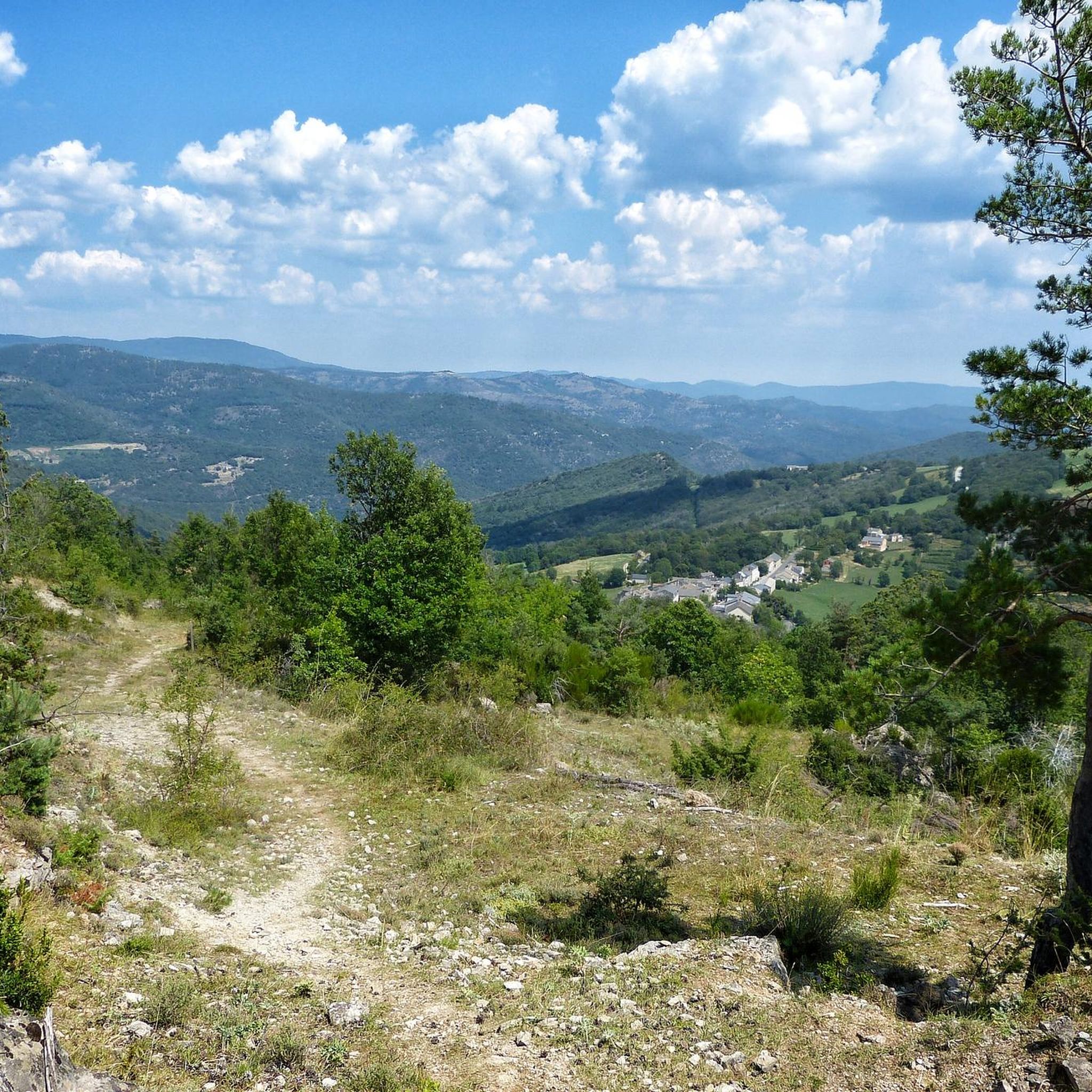
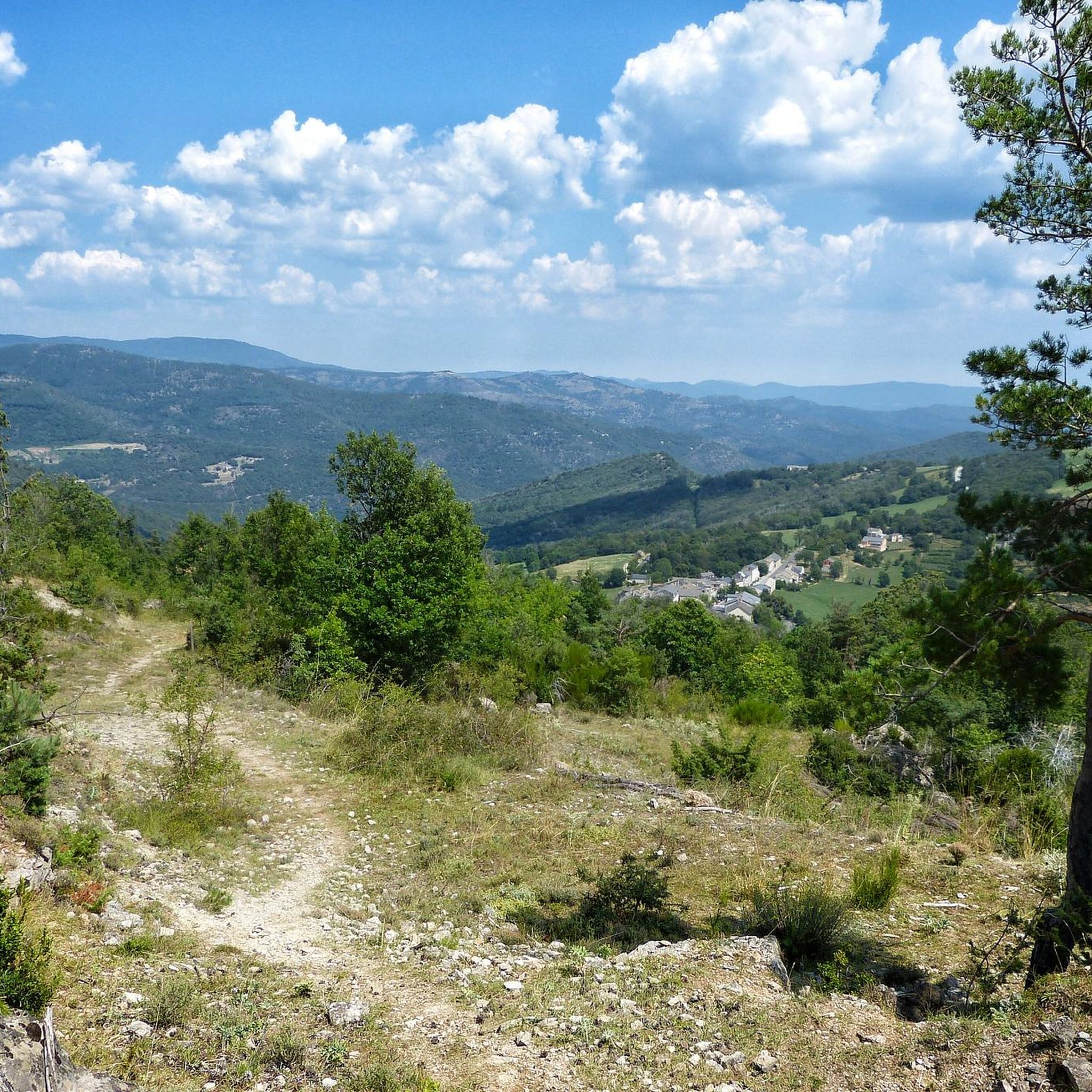
Twisted Tree on the Lique Ser Trail
Highlight (Segment) • Natural Monument
Today the path leads to Departmental 9: the Corniche …
Translated by Google •
Tip by
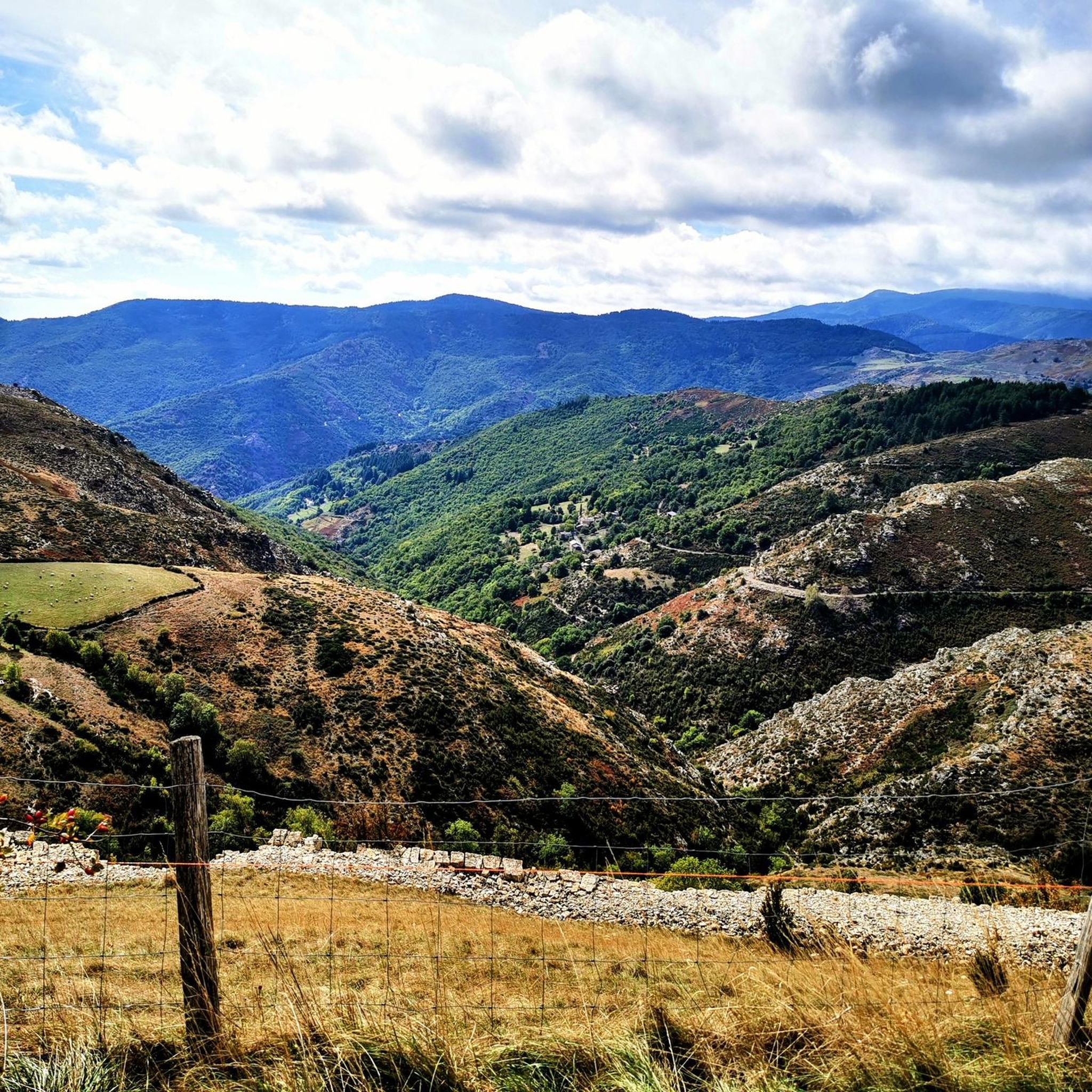
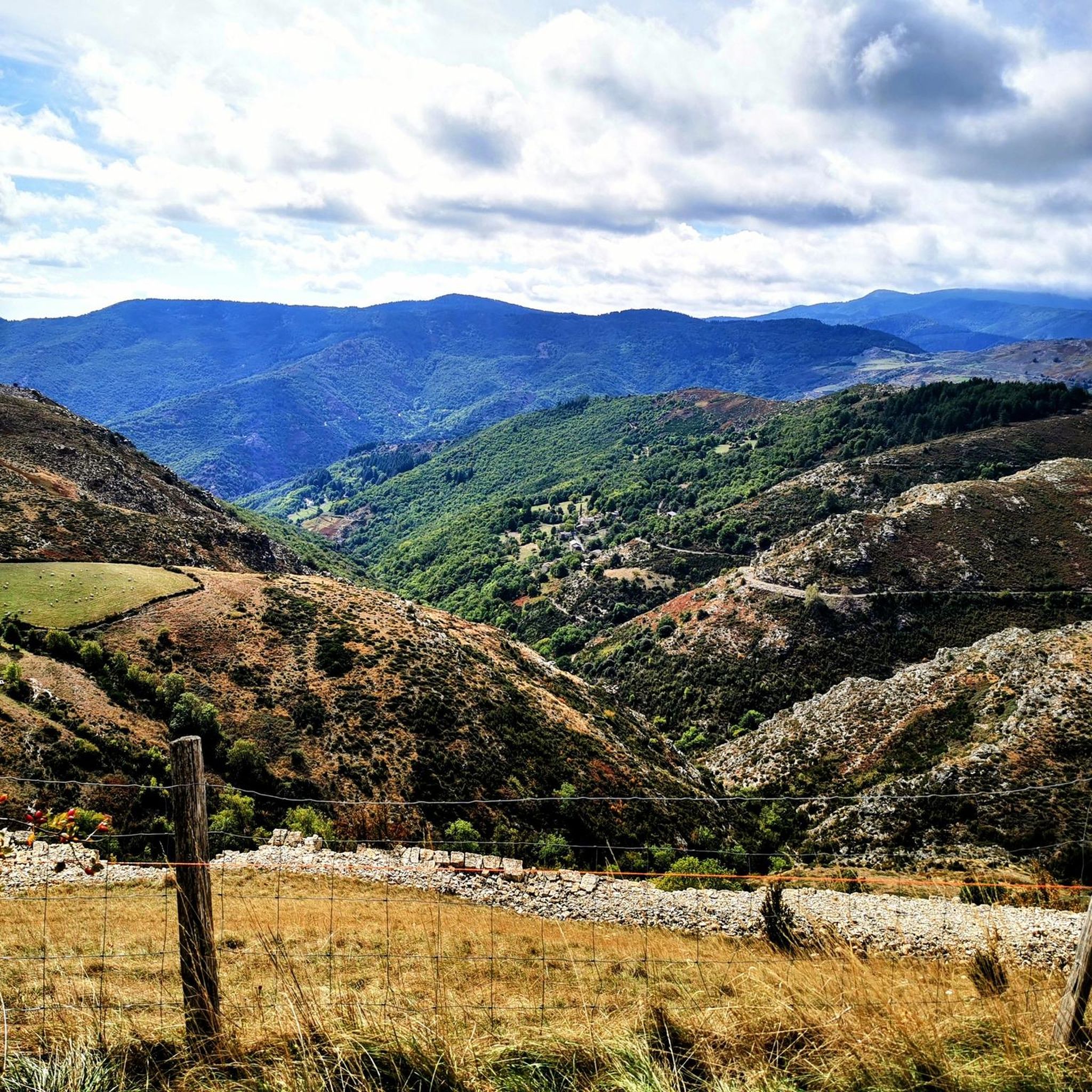
View of the Cévennes Valley
Highlight • Viewpoint
Tip by

Sign up for free to discover even more natural monuments around Gabriac.
Sign up for free
Already have an account?
Start today with a free account
Your next adventure awaits.
Login or Signup
Tips from the Community


I don't think this is a real highlight. Le Cayla, right next door and slightly higher, is much better and should definitely be visited!
0
0

The Lique Ser trail linked Saint-André-de-Valborgne to Pompidou and was protected by the Château de Nogaret built in the 12th century. Today the path leads to Departmental 9: the Corniche des Cévennes, which offers magnificent panoramas and which was built for the circulation of the king's troops during the war of the Camisards.
0
0
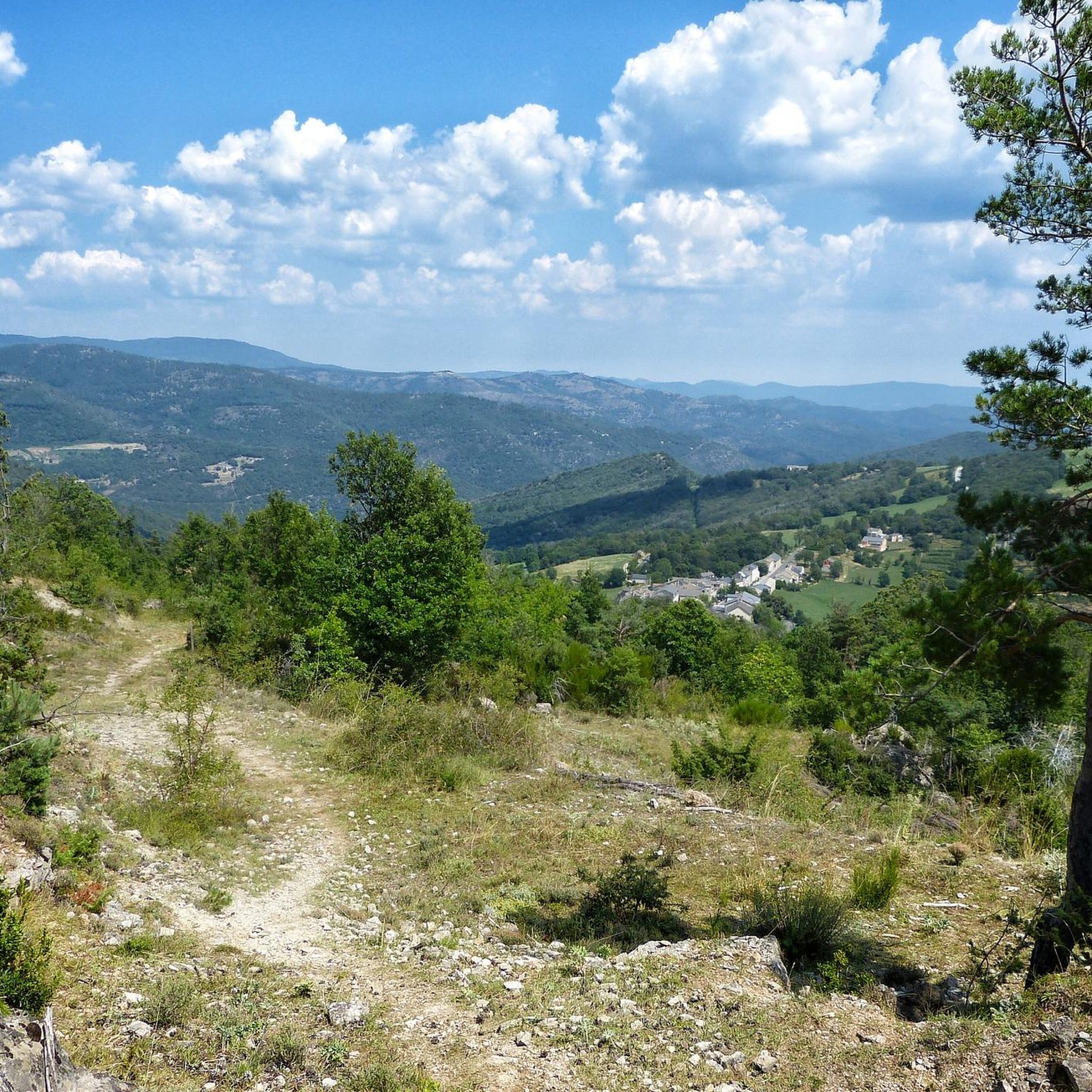
The Can de l'Hospitalet is a plateau separated from the Causse Méjean by the Tarnon. It offers magnificent views of the Cévennes. Its highest point, the Serre de Montgros, culminates at an altitude of 1,111m.
0
0

The Pierre Plantée menhir testifies to the human presence in the region during the Neolithic period. Like what Stevenson was far from being a pioneer of the Cévennes!
0
0

Nice view over the valley after overcoming a vicious climb (if you cycle towards Mont Aigoual). Watch video at t=0:39 https://youtu.be/ulcgGxI3_5g
0
0

Hiking trail on the edge of the Serre de Montgros. Very nice. We found the inspiration for this hike in the flyer from the Office de tourisme Gorges du Tarn (“La Randonnèe”). https://www.komoot.de/tour/41202947
3
0
Frequently Asked Questions
What are some of the most popular natural monuments around Gabriac?
Visitors frequently enjoy the expansive views from La Can de l’Hospitalet, a plateau offering magnificent panoramas of the Cévennes. Another highly regarded spot is the Menhir at the Col de la Pierre Plantée, which provides a glimpse into the region's Neolithic history.
Are there natural monuments with historical significance near Gabriac?
Yes, the Menhir at the Col de la Pierre Plantée is a significant historical site, testifying to human presence in the region since the Neolithic period. Additionally, the Twisted Tree on the Lique Ser Trail is found along a historic path that once connected villages and offers views of the Cévennes.
What kind of unique geological formations can I explore near Gabriac?
The region boasts several unique geological formations. You can explore the dramatic rock formations of the Chaos de Nîmes-le-Vieux or the labyrinthine 'stone city' of Chaos de Montpellier-le-Vieux. For subterranean wonders, the Abîme de Bramabiau offers a chasm leading to an underground river, while Aven Armand and Grotte des Demoiselles are renowned cave systems with impressive stalagmites and stalactites.
What outdoor activities can I do near these natural monuments?
The area around Gabriac is excellent for various outdoor activities. You can find numerous hiking trails, such as the Bézuc Trail or Castelviel Trail, and explore routes for running and mountain biking. For detailed routes and guides, refer to the Hiking around Gabriac, Running Trails around Gabriac, and MTB Trails around Gabriac guides.
Are there any natural monuments that offer panoramic views of the Cévennes?
Absolutely. Roc de Galta provides magnificent views stretching from Mont Aigoual to Mont Lozère. Mont Aigoual itself is a prominent peak offering superb panoramic vistas, and the La Can de l’Hospitalet plateau also offers extensive views of the Cévennes.
What are some notable cave systems to visit in the Gabriac area?
The region is home to impressive cave systems. Aven Armand is famous for its spectacular stalagmites and stalactites, offering a unique underground experience. Another significant site is the Grotte des Demoiselles, known for its intricate rock formations. The Grotte de la Cocalière, often called 'the cave with two entrances,' also features diverse formations and an underground river.
What do visitors enjoy most about the natural monuments around Gabriac?
Visitors particularly appreciate the diverse geological features and the stunning natural landscapes. The expansive views from viewpoints like La Can de l’Hospitalet and the historical significance of sites like the Menhir at the Col de la Pierre Plantée are frequently highlighted. The komoot community has contributed 24 upvotes and 17 photos, reflecting a strong appreciation for these unique natural formations and viewpoints.
Are there any easy walks or trails to natural monuments suitable for families?
While specific 'easy' classifications for all natural monuments aren't always available, many areas offer varied terrain. For example, the Bois de Païolive, with its peculiar rock formations, provides tranquil walks. When planning, look for routes described as 'easy' in the Hiking around Gabriac guide, such as the 'Catholic church – Le Pompidou loop from Le Pompidou' which is rated easy.
What are the best times of year to visit the natural monuments near Gabriac?
The Cévennes region, where Gabriac is located, offers beauty throughout the year. Spring and autumn generally provide pleasant temperatures for hiking and exploring, with vibrant foliage or blooming wildflowers. Summer is ideal for longer days and outdoor activities, though some areas can be busy. Winter can offer a different, serene experience, especially in higher elevations like Mont Aigoual or Mont Lozère, but requires appropriate gear.
Can I find natural monuments that are less known or considered 'hidden gems'?
While many sites are well-known, the vastness of the Cévennes means there are always places to discover. The Bois de Païolive, with its ancient forest and unusual rock formations, offers a mystical atmosphere for tranquil exploration. The Cirque de Vissec, a dramatic amphitheater-like valley, also provides scenic beauty away from the most crowded spots.
What are the highest points or mountains I can visit near Gabriac for views?
Mont Aigoual is a prominent peak in the Cévennes, offering magnificent views. Mont Lozère is another substantial mountain providing opportunities for hiking and expansive vistas. The highest point of La Can de l’Hospitalet, the Serre de Montgros, reaches an altitude of 1,111m and offers superb panoramas.
Are there any natural monuments that are particularly good for photography?
Many natural monuments in the region are highly photogenic. The Chaos de Nîmes-le-Vieux and Chaos de Montpellier-le-Vieux, with their unusual rock formations, create dramatic and interesting landscapes. The intricate formations within Aven Armand and Grotte des Demoiselles offer stunning underground photographic opportunities. Panoramic viewpoints like Roc de Galta also provide excellent photo opportunities, especially at sunrise or sunset.
Most popular attractions around Gabriac

Get inspired with the komoot mobile app


Explore more
Extend your search for the best caves by checking out these guides of the top ones around Gabriac:
