Top 8 Natural Monuments around Soucia
Best natural monuments around Soucia are found within a landscape characterized by its natural heritage, including waterfalls, lakes, and forests. Soucia, located in the Jura region of France, offers a variety of protected natural areas. The region's geology features cliffs and rock formations, contributing to its distinct natural monuments. These areas provide opportunities to explore the Jura mountains natural heritage.
Best natural monuments around Soucia
- The most popular natural monuments is Fan Waterfall, a waterfall known for its height…
Last updated: June 20, 2026
Fan Waterfall
Highlight • Waterfall
Translated by Google •
Tip by

The Hérisson Waterfalls
Highlight • Waterfall
Translated by Google •
Tip by
Sign up now to discover places like this
Get recommendations on the best single tracks, peaks, & plenty of other exciting outdoor places.
Sign up for free
Pont-de-Poitte
Highlight • Natural Monument
Translated by Google •
Tip by

La Fratte Viewpoint
Highlight • Viewpoint
The viewpoint is secured by barriers and thus allows you to …
Translated by Google •
Tip by
Moss-Covered Rocks in the Forest near Lac de Vouglans
Highlight • Forest
Translated by Google •
Tip by

Sign up for free to discover even more natural monuments around Soucia.
Sign up for free
Already have an account?
Start today with a free account
Your next adventure awaits.
Login or Signup

Tips from the Community

The Saut de la Saisse is a waterfall in France located in the Jura massif, at the point where the Ain river flows into the Vouglans reservoir at Pont-de-Poitte and Patornay, between Lons-le-Saunier and Clairvaux-les-Lacs. A "marmite du diable", "marmite de géant" or "marmite glaciaire" in Switzerland (or simply "marmite" or "chaudron") is a more or less cylindrical natural cavity carved into the rock by ancient, generally torrential watercourses, carrying pebbles or gravel, which promotes swirling erosion (a phenomenon called "marmitage").
0
0

View of the Cascade de L'Eventail. A small, rocky path leads directly to the waterfall.
7
0
Beautiful view of the central waterfall Cascade Du Hérisson with several cascades.
7
0


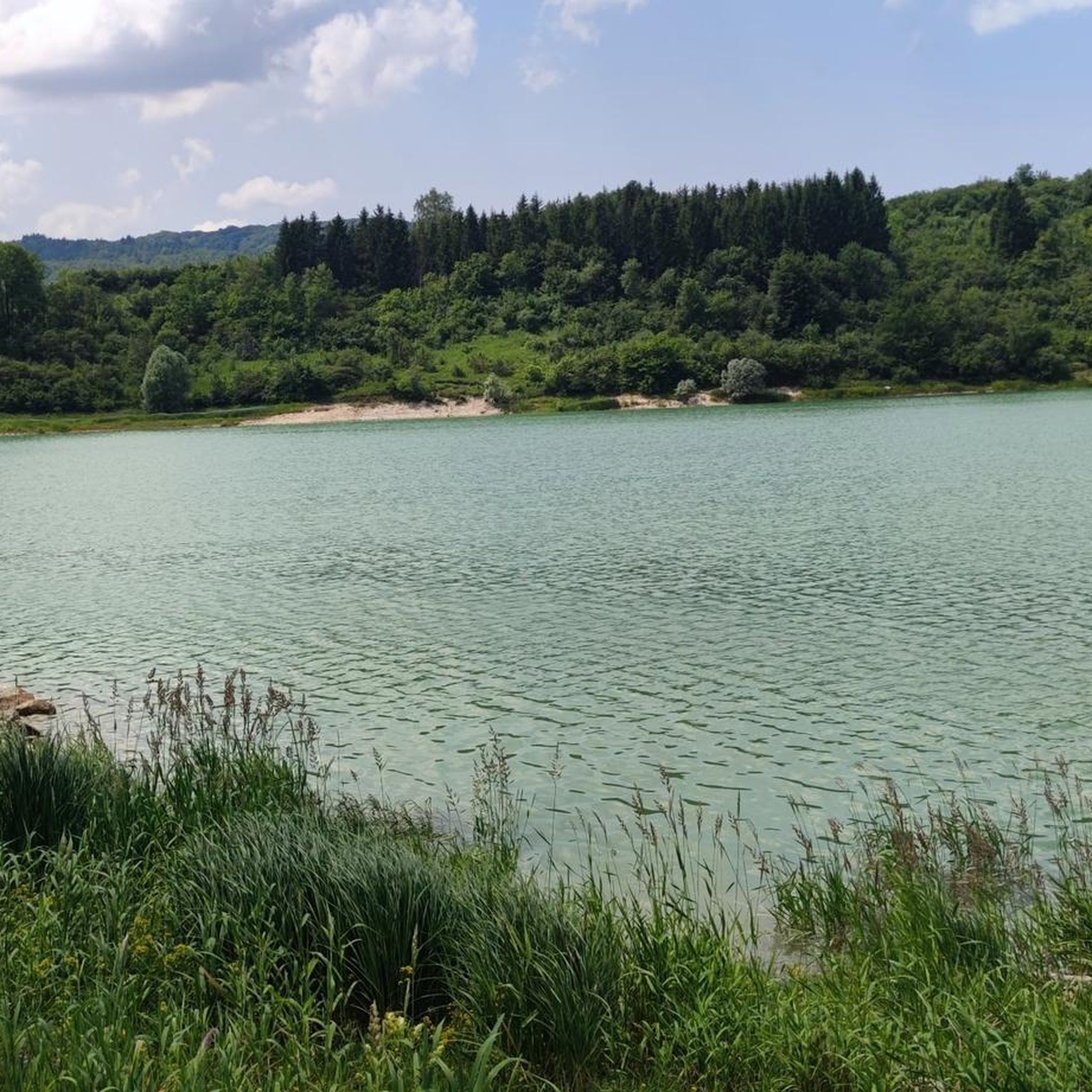
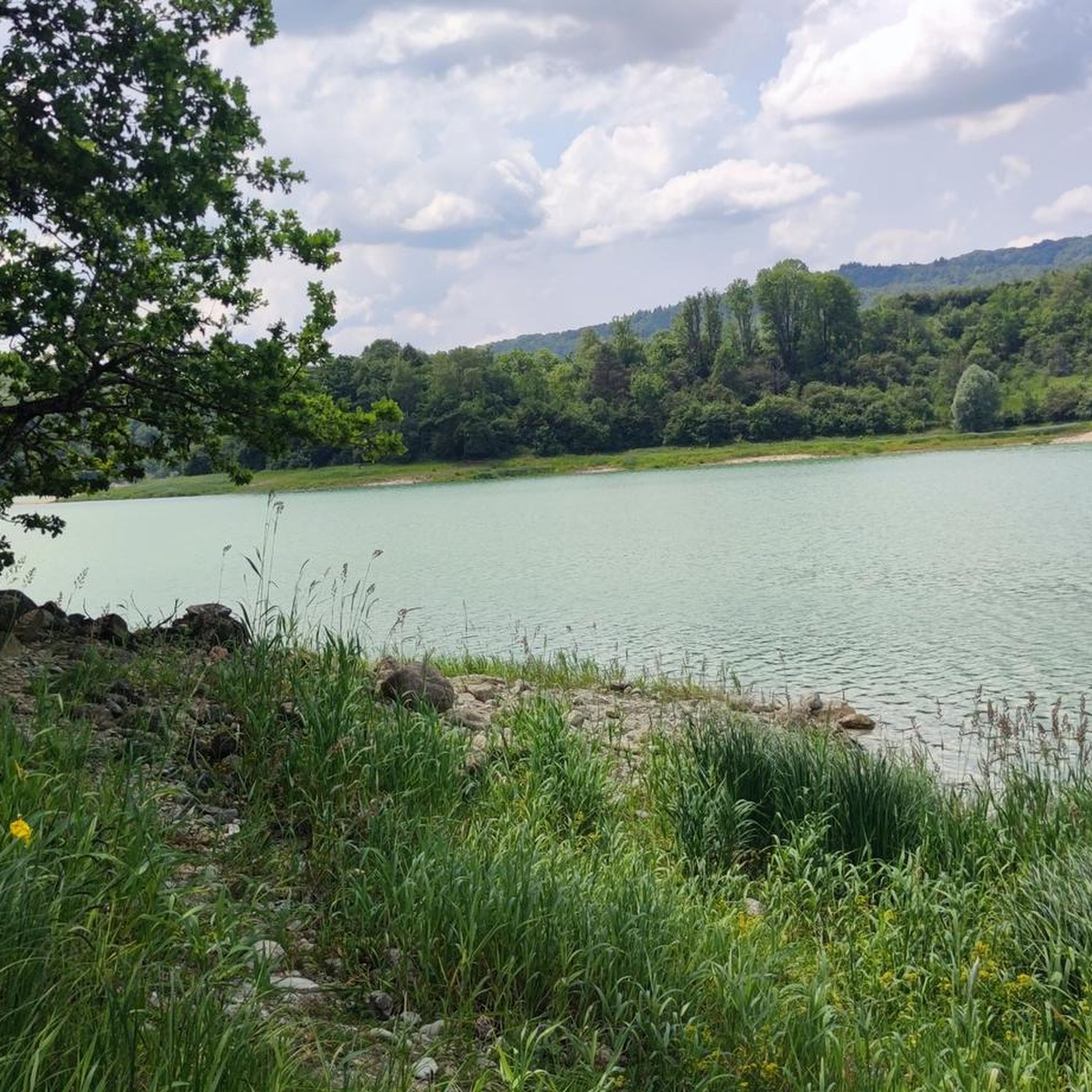
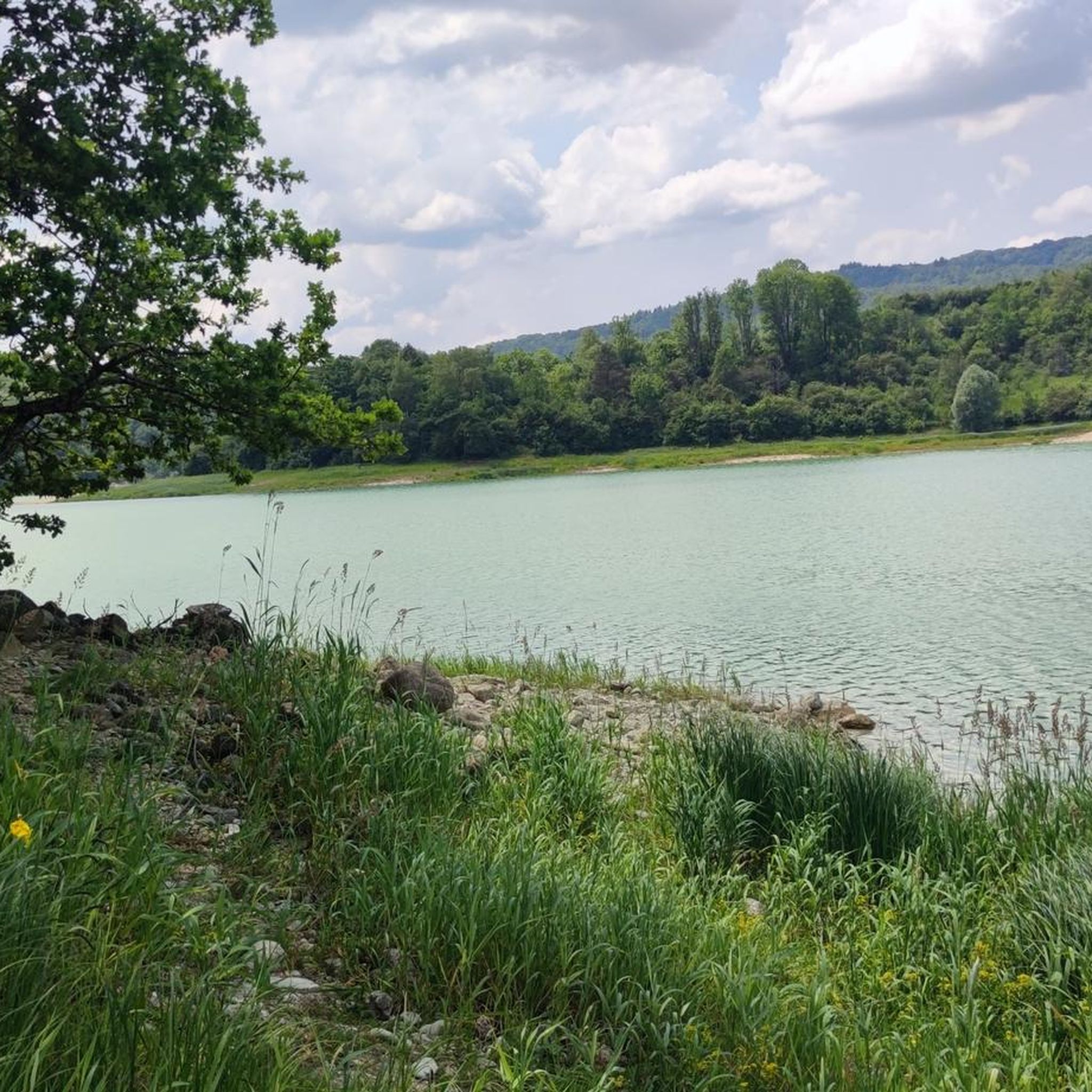
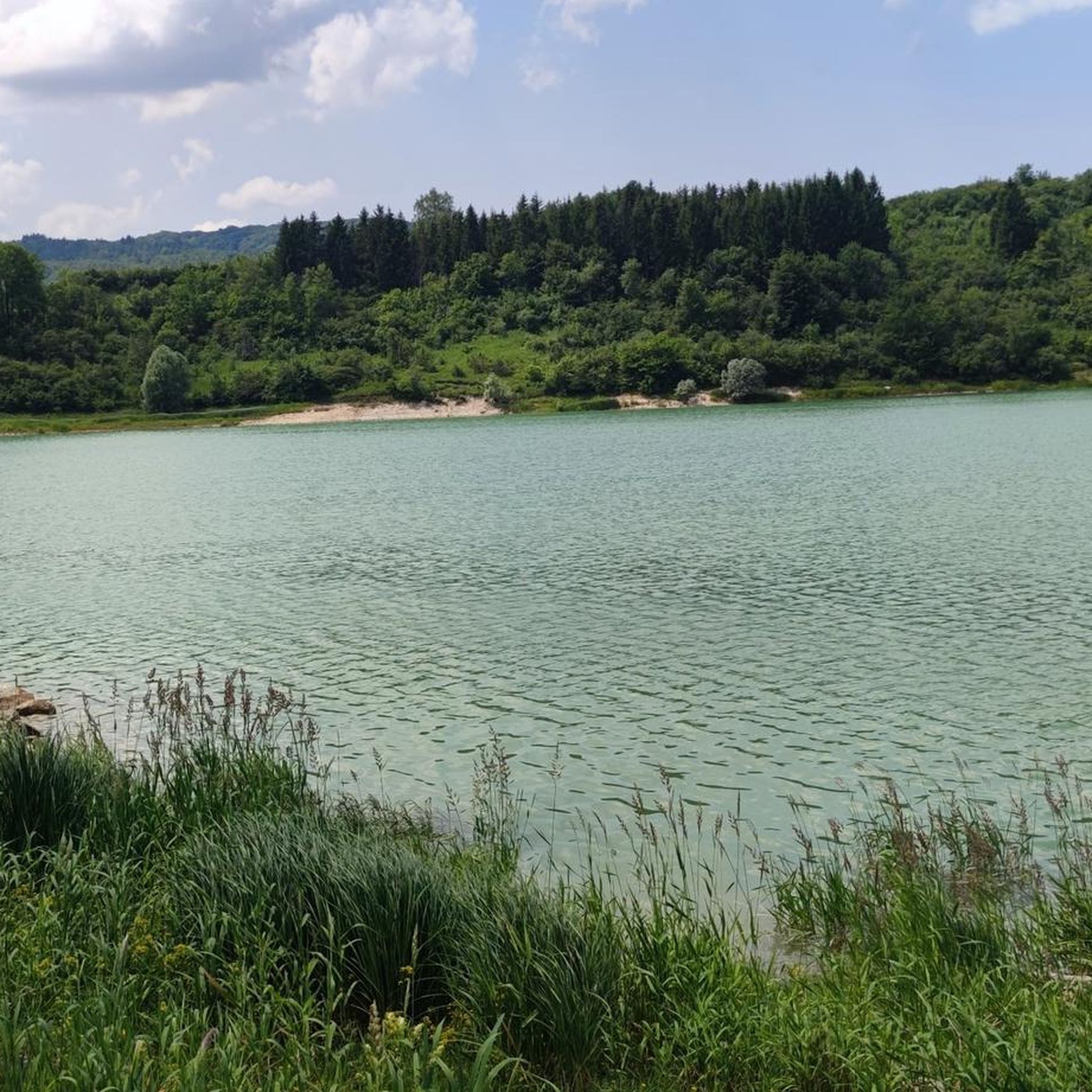
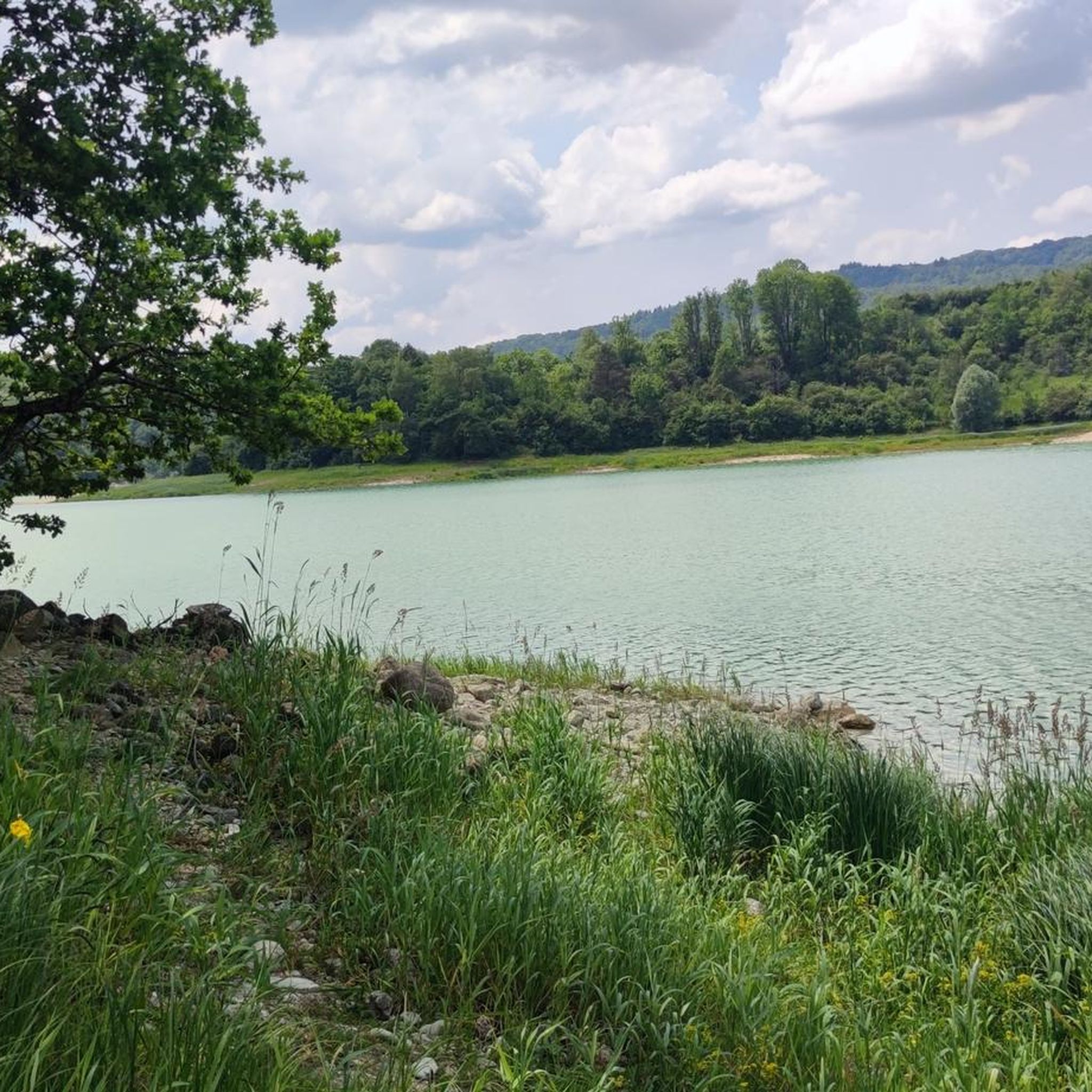
Great view of the Ain, this is where the Lac de Vouglans begins. When the water level is high, the stones are of course not so easy to see.
0
0


The Cascades du Hérisson, located in the French Jura, are a series of magnificent waterfalls on the Cours du Hérisson. They offer spectacular scenery and are a popular tourist attraction in the region.
0
0
It is often compared to a wedding dress when it is frozen in winter, creating an enchanting and magical landscape.
0
0
Frequently Asked Questions
What are some of the most popular natural monuments to visit around Soucia?
Visitors frequently enjoy the impressive Fan Waterfall, known for its height and stepped layout, and the series of cascades at The Hérisson Waterfalls. Another highly appreciated spot is La Fratte Viewpoint, which offers stunning panoramas of cliffs, a turquoise lake, and dense forest.
What kind of natural features can I expect to see in the Soucia region?
The Soucia region, nestled in the Jura mountains, is rich in diverse natural features. You'll encounter numerous waterfalls, picturesque lakes, and extensive forests. The geology also features distinctive cliffs and rock formations, contributing to a landscape that is both mineral and vegetal, as seen around Lac de Vouglans.
Are there family-friendly natural monuments near Soucia?
Yes, several natural monuments are suitable for families. La Fratte Viewpoint is considered family-friendly, offering a safe, barrier-secured platform to enjoy the views. The paths around The Hérisson Waterfalls can also be explored by families, though some sections might be more challenging for very young children.
What hiking opportunities are available near Soucia's natural monuments?
The area around Soucia offers various hiking opportunities. You can explore trails that lead to and around the natural monuments, such as the seven-kilometer path along The Hérisson Waterfalls. For more options, you can find numerous routes in the Hiking around Soucia guide, including moderate trails like the Grand Lac de Clairvaux loop from Clairvaux-les-Lacs.
Are there any viewpoints offering panoramic views of the landscape around Soucia?
Absolutely. La Fratte Viewpoint is a prime example, providing superb views of cliffs, a turquoise lake, and the surrounding forest. Many trails in the region also offer elevated perspectives of the Jura landscape, especially those around the lakes and valleys.
Can I find natural monuments that are less known or 'hidden' around Soucia?
While the major waterfalls are well-known, the region's dense forests and geological formations hold many quieter spots. For instance, the Moss-Covered Rocks in the Forest near Lac de Vouglans offer a unique, serene experience where mineral and vegetal elements intertwine, providing a more secluded natural encounter.
What is the best time of year to visit the natural monuments around Soucia?
The best time to visit is generally from spring to autumn (April to October). In spring, the waterfalls are at their fullest due to snowmelt, and the foliage is vibrant. Summer offers pleasant weather for hiking, while autumn brings beautiful fall colors to the forests. Some waterfalls, like the Quinquenouille Waterfall, can be less impressive during dry periods, so spring is often ideal for water features.
Are dogs allowed on trails around the natural monuments in Soucia?
Generally, dogs are allowed on trails in the Jura region, often on a leash. However, specific rules can vary by site, especially in protected natural areas. It's always advisable to check local signage at the entrance of each natural monument or park to confirm regulations regarding pets.
What should I wear when visiting the natural monuments in Soucia?
Comfortable hiking shoes with good grip are essential, especially when visiting waterfalls or viewpoints where paths can be rocky or damp. Layered clothing is recommended as weather can change, and a waterproof jacket is advisable, particularly in spring and autumn. Don't forget sun protection and sufficient water.
What other outdoor activities can I do near these natural monuments?
Beyond hiking, the Soucia area is excellent for cycling. You can find various routes for touring bicycles in the Cycling around Soucia guide, including easy loops around lakes. For more challenging rides, the Road Cycling Routes around Soucia guide offers difficult routes like the Lac de Clairvaux-les-Lacs – Pyle Bridge loop.
Are there any natural monuments around Soucia that are less affected by drought?
While waterfalls are highly dependent on rainfall, natural monuments like La Fratte Viewpoint, which focuses on lake and forest panoramas, offer consistent beauty regardless of water levels. The geological formations and forests, such as the Moss-Covered Rocks in the Forest near Lac de Vouglans, also maintain their appeal even during drier periods.
Most popular attractions around Soucia

Get inspired with the komoot mobile app


Explore more
Extend your search for the best caves by checking out these guides of the top ones around Soucia:
