Top 20 Natural Monuments around Krüt
Best natural monuments around Krüt encompass a diverse landscape, featuring serene lakes, impressive viewpoints, and notable summits. The region is characterized by its natural formations, offering various opportunities for outdoor exploration. Visitors can discover a range of natural features, including high-altitude areas and tranquil forest settings. These natural monuments around Krüt provide a backdrop for numerous hiking trails and scenic walks.
Best natural monuments around Krüt
- The most popular natural monuments is Lake Lispach, a lake that is a…
Last updated: October 7, 2026
Ferme Auberge du Frankenthal
Highlight • Summit
See also: frankenthal.pagesperso-orange.fr/de_accueil.html
Translated by Google •
Tip by

Grand Ballon
Highlight • Summit
Translated by Google •
Tip by

Sign up now to discover places like this
Get recommendations on the best single tracks, peaks, & plenty of other exciting outdoor places.
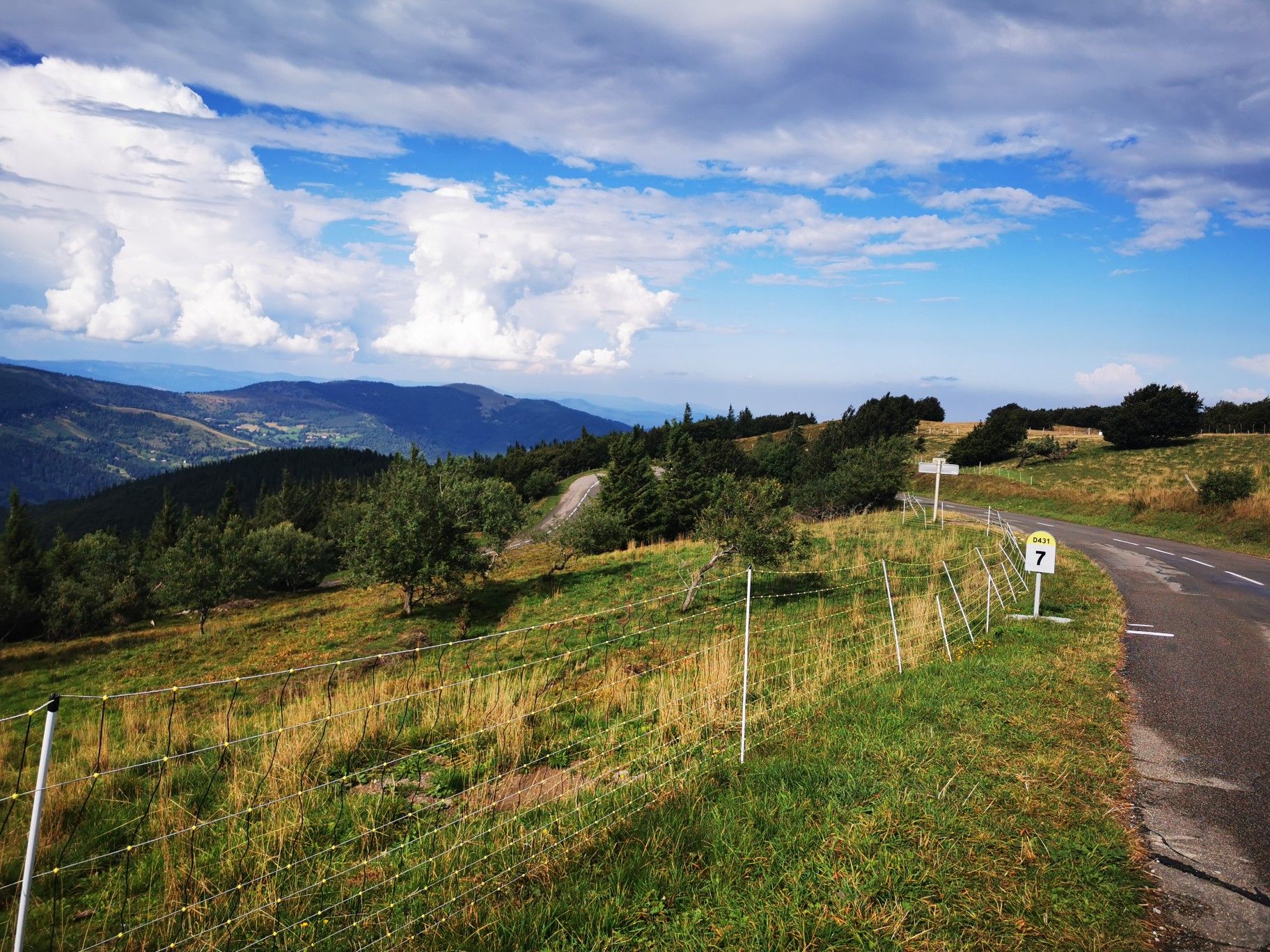
Viewpoint
Highlight • Viewpoint
The pass road or the view of the valley is worth a break.
Translated by Google •
Tip by
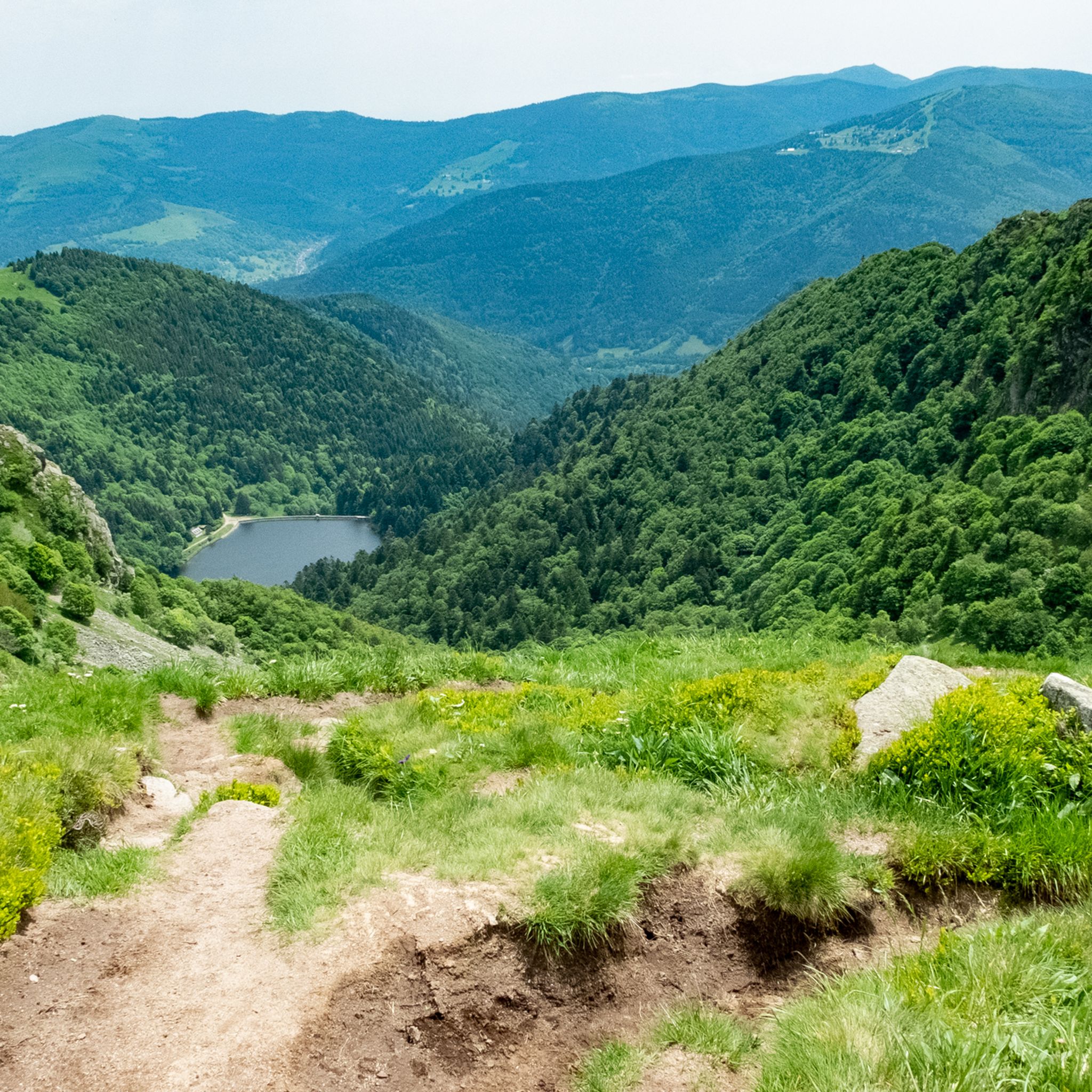
Lake Lispach
Highlight • Lake
Translated by Google •
Tip by

Waterfall on Sentier des Roches
Highlight • Waterfall
Tip by

Sign up for free to discover even more natural monuments around Krüt.
Already have an account?
Start today with a free account
Your next adventure awaits.

Other adventures around Krüt

Tips from the Community

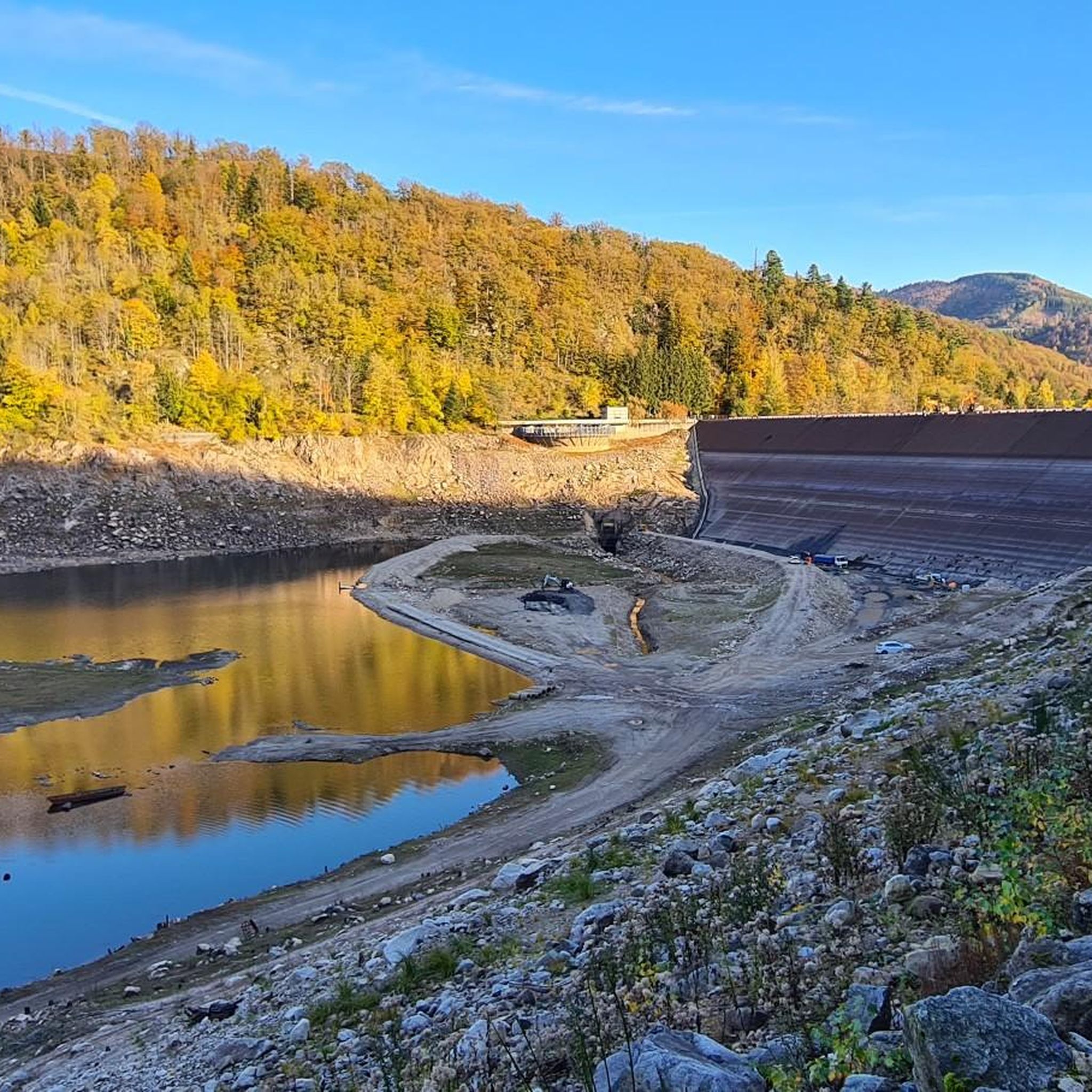
Unfortunately, you can't get to the water from the bridge
5
0

In a word: amazing! Unfortunately, you can't get close enough to drink it. It would be too dangerous.
2
0

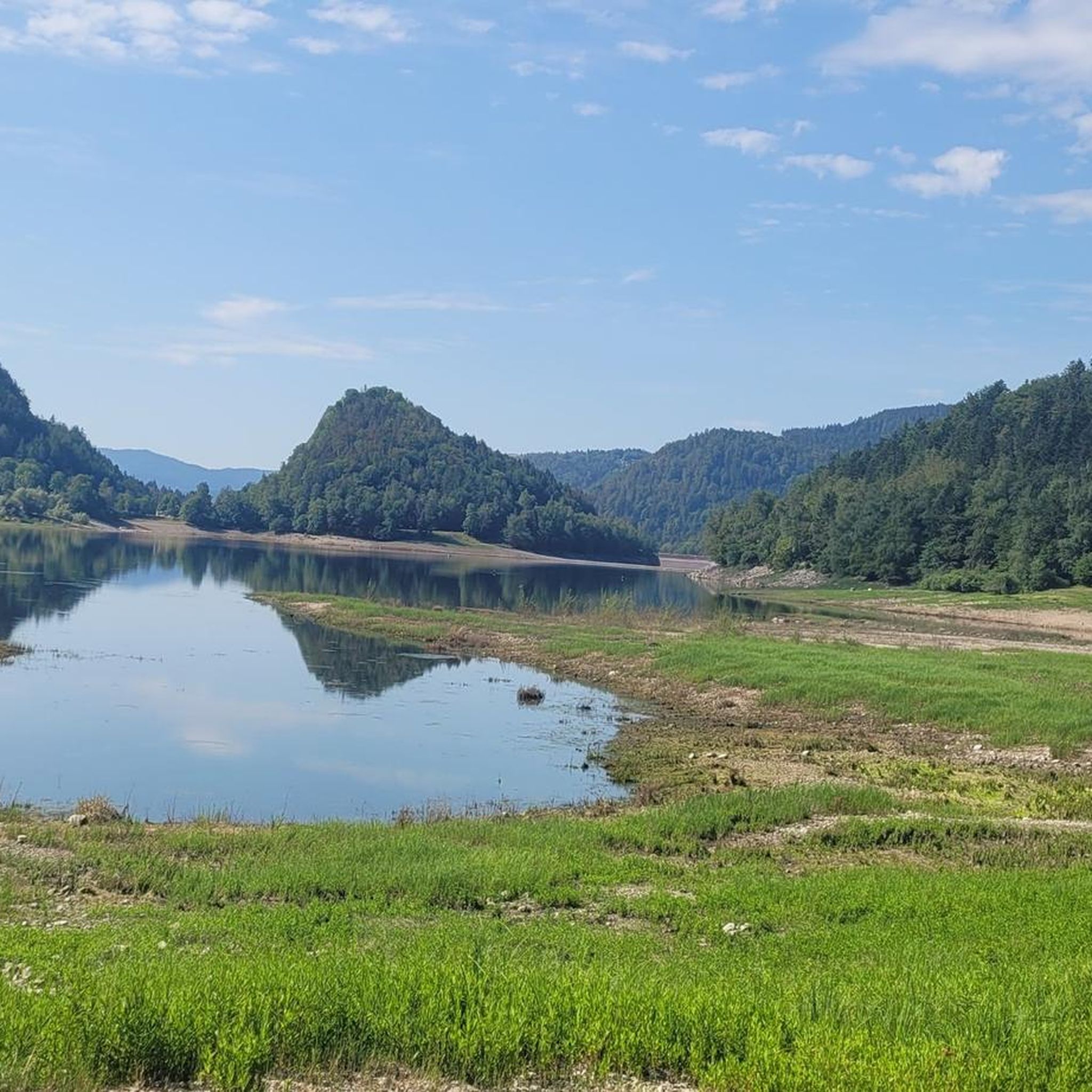
Here you can cycle around the mountain lake on a great single trail.
5
1

Beautiful, small waterfall on the varied Sentier des Roches path.
5
1

Kleiner Wasserfall direction am Rock Trail
2
0

Refreshing waterfall at the end of the trail. Be careful with water, it is better to purify it before drinking it as a precaution.
5
1
Inconspicuous waterfall, but a good way to replenish the water supplies
4
2
Frequently Asked Questions
What are some of the most popular natural monuments around Krüt?
The region around Krüt offers a variety of popular natural monuments. Visitors frequently enjoy the serene Lake Lispach, known for its tranquil moorland setting. Another favorite is Ferme Auberge du Frankenthal, a unique farmed alpine hut located in a beautiful valley below the Hohneck, offering great views. The Viewpoint directly on the Sentier des Roches is also highly rated for its sensational valley views. Additionally, Lake Longemer is cherished for its clear waters and natural beauty, while the Waterfall on Sentier des Roches provides a picturesque stop along the trail.
Are there family-friendly natural monuments to visit near Krüt?
Yes, several natural monuments around Krüt are suitable for families. Lake Lispach is an excellent choice, offering a quiet setting with educational boards about the lake's ecosystem. Lake Longemer is also considered family-friendly, providing an ideal setting for swimming and gentle walks. The larger Lac de Kruth-Wildenstein offers a wide array of recreational activities, including pedal boating and an adventure course with ziplines, making it a great destination for families.
When is the best time to visit the natural monuments around Krüt?
The natural monuments around Krüt are beautiful year-round, but the best time to visit largely depends on your preferred activities. Spring and summer (May to September) are ideal for hiking, water sports, and enjoying the lush greenery. Autumn offers stunning foliage, making it perfect for scenic walks. While some areas might be less accessible in winter due to snow, the landscape transforms into a picturesque snowy wonderland, suitable for winter hiking or snowshoeing in certain parts.
What kind of outdoor activities can I do near these natural monuments?
The region around Krüt offers diverse outdoor activities. You can enjoy various mountain hikes, including challenging alpine trails like the Sentier des Roches. For cyclists, there are numerous MTB trails and gravel biking routes. Lac de Kruth-Wildenstein provides opportunities for fishing, kayaking, diving, and pedal boating. Climbing enthusiasts can visit the Schlossberg Climbing Site near Lac de Kruth-Wildenstein.
What types of natural features can I expect to see among Krüt's natural monuments?
You can expect to encounter a rich variety of natural features. These include serene lakes like Lake Lispach and Lac de Kruth-Wildenstein, impressive mountain peaks such as Hohneck and Grand Ballon offering panoramic views, and picturesque waterfalls like the Waterfall on Sentier des Roches and Bockloch Waterfall. The landscape also features dense forests, moorlands, and dramatic rock formations.
Can I expect to see wildlife when visiting natural monuments in the Krüt area?
Yes, the Krüt area, being part of the Regional Natural Park of Ballons des Vosges and including protected areas like the Natural Reserve of the Grand Massif Ventron, is rich in biodiversity. Lac de Kruth-Wildenstein, for instance, supports diverse fauna including insects, amphibians, reptiles, and birds. While specific sightings are never guaranteed, keeping an eye out during your hikes and visits to natural sites may reward you with glimpses of local wildlife.
Are there any historical sites integrated with the natural monuments around Krüt?
Yes, the region beautifully blends natural beauty with historical elements. The ruins of Wildenstein Castle, perched on a rocky outcrop near Lac de Kruth-Wildenstein, offer both historical insight and scenic views. Exploring the hiking trails around the lake allows you to discover these ruins, which are an integral part of the area's natural and cultural heritage.
Which natural monuments offer the best panoramic views in the Krüt region?
For breathtaking panoramic views, you should visit Hohneck, the second-highest peak in the Vosges mountains, and Grand Ballon, the highest mountain in the Vosges. Both summits provide expansive vistas of the surrounding landscape. Additionally, the Viewpoint directly on the Sentier des Roches is highly recommended for its sensational views into the valley.
Are the natural monuments and trails around Krüt dog-friendly?
Many natural areas and trails around Krüt are dog-friendly, especially those within the Regional Natural Park of Ballons des Vosges. However, it's always advisable to keep dogs on a leash, particularly in protected areas or where wildlife might be present, and to check for specific local regulations at each site. Always ensure to clean up after your pet.
Are there places to eat or drink near the natural monuments?
Yes, you'll find options for refreshments. Ferme Auberge du Frankenthal is a farmed alpine hut that also serves as a restaurant, offering a great place to eat with a view. Near Lac de Kruth-Wildenstein, you can find various establishments. It's a good idea to check opening hours, especially during off-peak seasons.
Is parking available at the natural monuments around Krüt?
Parking is generally available at or near the main natural monuments and trailheads. For example, Lac de Kruth-Wildenstein has designated parking areas. For popular hiking spots like the Sentier des Roches or access points to Hohneck and Grand Ballon, you will typically find parking facilities. Some may be paid parking, especially during peak season.
How can I reach the natural monuments around Krüt by public transport?
While some natural monuments are more easily accessed by car, public transport options exist. Kruth itself has a train station. From there, local bus services might connect to some of the larger natural attractions or nearby towns. For more remote trailheads or specific natural monuments, public transport might require a combination of bus and walking, or a taxi. Planning your route in advance using local transport schedules is recommended.
Most popular routes around Krüt
Most popular attractions around Krüt

Get inspired with the komoot mobile app


Explore more
Extend your search for the best caves by checking out these guides of the top ones around Krüt:
