Top 12 Natural Monuments around Rue
Best natural monuments around Rue serve as a gateway to significant natural areas in northern France, particularly the Somme Bay reserve and the Marquenterre Park. This region is characterized by its diverse landscapes, including expansive estuaries, marshlands, dunes, and coastal features. It is recognized for its rich biodiversity, providing crucial habitats for migratory birds and marine life. The area offers opportunities to observe unique ecosystems and geological formations shaped by the sea and rivers.
Best natural monuments around Rue
- The…
Last updated: October 7, 2026
Cape Hornu
Highlight • Beach
The name Cap Hornu comes from the Picard word “hornu”, which means “horned” …
Tip by

Baie de Somme
Highlight • Beach
Translated by Google •
Tip by

Sign up now to discover places like this
Get recommendations on the best single tracks, peaks, & plenty of other exciting outdoor places.
Port of Le Crotoy
Highlight • Viewpoint
Translated by Google •
Tip by
Baie d'Authie
Highlight • Beach
Showing Translation
Tip by

Fort-Mahon-Plage Beach
Highlight • Beach
Translated by Google •
Tip by

Sign up for free to discover even more natural monuments around Rue.
Already have an account?
Start today with a free account
Your next adventure awaits.
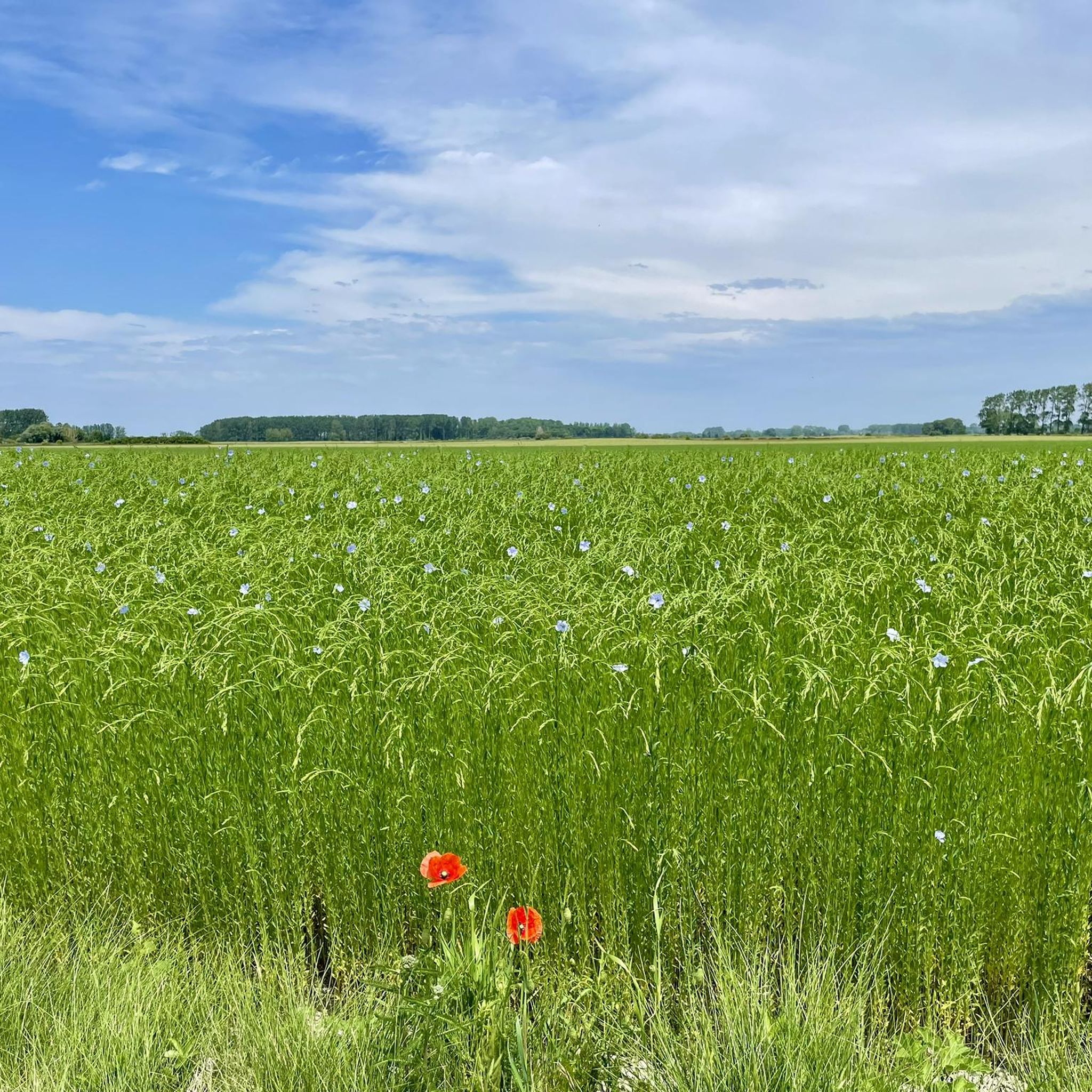
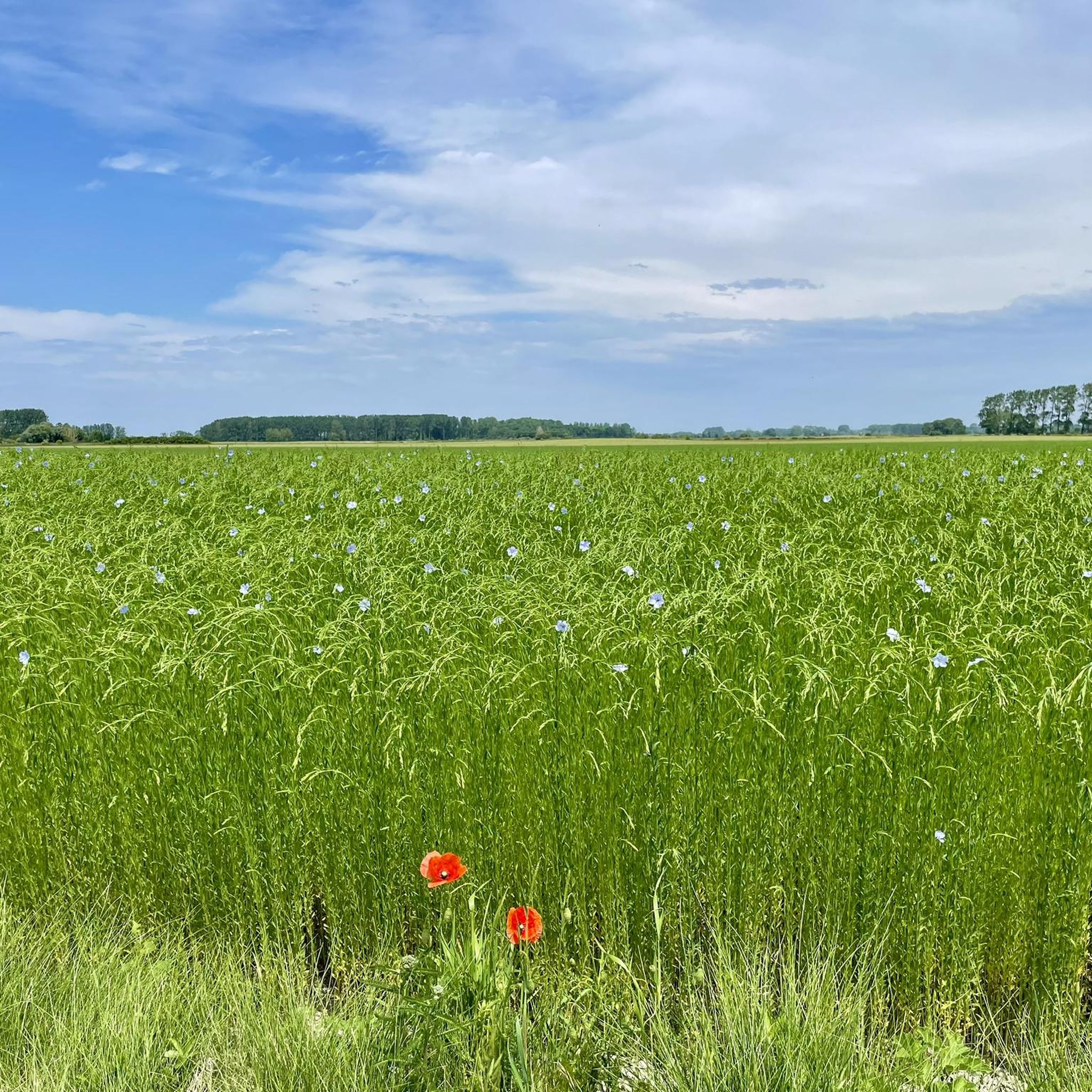
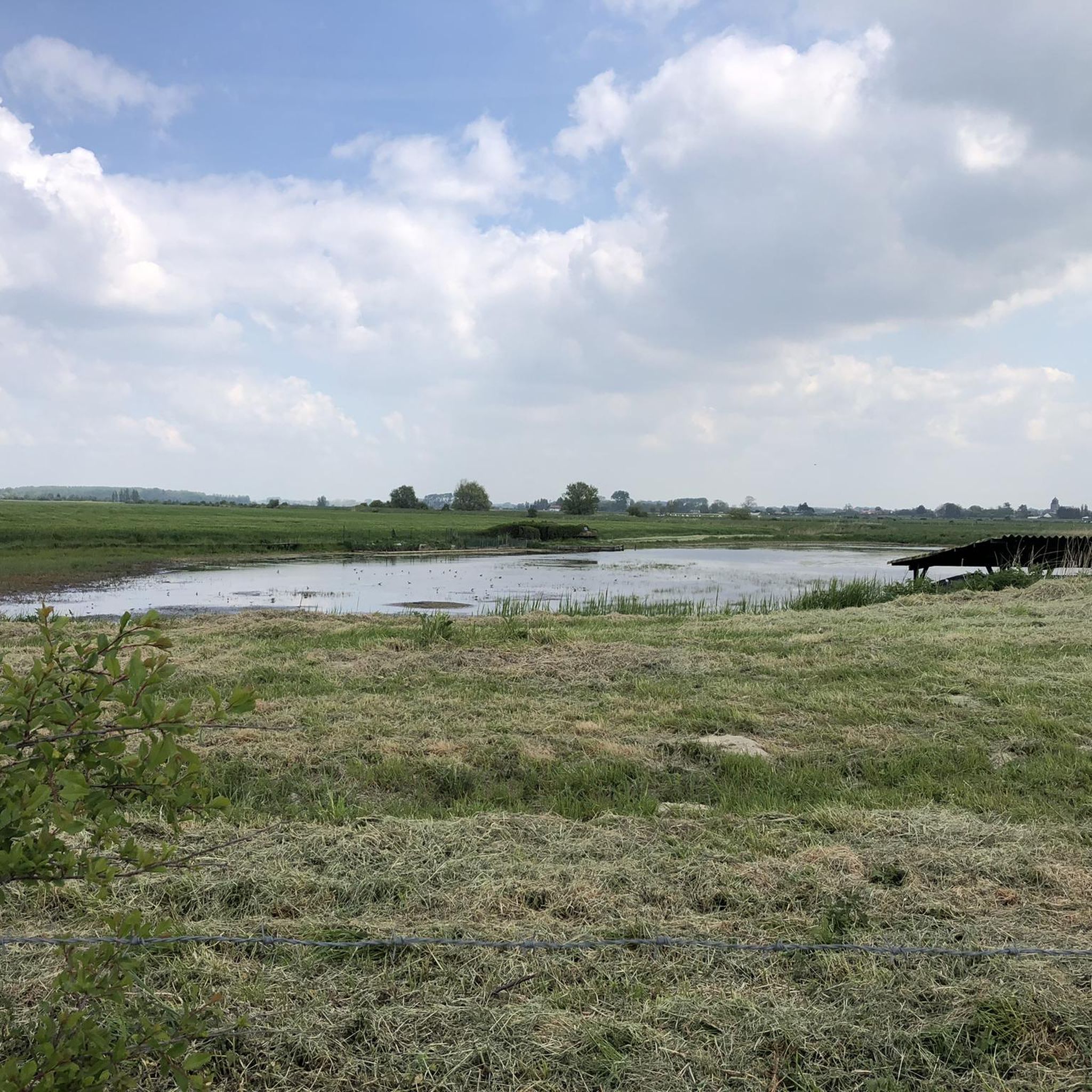
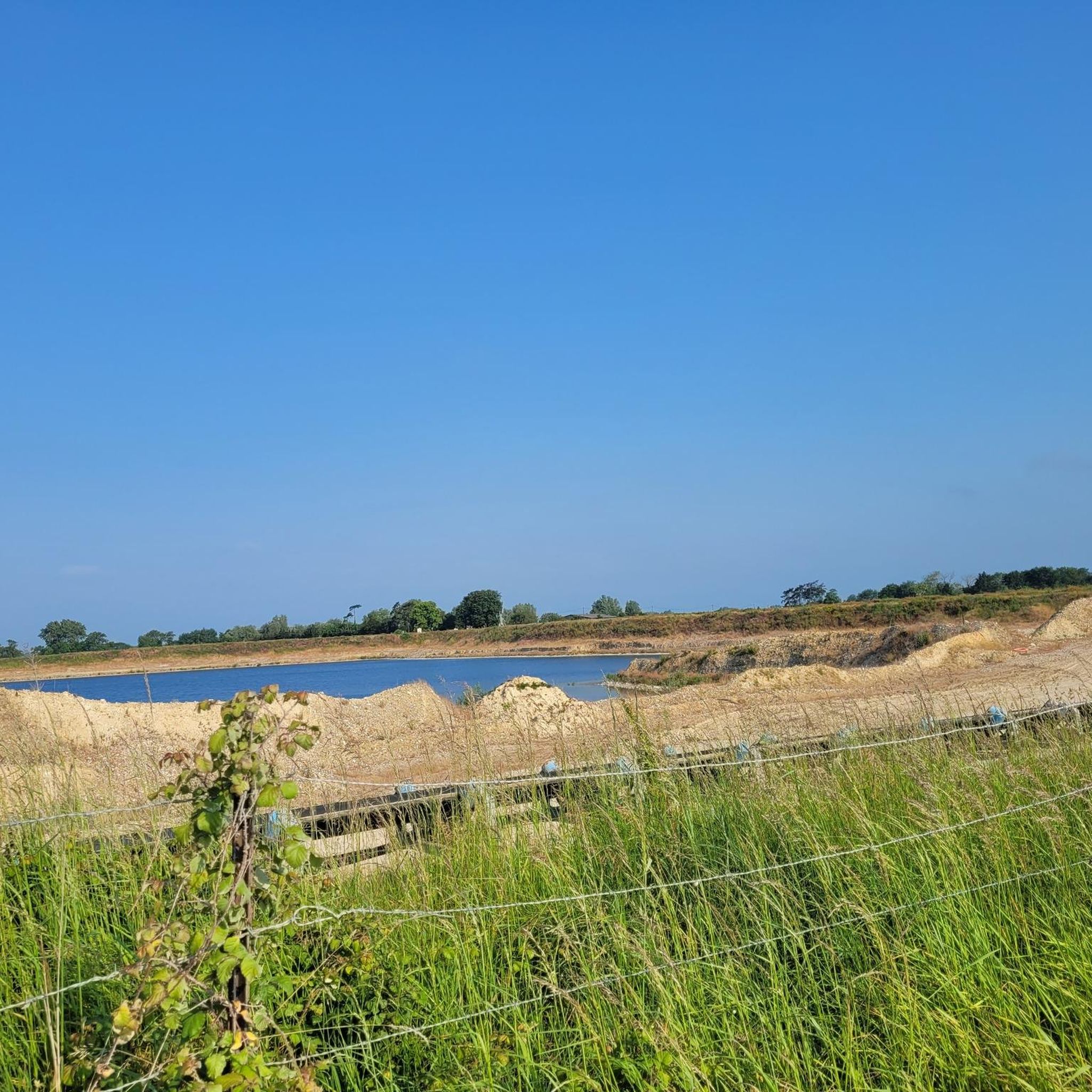

Tips from the Community


The bay of summer, on our trip it was low tide.
6
0

Hike with the difficulty of the dunes but very nice and beautiful.
0
0

Gaston Caudron (actually Alphonse) (Favières, 18 January 1882 - 10 December 1915) and René Caudron (Favières, 1 July 1884 - 27 September 1959) were French aviation pioneers. They founded the world's first flying school and built the world's first seaplane. The Caudron brothers were farmers with a passion for aviation, which was then gaining popularity. In the spring of 1908, they built a glider with which they made their first flights on the fields of a farm (Ferme de Romiotte) a few kilometres from Le Crotoy. The aircraft was pulled by a horse. In this way, they realised six flights over a distance of between 800 and 1200 m. René piloted the glider. In 1909, they founded the company Aéroplanes Caudron Frères and from 1910 the Société des avions Caudron, initially established in Le Crotoy and later in Rue. They acquired a special place in the history of aviation. In 1910, they founded the first flying school in the world, attracting future pilots, and in August 1910, René obtained his pilot's license in Le Touquet. In March 1911, Gaston obtained his civil aviation license. In 1912, the brothers built the first seaplane in the world.
1
0

The endless expanse of the beach is simply amazing.
1
0

Le Port du Crotoy is a charming stop on your mountain bike ride, with its picturesque harbour full of colourful fishing boats and traditional sailing ships. As you walk along the harbour, you can enjoy the lively atmosphere and views of the Baie de Somme. It’s the perfect place to take a break, soak up the maritime charm and perhaps grab a bite to eat at one of the waterfront cafés.
0
0

Fort Mahon Plage is a luxury seaside resort with a very extensive beach and is located in the middle of a protected dune area. You will find many restaurants, boutiques and also a casino here. Are you a nature lover? Then you will definitely get your money's worth here. More than 400 species of birds live in the Baie de Somme. There are also beautiful hiking areas in the area.
9
0
Frequently Asked Questions
Which natural monuments near Rue are most popular with visitors?
Visitors frequently highlight the expansive Baie de Somme, known for its rich biodiversity and seal colonies. Another favorite is the Authie Bay, offering diverse landscapes from salt marshes to high dunes. The Panoramic view of Marquenterre Park is also highly rated for its 360-degree vistas of the bird sanctuary and the bay.
Are there family-friendly natural monuments around Rue?
Yes, several natural monuments are suitable for families. The Baie de Somme and Authie Bay are great for wildlife spotting and gentle walks. Fort-Mahon-Plage Beach offers extensive sandy areas for children to play. The Parc du Marquenterre, accessible via the Panoramic view of Marquenterre Park, is also excellent for families interested in birdwatching, with well-maintained trails and hides.
What kind of wildlife can I expect to see in the natural monuments near Rue?
The region is a haven for wildlife. The Baie de Somme and Authie Bay are famous for their seal colonies, which can often be observed resting on sandbanks at low tide. The Parc du Marquenterre is a world-class ornithological reserve, hosting hundreds of migratory bird species. Marshes like Larronville and Le Crotoy Municipal Marsh offer opportunities to see diverse flora, storks, swans, ponies, Highland cows, and even green tree frogs.
What outdoor activities can I do near these natural monuments?
The natural monuments around Rue offer a variety of outdoor activities. You can enjoy extensive walking, cycling, or horse riding along the trails of the Baie de Somme. The Forêt de Crécy provides tranquil forest walks. For more structured routes, consider exploring the hiking trails around Rue, cycling routes, or gravel biking adventures that traverse these beautiful landscapes.
Are there historical sites connected to the natural monuments?
Yes, the Cape Hornu, near Saint-Valery-sur-Somme, has a rich history. It was a strategic port and medieval town, witnessing events like William the Conqueror's departure for England and Joan of Arc's imprisonment. The area also has links to Saint Walric, a monk who founded an abbey there in the 7th century. You can explore the Chapelle des Marins and the medieval streets of Saint-Valery-sur-Somme nearby.
What is the best time of year to visit the natural monuments around Rue?
The best time to visit largely depends on your interests. Spring and autumn are ideal for birdwatching, as thousands of migratory birds stop in the Baie de Somme and Parc du Marquenterre. Summer offers pleasant weather for beach activities at places like Fort-Mahon-Plage Beach and general outdoor exploration. Winter can provide a unique, tranquil experience, though some facilities might have reduced hours.
How long should I plan for a visit to the natural monuments?
The duration of your visit can vary. A dedicated birdwatching trip to Parc du Marquenterre might take half a day to a full day. Exploring a specific bay like Baie de Somme or Authie Bay with walks and seal spotting could also fill several hours. For a more comprehensive experience, combining a visit to a natural monument with a nearby town like Saint-Valery-sur-Somme or a longer hike, plan for a full day.
Are there any hidden gems among the natural monuments near Rue?
While the Baie de Somme is well-known, the Larronville Marsh, located within Rue itself, is a classified and protected area offering a unique wetland ecosystem and rich flora. Visits are typically by reservation only, making it a more exclusive and intimate natural experience compared to the larger, more frequented sites.
Is public transport available to reach the natural monuments?
While public transport options exist within the broader Hauts-de-France region, reaching specific natural monuments like the Parc du Marquenterre or the more remote parts of the bays often requires a car. Some coastal towns within the Baie de Somme, such as Le Crotoy and Saint-Valery-sur-Somme, are more accessible by local bus services or regional trains, from which you might then walk or cycle to nearby natural areas.
Are the natural monuments around Rue dog-friendly?
Many natural areas, especially beaches and coastal paths, are generally dog-friendly, provided dogs are kept on a leash and owners clean up after them. However, specific nature reserves like Parc du Marquenterre or protected marshlands may have restrictions to protect wildlife. Always check local signage or official websites for the most current regulations regarding dogs in specific areas.
What should I wear when visiting the natural monuments?
Given the coastal and marshy environments, layered clothing is recommended as weather can change quickly. Comfortable, waterproof walking shoes or boots are essential, especially for exploring mudflats, marsh trails, or sandy beaches. A windproof and waterproof jacket is advisable, along with sun protection (hat, sunscreen) during warmer months. Binoculars are highly recommended for bird and seal watching.
Where can I find cafes or restaurants near the natural monuments?
Picturesque coastal towns located within or near the natural monuments offer dining options. Le Crotoy and Saint-Valery-sur-Somme, both within the Baie de Somme, have various restaurants and cafes. Fort-Mahon-Plage Beach is a resort town with many restaurants. For more remote natural sites, it's best to bring your own refreshments or plan to visit a nearby town before or after your exploration.
Most popular attractions around Rue

Get inspired with the komoot mobile app


Explore more
Extend your search for the best caves by checking out these guides of the top ones around Rue:
