Top 4 Natural Monuments around Coudes
Best natural monuments around Coudes are defined by the region's volcanic geology and strategic viewpoints. Situated in the Puy-de-Dôme department, Coudes is near the vast Auvergne Volcanoes Regional Natural Park, a landscape shaped by ancient volcanic activity. The area features geological formations such as volcanic dykes and offers panoramic views from various summits and ridges. These natural features provide opportunities to observe the unique terrain and historical sites built upon them.
Best natural monuments around Coudes
- The most popular natural…
Last updated: June 20, 2026
Chapel in the courtyard of Busséol Castle
Highlight • Viewpoint
Translated by Google •
Tip by

View from Puy Saint-Romain
Highlight • Viewpoint
Views of Longue, Les Martres de Veyre, Mirefleurs, Corent le Puy de Dôme, Chains des Puys on the WEST side
Views …
Translated by Google •
Tip by
Sign up now to discover places like this
Get recommendations on the best single tracks, peaks, & plenty of other exciting outdoor places.
Sign up for free
View of the Puy d'Olloix Ridge
Highlight (Segment) • Viewpoint
Translated by Google •
Tip by
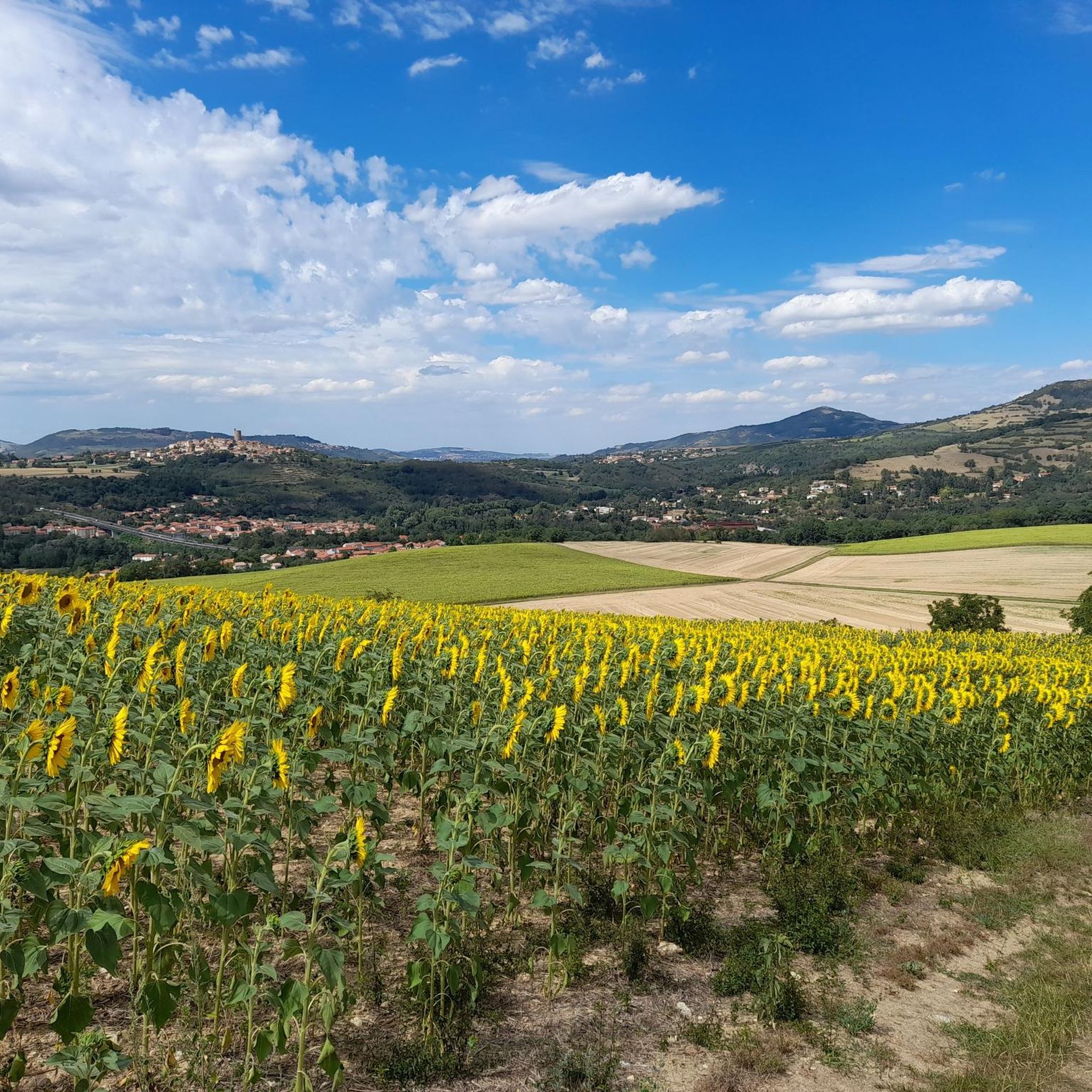
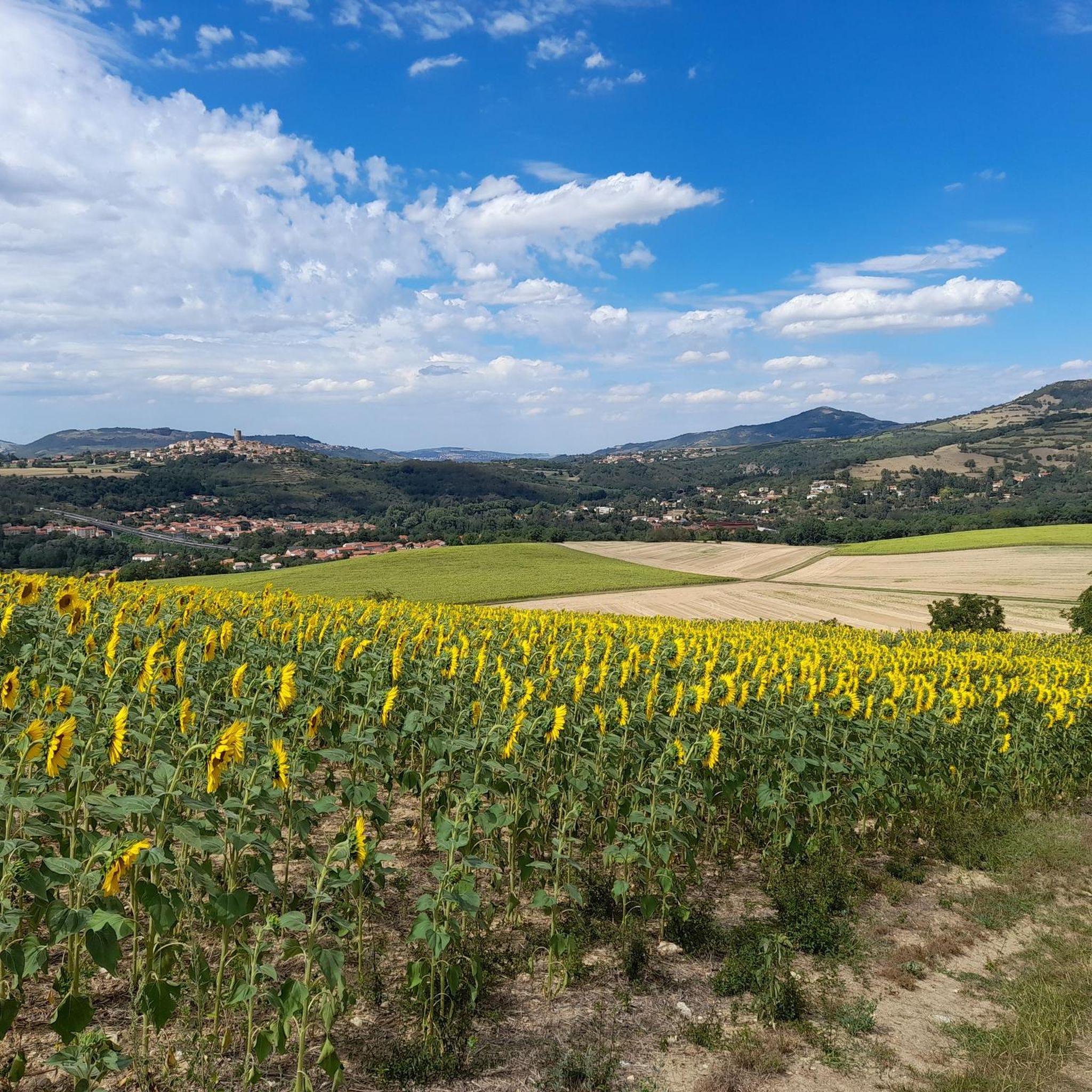
View of the Château de Busséol
Highlight • Viewpoint
Translated by Google •
Tip by

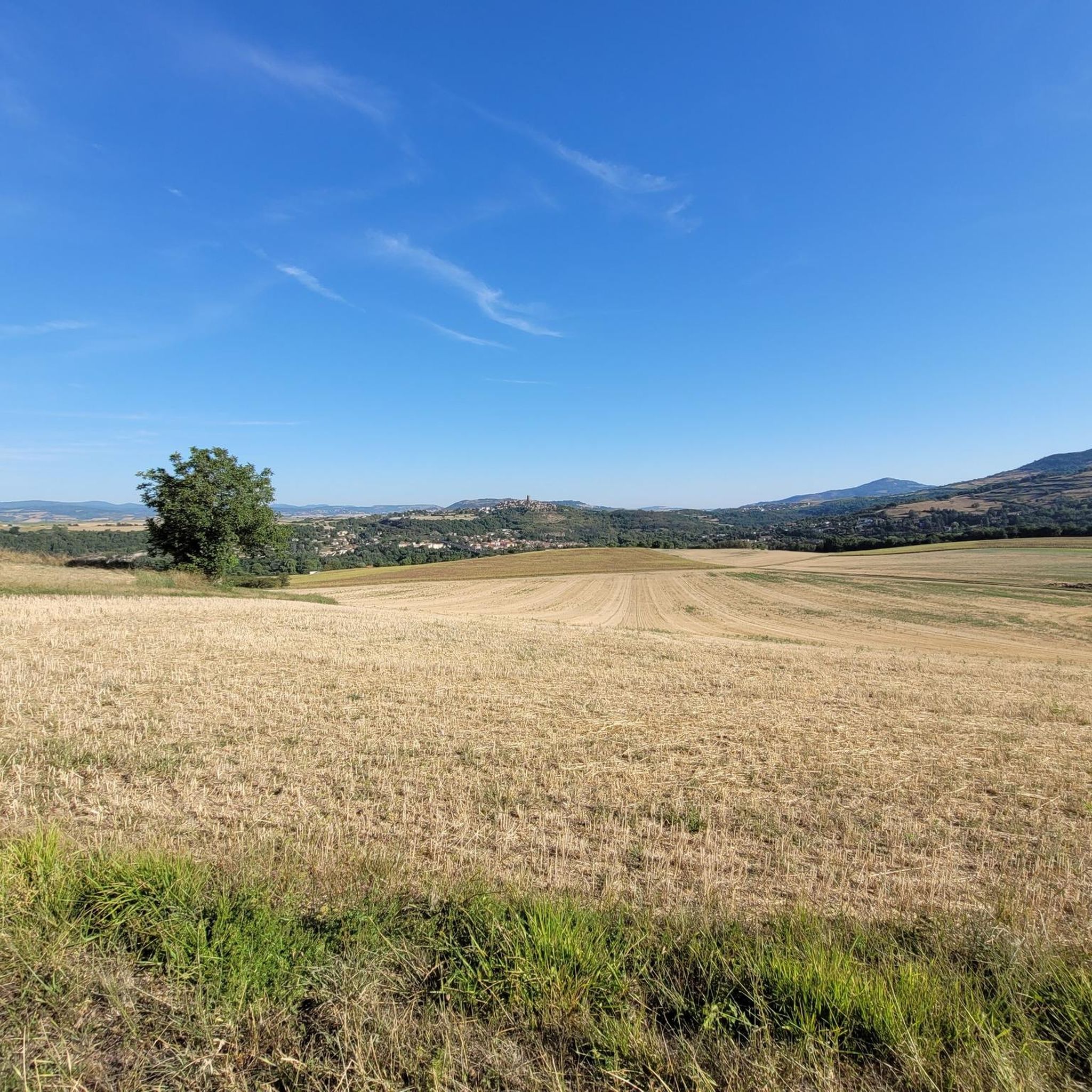
View of Saint-Saturnin
Highlight • Viewpoint
Translated by Google •
Tip by

Start today with a free account
Your next adventure awaits.
Login or Signup

Tips from the Community

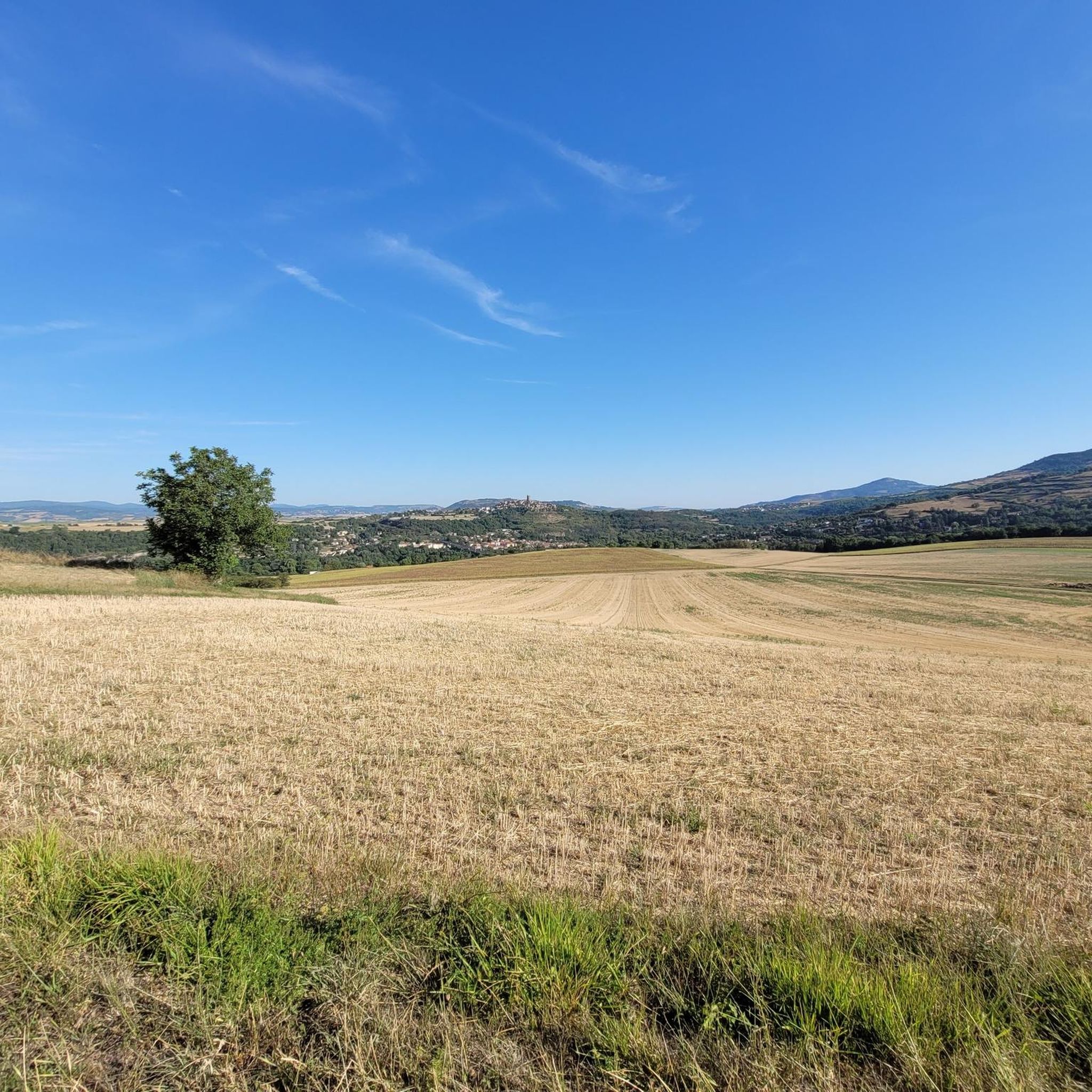
Around a bend, this viewpoint offers a magnificent panorama of Saint-Saturnin, nestled in the hollow of the valley below.
0
0

magnificent view of the chain of puys
0
0

The Château de Busséol was built in 1170. It is located on a small volcanic mound and overlooks the Liomagne. It was previously the home of several kings and queens of France.
1
0


Superb 360 ° view from the paraglider take-off area. Views of Longue, Les Martres de Veyre, Mirefleurs, Corent le Puy de Dôme, Chains des Puys on the WEST side Views of Vic de Comte and Livradois Forez on the EAST side. Average time on the day of the photo;)
0
0
Fortified castle built in 1170 overlooking Limagne, stronghold of the Counts of Auvergne and the most historic royal domain in the province. The castle of Busséol, built in 1170 on a volcanic dyke is a fortified castle overlooking the Limagne. It is the oldest and most historic of the County of Auvergne. Placed to defend the access to Vic le Comte. It belonged to several kings and queens of France. He resisted the assaults of the soldiers during the Hundred Years War. Spared by Richelieu, it was inhabited until the Revolution. Restored from 1966, the current owner presents during the opening to the public, an exceptional circular fireplace, furniture and weapons and armor evoking feudal life. The visit ends on the covered way which leads to a "singular" medieval garden.
0
0
Fortified castle built in 1170 overlooking Limagne, stronghold of the Counts of Auvergne and the most historic royal domain in the province.
0
0
Magnificent view over a good portion of the ridge on Puy d'Olloix, Puy de Saint Sandoux and the surrounding area. Personally I recommend it in the direction of Olloix / St Sandoux because there is a long portion of descent to have fun. (and downright less easy the other way ...)
0
0
Frequently Asked Questions
What kind of natural monuments can I expect to see around Coudes?
The natural monuments around Coudes are primarily shaped by the region's ancient volcanic activity. You'll find numerous viewpoints offering panoramic vistas of volcanic landscapes, geological ridges, and historical sites built upon natural formations. The area is part of the vast Auvergne Volcanoes Regional Natural Park, showcasing unique geological features like volcanic dykes and ancient arkose quarries.
Which natural monuments offer the best panoramic views?
For superb 360° views, visit View from Puy Saint-Romain, where you can see the Chaîne des Puys to the west and Livradois Forez to the east. Another excellent spot is View of the Puy d'Olloix Ridge, which provides magnificent views over a significant portion of the ridge and surrounding area. The View of Saint-Saturnin also offers a beautiful panorama of the village nestled in the valley.
Are there any historical sites integrated with the natural monuments?
Yes, the region beautifully blends natural geology with history. The View of the Château de Busséol overlooks a historic castle built in 1170 on a volcanic mound, showcasing the strategic use of natural formations. You can also explore the Chapel in the courtyard of Busséol Castle, which is part of this fortified structure built on a volcanic dyke.
What outdoor activities can I do near these natural monuments?
The area around Coudes is ideal for various outdoor activities. You can explore extensive hiking trails that traverse varied terrain, including old wine-growing villages and volcanic hills. For specific routes, check out the Hiking around Coudes guide. There are also numerous options for Running Trails and Road Cycling Routes that allow you to experience the natural beauty.
Are there family-friendly natural monuments or activities around Coudes?
While specific 'family-friendly' designations aren't always given, many of the viewpoints and shorter hiking trails offer accessible ways for families to enjoy the natural beauty. The panoramic views from spots like Puy Saint-Romain can be enjoyed by all ages. Exploring the banks of the Allier river also provides tranquil walks suitable for families.
What geological features are prominent in the Coudes area?
The Coudes region is rich in geological interest due to ancient volcanic activity. Key features include volcanic landscapes and hills (known as Puys), visible during hikes. The area also features volcanic dykes, such as the one the Château de Busséol is built upon, and ancient arkose quarries, which offer a glimpse into the local geology and historical resource use.
What is the best time of year to visit the natural monuments around Coudes?
The best time to visit is generally during spring, summer, and early autumn (April to October) when the weather is mild and conducive for outdoor activities like hiking and cycling. These seasons offer lush greenery and clear skies, ideal for enjoying the panoramic views. Winter can be beautiful but may present colder conditions and potentially limited access to some trails.
Can I find trails that combine natural beauty with historical elements?
Absolutely. Many hiking trails around Coudes pass through old wine-growing villages and offer views of historical structures like the Château de Busséol, which is intrinsically linked to the region's volcanic geology. These routes provide an engaging blend of natural scenery and cultural heritage.
What do visitors enjoy most about the natural monuments in Coudes?
Visitors particularly appreciate the magnificent 360° views from summits like Puy Saint-Romain and the expansive vistas from Puy d'Olloix Ridge. The unique combination of volcanic landscapes, historical castles built on natural formations, and the serene Allier river banks also receives high praise for its diverse appeal.
Are there any natural features related to the Allier River near Coudes?
Yes, Coudes is situated near the Allier river, and its banks offer opportunities for tranquil walks. The western bank of the Allier near Coudes is known for interesting rock exposures, including occurrences of baryte, providing a unique natural element alongside the riparian ecosystem.
Are the natural monuments around Coudes suitable for dog walking?
Many of the hiking trails and natural areas around Coudes are generally dog-friendly, allowing you to explore with your canine companion. However, it's always recommended to keep dogs on a leash, especially in areas with wildlife or near livestock, and to follow local regulations regarding pet access.
Most popular attractions around Coudes

Get inspired with the komoot mobile app


Explore more
Extend your search for the best caves by checking out these guides of the top ones around Coudes:
