Top 20 Natural Monuments around Perros-Guirec
Best natural monuments around Perros-Guirec are found along Brittany's Pink Granite Coast, a region characterized by its distinctive pink-hued granite rocks. This coastline features unique geological formations sculpted by erosion, creating a natural sculpture park. Offshore, the Sept-Îles archipelago serves as a protected nature reserve and a significant bird sanctuary. The area offers a blend of geological wonders and diverse wildlife.
Best natural monuments around Perros-Guirec
- The most popular natural monuments is Along the pink granite coast, a natural…
Last updated: October 7, 2026
Along the pink granite coast
Highlight • Monument
Translated by Google •
Tip by

Mean Ruz Lighthouse
Highlight • Monument
Translated by Google •
Tip by

Sign up now to discover places like this
Get recommendations on the best single tracks, peaks, & plenty of other exciting outdoor places.
Rock formation near Ploumanac'h
Highlight • Natural Monument
Translated by Google •
Tip by

Sainte-Anne des Rochers Chapel
Highlight • Religious Site
Translated by Google •
Tip by

Kerguntuil Megaliths
Highlight • Historical Site
Here is the translation of the information panel:
The stone monuments of Kerguntuil are remains …
Translated by Google •
Tip by

Sign up for free to discover even more natural monuments around Perros-Guirec.
Already have an account?
Start today with a free account
Your next adventure awaits.
Popular around Perros-Guirec
10 of the most beautiful walks in Brittany
Customs Officers’ Path – GR 34 between Lannion and Paimpol
A hiking break in Brittany
Hiking around Perros-Guirec
Running Trails around Perros-Guirec
Cycling around Perros-Guirec
Road Cycling Routes around Perros-Guirec
MTB Trails around Perros-Guirec

Gravel biking around Perros-Guirec


Tips from the Community

The Sainte-Anne des Rochers chapel was severely damaged in a fire on June 12, 2026. Approximately 75% of the slate roof was destroyed, and parts of the roof structure collapsed. The fire department managed to salvage several historical statues and liturgical objects from the interior. The completion of restoration work and reopening are scheduled for 2028.
0
0

What a great trail. Climbing on the stones, hearing the sea roar, the wind whistles around your ears. Whoever lets their imagination run wild can discover figures in many of the stones. What nature has created here over the years amazes me.
0
0

The Phare de Mean Ruz, also known as the Ploumanac'h Lighthouse, is one of the most famous landmarks of Brittany's Pink Granite Coast. The original tower was built in 1860, but was destroyed during World War II and rebuilt in 1946 in its original form. Since 1948, it has once again emitted its signature flashing red light across the sea, visible for up to 11 nautical miles. At approximately 15 meters high, the lighthouse marks the entrance to Ploumanac'h Bay. Unfortunately, access to the lighthouse is closed to the public.
2
0
The Ploumanac'h Lighthouse (Phare de Mean Ruz) is nestled among the striking pink granite cliffs. Built in 1946 from pink granite, it serves to ensure navigation by marking dangerous coves and cliffs. At approximately 15 meters high, the square tower is a popular photo subject and a typical stop for hikers on the historic Sentier des Douaniers (Customs Officers' Trail). Other nearby attractions include the Château du Diable and the Petite Baie de Ploumanac'h.
1
0
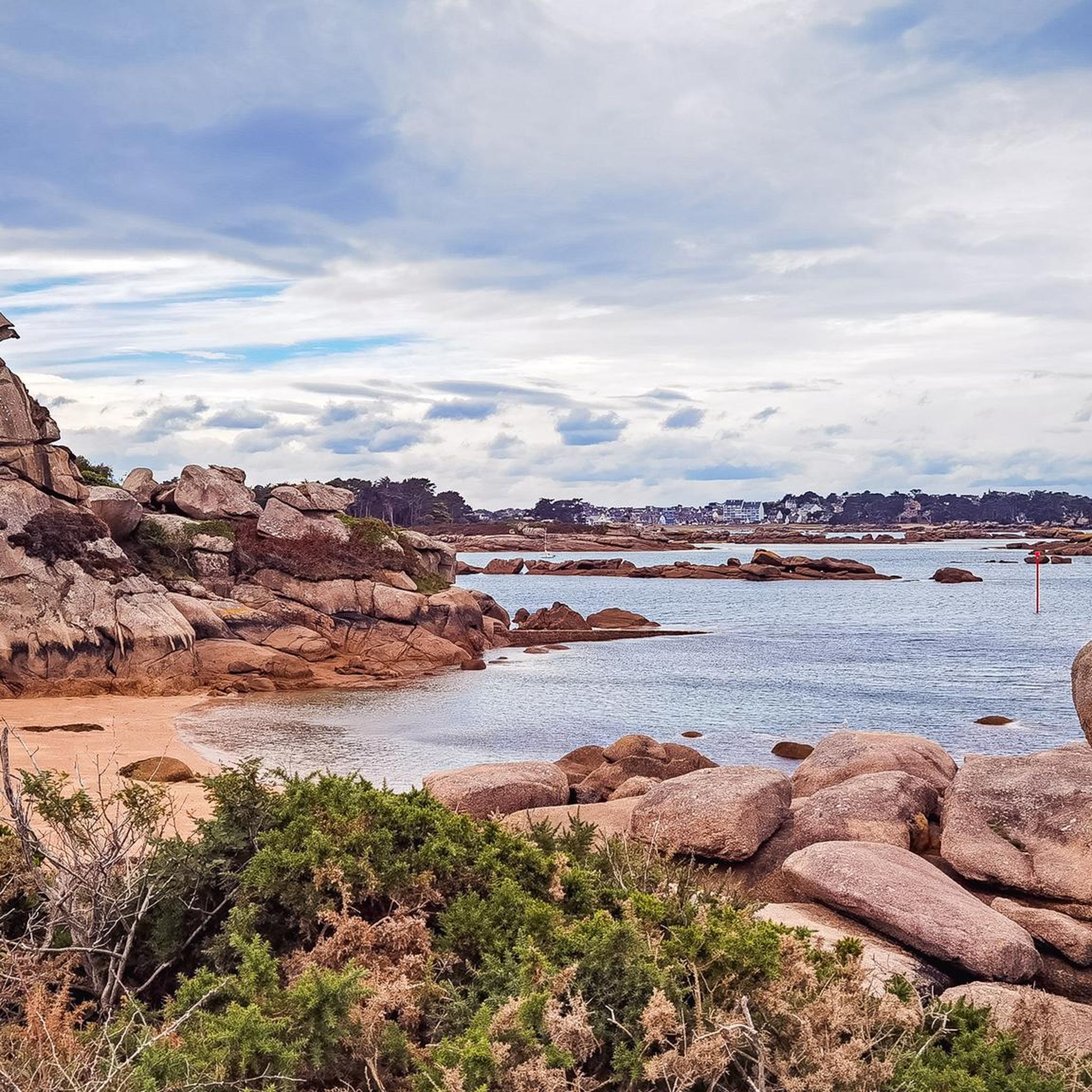
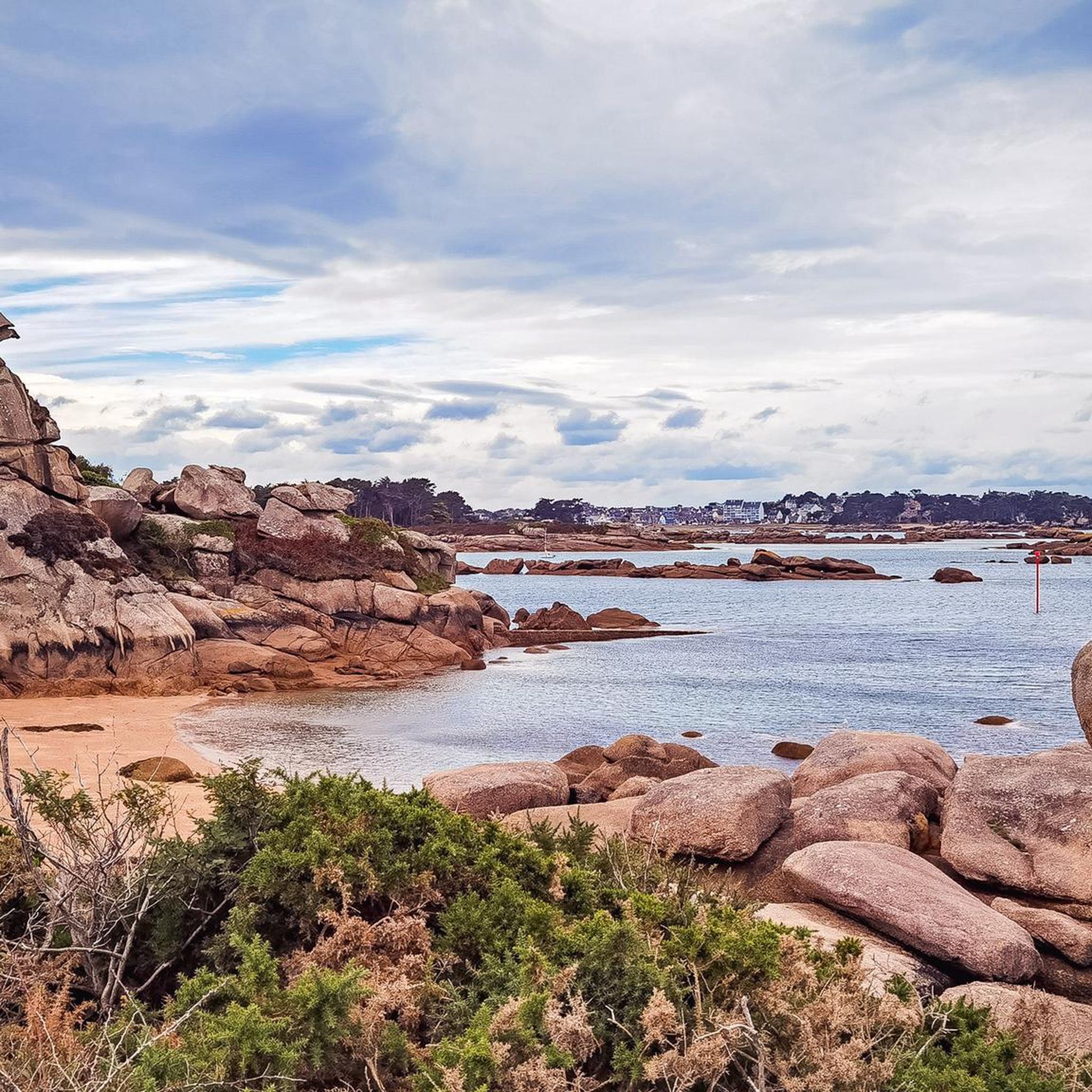
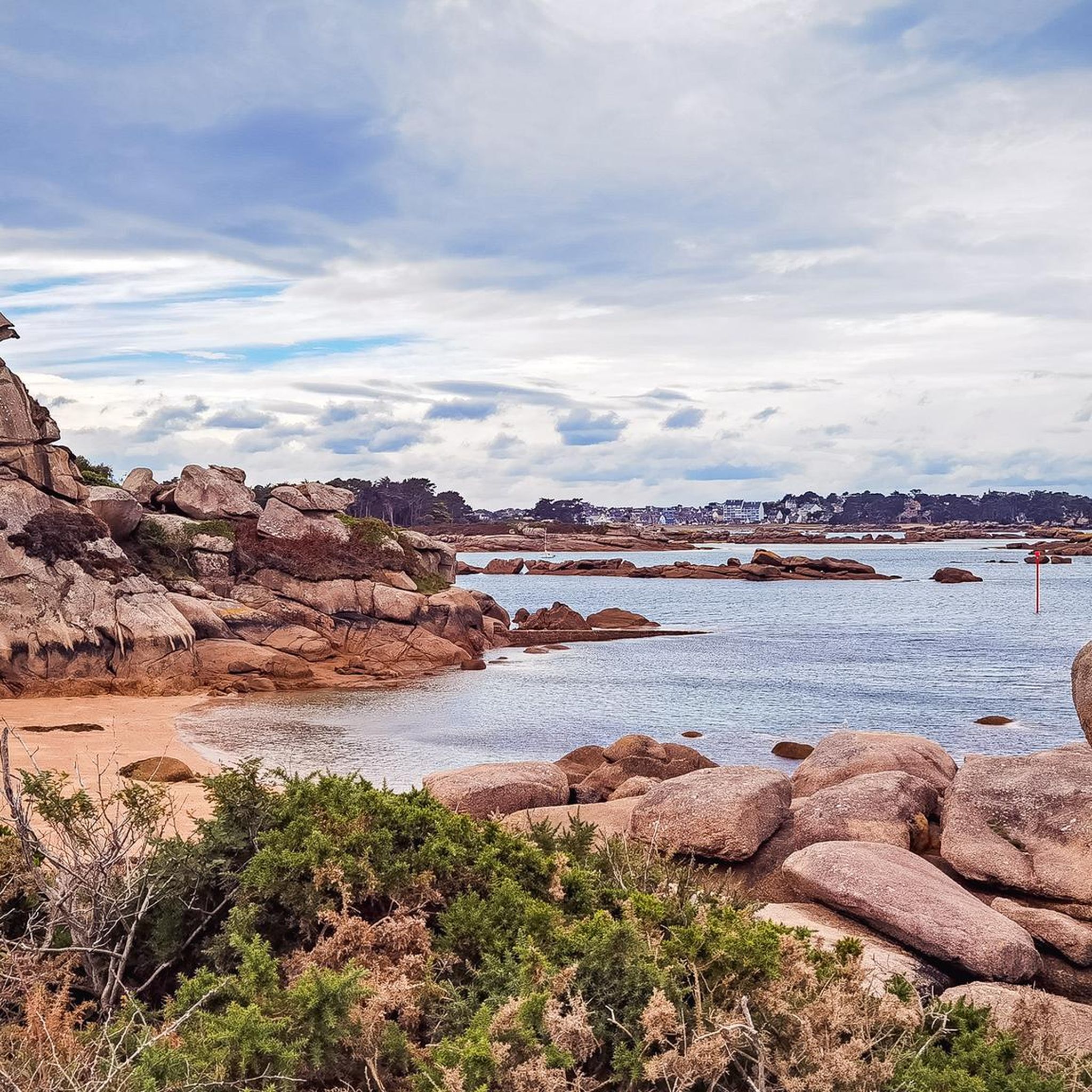
Over millions of years, the interplay of wind, rain, sea, and erosion has carved the most incredible forms out of solid pink granite. Bizarre boulders rise from the ground everywhere, some resembling small castles, others resembling strange animals. Particularly striking is the Château du Diable, whose castle-like silhouette captures visitors' imaginations. The entire coastal landscape is so dramatic and unique that one almost feels as if they are in another world.
2
0

The roof table measures 5.75 m long, 3.55 m wide and 0.75 m thick. The orthostat on the north side measures 2 m high, 1.50 m wide and 0.20 m thick. It continues to the west with a dry stone wall which does not appear to be original. The orthostat on the west side is slightly domed. It measures 2.55 m wide by 2.305 m high with a thickness between 0.40 m at the base and 0.30 m at the top. The southern orthostat is backed by the slope. It measures 2.50 m wide, 2.40 m high and 0.35 m thick. The internal chamber measures 5 m long by 3 m wide with a height under the slab of 2 m
1
0

If you pass by it's quite nice, but it's not worth making the extra trip!
0
1

The current lighthouse was built in 1946 to replace the original 1860 lighthouse that German forces destroyed in August 1944, with architects required to harmonize the design with the protected surrounding landscape. The lighthouse features interior mosaics created by renowned Rennes artist Isidore Odorico and offers panoramic views of Costaérès Castle and the Seven Islands archipelago.
1
0
Frequently Asked Questions
What are some of the most remarkable natural monuments to explore around Perros-Guirec?
The region is renowned for its unique geological formations. You can explore the stunning rock formations near Ploumanac'h, which are over 300 million years old and carved into bizarre shapes by erosion. Another highlight is walking Along the pink granite coast itself, a true walking paradise with rocks reaching up to 20 meters in height. Don't miss the Mean Ruz Lighthouse, which stands amidst these rugged granite formations and offers breathtaking views.
What makes the Pink Granite Coast so special?
The Pink Granite Coast, stretching for about 16 km, is characterized by its distinctive pink-hued granite rocks, a rare geological phenomenon found in only a few places globally. This unique color comes from a mixture of quartz, mica, feldspar, and iron oxide. Millennia of erosion have sculpted these rocks into extraordinary shapes, creating a natural sculpture park that is particularly striking at sunset against the blue of the sky and sea. You can learn more about this unique coastline on Brittany Tourism's website.
Are there family-friendly natural monuments or activities in the Perros-Guirec area?
Yes, several natural monuments are suitable for families. The Mean Ruz Lighthouse offers accessible views and is a great spot for all ages. The Sainte-Anne des Rochers Chapel is another family-friendly site, combining natural beauty with historical interest. The coastal paths along the Pink Granite Coast are generally suitable for walks, though some sections may involve climbing over rocks.
What kind of wildlife can I expect to see near Perros-Guirec's natural monuments?
The Sept-Îles Archipelago, located just off the coast, is a protected nature reserve and one of France's most significant bird sanctuaries. Here, you can spot an impressive array of seabirds, including puffins (often called 'sea parrots'), gannets (with a large colony on Rouzic Island), cormorants, guillemots, and razorbills. The islands are also home to a colony of grey seals, and dolphins are sometimes sighted during boat tours.
Are there historical or cultural sites among the natural monuments?
Yes, the area blends natural wonders with rich history. The Kerguntuil Megaliths are significant remains from the late Neolithic period (around 2000 BC), featuring a passage grave and dolmen. The Sainte-Anne des Rochers Chapel, with its first signs of construction dating from the Neolithic period, is another example. Additionally, the Mean Ruz Lighthouse, rebuilt in 1946 after being destroyed in the war, also holds historical significance.
What are the best ways to experience the Pink Granite Coast?
The best way to experience the Pink Granite Coast is by walking along the Sentier des Douaniers (Customs Officers' Path). This ancient cliff path offers stunning coastal views and allows you to get up close to the uniquely shaped rock formations. Boat tours are also available to explore the Sept-Îles Archipelago and view the coastline from the sea.
What outdoor activities can I do near these natural monuments?
The region offers a variety of outdoor activities. You can find numerous running trails, such as the 'Customs Trail – Men Ruz Lighthouse loop' or the 'Pink granite coast loop'. For mountain biking, options include the 'Trestraou Beach – Saint-Guirec Beach loop'. If you enjoy gravel biking, consider routes like the 'Pink Granite Coast MTB Loop'. You can find more details on these activities in the Gravel biking around Perros-Guirec, Running Trails around Perros-Guirec, and MTB Trails around Perros-Guirec guides.
Are there specific hiking trails to explore the natural monuments?
Yes, the Sentier des Douaniers (Customs Officers' Path) is the primary hiking trail that allows you to explore the Pink Granite Coast's natural monuments. This path offers scenic coastal trails and abundant photo opportunities. Many sections are well-maintained, such as the trail leading through the pink granite cliffs near Ploumanac'h. For specific running routes, you can check the Running Trails around Perros-Guirec guide.
What is the best time of year to visit the natural monuments around Perros-Guirec?
The Pink Granite Coast is beautiful year-round, but the vibrant pink color of the granite is particularly striking at sunset. Spring and early autumn offer pleasant weather for walking and fewer crowds. Summer is popular for enjoying the beaches and boat tours to the Sept-Îles Archipelago, where birdwatching is at its peak.
Are there any hidden natural gems or less-known spots worth visiting?
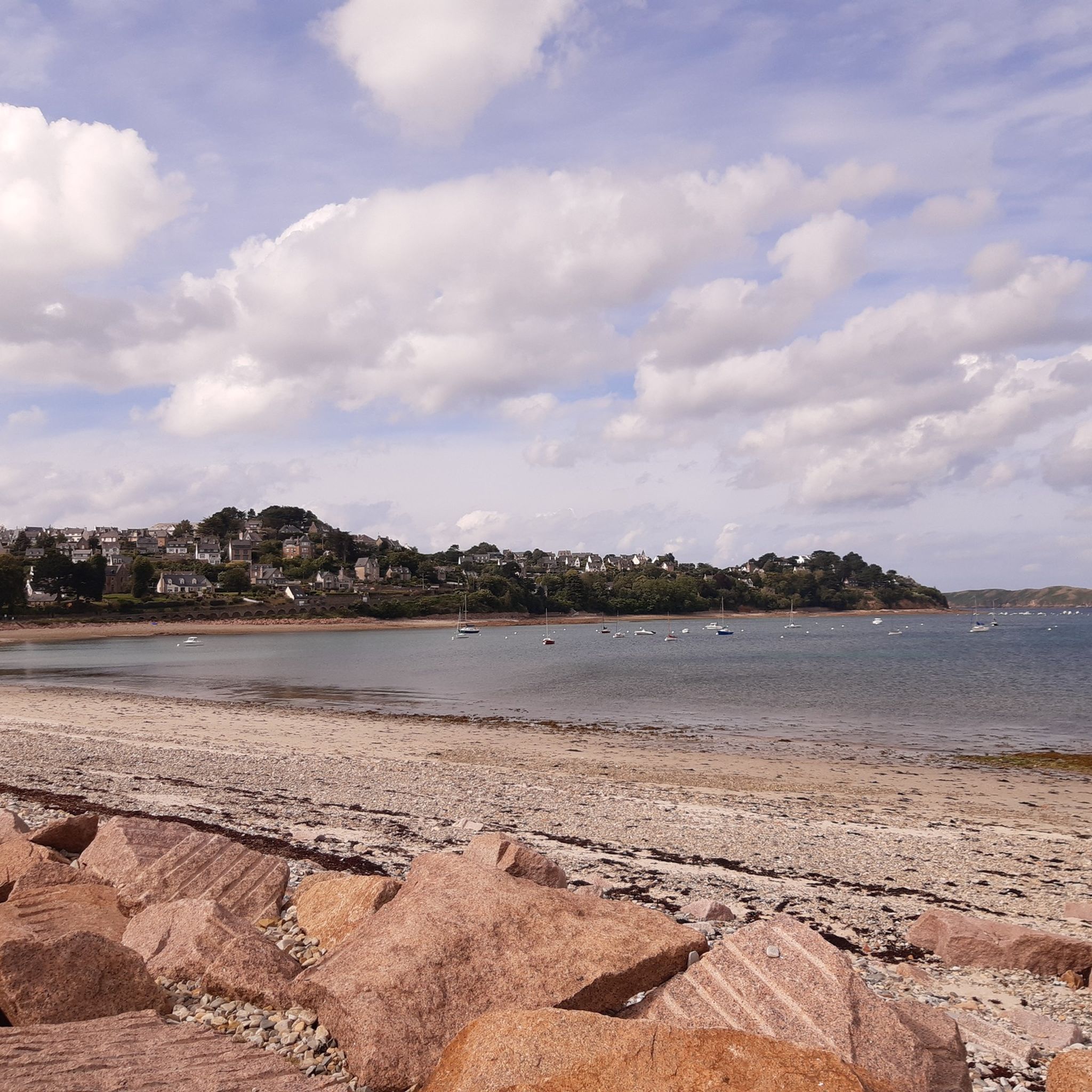
While the main sites are well-known for good reason, exploring the various coves and beaches along the Pink Granite Coast, such as Saint-Guirec Beach, can reveal quieter, equally beautiful spots. The Oratory of Saint-Guirec, a small 14th-century chapel nestled among the rocks, offers a blend of natural beauty and historical charm away from the busiest viewpoints.
What do visitors enjoy most about the natural monuments in Perros-Guirec?
Visitors consistently praise the unique beauty of the Pink Granite Coast, describing it as a 'walking paradise' and an 'Eldorado for hiking'. Many are astonished by the bizarre and extravagant shapes carved out of the solid pink granite, often comparing them to castles or strange animals. The dramatic and unique coastal landscape, especially around Ploumanac'h, leaves a lasting impression, making visitors feel as if they are in another world.
Most popular routes around Perros-Guirec
Most popular attractions around Perros-Guirec

Get inspired with the komoot mobile app


Explore more
Extend your search for the best caves by checking out these guides of the top ones around Perros-Guirec:
