Top 8 Natural Monuments around Plougrescant
Best natural monuments around Plougrescant are characterized by unique geological formations and a rugged coastal landscape. Located on Brittany's Pink Granite Coast, the area features distinctive granite rock formations shaped by erosion. Visitors can explore a variety of natural sites, from dramatic chasms where the sea crashes against granite blocks to extensive pebble spits. This region offers opportunities to experience the raw power of the ocean and observe diverse flora and fauna in protected natural areas.
Best natural monuments around…
Last updated: August 27, 2026
The Plougrescant Chasm
Highlight • Natural Monument
Translated by Google •
Tip by

Sillon de Talbert viewpoint
Highlight • Beach
Translated by Google •
Tip by

Sign up now to discover places like this
Get recommendations on the best single tracks, peaks, & plenty of other exciting outdoor places.
Sign up for free
Lovers' Rock
Highlight • Natural Monument
Translated by Google •
Tip by

Rocher de la Sentinelle
Highlight • Monument
Having been destroyed, the gatehouse …
Translated by Google •
Tip by

The house between the rocks
Highlight • Natural Monument
Translated by Google •
Tip by

Sign up for free to discover even more natural monuments around Plougrescant.
Sign up for free
Already have an account?
Start today with a free account
Your next adventure awaits.
Login or Signup

Other adventures around Plougrescant


Tips from the Community

Very impressive. A great photo opportunity in a beautiful landscape.
0
0


Hike on the wild coast with beautiful views of the Bréhat archipelago
0
0


A coastal strip of sand and pebbles extending 3.2 km into the sea, the Sillon is a geomorphological curiosity unique in Europe due to its size. (cotesdarmor.com) It is forbidden to cycle on the Sillon.
0
0

Going in the evening or late afternoon is the most worthwhile from a photographic point of view, provided that the sun is shining
0
0

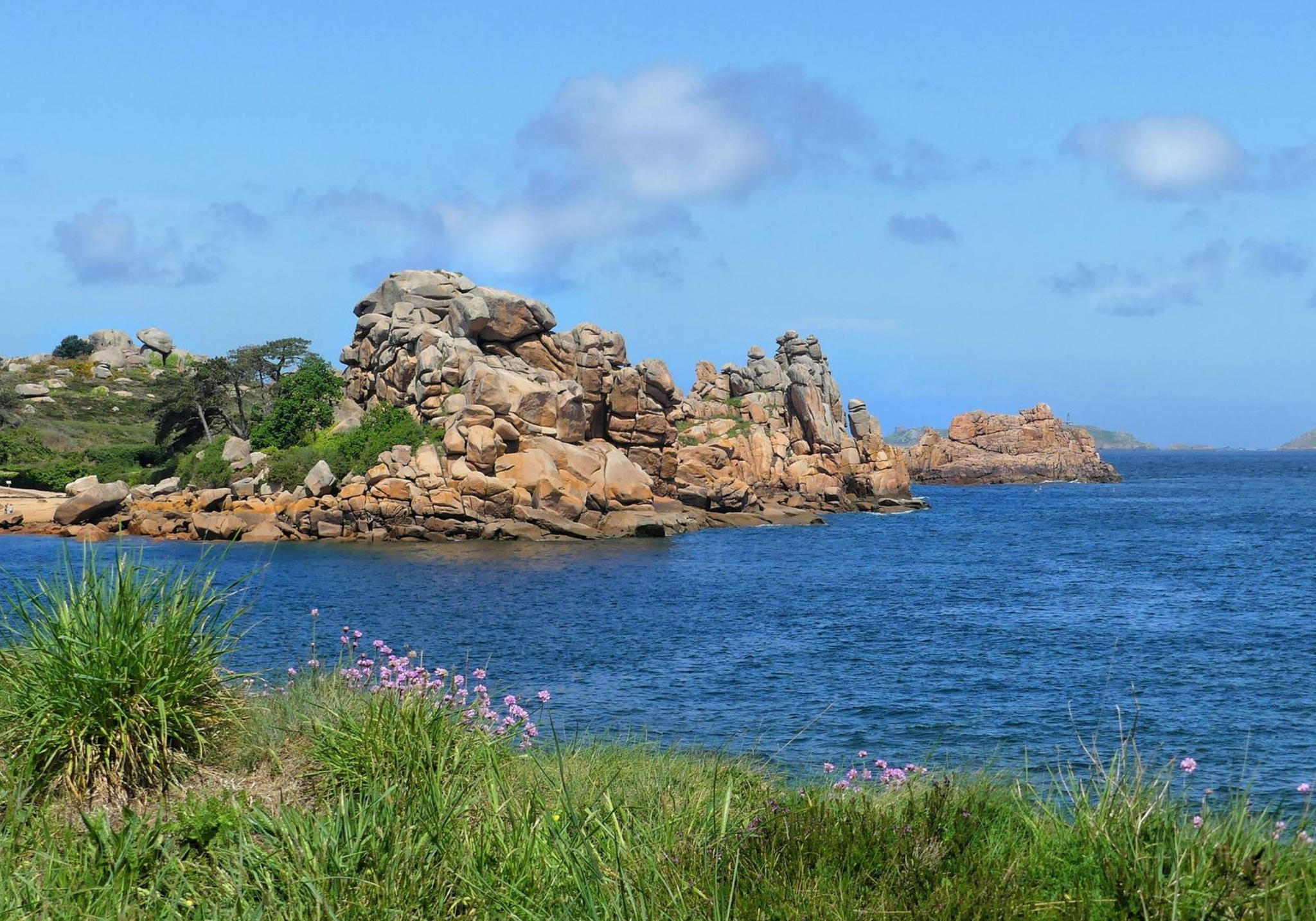
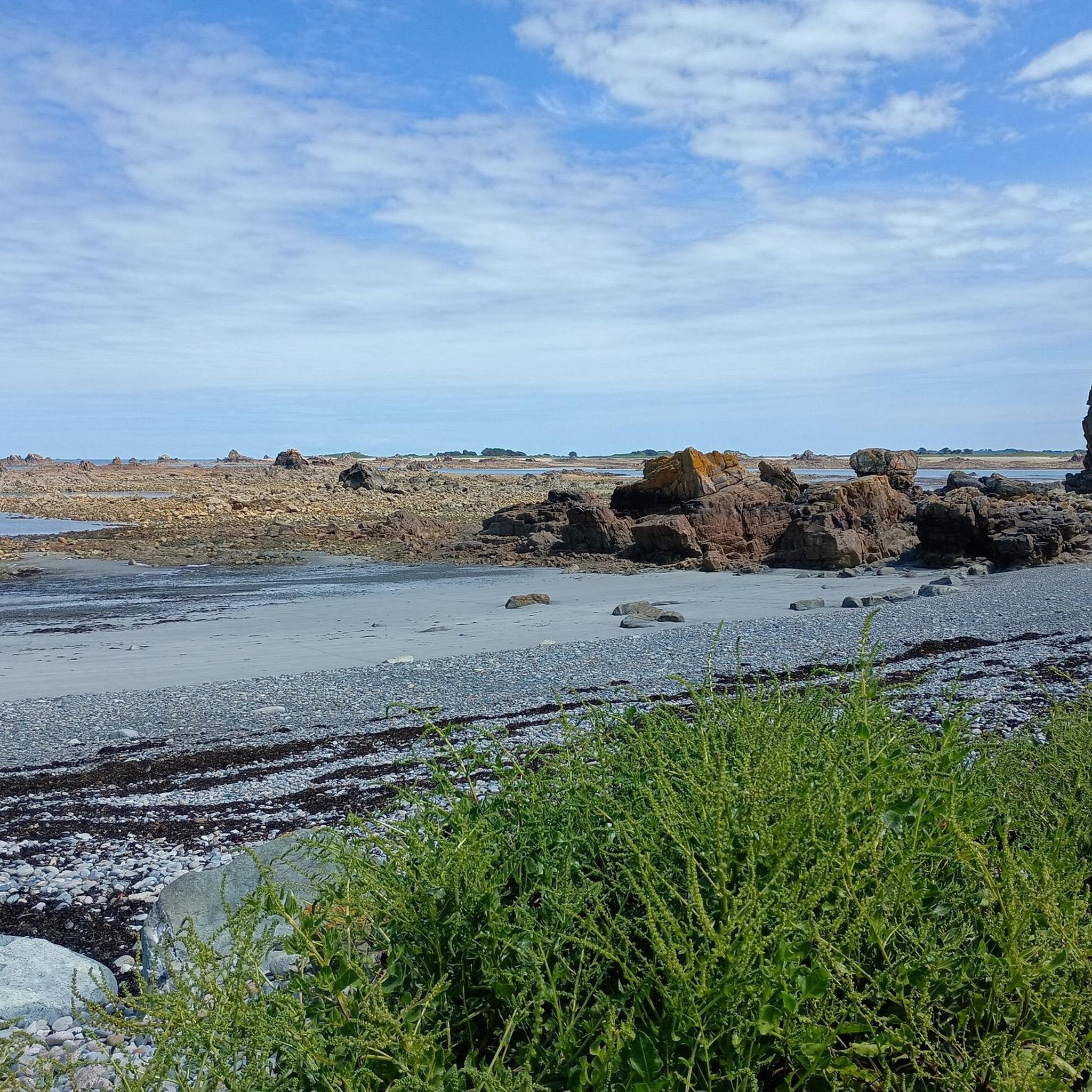
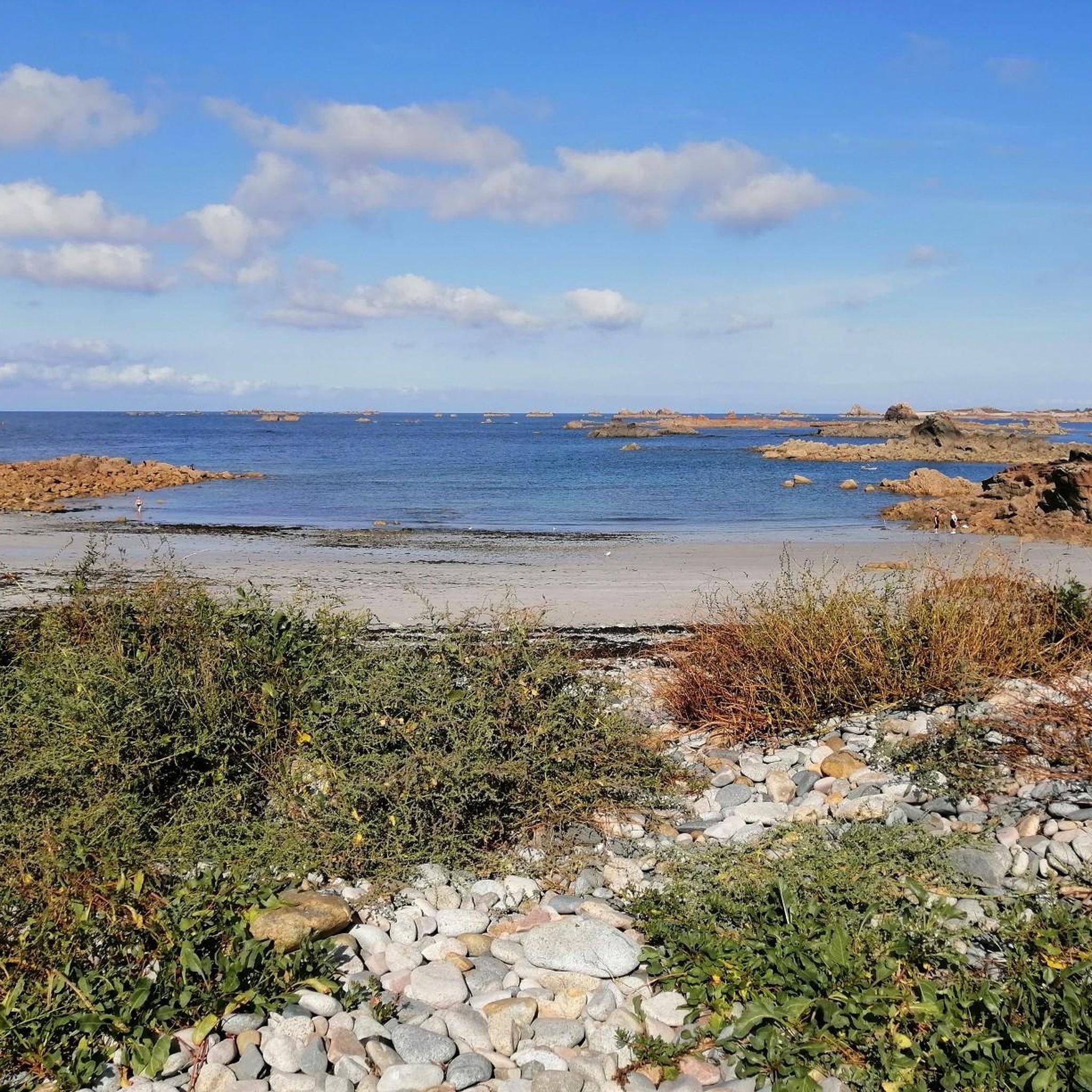
Bay and rock formations near Plougrescant.
2
1

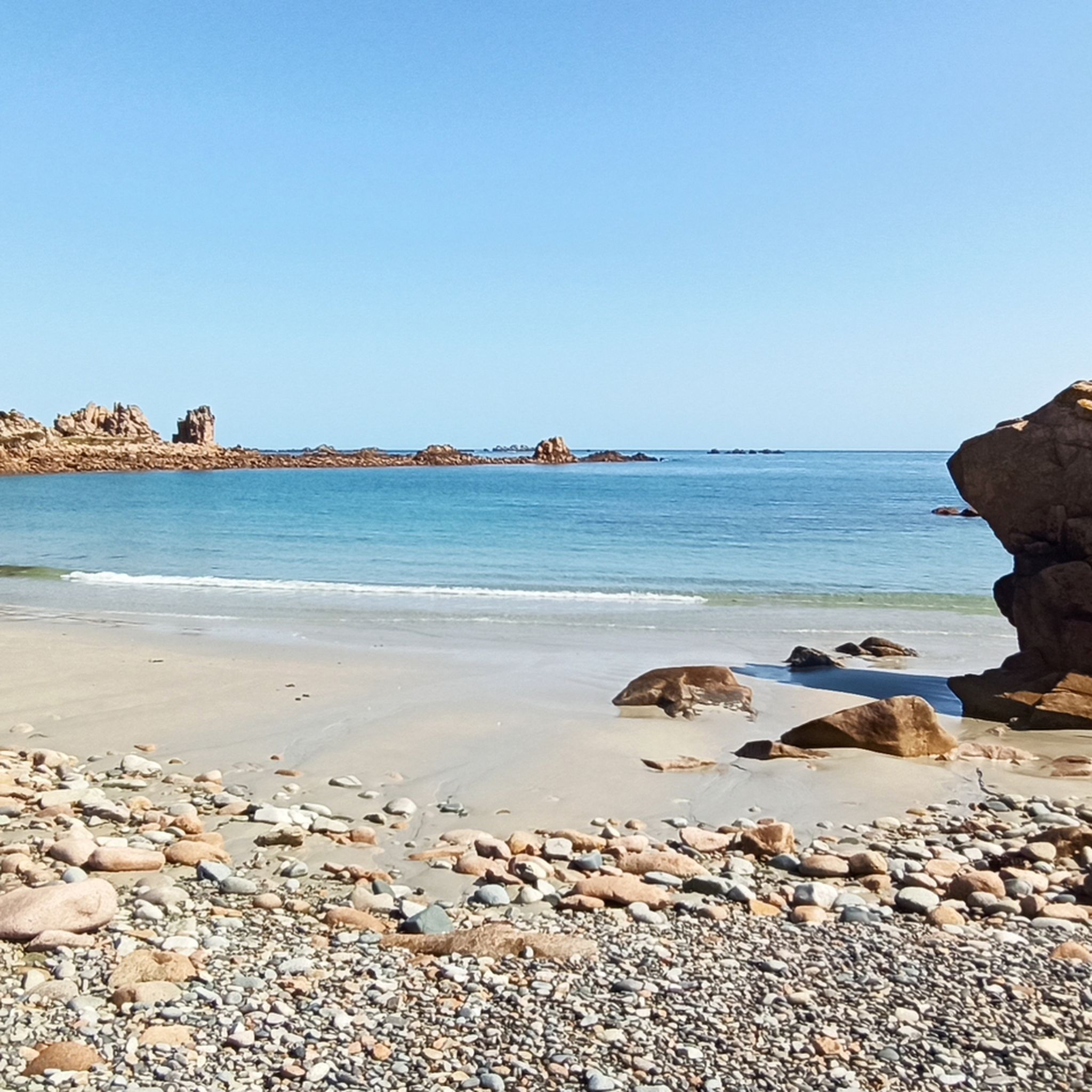
Facing the ocean, two rocks embrace like lovers bathed in tenderness. Sit next to them and admire the beauty washed by the shore.
1
0
Frequently Asked Questions
What are the most popular natural monuments around Plougrescant?
Visitors frequently highlight The Plougrescant Chasm for its dramatic granite reefs and the spectacle of the sea crashing between huge blocks. Another favorite is the Sillon de Talbert viewpoint, a unique sandy and pebble spit extending into the sea. Lovers' Rock is also cherished for its scenic beauty.
What makes the natural monuments in Plougrescant unique?
The natural monuments in Plougrescant are characterized by their distinctive geological formations, primarily granite tors and other rock sculptures shaped by erosion. Located on the Pink Granite Coast, the area offers dramatic coastal landscapes, from chasms where the sea crashes against granite to extensive pebble beaches and unique rock formations like 'Napoleon's rock'.
Are there family-friendly natural attractions in Plougrescant?
Yes, several natural monuments are suitable for families. The Plougrescant Chasm is listed as family-friendly, offering an impressive natural spectacle. While The house between the rocks is privately owned, its unique sight from a distance is a memorable experience for all ages.
Is it possible to visit the 'House Between Two Rocks' (Castel Meur)?
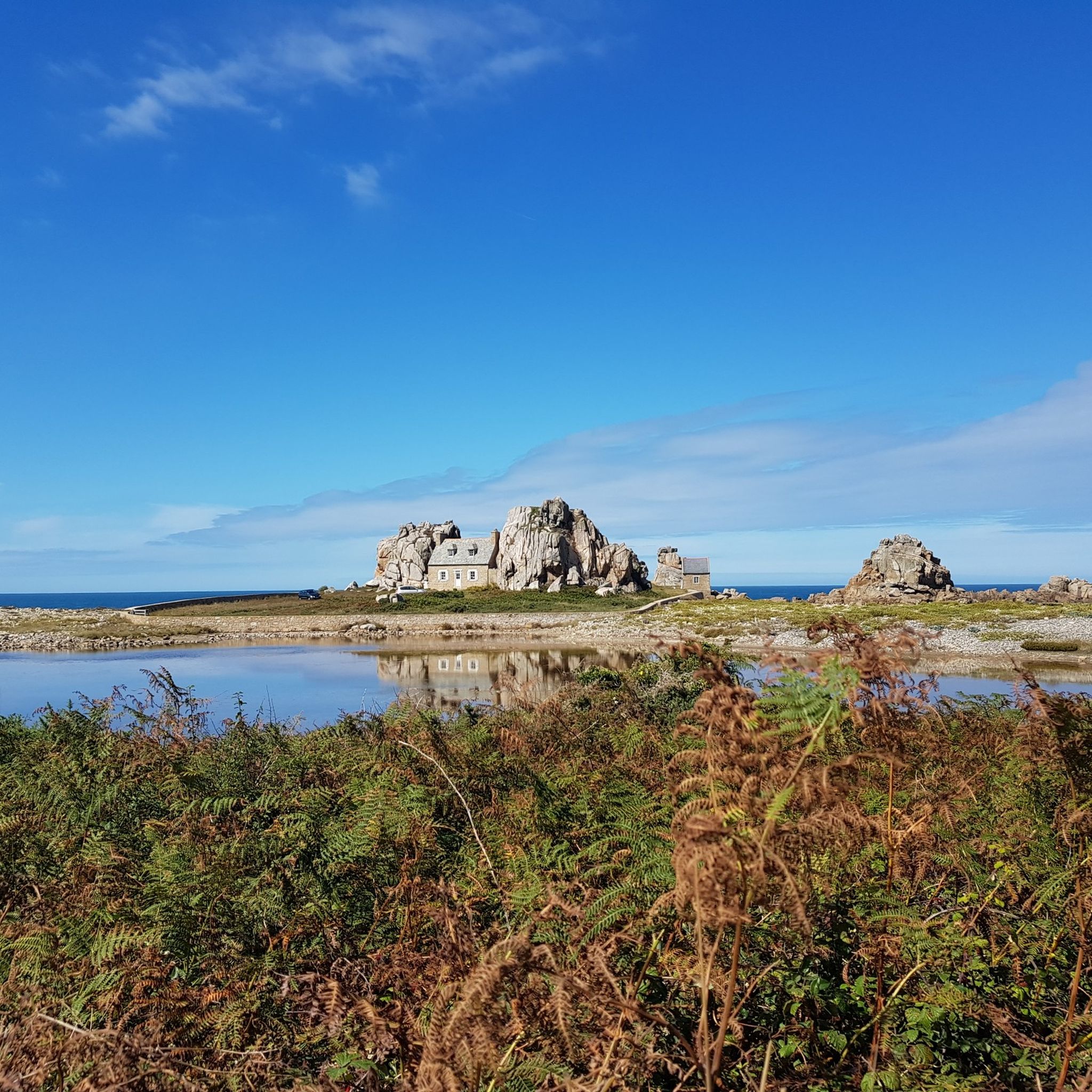
The 'House Between Two Rocks,' also known as Castel Meur, is a privately owned residence. While you cannot enter the house itself, its unique placement between two colossal granite boulders makes it a globally recognized image of Brittany. You can admire this picturesque and unusual dwelling from a distance, with magnificent views available from the nearby GR34 coastal path.
What should I know about visiting the Sillon de Talbert?
The Sillon de Talbert is a unique sandy and pebble tongue extending over 3.2 kilometers into the sea. It's a protected natural site and a significant spot for ornithology. Due to the tides, it's advisable to visit two hours after high tide and return to the coast at low tide, as parts can become submerged. Warning signs indicate safe visiting times.
What outdoor activities can I do near Plougrescant's natural monuments?
The area around Plougrescant offers various outdoor activities. You can find numerous hiking routes, including coastal paths that pass by the natural monuments. There are also running trails and road cycling routes that allow you to explore the stunning coastal scenery.
Are there hiking trails that pass by these natural monuments?
Yes, there are several hiking trails that offer excellent views of Plougrescant's natural monuments. For instance, the 'Gouffre and Pointe du Chateau' route is a moderate 11.2 km hike, and the 'House on the Hill, Pors Hir – The Plougrescant Chasm' loop is an easy 6.9 km option. You can find more details and routes on the Hiking around Plougrescant guide.
What kind of geological formations can I expect to see along the Plougrescant coast?
The Plougrescant coast is famous for its 'granite tors' – ruiniform rocks sculpted by erosion – and other strange rock formations. You'll encounter dramatic chasms like The Plougrescant Chasm, where the sea interacts with massive granite blocks, and distinctive features such as 'Napoleon's rock' with its two-cornered peak. The entire coastline showcases the unique pink and grey granite of the region.
What do visitors enjoy most about Plougrescant's natural monuments?
Visitors are consistently captivated by the wild and rugged beauty of the coastline. They appreciate the impressive granite rock formations, the spectacle of the sea crashing against the shore, and the unique geological curiosities like the Sillon de Talbert. Many find the area perfect for scenic walks, photography, and experiencing the raw power of the ocean.
Are there any specific safety considerations when visiting the coastal natural monuments?
When visiting the coastal natural monuments, especially areas like The Plougrescant Chasm, be mindful of the sea crashing violently between granite blocks, particularly during strong winds. Always observe tide times, especially at sites like the Sillon de Talbert, as parts can become submerged. The terrain can be rugged, so appropriate footwear is recommended.
What is the best time of year to visit Plougrescant's natural monuments?
The natural monuments of Plougrescant can be visited year-round, but the experience varies. Spring and autumn offer pleasant temperatures for walking and fewer crowds. Summer provides longer daylight hours, while winter can showcase the dramatic power of the ocean against the granite, though strong winds are more common. Always check the weather forecast before your visit.
Can I find cafes or amenities near the coastal paths in Plougrescant?
While the natural monuments themselves are often in wilder, unspoiled areas, you can typically find cafes and amenities in the nearby villages and towns. For example, near the Sillon de Talbert Nature Reserve, there are mentions of an excellent restaurant and a bar creperie with sensational views, a short distance from the main site.
Most popular routes around Plougrescant
Most popular attractions around Plougrescant

Get inspired with the komoot mobile app


Explore more
Extend your search for the best caves by checking out these guides of the top ones around Plougrescant:
