Top 7 Natural Monuments around Plouézec
Best natural monuments around Plouézec are found along Brittany's rugged coastline, characterized by dramatic cliffs and diverse ecosystems. This region offers numerous natural sites for exploration. The landscape features ancient volcanic origins and provides expansive views of the sea. Visitors can experience a blend of geological formations and coastal scenery.
Best natural monuments around Plouézec
- The most popular natural monument is Pointe de Plouha, a viewpoint that offers views of the Channel and surrounding cliffs. Its dark colors are…
Last updated: June 20, 2026
Pointe de Plouha
Highlight • Viewpoint
Translated by Google •
Tip by

Beauport Abbey
Highlight • Monument
Translated by Google •
Tip by

Sign up now to discover places like this
Get recommendations on the best single tracks, peaks, & plenty of other exciting outdoor places.
Sign up for free
Bec de Vir Point
Highlight • Viewpoint
The access path runs alongside cultivated plots before overlooking the birth of the high cliffs of …
Translated by Google •
Tip by

Pointe de Minard
Highlight • Viewpoint
Translated by Google •
Tip by

Rock Formations – North Coast of Île de Bréhat
Highlight • Natural Monument
Translated by Google •
Tip by

Sign up for free to discover even more natural monuments around Plouézec.
Sign up for free
Already have an account?
Start today with a free account
Your next adventure awaits.
Login or Signup
Other adventures around Plouézec

Tips from the Community

pp Olpolol Plpl Mature Olll
0
1


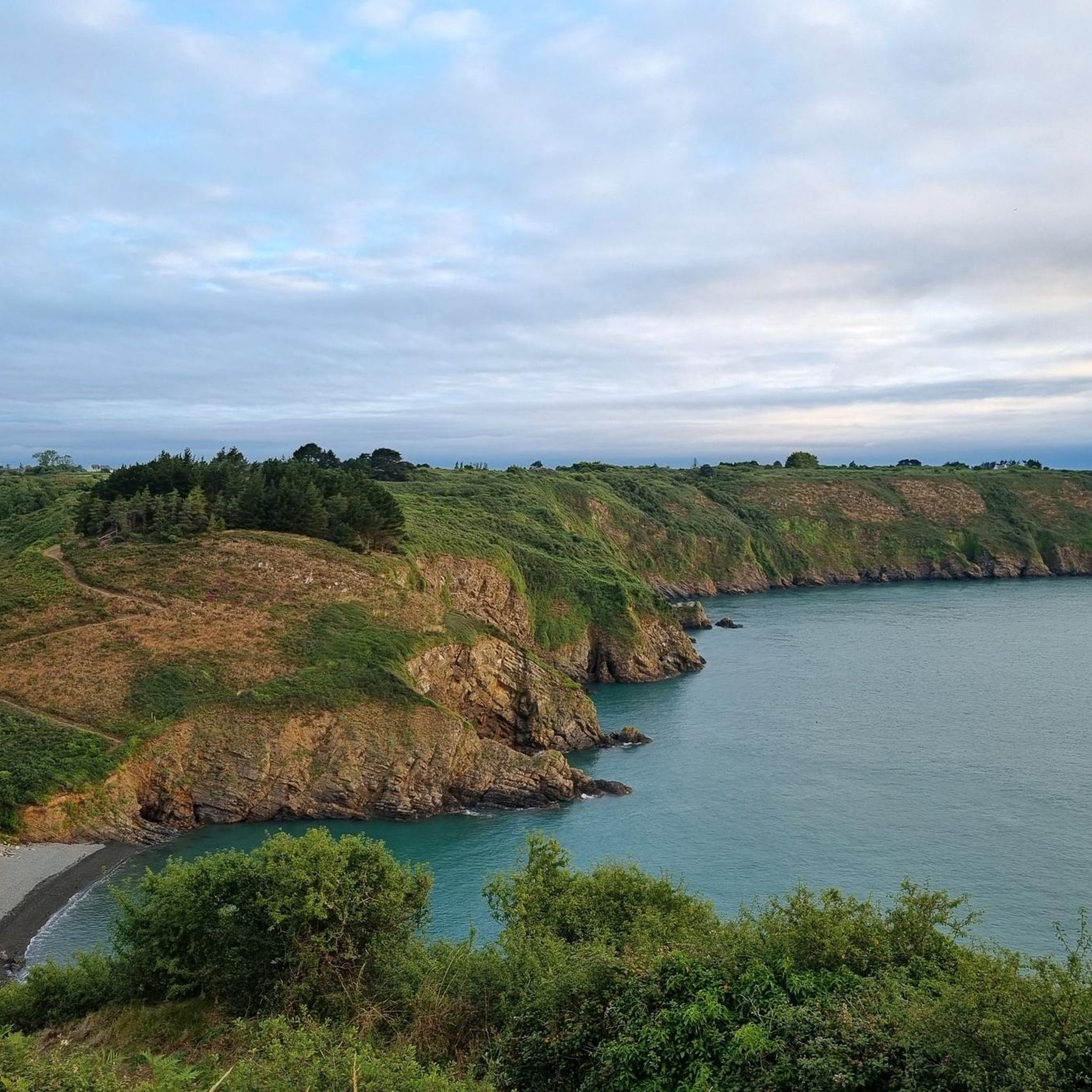
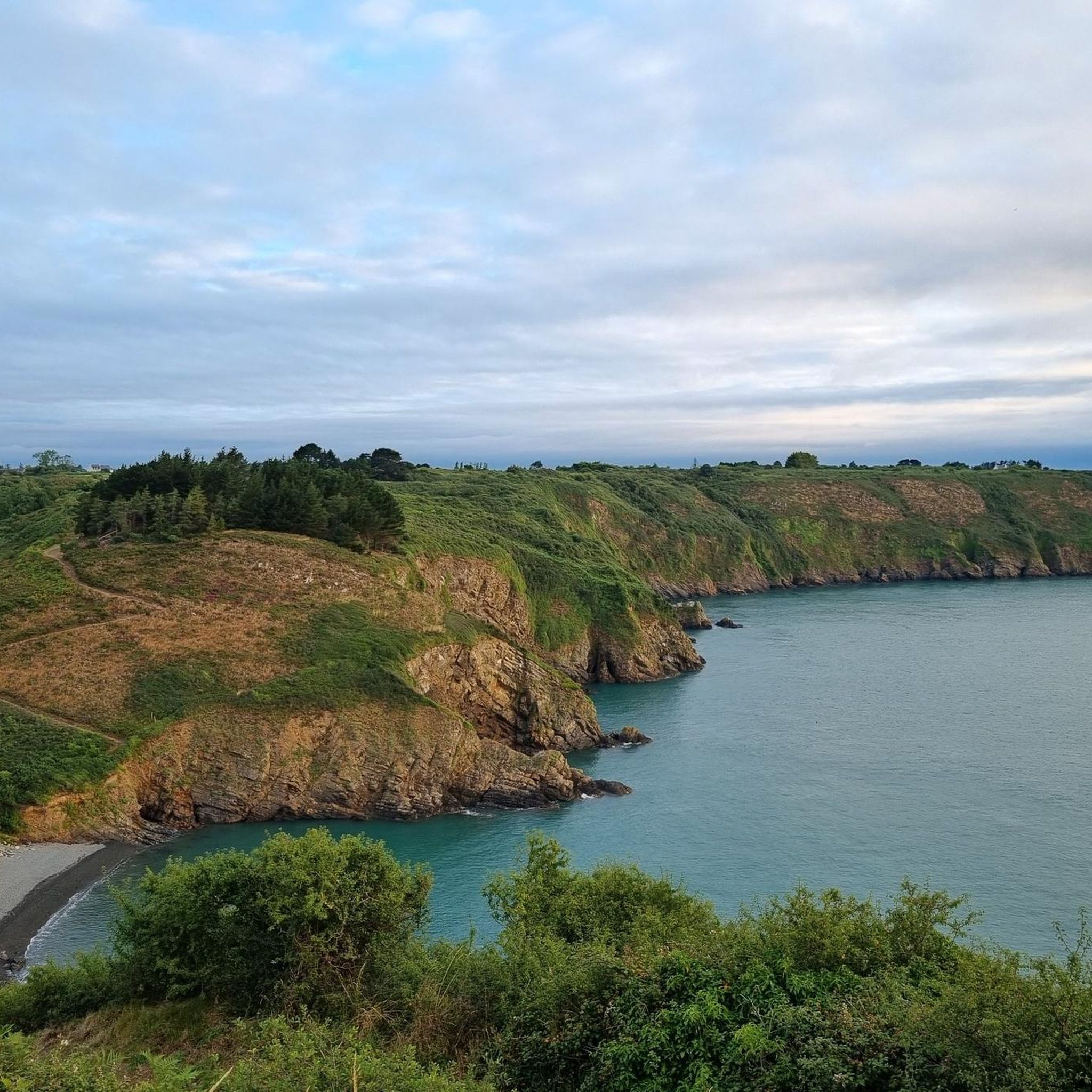
The view of the coast from the tip of Bec de Vir is breathtaking! The access path runs alongside cultivated plots before overlooking the birth of the high cliffs of Plouha and the large beach of Palus to the north. Further south, the rocks of the St-Quay islands and the rocky plateau of Rohein are easily visible at low tide. You can also see the semaphore of Saint-Quay-Portrieux. This sentinel has been watching over maritime traffic in the bay since 1860. Photo credit: Emmanuel Berthier
0
0

The Pointe de Plouha is a beautiful spot in Brittany and is known for its highest cliffs in the region, at 104 meters high. This 14-kilometer stretch of rocky coastline offers breathtaking views, hidden coves, bird nesting sites, an old harbor and a chapel with eerie frescoes. This location also offers historical significance, with the remains of bunkers built to protect a small anchorage, and a picturesque beach called Gwin Zegal, where tree trunks emerge from the water.
2
0

A very beautiful monastery ruin. All descriptions of the individual sights are multilingual, so you can get by very well even without sufficient knowledge of French.
1
0

Name linked to the name of the village Minard, located near this point. There was a pyramid here, destroyed by the Germans, it was used as a bittern for sailors, there was also talk of gold in this place in connection with maritime smuggling. Culminating at 70 m above the sea, equipped with a battery of cannons, of which only a few ruins remain.
0
0
In the bay of Paimpol, Beauport Abbey is a remarkable monastic complex, a major witness to religious architecture in Brittany. It is also an exemplary place of conservation, where the interests of the monument combine with those of an exceptional natural site. At the dawn of the 13th century, Count Alain de Goëlo founded the Beauport Abbey and installed canons of the Premonstratensian order there. For 500 years, the religious community shaped the place and implemented important developments, while respecting their monastic rules and the needs of their community life. Closed during the French Revolution, then sold as national property, the abbey buildings were in turn transformed into a stable, town hall, bourgeois apartments, school and cider house.
0
0

A very beautiful monastery complex that is worth a visit, as the starting point of the Way of St. James is located right next to the Abbaye de Beauport.
4
0
Frequently Asked Questions
What are the most popular natural monuments around Plouézec?
Visitors frequently enjoy the dramatic landscapes of Pointe de Plouha, known for Brittany's highest cliffs and splendid views of the Channel. Another favorite is Rock Formations – North Coast of Île de Bréhat, offering unique coastal formations and panoramic vistas. The historic Beauport Abbey, set within an exceptional natural site, also draws many visitors.
What kind of natural features can I expect to see in Plouézec?
Plouézec's natural monuments are characterized by dramatic coastal features. You'll find towering cliffs, some over 100 meters high, shaped by ancient volcanic activity. These areas offer expansive views of Paimpol Bay, Saint-Brieuc Bay, and the Bréhat archipelago. The coastline also features unique rock formations, diverse flora, and rich wildlife, including various bird species and even rare bats.
Are there family-friendly natural monuments in Plouézec?
Yes, several natural sites are suitable for families. The historic Beauport Abbey is considered family-friendly, combining architectural interest with its attractive coastal setting. Additionally, sections of the Sentier des Douaniers (GR34) coastal path are relatively flat and offer scenic, family-friendly hiking opportunities.
What is the best time of year to visit the natural monuments in Plouézec?
The natural monuments in Plouézec are beautiful year-round, but spring and summer offer particularly pleasant conditions for exploring. In April, the green vegetation along the coast is highlighted by the white of blackthorn, and later by the gold of gorse and broom. The warmer months are ideal for hiking and enjoying the coastal views, though the dramatic landscapes are impressive in any season.
Are there any historical sites among the natural monuments?
Yes, history is intertwined with nature in Plouézec. Beauport Abbey, a 13th-century monastic complex, is a significant historical site located within a stunning natural setting. Pointe de Minard also has historical significance, having served as a defensive point against past attacks, with remnants of a cannon battery still visible.
What outdoor activities can I do near the natural monuments in Plouézec?
The area around Plouézec's natural monuments is excellent for various outdoor activities. You can explore numerous hiking routes, including the famous Sentier des Douaniers (GR34) which traces the coastline. There are also many options for road cycling and gravel biking, allowing you to discover the region's beauty on two wheels.
Are there specific hiking trails that offer the best views of the natural monuments?
Absolutely. The Sentier des Douaniers (GR34) is a historic coastal path that runs for 13 kilometers along the Plouézec coastline, providing access to many natural wonders and stunning sea views. For a moderate hike, consider the Plouézec Cliffs Circuit or the GR 34 – View of Pointe de Minard loop from Port Lazo.
Can I observe wildlife at these natural sites?
Yes, the natural monuments, particularly the Cliffs of Plouézec, are havens for diverse wildlife. You might spot rare bat species like the Greater and Lesser Horseshoe Bats, and numerous bird species such as house martins, reed buntings, and peregrine falcons. The varied ecosystems provide excellent opportunities for birdwatching and observing coastal flora.
Is there parking available near the natural monuments?
Yes, many of the natural monuments are accessible by car. For instance, Pointe de Minard and Pointe de Bilfot are accessible by car, and parking is generally available at popular viewpoints and trailheads along the coast, such as for the Plouézec Cliffs Circuit.
Are dogs allowed on the trails and at the natural monuments?
While specific rules can vary, dogs are generally welcome on leash at most natural outdoor sites and hiking trails in Plouézec, including the Sentier des Douaniers (GR34). Always ensure your dog is under control and respect local signage regarding pet access, especially in protected wildlife areas.
What makes the Pointe de Minard and Pointe de Bilfot significant?
These two headlands are significant for their dramatic coastal vistas and geological history. From their highest points, around 60 meters above sea level, they offer panoramic views of Paimpol Bay, Saint-Brieuc Bay, and the Bréhat archipelago. Pointe de Bilfot is a result of ancient volcanic eruptions, and at low tide, reveals remnants of old maritime oyster farms. Pointe de Minard also holds historical importance as a former defensive point.
What can I see at the Bec de Vir Point?
From Bec de Vir Point, you'll be treated to breathtaking views of the coast. The path overlooks the high cliffs of Plouha and the large beach of Palus to the north. Further south, the rocks of the St-Quay islands and the rocky plateau of Rohein are visible at low tide, along with the historic semaphore of Saint-Quay-Portrieux.
Most popular routes around Plouézec
Most popular attractions around Plouézec

Get inspired with the komoot mobile app


Explore more
Extend your search for the best caves by checking out these guides of the top ones around Plouézec:
