Top 4 Natural Monuments around Pludual
Best natural monuments around Pludual are characterized by the dramatic coastline of Brittany, offering access to significant natural features. The region is known for its high cliffs and scenic viewpoints overlooking the English Channel. These sites provide opportunities to experience the natural forces shaping the Breton coast. Pludual's surroundings blend rugged landscapes with areas of historical interest.
Best natural monuments around Pludual
- The most popular natural monuments is Pointe de Plouha, a viewpoint that features the highest cliffs in…
Last updated: June 20, 2026
Pointe de Plouha
Highlight • Viewpoint
Translated by Google •
Tip by

Bec de Vir Point
Highlight • Viewpoint
The access path runs alongside cultivated plots before overlooking the birth of the high cliffs of …
Translated by Google •
Tip by

Sign up now to discover places like this
Get recommendations on the best single tracks, peaks, & plenty of other exciting outdoor places.
Sign up for free
Pointe de Minard
Highlight • Viewpoint
Translated by Google •
Tip by

Kapelle Saint Jacques
Highlight • Religious Site
Translated by Google •
Tip by

View of Pointe de Minard
Highlight • Viewpoint
Translated by Google •
Tip by

Start today with a free account
Your next adventure awaits.
Login or Signup
Tips from the Community


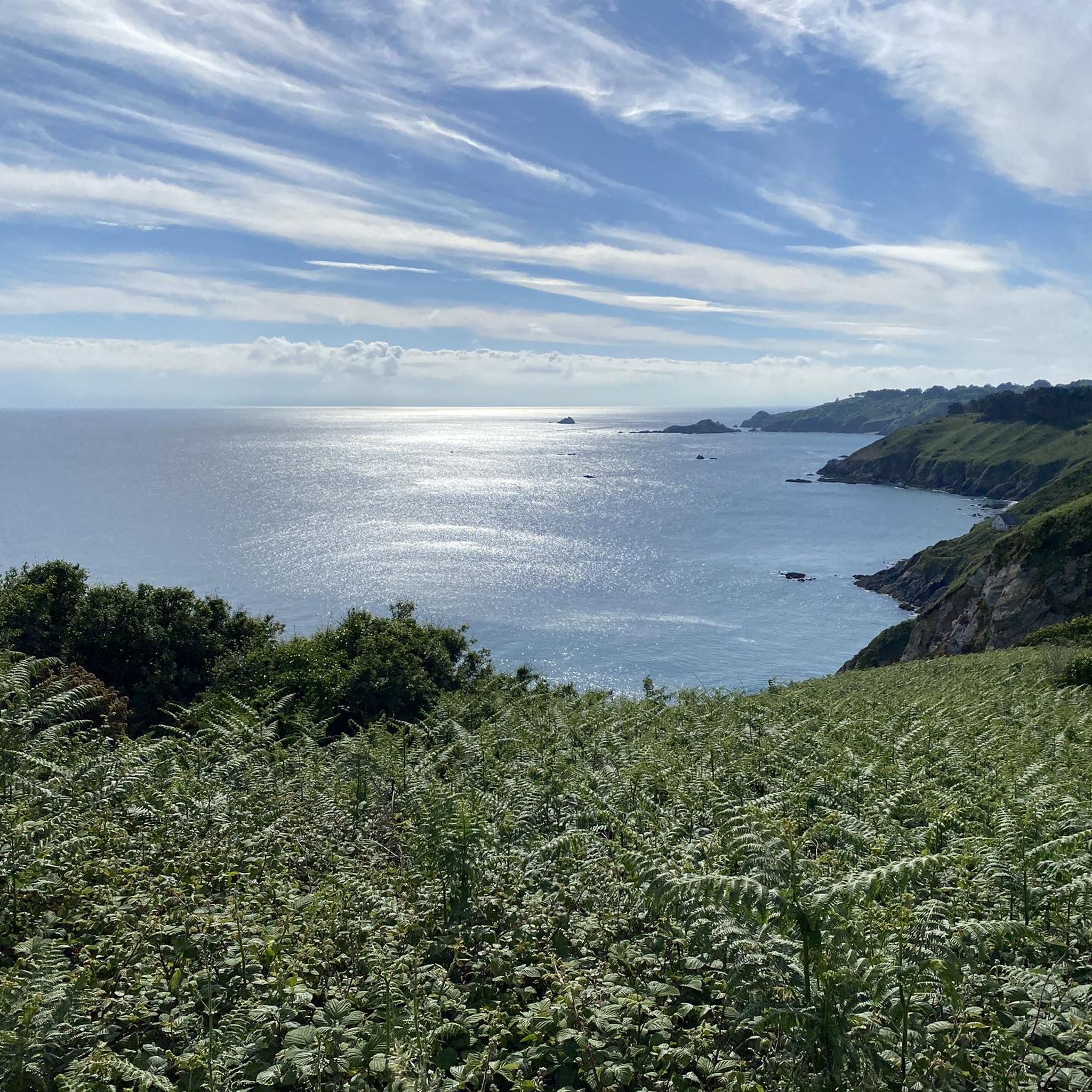
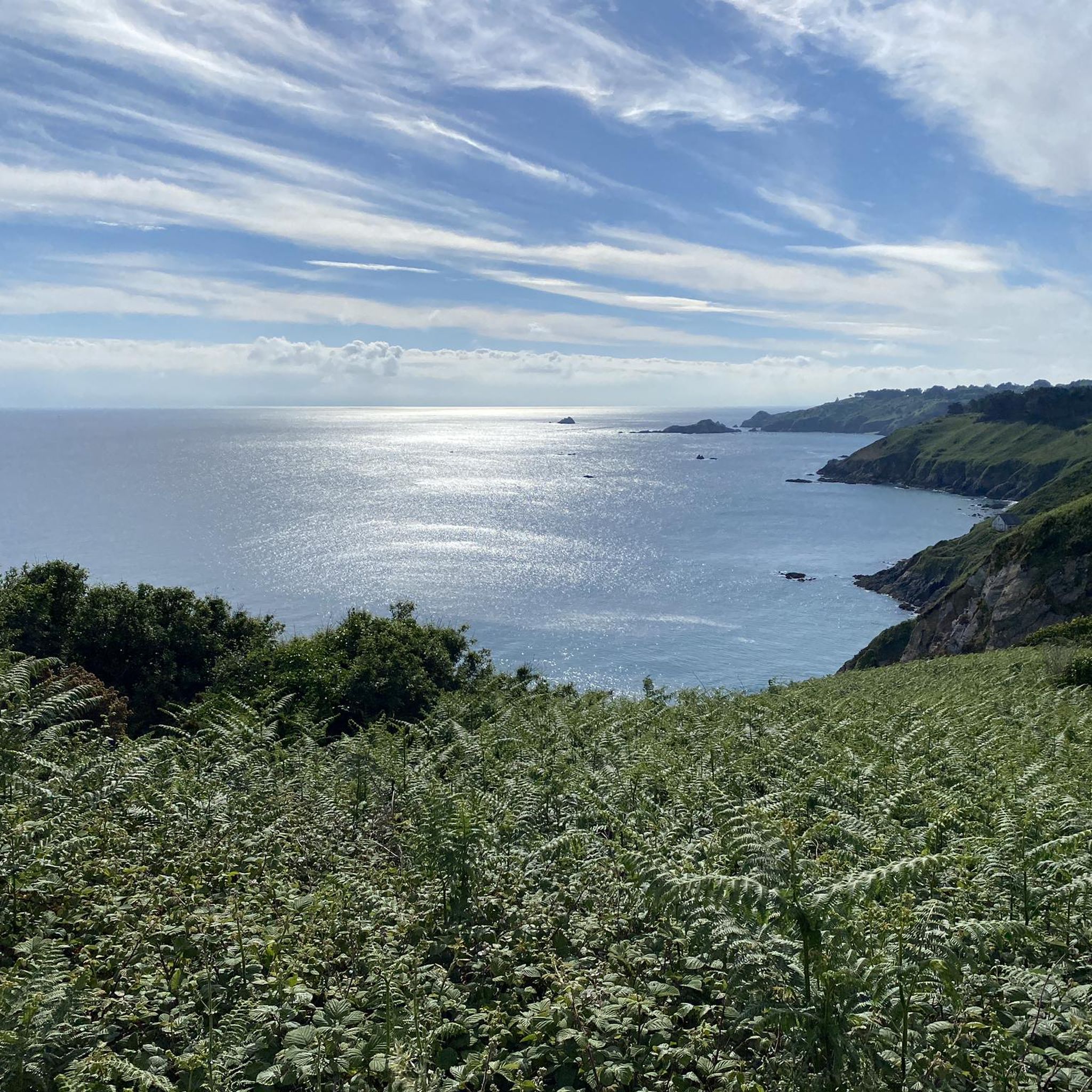
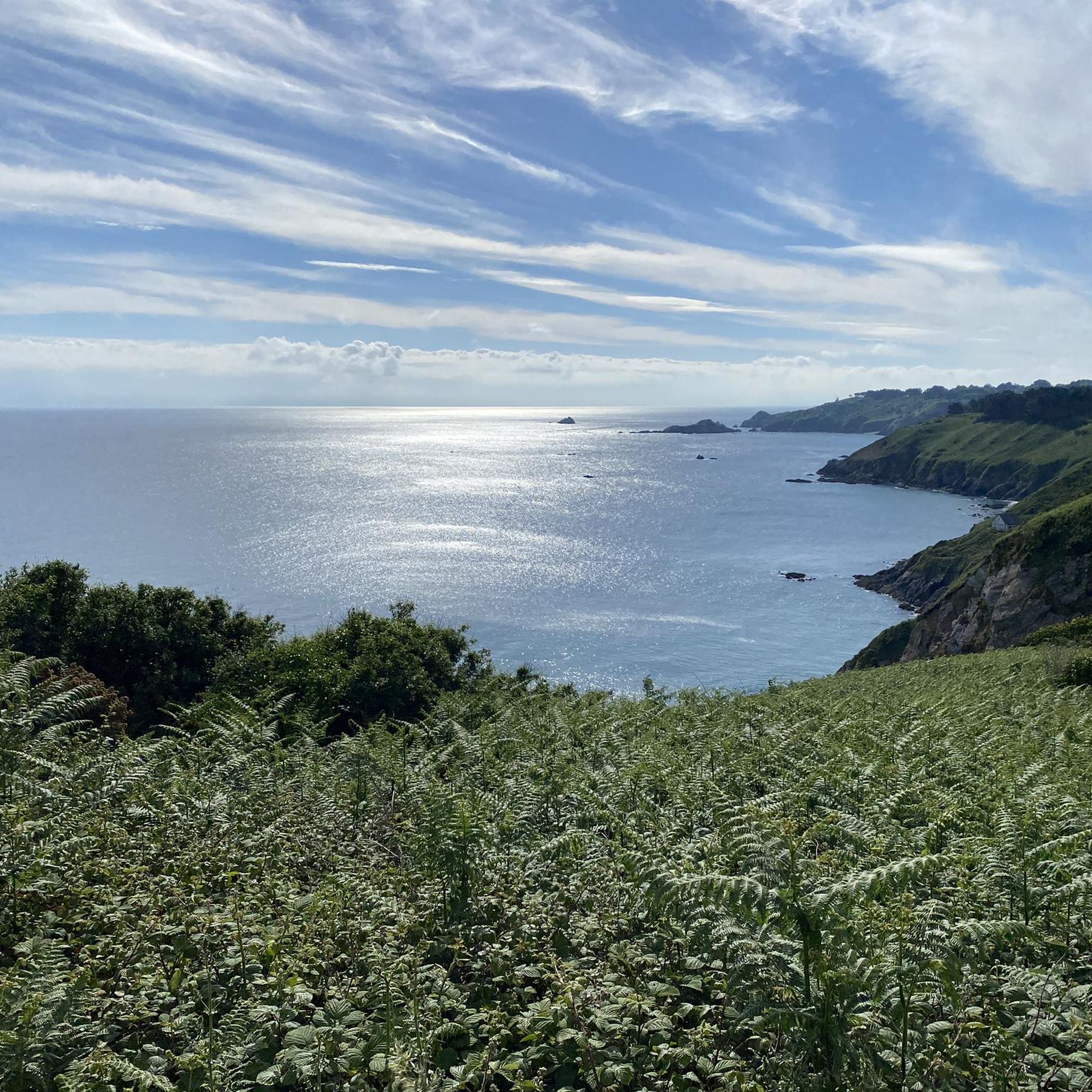
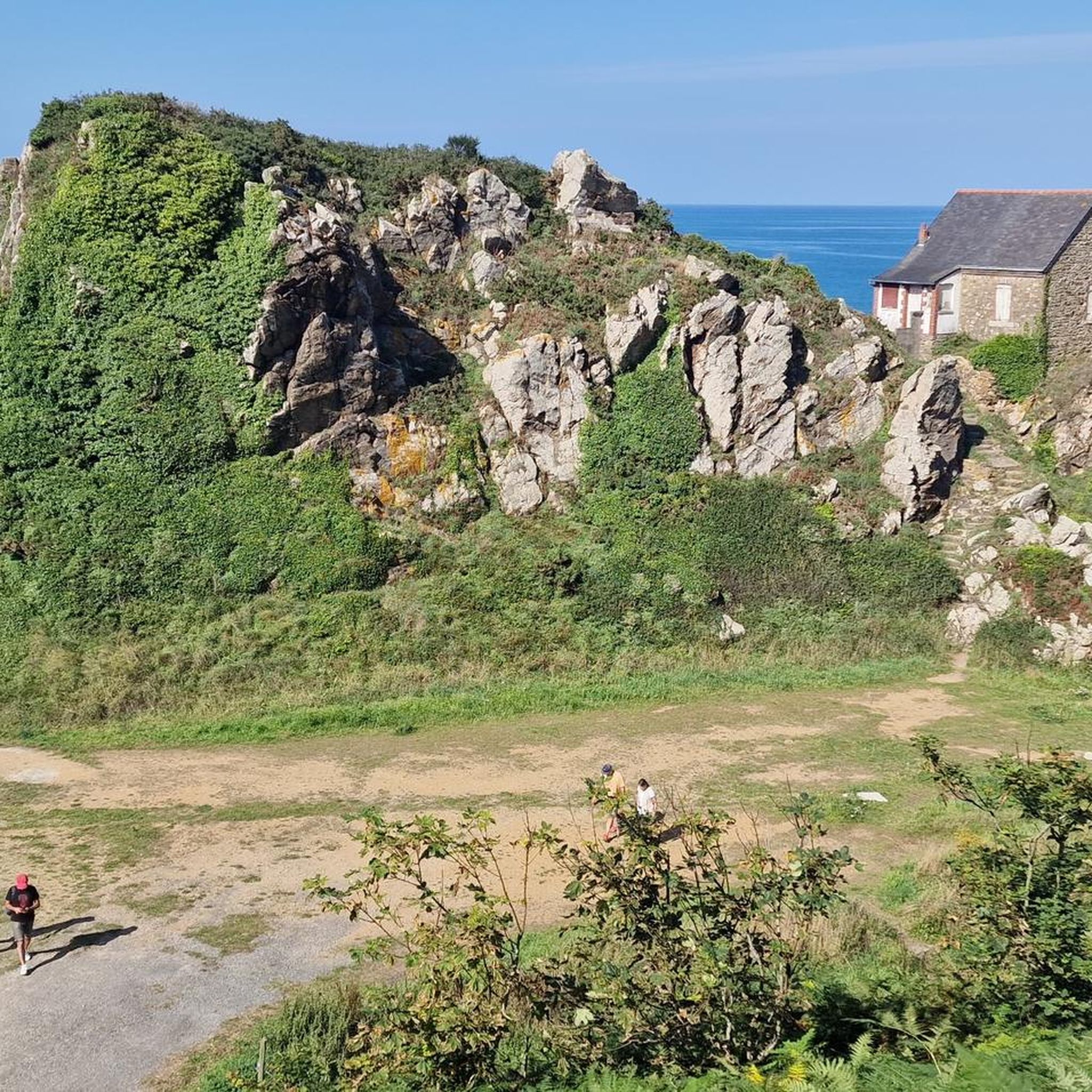
The view of the coast from the tip of Bec de Vir is breathtaking! The access path runs alongside cultivated plots before overlooking the birth of the high cliffs of Plouha and the large beach of Palus to the north. Further south, the rocks of the St-Quay islands and the rocky plateau of Rohein are easily visible at low tide. You can also see the semaphore of Saint-Quay-Portrieux. This sentinel has been watching over maritime traffic in the bay since 1860. Photo credit: Emmanuel Berthier
0
0

The Pointe de Plouha is a beautiful spot in Brittany and is known for its highest cliffs in the region, at 104 meters high. This 14-kilometer stretch of rocky coastline offers breathtaking views, hidden coves, bird nesting sites, an old harbor and a chapel with eerie frescoes. This location also offers historical significance, with the remains of bunkers built to protect a small anchorage, and a picturesque beach called Gwin Zegal, where tree trunks emerge from the water.
2
0

La Pointe de Minard, on the Breton coast, offers spectacular views of the ocean. This rocky promontory is surrounded by wild and unspoiled nature, creating a picturesque and calming coastal setting.
0
0

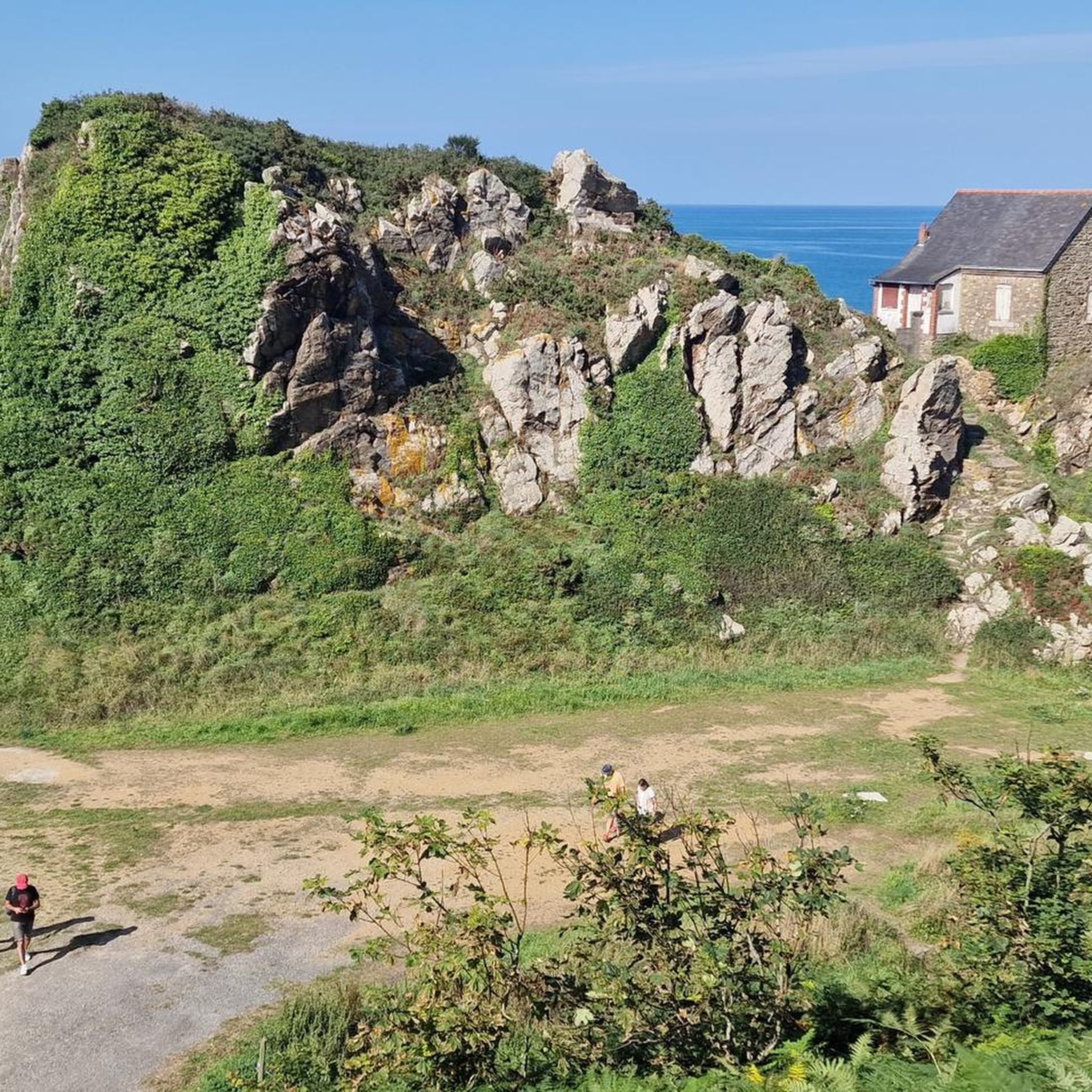
Name linked to the name of the village Minard, located near this point. There was a pyramid here, destroyed by the Germans, it was used as a bittern for sailors, there was also talk of gold in this place in connection with maritime smuggling. Culminating at 70 m above the sea, equipped with a battery of cannons, of which only a few ruins remain.
0
0

There is a bench next to the spring in the shade of the chapel! Don't think twice, just take a break in the most beautiful surroundings.
0
0
The chapel is open and can be visited.
0
0

At 104 meters, the highest cliffs in Brittany.
0
0
Frequently Asked Questions
What are the most striking natural features around Pludual?
The region around Pludual is characterized by its dramatic coastline. You can experience the highest cliffs in Brittany at the Pointe de Plouha, offering expansive panoramic views of the English Channel. Another notable feature is the unique pink granite cliffs found at Plage Bonaparte, which also features a distinctive tunnel carved into the rock.
Are there natural monuments around Pludual with historical significance?
Yes, several natural sites also hold historical importance. Pointe de Minard, for example, has remnants of a cannon battery and a history linked to maritime smuggling. Plage Bonaparte is particularly significant, having served as a secret evacuation point for Allied airmen during World War II, with commemorative plaques within its access tunnel. You can learn more about its history here.
What outdoor activities can I do near these natural monuments?
The area offers excellent opportunities for outdoor activities, especially hiking and cycling. The GR34 hiking trail, also known as the 'Sentier des Douaniers,' runs along the Cliffs of Plouha, providing scenic walks. For more detailed routes, you can explore the Hiking around Pludual guide, which includes routes like the 'Palus Beach – View of Le Palus Bay loop'. There are also options for MTB Trails and Gravel biking.
What is the best time of year to visit the natural monuments around Pludual?
The best time to visit is generally during the warmer months, from late spring to early autumn (May to September), when the weather is most favorable for exploring the coastal paths and enjoying the views. During this period, you'll experience milder temperatures and less rain, making outdoor activities more pleasant. However, the dramatic coastal scenery can be enjoyed year-round, with winter offering a wilder, more rugged experience.
Are the natural monuments around Pludual family-friendly?
Many of the natural monuments offer experiences suitable for families. While some cliff-edge paths require caution, beaches like Plage Bonaparte provide sandy areas and rock pools for children to explore. The Kapelle Saint Jacques is also noted as family-friendly, offering a peaceful spot in beautiful surroundings.
Can I bring my dog to the natural monuments and trails?
Many coastal paths and natural areas in Brittany are dog-friendly, though it's always advisable to keep dogs on a leash, especially near cliff edges or in areas with wildlife. Specific regulations can vary, so checking local signage is recommended. Generally, the hiking trails around the natural monuments are suitable for walks with dogs.
How accessible are the natural monuments around Pludual?
Accessibility varies by location. Coastal paths often involve uneven terrain, steps, or inclines, making them challenging for those with limited mobility or strollers. However, some viewpoints may offer easier access. For instance, the Bec de Vir Point offers breathtaking views from its tip, which can be reached via a path. It's best to check specific trail conditions if accessibility is a concern.
Where can I find amenities like cafes or pubs near these natural sites?
While the natural monuments themselves are often remote, you can find amenities in nearby towns and villages. Plouha, for example, is close to the Cliffs of Plouha and Plage Bonaparte, offering cafes, restaurants, and other services. It's a good idea to plan your visit and check for facilities in the closest commune before heading out to the more secluded spots.
What do visitors enjoy most about the natural monuments around Pludual?
Visitors frequently highlight the breathtaking panoramic views and the raw, untamed beauty of the Breton coast. The sheer scale of the cliffs, especially at Pointe de Plouha, is a major draw. Many appreciate the opportunity for scenic walks along the GR34 trail and the chance to observe diverse seabird populations. The blend of natural wonder with historical significance, as seen at Plage Bonaparte, also leaves a lasting impression.
Are there any circular walks available around the natural monuments?
Yes, there are several circular walking routes that allow you to explore the natural monuments and return to your starting point. For example, the Hiking around Pludual guide lists routes such as the 'Saint Lawrence Chapel loop from Pludual' and the 'Chapelle de Kermaria – Chapelle de Kermaria-an-Iskuit loop from Pludual', which offer varied distances and views of the local landscape.
Can I observe wildlife at these natural monuments?
The dramatic coastal environment is home to diverse wildlife, particularly seabirds. The Cliffs of Plouha are known for their seabird populations. Depending on the season, you might spot various species soaring above the cliffs or nesting in the rock faces. The marine environment also supports a range of life, visible in rock pools at low tide on beaches like Plage Bonaparte.
Most popular routes around Pludual
Most popular attractions around Pludual

Get inspired with the komoot mobile app


Explore more
Extend your search for the best caves by checking out these guides of the top ones around Pludual:
