Top 8 Natural Monuments around Aspères
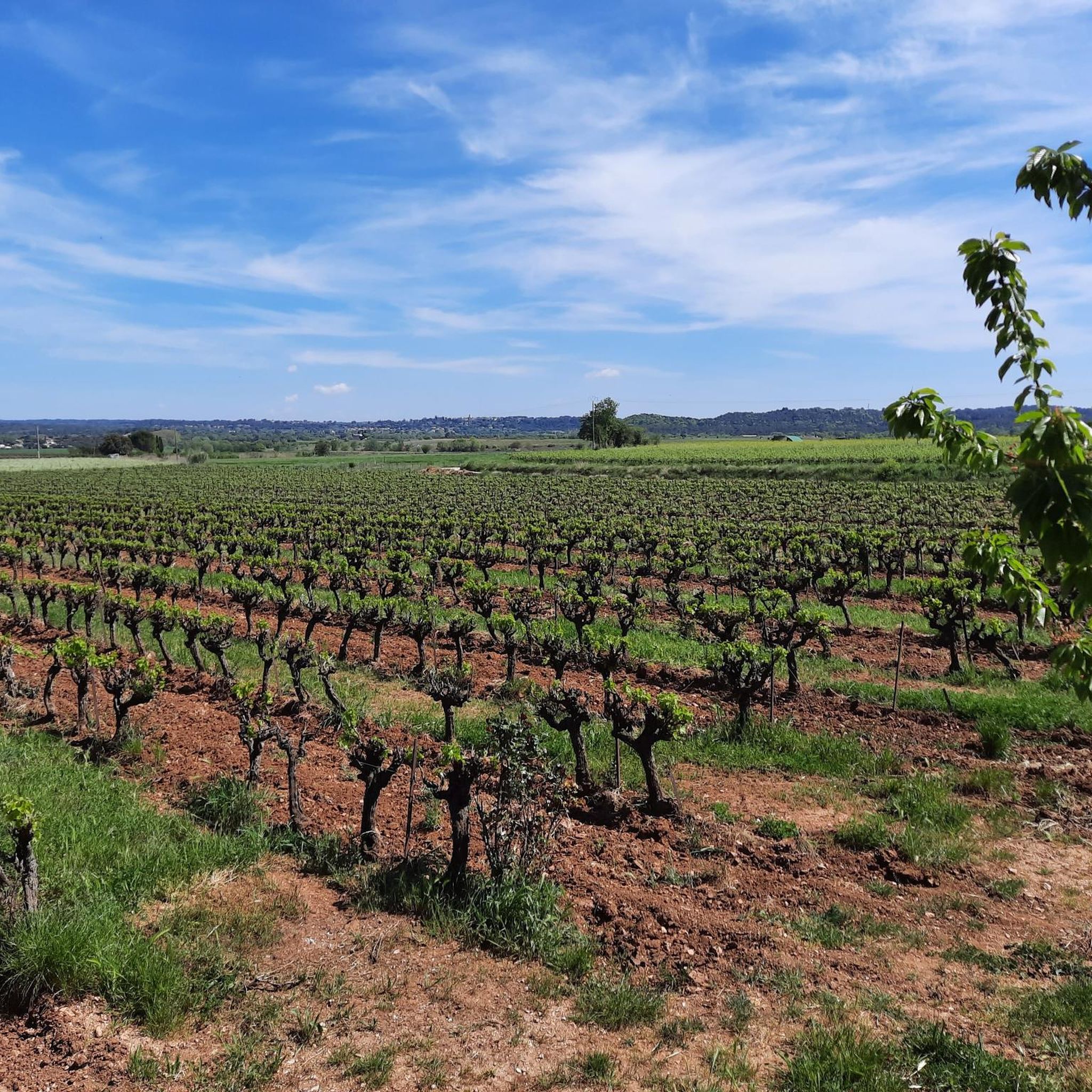
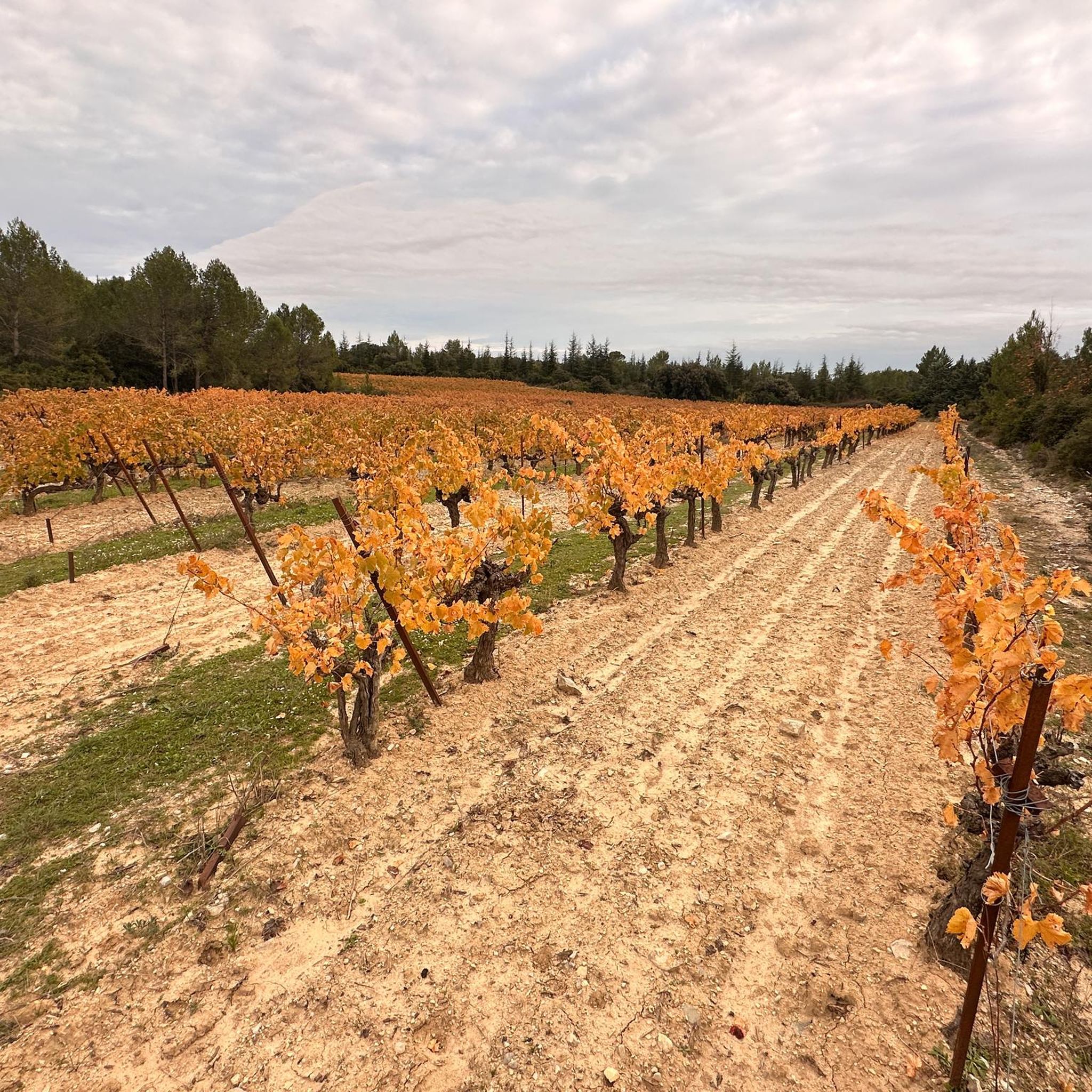
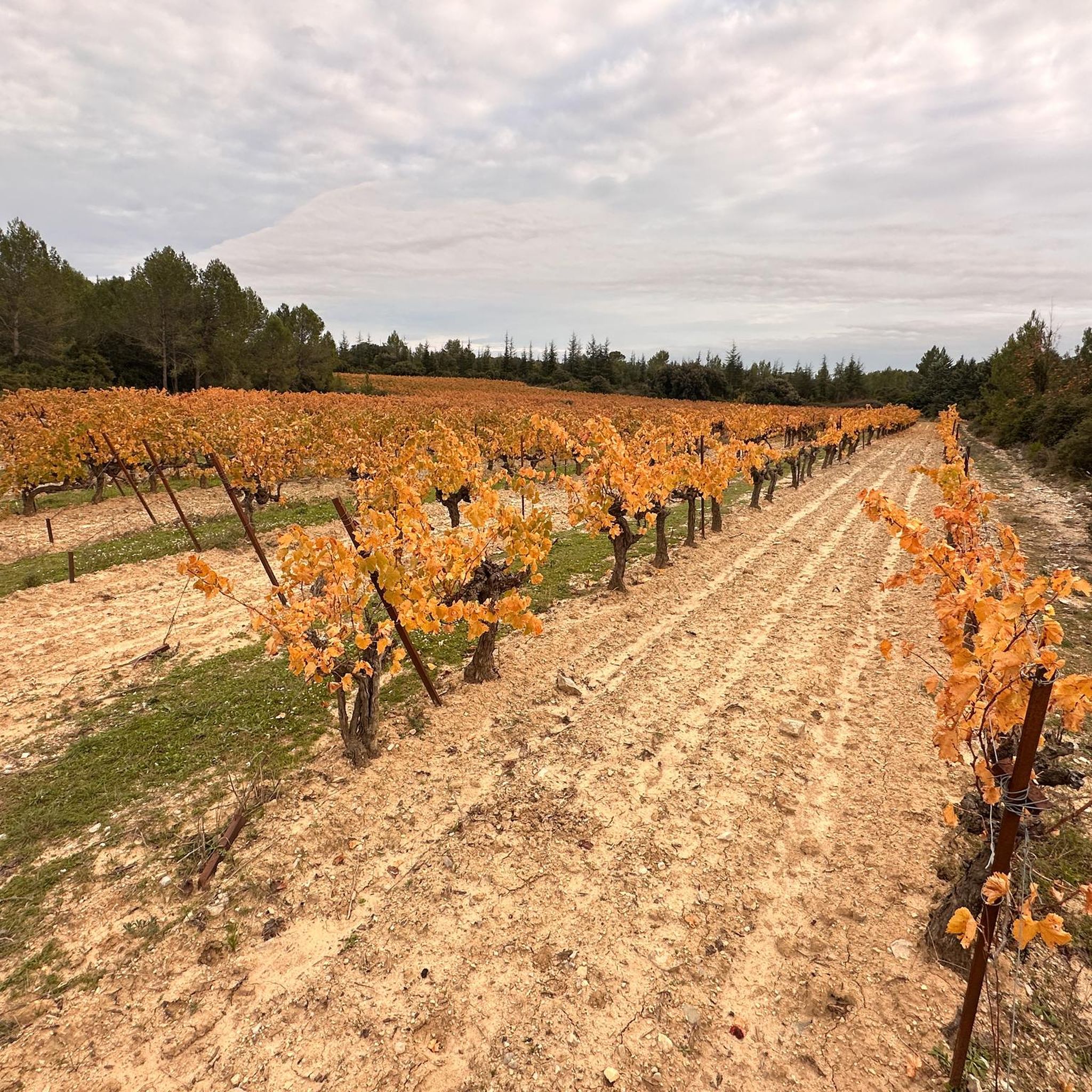
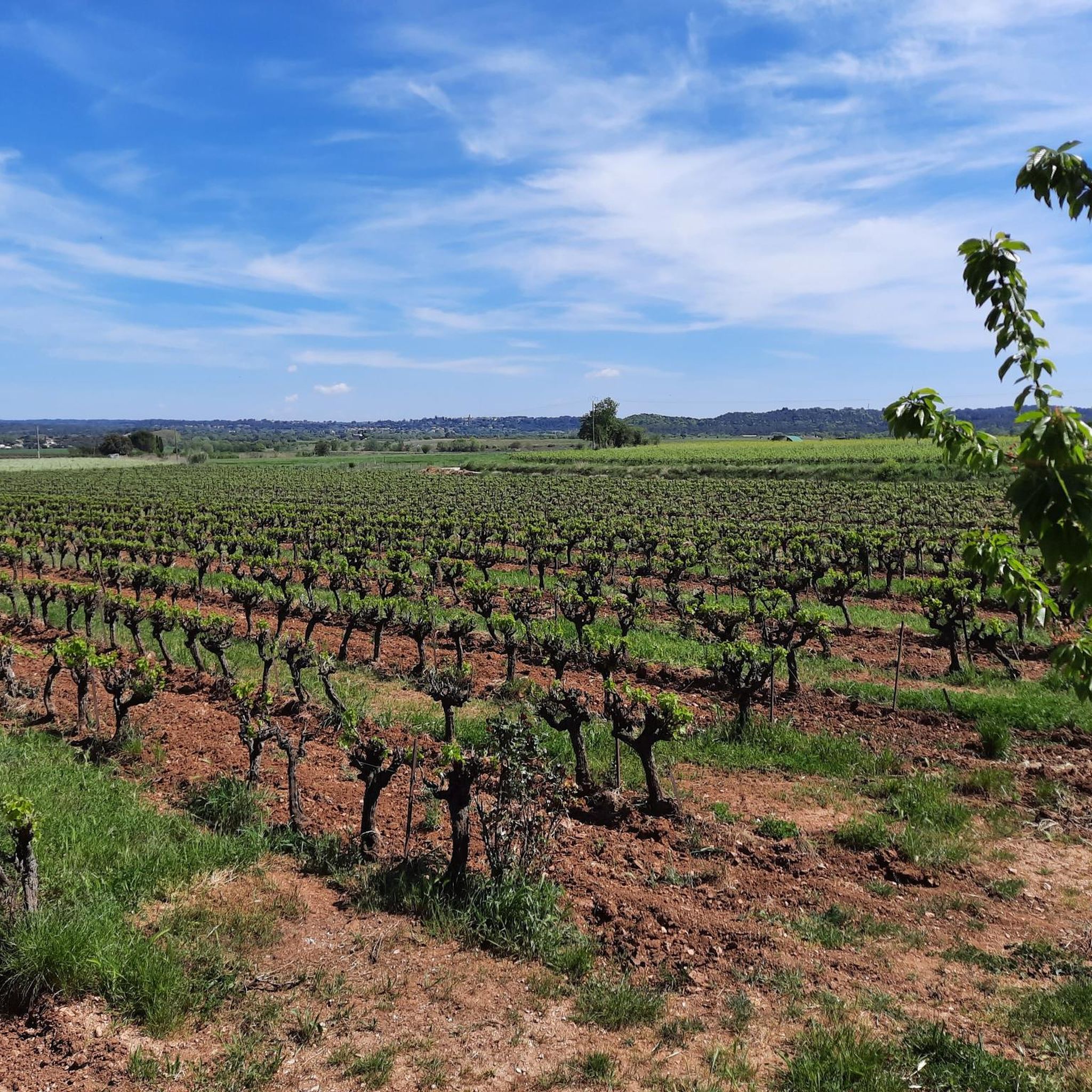
Best natural monuments around Aspères are found in a region characterized by vineyards and garrigue, offering access to diverse geological formations and unique landscapes. The area features ancient quarries, natural arches, and elevated viewpoints that showcase the local geology. These sites provide insight into both natural processes and historical human interaction with the environment.
Best natural monuments around Aspères
- The most popular natural monument is Carrières de Junas, an other man-made site that features an old stone quarry exploited…
Last updated: October 7, 2026
Carrières de Junas
Highlight • Structure
Translated by Google •
Tip by

Roc du Midi Orientation Table
Highlight • Viewpoint
Translated by Google •
Tip by
Sign up now to discover places like this
Get recommendations on the best single tracks, peaks, & plenty of other exciting outdoor places.
Orientation table
Highlight • Viewpoint
Translated by Google •
Tip by

Roc de Gachone – 4 Windmills
Highlight • Viewpoint
Translated by Google •
Tip by
Stepping Stones at the Large Rock
Highlight • Bridge
Translated by Google •
Tip by

Sign up for free to discover even more natural monuments around Aspères.
Already have an account?
Start today with a free account
Your next adventure awaits.

Tips from the Community


Beautiful place and beautiful view. The trail to get there is quiet (although it climbs). The single tracks are much more technical!
0
1

very nice hike to see and do not miss the cave of the Bois de Paris be careful slippery and lamp necessary
0
0

You have to sweat to get there! Come on, go!
0
0

Incredible spot, on the other hand the orientation table which indicates Moscow or Abidjan could have been a little more informative and indicated Mont Ventoux closer to us for example.
1
0

A grandiose and magical place, forged by more than 2000 years of rock quarrying using an unchanged manual method, hundreds of cubic meters of stone quarried there were used in particular to build the Pont de Sommières, then later in Aigues-Mortes and Vigan .
8
0

The summit of Roc de Gachone (167m above sea level) is "capped" by 3 windmills and offers a magnificent view of the plain.
0
0
From the orientation table of the Roc du Midi at the top of the Travers des Côtes, there is a magnificent panorama over the plain of Asperes.
1
0
Frequently Asked Questions
What are some unique natural monuments to explore near Aspères?
The region offers several unique sites. The Carrières de Junas are ancient quarries, shaped by over 2000 years of human activity, creating distinctive rock formations. Another geological marvel is the Pont du Hasard in Corconne, a natural stone arch that doesn't span a river, offering a thrilling hiking experience through a narrow ravine. The Grottes du Bois de Paris also provide an insight into both natural geology and historical charcoal production.
Are there family-friendly natural monuments around Aspères?
Yes, the Carrières de Junas are considered family-friendly and offer an engaging blend of natural beauty and history. The accessible viewpoint at the quarries provides a panoramic perspective suitable for all ages. Exploring the Grottes du Bois de Paris can also be an interesting adventure for families, combining nature with a touch of local history.
Where can I find the best panoramic views of the region?
For breathtaking panoramic views, visit the Roc de Gachone – 4 Windmills, which offers a magnificent vista of the plain from its summit. The Orientation table also provides a superb 270° view over a large part of the Hérault and surrounding mountains, complete with a table to identify various massifs. Additionally, the Notre-Dame du Château Chapel area in Corconne, situated on a cliff edge, offers expansive views of the village and the wine-growing plain.
What kind of outdoor activities can I do near these natural monuments?
The area around Aspères is excellent for various outdoor activities. You can find numerous hiking trails, such as the 'Bois de Paris Loop' or the 'Stone Ruins – Viewpoint loop from Aspères'. For cycling enthusiasts, there are routes like the 'Sommières–Cardet Greenway' or the 'Bridge over the Vidourle – Sommières Bridge loop'. Running trails are also available, including the 'Corbières Mill – Carrières de Junas loop'. You can explore more options for hiking, cycling, and running around Aspères.
Do any natural monuments near Aspères have historical significance?
Absolutely. The Carrières de Junas are a prime example, having been exploited for over 2000 years since Gallo-Roman times, with rock extracted to build structures like the Pont de Sommières. The Grottes du Bois de Paris were historically used for charcoal production, adding a cultural layer to their natural appeal. The Notre-Dame du Château Chapel area, while primarily a historical monument, is located on a site that was originally a citadel from around the year 1000, offering a rich historical context within a natural setting.
What is the best time of year to visit the natural monuments around Aspères?
The region's natural monuments are enjoyable throughout the year, but spring and autumn generally offer the most pleasant weather for hiking and exploration. During these seasons, temperatures are mild, and the landscapes are particularly vibrant, making for ideal conditions to discover the geological formations and panoramic views.
What should I pack for a visit to the natural monuments?
For a comfortable visit, especially if you plan to hike, it's advisable to wear sturdy walking shoes. Depending on the season, bring layers of clothing, sun protection (hat, sunscreen), and plenty of water. If you plan to explore the Grottes du Bois de Paris, a lamp or headlamp is recommended due to potentially slippery conditions inside.
Are the natural monuments around Aspères dog-friendly?
Many natural areas and trails around Aspères are suitable for dogs, especially for walks in the garrigue and vineyards. However, it's always best to keep dogs on a leash, especially in areas with wildlife or near agricultural land. Specific rules might apply to certain sites like the quarries, so check local signage.
How much time should I allocate to visit these natural monuments?
The time needed varies by site. For instance, a visit to the Carrières de Junas can take anywhere from 1 to 2 hours to explore thoroughly, including the accessible viewpoint. Hiking to the Pont du Hasard or the Roc de Gachone can be half-day excursions, depending on your pace and the chosen route. Shorter visits to viewpoints like the Orientation table might only take 30 minutes to an hour.
Are there places to eat or drink near the natural monuments?
Aspères and nearby villages like Corconne and Junas offer local cafes and restaurants where you can enjoy regional cuisine and refreshments. While not directly at every natural monument, these charming villages are usually a short drive away, providing convenient options for a meal or a break after your exploration.
Can I spot wildlife at these natural monuments?
The garrigue and wooded areas surrounding the natural monuments are home to various local wildlife. You might spot birds of prey, small mammals, and a variety of insects and reptiles. Early mornings or late afternoons are often the best times for wildlife observation. Always observe from a distance and avoid disturbing their natural habitat.
Are any natural monuments near Aspères accessible for all visitors?
While many natural monuments involve hiking trails of varying difficulty, the Carrières de Junas offer an accessible viewpoint that provides a panoramic perspective of the quarries, making it suitable for visitors with limited mobility. Other sites, like the Pont du Hasard, involve more adventurous and steep terrain, requiring a good level of physical fitness.
Most popular routes around Aspères
Most popular attractions around Aspères

Get inspired with the komoot mobile app


Explore more
Extend your search for the best caves by checking out these guides of the top ones around Aspères:
