Top 9 Natural Monuments around Saint-Maximin
Natural monuments around Saint-Maximin feature diverse geological formations and historical sites. The region offers a variety of natural features, including ancient caves, scenic viewpoints, and significant river sources. These sites provide opportunities to explore the area's natural beauty and its historical significance. Visitors can discover a range of natural monuments, from prehistoric shelters to river bends.
Best natural monuments around Saint-Maximin
- The most popular natural monuments is View of a bend in the Gardon River, a viewpoint that offers…
Last updated: June 20, 2026
La Baume Saint-Vérédème Cave and Chapel
Highlight • Cave
Translated by Google •
Tip by

Salpêtrière Prehistoric Shelter
Highlight • Gorge
It is the eponymous …
Translated by Google •
Tip by

Sign up now to discover places like this
Get recommendations on the best single tracks, peaks, & plenty of other exciting outdoor places.
Sign up for free
Le Castellas – View over the Gardon
Highlight • Viewpoint
Translated by Google •
Tip by

Source of the Eure
Highlight • River
Translated by Google •
Tip by

View of a bend in the Gardon River
Highlight • Viewpoint
Translated by Google •
Tip by

Sign up for free to discover even more natural monuments around Saint-Maximin.
Sign up for free
Already have an account?
Start today with a free account
Your next adventure awaits.
Login or Signup
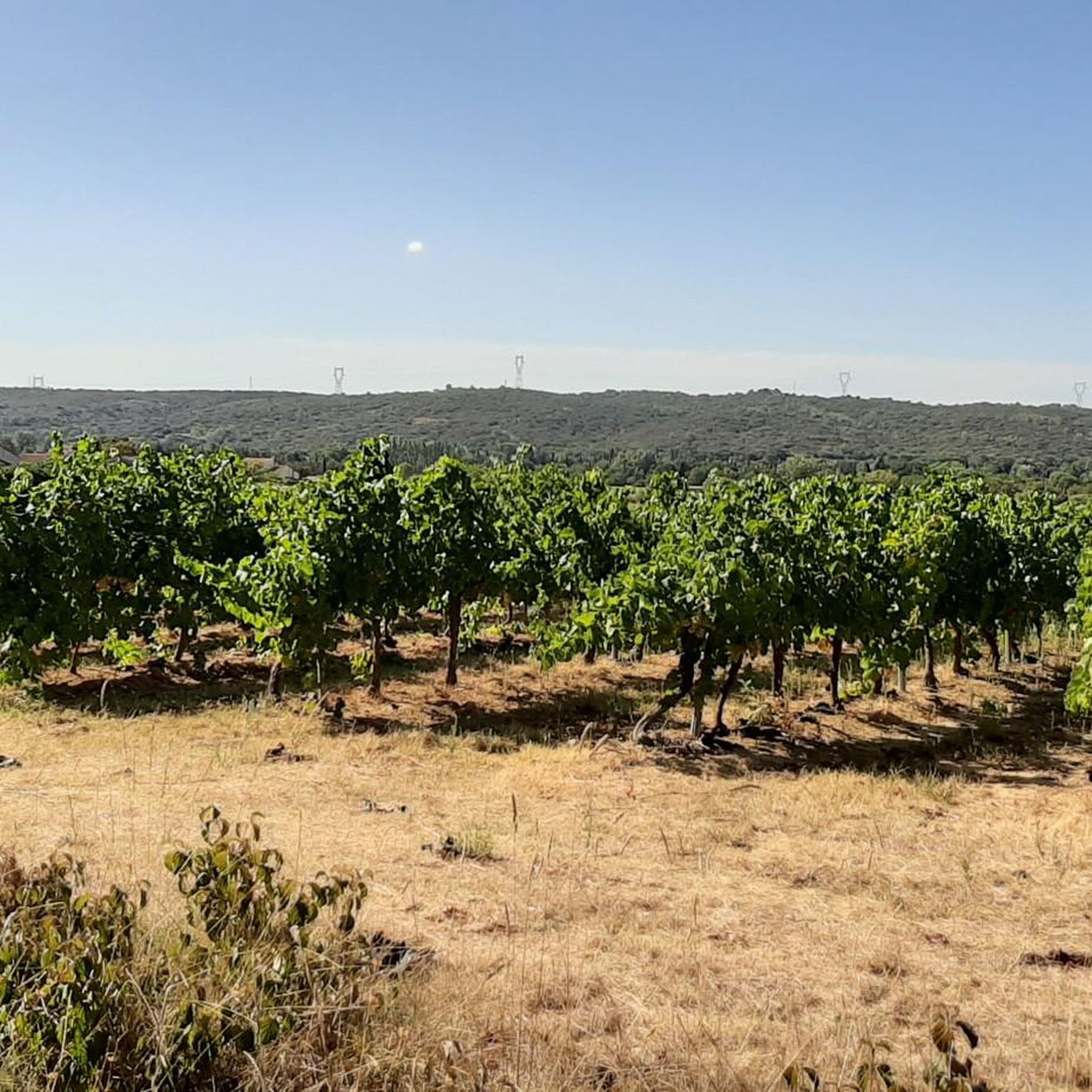
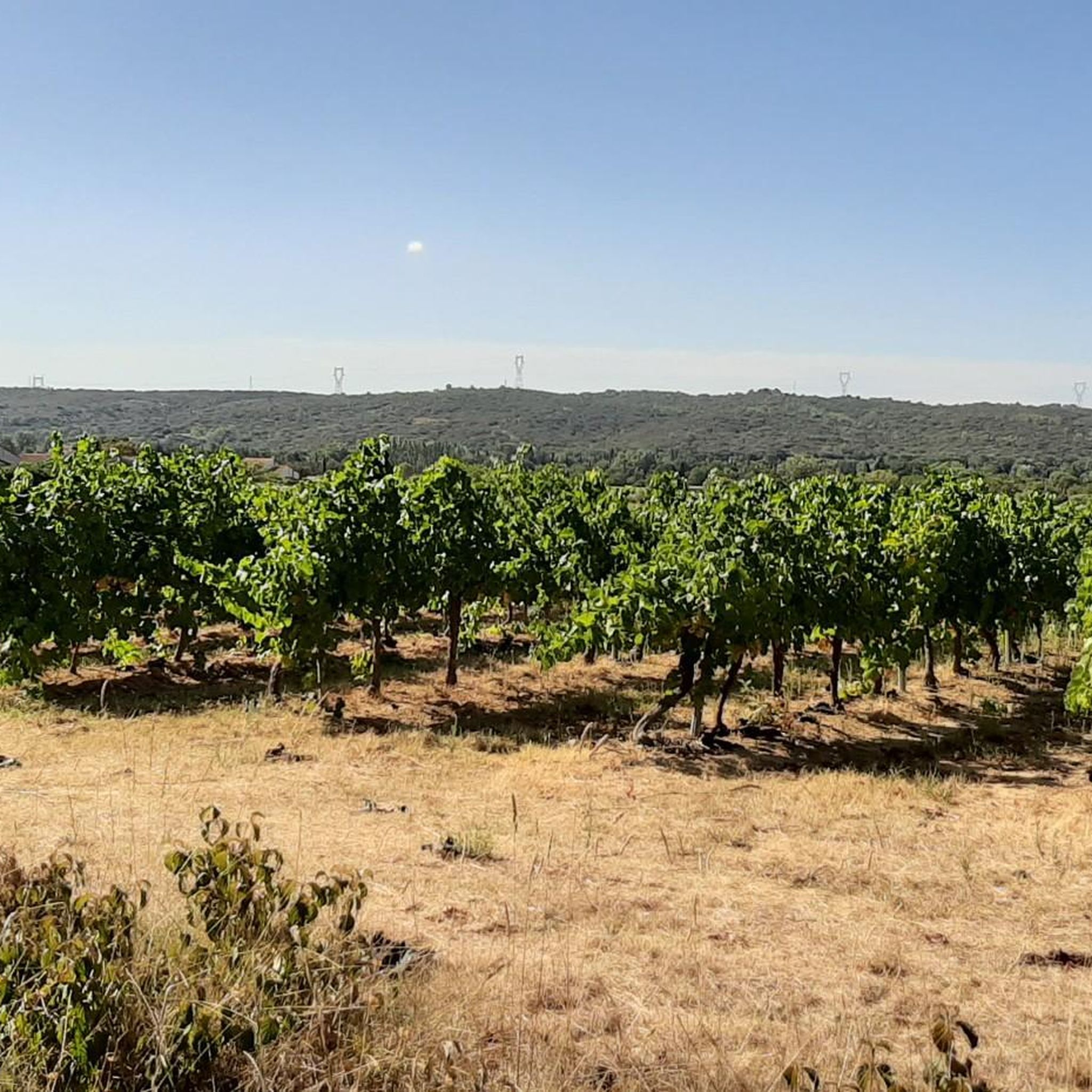
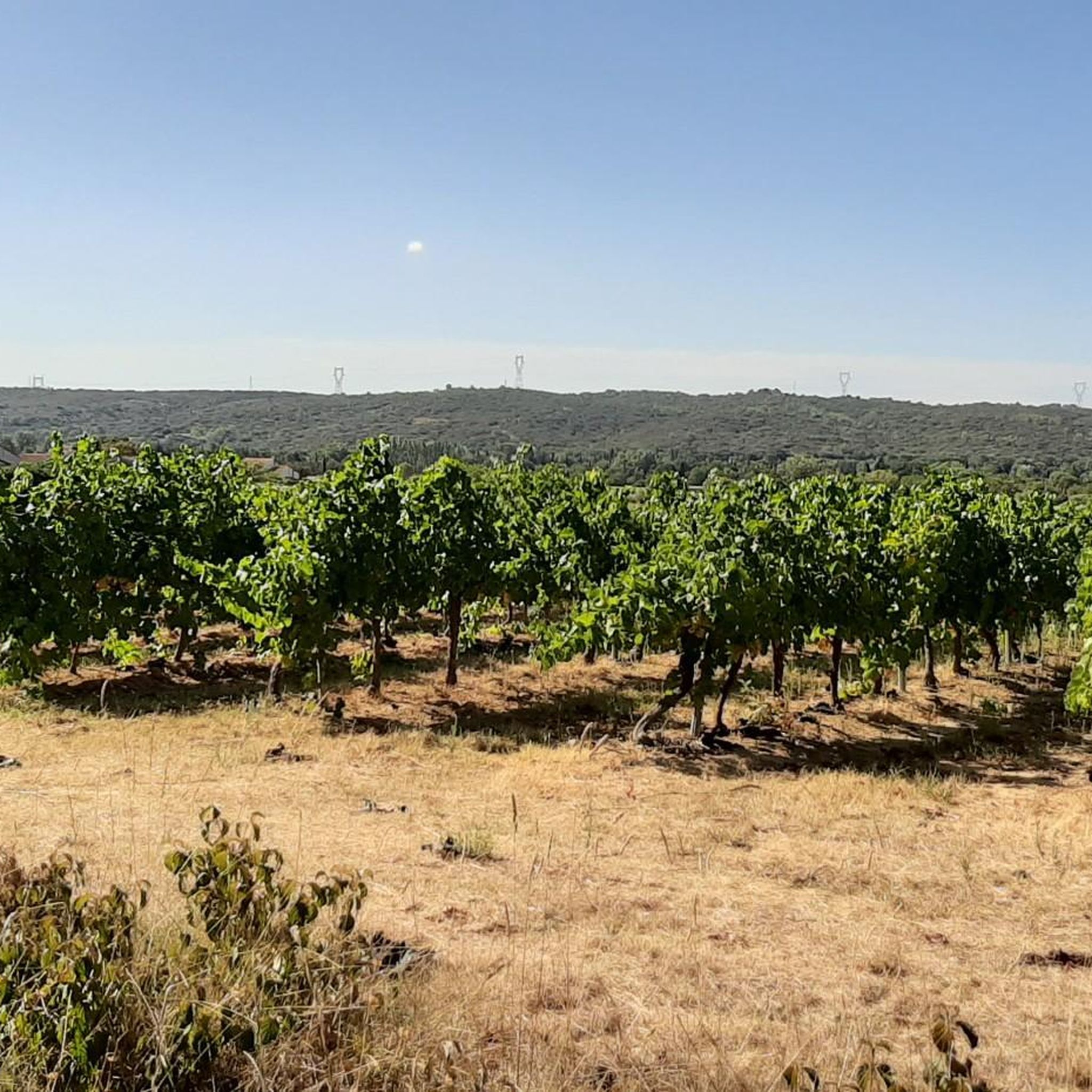
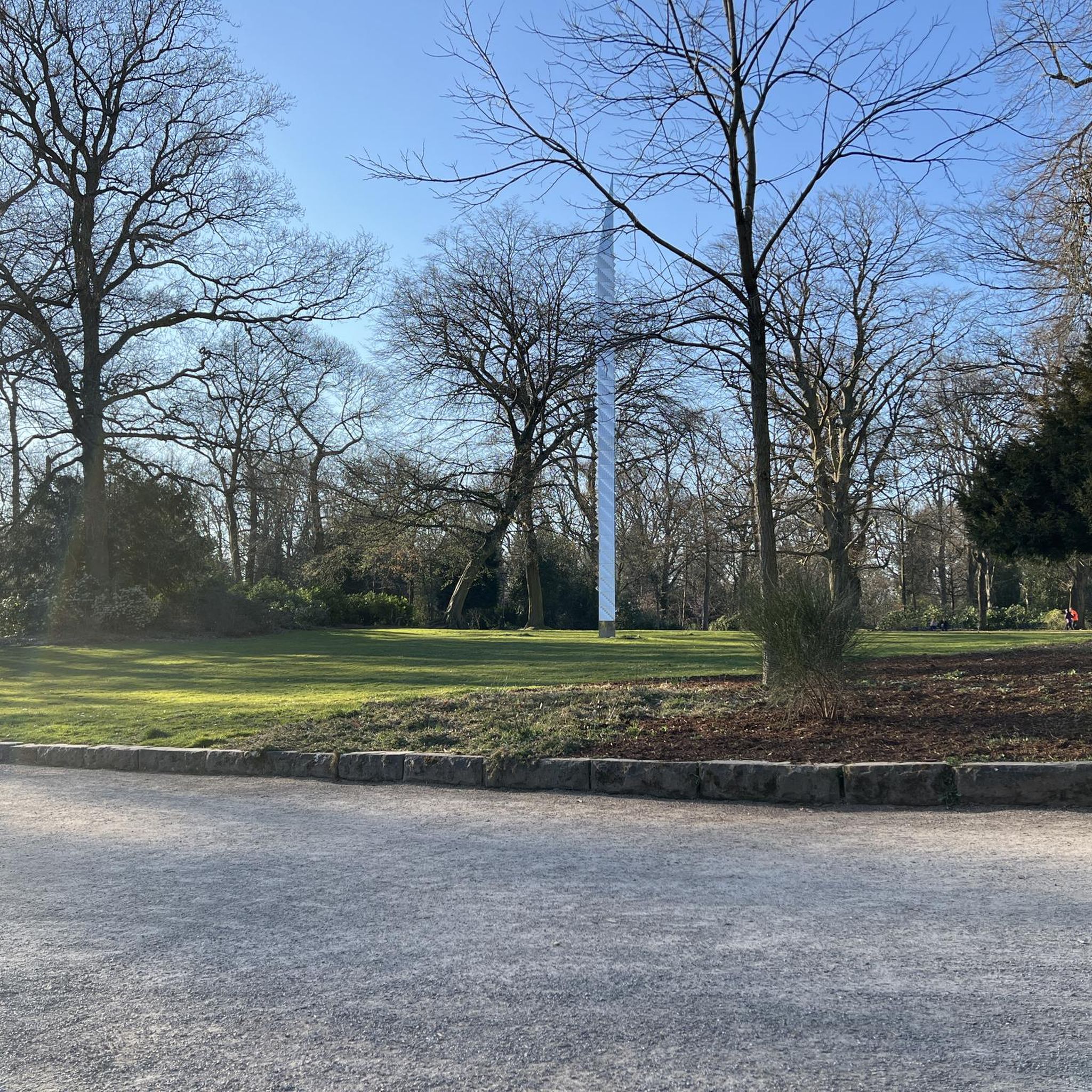
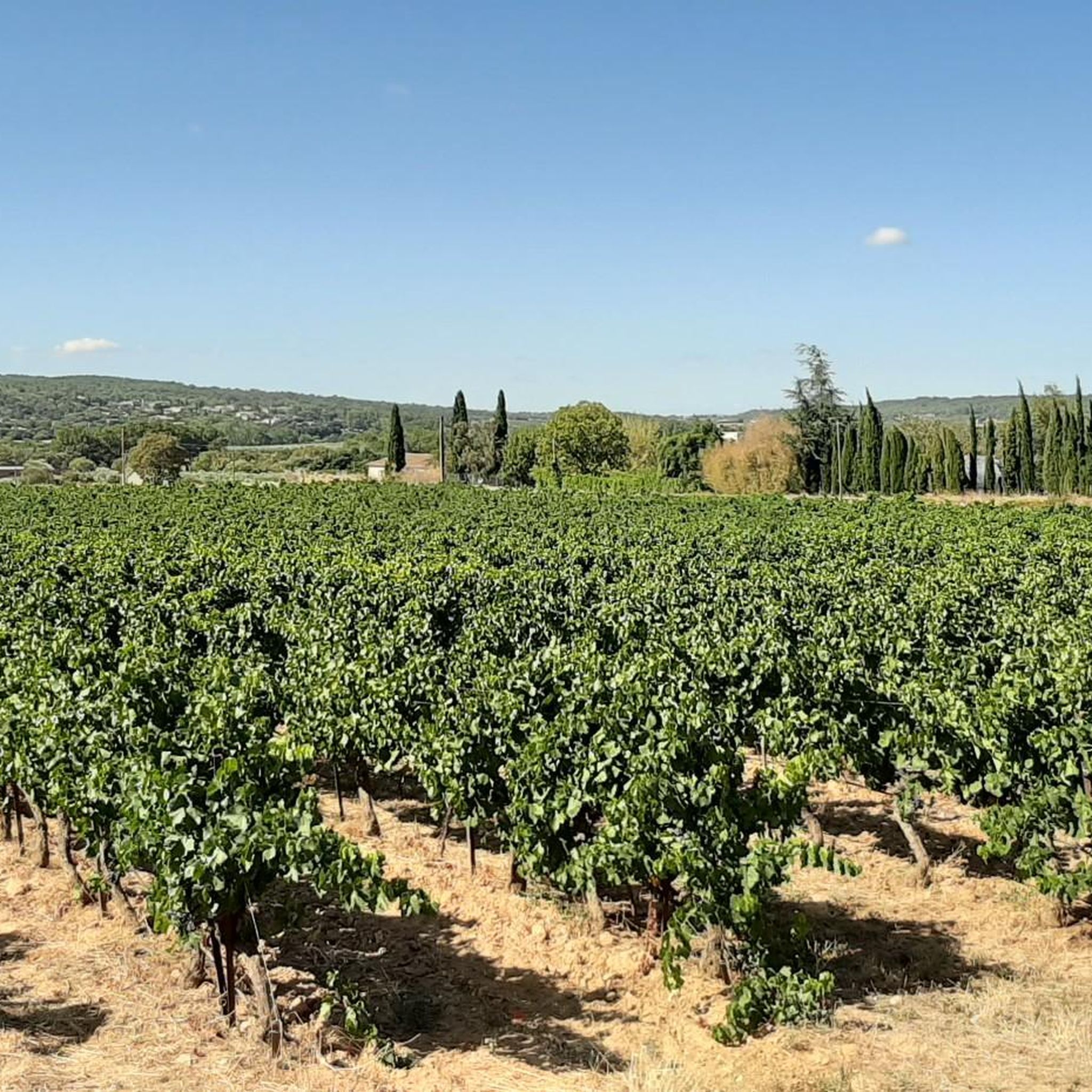
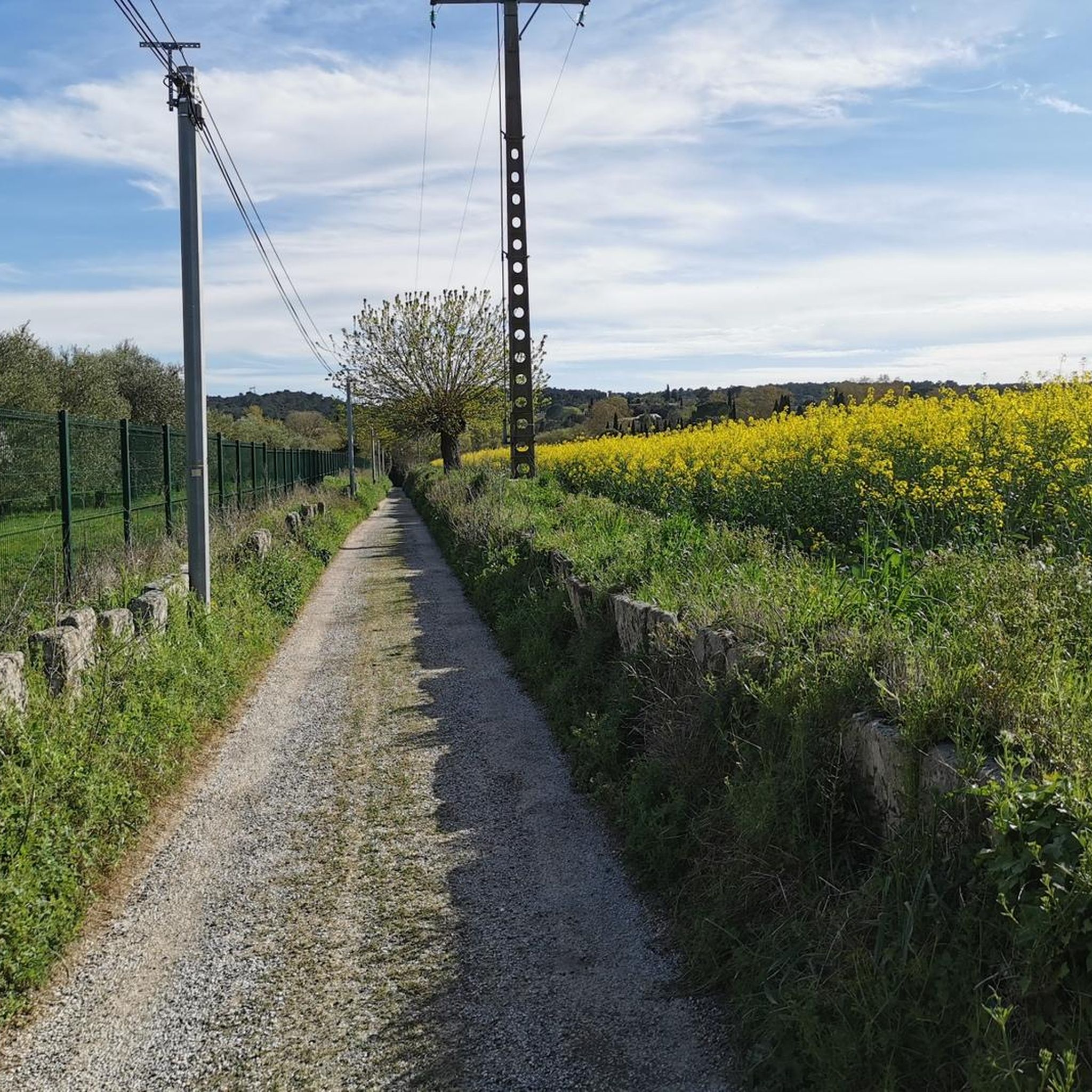
Tips from the Community

In the 1st century AD, the Romans harnessed the abundant water supply of the Alzon River, the source of the Eure River, located in a small valley at the foot of the city. It is here that the water begins its long journey (over 50 km) to Nîmes via an aqueduct, the most spectacular part of which remains the Pont du Gard, a UNESCO World Heritage Site, spanning the Gardon River. The Eure Valley is a must-see destination for walks for both the residents of Uzès and tourists.
0
0

Simply beautiful to look at and a great building that has stood for centuries
0
0

Beautiful viewpoint over the meanders of the Gardon below
0
0
Superb view of the meandering Gardon River below. The small adjoining cave provides shelter if needed, but access is a bit tricky.
0
0

A beautiful loop from Collias. However, the "lower" section will be much more interesting than the "plateau" (T3). There are still a few tricky sections to note in the lower section (T2).
0
0
Access is only available during certain periods of the year, due to the conservation of the small inhabitants that inhabit the area. The cave is open from August 16th to November 14th, and from March 16th to April 30th. Bring a good flashlight, as the crossing can take approximately 5 to 10 minutes. This cave is nothing more than the former underground passage of the Gardon River. Accessible to all, be careful, however, once you have crossed, you will be close to the cliff on the other side. The path beyond (T2/T3) can be daunting for some people. Don't hesitate to turn back if you have any hesitation.
1
0

The source that was channeled by the Romans via a long canal and the Pont du Gard to Nimes.
0
0

Stunning and sporty
0
0
Frequently Asked Questions
What are some popular natural monuments to visit near Saint-Maximin?
Visitors frequently enjoy the View of a bend in the Gardon River, which offers a stunning bird's eye perspective. Another highly regarded site is La Baume Saint-Vérédème Cave and Chapel, known for its historical and religious significance. The Le Castellas – View over the Gardon also provides a magnificent belvedere.
Are there any historically significant natural monuments in the area?
Yes, the region is rich in historical natural monuments. La Baume Saint-Vérédème Cave and Chapel has been occupied by humans since the Paleolithic era and later became a pilgrimage site. The Salpêtrière Prehistoric Shelter is an eponymous site of a Paleolithic culture. Additionally, the Source of the Eure is historically significant as its waters were channeled by the Romans to Nîmes via the Pont du Gard aqueduct.
What kind of natural features can I expect to see around Saint-Maximin?
You can explore diverse natural features, including ancient caves, dramatic gorges, and scenic river viewpoints. The Massif de la Sainte-Baume, a prominent mountain range, offers lush ancient forests, unique karst formations at the source of the Huveaune River, and impressive panoramic vistas from peaks like Saint Pilon Chapel.
Are there family-friendly natural monuments to visit?
Yes, the Source of the Eure is considered family-friendly and offers pleasant walks. The general area around the Massif de la Sainte-Baume also has numerous hiking trails suitable for various skill levels, allowing families to enjoy the ancient forest and natural beauty.
What is the best time to visit the natural monuments?
The spring and autumn months are generally ideal for visiting, offering pleasant temperatures for hiking and exploration. During summer, access to certain viewpoints like Le Castellas – View over the Gardon may be regulated due to forest fire risks. It's always advisable to check local conditions before your visit.
Are there any natural monuments that are challenging to access?
Yes, some sites require a good level of fitness. The ascent to the View of a bend in the Gardon River is very steep, involving stairs and iron handles, and includes a dark, uneven tunnel. Similarly, reaching La Baume Saint-Vérédème Cave and Chapel involves a steep climb over rocks with steel handrails in places.
What outdoor activities can I do near these natural monuments?
The area around Saint-Maximin offers a variety of outdoor activities. You can find numerous routes for gravel biking, cycling, and road cycling. For detailed routes and guides, explore the Gravel biking around Saint-Maximin, Cycling around Saint-Maximin, and Road Cycling Routes around Saint-Maximin guides.
Are there hiking trails near the natural monuments?
Absolutely. The Massif de la Sainte-Baume is crisscrossed with numerous hiking trails catering to various difficulty levels. These trails lead through diverse landscapes, including the ancient forest, and offer opportunities to reach viewpoints like Saint Pilon Chapel. Some natural monuments, like La Baume Saint-Vérédème Cave and Chapel, are accessed via challenging hiking paths.
What kind of views can I expect from the viewpoints?
The viewpoints offer spectacular vistas. From Le Castellas – View over the Gardon, you get a magnificent belvedere of the Gardon River. The View of a bend in the Gardon River provides a beautiful bird's eye view from the heights. For truly expansive panoramas, the Saint Pilon Chapel in the Massif de la Sainte-Baume offers views stretching to Mont Aurélien, Sainte Victoire Mountain, Marseille, and the Var department.
What makes the Massif de la Sainte-Baume a significant natural monument?
The Massif de la Sainte-Baume is significant for its blend of natural beauty and profound historical and spiritual resonance. It features the legendary Mary Magdalene's Cave, an ancient forest, and the unique source of the Huveaune River with its 'water bottles' cascades. Its peaks offer magnificent, often vertiginous, views, and the massif boasts rich biodiversity, making it a compelling destination for nature lovers and those interested in history and spirituality.
Can I visit the source of a river in this region?
Yes, you can visit the Source of the Eure, which was famously harnessed by the Romans. Additionally, the Massif de la Sainte-Baume is home to the source of the Huveaune River, known for its unique 'water bottles' formations, which are a series of small dams and cascades formed by limestone dissolution.
Most popular routes around Saint-Maximin
Most popular attractions around Saint-Maximin

Get inspired with the komoot mobile app


Explore more
Extend your search for the best caves by checking out these guides of the top ones around Saint-Maximin:
