Top 5 Mountain Passes around Fislis
Best mountain passes around Fislis are found in the nearby Vosges Mountains, offering diverse natural beauty and historical richness. This region, situated in the Haut-Rhin department of Alsace, France, provides numerous opportunities for exploration. The landscape features a mix of gentle hills and more challenging climbs, making it suitable for various outdoor activities. These passes are known for their scenic routes and connection to the broader Vosges mountain range.
Best mountain passes around Fislis
- The most popular mountain passes is…
Last updated: July 4, 2026
Blochmont Pass
Highlight • Mountain Pass
Translated by Google •
Tip by

Chall Pass
Highlight • Mountain Pass
Translated by Google •
Tip by

Sign up now to discover places like this
Get recommendations on the best single tracks, peaks, & plenty of other exciting outdoor places.
Sign up for free
Chall Pass
Highlight (Segment) • Mountain Pass
Translated by Google •
Tip by
Huggerwald Climb
Highlight (Segment) • Climb
Translated by Google •
Tip by
Challhöchi Pass and Basel-Landschaft/Solothurn Border
Highlight • Mountain Pass
Translated by Google •
Tip by

Start today with a free account
Your next adventure awaits.
Login or Signup
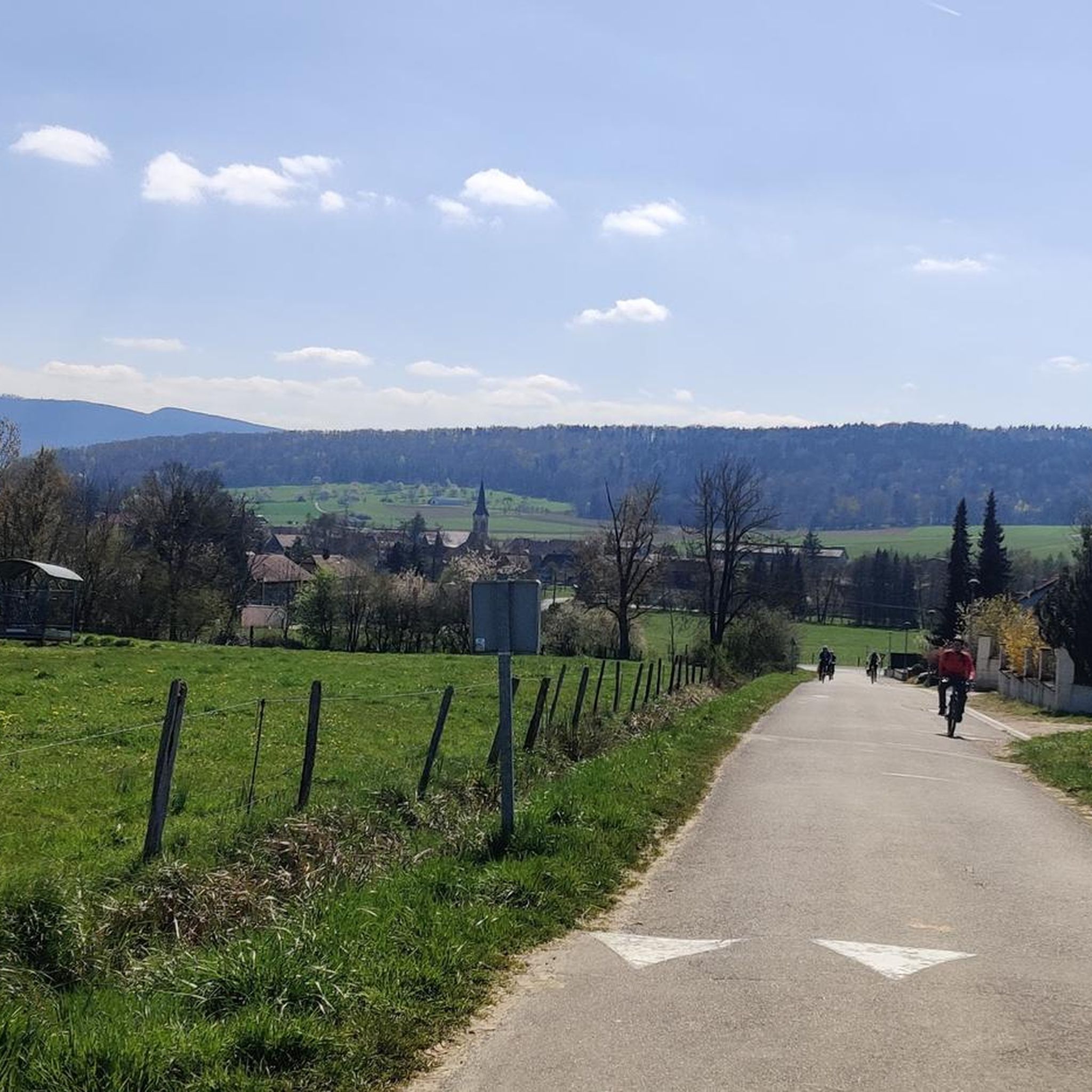
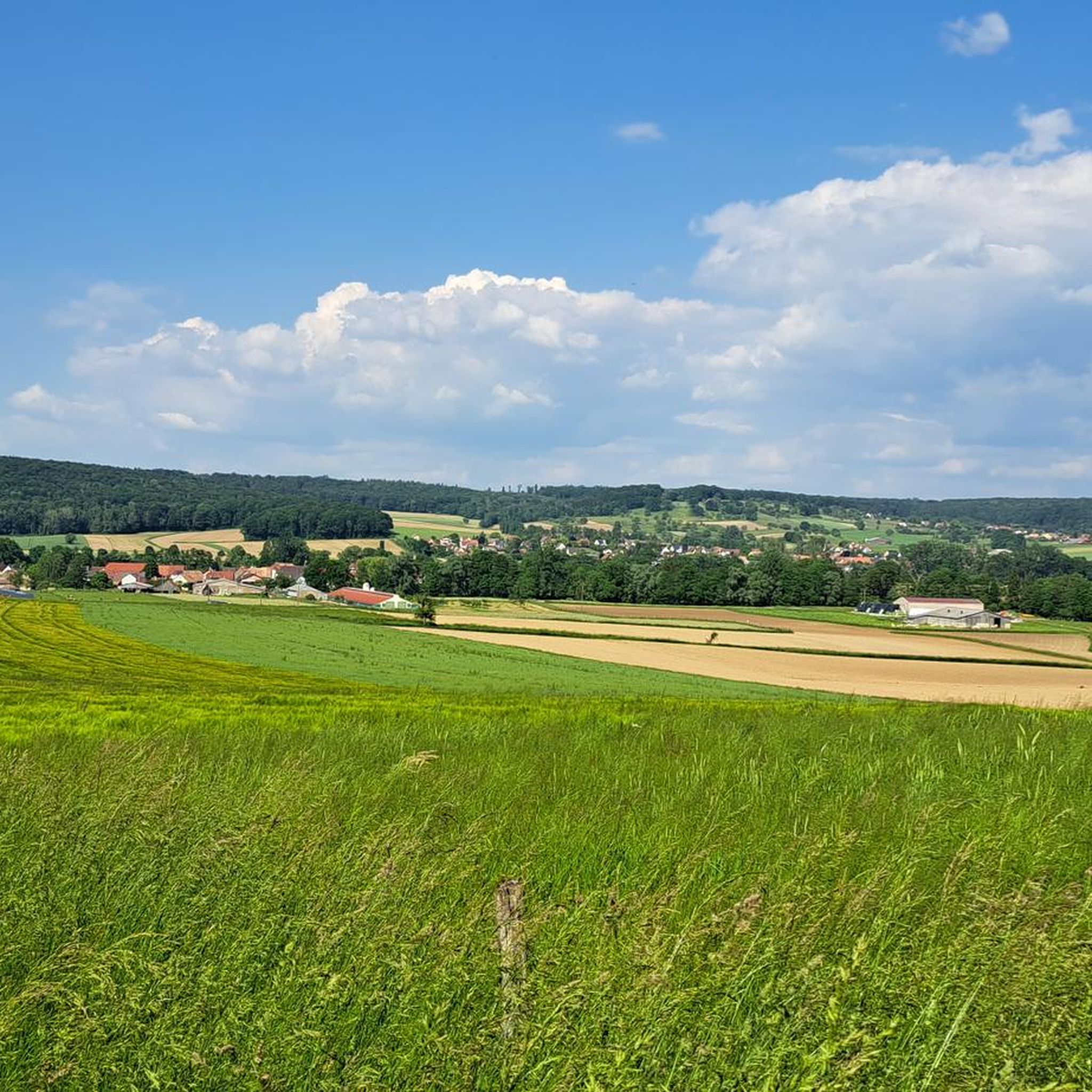
Tips from the Community

From Laufen/Röschenz, it's a steady climb and never particularly steep, but it's a long one until you get to the very top. From Metzerlen, it's really nasty and steep, but shorter. One of the region's classics.
1
0
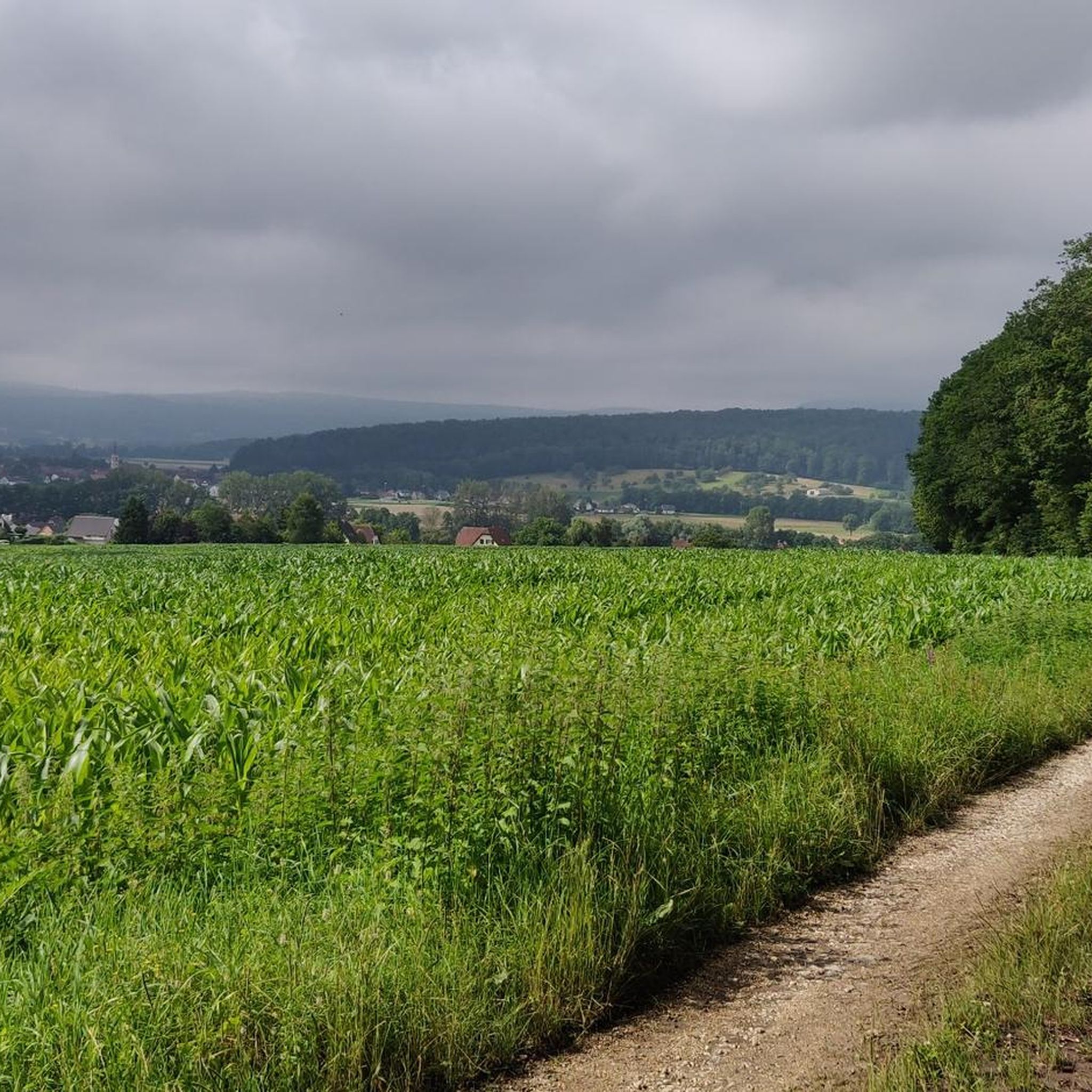
The Blochmont is the perfect Sunday ride pass for a tour through Alsace. Approaching from the north, you'll almost feel like you're in the Tour de France, as the gentle gradient means you can climb really fast. Enjoyable ascents alternate between forest and sunny sections. Reaching the farm at the top means you've completed the climb, though it's certainly not a job; this climb is pure enjoyment.
1
0

As soon as you see the farm, the ascent is behind you, because coming from either side, the farm is on a relatively flat section at the pass. You hardly notice the pass itself, at some point it just goes down again and you realize that you're already over it...
2
0
The only crossing from Alsace / Basel area to Laufen far and wide. Unfortunately, it is also quite frequented by motorized traffic.
2
0

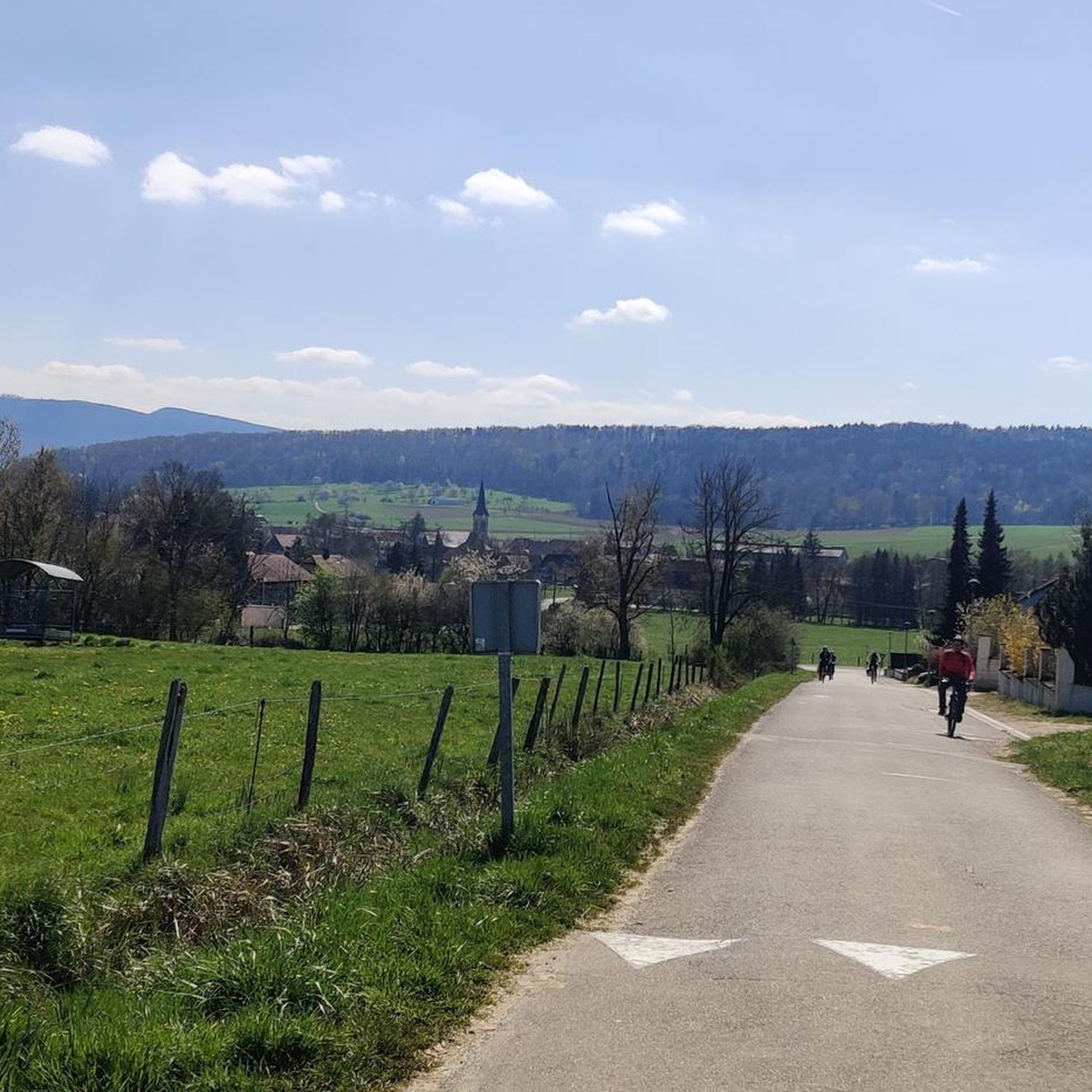
Depending on which direction you are coming from, you will experience a gentle 3% grade downhill or uphill. It's a fairly pleasant climb to do because the slope is relatively easy. In the other direction, it is a beautiful descent that can be traversed quickly.
2
0
The Challpass is an unspectacular curve with a parking lot or postbus turning point on a busy main road. Nevertheless far and wide one of the few possibilities to cross the blue chain in north-south direction or vice versa.
2
0

actually more of a gentle hill than a real pass, but as the only transition far and wide from north to south over the foothills of the blue, it is a frequently traveled route. The next options for road bikes are relatively far to the west via Lucelle and to the east with the Challpass, which is a "real" but also very busy pass. With the two possible routes directly from the north of Raedersdorf or via Wolschwiller from north-east to Kiffis, you can also drive an attractive north-north variant without going down into the Lützeltal.
3
0
Frequently Asked Questions
Which mountain passes near Fislis offer unique experiences for visitors?
The region around Fislis, particularly the nearby Vosges Mountains, boasts several notable passes. For scenic beauty and historical significance, consider the Blochmont Pass, known for its gentle grade and forested paths. The Chall Pass offers a significant north-south crossing point through the forest. Further afield in the Vosges, the Col de la Schlucht is a year-round destination for sports, and the Ballon d'Alsace holds historical significance as the first pass conquered in the Tour de France.
What kind of views can I expect from the mountain passes in the Vosges Mountains near Fislis?
The Vosges Mountains offer magnificent panoramic views. From the Grand Ballon, the highest summit, you can see far into the Rhine Valley and even the Alps on clear days. The Petit Ballon Pass also provides splendid views of the surrounding valleys and authentic Vosges mountain pastures. Even passes like the Challhöchi Pass offer beautiful scenery, especially on its north side.
Are there historical sites or points of interest on the mountain passes near Fislis?
Yes, several passes in the Vosges Mountains have historical significance. The Ballon d'Alsace is famous for being the first pass ever conquered in the Tour de France in 1905. The Route des Crêtes, which includes the Haag Pass, features sites from World War I. At the summit of the Grand Ballon, you'll find the Diables Bleus monument, dedicated to World War I mountain infantry.
What outdoor activities can I do near these mountain passes?
The mountain passes and surrounding areas offer a wide range of outdoor activities. You can find excellent opportunities for hiking, road cycling, gravel biking, and running. For example, there are numerous running trails around Fislis, road cycling routes, and gravel biking options. The Col de la Schlucht is a popular starting point for various hikes in warmer months and a winter sports center in colder seasons.
Are there family-friendly options among the mountain passes near Fislis?
While specific passes aren't explicitly labeled 'family-friendly' in the data, many areas around the passes offer activities suitable for families. For instance, the Col de la Schlucht features a summer toboggan run, which can be a fun activity for children. Gentle sections of passes like the Blochmont Pass, with its moderate 3% grade and shaded forest paths, could be suitable for family walks or bike rides.
What is the best time of year to visit the mountain passes around Fislis?
The best time to visit depends on your preferred activities. For hiking, cycling, and enjoying the scenic views, the warmer months from spring to autumn (May to October) are ideal. During winter, passes like the Col de la Schlucht and Grand Ballon transform into winter sports centers, offering opportunities for skiing and snowshoeing. Always check local conditions before planning your trip, especially outside of peak season.
Can I find challenging routes for cycling or hiking on these passes?
Absolutely. While some passes offer gentle gradients, others provide more challenging ascents. The Col du Bramont, for example, features a 7-kilometer ascent with a maximum gradient of 7%, making it a rewarding experience for cyclists. The south side of the Challhöchi Pass is described as having a 'somewhat steep ramp,' appealing to those seeking a more strenuous climb.
Are there any specific tips for navigating the Chall Pass?
The Chall Pass is located in the forest between the Leimental and the Birstal/Lützel valley. It's a significant crossing point on a busy main road, offering one of the few possibilities to traverse the blue chain in a north-south direction. While the pass itself is an 'unspectacular curve with a parking lot or postbus turning point,' it's a crucial link. The descent from Chall via Röschenz down to Laufen is particularly enjoyable.
What makes the Blochmont Pass a popular choice for cyclists?
The Blochmont Pass is appreciated for its gentle 3% grade, making it a pleasant climb or a beautiful descent. It's often shaded by forest, providing a comfortable experience. It serves as a frequently traveled route across the foothills and is considered a good alternative to busier passes for those looking for a more serene ride.
Where can I find information about the scenic Route des Crêtes?
The Route des Crêtes is celebrated as one of France's most impressive mountain roads, following the main ridge of the Southern Vosges at an altitude of almost 1200 meters. It passes close to the Grand Ballon and features historical sites from World War I. You can find more information about reaching great heights on this peak route via Visit Alsace.
What are the highest points in the Vosges Mountains near Fislis?
The highest point in the Vosges Mountains is the Grand Ballon, reaching 1,424 meters. It offers magnificent panoramic views. Other high points include the Col de la Schlucht (1,139 meters) and the Petit Ballon Pass (1,163 meters), both providing stunning vistas and a true Vosges mountain atmosphere.
Are there any specific tips for the Huggerwald Climb?
The Huggerwald Climb is noted as a beautiful small pass with minimal traffic, offering great views. It's often recommended for interval training due to its sustained incline, allowing for at least 10 minutes of high-intensity power. It can also be combined with the Ammonitenweg as a natural and low-traffic alternative when approaching the Blauen.
Most popular attractions around Fislis

Get inspired with the komoot mobile app


Explore more
See even more epic mountain passes by checking out these guides around Fislis:
