Top 7 Natural Monuments around Saint-Côme-Et-Maruéjols
Best natural monuments around Saint-Côme-Et-Maruéjols include a blend of unique garrigue landscapes and ancient archaeological features. This region in France offers a rich natural and cultural heritage, characterized by its scrubby woodlands and historical sites. Visitors can explore elevated viewpoints, ancient quarries, and traditional drystone shelters integrated into the natural environment. The area provides opportunities to experience the long-standing human interaction with its distinct natural settings.
Best natural monuments around Saint-Côme-Et-Maruéjols
- The most popular natural monuments is Carrières de Junas…
Last updated: July 4, 2026
Carrières de Junas
Highlight • Structure
Translated by Google •
Tip by

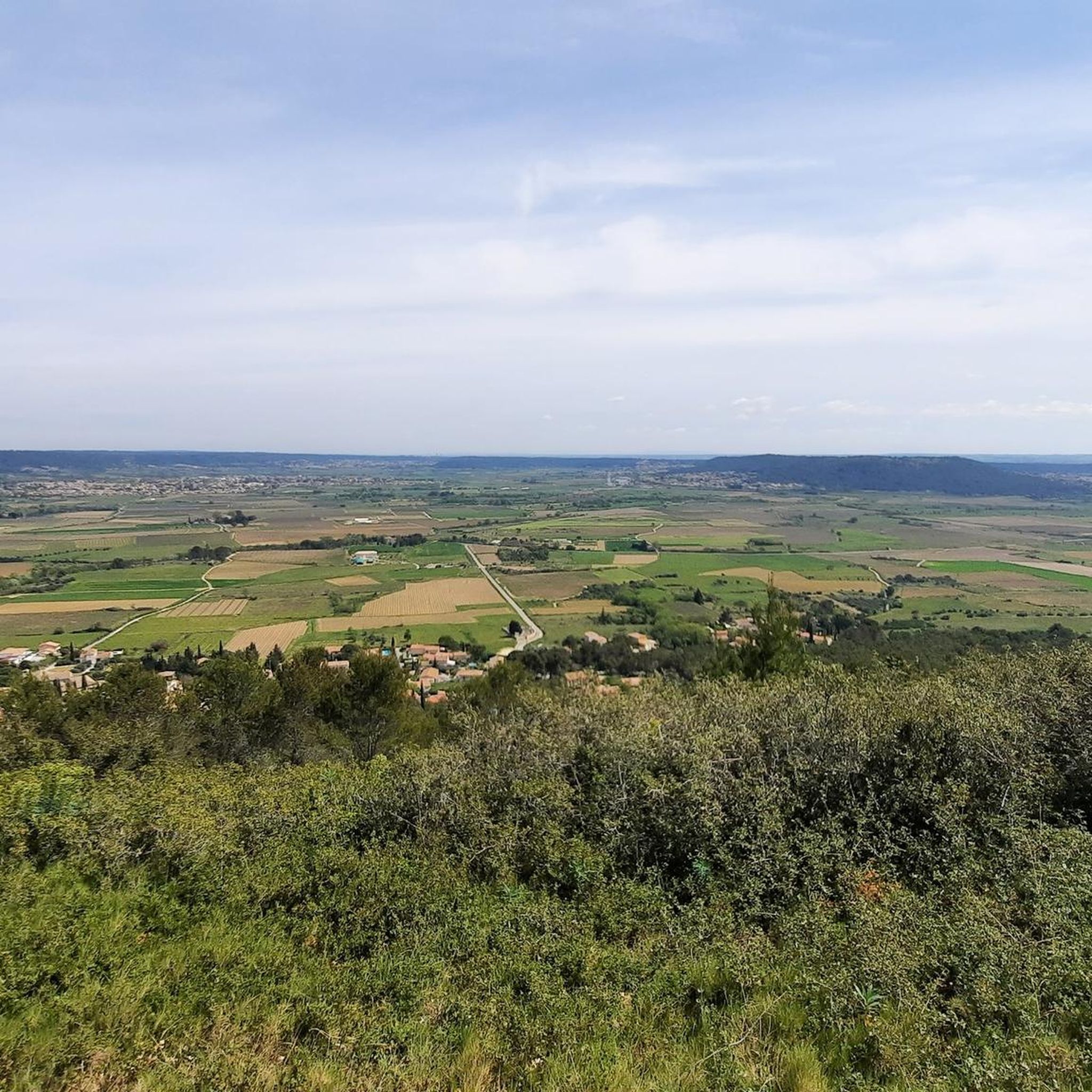
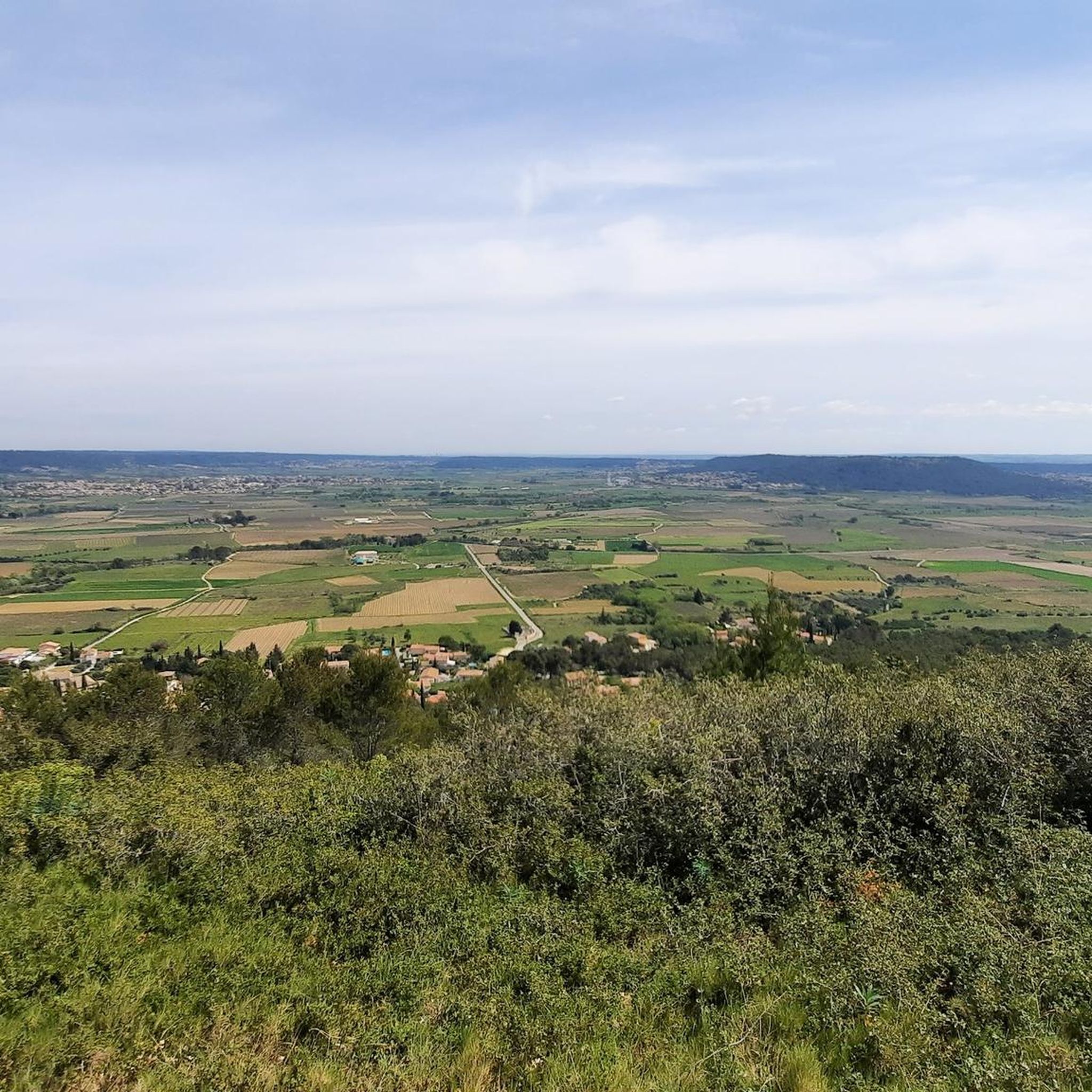
Roc de Gachone – 4 Windmills
Highlight • Viewpoint
Translated by Google •
Tip by
Sign up now to discover places like this
Get recommendations on the best single tracks, peaks, & plenty of other exciting outdoor places.
Sign up for free
Ancient Roman Quarry
Highlight • Historical Site
Tip by

Roman Fountain of Ranquet
Highlight • Historical Site
Translated by Google •
Tip by

Stepping Stones at the Large Rock
Highlight • Bridge
Translated by Google •
Tip by

Sign up for free to discover even more natural monuments around Saint-Côme-Et-Maruéjols.
Sign up for free
Already have an account?
Start today with a free account
Your next adventure awaits.
Login or Signup

Tips from the Community


Lens limestone was primarily reserved for intricately decorated works, as its composition allows for fine and in-depth work. It was shipped to Arles or Beaucaire before being exported to construction sites all around the Mediterranean. But in Nîmes, it was of course used for all the ornamentation of the arenas, the Maison Carrée, and the Temple of Diana. https://echosdeleinsgardonnenque.fr/en-visite-aux-carrieres-romaines/
0
0

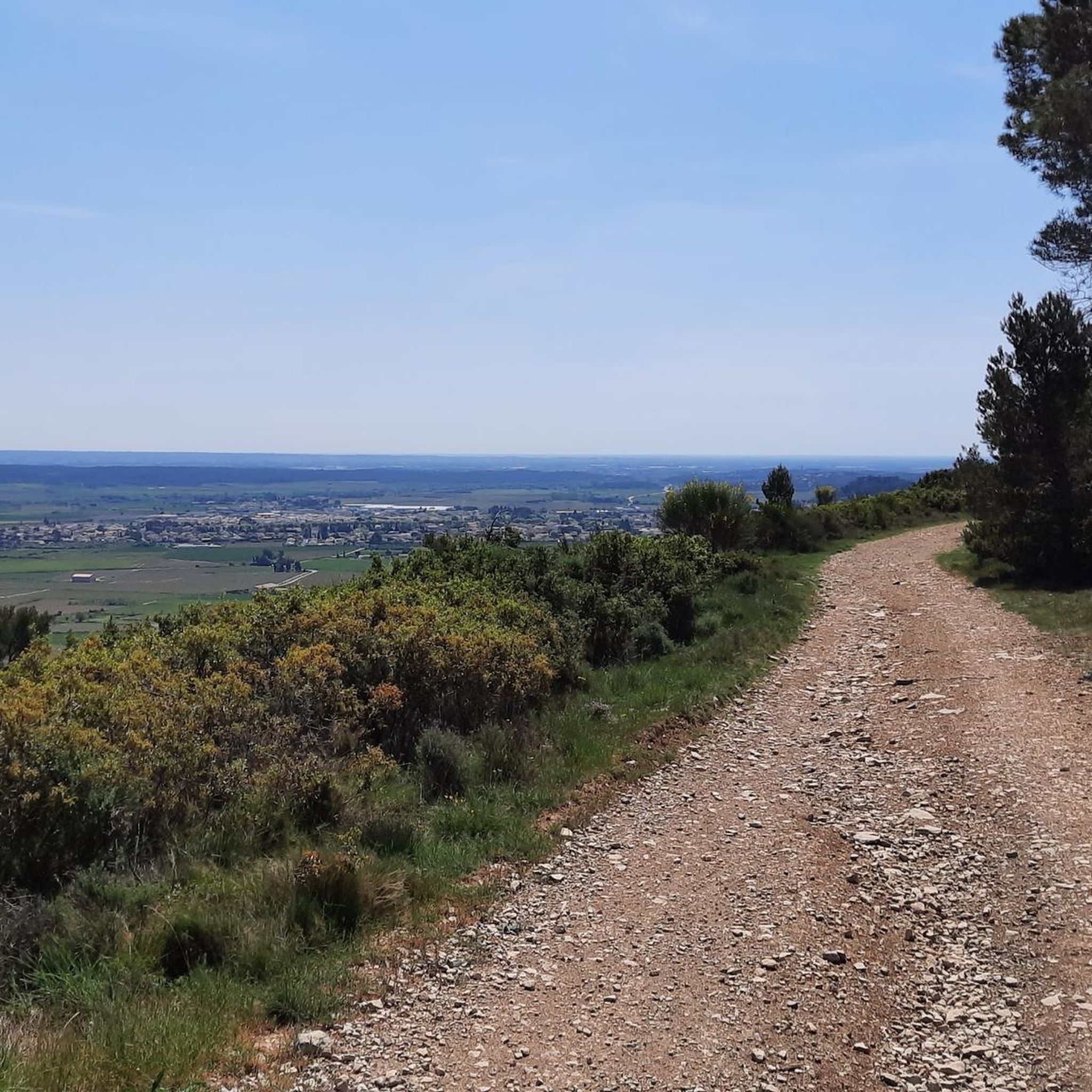
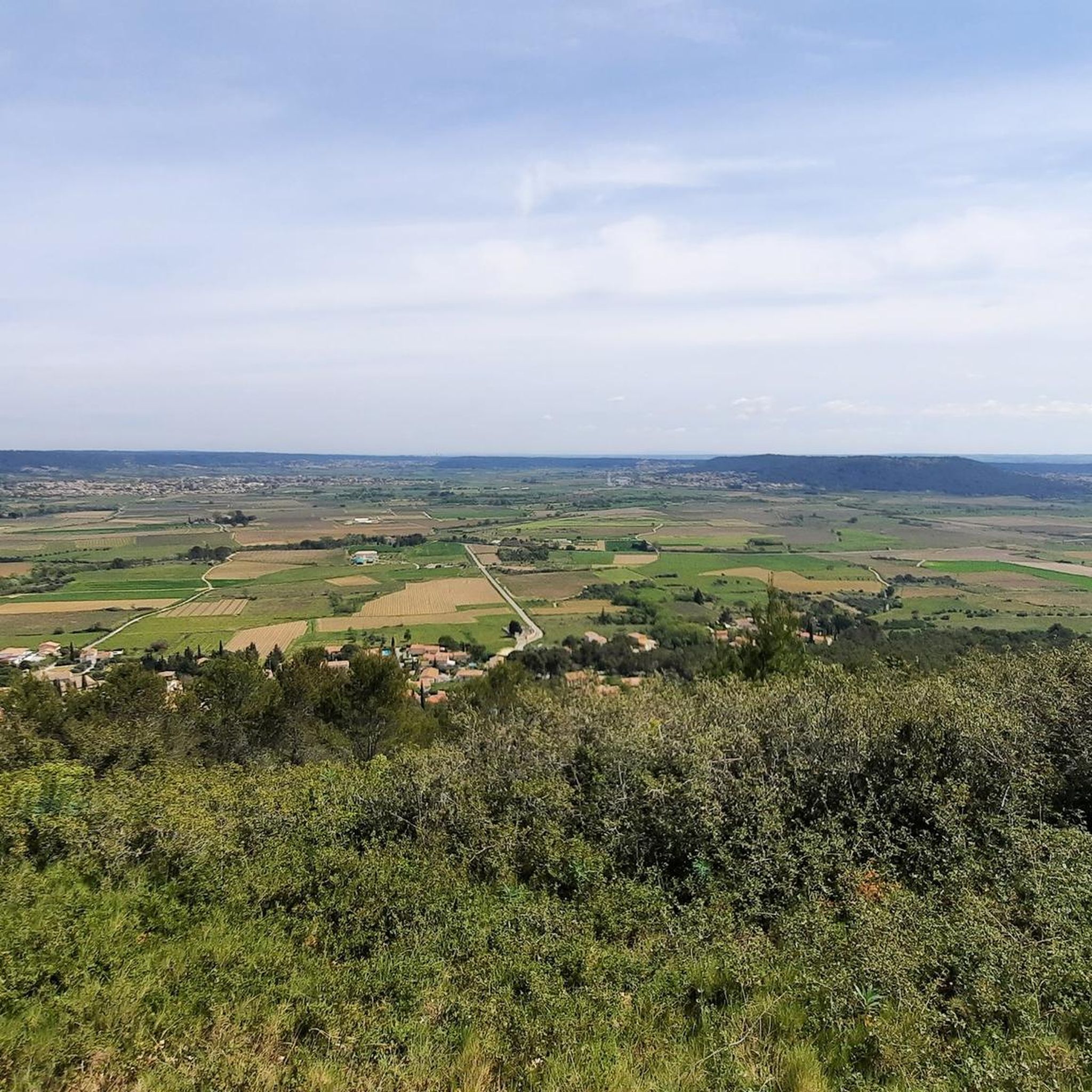
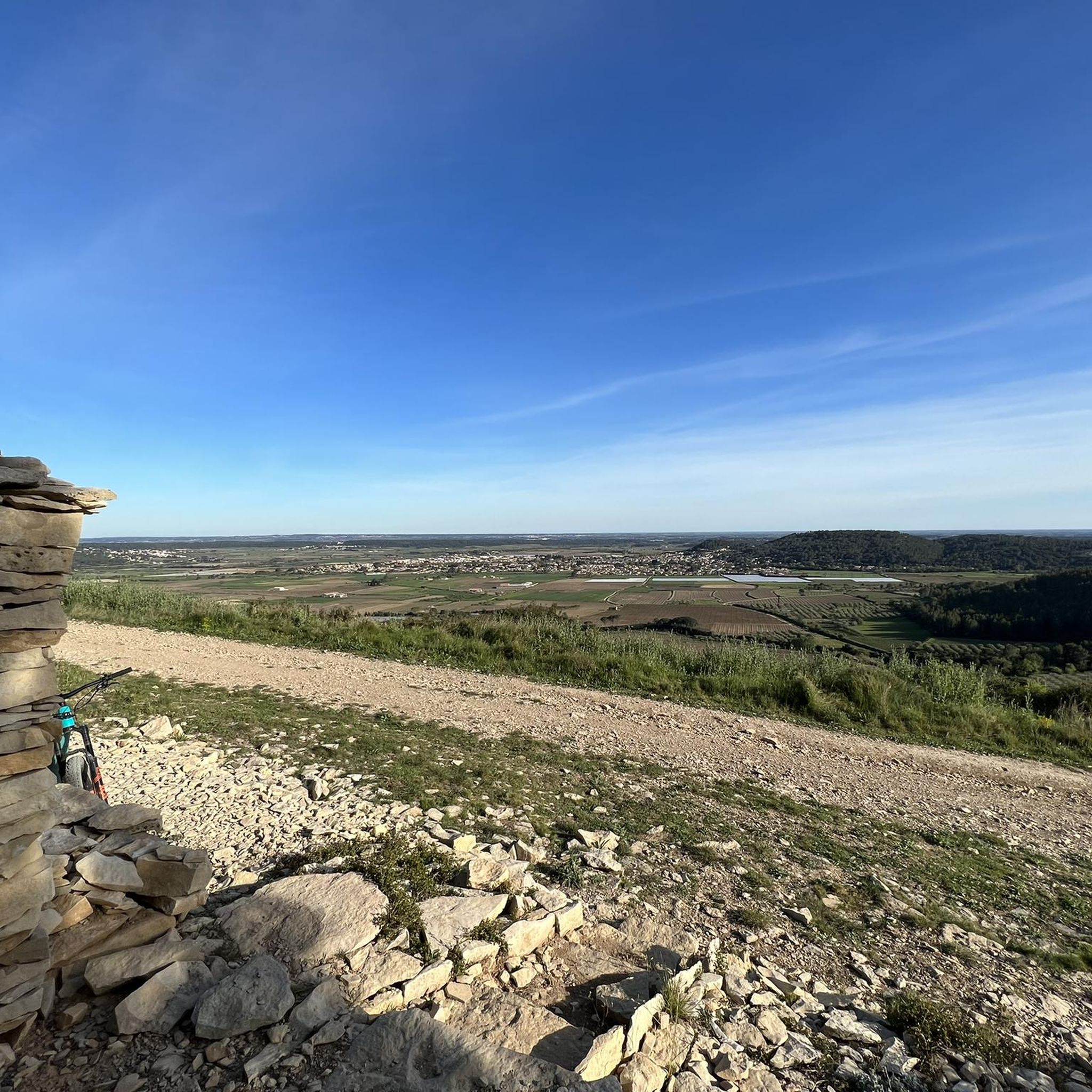
Beautiful place and beautiful view. The trail to get there is quiet (although it climbs). The single tracks are much more technical!
0
1

You have to sweat to get there! Come on, go!
0
0

Magnificent Roman quarry, difficult to access but worth the effort. We can see the cutting of certain stone blocks as well as elements sculpted on site (pillars) that have not been moved.
0
0

Beautiful stone site, remnant of a building which in Roman times housed the Ranquet spring which provided water to the inhabitants of the oppidum of Roque de Viou. It supplied two tanks measuring 24m x 4.6m, which are now partially destroyed. Located at the junction of rue de la Fontaine Romaine and rue de l'Agau de Nages, the place, decorated with a small stone bench, is charming.
1
0

A beautiful old Roman quarry at the end of a small path.
0
0

A grandiose and magical place, forged by more than 2000 years of rock quarrying using an unchanged manual method, hundreds of cubic meters of stone quarried there were used in particular to build the Pont de Sommières, then later in Aigues-Mortes and Vigan .
8
0
Frequently Asked Questions
What unique natural features can I expect to see around Saint-Côme-Et-Maruéjols?
The region is characterized by its distinctive garrigue landscape, a type of low, scrubby woodland. You'll also find unique geological formations like the ancient Carrières de Junas, which are old stone quarries, and natural water features such as the tranquil Fontarame spring and the Stepping Stones at the Large Rock.
Are there any natural viewpoints offering panoramic views?
Yes, the Roc de Gachone – 4 Windmills offers extensive views of the plain from its 167-meter elevation. Additionally, the ancient Oppidum de Mouressipe, a round hill amidst vineyards, provides panoramic vistas of the Vaunage plain after a short hike.
Do these natural monuments have historical significance?
Many natural sites in the area are deeply intertwined with history. The Carrières de Junas have been exploited since Antiquity, showcasing over 2000 years of rock quarrying. The Oppidum de Mouressipe is an ancient archaeological site dating back 2500 years B.C. with traces of habitation from 500 B.C. You can also find the Ancient Roman Quarry and the Roman Fountain of Ranquet, which supplied water to an ancient oppidum.
Can I see ancient structures integrated into the natural landscape?
Absolutely. Beyond the ancient quarries and the Oppidum de Mouressipe, the garrigue landscape is home to 'capitelles,' which are traditional drystone shelters. These structures were historically used by small landowners and are integrated into the natural environment, offering a glimpse into traditional land use.
Are there hiking opportunities near the natural monuments?
Yes, the region offers numerous hiking opportunities, particularly through the garrigue landscape. You can explore trails that lead to sites like the Oppidum de Mouressipe, passing by drystone shelters and through small valleys. For more detailed routes, you can explore the Running Trails around Saint-Côme-Et-Maruéjols guide, which includes routes like the 'View of the Vaunage loop'.
What other outdoor activities are available around Saint-Côme-Et-Maruéjols?
Besides hiking, the area is excellent for cycling. You can find various routes for different types of bikes. Check out the Cycling around Saint-Côme-Et-Maruéjols guide for touring bicycle routes or the Road Cycling Routes around Saint-Côme-Et-Maruéjols guide for road cycling options.
Are there family-friendly natural monuments around Saint-Côme-Et-Maruéjols?
Yes, several natural monuments are suitable for families. The Carrières de Junas are listed as family-friendly, offering an interesting site to explore. The Roman Fountain of Ranquet is also a pleasant, accessible spot for all ages.
What is the best time to visit the natural monuments in Saint-Côme-Et-Maruéjols?
The Mediterranean climate makes spring and autumn ideal for visiting, with pleasant temperatures for hiking and exploring. Summer can be hot, but shaded spots like Fontarame offer respite. Winter offers cooler weather, which can be suitable for longer hikes, though some paths might be muddy after rain.
Are there easy hiking trails near the natural monuments for beginners?
Many trails through the garrigue are accessible and can be adapted for various fitness levels. While some routes to viewpoints like Roc de Gachone involve some climbing, there are also easier paths. For example, the 'Caveirac Castle – Calvisson - beautiful alley loop' in the Cycling around Saint-Côme-Et-Maruéjols guide is rated as easy, and many running trails are moderate, offering good options for beginners.
What do visitors enjoy most about the natural monuments in this region?
Visitors frequently appreciate the combination of natural beauty and historical significance. The panoramic views from elevated sites like Roc de Gachone are highly rated. The unique formations of the Carrières de Junas are often described as 'grandiose and magical,' and the serene atmosphere of places like Fontarame is also a highlight.
Are the natural monuments accessible by public transport?
Access to many natural monuments in the Saint-Côme-Et-Maruéjols area is primarily by car, as public transport options directly to trailheads or remote sites can be limited. It's advisable to check local bus schedules for connections to the main villages, from where you might need to walk or arrange further transport.
Can I bring my dog to the natural monuments and trails?
Generally, dogs are welcome on trails and in natural areas around Saint-Côme-Et-Maruéjols, provided they are kept on a leash and owners clean up after them. Specific rules might apply to certain protected areas or private lands, so it's always best to observe local signage.
Most popular routes around Saint-Côme-Et-Maruéjols
Most popular attractions around Saint-Côme-Et-Maruéjols

Get inspired with the komoot mobile app


Explore more
Extend your search for the best caves by checking out these guides of the top ones around Saint-Côme-Et-Maruéjols:
