Top 7 Natural Monuments around Sernhac
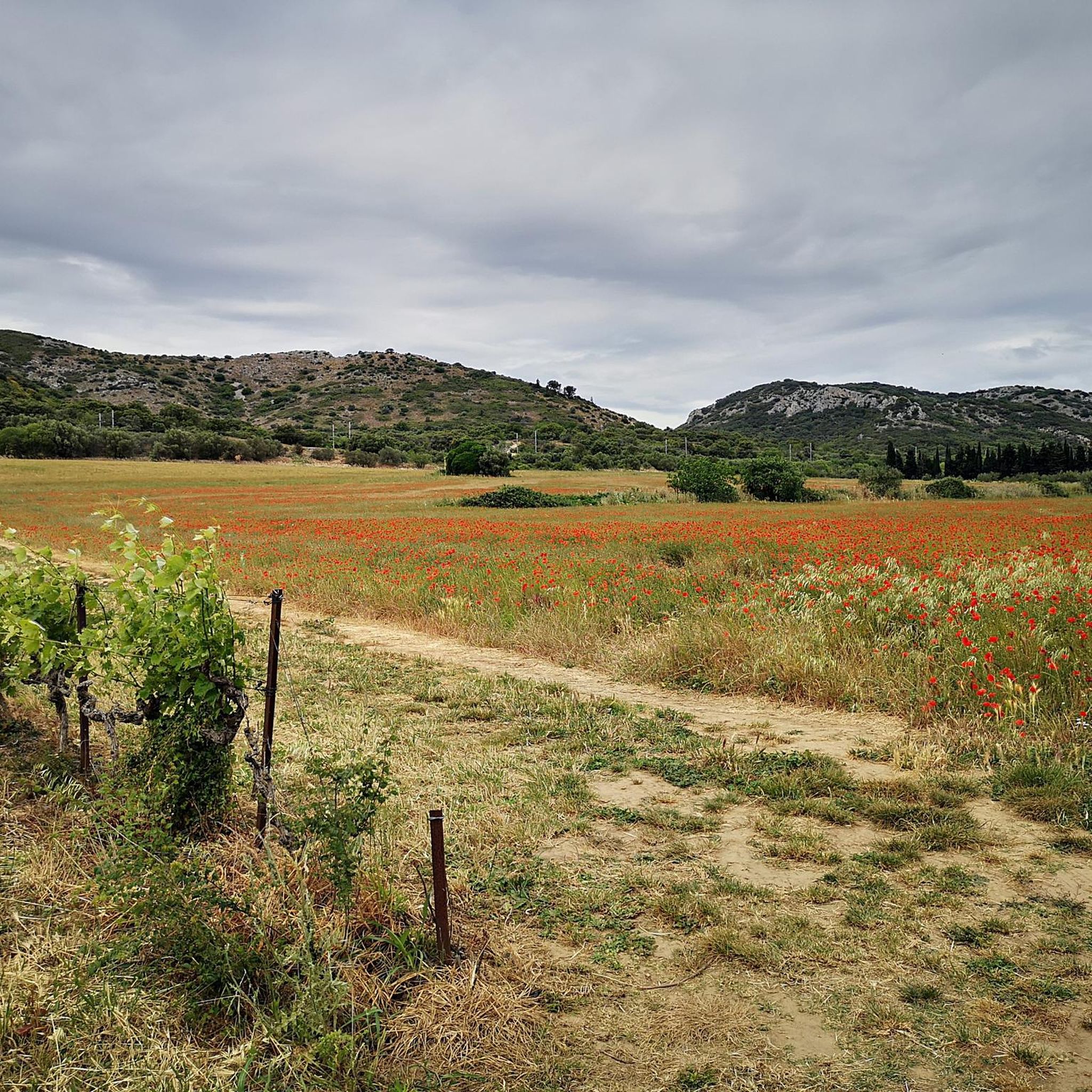
Best natural monuments around Sernhac are found in the Gard department of France, an area known for its blend of historical heritage and natural beauty. The landscape features typical Mediterranean garrigue, river gorges, and ancient Roman aqueduct remnants. Visitors can explore marked trails for hiking and cycling, encountering diverse flora and fauna. The region offers significant natural features and recreational opportunities alongside historical sites.
Best natural monuments around Sernhac
- The most popular natural monuments is View of a bend in…
Last updated: July 4, 2026
La Baume Saint-Vérédème Cave and Chapel
Highlight • Cave
Translated by Google •
Tip by

Saint-Roman Abbey
Highlight • Historical Site
Translated by Google •
Tip by

Sign up now to discover places like this
Get recommendations on the best single tracks, peaks, & plenty of other exciting outdoor places.
Sign up for free
Salpêtrière Prehistoric Shelter
Highlight • Gorge
It is the eponymous …
Translated by Google •
Tip by

View of a bend in the Gardon River
Highlight • Viewpoint
Translated by Google •
Tip by

Gardon River
Highlight • River
Translated by Google •
Tip by

Start today with a free account
Your next adventure awaits.
Login or Signup

Tips from the Community

A picturesque cave monastery, the likes of which are not found anywhere else in these latitudes.
0
0

Simply beautiful to look at and a great building that has stood for centuries
0
0

An interesting visit in a simple and pleasant landscape. The view from the top of the site extends into the distance over the Rhône. The very well-signposted route is enhanced by a flyer giving all the necessary explanations for a good understanding of this walk. Note, however, the lack of signage to find the site (no information sign before arriving at the access path). Other negative points: no toilets or water point. But a large parking lot. However, these small drawbacks should not prevent you from discovering this very curious construction dug into shell sandstone.
0
0

Gorges du Gardon Biosphere Reserve. The Gardon is a river in the French region of Occitanie. It flows beneath the Pont du Gard. The aqueduct is one of the best-preserved Roman structures in all of Europe. Magnificent, imposing, and truly ingenious.
0
0

A beautiful loop from Collias. However, the "lower" section will be much more interesting than the "plateau" (T3). There are still a few tricky sections to note in the lower section (T2).
0
0
Access is only available during certain periods of the year, due to the conservation of the small inhabitants that inhabit the area. The cave is open from August 16th to November 14th, and from March 16th to April 30th. Bring a good flashlight, as the crossing can take approximately 5 to 10 minutes. This cave is nothing more than the former underground passage of the Gardon River. Accessible to all, be careful, however, once you have crossed, you will be close to the cliff on the other side. The path beyond (T2/T3) can be daunting for some people. Don't hesitate to turn back if you have any hesitation.
1
0

Due to the very steep climb, once the cave is passed, over rocks with places where even steel handrails had to be placed, this walk cannot be classified as “easy for every walker”.
5
1

opening hours very complicated: https://abbaye-saint-roman.com/ But a very special place
0
0
Frequently Asked Questions
What kind of natural features can I expect to see around Sernhac?
The Sernhac area is rich in diverse natural features, including dramatic gorges, winding rivers, and unique cave systems. You'll also encounter the typical Mediterranean garrigue landscape, characterized by fragrant, low-growing evergreen shrubs. Many natural sites are intertwined with historical elements, such as remnants of the ancient Roman aqueduct that supplied Nîmes.
Are there any historical natural monuments worth visiting near Sernhac?
Yes, several natural monuments in the area have significant historical connections. For instance, La Baume Saint-Vérédème Cave and Chapel has been occupied by humans since the Paleolithic era and later became a place of pilgrimage. Another notable site is the Salpêtrière Prehistoric Shelter, a Stone Age camp site under a massive rock, located right next to the Gallo-Roman aqueduct.
What outdoor activities can I do near the natural monuments around Sernhac?
The region offers excellent opportunities for outdoor activities. You can explore numerous marked trails for hiking and cycling, particularly in areas like the Vallon d'Escaunes and Cantarelles. For cycling enthusiasts, there are various routes available, such as the 'Uzège and Pont du Gard Loop' or the 'Voie Verte du Marinet – Pont du Gard Greenway loop'. You can find more details on these and other routes in the Road Cycling Routes around Sernhac and Cycling around Sernhac guides. Runners can also find suitable trails, including a 'Pont du Gard – View of the Pont du Gard loop' from Sernhac, detailed in the Running Trails around Sernhac guide.
Are there family-friendly natural monuments or activities in the Sernhac area?
Yes, the Gardon River area is generally considered family-friendly, offering opportunities to enjoy the natural surroundings beneath the majestic Pont du Gard. Exploring the Vallon d'Escaunes and Cantarelles, with its marked trails and ancient aqueduct remnants, can also be an engaging experience for families, combining nature with a touch of history.
What are some challenging natural monuments or hikes around Sernhac?
For those seeking a challenge, the ascent to the View of a bend in the Gardon River can be quite demanding. It involves a very steep climb after a dark, uneven tunnel, with sections requiring stairs and iron handles. This viewpoint offers a beautiful bird's eye view from the heights, rewarding the effort.
Can I explore the Roman aqueduct system near Sernhac?
Absolutely. The area around Sernhac is famous for its connection to the ancient Roman aqueduct that supplied Nîmes. You can explore remnants of this engineering marvel, particularly in the Vallon d'Escaunes and Cantarelles. The Sernhac tunnels, specifically the Perrotte and Cantarelles tunnels, are part of this landscape and offer a unique, cool environment to walk through, revealing traces of their original excavation.
What is the best time to visit the natural monuments around Sernhac?
The Gard department, where Sernhac is located, enjoys a Mediterranean climate. Spring (April-June) and early autumn (September-October) are generally ideal, offering pleasant temperatures for hiking and exploring without the intense heat of summer. During these periods, the garrigue is vibrant, and the conditions are comfortable for outdoor activities.
Are there any natural viewpoints offering panoramic views?
Yes, the View of a bend in the Gardon River is a prime example, offering a stunning bird's eye perspective from the heights. Additionally, Saint-Roman Abbey, while a historical site, is situated on a hill and provides excellent views of the surrounding landscape.
What kind of wildlife might I encounter near Sernhac's natural monuments?
The garrigue landscape and riverine environments around Sernhac support diverse flora and fauna. While specific sightings can vary, you might observe various bird species, insects, and small mammals typical of the Mediterranean ecosystem. The Vallon d'Escaunes and Cantarelles, in particular, are noted for their local fauna and flora.
What do visitors enjoy most about the natural monuments in this region?
Visitors frequently appreciate the unique blend of natural beauty and historical significance. The integration of ancient Roman aqueduct remnants within stunning natural settings, like the Gardon Gorges, is a major draw. The opportunity for active exploration through hiking and cycling, coupled with discovering sites like the La Baume Saint-Vérédème Cave and Chapel, makes for a rich and engaging experience.
Are there any natural areas specifically known for their unique Mediterranean ecosystem?
Yes, the Natural Area of the Garrigue near Bezouce and the Natural Area of the Combe des Bourguignons near Marguerittes are excellent examples. These sites showcase the typical garrigue landscape, characterized by fragrant, low-growing evergreen shrubs and trees, providing a true immersion into the local Mediterranean ecosystem.
How long should I plan for a visit to some of the natural monuments?
The duration of your visit can vary greatly depending on the site and your activity. For a site like Saint-Roman Abbey, a few hours might suffice to explore the ruins and enjoy the views. For more challenging hikes, such as the ascent to the View of a bend in the Gardon River, or exploring the Vallon d'Escaunes, you might want to dedicate a half-day or even a full day, especially if combining it with cycling or a longer walk.
Most popular routes around Sernhac
Most popular attractions around Sernhac

Get inspired with the komoot mobile app


Explore more
Extend your search for the best caves by checking out these guides of the top ones around Sernhac:
