Top 4 Natural Monuments around Saint-Pons
Best natural monuments around Saint-Pons are found within the Haut-Languedoc Regional Natural Park, offering diverse geological formations and landscapes. The area features rugged massifs, deep gorges, and natural springs, providing varied terrain for outdoor exploration. These natural features contribute to the region's unique biodiversity and offer numerous notable landmarks and viewpoints.
Best natural monuments around Saint-Pons
- The most popular natural monuments is Jerusalem Spring, a waterfall that offers a refreshing natural discovery. The water emerges from between limestone layers,…
Last updated: June 20, 2026
Parcours des Fées
Highlight (Segment) • Trail
Translated by Google •
Tip by

Tête de la Sestrière
Highlight • Summit
Translated by Google •
Tip by

Sign up now to discover places like this
Get recommendations on the best single tracks, peaks, & plenty of other exciting outdoor places.
Sign up for free
Jerusalem Spring
Highlight • Waterfall
Translated by Google •
Tip by

Gendarme's Hat
Highlight • Summit
Translated by Google •
Tip by

Grande Séolane
Highlight • Summit
Translated by Google •
Tip by

Start today with a free account
Your next adventure awaits.
Login or Signup

Other adventures around Saint-Pons

Tips from the Community


Culminating at 2909m, the summit of the Grande Séolane offers a 360° view of the surrounding mountains and massifs (Tête de l’Estrop, Écrins, Mercantour and even Mont Blanc). The ascent can be done from the South, thanks to the beautiful chimney of Lou Chiminet which does not pose a problem for experienced hikers, at least on the way up, or by the “Normal Route”, to the East, passing through the Col des Thuiles, which is very easy and very well indicated. I personally recommend the ascent by Lou Chiminet and the descent by the “Normal Route” to easily complete the loop. However, be careful of the snowfields that can remain in the corridor at the beginning of the season…
4
0

The Parcours des Fées no longer exists, due to lack of funding from cultural institutions, weariness of volunteers, poor reception from local authorities...
1
0

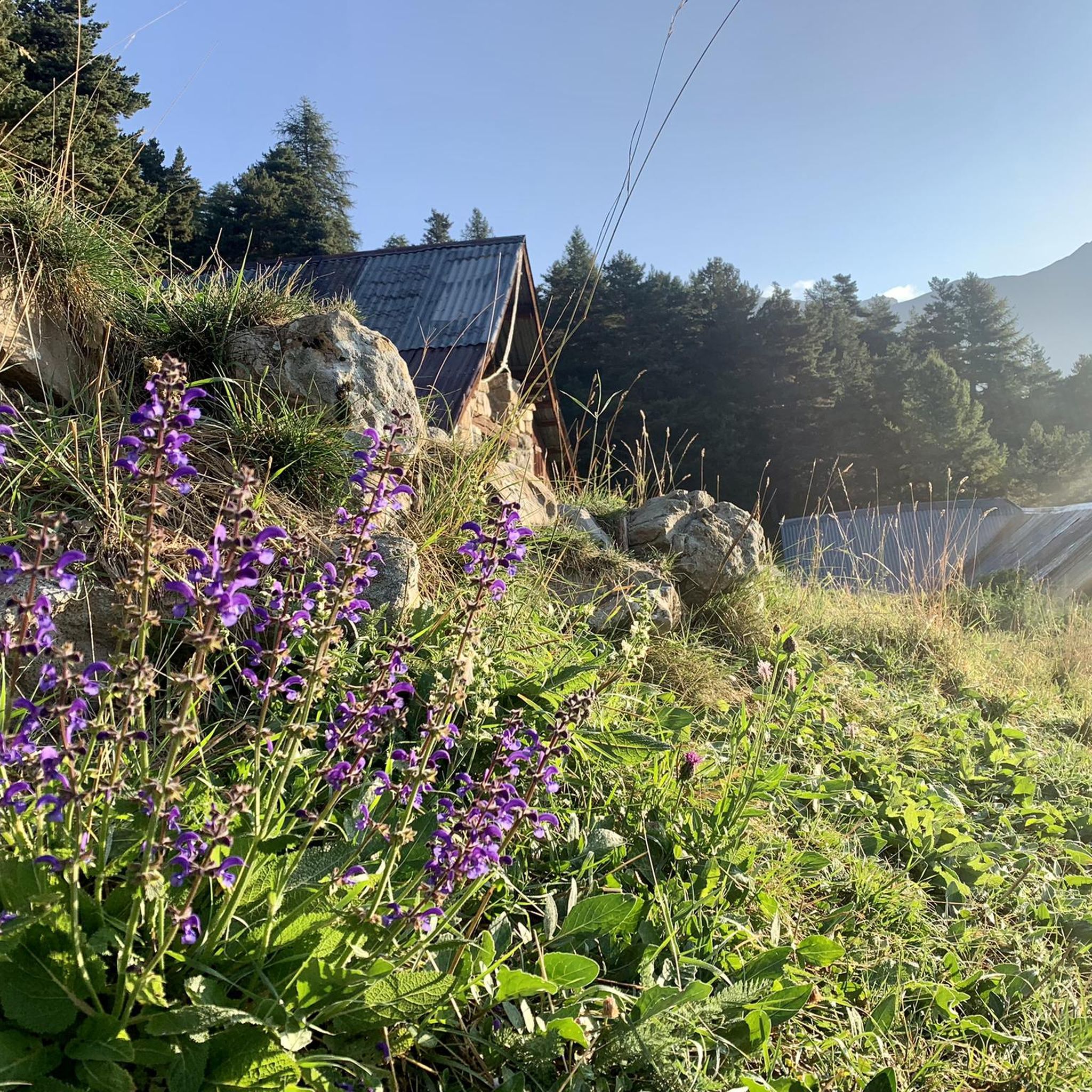
The water really seems to be squeezed out of the mountain.
3
0

The Parcours des Fées is a contemporary and poetic artistic trail along the Razis waterfall. Since 2010, it has invited visitors to take a different look at a familiar landscape, mixing art and wild nature. A unique experience where we discover 40 unusual works in harmony with the Crévolin setting.
1
0

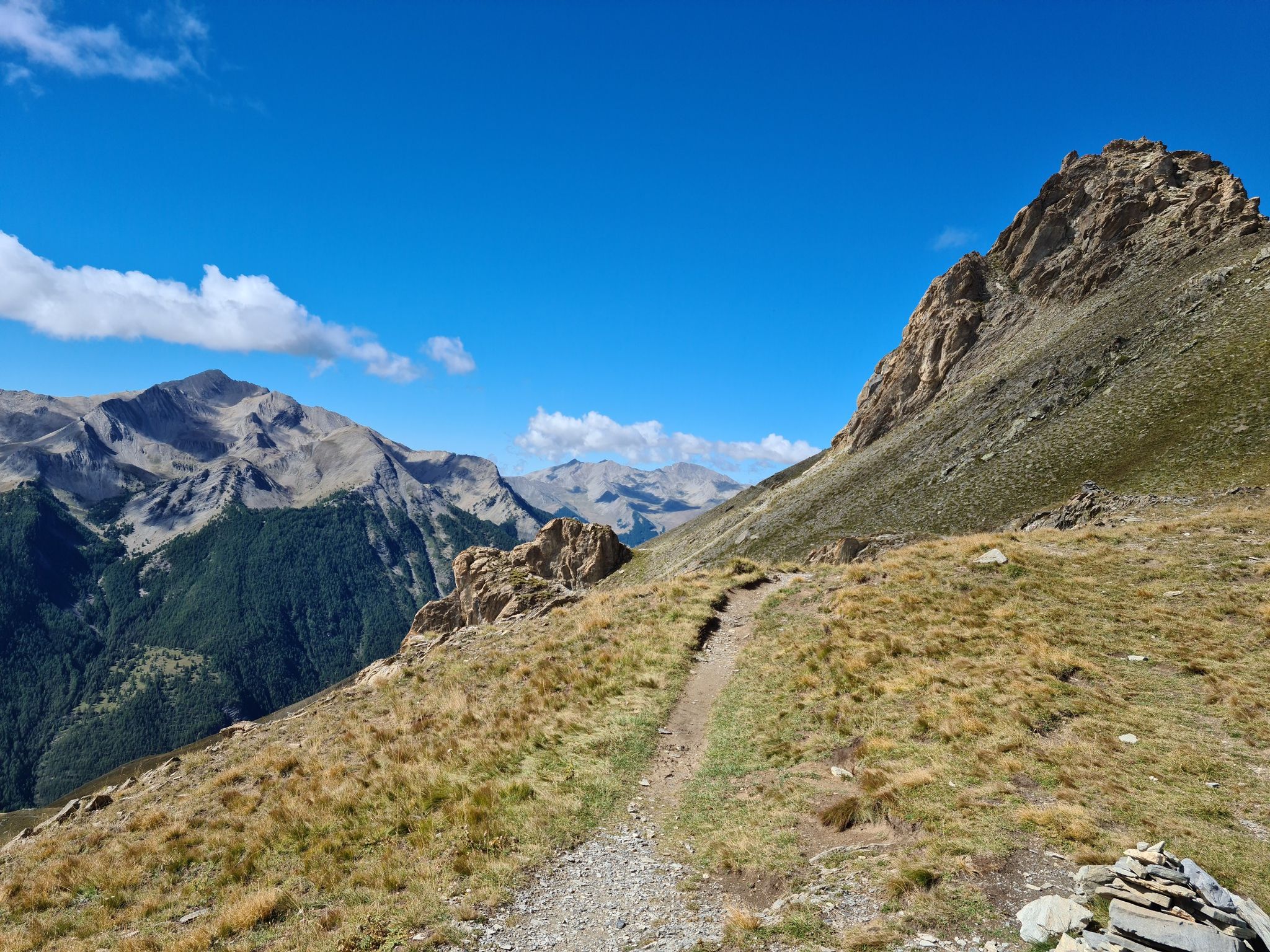
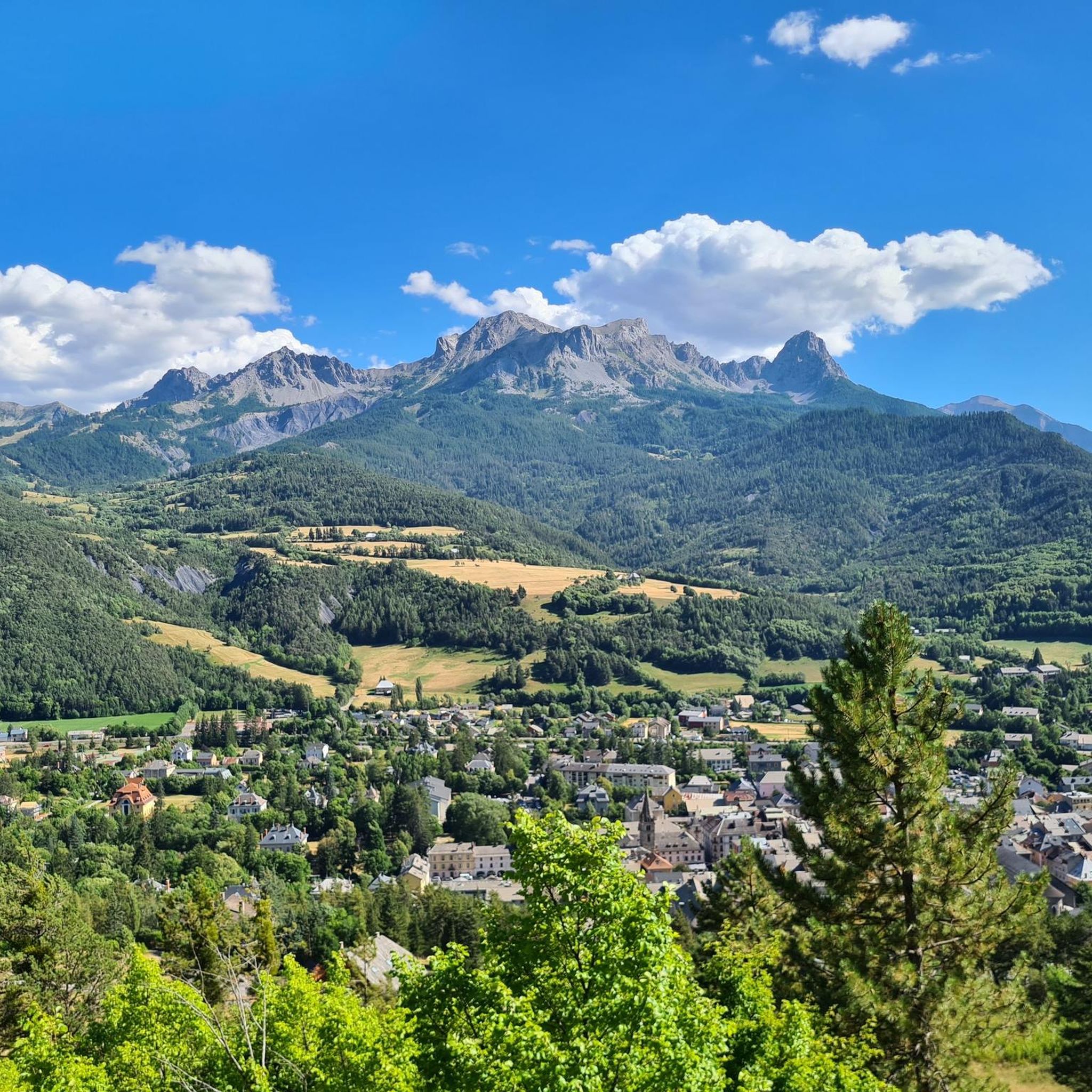
Located at 2575 meters, Tête de la Sestrière offers a beautiful panorama of the valleys below and the mountains that surround it. A magnificent hike from Laverq!
1
0
Accessible by a beautiful forest track, the springs come out between two limestone layers. Nice discovery!
3
0

At an altitude of 2,575 meters, the Tête de la Sestrière offers a superb 360-degree panorama of the Laverq valley, the Agneliers valley and the summits of Petite Séolane and Grande Séolane, Tête de l'Estrop and the Three Bishoprics.
2
0
Frequently Asked Questions
What are some of the most popular natural monuments around Saint-Pons?
The region around Saint-Pons offers several remarkable natural monuments. Highlights include the spectacular Jerusalem Spring, where water emerges from between limestone layers, and the challenging Gendarme's Hat summit, offering expansive views of the Ubaye Valley. The Tête de la Sestrière also provides a superb 360-degree panorama.
Are there family-friendly natural monuments to visit near Saint-Pons?
Yes, several natural monuments are suitable for families. The Jerusalem Spring is easily accessible and offers a refreshing natural discovery. Additionally, the Gorges d'Héric, part of the Haut-Languedoc Regional Natural Park, features a well-marked pedestrian path that is accessible for families, including sections suitable for strollers and leashed dogs.
What outdoor activities can I do near these natural monuments?
The natural monuments around Saint-Pons are excellent for various outdoor activities. You can enjoy hiking, climbing, and canyoning in the Massif du Caroux, or swimming in the natural pools of the Gorges d'Héric. For more structured routes, explore the many options for hiking, running, and mountaineering available in the region.
What kind of hiking trails can I find near Saint-Pons' natural monuments?
You'll find a diverse range of hiking trails. The Gorges d'Héric offers a popular 5 km pedestrian path leading to the hamlet of Héric, suitable for a moderate walk. The Massif du Caroux is traversed by trails like the GR 7, providing more challenging routes with significant elevation changes. For specific trails, you can check the hiking guide for Saint-Pons.
Are there challenging hikes to natural monuments for experienced adventurers?
Absolutely. For those seeking a challenge, the Gendarme's Hat involves steep sections but rewards with magnificent views. The Grande Séolane, culminating at 2909m, offers a 360° panorama and can be ascended via routes like the chimney of Lou Chiminet for experienced hikers. The Massif du Caroux also provides challenging climbing and canyoning opportunities.
When is the best time to visit the natural monuments around Saint-Pons?
The best time to visit largely depends on your preferred activities. For swimming in the natural pools of the Gorges d'Héric, the warmer months are ideal. Hiking and exploring the Massif du Caroux can be enjoyed from spring through autumn, though some higher-altitude routes may have snowfields early in the season. Always check local weather conditions before your visit.
Can I find natural swimming spots near Saint-Pons?
Yes, the Gorges d'Héric are renowned for their natural swimming pools with crystal-clear waters, formed by the Héric river. These spots offer a refreshing experience during warmer months and are a popular attraction within the Haut-Languedoc Regional Natural Park.
What unique geological features can be observed in the region?
The area is rich in geological wonders. The Gorges d'Héric showcase the roots of the Hercynian chain, with rocks like gneiss, granite, and schist. The Massif du Caroux, often called the 'Mountain of Light,' is characterized by mica-rich gneiss rocks that shimmer in the sun. The Jerusalem Spring is also a unique phenomenon, with water emerging directly from between limestone layers.
Are there any natural monuments with panoramic viewpoints?
Yes, the region boasts several impressive viewpoints. The Gendarme's Hat offers a wide view of the Ubaye Valley, while the Tête de la Sestrière provides a superb 360-degree panorama of the surrounding valleys and summits. The Massif du Caroux also offers 'balcony' views over the Languedoc plain and the sea from its southern face.
What wildlife might I encounter near the natural monuments?
The Haut-Languedoc Regional Natural Park, encompassing many of these monuments, is known for its rich biodiversity. The Massif du Caroux is particularly famous for its population of Mediterranean mouflon, which is one of the largest in France. Hikers in areas like the Tête de la Sestrière might also encounter marmots and various bird species.
Is the Massif du Caroux accessible for visitors?
The Massif du Caroux is a haven for outdoor enthusiasts, offering extensive opportunities for hiking, climbing, and canyoning. While some areas are rugged and challenging, there are numerous trails catering to different fitness levels. Its unique geological composition and diverse landscapes make it a highly rewarding destination for exploration. You can find more information about the massif on Hérault Tourisme.
What is the Source du Jaur and why should I visit it?
The Source du Jaur is the natural spring where the Jaur river originates, located close to Saint-Pons-de-Thomières. It's a pleasant spot to relax and enjoy the natural surroundings, offering a glimpse into the origin of a local river that contributes to the valley's ecosystem. It provides a tranquil natural experience near the town center.
Most popular routes around Saint-Pons
Most popular attractions around Saint-Pons

Get inspired with the komoot mobile app


Explore more
Extend your search for the best caves by checking out these guides of the top ones around Saint-Pons:
