Top 5 Natural Monuments around Plélo
Best natural monuments around Plélo are found in the Côtes-d'Armor department of Brittany, France, offering a range of natural beauty. The region features diverse landscapes, including coastal viewpoints, forests, and river valleys. These sites provide opportunities to explore varied natural heritage, from dynamic coastal ecosystems to peaceful inland areas. Visitors can experience the natural environment through trails and scenic spots.
Best natural monuments around Plélo
- The most popular natural monuments is Chaos du Gouët Trail, a trail that borders…
Last updated: June 20, 2026
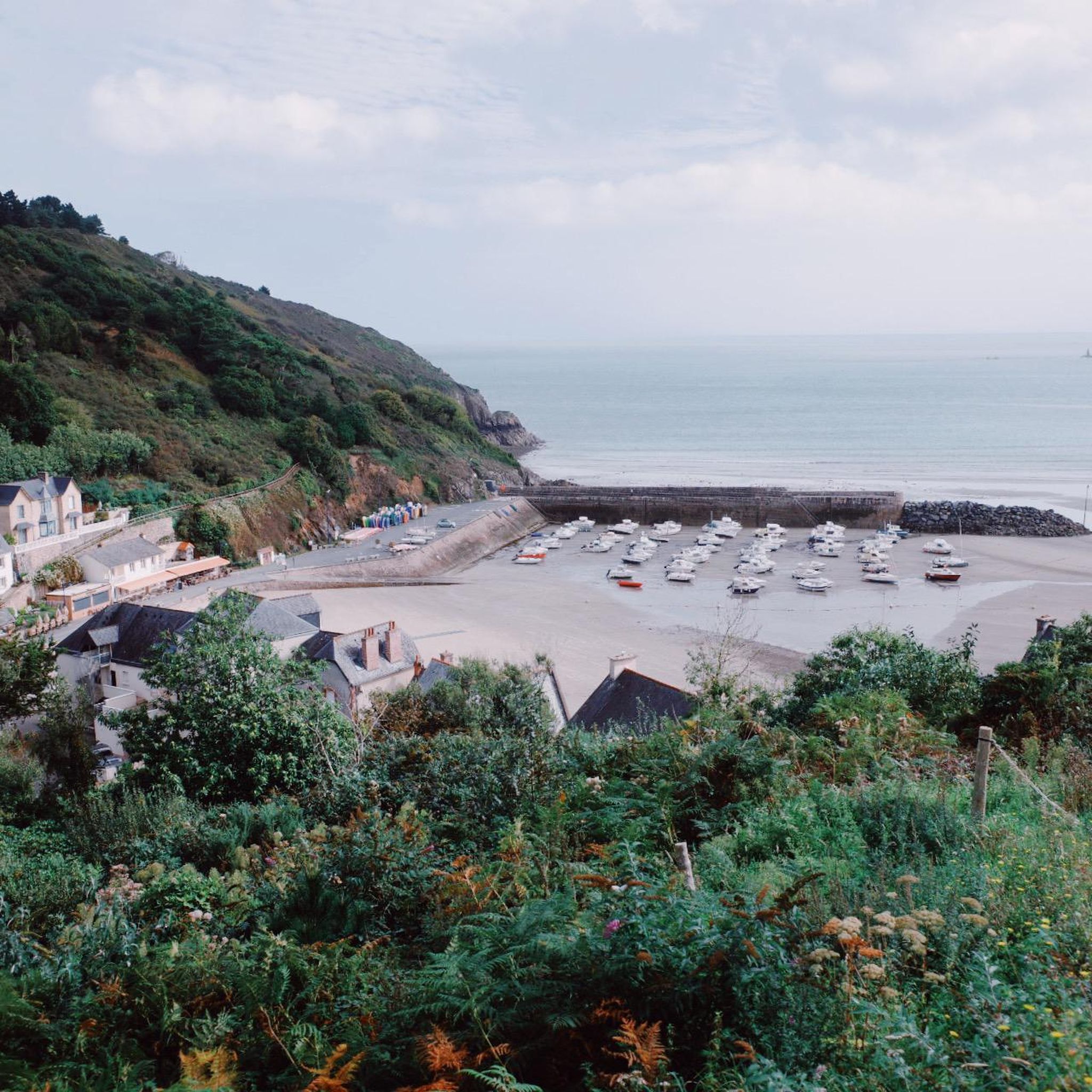
Rocher du Coucou
Highlight • Viewpoint
charged with emotion. Indeed, it is from there that the women of the
area came to greet the men who …
Translated by Google •
Tip by

Chaos du Gouët Trail
Highlight (Segment) • Trail
If it has rained recently, the path will be muddy. It is therefore necessary to provide appropriate equipment: boots, walking sticks...
Translated by Google •
Tip by

Sign up now to discover places like this
Get recommendations on the best single tracks, peaks, & plenty of other exciting outdoor places.
Sign up for free
Menhir de la Roche Longue
Highlight • Monument
Translated by Google •
Tip by

Bernains archaeological and natural site
Highlight • Historical Site
Translated by Google •
Tip by

Our Lady of the Fountain
Highlight • Religious Site
Translated by Google •
Tip by
Start today with a free account
Your next adventure awaits.
Login or Signup
Tips from the Community

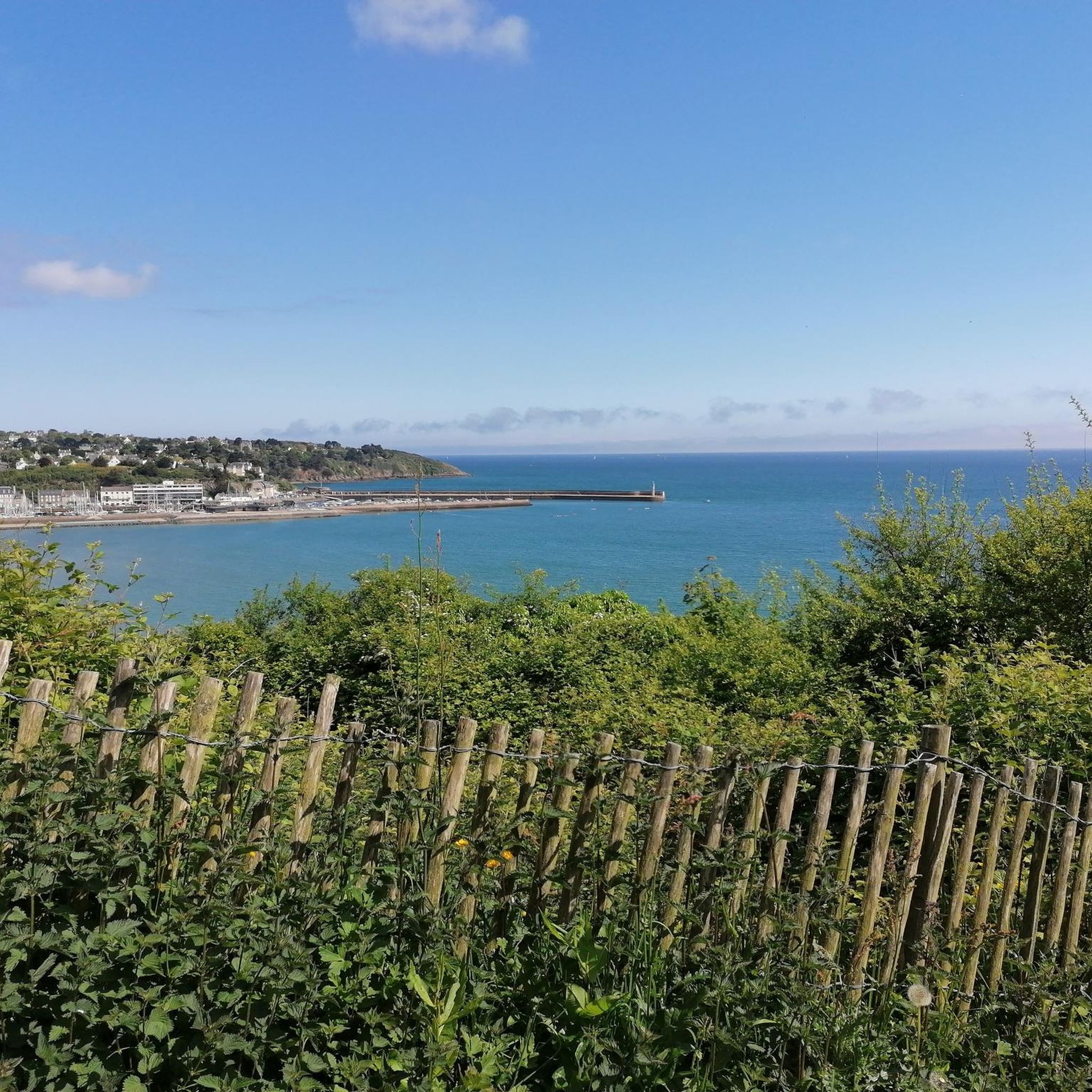
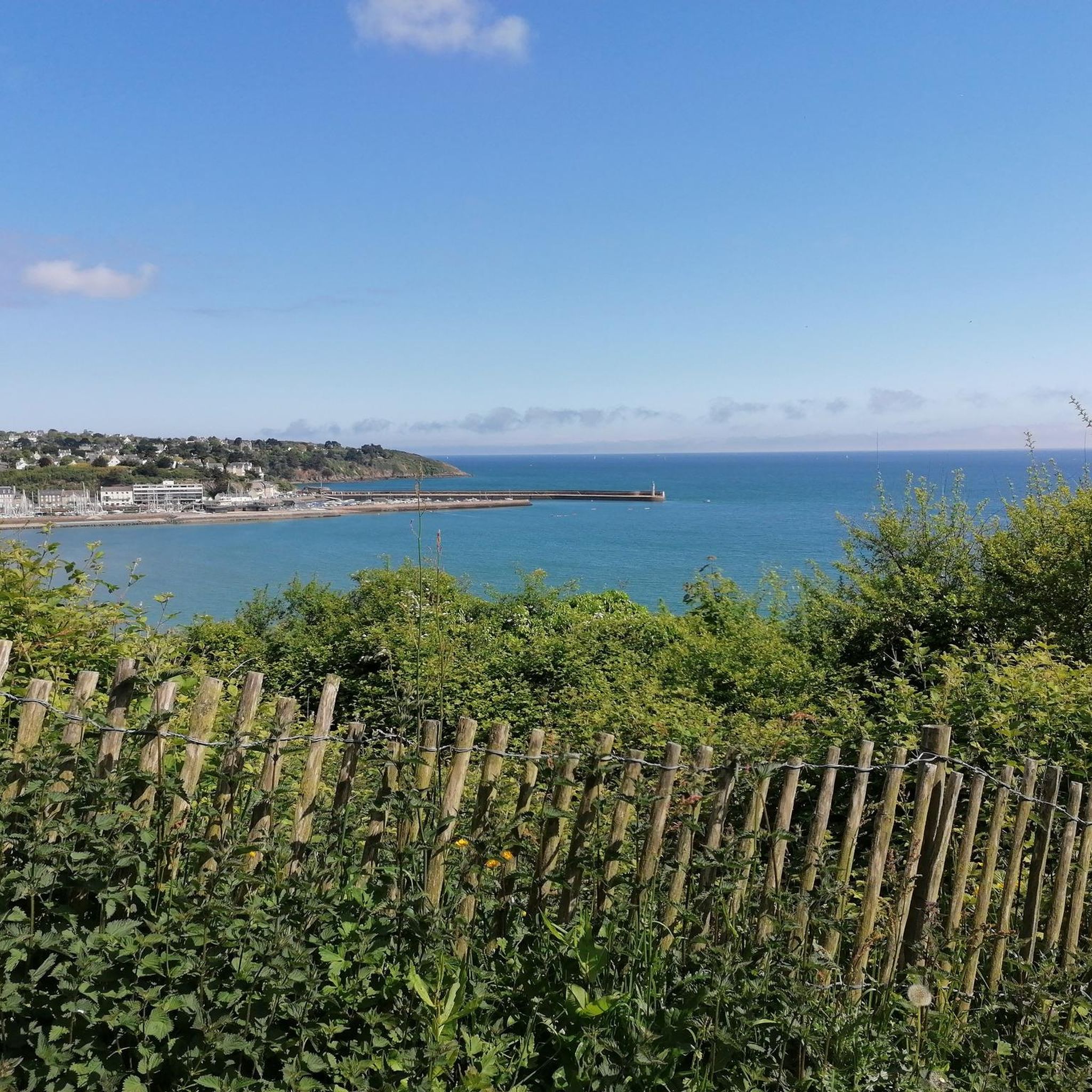
The rocky promontory in front of you is a place charged with emotion. Indeed, it is from there that the women of the area came to greet the men who were leaving or returning from the "Great Fishing", that is to say the cod fishing that was done in Newfoundland and then in Iceland. The fishing campaigns lasted 6 to 8 months. Imagine all the women who were there, standing, coming to say a last "hello" to their loved ones (husband, brother, friend), fearing they would never see them again. Or conversely, imagine them filled with joy at the idea of seeing them again when they saw the boat return to port. Photo credit: Emmanuel Berthier
0
0

This impressive Neolithic menhir has been knocked down and stands tall. It is 5.9 meters long.
2
0

The fountain, sheltered by a beautiful 15th-century portico, borders the choir closure of the Chapelle N.D.-de-la-Fontaine. Saint Brieuc, a Welsh monk, is said to have settled on this site in the 5th century when he came to preach in the area.
8
0
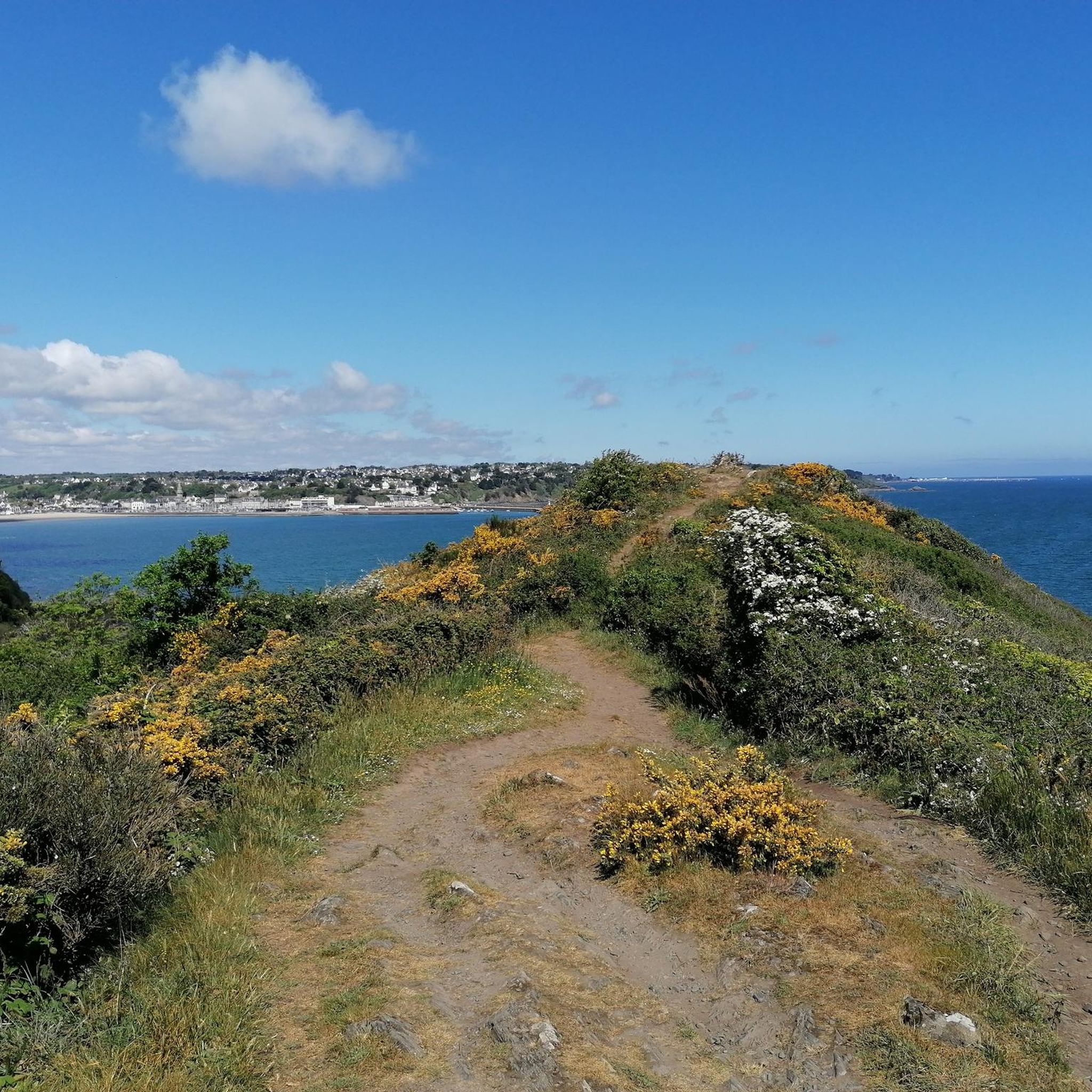
Called by the Binicais the “Roman Camp of the Bernains”, or even “the Mountain”, this natural site extends over approximately 15 hectares, it is classified as an archaeological site in the Local Urbanism Plan. On the crest line, a 600m long “wall” flanked by three towers separates the steep north slope, overlooking the coast from the gently sloping south slope. Dominating the mouth of the Ic, the Bernains site has a strategic position, controlling the entrance to the port of Binic.
7
0

This path borders the Gouët river, which meanders along the mossy rocks, giving to see magical landscapes. If it has rained recently, the path will be muddy. It is therefore necessary to provide appropriate equipment: boots, walking sticks...
1
0
This 5.90 meter high granite menhir is classified as a historical monument. It was erected in the Neolithic.
0
0

Magnificent walk, forest, river, calm, pleasure for the eyes.
0
0

very beautiful rocks in the river that you can also walk on
0
1
Frequently Asked Questions
What are some of the most popular natural monuments around Plélo?
Visitors frequently enjoy the Chaos du Gouët Trail, which offers magical landscapes along the Gouët river. Another highly appreciated spot is Rocher du Coucou, a viewpoint with historical significance. The impressive Menhir de la Roche Longue, a Neolithic megalith, is also a popular choice.
Are there any significant natural reserves or ecological sites near Plélo?
Yes, the Baie de Saint-Brieuc National Nature Reserve is a critical ecological site. It's the second-largest nature reserve in Brittany and a vital stopover for 30,000 to 40,000 migratory birds on the English Channel-Atlantic route. It's particularly excellent for birdwatching.
Where can I find the best panoramic views of the coastline around Plélo?
For breathtaking panoramic views, visit the Pointe du Roselier, which offers spectacular vistas of the coastline from over 60 meters high. The Pointe du Grouin, located opposite the Pointe du Roselier, also provides a fantastic perspective of the Bay of Saint-Brieuc and its nature reserve.
Are there family-friendly natural monuments or activities near Plélo?
The Bernains archaeological and natural site is categorized as family-friendly, offering a blend of historical interest and natural exploration. General nature walks in areas like the Forêt Départementale d'Avaugour-Bois Meur also provide peaceful outdoor experiences suitable for families.
What kind of historical natural sites can I explore in the Plélo area?
The Menhir de la Roche Longue is an impressive Neolithic megalith classified as a historical monument. Additionally, the Rocher du Coucou holds historical significance as a place where women greeted men returning from sea voyages. The Bernains archaeological and natural site, known as the 'Roman Camp of the Bernains,' also offers historical context.
What outdoor activities can I do near these natural monuments?
The region around Plélo offers various outdoor activities. You can find numerous hiking trails, such as those mentioned in the Hiking around Plélo guide, including routes like the 'Chatelaudren Pond loop'. For mountain biking, explore trails listed in the MTB Trails around Plélo guide. Running enthusiasts can check out the Running Trails around Plélo guide for routes like the 'Château de la Ville Chevalier loop'.
Are there any easy walks or beginner-friendly trails among the natural monuments?
Yes, for easier walks, consider the 'Chatelaudren Pond loop from Plélo' which is an easy-grade hiking route. The Chaos du Gouët Trail is generally suitable for walking, though it can be muddy after rain, requiring appropriate footwear.
What is the best time of year to visit the natural monuments around Plélo?
The best time to visit depends on your interests. For birdwatching at the Baie de Saint-Brieuc National Nature Reserve, migratory seasons (spring and autumn) are ideal. Generally, spring and summer offer pleasant weather for hiking and exploring coastal viewpoints like Pointe du Roselier and Pointe du Grouin. Autumn also provides beautiful foliage in forested areas like the Forêt Départementale d'Avaugour-Bois Meur.
Can I find forests or serene natural areas for a peaceful escape near Plélo?
Absolutely. The Forêt Départementale d'Avaugour-Bois Meur is a great place to 'get some fresh air' and enjoy tranquil nature walks. The Étang du Pas (Pas Pond) also offers a serene waterscape, providing a peaceful environment for leisurely strolls and observing aquatic life.
What should I know about the difficulty of trails around Plélo's natural monuments?
Trails vary in difficulty. For instance, the Chaos du Gouët Trail is considered intermediate, and can be muddy, requiring appropriate footwear. Many hiking and MTB routes in the area are graded as moderate, while some running trails, like the 'Château de la Ville Chevalier loop', can be difficult. Always check the specific route details for difficulty and conditions.
Are there any religious or spiritual sites integrated with the natural landscape?
Yes, Our Lady of the Fountain is a notable site. It features a fountain sheltered by a 15th-century portico, bordering the Chapelle N.D.-de-la-Fontaine. Saint Brieuc, a Welsh monk, is believed to have settled here in the 5th century, connecting the site to both natural springs and early Christian history.
What kind of wildlife can I expect to see at the natural monuments?
The Réserve Naturelle Nationale de la Baie de Saint-Brieuc is a prime location for birdwatching, attracting between 30,000 and 40,000 migratory birds. Inland areas like the Étang du Pas (Pas Pond) and local forests provide habitats for various waterfowl and other local wildlife.
Most popular attractions around Plélo

Get inspired with the komoot mobile app


Explore more
Extend your search for the best caves by checking out these guides of the top ones around Plélo:
