Top 4 Natural Monuments around Louresse-Rochemenier
Best natural monuments around Louresse-Rochemenier include unique troglodyte dwellings and diverse natural landscapes. This commune in Maine-et-Loire is situated within the Loire-Anjou-Touraine Regional Natural Park, offering a rich blend of geological and ecological features. The area is particularly known for its falun rock formations, which have been utilized for centuries. Visitors can explore a variety of natural and historical sites that showcase the region's distinct character.
Best natural monuments around Louresse-Rochemenier
- The most popular natural monuments is Étang de Joreau…
Last updated: May 23, 2026
Étang de Joreau
Highlight • Lake
Translated by Google •
Tip by

Bajoulière Dolmen
Highlight • Natural Monument
Translated by Google •
Tip by

Sign up now to discover places like this
Get recommendations on the best single tracks, peaks, & plenty of other exciting outdoor places.
Sign up for free
Marson woods and heathlands
Highlight • Forest
Translated by Google •
Tip by

Gallo-Roman Amphitheater Gennes
Highlight • Historical Site
Enjoy the past.
Translated by Google •
Tip by

Fountains of Doué la Fontaine
Highlight • Structure
Translated by Google •
Tip by
Start today with a free account
Your next adventure awaits.
Login or Signup

Tips from the Community

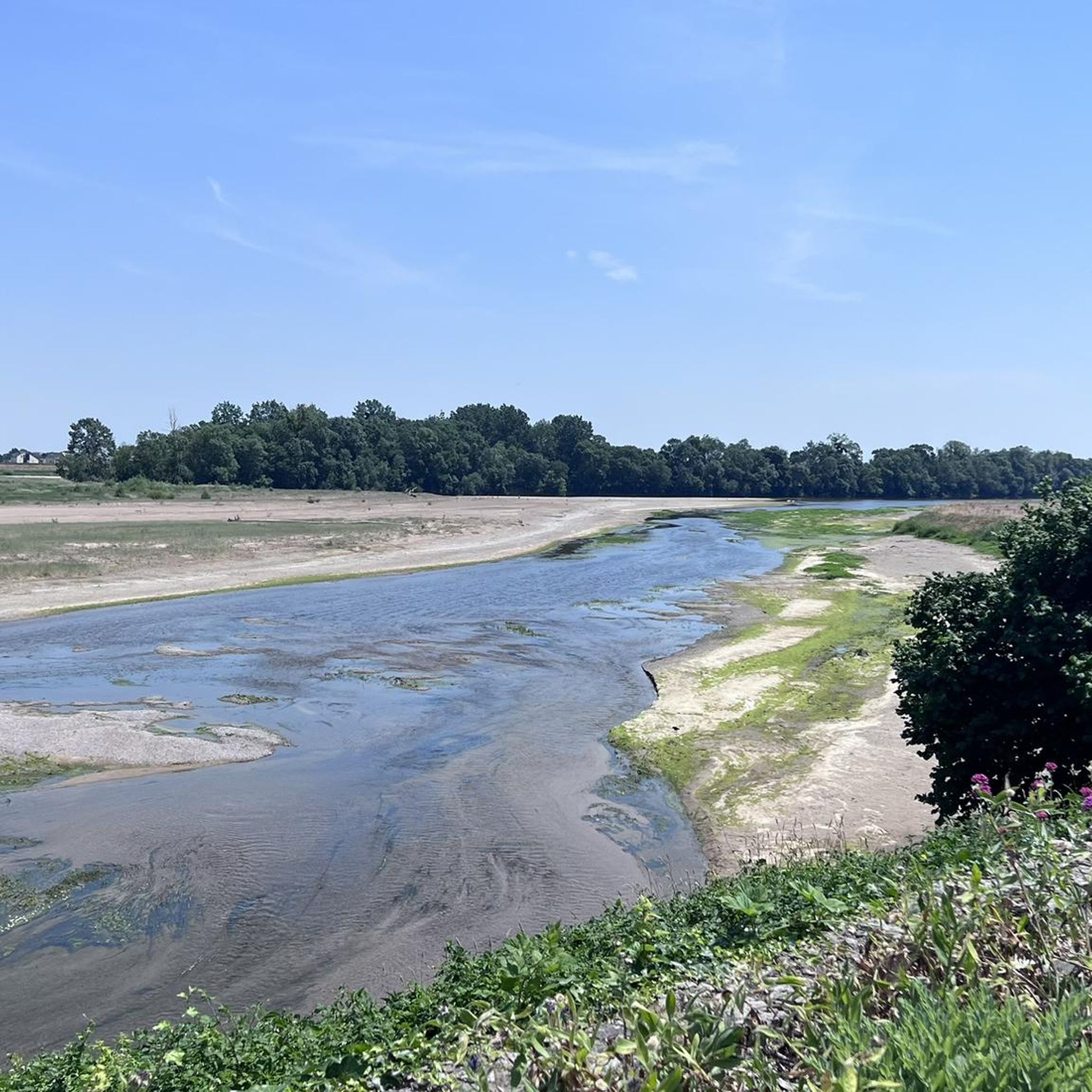
This highlight is literally a source of history. Doué is originally Celtic and means source or fountain. At this location you are standing in front of the largest water basin in the area. Take a dive into the past by taking note of the information panels. They take you back in time chronologically. In other words, a cool place with a special place.
4
0
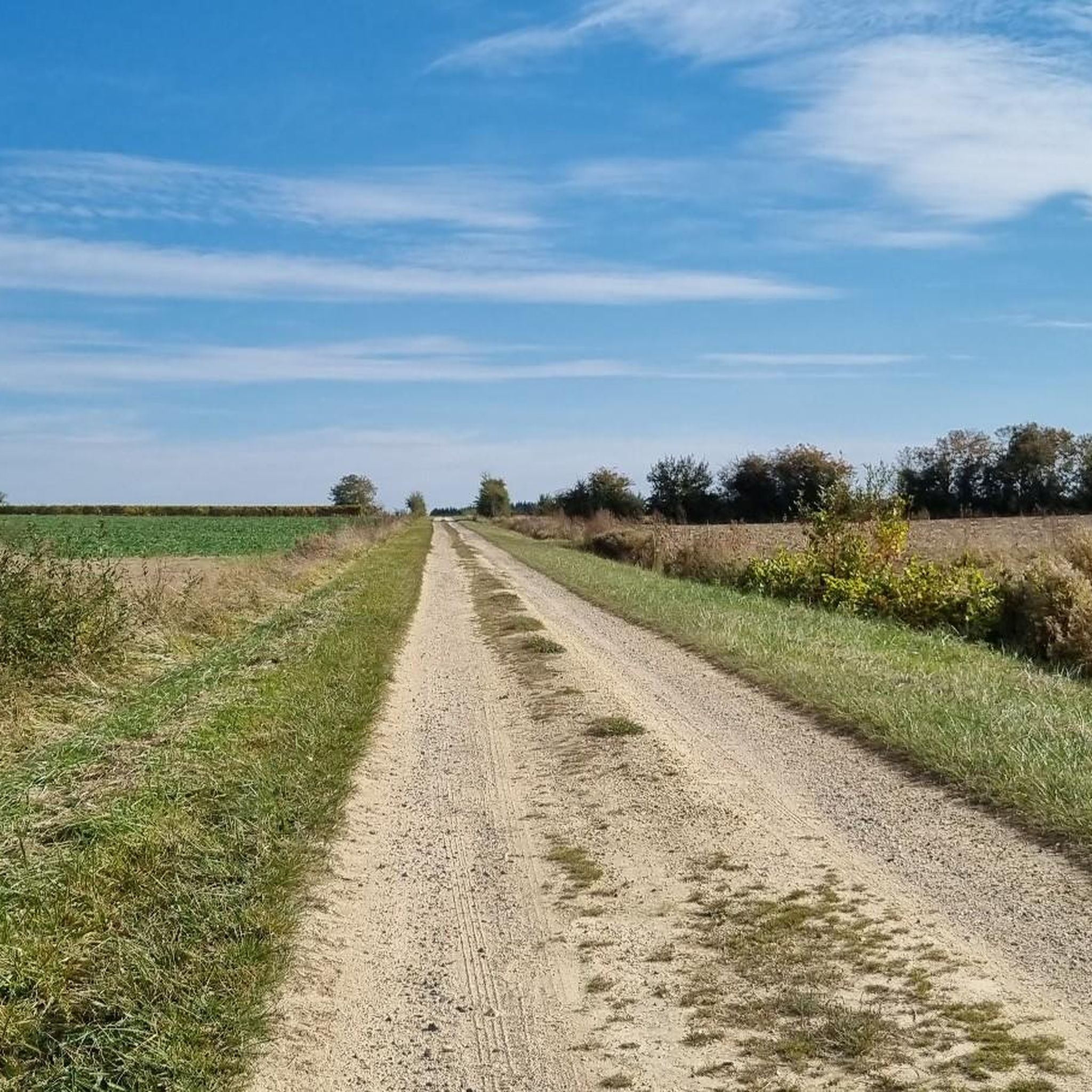
Nice site. This can only be visited at walking pace. A small tour takes you back in time. Information panels accompany your visit. Enjoy the past. Historical context: In the 1st century BC, the influence of the Roman Empire extended to Gaul, where in Anjou the Andes and their leader Dumnacus were crushed by the Romans. In Gennes, there have been several excavations and have revealed, among other things, a large Gallo-Roman settlement and an amphitheatre. The Gennes amphitheatre could seat approximately 5,000 spectators. It was discovered in 1806 and excavated from 1862 onwards. The Gallo-Roman theatre-amphitheatre is classified as a historical monument.
4
0


Beautiful Dolmen with picnic area
0
0

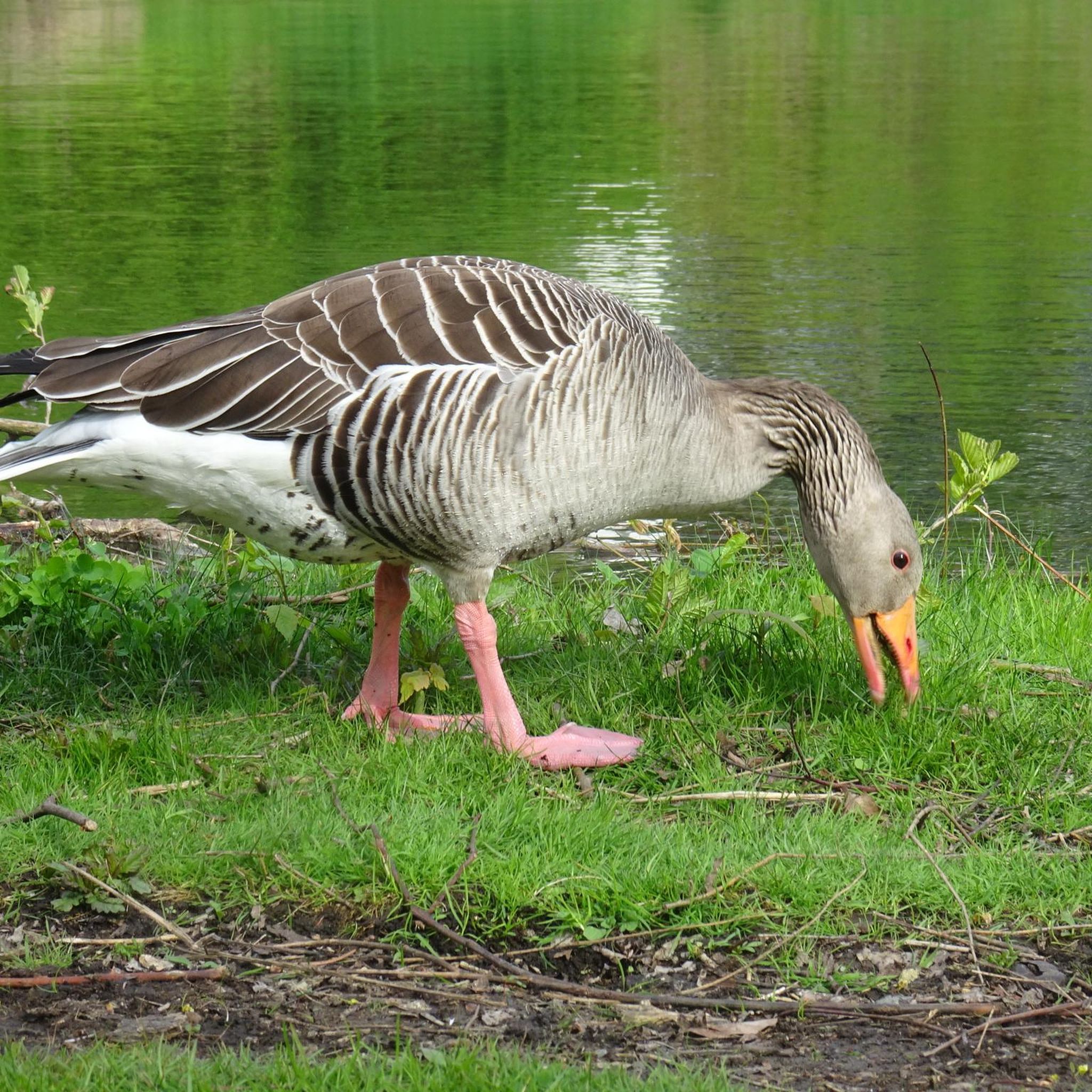
The Joreau pond is part of the Loire-Anjou-Touraine regional natural park. Created by monks for fish farming purposes in the 18th century, it now hosts many walks.
1
0

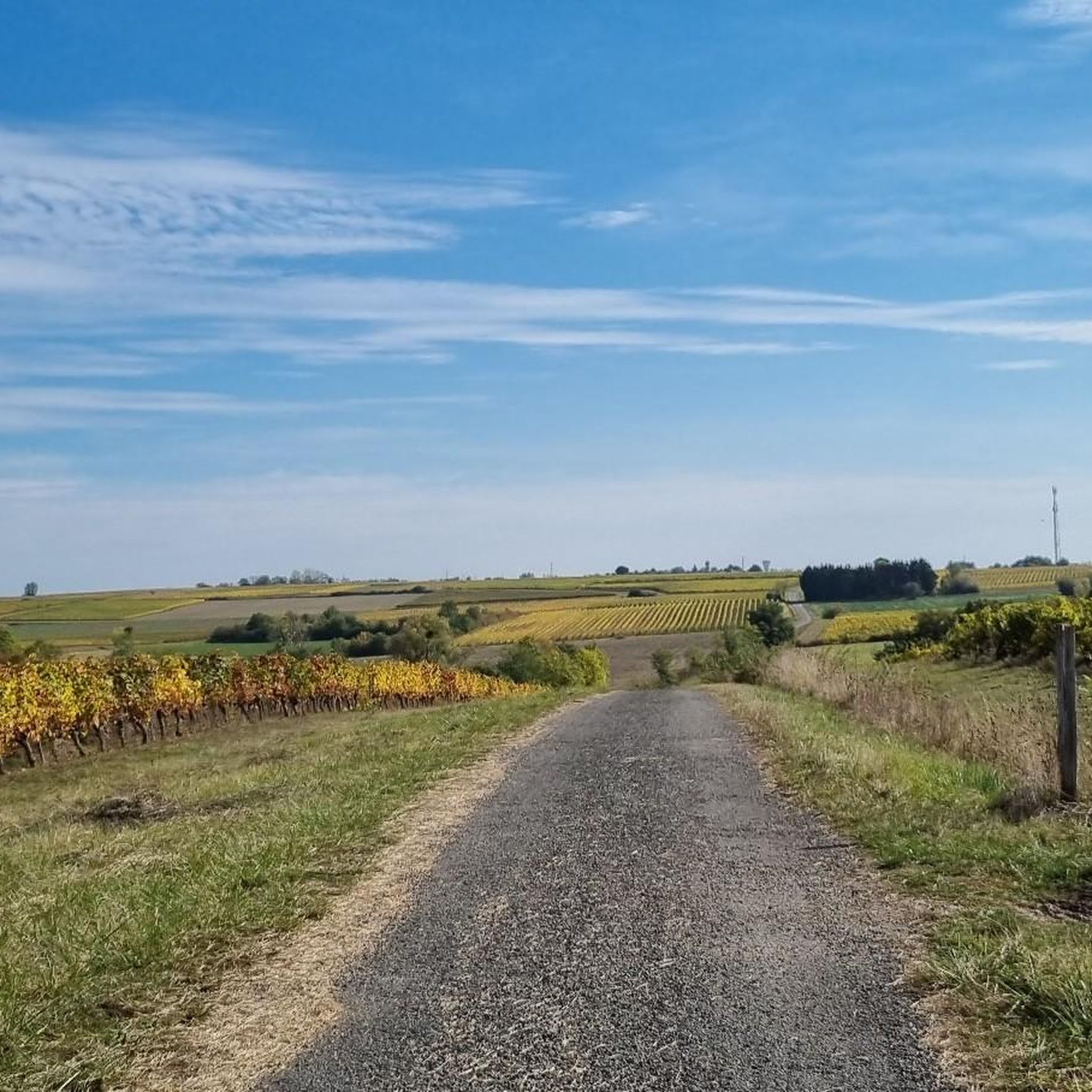
The woods and moors of Marson constitute a large territory with a preserved natural setting, just to the east of Saumur. At its heart, the pond of Marson is a small paradise for experienced fishermen. Crossed by the famous GR 3, the body of water is also a delight for hikers who, during the summers, seek a corner of freshness.
0
0

This covered stone is quite spectacular. The place is superb and can serve as a starting point to enjoy the surrounding paths. It is also an ideal place to spend a night in bivouac.
0
0

The monumental slab of this dolmen measures more than 7m with a thickness of 70 to 90 cm for an estimated weight of 70 tons. This monument would have served as a chapel in the 12th century.
1
0
Frequently Asked Questions
What unique geological features can be found around Louresse-Rochemenier?
The region is characterized by its distinctive "falun" rock, a sedimentary stone formed millions of years ago. This rock is notably used for the fascinating troglodyte dwellings, such as the Bajoulière Dolmen, which showcases a monumental slab of this local geology.
Are there family-friendly natural monuments to visit?
Yes, several natural monuments are suitable for families. The Étang de Joreau offers picnic areas and easy walks, perfect for an afternoon with children. The Bajoulière Dolmen also has a picnic area and provides an interesting historical context for all ages.
What historical natural monuments are there in the area?
Beyond the geological formations, you can explore sites with deep historical roots. The Bajoulière Dolmen is a significant Neolithic monument, with its impressive 7-meter slab. Additionally, the Troglodyte Village of Rochemenier, though not a komoot highlight, is a remarkable historical site where homes and farms were carved directly into the falun rock, offering a unique glimpse into past peasant life.
What outdoor activities can I do near these natural monuments?
The area around Louresse-Rochemenier is excellent for various outdoor activities. You can find numerous hiking trails, including those around the Étang de Joreau and through the Marson woods and heathlands. There are also dedicated MTB trails and road cycling routes that allow you to explore the natural beauty of the region.
Are there any serene natural spots for relaxation and enjoying nature?
Absolutely. The Étang de Joreau is a tranquil pond with shaded areas and paths, perfect for a peaceful stroll or birdwatching. The Marson woods and heathlands also provide a preserved natural setting with a refreshing pond, ideal for those seeking quiet contemplation amidst nature.
What is the best time to visit the natural monuments around Louresse-Rochemenier?
The natural monuments are enjoyable throughout the year. Spring and autumn offer pleasant temperatures for hiking and exploring, with vibrant foliage or blooming nature. Summer is ideal for activities around the Étang de Joreau, while the underground troglodyte sites maintain a cool temperature, providing a refreshing escape from the heat.
What do visitors enjoy most about the natural monuments in this region?
Visitors frequently appreciate the unique blend of natural beauty and historical significance. The peaceful atmosphere of places like the Étang de Joreau and the impressive scale of the Bajoulière Dolmen are often highlighted. The ingenuity of the troglodyte dwellings, carved into the falun rock, also leaves a lasting impression on those who explore them.
Are there any natural monuments that are also significant historical sites?
Yes, the region offers several such sites. The Bajoulière Dolmen is a prime example, serving as both a natural monument and a relic from the Neolithic period. Additionally, the Gallo-Roman Amphitheater Gennes, while man-made, is classified as a historical monument within a natural setting, offering a journey back to Roman times.
Can I find trails for mountain biking near the natural monuments?
Yes, the area provides opportunities for mountain biking. You can find various MTB trails that pass through the diverse landscapes, including routes near the Étang de Joreau, allowing you to combine natural exploration with an active ride.
What is the significance of the Loire-Anjou-Touraine Regional Natural Park in this area?
Louresse-Rochemenier is situated within the extensive Loire-Anjou-Touraine Regional Natural Park. This park is crucial for preserving the region's exceptional natural beauty and biodiversity. It encompasses diverse landscapes, including forests like the Forêt domaniale de Milly, streams such as the Ruisseau de la Bournée, and wetlands, all contributing to the rich ecological value of the area.
Are there any natural monuments related to water features?
The Étang de Joreau is a prominent water-related natural monument, originally created for fish farming and now a peaceful lake. Additionally, the Fountains of Doué la Fontaine, while a historical site, highlights the area's connection to water, being home to the largest water basin in the vicinity and named after the Celtic word for 'source' or 'fountain'.
Are there any natural monuments that offer extensive walking or hiking opportunities?
The Marson woods and heathlands offer a large territory with a preserved natural setting, crossed by the famous GR 3 hiking trail, making it ideal for extensive walks. The Étang de Joreau also features pleasant paths through surrounding woods, suitable for various walking distances.
Most popular routes around Louresse-Rochemenier
Most popular attractions around Louresse-Rochemenier

Get inspired with the komoot mobile app


Explore more
Extend your search for the best caves by checking out these guides of the top ones around Louresse-Rochemenier:
