Top 10 Natural Monuments around Saint-Jean-De-La-Blaquière
Natural monuments around Saint-Jean-De-La-Blaquière are concentrated within the Parc Naturel Régional du Haut-Languedoc, offering diverse landscapes. This region in Hérault, France, features Mediterranean hills, vineyards, and geological formations. Notable landmarks and natural features include dramatic rock formations and distinctive red earth. The area provides opportunities for exploring its unique geological history and biodiversity.
Best natural monuments around Saint-Jean-De-La-Blaquière
- The most popular natural monuments is Les Fenestrettes – Views of the Cirque de l'Infernet, a gorge that offers wonderful panoramas…
Last updated: July 3, 2026
Salagou Dam
Highlight • Monument
Translated by Google •
Tip by

Lake Salagou
Highlight • Lake
Translated by Google •
Tip by

Sign up now to discover places like this
Get recommendations on the best single tracks, peaks, & plenty of other exciting outdoor places.
Sign up for free
Cirque de Mourèze Viewpoint
Highlight • Viewpoint
Translated by Google •
Tip by

Cirque de l'Infernet and Les Fenestrelles, Saint-Guilhem Trail
Highlight (Segment) • Gorge
Translated by Google •
Tip by

Les Fenestrettes – Views of the Cirque de l'Infernet
Highlight (Segment) • Gorge
Translated by Google •
Tip by
Sign up for free to discover even more natural monuments around Saint-Jean-De-La-Blaquière.
Sign up for free
Already have an account?
Start today with a free account
Your next adventure awaits.
Login or Signup
Popular around Saint-Jean-De-La-Blaquière
Tips from the Community

One of the most beautiful lakes in France, clearly!!
0
0
Cross the dam and climb up to admire the lake from the heights, it's magnificent !!
0
0


A beautiful view to start the hike at the Belvédère de Mourèze. You can see the charming village on one side, and the Cirque on the other!
0
0
A beautiful hike that is well worth the detour! If you can physically get to the Grotte des Fées, it's a plus. Not for the cavity itself which is short and dry, but for the beautiful landscapes to get there. Be careful of the difference in altitude.
3
0

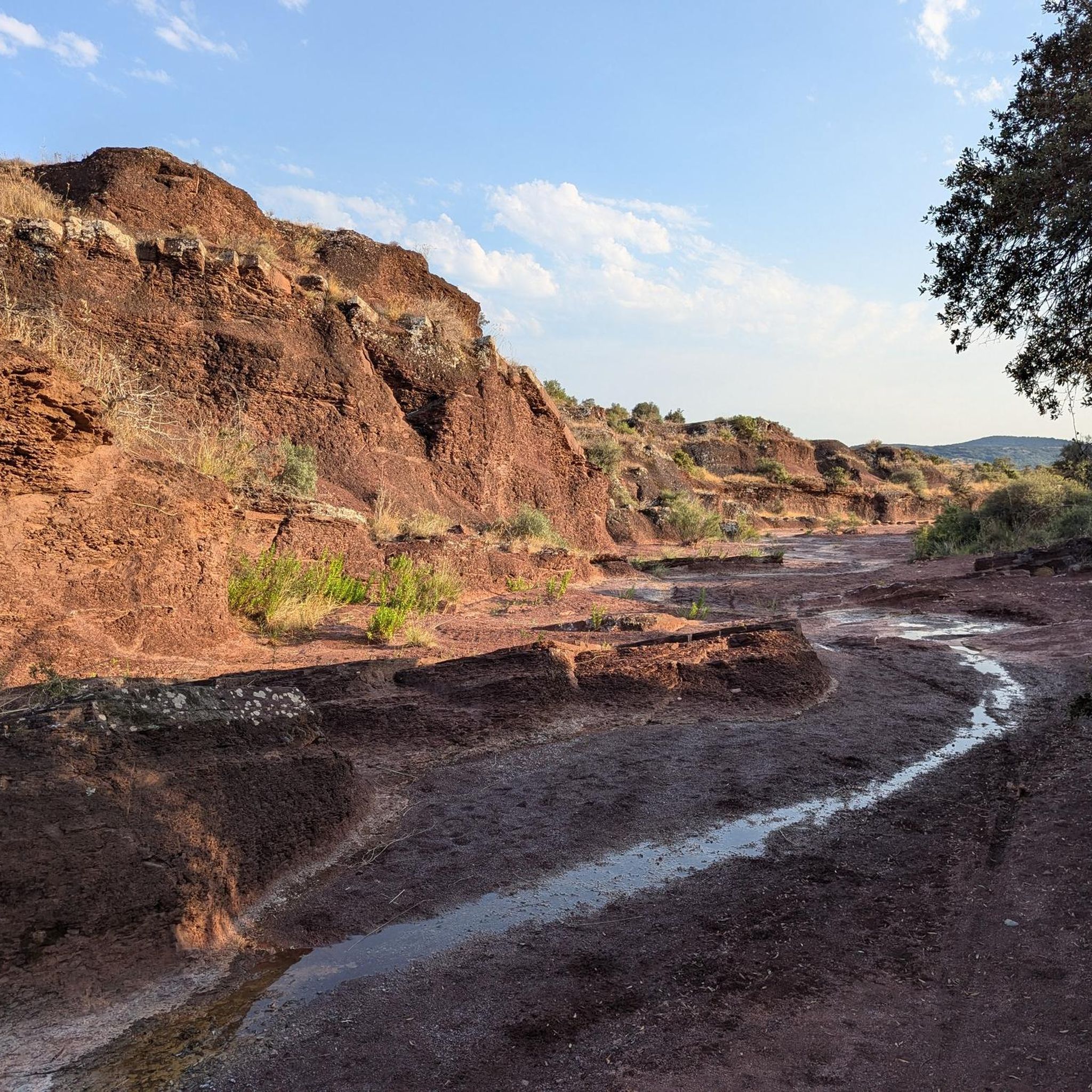
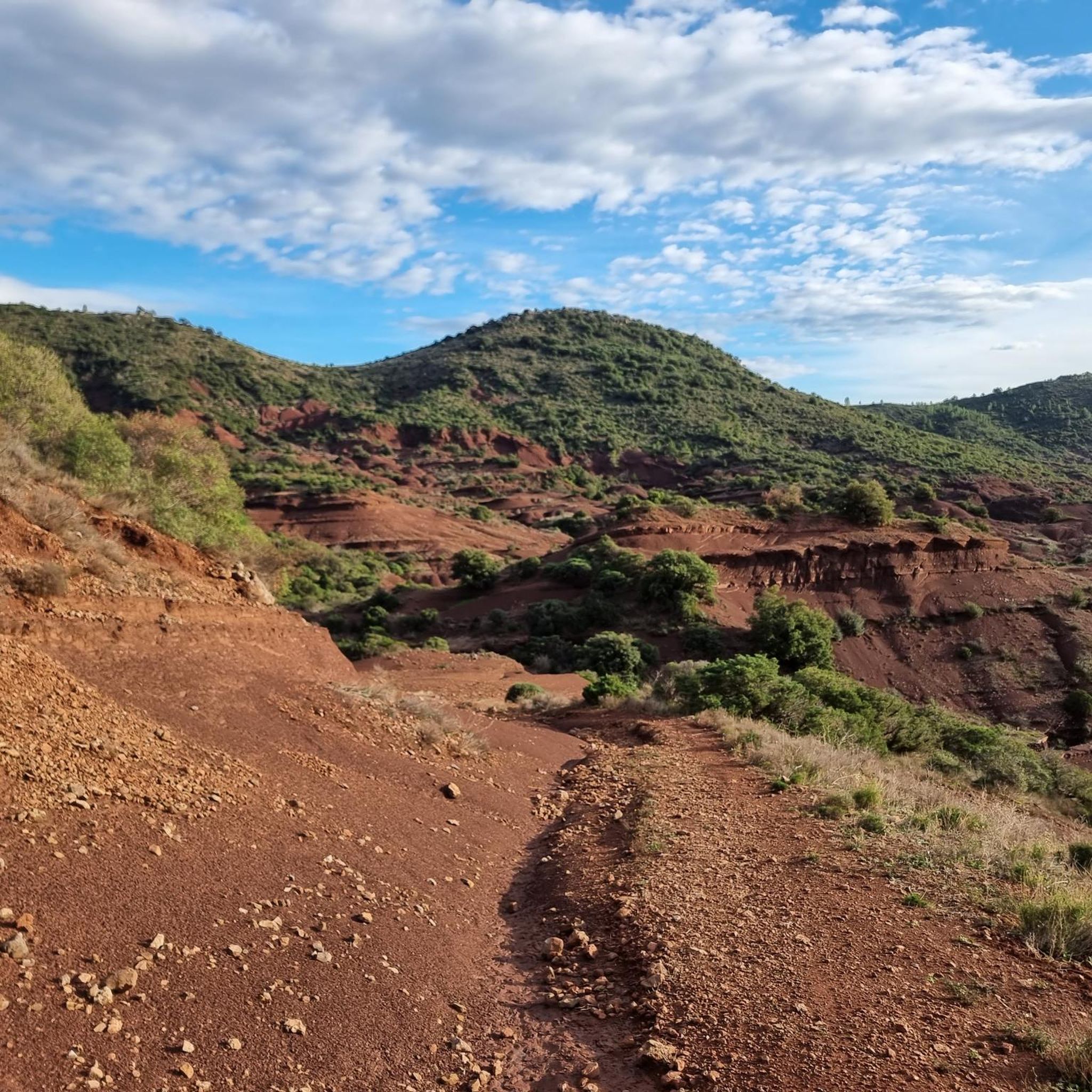
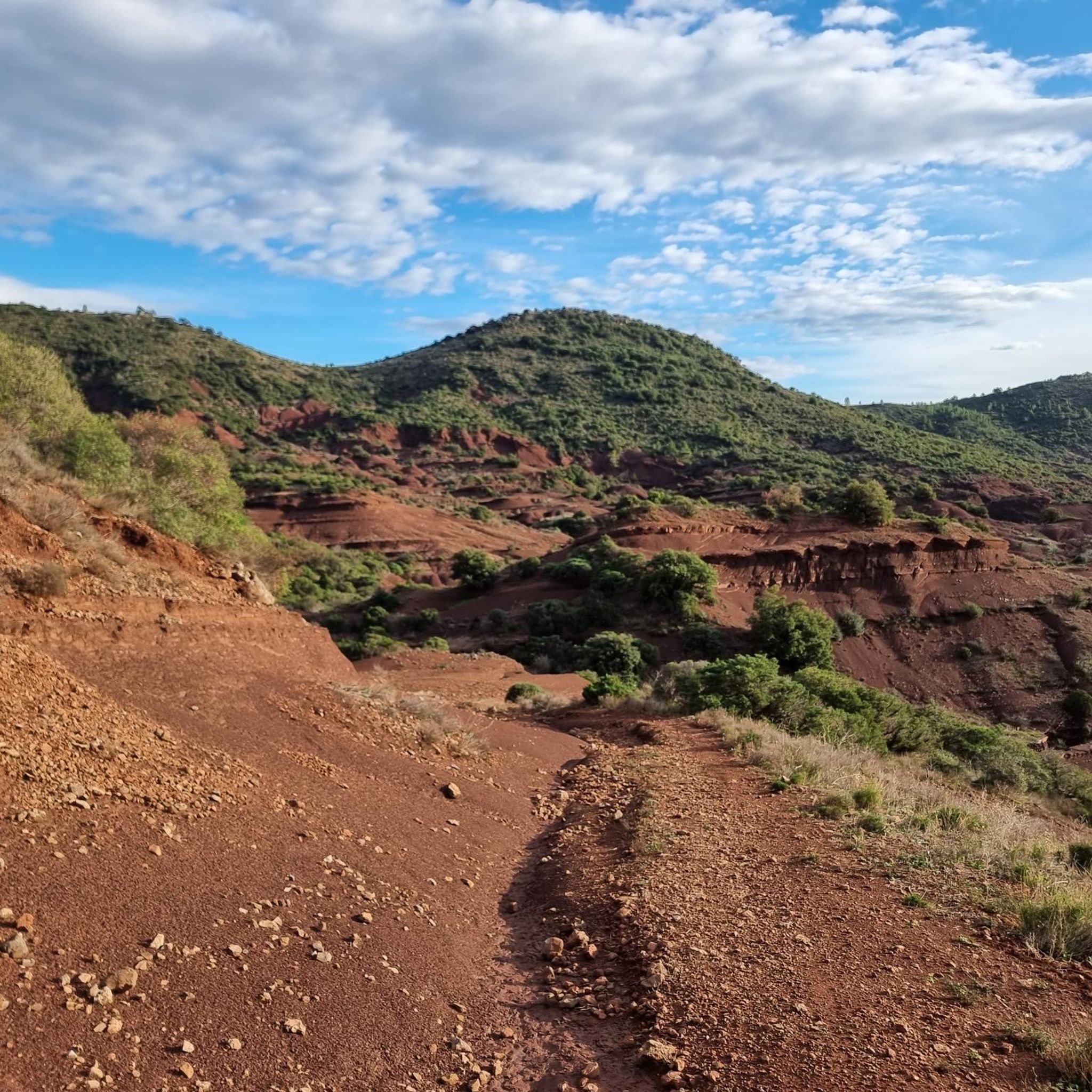
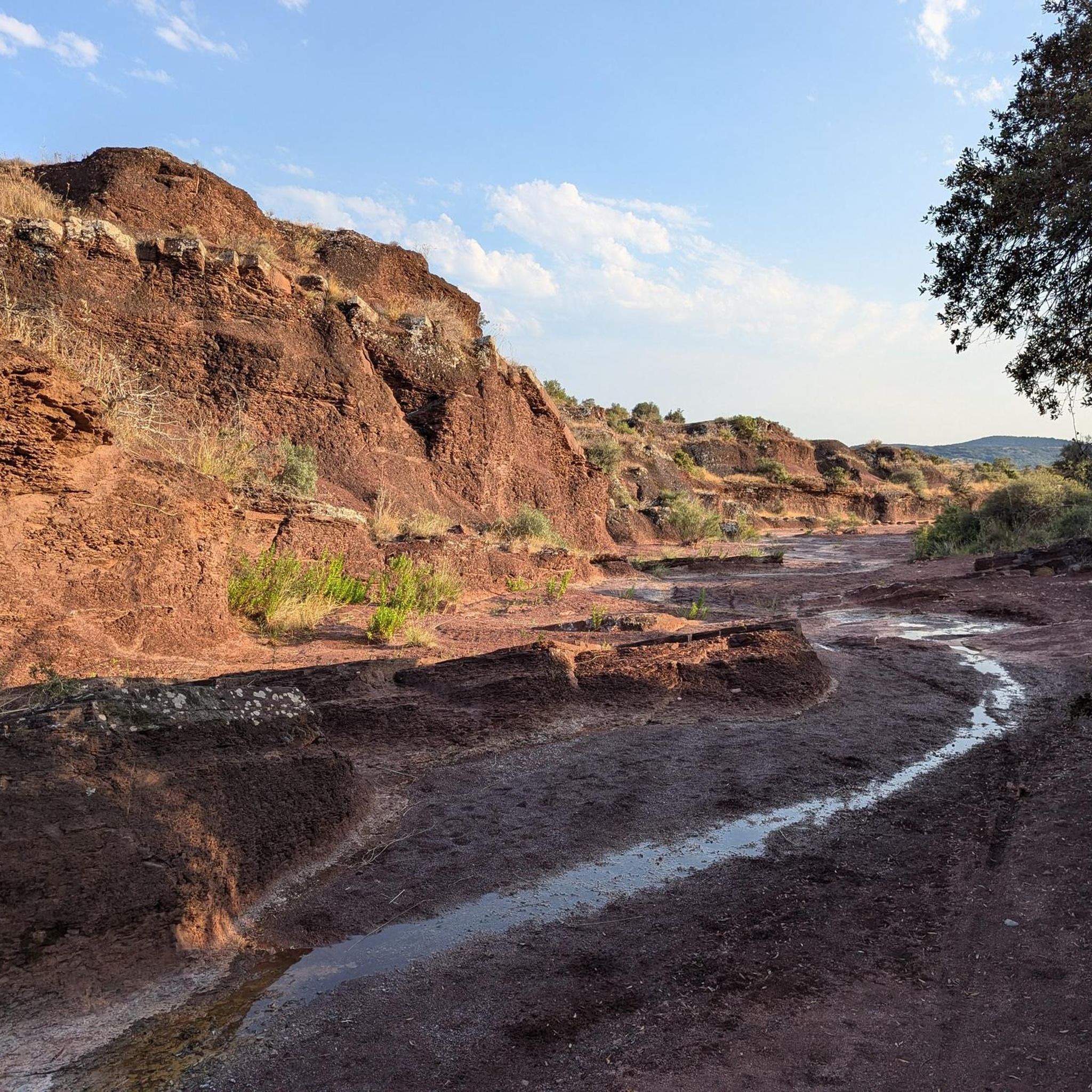
The Salagou dam, located in Hérault, is a spectacular site surrounded by contrasting landscapes, where the red earth of the ruffes mixes with the blue waters of the lake. This dam, which created the famous Salagou lake, offers an ideal setting for nature and outdoor activity lovers. As you walk along the banks, you can admire the unique rock formations and enjoy panoramic views of the lake and the surrounding hills.
0
0

The whole hike was very enjoyable, with some wonderful views.
3
0

A wonderful landscape and a beautiful hiking trail.
5
0
Frequently Asked Questions
What are the most popular natural monuments to visit around Saint-Jean-De-La-Blaquière?
Among the most popular natural monuments, visitors highly recommend Les Fenestrettes – Views of the Cirque de l'Infernet, known for its stunning panoramas from a corbelled path. Another favorite is the Cirque de Mourèze Viewpoint, offering magnificent views of its unique rock formations. The Cirque de l'Infernet and Les Fenestrelles, Saint-Guilhem Trail also provides impressive landscapes for hikers.
What kind of natural features can I expect to see in this region?
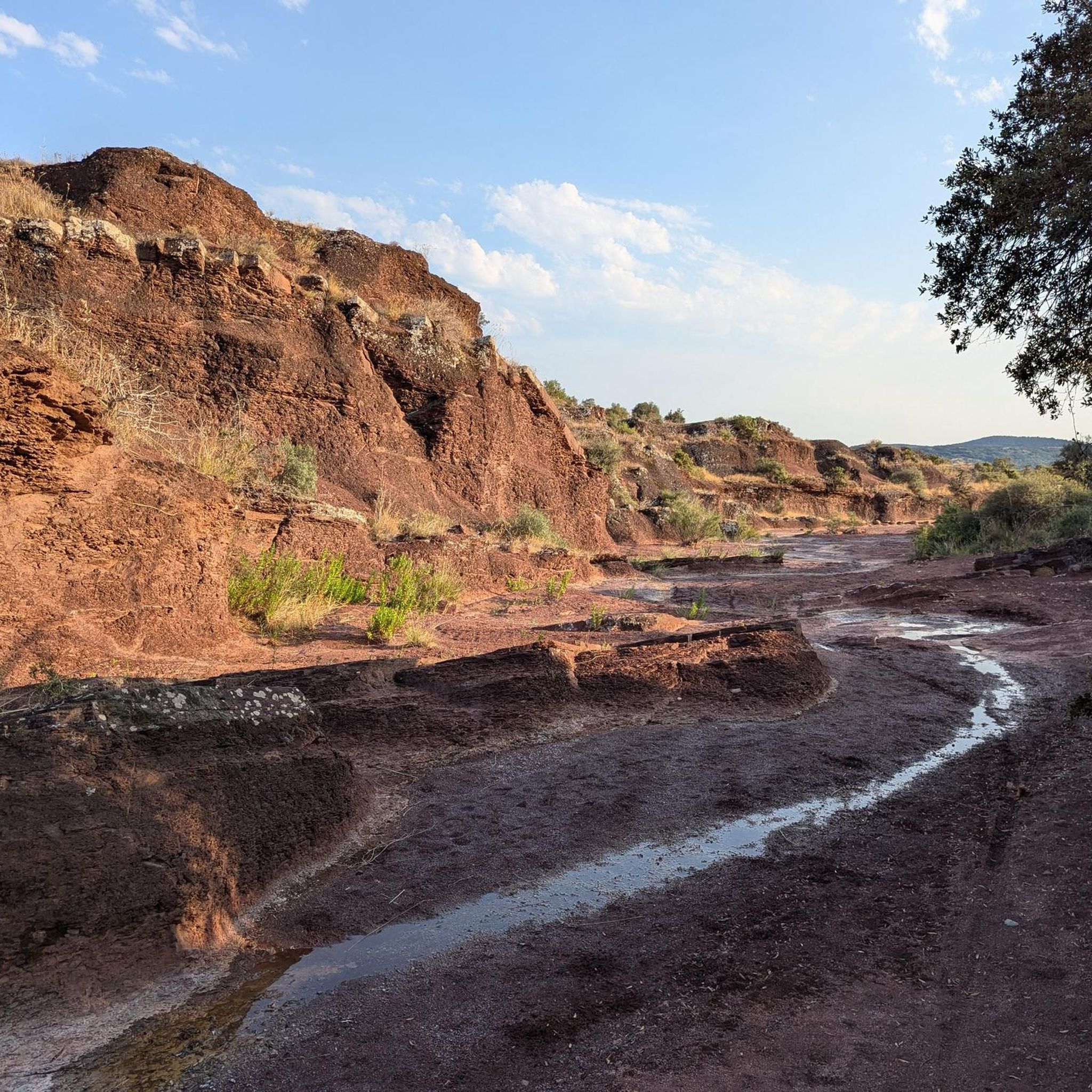
The region around Saint-Jean-De-La-Blaquière, particularly within the Parc Naturel Régional du Haut-Languedoc, is characterized by dramatic geological formations. You'll encounter spectacular rock formations like those in the Cirque de Mourèze, deep gorges such as the Cirque de l'Infernet, and the distinctive red earth known as 'ruffes' found in areas like the Canyon du Diable. There are also lakes, like Lake Salagou, and even caves, such as The Fairy Cave.
Are there family-friendly natural monuments or trails suitable for children?
While specific 'family_friendly' tags are not extensively listed for all natural monuments, the general area offers varied terrain. The Cirque de Mourèze has marked hiking trails ranging from easy loops, which could be suitable for families, to more challenging ascents. Lake Salagou, near the Cirque de Mourèze, is also a popular spot that can be enjoyed by families, offering opportunities for walks along its banks.
What is the best time of year to visit the natural monuments around Saint-Jean-De-La-Blaquière?
The Hérault department generally enjoys a Mediterranean climate. Spring and autumn are often ideal for visiting, as the weather is pleasant for hiking and exploring without the intense heat of summer. During these seasons, the landscapes are vibrant, and the temperatures are comfortable for outdoor activities. Summer can be very warm, making early morning or late afternoon visits preferable, while winter offers a different, quieter beauty, though some trails might be less accessible depending on conditions.
What outdoor activities can I do near these natural monuments?
The area is excellent for various outdoor activities. Hiking is very popular, with trails leading to viewpoints like the Cirque de Mourèze Viewpoint and through gorges like the Cirque de l'Infernet. Cycling is also a great option, with routes around Lake Salagou and through the surrounding hills. You can find many cycling routes in the area, including those listed in the Cycling around Saint-Jean-De-La-Blaquière guide. For runners, there are dedicated Running Trails around Saint-Jean-De-La-Blaquière, including loops around the Roc des Deux Vierges.
Are there specific hiking trails recommended for experiencing the natural monuments?
Yes, several trails offer excellent ways to experience the natural monuments. The Cirque de l'Infernet and Les Fenestrelles, Saint-Guilhem Trail is highly recommended for its scenic hike through rocky terrain. For panoramic views, consider the 13.2 km loop trail from Saint-Jean-de-la-Blaquière that passes by the Roc des Deux Vierges. Many other trails are available for different sports; you can explore them in the Running Trails around Saint-Jean-De-La-Blaquière guide.
What are the geological highlights of the Saint-Jean-De-La-Blaquière area?
The region is a geological marvel, primarily known for the 'forest of stones' in the Cirque de Mourèze, where erosion has sculpted gigantic dolomite rocks into unique shapes. Another significant feature is the 'ruffes,' a distinctive red, silty earth composed of sand, silt, and clay, which creates the vibrant red landscapes seen in places like the Canyon du Diable and around Lake Salagou. These formations are part of the unique geological history of the Hérault region.
Is there parking available at the natural monument sites?
While specific parking details for every site are not provided, natural monuments like the Cirque de Mourèze are generally accessible with designated parking areas for visitors. For popular hiking destinations such as the Roc des Deux Vierges, trails often start from parking lots in nearby villages or at the base of the monument. It is advisable to check local signage upon arrival.
What makes the Cirque de Mourèze unique?
The Cirque de Mourèze is unique due to its 'forest of stones,' a vast area where erosion has sculpted dolomite rocks into bizarre and impressive formations over 340 hectares. Visitors often describe these formations as resembling animals or mythical figures. The distinct golden sand ('grésou') and the aromatic Mediterranean vegetation like pine, rosemary, and immortelle further enhance the immersive experience of this natural open-air museum.
What is the significance of the 'ruffes' in the region?
The 'ruffes' are a significant geological feature, characterized by their vibrant red color and composition of sand, silt, and clay. They create visually stunning and unique landscapes, particularly evident in the Canyon du Diable and around Lake Salagou. Beyond their aesthetic appeal, the 'ruffes' also contribute to the unique character of the local wines, adding to the region's natural and cultural heritage.
Are there any cultural or historical sites near the natural monuments?
Yes, the natural heritage of Saint-Jean-de-la-Blaquière is intertwined with historical elements. For instance, the popular 13.2 km loop trail to the Roc des Deux Vierges also passes by the Saint-Fulcran Chapel, offering a blend of natural beauty and historical interest. Additionally, the Les Fenestrettes path was originally built by the monks of Saint-Guilhem, adding a historical dimension to the natural gorge.
What do visitors enjoy most about the natural monuments in this area?
Visitors consistently praise the impressive rock formations and magnificent views, especially from viewpoints like the Cirque de Mourèze Viewpoint. The unique landscapes, such as the 'forest of stones' and the red 'ruffes,' are frequently highlighted. Many also appreciate the opportunity for scenic hikes through varied terrain, often describing the experience as a 'wonderful landscape' and a 'beautiful hiking trail' that offers 'sensational views'.
Most popular routes around Saint-Jean-De-La-Blaquière
Most popular attractions around Saint-Jean-De-La-Blaquière

Get inspired with the komoot mobile app


Explore more
Extend your search for the best caves by checking out these guides of the top ones around Saint-Jean-De-La-Blaquière:
