Top 4 Natural Monuments around Dénezé-Sous-Doué
Best natural monuments around Dénezé-Sous-Doué include a landscape rich in both natural features and ancient human history. This commune in the Saumur region of France is characterized by its megalithic structures, such as dolmens and menhirs, which stand as significant natural monuments. The area also features diverse natural settings like forests and lakes, offering varied outdoor experiences. These sites provide insight into prehistoric human interaction with the environment and showcase the region's geological heritage.
Best natural monuments around Dénezé-Sous-Doué
- The…
Last updated: May 23, 2026
Étang de Joreau
Highlight • Lake
Translated by Google •
Tip by

Bajoulière Dolmen
Highlight • Natural Monument
Translated by Google •
Tip by

Sign up now to discover places like this
Get recommendations on the best single tracks, peaks, & plenty of other exciting outdoor places.
Sign up for free
Marson woods and heathlands
Highlight • Forest
Translated by Google •
Tip by

Gallo-Roman Amphitheater Gennes
Highlight • Historical Site
Enjoy the past.
Translated by Google •
Tip by

Fountains of Doué la Fontaine
Highlight • Structure
Translated by Google •
Tip by
Start today with a free account
Your next adventure awaits.
Login or Signup

Tips from the Community

This highlight is literally a source of history. Doué is originally Celtic and means source or fountain. At this location you are standing in front of the largest water basin in the area. Take a dive into the past by taking note of the information panels. They take you back in time chronologically. In other words, a cool place with a special place.
4
0
Nice site. This can only be visited at walking pace. A small tour takes you back in time. Information panels accompany your visit. Enjoy the past. Historical context: In the 1st century BC, the influence of the Roman Empire extended to Gaul, where in Anjou the Andes and their leader Dumnacus were crushed by the Romans. In Gennes, there have been several excavations and have revealed, among other things, a large Gallo-Roman settlement and an amphitheatre. The Gennes amphitheatre could seat approximately 5,000 spectators. It was discovered in 1806 and excavated from 1862 onwards. The Gallo-Roman theatre-amphitheatre is classified as a historical monument.
4
0


Beautiful Dolmen with picnic area
0
0

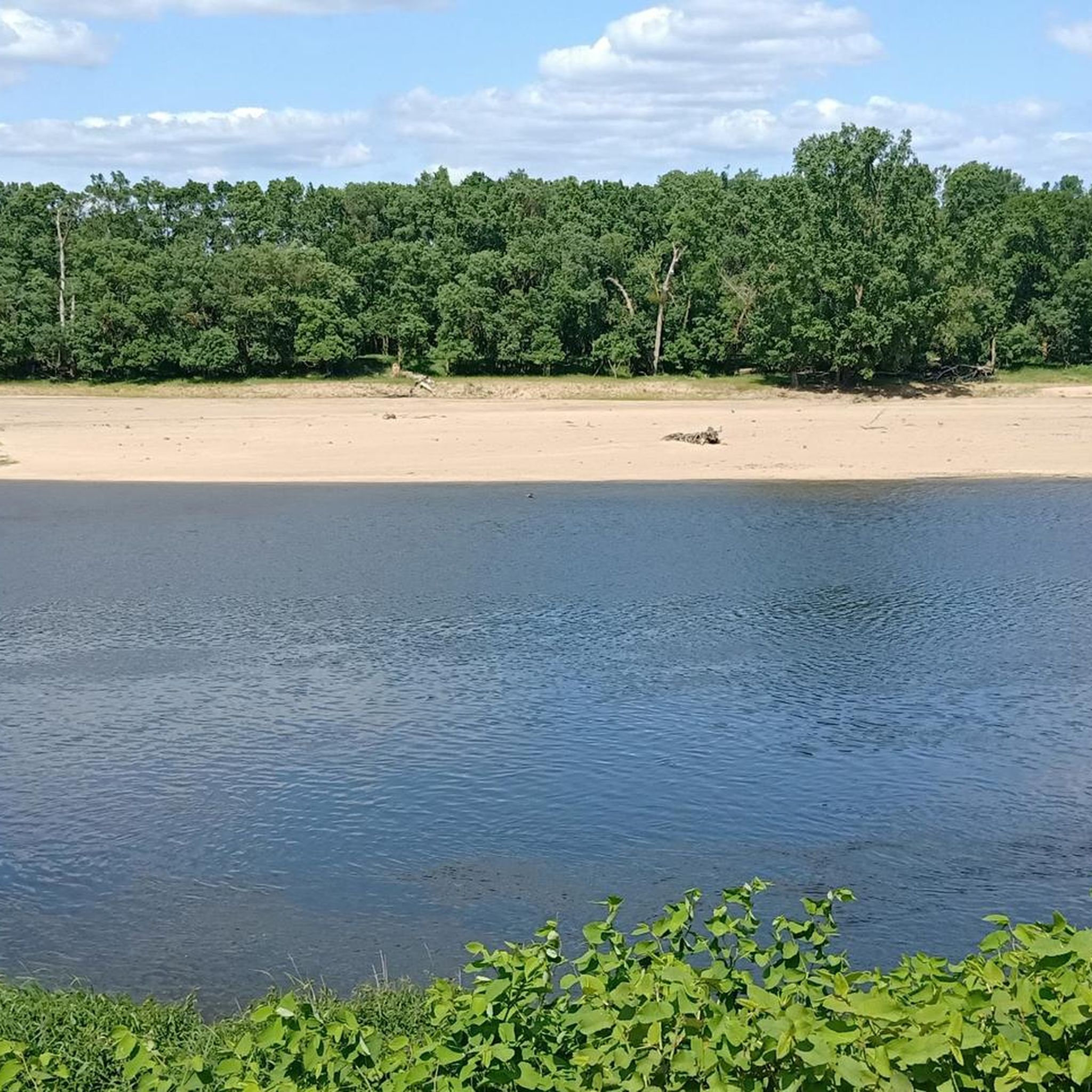
The Joreau pond is part of the Loire-Anjou-Touraine regional natural park. Created by monks for fish farming purposes in the 18th century, it now hosts many walks.
1
0

The woods and moors of Marson constitute a large territory with a preserved natural setting, just to the east of Saumur. At its heart, the pond of Marson is a small paradise for experienced fishermen. Crossed by the famous GR 3, the body of water is also a delight for hikers who, during the summers, seek a corner of freshness.
0
0

This covered stone is quite spectacular. The place is superb and can serve as a starting point to enjoy the surrounding paths. It is also an ideal place to spend a night in bivouac.
0
0

The monumental slab of this dolmen measures more than 7m with a thickness of 70 to 90 cm for an estimated weight of 70 tons. This monument would have served as a chapel in the 12th century.
1
0
Frequently Asked Questions
What are some of the most impressive natural monuments to visit in Dénezé-Sous-Doué?
The region around Dénezé-Sous-Doué is rich in both natural beauty and ancient human history. You can explore the impressive Bajoulière Dolmen, a monumental megalithic structure with a slab weighing an estimated 70 tons. Another significant site is the Étang de Joreau, a tranquil lake within the Loire-Anjou-Touraine regional natural park, perfect for relaxing walks. Don't miss the Marson woods and heathlands, offering a preserved natural setting ideal for hikers and fishermen.
What unique geological features can I explore in the Dénezé-Sous-Doué area?
The area is particularly known for its megalithic structures, such as the Dolmen de Saugré (Pierre Couverte) and the Dolmen de Chavais (Pierre Péteuse), which are impressive examples of ancient human interaction with massive stone formations. These dolmens showcase the region's geological heritage through their monumental blocks. Additionally, the Étang de Joreau and the Marson woods and heathlands offer diverse natural settings with forest vegetation and water features.
Are there any historical natural monuments in Dénezé-Sous-Doué?
Yes, the megalithic sites are prime examples of historical natural monuments. The Bajoulière Dolmen, for instance, is not only a natural monument but also a historical site, believed to have served as a chapel in the 12th century. The Dolmen de Saugré and Dolmen de Chavais are also significant Neolithic testimonies, offering a glimpse into prehistoric construction techniques and presumed funerary functions. While not purely natural, the enigmatic Cave aux Sculptures is a unique historical and artistic site carved into natural tuffeau limestone, dating from the 15th to 17th centuries.
What makes the megalithic sites in Dénezé-Sous-Doué significant?
The megalithic sites, such as the Dolmen de Saugré, Dolmen de Chavais, and Menhir de La Virolais, are significant because they represent the technical mastery and collective effort of Neolithic builders. These structures, like the Dolmen de Saugré with its capstone measuring approximately 5 by 6 meters and weighing tens of tons, demonstrate advanced organization and rudimentary lifting methods. They offer a direct link to the prehistoric past, illustrating early human interaction with the natural landscape and their engineering prowess, often with symbolic or ritualistic dimensions.
Are there family-friendly natural monuments around Dénezé-Sous-Doué?
Absolutely! The Étang de Joreau is highly recommended for families, offering picnic areas, fishing opportunities, and easy walks through the surrounding woods. It's a relaxing environment where you can observe various birds. The Bajoulière Dolmen also has a picnic area, making it a good spot for a family outing. The Marson woods and heathlands provide a preserved natural setting suitable for family hikes.
What is the best time of year to visit the natural monuments in Dénezé-Sous-Doué?
The natural monuments in Dénezé-Sous-Doué can be enjoyed throughout much of the year. Spring and autumn generally offer pleasant temperatures for outdoor activities like walking and exploring the megalithic sites. During the summers, the Marson woods and heathlands, particularly around the pond of Marson, can provide a refreshing escape. For observing wildlife, especially birds around the Étang de Joreau, binoculars are recommended year-round.
Can I bring my dog to the natural monuments in Dénezé-Sous-Doué?
While specific regulations for each site may vary, generally, natural outdoor areas like the Étang de Joreau and the Marson woods and heathlands are often dog-friendly, especially on trails, provided dogs are kept on a leash. For historical sites like the Bajoulière Dolmen, it's usually acceptable to have dogs in outdoor areas. Always ensure to clean up after your pet to preserve the natural environment for everyone.
Where can I find parking when visiting these natural monuments?
Many natural monuments and outdoor sites in the Dénezé-Sous-Doué area, especially those popular with visitors, typically have designated parking areas nearby. For instance, the Bajoulière Dolmen is noted as having a superb location that can serve as a starting point, implying accessible parking. For places like the Étang de Joreau and Marson woods and heathlands, parking is usually available at main access points or trailheads.
How long should I plan for a visit to the natural monuments?
The duration of your visit can vary depending on the site. For individual megalithic sites like the Bajoulière Dolmen, a visit might take 30 minutes to an hour, especially if you enjoy a picnic. For larger areas like the Étang de Joreau or the Marson woods and heathlands, you could easily spend a half-day or more, enjoying walks, fishing, or simply relaxing in nature. If you plan to visit multiple sites, consider dedicating a full day.
What outdoor activities can I do near the natural monuments in Dénezé-Sous-Doué?
The region offers a variety of outdoor activities. You can enjoy road cycling on routes like the 'View of the Loire – Le Thoureil Village loop' or 'Bouvet Ladubay Cellar loop'. For mountain biking, trails such as 'Marson Castle – Butte de Pufujuin loop' or 'Étang de Joreau – Single de la coulée de Verdois loop' are available. Gravel biking is also popular, with routes like 'Château de Saumur – Saumur loop'. You can find more details on these activities in the Road Cycling Routes around Dénezé-Sous-Doué, MTB Trails around Dénezé-Sous-Doué, and Gravel biking around Dénezé-Sous-Doué guides.
Are there specific hiking trails associated with these natural monuments?
Yes, several natural monuments are integrated into hiking networks. The Marson woods and heathlands are notably crossed by the famous GR 3 hiking trail, making it a delight for hikers. Around the Étang de Joreau, you can find easy and pleasant walks through the woods, with a health course available for the more sporty. The area around the Bajoulière Dolmen also serves as a starting point to enjoy surrounding paths.
What do visitors particularly enjoy about the natural monuments in Dénezé-Sous-Doué?
Visitors appreciate the blend of natural beauty and historical significance. The monumental scale of the Bajoulière Dolmen is often highlighted as spectacular, with its superb location. The Étang de Joreau is loved for its relaxing environment, picnic areas, and opportunities for observing wildlife. The preserved natural setting of the Marson woods and heathlands, especially for hiking and fishing, also receives positive feedback.
Is there anything else unique or hidden to discover in the Dénezé-Sous-Doué area?
Beyond the prominent megaliths, the region holds unique treasures like the Menhir de La Virolais, also known as 'La Pierre qui Vire' (the turning stone), which is steeped in local folklore about nocturnal escapades and hidden treasure. Another truly unique site is the Cave aux Sculptures (Caves des Mousseaux), an enigmatic underground world with hundreds of figures carved into the tuffeau limestone, depicting a 'mad saraband' of demonic and angelic figures. Its origin and purpose remain a mystery, adding to its allure. You can learn more about it on Anjou Tourisme or Atlas Obscura.
Most popular routes around Dénezé-Sous-Doué
Most popular attractions around Dénezé-Sous-Doué

Get inspired with the komoot mobile app


Explore more
Extend your search for the best caves by checking out these guides of the top ones around Dénezé-Sous-Doué:
