Saint-Hippolyte-Le-Graveyron
Saint-Hippolyte-Le-Graveyron
Top 13 Natural Monuments around Saint-Hippolyte-Le-Graveyron
Best natural monuments around Saint-Hippolyte-Le-Graveyron are found in the surrounding Vaucluse department of Provence, France, as the village itself is a small base for exploration. This region features impressive geological formations and diverse ecosystems. Visitors can explore numerous spectacular natural sites, offering a blend of dramatic landscapes and rich biodiversity. The area provides many opportunities for outdoor activities amidst its unique natural features.
Best natural monuments around Saint-Hippolyte-Le-Graveyron
- The most popular natural monument is Bédoin Fairy Chimneys, a natural…
Last updated: July 3, 2026
Dentelles de Montmirail
Highlight • Natural Monument
Translated by Google •
Tip by

Bédoin Hoodoos
Highlight • Natural Monument
Translated by Google •
Tip by

Sign up now to discover places like this
Get recommendations on the best single tracks, peaks, & plenty of other exciting outdoor places.
Sign up for free
Lake Paty
Highlight • Lake
Translated by Google •
Tip by

Rocher de Rocalinaud
Highlight • Natural
Translated by Google •
Tip by

Grozeau Resurgence
Highlight • Natural Monument
Translated by Google •
Tip by

Sign up for free to discover even more natural monuments around Saint-Hippolyte-Le-Graveyron.
Sign up for free
Already have an account?
Start today with a free account
Your next adventure awaits.
Login or Signup
Popular around Saint-Hippolyte-Le-Graveyron
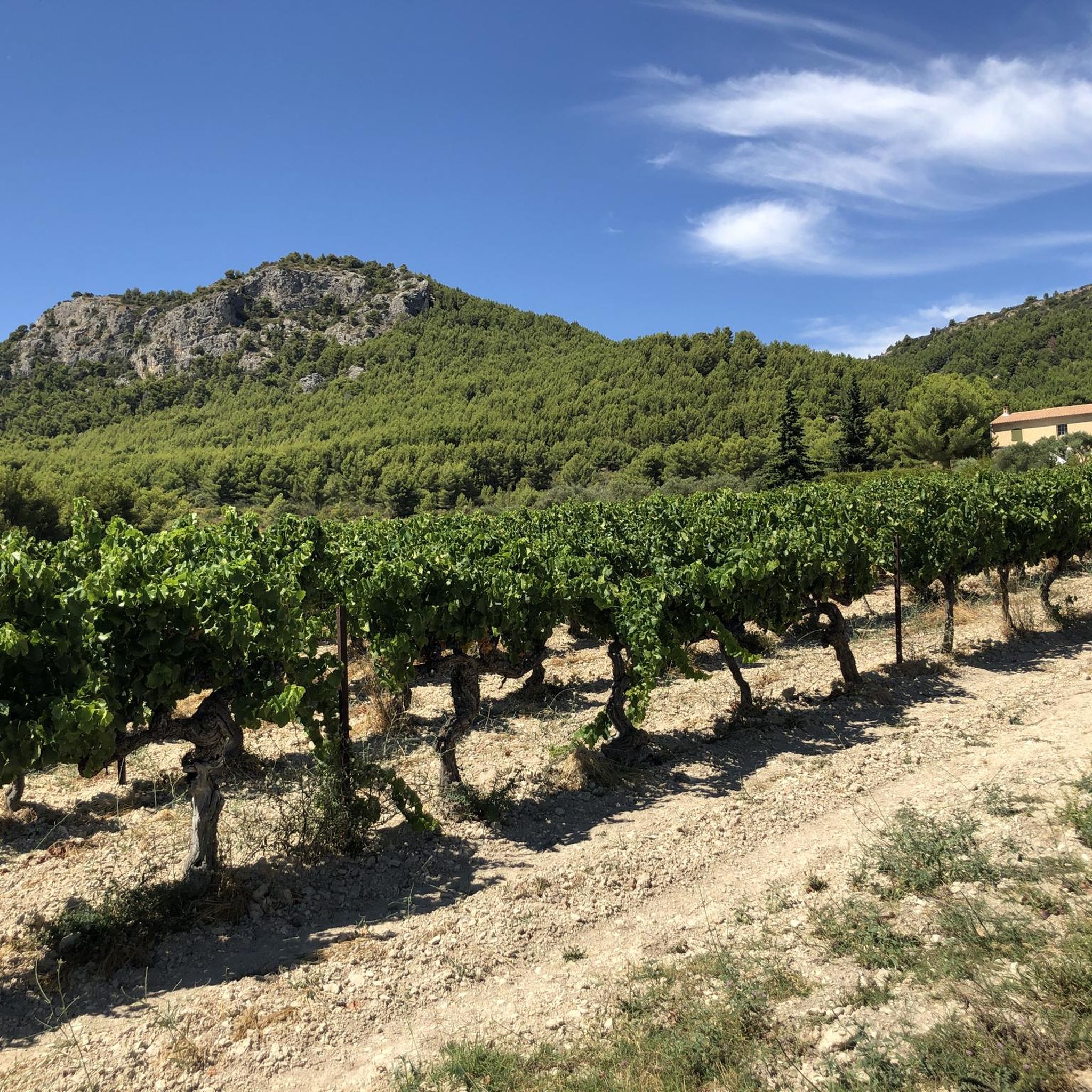
Cycling around Saint-Hippolyte-Le-Graveyron
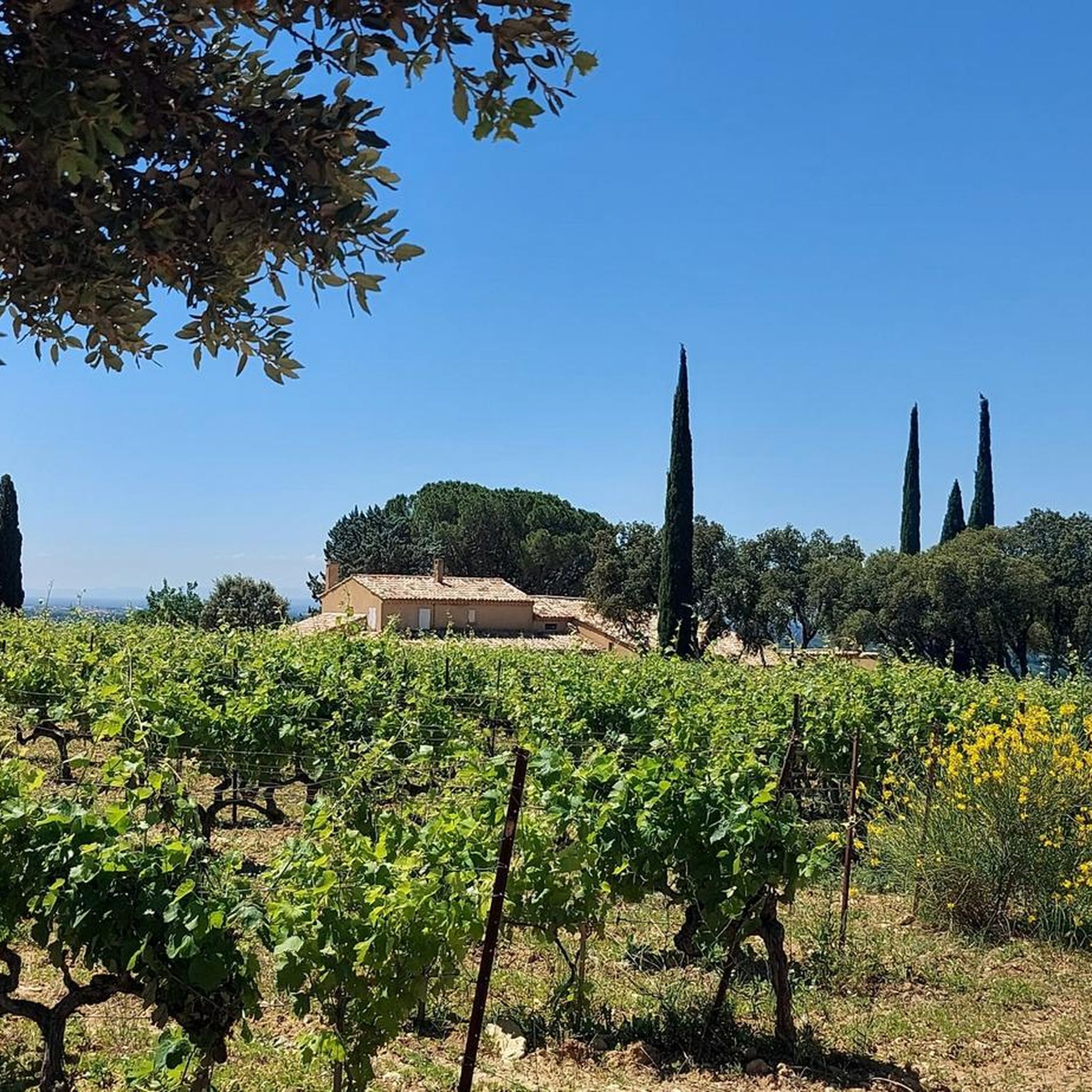
Road Cycling Routes around Saint-Hippolyte-Le-Graveyron
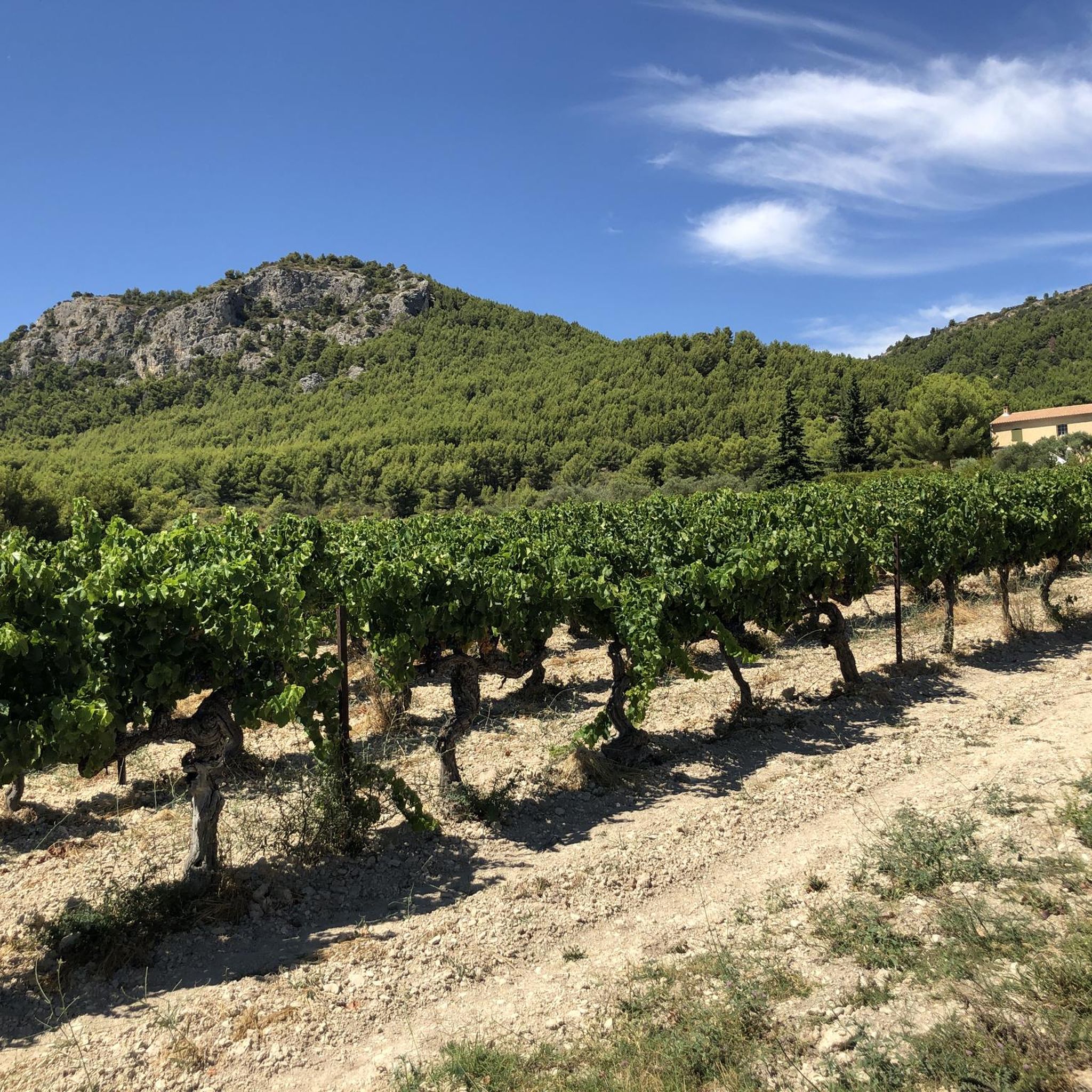
Hiking around Saint-Hippolyte-Le-Graveyron
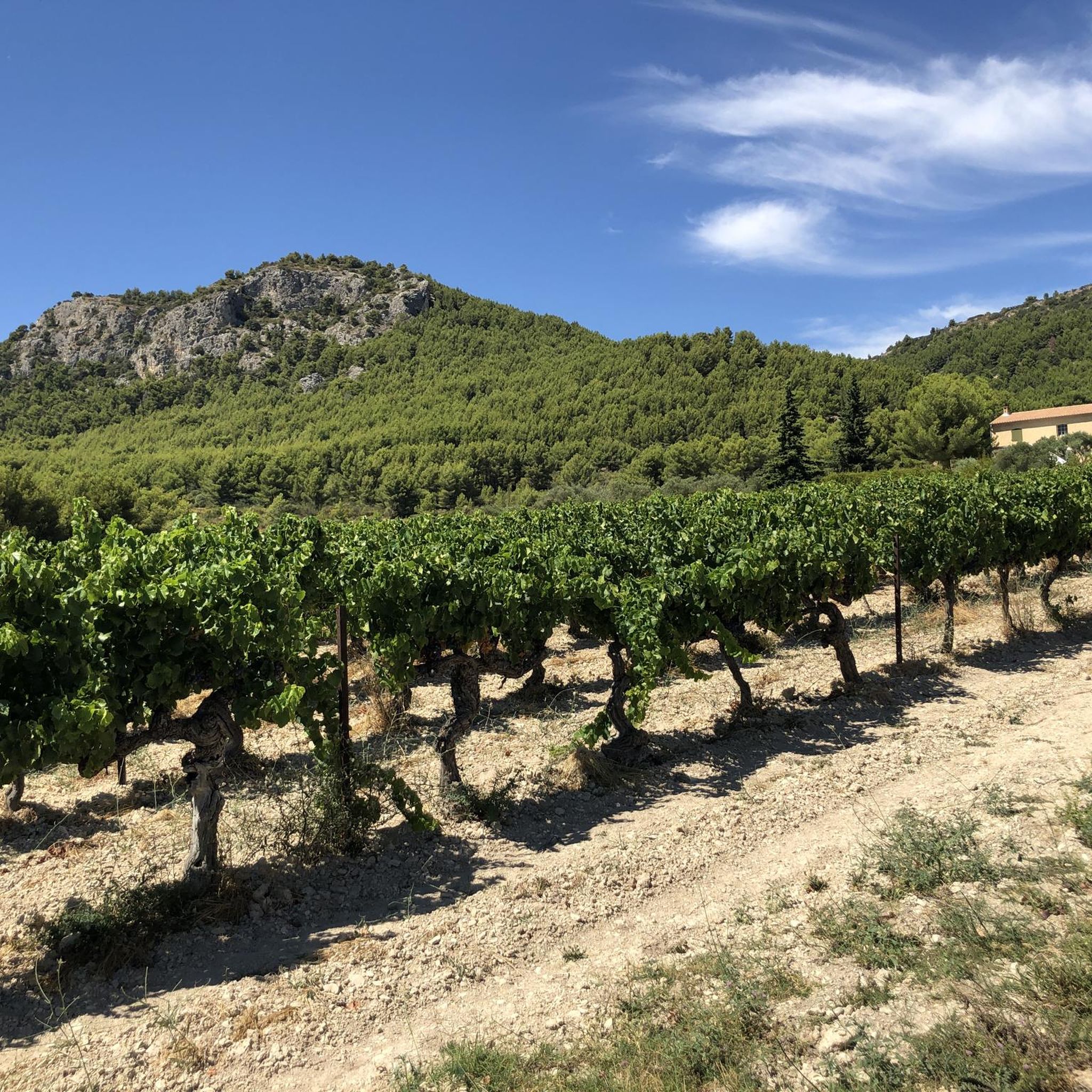
MTB Trails around Saint-Hippolyte-Le-Graveyron

Gravel biking around Saint-Hippolyte-Le-Graveyron
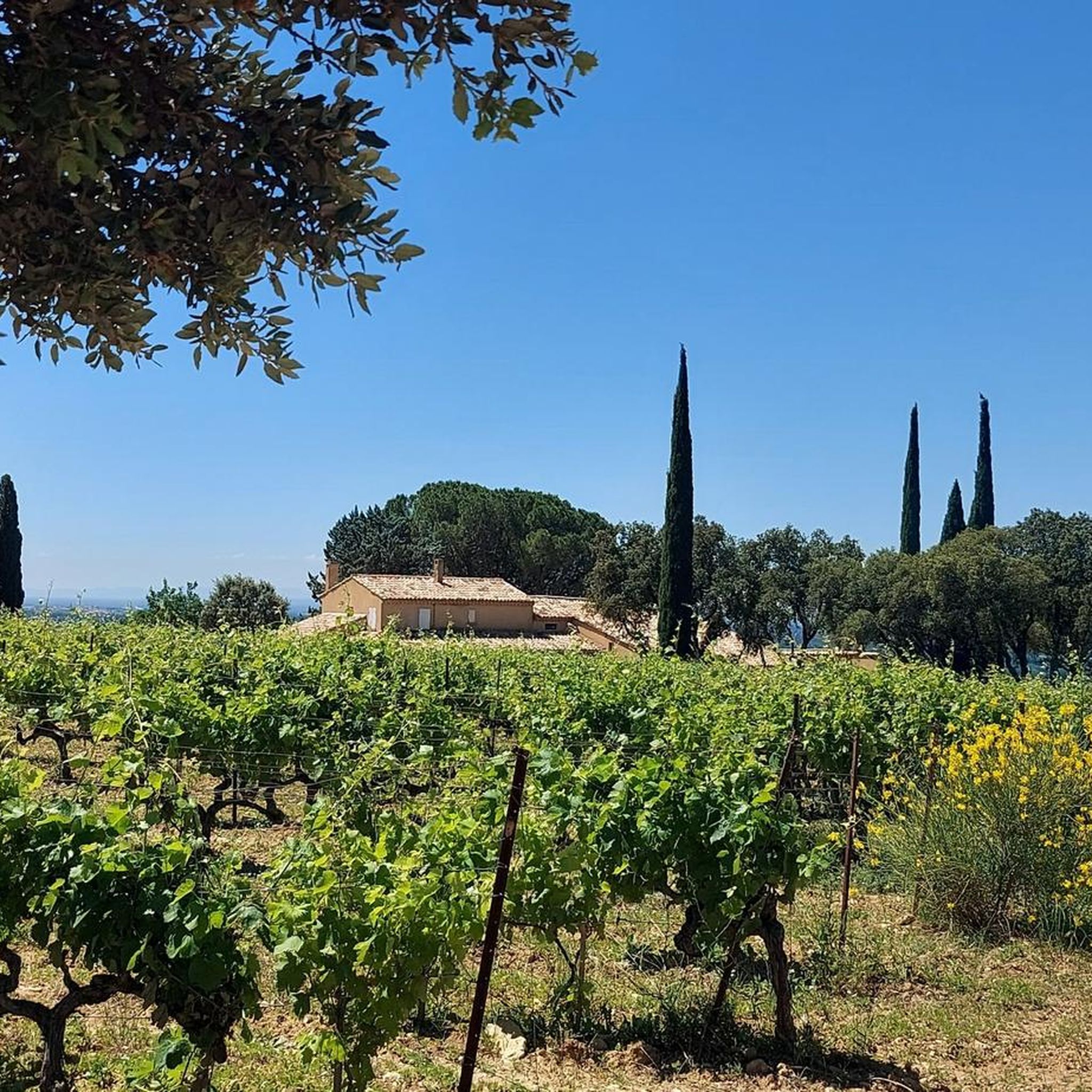
Running Trails around Saint-Hippolyte-Le-Graveyron
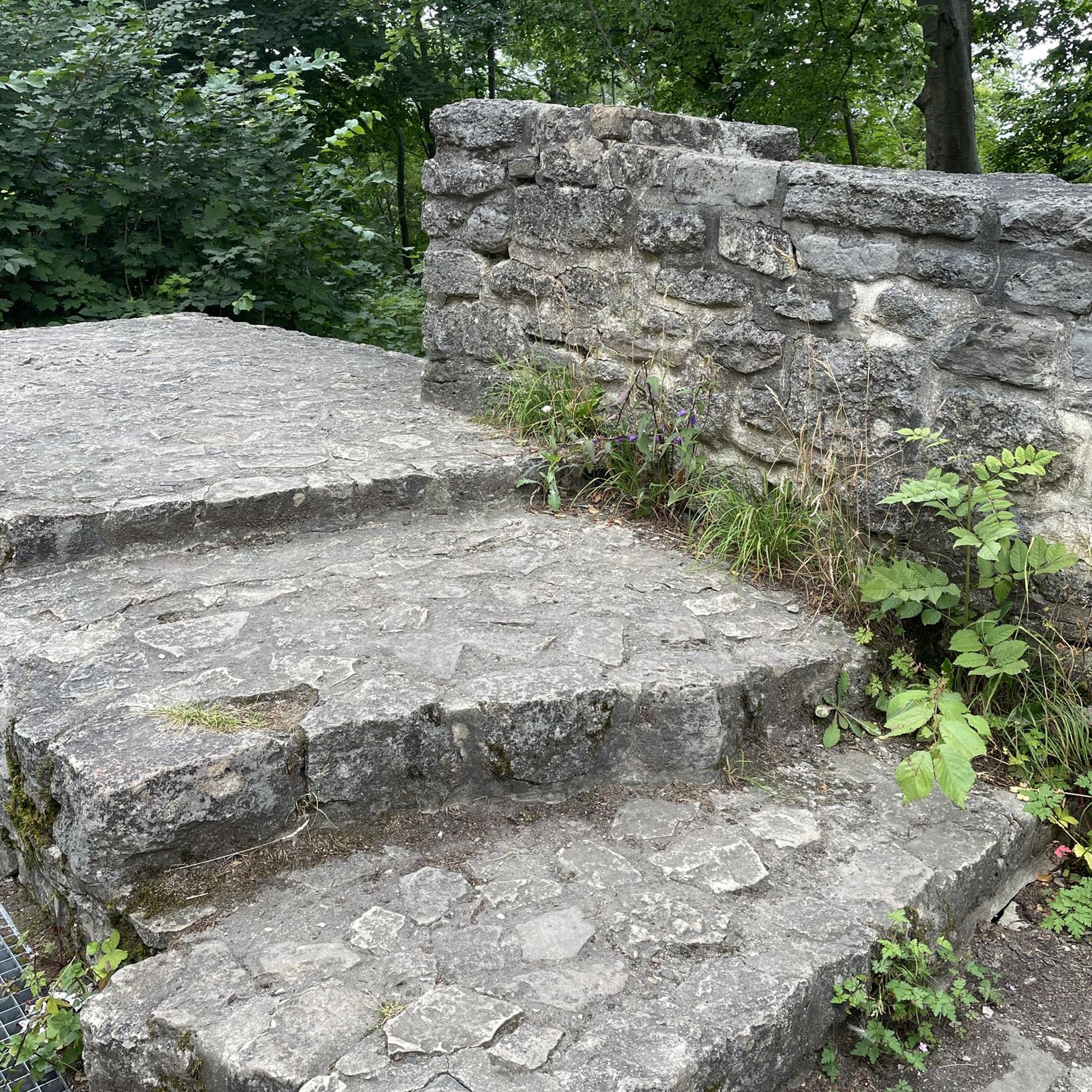
Mountain Hikes around Saint-Hippolyte-Le-Graveyron
Tips from the Community

Get off your bike and walk to the ocres and hoodoos.
0
0

The Rocalinaud Rock, also called the "Moon Rock," is a mass of sand formed by wind, rain, and humans over more than a million years. This rock is an unusual and enigmatic site, ideally located in the heart of a vineyard, east of the village of Beaumes-de-Venise. It is the remains of an underwater dune formed during the Miocene. Rocalinaud bears the shape of a strange, hooked beak.
1
0

a hike between scrubland and forest with magnificent landscapes
0
0

Perfect for relaxing your legs after the climb.
0
0


This spring flows in all seasons and it is highly recommended to stop there to quench your thirst.
1
0

Beautiful spring, the little sister of the spring of Vaucluse and the Blautopf in the Swabian Alb.
0
0
It is a unique geological curiosity in the region that is definitely worth a visit.
2
1
Frequently Asked Questions
What are some of the most impressive natural monuments to visit near Saint-Hippolyte-Le-Graveyron?
The region around Saint-Hippolyte-Le-Graveyron, in the Vaucluse department of Provence, offers several spectacular natural sites. Among them are the dramatic Dentelles de Montmirail, known for their jagged, 'lace-like' peaks, and the unique Bédoin Fairy Chimneys, which are large natural columns sculpted by erosion. Another notable site is the Rocher de Rocalinaud, an ancient underwater dune with a natural window offering panoramic views.
Are there family-friendly natural monuments around Saint-Hippolyte-Le-Graveyron?
Yes, several natural monuments are suitable for families. The Bédoin Fairy Chimneys are considered family-friendly, offering an unexpected natural curiosity with colorful sand formations. Additionally, Lake Paty is a beautiful spot with facilities, perfect for a relaxing day out with the family, including swimming opportunities.
What kind of outdoor activities can I do near these natural monuments?
The area around Saint-Hippolyte-Le-Graveyron is excellent for various outdoor activities. You can enjoy hiking, mountain biking, and climbing, especially around the Dentelles de Montmirail. Cycling is also very popular, with routes like the 'Old Ochre Quarries – Bédoin loop' for gravel biking or the 'Bédoin – Stunning view of Mont Ventoux loop' for road cycling. For more detailed route information, you can explore the gravel biking, cycling, and road cycling guides for the region.
What natural features characterize the region's monuments?
The natural monuments in this region are primarily characterized by impressive geological formations. You'll find dramatic limestone cliffs and jagged peaks, as seen in the Dentelles de Montmirail, and unique eroded structures like the Bédoin Fairy Chimneys. The area also features ancient underwater dunes, such as the Rocher de Rocalinaud, and diverse ecosystems ranging from Mediterranean vegetation to high-mountain environments on Mont Ventoux.
What is the best time of year to visit the natural monuments around Saint-Hippolyte-Le-Graveyron?
The best time to visit is generally from spring to autumn (April to October) when the weather is pleasant for outdoor activities like hiking and cycling. During these months, the Nesque Riverbed in the Gorges de la Nesque is often dry, which is typical of its karstic landscape. Summer offers warm temperatures, ideal for swimming at places like Lake Paty. However, Mont Ventoux can be visited year-round, with its summit often snow-capped even outside of winter.
Are there any dog-friendly trails or natural monuments in the area?
While specific dog-friendly designations for each natural monument are not always explicit, many natural areas in Provence welcome dogs on trails, provided they are kept on a leash and owners clean up after them. For example, the general hiking areas around the Dentelles de Montmirail and the trails leading to the Bédoin Fairy Chimneys are often enjoyed by visitors with dogs. Always check local signage for any restrictions, especially in protected natural reserves.
What kind of wildlife can be observed in the natural monuments of this region?
The region's diverse ecosystems support a variety of wildlife. The Gorges de la Nesque and Mont Ventoux are both UNESCO Biosphere Reserves, home to rich flora and fauna. You might spot birds of prey like peregrine falcons and golden eagles in the Gorges de la Nesque and on Mont Ventoux. Mont Ventoux also hosts chamois, and the Dentelles de Montmirail are known to be a habitat for various birds, including the Eagle Owl.
Are there any historical or cultural sites within the natural monuments?
Yes, some natural monuments also hold historical significance. The Gorges de la Nesque, for instance, features prehistoric remains, including flint tools and pottery fragments, indicating human presence dating back 150,000 years. A notable historical site within the canyon is the troglodytic chapel of Saint Michel, dating from the 12th century, nestled under a rock overhang.
Is Mont Ventoux considered a natural monument and what makes it special?
Yes, Mont Ventoux, often called the 'Giant of Provence' or 'The Bald Mountain,' is a prominent natural monument. It's the highest mountain in the Vaucluse department and is recognized as a UNESCO Biosphere Reserve. Its distinctive barren, limestone summit offers spectacular 360° panoramic views from the Alps to the Mediterranean Sea on clear days. It's also a legendary destination for cyclists, being a famous stage of the Tour de France, and provides diverse landscapes for hikers and nature lovers.
Are there any easy or accessible natural monuments for visitors with limited mobility?
While many natural monuments in the region involve trails and uneven terrain, some viewpoints and areas offer easier access. For example, the panoramic road (D942) along the Gorges de la Nesque has numerous viewpoints, including the Castellaras belvedere, which can be enjoyed without extensive hiking. Lake Paty also offers good accessibility with parking nearby and a relatively flat area around the lake, making it suitable for a more relaxed visit.
What amenities like cafes or restaurants are available near the natural monuments?
Amenities vary by location. Near Lake Paty, there is a small tavern where you can buy snacks, refreshments, pizza, and ice cream. For other natural monuments, it's often best to visit towns or villages nearby. For example, the villages at the base of Mont Ventoux or around the Dentelles de Montmirail will offer a selection of cafes and restaurants.
Are hiking permits required to visit the natural monuments around Saint-Hippolyte-Le-Graveyron?
Generally, hiking permits are not required for accessing the natural monuments and trails around Saint-Hippolyte-Le-Graveyron. However, it's always advisable to check for any specific regulations, especially within protected areas or private lands. For instance, some areas within the Dentelles de Montmirail might have specific rules or organized hunting on certain days, so inquiring locally beforehand is recommended.
Most popular routes around Saint-Hippolyte-Le-Graveyron
Most popular attractions around Saint-Hippolyte-Le-Graveyron

Get inspired with the komoot mobile app


Explore more
Extend your search for the best caves by checking out these guides of the top ones around Saint-Hippolyte-Le-Graveyron:
