Top 8 Natural Monuments around Velleron
Best natural monuments around Velleron include the unique resurgence of the Sorgue River and the varied landscapes of the Monts de Vaucluse foothills. Velleron is situated within the Mont-Ventoux Regional Natural Park, offering a blend of water features and wooded hills. The area is characterized by its emerald-green waters, lush riparian forests, and diverse Mediterranean vegetation. These significant natural sites provide opportunities for exploring the region's unique geology and biodiversity.
Best natural monuments around Velleron
- The most popular natural monuments…
Last updated: October 7, 2026
Fontaine-de-Vaucluse
Highlight • Monument
Translated by Google •
Tip by

Source of the Sorgue
Highlight • River
Translated by Google •
Tip by

Sign up now to discover places like this
Get recommendations on the best single tracks, peaks, & plenty of other exciting outdoor places.
Botanical trail
Highlight • Trail
Translated by Google •
Tip by

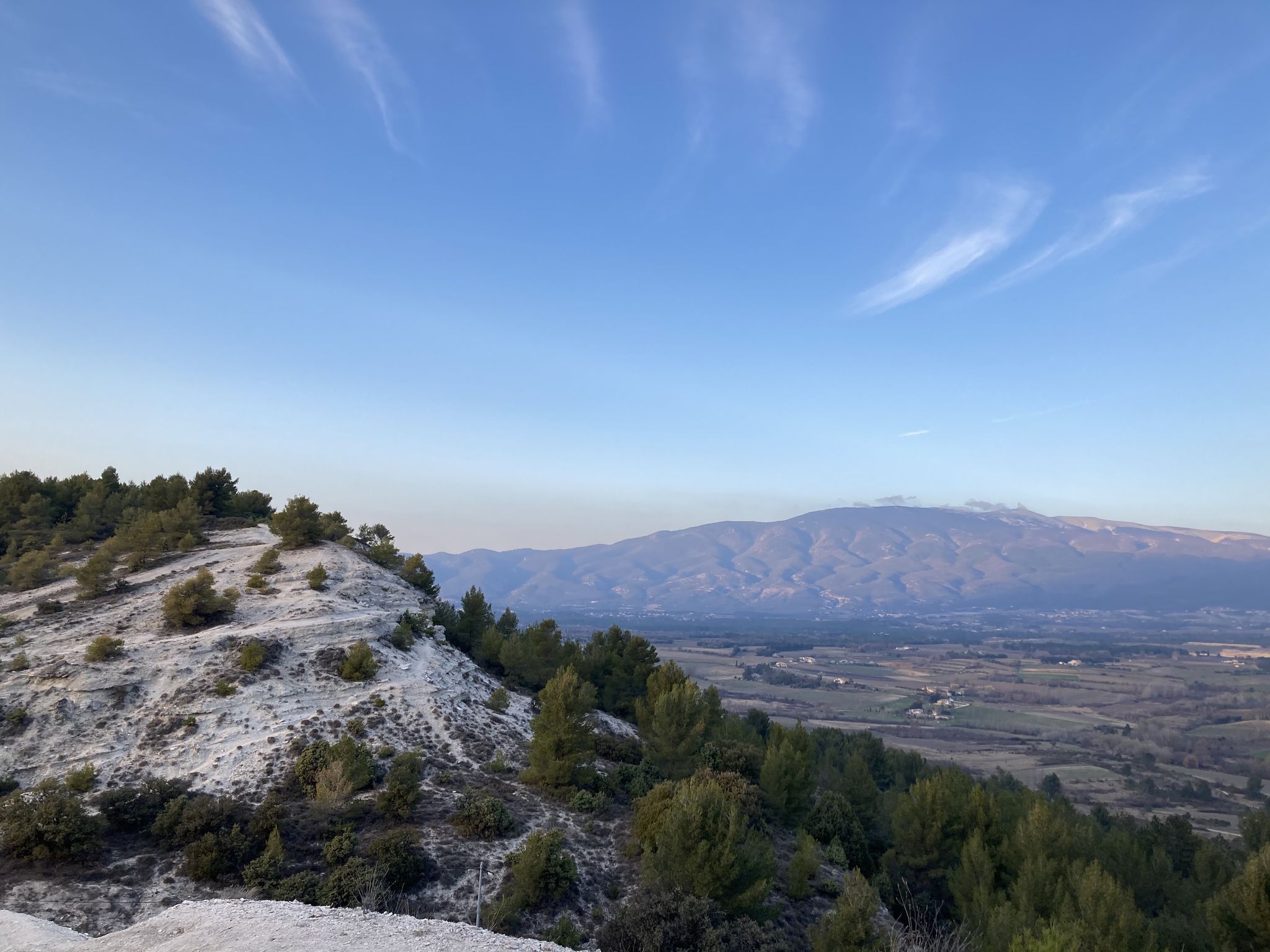
Obelisk With a View Over the Sorgue Valley
Highlight • Monument
Tip by

Sorgue Spring and view of Fontaine-de-Vaucluse
Highlight • River
Translated by Google •
Tip by

Sign up for free to discover even more natural monuments around Velleron.
Already have an account?
Start today with a free account
Your next adventure awaits.

Other adventures around Velleron

Tips from the Community

Power of the Sorgue at Fontaine de Vaucluse
0
0

The walking path is closed, but you can access it via the castle. Be careful, though, as the water level can change very quickly.
1
0

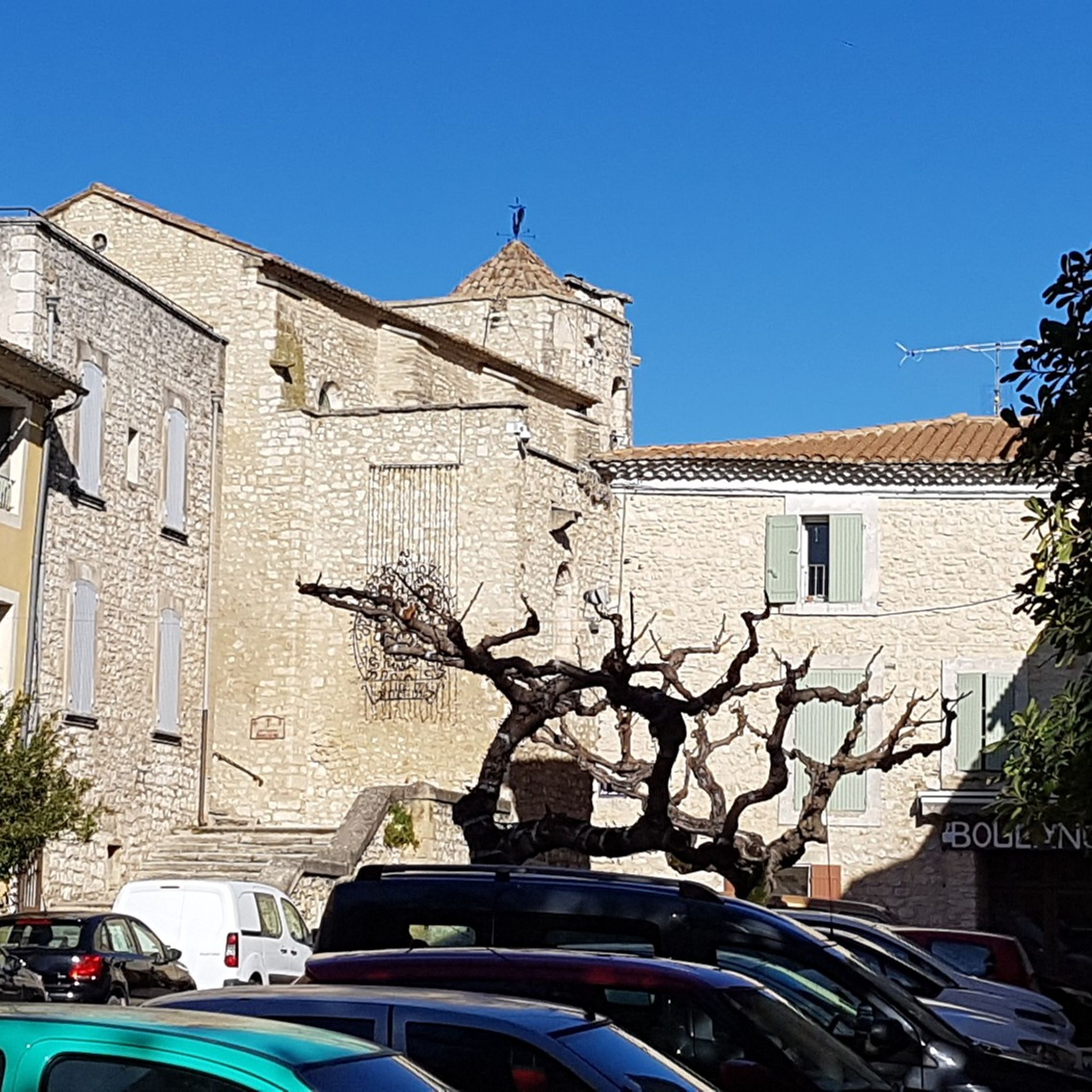
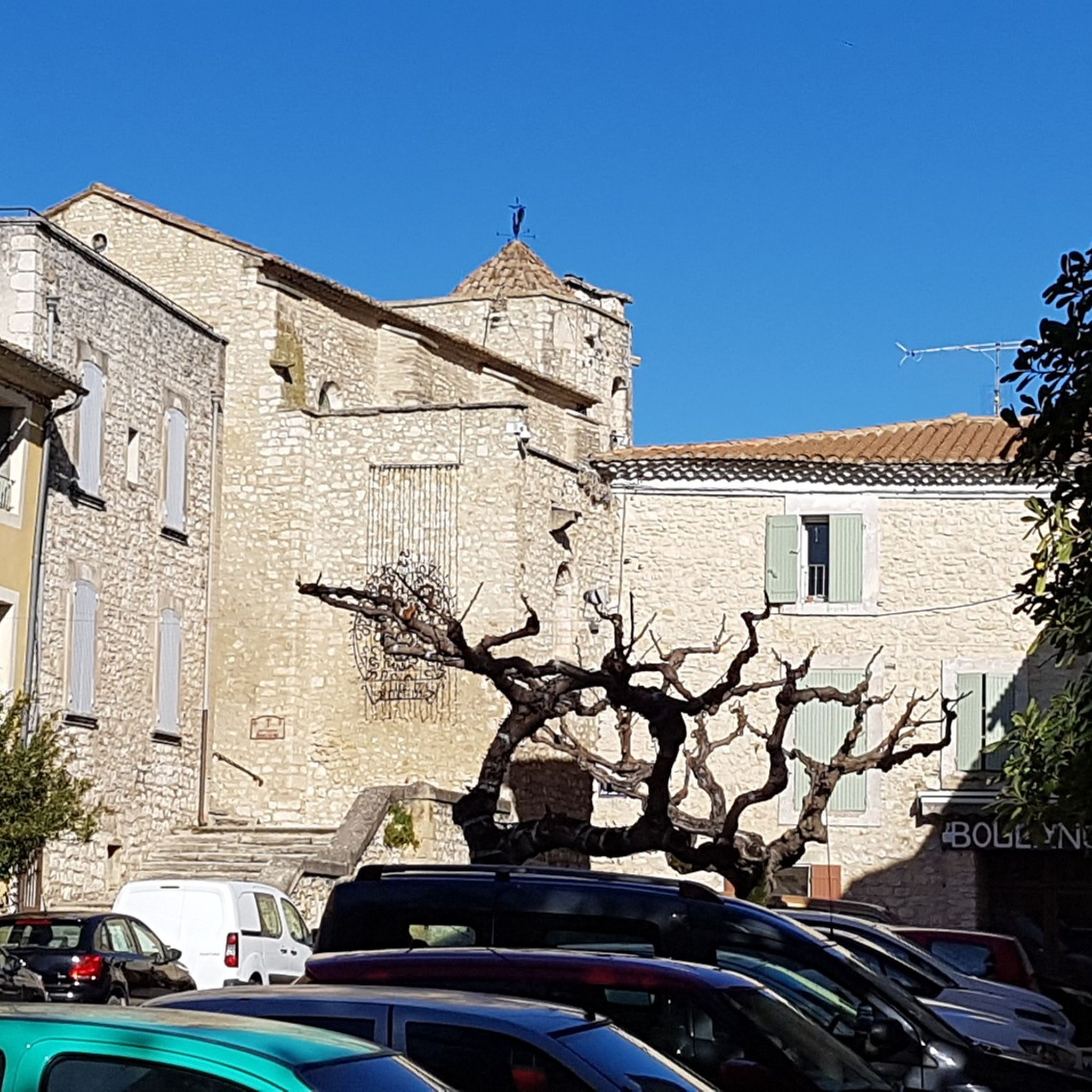
The place is the namesake of the department of Vaucluse. Until 1946, this was also the official name of the municipality. In order to avoid confusion, it was decided in that year to change the name to Fontaine-de-Vaucluse. Vaucluse is derived from the Latin "Vallis clausa" which means "closed valley". During the Middle Ages, the village church was a place of pilgrimage because of the tomb of Bishop Veranus of Cavaillon.
9
2

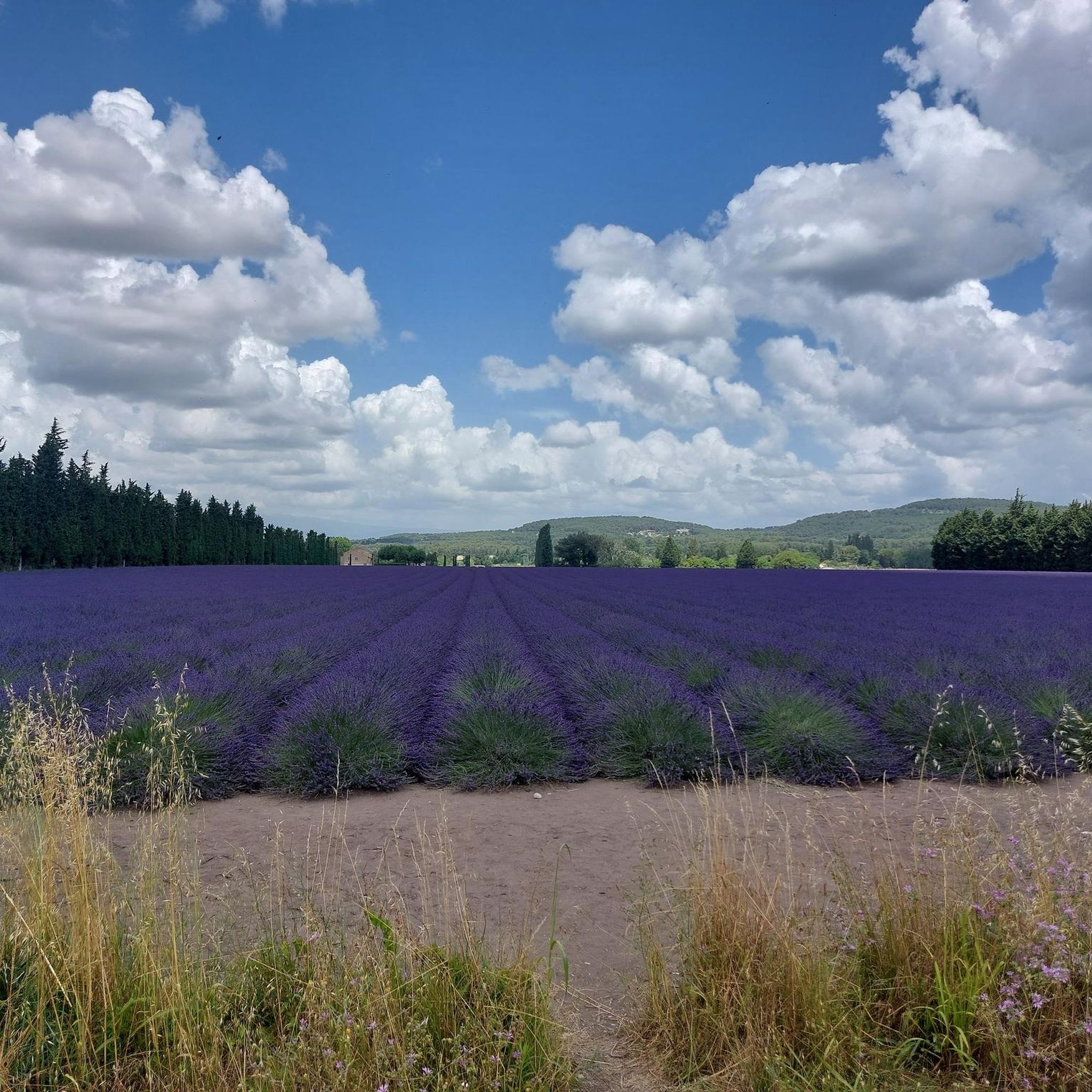
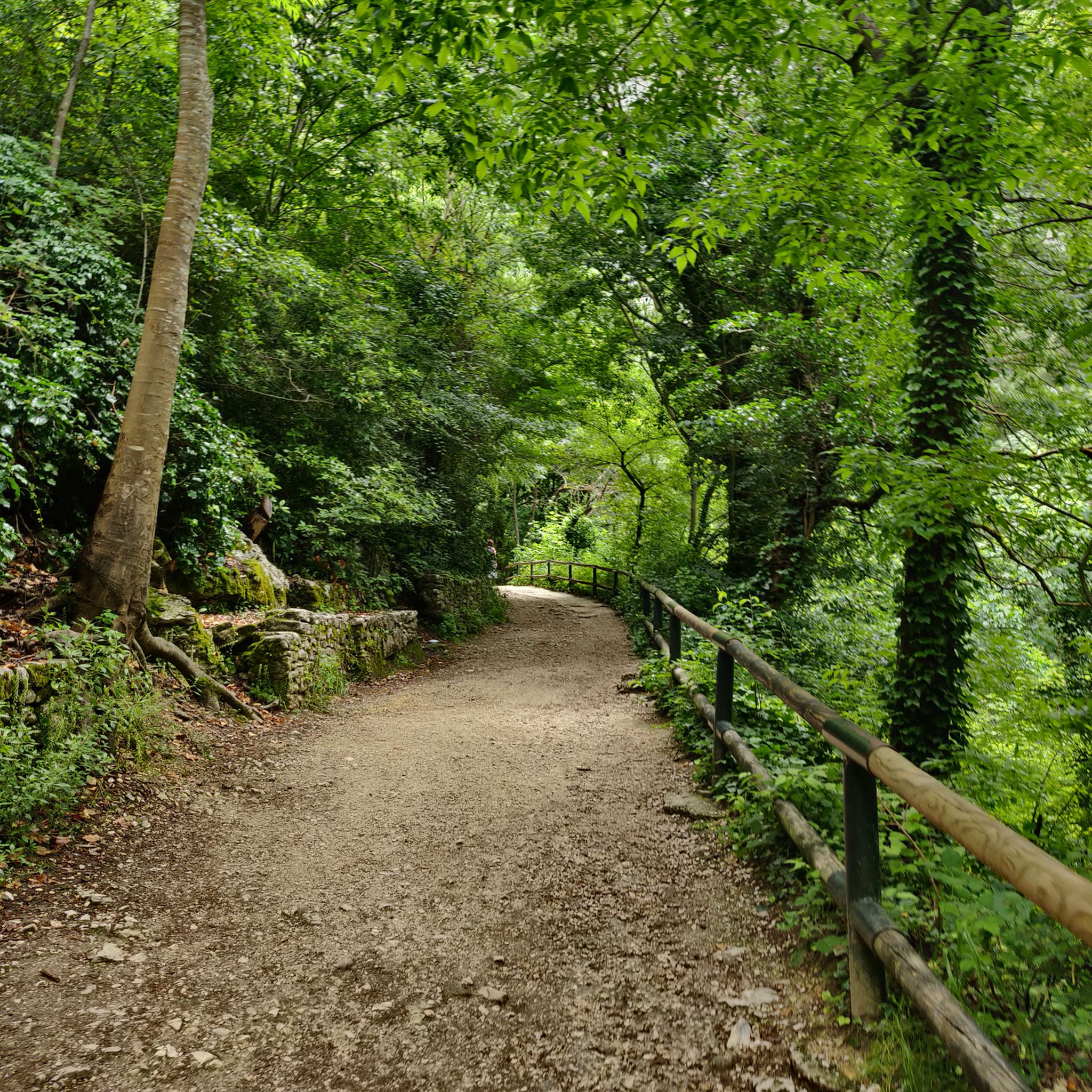
The Lagnes Botanical Trail offers an immersion in the nature of Vaucluse, with a rich diversity of trees such as holm oaks, Atlas cedars, and a remarkable pine forest. The site is also home to local wildlife, including the southern warbler. There we discover old cultivation terraces, dry stone walls, and grazing areas, testifying to ancient agricultural practices. The panorama of the Luberon and the Montmirail laces is spectacular.
0
0

It is in this village that springs from the rocks the source of the Sorgue which is the largest resurgence in Europe. The underground river rises from the depths above a vertiginous cliff 230 meters high. Its flow is enormous: it is ranked fifth in the world with an annual flow of 630 to 700 million cubic meters. The beauty of this natural site makes it one of the most visited places in the department. In the past, it attracted many poets and writers who came to meditate here: Pétrarque, Chateaubriand, Frédéric Mistral and René Char are some examples. A word of advice: in the middle of the tourist season, go visit the source early in the morning, because the flow of tourists is also important.
6
0

Built around 1030 (probably along with its church), a deed of donation mentions it in 1034, but the ruins date from the early twelfth century. The extraordinary place "Vallis Clausa", the closed valley, was the inspiration for the name Vaucluse.
3
0

The trail does not end at this monument but goes another 600 meters and eventually meets a department road from Saumane. That point is somewhat higher at 713 meters. The views from the monument are spectacular.
0
0

Source of the Sorgue from the Vaucluse.
0
0
Frequently Asked Questions
What are the most popular natural monuments to visit around Velleron?
One of the most popular natural monuments is Fontaine-de-Vaucluse, home to the source of the Sorgue River, which is the largest resurgence in Europe. Visitors also highly appreciate the Obelisk With a View Over the Sorgue Valley for its spectacular vistas, and the Source of the Sorgue for its vibrant water colors and distinct Provençal atmosphere.
Are there family-friendly natural monuments around Velleron?
Yes, several natural monuments are suitable for families. The area around Fontaine-de-Vaucluse, with the source of the Sorgue, is very popular and accessible. The Botanical trail near Lagnes offers an immersive experience in nature with diverse trees and wildlife, perfect for a family walk. The banks of the Sorgue River also provide gentle paths for strolls.
What unique natural features can I expect to see in the Velleron area?
Velleron is characterized by its stunning water features and wooded hills. The emerald-green waters of the Sorgue River, originating from the powerful spring at Fontaine-de-Vaucluse, are a highlight. You'll also find lush riparian forests along the riverbanks. The nearby foothills of the Vaucluse Mountains offer dense Mediterranean vegetation, including holm oaks and Provence cypress, within the Mont-Ventoux Regional Natural Park.
What kind of wildlife can be spotted near Velleron's natural monuments?
The Sorgue River is a Natura 2000 site, rich in biodiversity. Keep an eye out for beavers, otters, and kingfishers along the water's edge. In the wooded foothills of the Vaucluse Mountains, which are part of the Mont-Ventoux Regional Natural Park, protected bird species such as the Eurasian eagle-owl, Little Owl, and Wood Lark find their habitat.
Are there hiking or cycling routes near these natural monuments?
Absolutely! The region offers numerous opportunities for outdoor activities. You can explore the area on foot or by bike along the Sorgue River, for instance, on the Circuit des Blancas. The foothills of the Vaucluse Mountains provide excellent terrain for walks, hikes, and mountain biking. For more detailed routes, you can check out guides like MTB Trails around Velleron or Cycling around Velleron.
What is the Canal de Carpentras and is it worth visiting?
The Canal de Carpentras, while an artificial structure built in the 19th century for irrigation, has become an integral part of the natural landscape near Velleron. It offers charming, tranquil routes for walking and cycling, especially in spring. It's also part of the Via Venaissia, a departmental cycle route that allows you to explore typical Provençal villages, vineyards, and orchards under the sun. The aqueduct of Galas near Fontaine-de-Vaucluse is a notable sight along the canal.
Are there any historical or cultural elements integrated with the natural monuments?
Yes, the region's natural beauty often intertwines with its history. The foothills of the Vaucluse Mountains, for example, hold traces of ancient human occupation, including dry stone walls and 'bories' (stone huts), which are classified as historical monuments and reflect the area's agricultural past. The village of Fontaine-de-Vaucluse itself has attracted poets and writers throughout history due to the inspiring source of the Sorgue.
What is the best time of year to visit the natural monuments around Velleron?
Spring (April-May) is particularly beautiful when the vegetation is lush, and the weather is mild, making it ideal for walking and cycling. Autumn (September-October) also offers pleasant temperatures and beautiful colors. Summer can be very warm, so early mornings or late afternoons are best for outdoor activities. Winter provides a quieter experience, though some paths might be less accessible.
Are the natural monuments around Velleron generally accessible?
Many areas, especially around the Sorgue River and the village of Fontaine-de-Vaucluse, offer relatively easy access with paved paths suitable for various visitors. However, some trails in the foothills of the Vaucluse Mountains can be more rugged and require appropriate footwear. Specific accessibility details can vary by location.
What do visitors enjoy most about the natural monuments in Velleron?
Visitors frequently praise the stunning play of colors in the Sorgue River's water and the unique Provençal atmosphere, especially around its source. The spectacular views from viewpoints like the Obelisk Over the Sorgue Valley are also highly appreciated. The tranquility and rich biodiversity of the riparian forests and wooded hills provide a refreshing escape into nature.
Are there any circular walks or trails recommended for exploring the natural monuments?
Yes, the Circuit des Blancas, a 6.5 km loop along the Sorgue River, is a popular option for both hiking and mountain biking, offering a great way to experience the river's natural beauty. Many other trails exist within the foothills of the Vaucluse Mountains, providing diverse options for circular walks through wooded environments and past historical features like dry stone walls.
What should I wear for a walk or hike around Velleron's natural monuments?
Comfortable walking shoes are essential, especially if you plan to explore trails in the foothills. Layers of clothing are advisable as temperatures can change, particularly between shaded areas and open spaces. During warmer months, a hat, sunglasses, and sunscreen are recommended. Always bring sufficient water, regardless of the season.
Most popular routes around Velleron
Most popular attractions around Velleron

Get inspired with the komoot mobile app


Explore more
Extend your search for the best caves by checking out these guides of the top ones around Velleron:
