Top 5 Natural Monuments around Libercourt
Best natural monuments around Libercourt are found in a region shaped by its mining history and surrounding green spaces. This area in the Pas-de-Calais department of Hauts-de-France offers a variety of natural attractions. These sites provide ecological and recreational value, featuring reclaimed industrial landscapes and preserved natural environments. The region is characterized by former mining heaps, forests, and canals, offering diverse outdoor experiences.
Best natural monuments around Libercourt
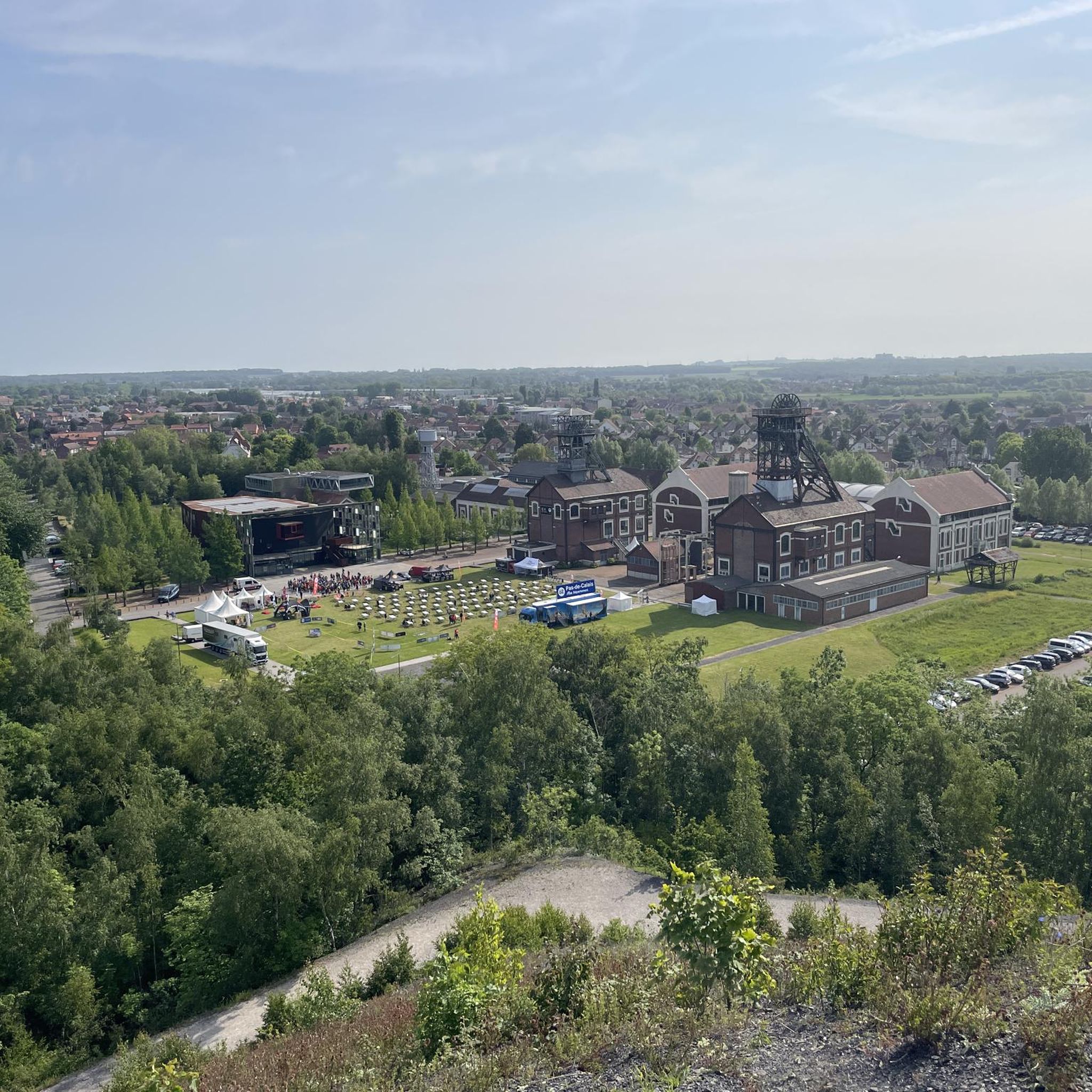
- The most popular natural monuments is Leforest slag heap, a natural…
Last updated: July 3, 2026
Ostricourt slag heap
Highlight • Natural Monument
Translated by Google •
Tip by

Leforest slag heap
Highlight • Natural Monument
Translated by Google •
Tip by
Sign up now to discover places like this
Get recommendations on the best single tracks, peaks, & plenty of other exciting outdoor places.
Sign up for free
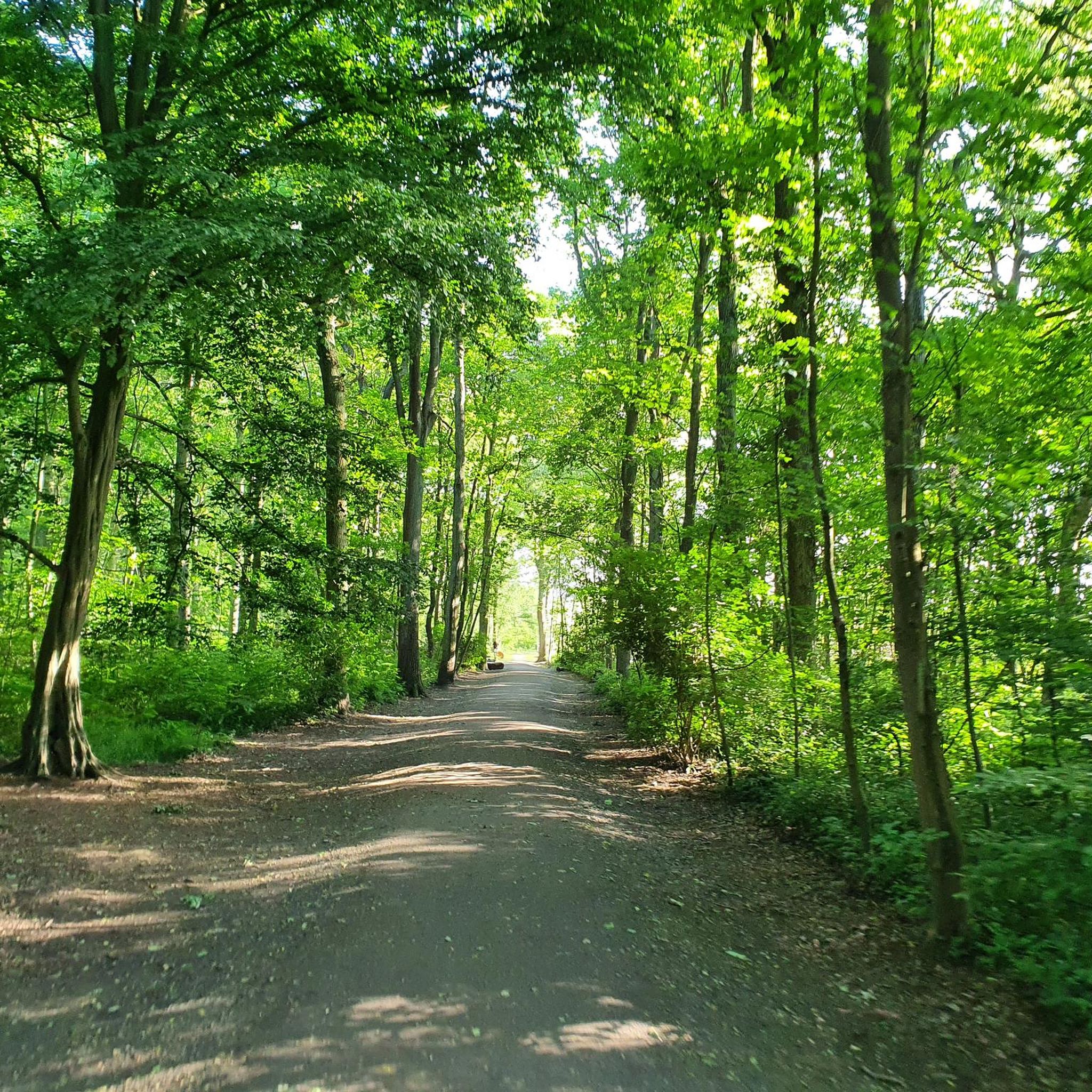
Ladder Tree
Highlight • Forest
It is easily accessible by bicycle.
Which is not the path that goes deep into the forest.
Translated by Google •
Tip by

Roost-Warendin Slag Heap 138
Highlight • Natural Monument
Translated by Google •
Tip by
Terril Estevelles
Highlight • Summit
Translated by Google •
Tip by

Sign up for free to discover even more natural monuments around Libercourt.
Sign up for free
Already have an account?
Start today with a free account
Your next adventure awaits.
Login or Signup

Tips from the Community

beautiful mountain bike playground
0
0

This oak, 200 to 300 years old, would have been used by the German army during the First World War as an observation post. The panel states: "The soldiers could thus observe the artillery and enemy movements. We can still observe some of the iron bars which would have been inserted into the trunk in order to constitute a ladder. The tree having continued to grow, the majority of the bars have been absorbed by the bark."
1
0

Be careful on a narrow path, in some places a slippery plastic coating covers part of the path
0
0

Remarkable century-old oak, having participated in the history of the First World War. It is easily accessible by bicycle. Which is not the path that goes deep into the forest.
1
0


Mandatory and iconic stopover in the region
1
0

Nice place typical of the North. Difficult in gravel in wet weather.
0
0

Difficult to drive on the site at this time because of the "luxuriant" vegetation. Access to the karting level is blocked by padlocked gates.
0
0
Frequently Asked Questions
What types of natural monuments can I explore around Libercourt?
The region around Libercourt, shaped by its mining history, offers a diverse range of natural monuments. You can explore reclaimed industrial landscapes like the various Terrils (mining heaps), which are now unique natural areas. There are also preserved forests such as the Bois de l'Émolière and Bois d'Epinoy, as well as man-made parks like Parc de la Canteraine and the historic Canal de la Deûle.
Are there natural monuments with historical significance near Libercourt?
Yes, several natural sites carry historical significance. The Terrils (mining heaps) themselves are part of a UNESCO World Heritage cultural landscape, showcasing the 'combined work of man and nature' from the region's mining past. Additionally, the Ladder Tree, a remarkable century-old oak, served as an observation post during the First World War.
What outdoor activities can I do near these natural monuments?
The natural monuments around Libercourt are excellent for various outdoor activities. You can enjoy hiking and mountain biking on trails like those found at Ostricourt slag heap or the singletracks near the Forêt de Phalempin. The reclaimed mining heaps, such as Leforest slag heap, offer challenging climbs and rewarding viewpoints. For more structured routes, you can find numerous running trails, gravel biking routes, and road cycling routes throughout the area.
Are there family-friendly natural monuments around Libercourt?
Absolutely. The Ladder Tree is noted as family-friendly, offering an accessible forest site with historical interest. The Parc de la Canteraine, with its preserved meadows and small forests, is also a popular attraction suitable for families. The Relais Nature du Parc de la Deûle provides interactive installations and a 'Jardin des expériences' that can engage children with local flora and fauna.
Where can I find good viewpoints of the surrounding landscape?
For panoramic views, several natural monuments offer excellent vantage points. The summit of Leforest slag heap provides a magnificent view after a challenging climb. Similarly, Terril Estevelles offers a beautiful view of the Harnesien and Carvinois regions. The Bois d'Epinoy also features observatories and a belvedere for admiring nature and the mining territory's history.
What kind of wildlife can I expect to see in the natural areas?
The natural areas around Libercourt are rich in biodiversity. In the Bois de l'Émolière, you might spot kestrels, European sparrowhawks, common buzzards, tawny owls, roe deer, and red squirrels. Its ponds are home to common frogs, common toads, and alpine newts. The Parc de la Canteraine is known for its diverse flora and fauna, including seven different species of amphibians. The Bois d'Epinoy, a classified ZNIEFF, also boasts significant biodiversity across its varied environments.
Are there any unique natural features or flora to look out for?
Yes, the Bois de l'Émolière is particularly notable in spring when its ground is carpeted with blue wood hyacinths. You can also find interesting flora such as horseradish, wild garlic, and the regionally protected two-leaf mayflower there. The Bois d'Epinoy features old oak-hornbeam forests, ponds, and reed beds, contributing to its exceptional natural core.
What is the best time to visit the natural monuments around Libercourt?
Spring is an excellent time to visit, especially to witness the vibrant flora like the wood hyacinths in Bois de l'Émolière. The milder weather of spring and autumn is generally ideal for outdoor activities like hiking and cycling, making exploration of the slag heaps and forests more comfortable. Summer offers longer daylight hours, perfect for extended adventures, while winter can provide a unique, serene landscape, though some trails might be more challenging.
What do visitors enjoy most about the natural monuments in this region?
Visitors frequently appreciate the unique blend of industrial heritage and natural reclamation. The challenging climbs and rewarding views from the slag heaps, such as Leforest slag heap, are highly praised. The labyrinthine singletracks and diverse terrain for mountain biking at sites like Roost-Warendin Slag Heap 138 are also popular. The historical significance of sites like the Ladder Tree and the rich biodiversity of the forests also draw considerable interest.
Are there any natural areas that are particularly good for mountain biking?
Yes, the region offers several spots for mountain biking. Ostricourt slag heap features a long single track with a climb and steep descent. Roost-Warendin Slag Heap 138 is known for its labyrinth of singletracks among birch trees. Additionally, the Les Deux Bosses – Singletrack de la Forêt de Phalempin provides dedicated singletrack routes. You can find more options in the gravel biking guide for Libercourt.
What is the Canal de la Deûle and can I visit it?
The Canal de la Deûle is one of the oldest canals in northern France, connecting the Scarpe River to the Lys River. It measures about 34.8 km long and features three locks. Much of it is part of the high-quality Dunkerque-Escaut waterway. It's a significant natural and historical feature of the region, offering opportunities for waterside walks and cycling along its banks.
Is there a nature interpretation center nearby?
Yes, the Relais Nature du Parc de la Deûle, located in Santes, serves as a nature interpretation center. It offers interactive installations focused on local flora and fauna, providing an immersive experience of living nature in its 'Jardin des expériences'. It's a great place to learn more about the regional ecosystem.
Most popular routes around Libercourt
Most popular attractions around Libercourt

Get inspired with the komoot mobile app


Explore more
Extend your search for the best caves by checking out these guides of the top ones around Libercourt:
