Top 13 Natural Monuments around Arnéguy
Natural monuments around Arnéguy are defined by the region's mountainous landscape within the Pyrénées-Atlantiques department of France. The area is situated amidst the Pyrenean mountains, offering diverse ecosystems and significant natural features. The Nive d'Arnéguy river flows through the valley, contributing to the verdant environment and hosting various migratory fish species. This border region provides opportunities for exploring mountain passes, summits, and ecologically significant areas.
Best natural monuments around Arnéguy
- The most popular natural monuments is Munhoa Summit, a…
Last updated: August 13, 2026
Roland Fountain
Highlight • Natural Monument
Translated by Google •
Tip by

Munhoa Summit
Highlight • Summit
Translated by Google •
Tip by

Sign up now to discover places like this
Get recommendations on the best single tracks, peaks, & plenty of other exciting outdoor places.
Sign up for free
Stone Circle at Col d'Orgambide
Highlight • Historical Site
Translated by Google •
Tip by

Harpéa Cave
Highlight • Cave
Translated by Google •
Tip by
Collado de Bentartea
Highlight • Mountain Pass
Translated by Google •
Tip by

Sign up for free to discover even more natural monuments around Arnéguy.
Sign up for free
Already have an account?
Start today with a free account
Your next adventure awaits.
Login or Signup

Tips from the Community

This place is full of trash, very dirty, a disgrace!!! The Basque mountains are not trash cans, please respect them. Too many people are behaving badly towards the pastures. Please take your trash back with you; it's disgusting and disrespectful.
1
0

The water tastes good - refill the water bottle!
1
3

Border crossing between Spain and France. Beautiful and spectacular for both countries. From France, the route can be reached via two roads. What all three sides have in common: - narrow road - hardly any traffic - the initial section is completely covered by trees, passing through immense and beautiful beech forests - the final section is open, with spectacular views. At the top of Col d'Orgambide and Azpegui (on the Spanish side), you can walk to several ancient Neolithic buildings.
1
0

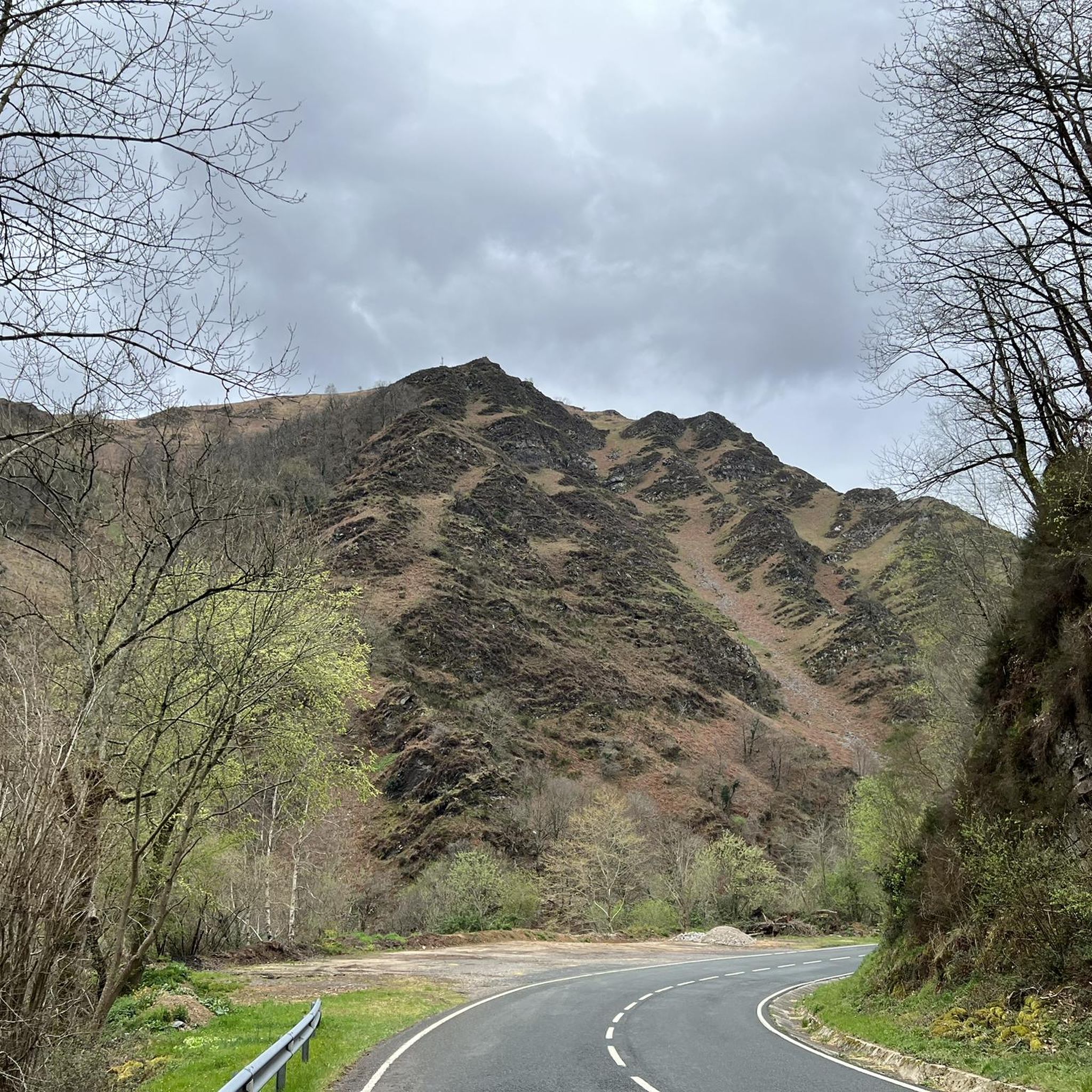
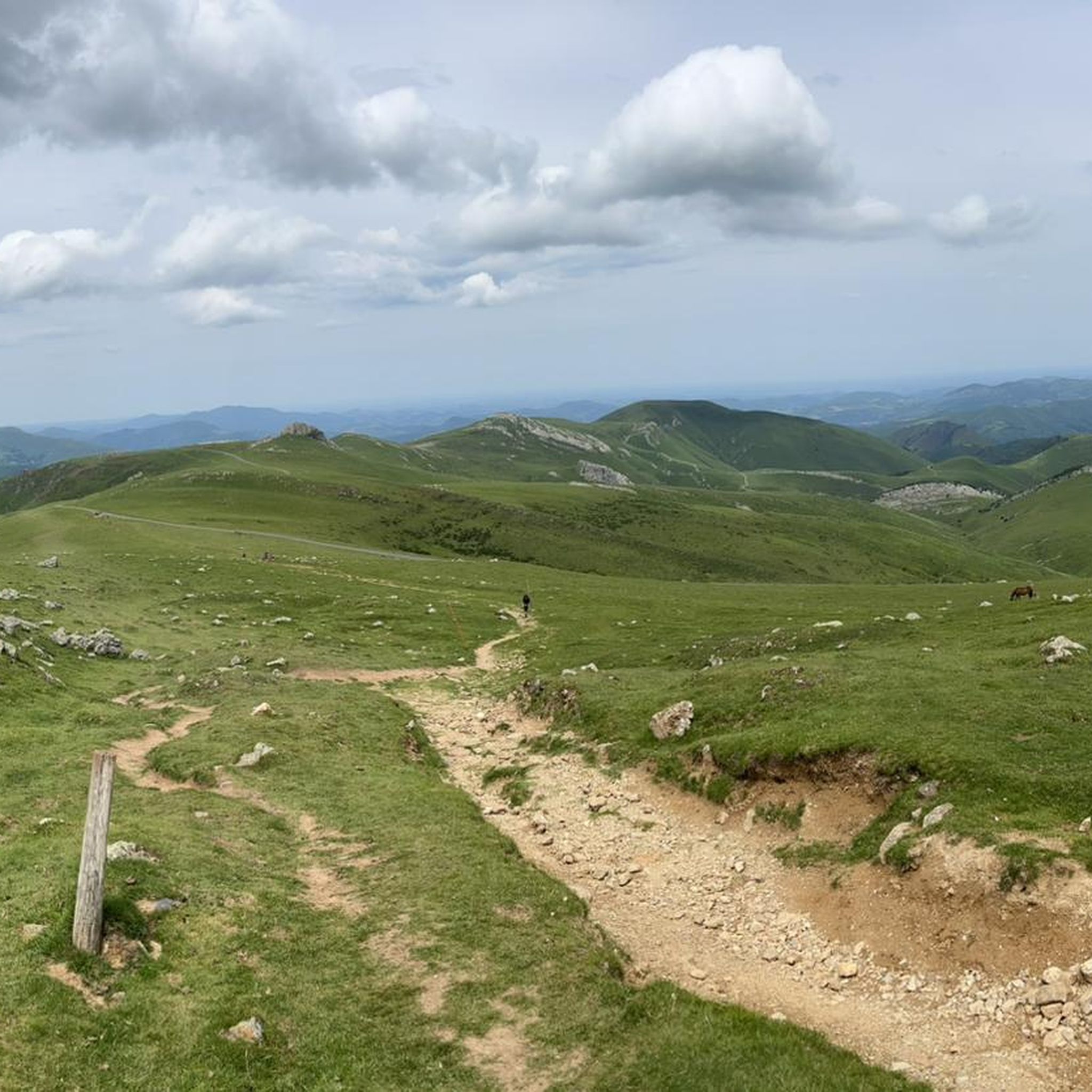
Munhoa is a peak in the French Basque Country which rises to 1,023 meters above sea level. Its toponymy finds its origin in the Basque word “muino” which means hill. From this mountain you can admire the valleys of Luzaide and Baïgorry separated by the Adartza massif.
1
0
The Munhoa is a peak in the French Basque Country which culminates at 1,023 meters above sea level. Its toponymy finds its origin in the Basque word muino which means hill. From this mountain you can admire the valleys of Luzaide and Baïgorry separated by the Adartza massif.
2
1

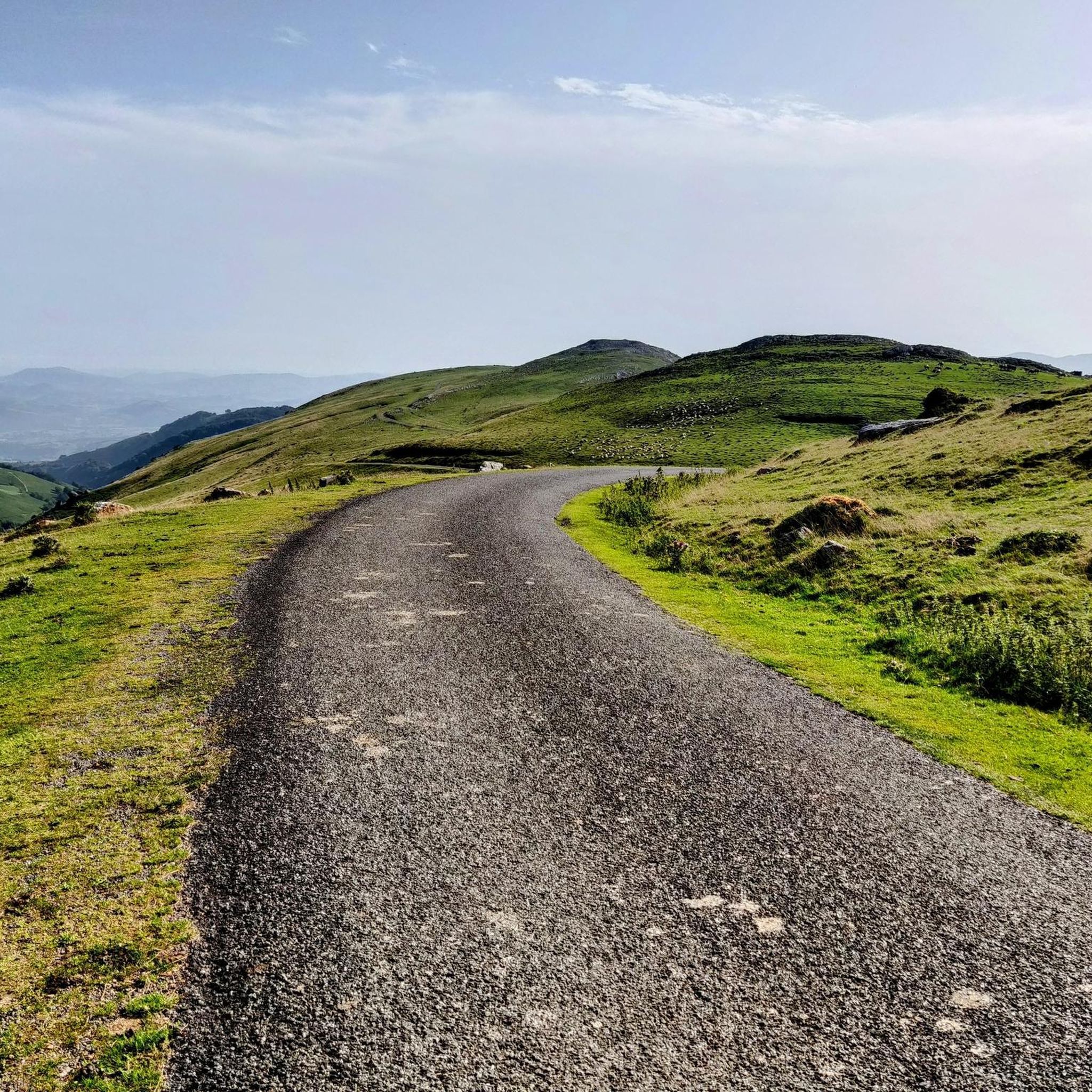
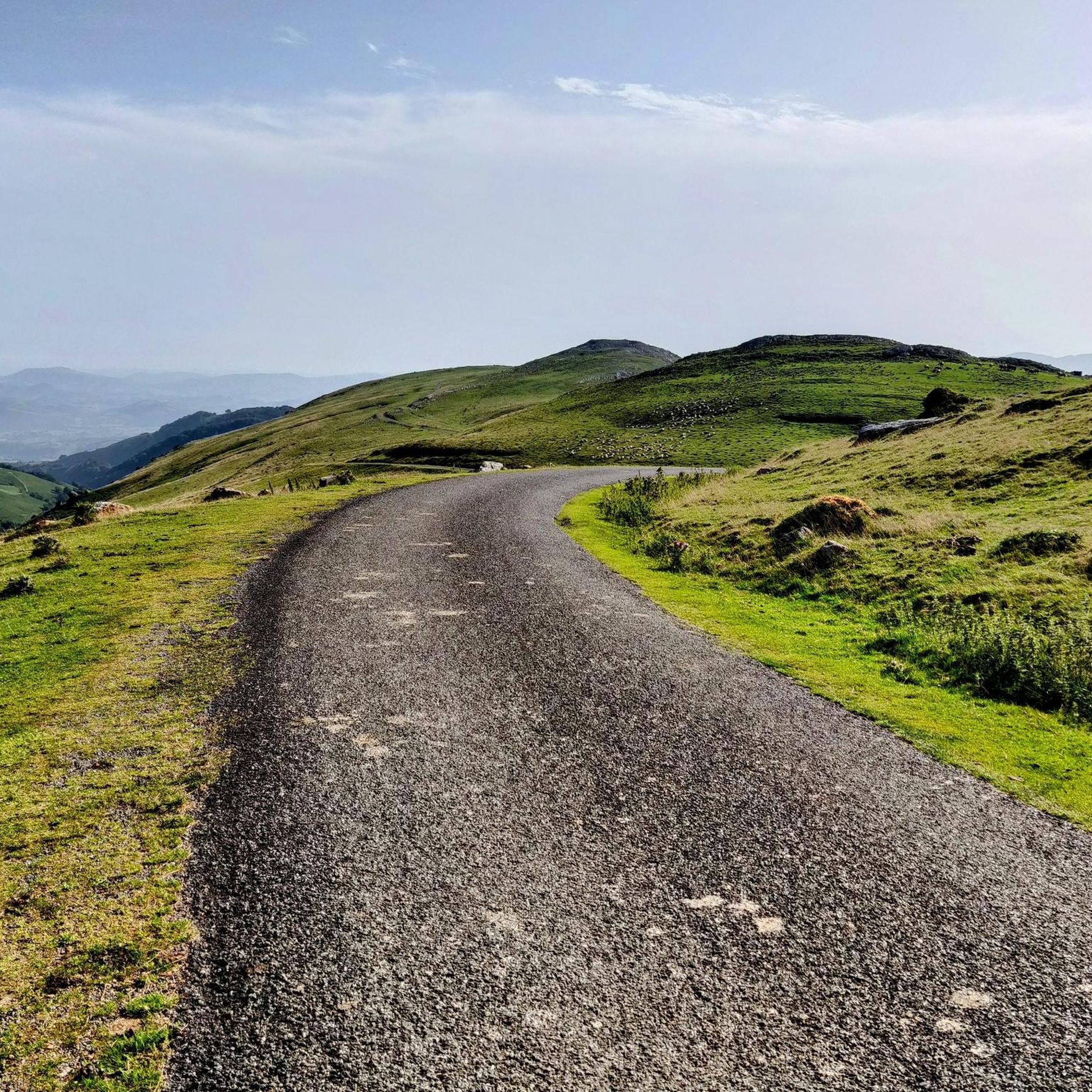
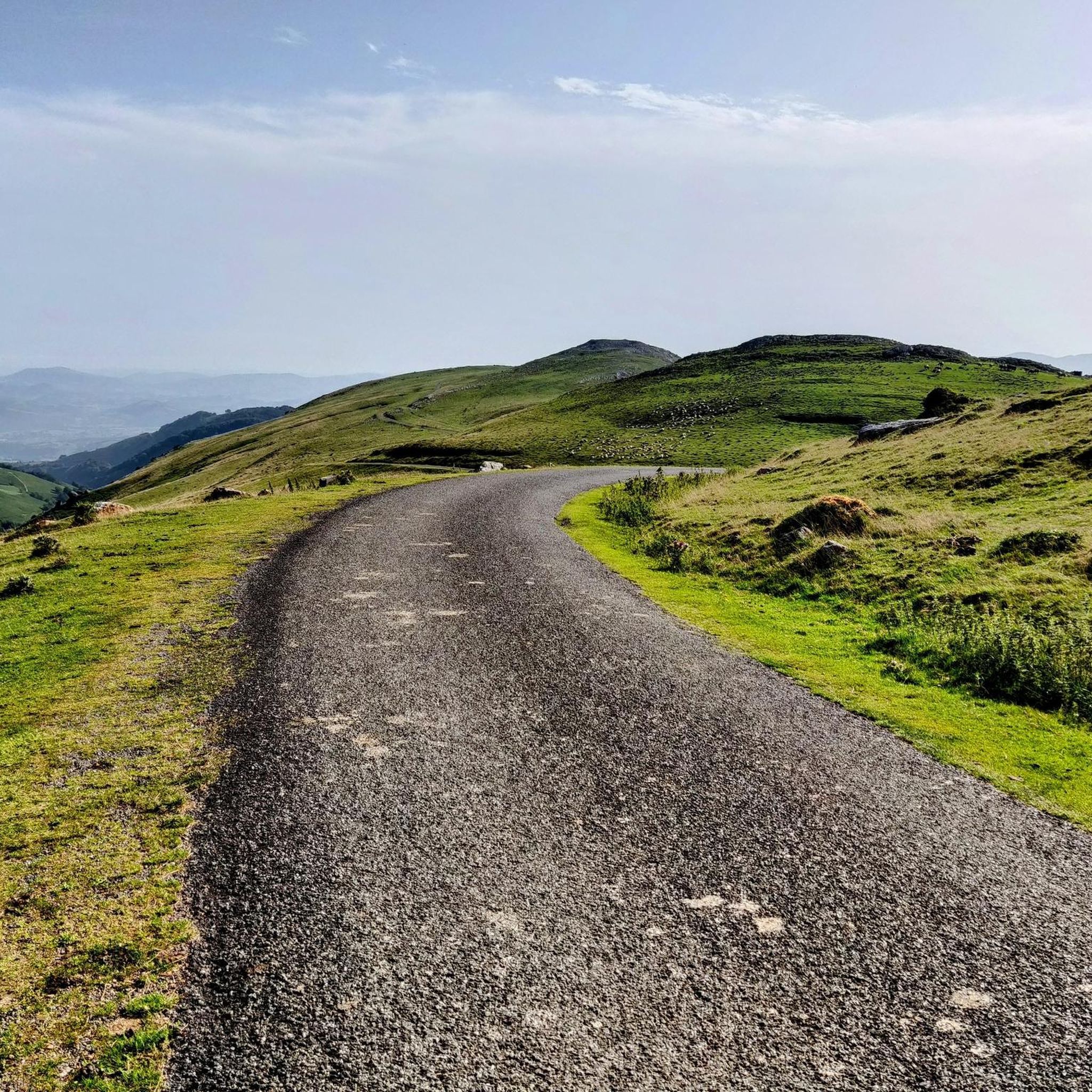
Located on the border with Spain, the Orgambide Pass offers beautiful views of both sides. There is a cabin and several steles that dot this crossing point.
0
0

Fountain before arriving at the Spanish border
3
3

This pass is on the border between Spain and France, at an altitude of 1,337 metres. It forms part of the Camino de Santiago and has been the protagonist of numerous legends, among which are the passage through here of the armies of the Emperor Charlemagne and Napoleon.
4
1
Frequently Asked Questions
What unique geological features can I explore near Arnéguy?
Near Arnéguy, you can visit Harpéa Cave, which features a famous anticline. This geological formation provides a cool retreat, and a small stream flows nearby, making it a pleasant spot for a break.
Are there family-friendly natural monuments around Arnéguy?
Yes, Roland Fountain is considered family-friendly. It's a natural monument with historical associations where visitors can refill water bottles, offering a convenient stop for families during their explorations.
What outdoor activities can I do near Arnéguy's natural monuments?
The region around Arnéguy offers diverse outdoor activities. You can find numerous routes for road cycling, mountain biking, and general cycling. For example, challenging road cycling routes include 'Loop 8: Col d'Arnosteguy – Basque Country passes' and 'Saint-Jean-Pied-de-Port – Ibañeta Pass loop'. Mountain bikers can explore routes like 'Irabia Reservoir – Irati Houses loop'. You can find more details on these activities in the dedicated guides for Road Cycling Routes around Arnéguy, MTB Trails around Arnéguy, and Cycling around Arnéguy.
When is the best time to visit the natural monuments around Arnéguy?
The region's natural beauty, especially along the Nive d'Arnéguy river, is particularly striking in autumn when meadows and groves display special colors. Spring and summer also offer pleasant conditions for hiking and outdoor activities in the Pyrenean mountains.
Are there any historical or cultural sites among the natural monuments?
Yes, several natural monuments have historical significance. Roland Fountain is identified as a point of interest with historical or legendary associations. Additionally, the Stone Circle at Col d'Orgambide is a historical site featuring ancient Neolithic buildings. The nearby Col d'Ibañeta (Roncevaux Pass) is also renowned for its historical context, being the site of the Battle of Roncesvalles in 778.
Can I find places to refill water bottles or take a break near the natural monuments?
Yes, Roland Fountain is a designated spot where you can refill your water bottles with drinking water. Harpéa Cave also offers a nice place for a break in the shade by a small stream.
What are the notable mountain peaks or passes in the Arnéguy area?
Arnéguy is surrounded by the Pyrenean mountains, offering several notable peaks and passes. The Munhoa Summit, at 1,023 meters, provides views of the Luzaide and Baïgorry valleys. Other significant passes include the Col d'Orgambide and Collado de Bentartea, both offering scenic views and serving as border crossings. The Col d'Arnostéguy is also known for its challenging climbs.
Is the Nive d'Arnéguy river itself a significant natural feature?
Absolutely. The Nive d'Arnéguy river flows through the valley, forming a natural border and contributing significantly to the region's verdant environment. It is part of the larger Nive river system, which is an important ecological site, notably hosting nearly all species of migratory fish found in France.
Are there any protected areas or ecologically significant sites near Arnéguy?
Yes, the region includes several protected zones for their biodiversity. The 'Haute Cize: forêt d'Orion et sommet d'Erozate' is classified as a ZNIEFF (Natural Zone of Ecological, Faunistic, and Floristic Interest). Additionally, two Natura 2000 sites, established under European directives for habitat and bird conservation, are found within the commune, including 'la Nive', highlighting its ecological importance.
What do visitors enjoy the most about the natural monuments in Arnéguy?
Visitors frequently appreciate the stunning views from peaks like Munhoa Summit, where wild horses and sheep are often seen. The tranquility and natural beauty of spots like Harpéa Cave, with its stream and shade, are also highly valued. The historical context and practical utility of Roland Fountain are also popular among those exploring the area.
Are there options for winter walks around Arnéguy's natural monuments?
While specific winter walk details for natural monuments are not provided, the Pyrenean mountains offer opportunities for snowshoeing, particularly in areas like the Iraty Forest, which is about 18.6 km from Arnéguy. Always check local conditions and trail accessibility during winter months.
Are dogs allowed on trails around Arnéguy's natural monuments?
The region is generally welcoming to outdoor activities. While specific regulations for each natural monument regarding dogs are not detailed, it's common in natural areas of the Pyrénées-Atlantiques for dogs to be allowed on trails, often requiring them to be on a leash, especially in protected zones or near livestock. Always check local signage.
How accessible are the natural monuments for people with limited mobility?
The natural monuments around Arnéguy, particularly the mountain peaks, passes, and caves, often involve challenging terrain and are generally not designed for easy accessibility. Trails can be narrow, steep, or uneven. For specific accessibility information, it's recommended to consult detailed trail descriptions or local tourist information centers.
Most popular routes around Arnéguy
Most popular attractions around Arnéguy

Get inspired with the komoot mobile app


Explore more
Extend your search for the best caves by checking out these guides of the top ones around Arnéguy:
