Top 7 Natural Monuments around Lespignan
Best natural monuments around Lespignan offer diverse landscapes and unique geological formations. The area is characterized by its proximity to the Mediterranean coast, wetlands, and regional natural parks. Visitors can explore striking natural wonders like cenotes, ecologically significant wetland areas, and varied terrains ranging from scrubland to forests. These sites provide opportunities for outdoor exploration and appreciation of nature.
Best natural monuments around Lespignan
- The most popular natural monuments is Œil Doux Sinkhole, a lake that features an emerald-green,…
Last updated: June 19, 2026
Œil Doux Sinkhole
Highlight • Lake
Translated by Google •
Tip by

View of the Étang de Montady
Highlight • Natural Monument
Translated by Google •
Tip by

Sign up now to discover places like this
Get recommendations on the best single tracks, peaks, & plenty of other exciting outdoor places.
Sign up for free
Colored Rocky Cliff
Highlight • Natural Monument
Translated by Google •
Tip by
Panorama of the Massif de la Clape and the Mediterranean
Highlight • Viewpoint
Translated by Google •
Tip by

La Clap - Excellent Viewpoint
Highlight • Viewpoint
Translated by Google •
Tip by

Sign up for free to discover even more natural monuments around Lespignan.
Sign up for free
Already have an account?
Start today with a free account
Your next adventure awaits.
Login or Signup

Tips from the Community

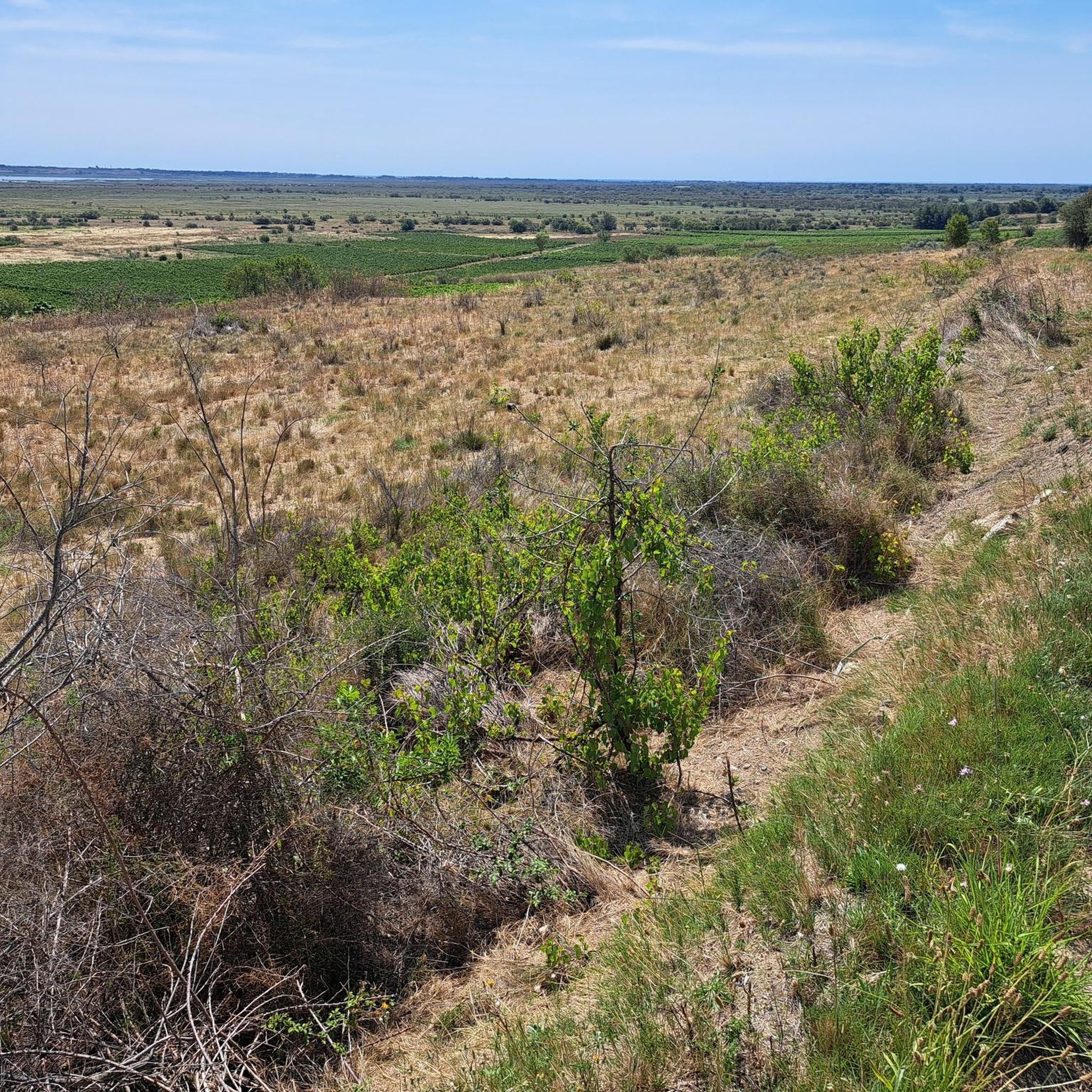
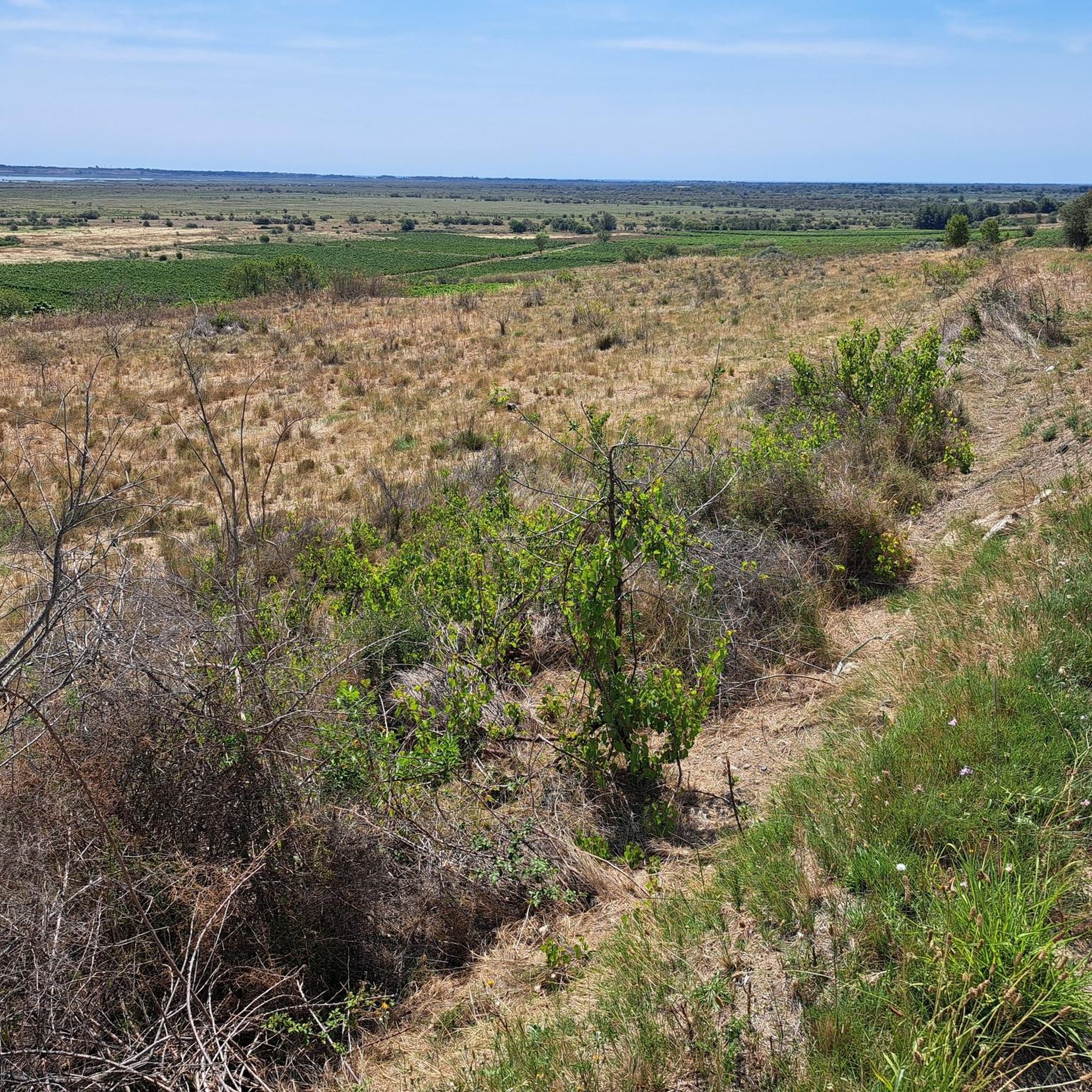
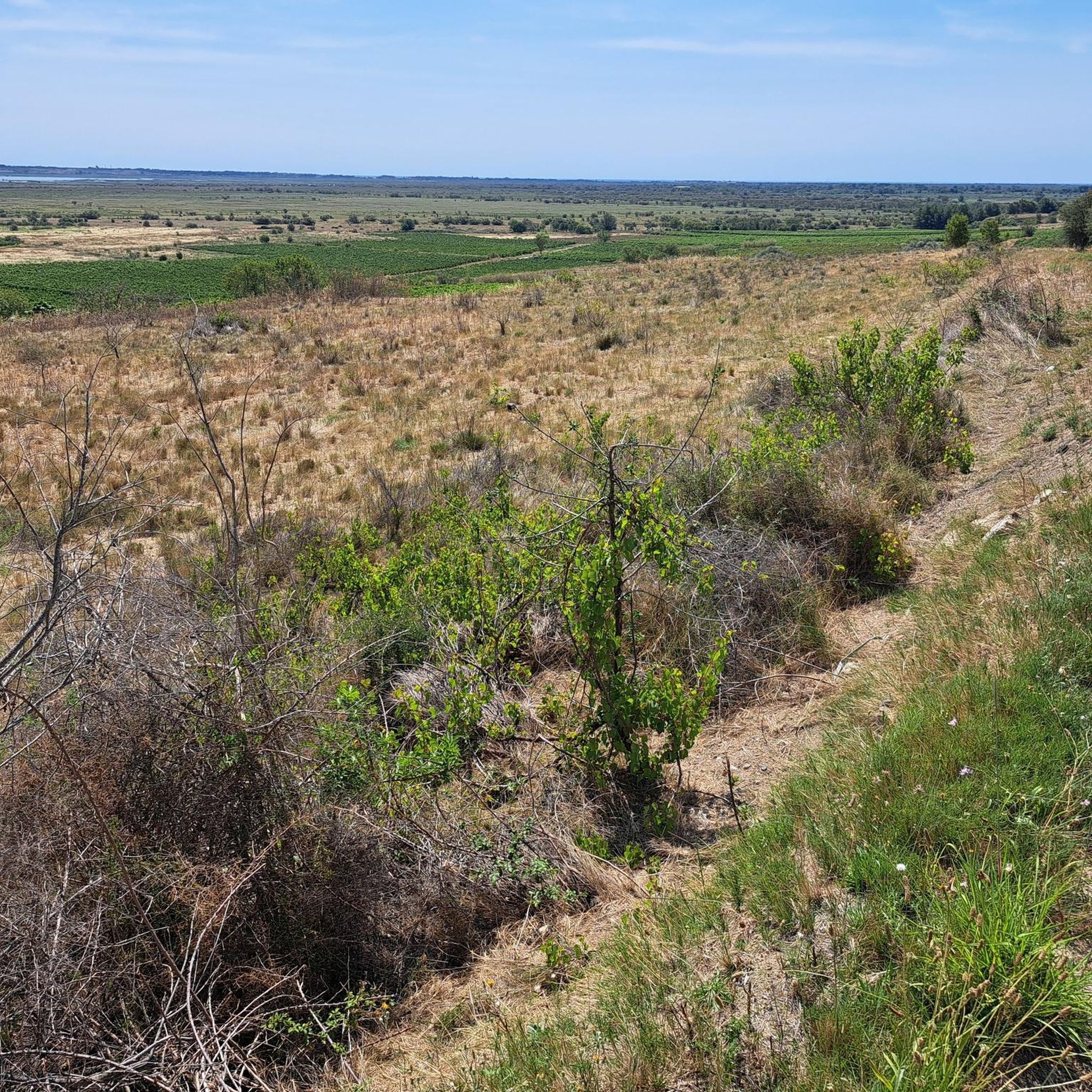
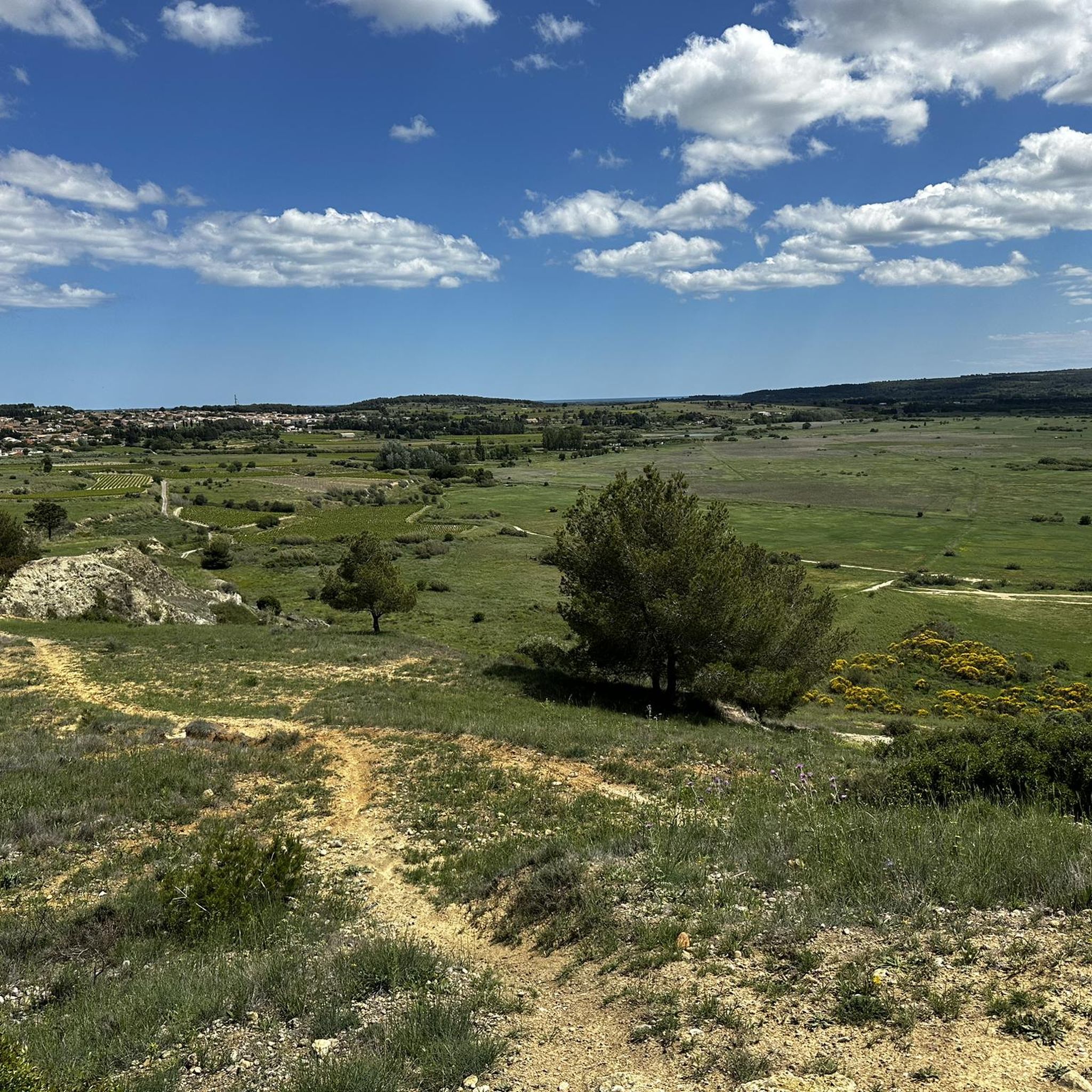
From the Ensérune plateau, the landscape opens widely onto the Montady plain and its Green Sun. This site was not chosen by chance: the oppidum occupied a dominant strategic position, both for monitoring traffic routes and for enjoying exceptional visibility to the distant reliefs. In clear weather, one understands here why this promontory has been occupied since Antiquity: it offers natural control over the entire surrounding basin.
0
0

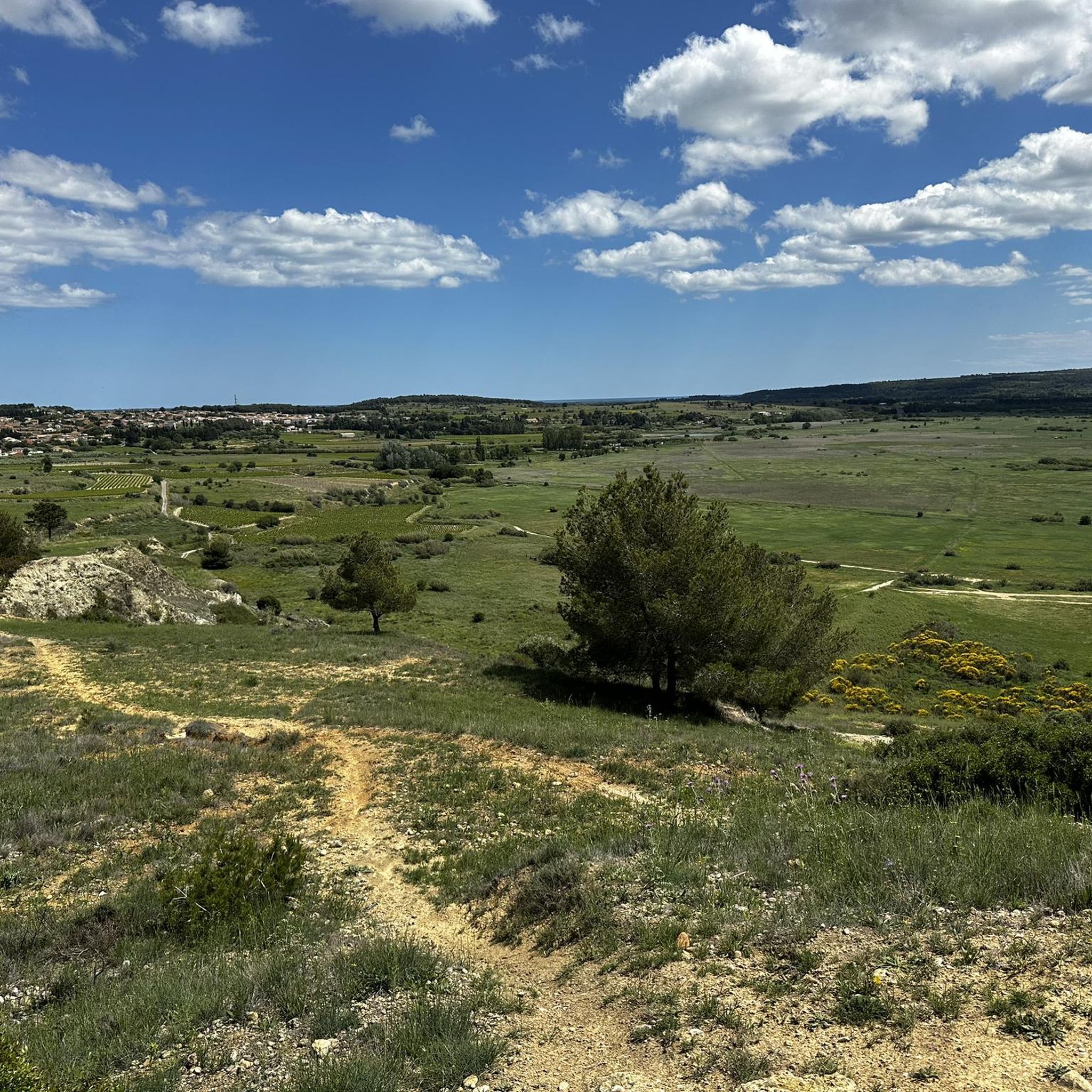
Nice view from the la clape massif. On the other hand, lots of mosquitoes already in April here, it's good but you have to avoid stopping...
0
0

Beautiful place...no people around...it's probably packed during the holiday season...
0
0

Ce n'est pas La Clap mais « La Clape
0
0

Excellent. The view of the lake..
19
0
Very very nice place. Unfortunately easy to get to.
19
0

Currently (August) closed due to the risk of forest fires. It's over on the street.
4
1

Nice view of this atypical and ingenious culture. Thanks to drainage canals, the water is led to a central collector, which explains the star-shaped arrangement of the fields and vineyards. This canal system dates back to the 13th century. The water is then evacuated through a ditch on a slope towards the Capestang pond and through a gallery under the Ensérune hill and under the Malpas tunnel. Heavy rains like the end of October 2019 can cause it to reappear. The pond is visible from the Montady tower, a vestige of the old 12th century castle, and from the top of the Ensérune oppidum hill.
0
0
Frequently Asked Questions
What unique natural features can I discover around Lespignan?
The area around Lespignan offers a variety of striking natural features. You can explore the Œil Doux Sinkhole, known for its emerald-green, brackish lake nestled within dramatic white limestone cliffs. Another unique sight is the View of the Étang de Montady, a historic drained lagoon with a distinctive star-shaped drainage system. Additionally, the Colored Rocky Cliff showcases rocks with a unique reddish hue.
What kind of wildlife can I observe near Lespignan's natural monuments?
The wetlands and natural parks near Lespignan are rich in biodiversity. The Etang de la Matte, located within Lespignan, is an important habitat for a diverse range of bird species, including migratory birds and the rare rose-breasted shrike, making it excellent for birdwatching. The larger Narbonnaise en Méditerranée Regional Natural Park is home to an impressive 350 bird species and 2,000 plant species across its diverse ecosystems of wetlands, coastline, and scrubland.
Are there family-friendly natural monuments to visit around Lespignan?
Yes, several natural monuments are suitable for families. The Poets' Plateau is a pleasant park with old trees, benches, and statues, offering a relaxed environment. While the Œil Doux Sinkhole itself is not for swimming, there are easy paths around it for walks, and the dramatic scenery is captivating for all ages. The View of the Étang de Montady also offers an interesting historical and visual experience for families.
What outdoor activities can I do near these natural monuments?
The region around Lespignan is ideal for various outdoor activities. You can find numerous trails for cycling, mountain biking, and gravel biking. For example, you can explore routes like the 'View of the Plain and the Sea – Moulin d'Ensérune loop' for MTB, or the 'Vendres Pond – Windmill loop' for gravel biking. There are also cycling routes such as the 'Colombiers – Villeneuve Lock loop'. For more detailed routes and options, you can check out the MTB Trails around Lespignan, Gravel biking around Lespignan, and Cycling around Lespignan guides.
What is the best time of year to visit the natural monuments around Lespignan?
The best time to visit is generally during spring (April-June) and autumn (September-October). During these seasons, the weather is pleasant for outdoor activities like hiking and cycling, and the natural landscapes are vibrant. Summer can be very hot, and some areas, like the Œil Doux Sinkhole, might have access restrictions due to fire risk. Winter offers quieter walks, but some facilities might be closed.
Are there any viewpoints offering panoramic vistas of the region?
Yes, the region boasts several excellent viewpoints. The La Clap - Excellent Viewpoint offers stunning panoramic views of the sea, marshes, and the surrounding hilly greenery. Additionally, the View of the Étang de Montady provides a unique perspective of the historic drained lagoon and its star-shaped fields.
Can I swim in the Gouffre de l'Œil Doux?
No, swimming and diving in the Gouffre de l'Œil Doux are strictly prohibited. This is due to its significant depth and potential dangers. Visitors can enjoy the dramatic scenery and hiking opportunities around the chasm, but direct access to the water is not allowed for safety reasons.
What is the Narbonnaise en Méditerranée Regional Natural Park, and how close is it to Lespignan?
The Narbonnaise en Méditerranée Regional Natural Park is a vast protected area showcasing the diverse natural beauty of the Occitanie region, encompassing beaches, vineyards, lagoons, and varied wildlife. Lespignan is located in close proximity, approximately 16 km away, making it easily accessible for day trips. The park offers extensive trails for hiking, cycling, and wildlife viewing, and is home to the Montagne de la Clape, which includes the Œil Doux Sinkhole.
Are there any natural monuments that also have historical significance?
Yes, the View of the Étang de Montady is a prime example. This Mediterranean lagoon was ingeniously drained in the Middle Ages using a radial or star-shaped drainage system. The impressive canal system dates back to the 13th century, showcasing a remarkable feat of medieval engineering that is still visible today.
What are some lesser-known natural spots near Lespignan that are worth exploring?
Beyond the more prominent sites, the Etang de la Matte within the municipality of Lespignan offers a tranquil and ecologically significant wetland area. It's a preserved ecosystem with carefully managed water levels, reed beds, and wet meadows, providing a peaceful setting for walks and observing local flora and fauna, especially birds. It's a great spot for those seeking a quieter natural experience.
What kind of terrain can I expect when exploring the natural monuments?
The terrain varies significantly. Around the Œil Doux Sinkhole, you'll find scrubland and pine forests. The Narbonnaise en Méditerranée Regional Natural Park features a mix of Mediterranean coastline, wetlands, and extensive scrubland (garrigues) and grasslands. Further afield, the Haut-Languedoc Regional Natural Park offers even more varied landscapes, from deep forests and wild heathlands to lakes and mountains, influenced by both oceanic and Mediterranean climates.
Most popular routes around Lespignan
Most popular attractions around Lespignan

Get inspired with the komoot mobile app


Explore more
Extend your search for the best caves by checking out these guides of the top ones around Lespignan:
