Top 6 Natural Monuments around Barbâtre
Best natural monuments around Barbâtre highlight the diverse natural landscape of Noirmoutier Island. This region features unique geological formations, protected natural reserves, and extensive coastal areas. Visitors can explore a variety of natural sites, from historic submersible causeways to vast pine forests and significant bird sanctuaries. The area offers numerous opportunities for outdoor activities amidst its preserved natural beauty.
Best natural monuments around Barbâtre
- The most popular natural monuments is Salt Pans and White Paths of Noirmoutier, a natural…
Last updated: October 20, 2026
Pointe de la Casie
Highlight • Viewpoint
Translated by Google •
Tip by

Salt Pans and White Paths of Noirmoutier
Highlight • Natural Monument
Translated by Google •
Tip by

Sign up now to discover places like this
Get recommendations on the best single tracks, peaks, & plenty of other exciting outdoor places.
Pont d'Yeu Beach
Highlight • Beach
Translated by Google •
Tip by

Sébastopol Polder Nature Reserve
Highlight • Natural Monument
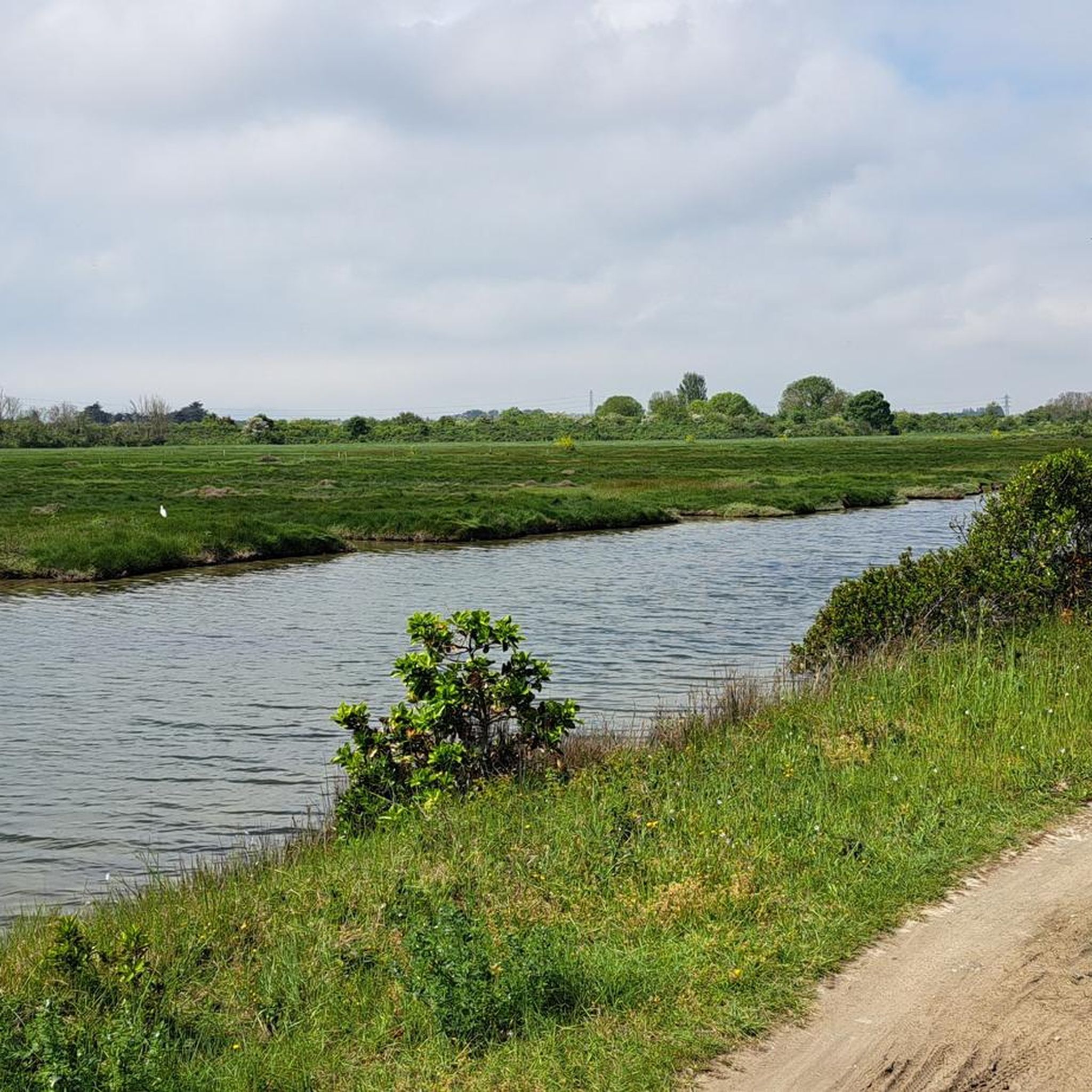
Nesting place for terns, seagulls and avocets, with a high concentration in April/May, which offers an impressive natural spectacle with the noise and smell ...
Translated by Google •
Tip by

Pointe du Devin
Highlight • Beach
Translated by Google •
Tip by
Start today with a free account
Your next adventure awaits.
Other adventures around Barbâtre

Tips from the Community

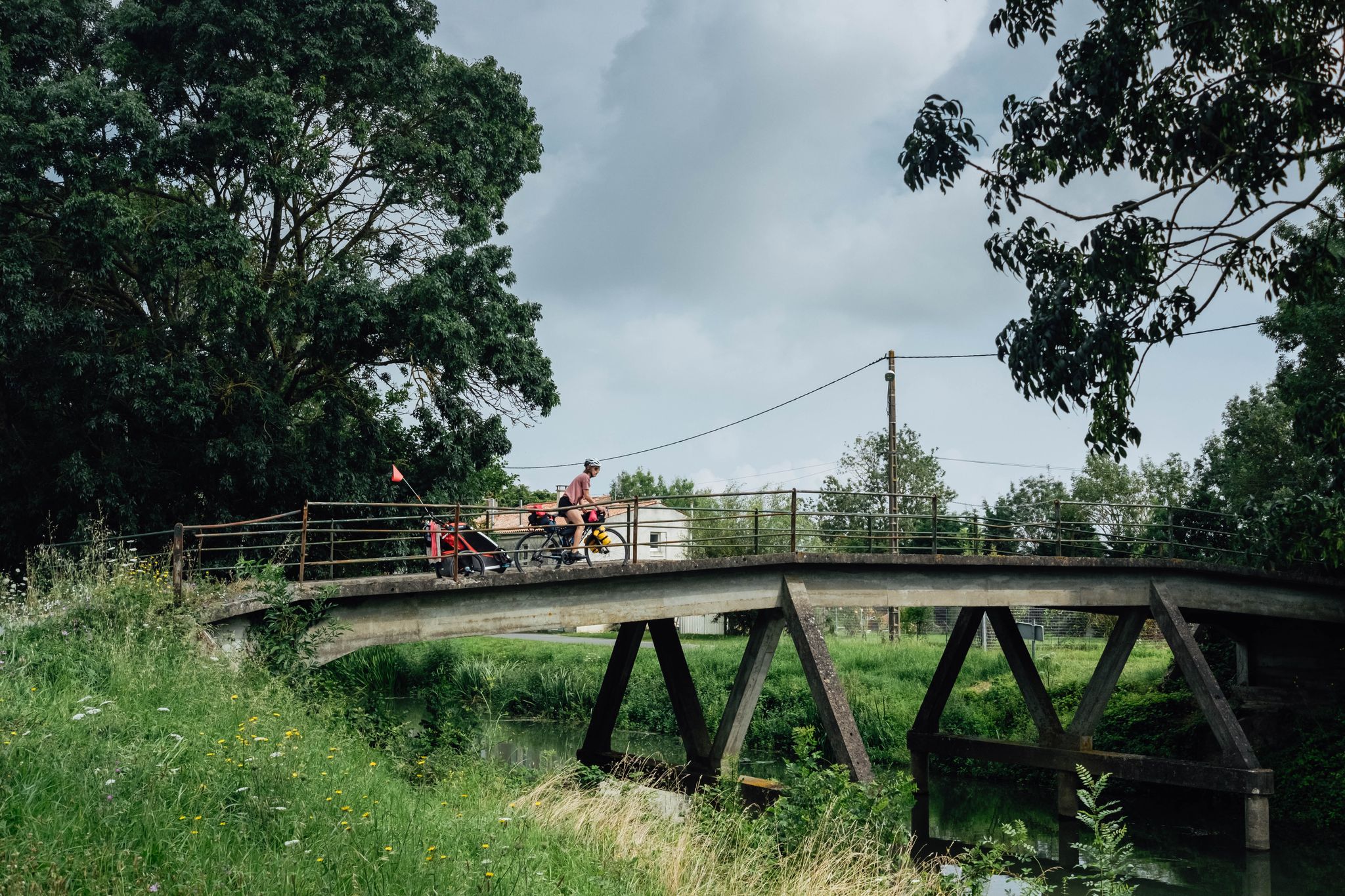
Pointe de Casie offers an unforgettable experience as you cruise right along Bourgneuf Bay on the island's east coast. This strip of land, which also serves as a seawall, offers commanding views of both land and sea.
0
0

Pointe de la Casie offers an exhilarating mountain biking experience with its rugged trails and breathtaking views. Located in a beautiful coastal area, the trail seems to sink into the ocean as it skirts the island of Noirmoutier.
1
0


Very beautiful and long sandy beach. The Pont d'Yeu is in fact a geological curiosity: two opposing sea currents collide here and have created over the millennia a sand and pebble bank 4 kilometers long, which is discovered at low tide. The limestone base has long served as an open-air quarry for builders in the region.
3
0
The sea hits this point hard. From here, feel nature and the cooling sea breeze on your face.
3
0
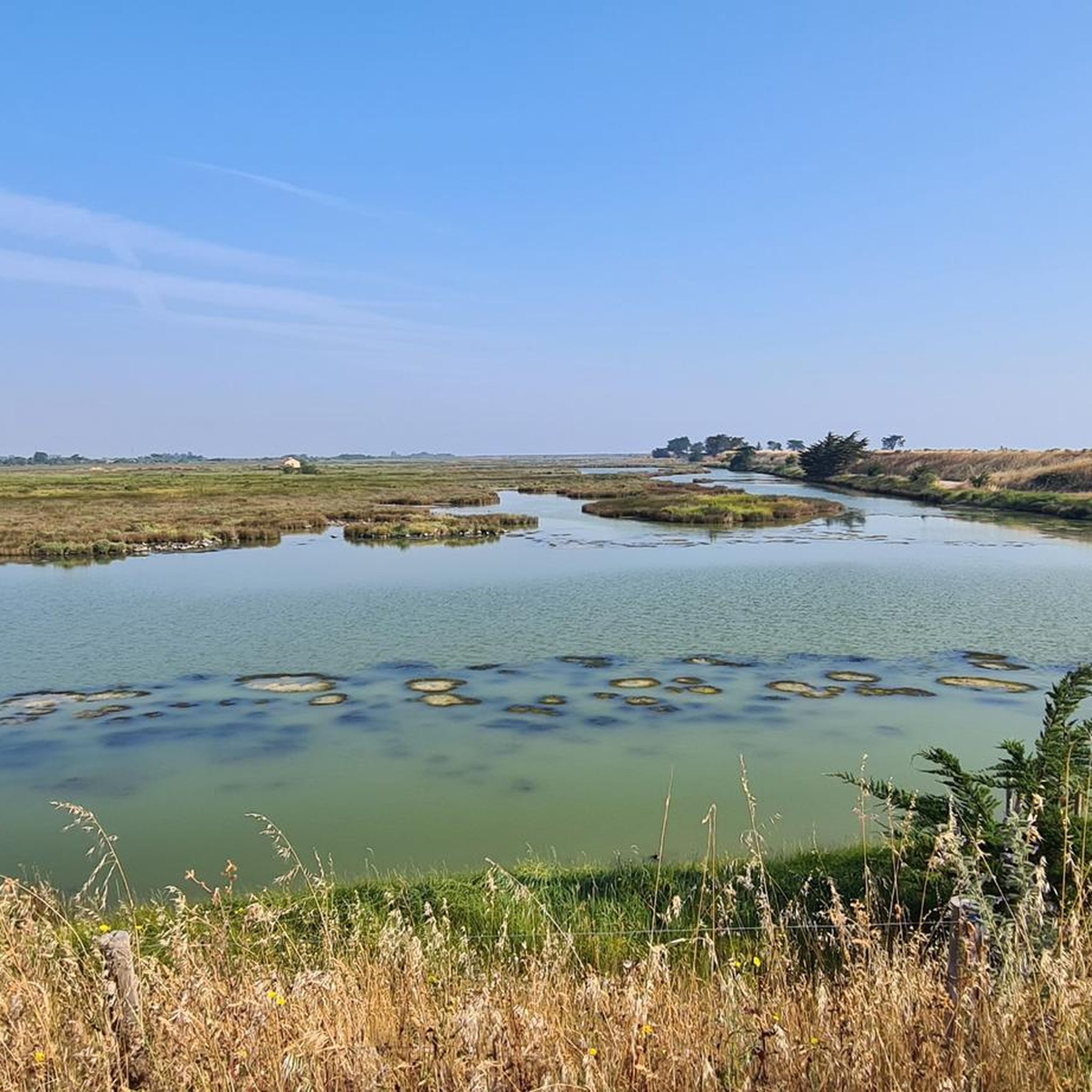
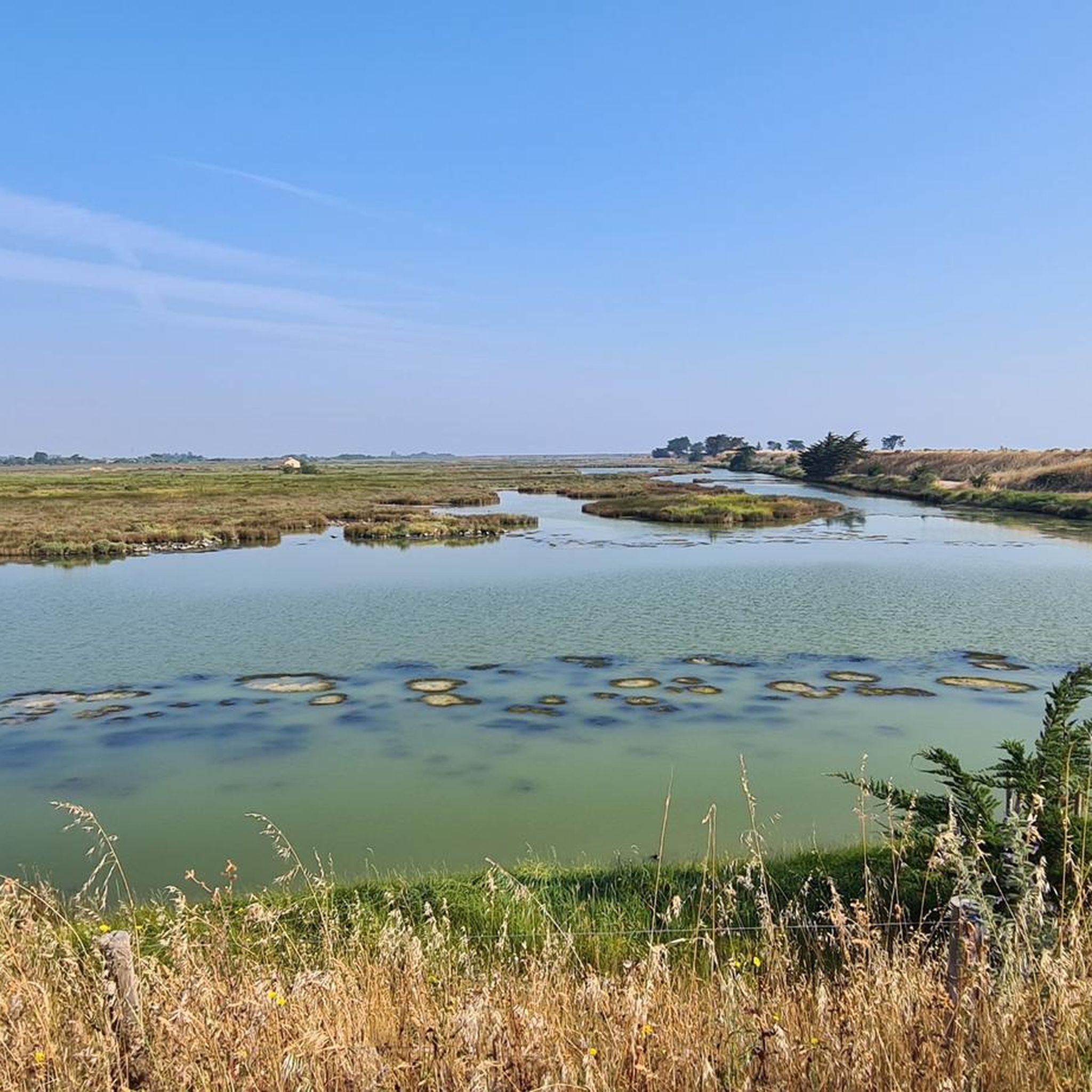
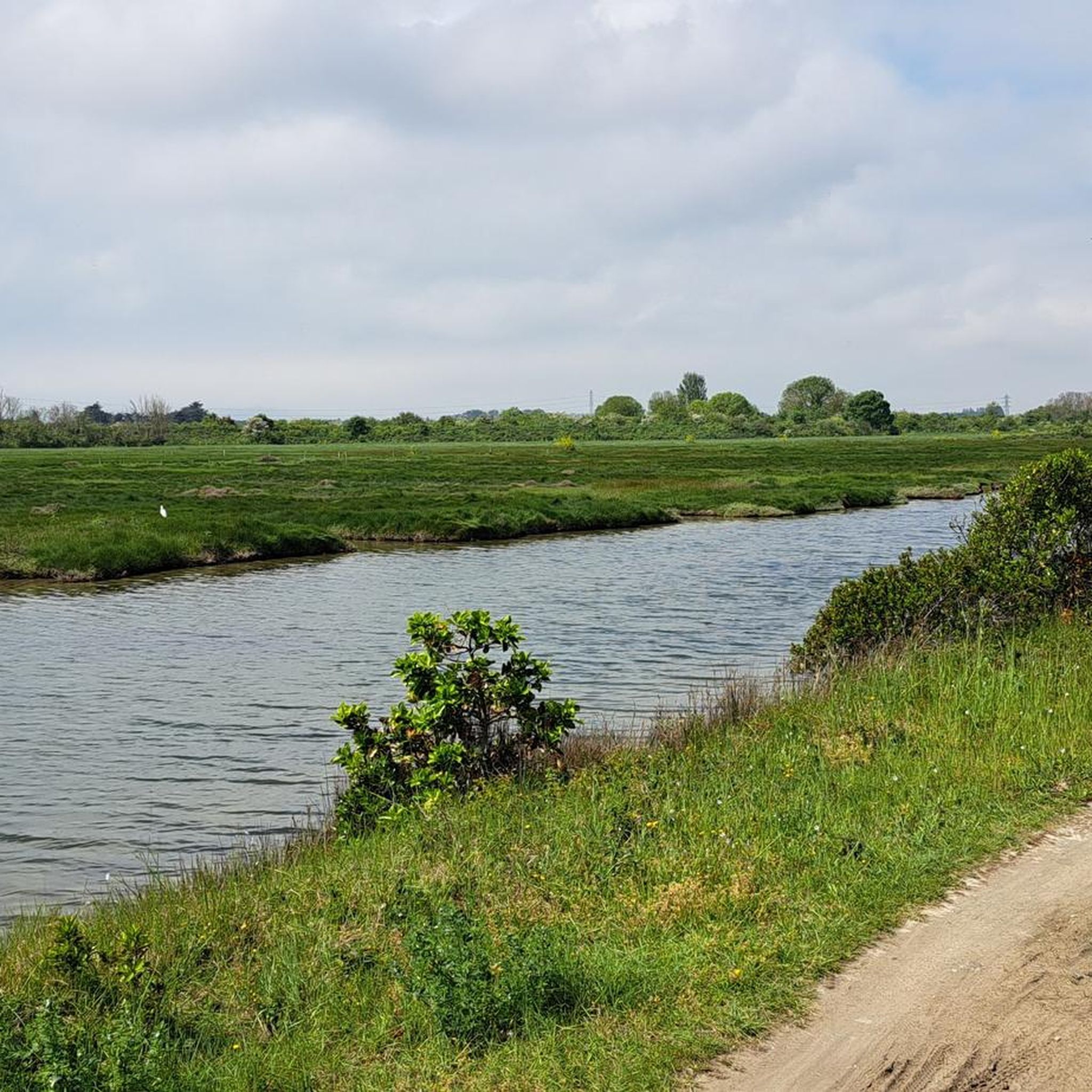
Superb horseshoe-shaped pond, which was used for a long time for fish farming.
0
0
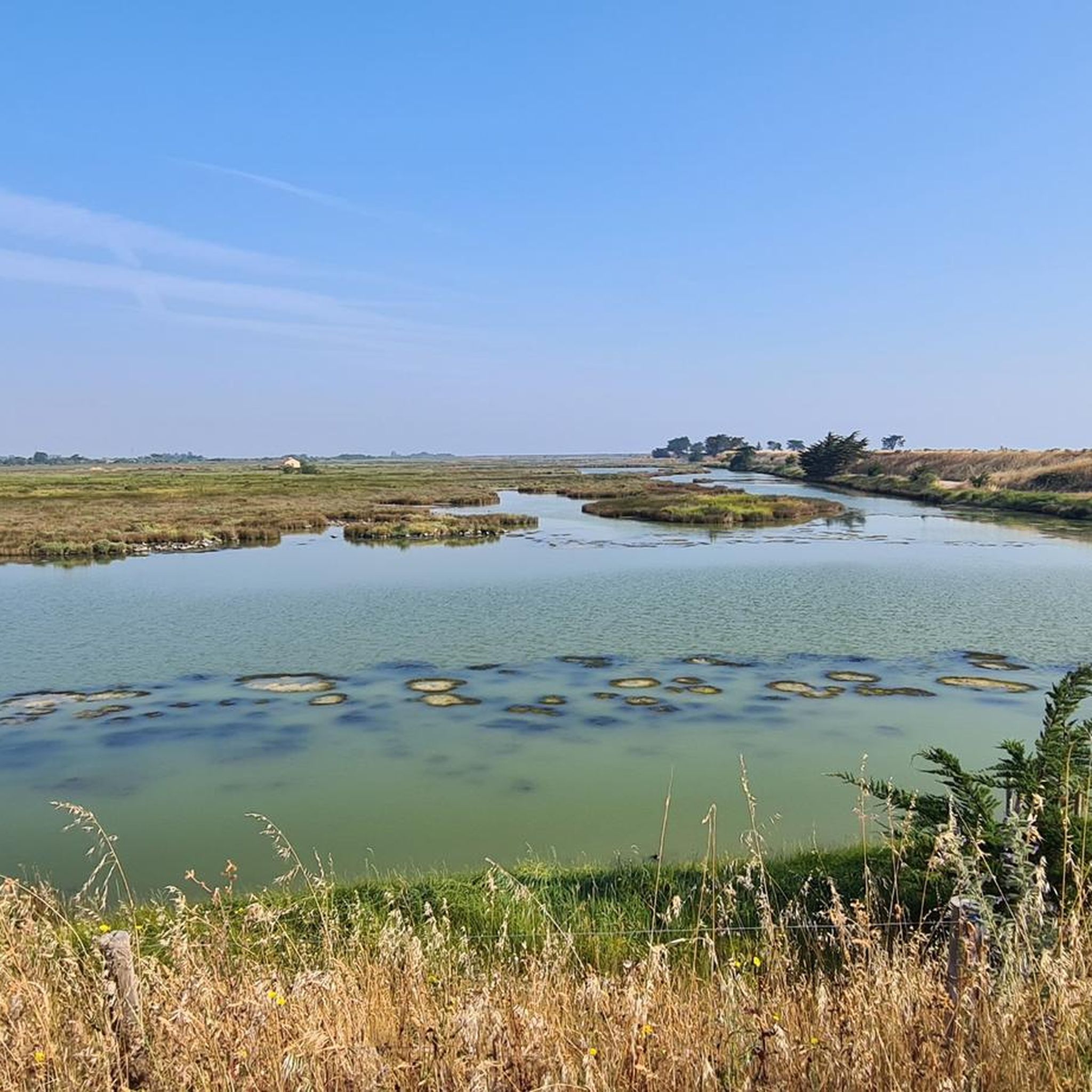
Good place to observe some of the 170 species of birds that frequent the reserve.
0
0

Superb section.
0
0
Frequently Asked Questions
What unique natural features define the landscape around Barbâtre?
The Barbâtre area on Noirmoutier Island is characterized by several unique natural features. These include the historic Salt Pans and White Paths of Noirmoutier, the fascinating submersible causeway of the Passage du Gois, the biodiverse Sébastopol Polder Nature Reserve, and the expansive Barbâtre Pine Forest. Additionally, the region boasts 7 kilometers of fine sandy beaches and geological curiosities like the Pont d'Yeu.
Are there family-friendly natural monuments to visit in Barbâtre?
Yes, Barbâtre offers several natural monuments that are great for families. The Sébastopol Polder Nature Reserve is a family-friendly trail and a nesting place for various bird species, offering an impressive natural spectacle. The Salt Pans and White Paths of Noirmoutier are also considered family-friendly, providing opportunities for observation. Furthermore, the Barbâtre Pine Forest is a peaceful and restorative place, perfect for long walks and children to play, while Pont d'Yeu Beach is a beautiful, long sandy beach ideal for family outings.
What kind of outdoor activities can I do near Barbâtre's natural monuments?
The natural monuments around Barbâtre are perfect for a variety of outdoor activities. You can enjoy hiking, road cycling, and mountain biking. For hiking, consider routes like the Passage du Gois – Île de Noirmoutier loop or the Moulin de la Plaine – Passage du Gois loop. Cyclists can explore routes such as the Pont de Noirmoutier – Lobster Beach loop or the Grande Côte Beach – Passage du Gois loop. Mountain bikers have options like the Île de Noirmoutier – Pointe de la Casie loop. You can find more details on these activities and routes in the Hiking around Barbâtre, Road Cycling Routes around Barbâtre, and MTB Trails around Barbâtre guides.
What is the Passage du Gois and why is it significant?
The Passage du Gois is a unique 4.2-kilometer submersible causeway connecting Noirmoutier Island to the mainland. It is only passable at low tide, disappearing under the sea twice a day. This historic route, dating back to the 8th century, is listed as a Historic Monument and recognized by UNESCO. Its exceptional character makes it a thrilling experience for walking or cycling during low tide, observing marine life, and even engaging in traditional shoreline fishing.
Can I go birdwatching near Barbâtre?
Absolutely! The Sébastopol Polder Nature Reserve is a significant bird sanctuary, home to over 210 bird species. It's an ideal spot for birdwatching, especially in April/May when there's a high concentration of terns, seagulls, and avocets. The Salt Pans and White Paths of Noirmoutier also offer superb sections for observing some of the 170 species of birds that frequent the reserve.
What is the Barbâtre Pine Forest like for visitors?
The Barbâtre Pine Forest, covering 145 hectares, is the largest forest on Noirmoutier Island. Dominated by maritime pines, it also features strawberry trees, evergreen oaks, and cypress trees. It's a peaceful and restorative place, offering extensive opportunities for hiking and cycling on trails that wind through fragrant pines, often with sea views. It acts as a natural defense for the coast and is a popular spot for children to play, providing shade and shelter in a unique setting bordering fine sandy beaches and dunes.
What do visitors enjoy most about the natural monuments around Barbâtre?
Visitors particularly enjoy the diverse natural beauty and the opportunities for outdoor exploration. The Salt Pans and White Paths of Noirmoutier are praised for their superb sections and as a good place to observe birds. The Pointe de la Casie offers exhilarating experiences with rugged trails and commanding views of Bourgneuf Bay. The Sébastopol Polder Nature Reserve is appreciated for its impressive natural spectacle, especially during nesting season. The overall appeal lies in the preserved natural environment and the variety of landscapes, from coastal viewpoints to bird sanctuaries.
Are there any unique geological formations near Barbâtre?
Yes, the Pont d'Yeu Beach is notable for a geological curiosity. Here, two opposing sea currents have collided over millennia, creating a 4-kilometer-long sand and pebble bank that is revealed at low tide. The underlying limestone base has historically served as an open-air quarry for local builders.
What are the best times to visit Barbâtre's natural monuments?
The best time to visit Barbâtre's natural monuments largely depends on your interests. For birdwatching, April and May are ideal at the Sébastopol Polder Nature Reserve due to nesting birds. For walking or cycling the Passage du Gois, you must consult tide tables, as it's only accessible at low tide. Generally, spring and autumn offer pleasant weather for hiking and cycling without the peak summer crowds, while summer is perfect for enjoying the beaches and water sports.
Can I bring my dog to the natural monuments in Barbâtre?
While specific policies can vary, many natural areas in France are generally dog-friendly, often requiring dogs to be on a leash. The Barbâtre Pine Forest is a popular spot for walks, and dogs are generally welcome. For the Passage du Gois, dogs are typically allowed on the causeway when it's open. However, for protected areas like the Sébastopol Polder Nature Reserve, which is a bird sanctuary, it's advisable to keep dogs strictly on designated paths and on a leash to protect the wildlife. Always look for local signage regarding dog policies.
How long should I plan for exploring the natural monuments around Barbâtre?
The time needed depends on which monuments you wish to visit and your activity level. You could spend a few hours exploring the Passage du Gois during low tide, including time for walking and observing. The Sébastopol Polder Nature Reserve has a 3.2 km rambling trail that can take an hour or two. The Barbâtre Pine Forest offers extensive trails, so you could spend anywhere from an hour to half a day hiking or cycling. To experience a few different sites, planning a full day or even a weekend would allow for a more relaxed and comprehensive exploration.
Are there viewpoints offering panoramic scenery in Barbâtre?
Yes, Pointe de la Casie is a notable viewpoint offering commanding views of both land and sea, cruising right along Bourgneuf Bay. It provides an exhilarating experience with rugged trails and breathtaking coastal scenery. Additionally, the trails within the Barbâtre Pine Forest often provide glimpses of the sea, and the Passage du Gois offers unique perspectives of the bay as the tide recedes or returns.
Most popular routes around Barbâtre
Most popular attractions around Barbâtre

Get inspired with the komoot mobile app


Explore more
Extend your search for the best caves by checking out these guides of the top ones around Barbâtre:
