Top 6 Natural Monuments around Luzarches
Best natural monuments around Luzarches include a variety of natural sites within the commune and its surrounding area. The region, part of the Île-de-France, features extensive forests, agricultural lands, and natural spaces. These areas offer access to green spaces, rivers, and ponds, providing opportunities for outdoor activities. The natural appeal of Luzarches lies in its connection to these diverse landscapes.
Best natural monuments around Luzarches
- The most popular natural monuments is Étangs de Commelles, a lake known for its…
Last updated: July 2, 2026
The Blue Lake of Carnelle
Highlight • Forest
Translated by Google •
Tip by

Étangs de Commelles
Highlight • Lake
Translated by Google •
Tip by
Sign up now to discover places like this
Get recommendations on the best single tracks, peaks, & plenty of other exciting outdoor places.
Sign up for free
Covered alley
Highlight • Historical Site
Translated by Google •
Tip by

The Chêne des Grès
Highlight • Natural Monument
Translated by Google •
Tip by
La Pierre Longue Menhir
Highlight • Monument
Accessible by walking along the wood in the field, it is visible from the field or the woods.
Translated by Google •
Tip by

Sign up for free to discover even more natural monuments around Luzarches.
Sign up for free
Already have an account?
Start today with a free account
Your next adventure awaits.
Login or Signup
Other adventures around Luzarches

Tips from the Community

What is to be remembered from this route is the passage through the Carnelle forest. However, there are too many roads on the Isle Adam and along the Oise. No particular difficulty.
0
0

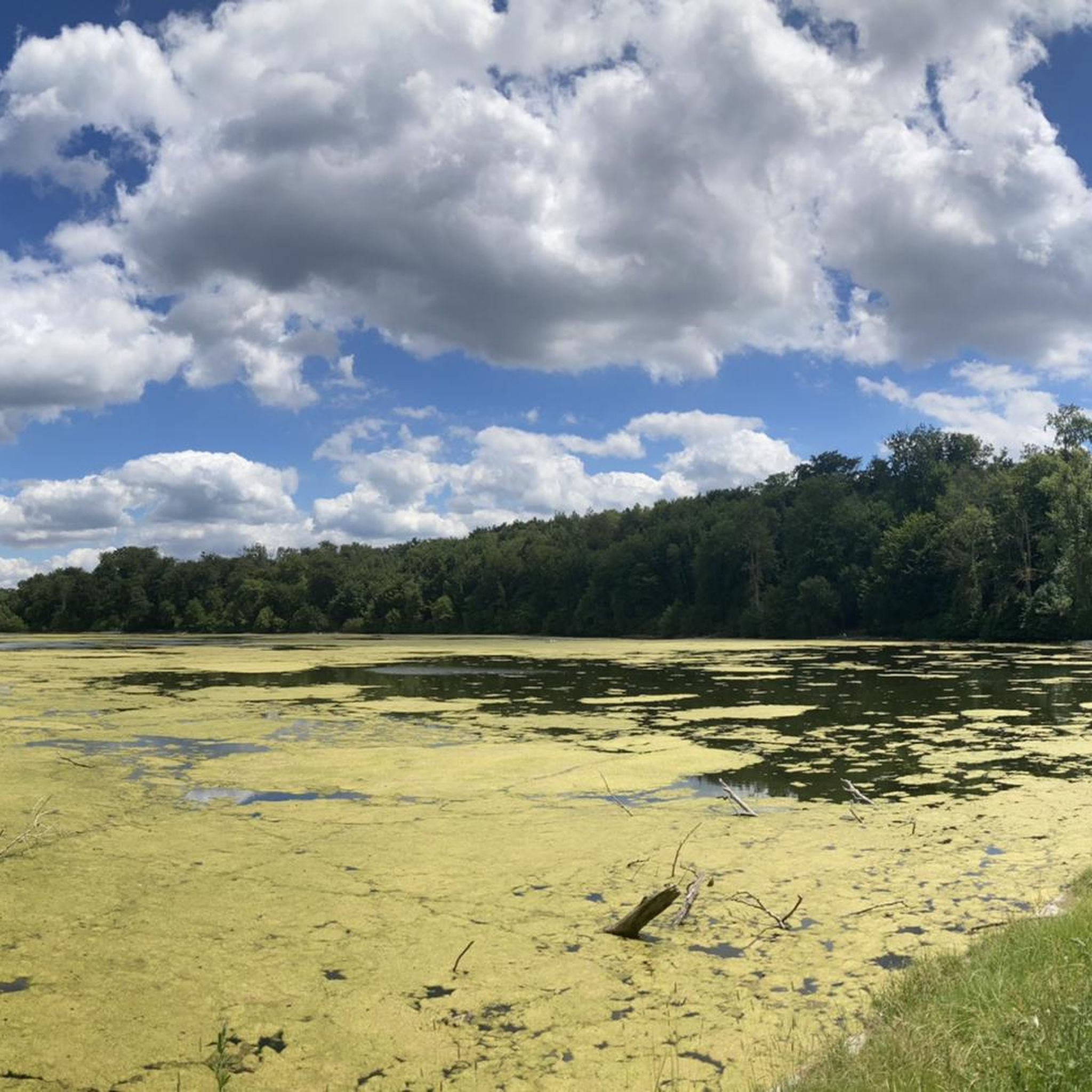
pretty lake hidden in the middle of the forest
0
0

A 3-meter-high isolated menhir, made of sandstone, with a typical shark's fin shape, suggesting that a part has been broken. Accessible by walking along the wood in the field, it is visible from the field or the woods.
0
0

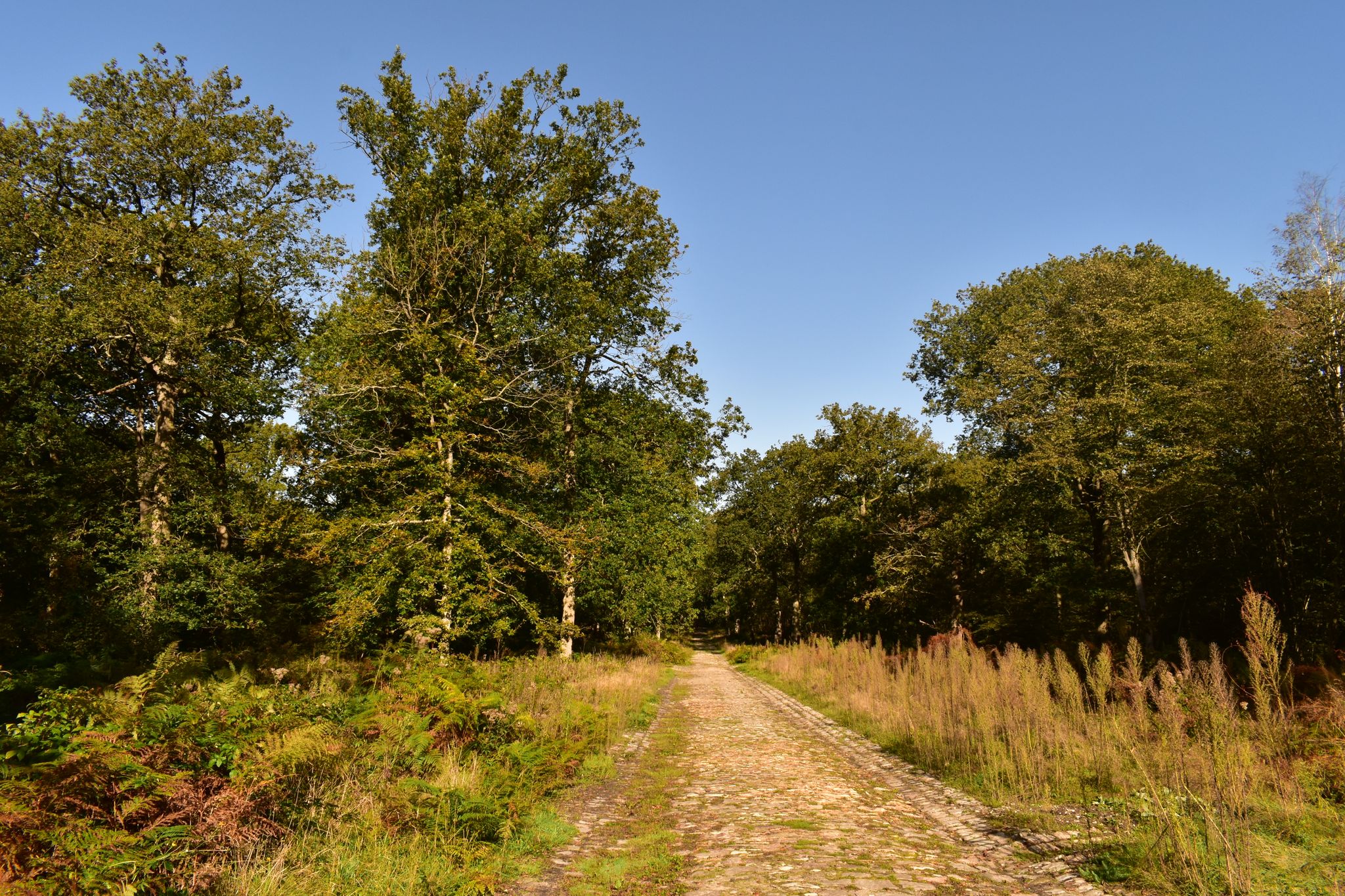
This funerary megalith dates back to the beginning of the Neolithic period! It is the largest and most famous of all the covered alleys in the Paris region, which has become the archetype of burials associated with the Seine-Oise-Marne culture. All the slabs are in Fontainebleau sandstone, several outcrops of which are visible on the hillside.
2
0

The ponds of Commelles are part of the beautiful forest of Chantilly and therefore of the Regional Natural Park Oise-Pays de France It is a protected site, rich in biodiversity, with thousands of frogs in March. In the 19th century, the ponds were frequented by romantic artists and authors such as Chateaubriand.
1
1
Lac Bleu is one of the two bodies of water in the Carnelle forest. On sunny days, its name takes on its full meaning. But there is another reason for the name of this lake from ancient quarries. The rock at the bottom is a mixture of gypsum and marl. The color is changing due to algae, but originally it is deep blue. Around the lake, one can appreciate oaks, beeches and chestnuts. A feast for the eye!
1
0
The Blue Lake, like the small pond located a few dozen meters away, has been built in old marl quarries, which give the water a bluish color. For this reason, they reach a depth of 20 to 30 m and swimming is prohibited there for safety reasons. On the other hand, you can go fishing there. The ponds have replaced the quarries, and the presence of green marls, which color their bed, explains their astonishing variation in color. Going from turquoise blue to emerald green, depending on the depth, the time of day, the intensity of the light.
0
0
Small detour for nature lovers in the forest of Pontarmé. This remarkable tree, the Chêne des Grès, is a sessile oak 23 meters high, about 300 years old. It shines in the middle of this forest and is worth a look!
1
0
Frequently Asked Questions
What types of natural features can I explore around Luzarches?
The area around Luzarches offers a diverse range of natural features, including serene lakes, expansive forests, and unique geological formations. You can discover places like the deep blue waters of The Blue Lake of Carnelle, the biodiverse Étangs de Commelles within the Chantilly forest, and the tranquil Vallon de Rocquemont, which is recognized for its local heritage.
Are there family-friendly natural monuments near Luzarches?
Yes, several natural monuments around Luzarches are suitable for families. Both The Blue Lake of Carnelle and Étangs de Commelles are categorized as family-friendly, offering pleasant environments for walks and nature observation. The ancient Covered alley is also a family-friendly historical natural monument.
What historical natural monuments can I visit in the region?
The region boasts significant historical natural monuments. The Covered alley is a notable Neolithic funerary megalith, recognized as the largest and most famous of its kind in the Paris region. Additionally, La Pierre Longue Menhir, a 3-meter-high sandstone monolith, offers another glimpse into ancient history.
What outdoor activities can I do near these natural monuments?
The natural monuments around Luzarches are excellent starting points for various outdoor activities. You can enjoy hiking, running, and gravel biking. For instance, there are numerous hiking trails, including a challenging 24.8 km loop around the Étangs de Commelles. You can also find running routes and gravel biking tours that pass through these scenic areas.
Are there any viewpoints to enjoy panoramic scenery?
Yes, you can find viewpoints among the natural monuments. The Blue Lake of Carnelle is listed as a viewpoint, offering picturesque scenes, especially on sunny days when its deep blue color is most vibrant. The ancient The Chêne des Grès, a remarkable 300-year-old oak, also provides a unique natural focal point within the forest.
What is the best time to visit the natural monuments around Luzarches?
The best time to visit depends on your interests. Spring, particularly March, is excellent for observing biodiversity at sites like the Étangs de Commelles, known for thousands of frogs. Generally, spring and autumn offer pleasant temperatures for hiking and exploring the forests. Summer is ideal for enjoying the lakes, while winter can provide tranquil, scenic walks, especially in the forests.
Can I bring my dog to the natural monuments and trails?
While specific regulations for each site may vary, many natural areas and trails in the Île-de-France region, including forests and parks, are generally dog-friendly, often requiring dogs to be on a leash. It's advisable to check local signage or specific park rules for each natural monument you plan to visit to ensure a pleasant experience for everyone.
Are there easy walking trails suitable for beginners?
Yes, there are easy walking options available. For instance, within the hiking guide for Luzarches, you can find easy routes like the 4.8 km 'Hérivaux Abbey – Forêt des Moines loop from Bellefontaine' or the 4 km 'Hérivaux Abbey loop from Bellefontaine', which are great for beginners or those seeking a leisurely stroll.
What makes the Étangs de Commelles special?
The Étangs de Commelles are special for their rich biodiversity, especially in March when thousands of frogs can be observed. They are a protected site within the beautiful Chantilly forest and part of the Regional Natural Park Oise-Pays de France. Historically, these ponds were also a favored spot for romantic artists and authors like Chateaubriand in the 19th century, adding a cultural layer to their natural beauty.
How can I reach the natural monuments using public transport?
Luzarches is located within the Île-de-France region, which has a comprehensive public transport network. While direct access to every natural monument by public transport might require some planning, regional trains (Transilien) and local bus services connect Luzarches to surrounding towns. From there, some natural sites may be accessible via shorter walks or additional local transport. It's recommended to consult local transport schedules for specific routes to your chosen destination.
Are there any cafes or amenities near these natural monuments?
While specific cafes directly adjacent to every natural monument are not guaranteed, Luzarches itself offers amenities like cafes and restaurants. For natural areas like the Étangs de Commelles within the Chantilly forest, you might find facilities in nearby towns or within the broader Chantilly domain. It's always a good idea to pack water and snacks, especially for longer excursions.
What is the significance of The Blue Lake of Carnelle's color?
The Blue Lake of Carnelle gets its name from the deep blue color of its waters, which is influenced by the gypsum and marl rock at its bottom. Although the color can change due to algae, its original hue is distinctly blue, making it a visually striking feature within the Carnelle forest. The surrounding oaks, beeches, and chestnut trees further enhance its scenic appeal.
Most popular routes around Luzarches
Most popular attractions around Luzarches

Get inspired with the komoot mobile app


Explore more
Extend your search for the best caves by checking out these guides of the top ones around Luzarches:
