Attractions and Places To See around Lostallo - Top 20
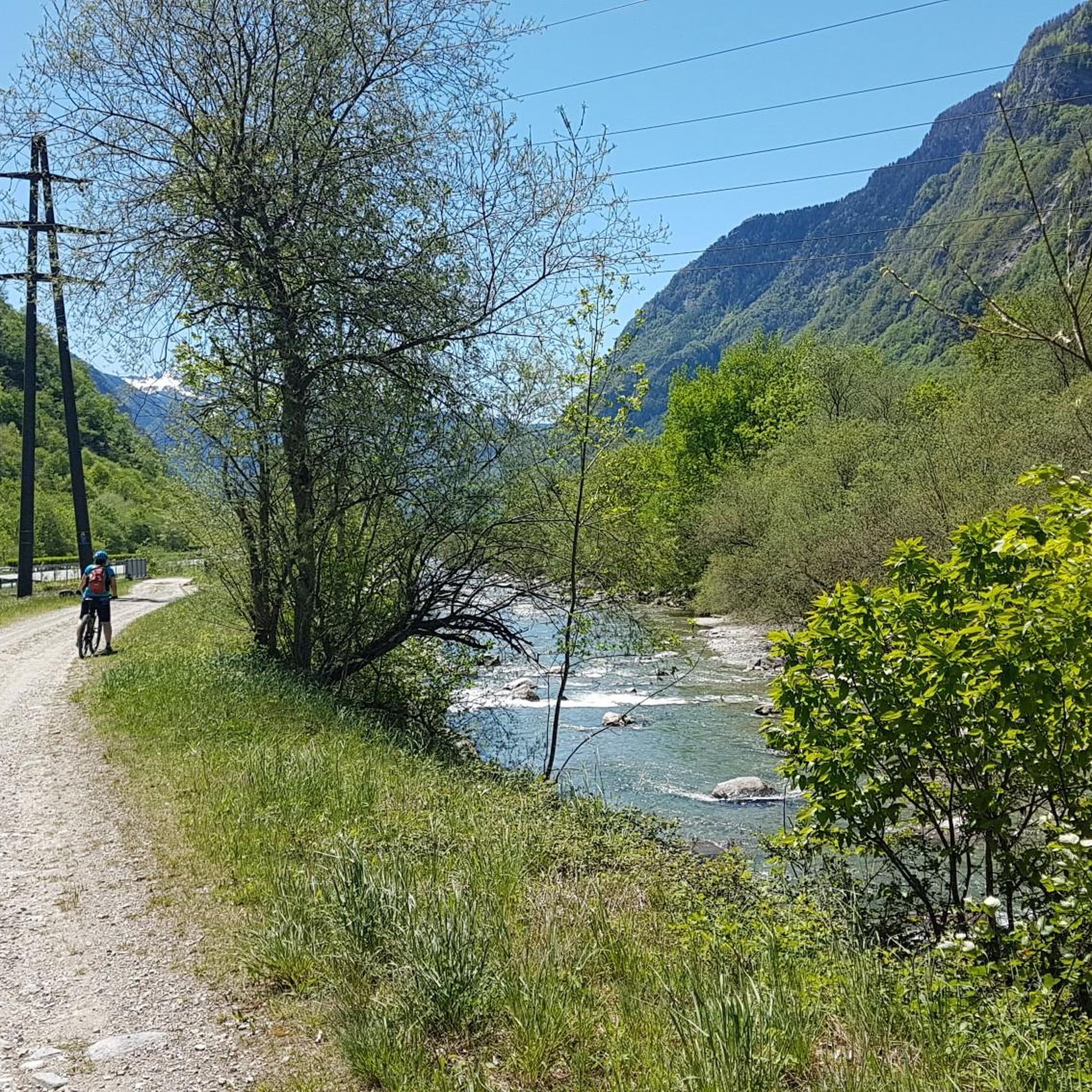
Best attractions and places to see around Lostallo are found within the Mesolcina Valley in the Grisons region of Switzerland. This municipality, situated at 426 meters above sea level, features the Moesa River, surrounding mountains, and extensive chestnut woods. The area offers a blend of historical significance and natural beauty, with its relatively flat terrain amidst a backdrop of majestic mountains. Visitors can explore historical landmarks, picturesque natural features, and cultural sites.
Best attractions and places to see around Lostallo
…Last updated: October 9, 2026
Mesocco Castle
Highlight • Castle
Translated by Google •
Tip by

Brogoldone Hut
Highlight • Mountain Hut
Translated by Google •
Tip by

Sign up now to discover places like this
Get recommendations on the best single tracks, peaks, & plenty of other exciting outdoor places.
Crotto Dangri
Highlight • Restaurant
Translated by Google •
Tip by

Porta di Santa Maria, Chiavenna
Highlight • Historical Site
Located at the intersection of the Bergell and the Val San Giacomo, Chiavenna (formerly German Cläven, Kleven) is the center of the Valchiavenna, which together with the Valtellina makes …
Translated by Google •
Tip by

Collegiate Church of St. Lawrence
Highlight • Religious Site
Translated by Google •
Tip by

Sign up for free to discover even more attractions around Lostallo.
Already have an account?
Start today with a free account
Your next adventure awaits.
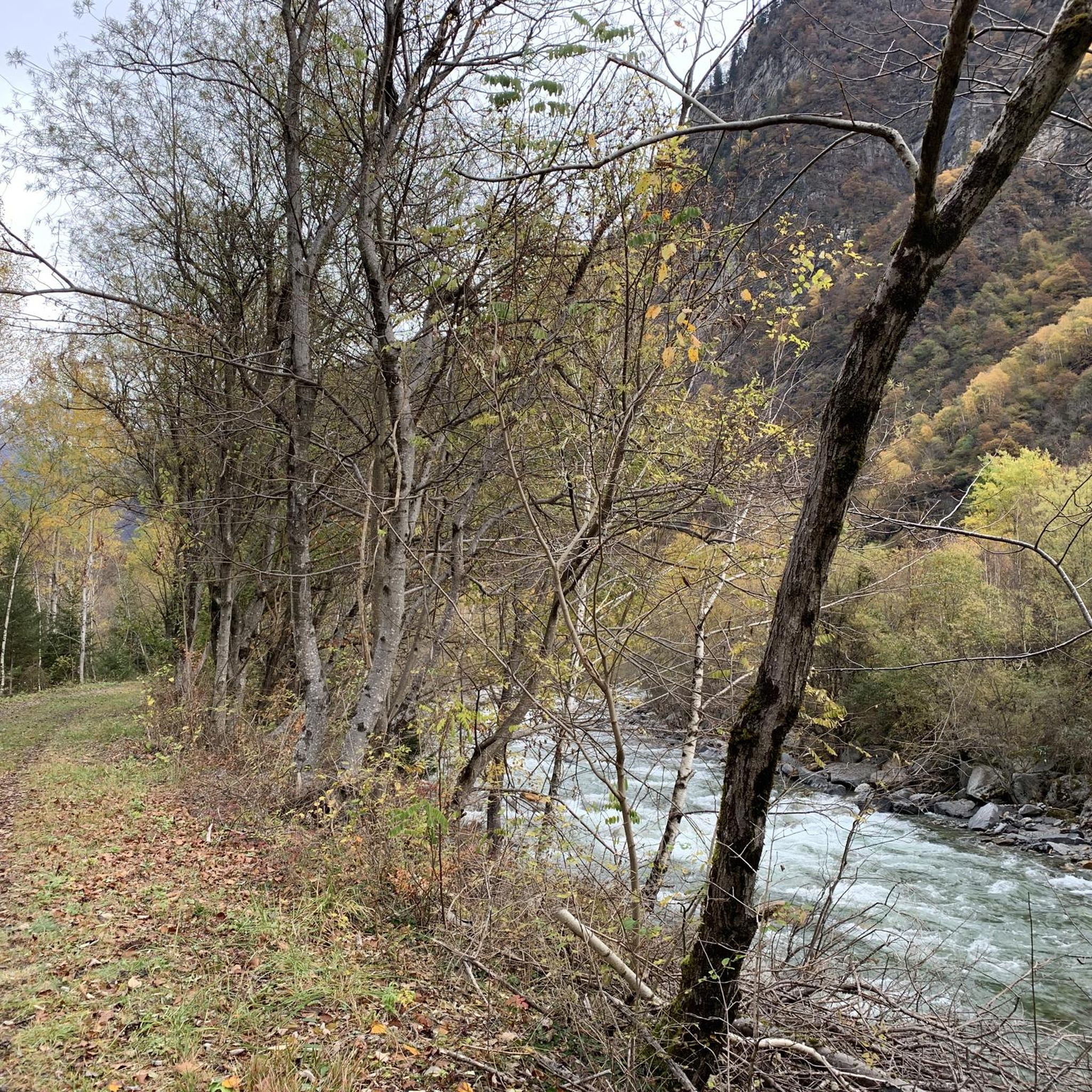
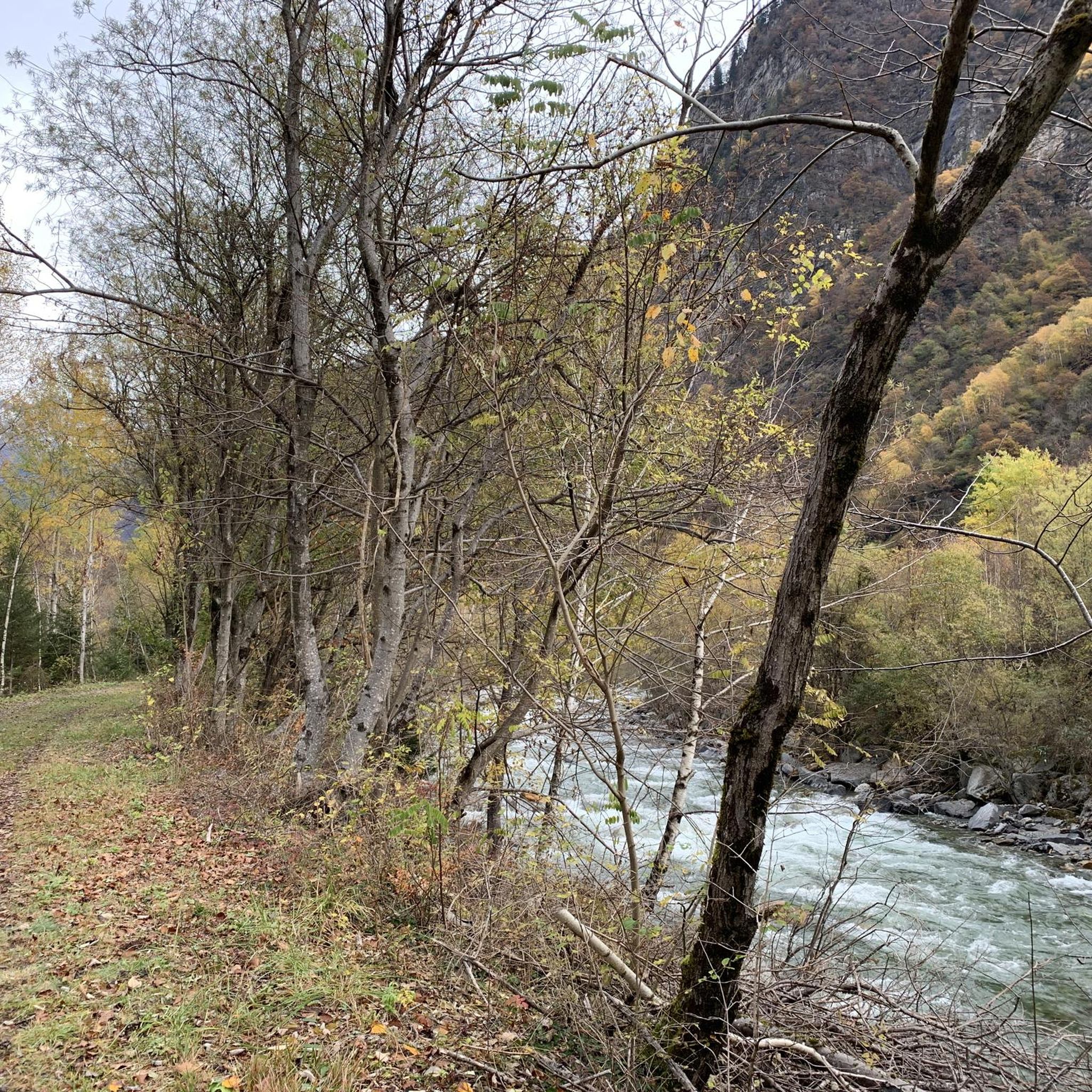
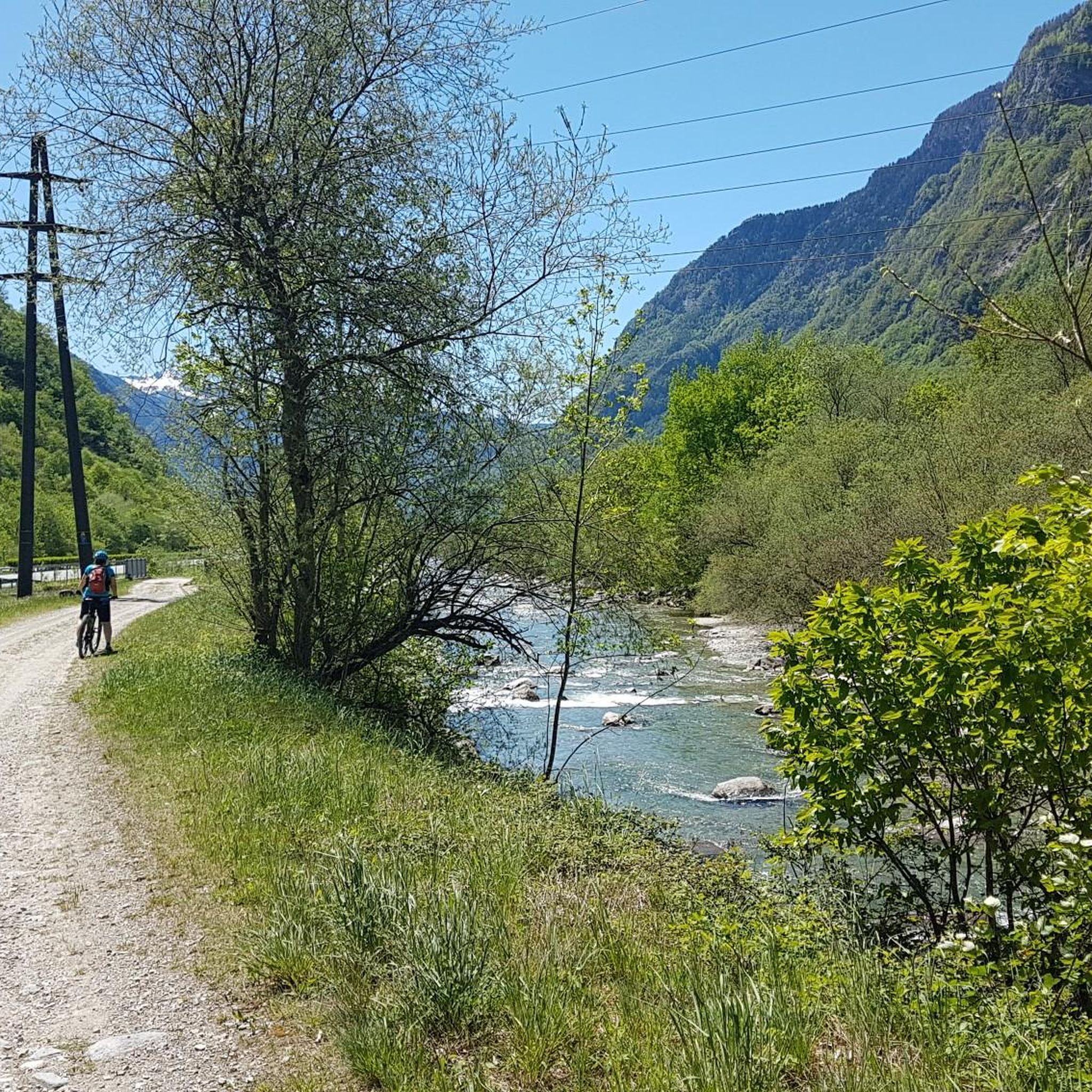
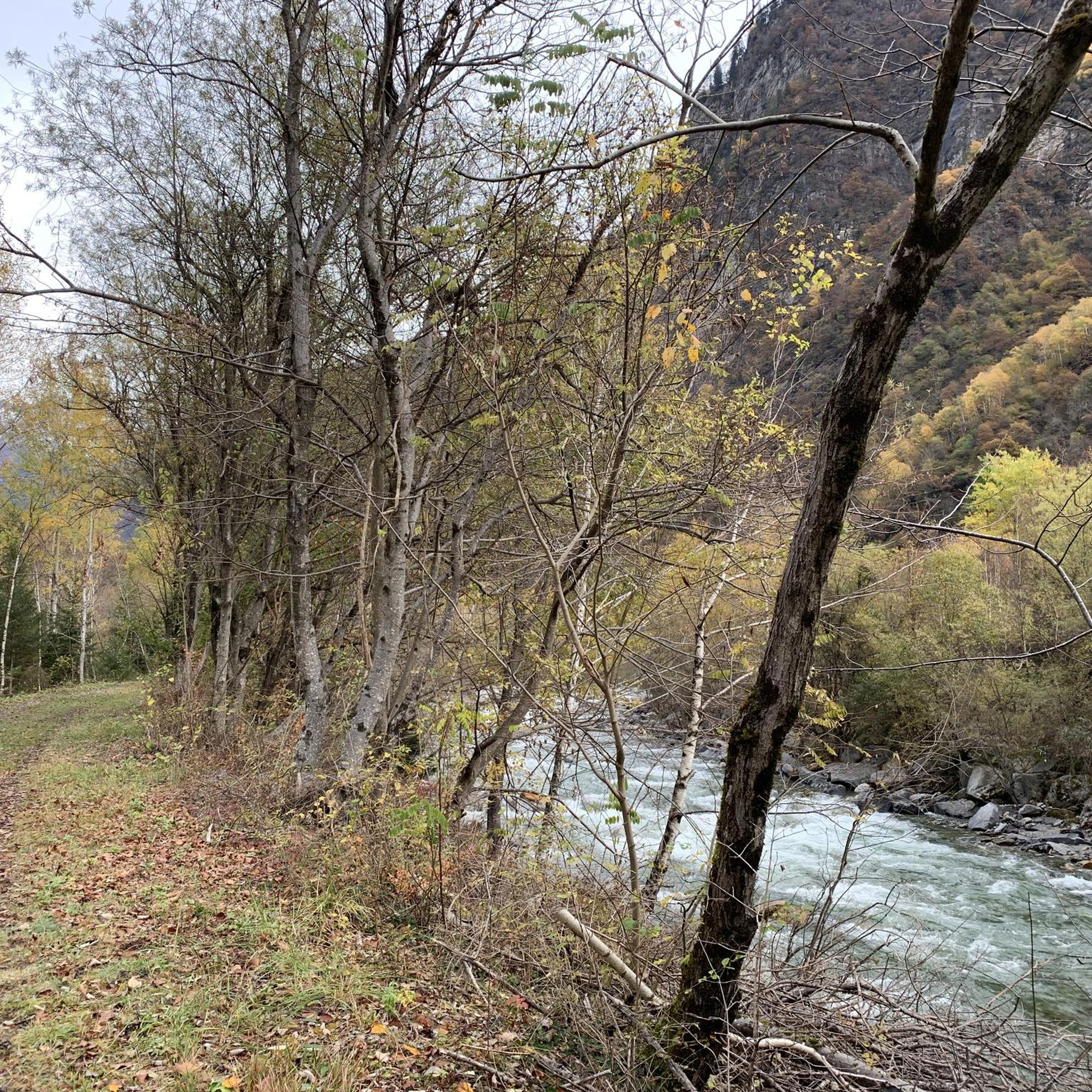

Tips from the Community

great place...a must I find
0
0

A true insider tip! The guide who welcomes visitors is extremely friendly and competent. An absolute must when visiting Chiavenna. The flair of Chiavenna is wonderful.
2
0
Beautiful campanile with a special baptistery and Romanesque baptismal font.
2
0


Mesocco Castle San Bernardino Castle Mesolcina Calanca The ruins of Mesocco Castle stand on top of an imposing rocky hill that rises steeply from the valley floor. This imposing fortress stands in the center of the valley, forcing the Moesa River into a wide bend in a narrow, impassable gorge, leaving only a narrow passage to the west. Mesocco Castle is protected on three sides by steep cliffs. Only to the northeast, on the upstream side of the valley, does the slope slope more gently. Climbing up the old access road to the castle from the north side, you first reach the Church of St. Maria del Castello and are already on the castle grounds, which were once surrounded by a defensive wall. The impressive ruins consist mainly of the remains of defensive works built in the last decades of the 15th century, i.e., during the final phase of the castle's life. Among them are numerous ruins from earlier eras, so that the castle's current appearance reveals its eventful history, which has its roots in the early Middle Ages. Graubünden Ferien, Alexanderstrasse 24, 7001 Chur https://www.graubuenden.ch/de/ausflugsziele/castello-di-mesocco
14
0

The Capanna Brogoldone is an alpine pasture with two main huts. One hut can accommodate up to 59 people. The other hut houses a small restaurant. Amazing views from up there!
4
0

The Capanna Brogoldone was once a mountain pasture and is today the result of a desire to preserve the remains of a bygone era. From 1995 to 1998, a group of volunteers set to work renovating the two existing buildings while maintaining the typical structure of the pasture: the former stable became a dormitory, and the building that once served as a cheese dairy and shelter for the mountain herders was converted into a kitchen and dining room. Source: https://www.brogoldone.ch/
8
1

After a short climb you reach the entrance
1
0
Frequently Asked Questions
What historical sites can I explore near Lostallo?
The region around Lostallo is rich in history. You can visit the impressive ruins of Mesocco Castle, one of Switzerland's largest castle complexes, which was a significant aristocratic center. Additionally, explore ancient cup stones, recently renovated dry stone walls, and the historic cluster of rural buildings known as "i Stall de Cabiè." The churches of San Borromeo (1611) and San Giorgio (1219) also offer a glimpse into the past. Further afield, the Porta di Santa Maria, Chiavenna, a city gate built in 1741, reflects the area's historical importance in trade.
What natural attractions are there to see in Lostallo?
Lostallo offers a variety of natural beauty. The majestic Piz di Groven towers at 2690 meters, providing a dramatic backdrop. You can also explore beautiful chestnut woods, the ecologically important Rosera Floodplain, and the scenic Moesa River that meanders through the municipality. For a unique experience, consider visiting Crotto Dangri, where you can swim in a mountain stream.
Are there family-friendly activities or attractions in the Lostallo area?
Yes, several attractions around Lostallo are suitable for families. Crotto Dangri is a great spot where families can enjoy a rustic meal and swim in the nearby mountain stream. The historical Porta di Santa Maria, Chiavenna and the Mesocco Castle ruins are also considered family-friendly, offering educational and engaging experiences. The region's numerous hiking and cycling paths provide opportunities for outdoor family adventures.
What kind of outdoor activities can I do near Lostallo?
The Lostallo region is excellent for outdoor enthusiasts. You can enjoy extensive hiking and cycling, with many hidden gems to discover. For gravel biking, explore routes like the "Lake Mezzola – Lake Mezzola loop" or the "Lostallo Village and Waterfall – Ponte della Maggia loop" (find more at Gravel biking around Lostallo). Cycling options include the "Tour of the countries along the Moesa from Lostallo to Mesocco" (more at Cycling around Lostallo). Road cyclists can tackle challenging ascents like "Ascent to Passo Sa Bernardino from Grono" (details at Road Cycling Routes around Lostallo). E-scooter tours are also available for a unique way to see the Misox area.
Where can I find a good meal or a place to rest during my explorations?
For a rustic dining experience, visit Crotto Dangri, known for its typical country style and a mountain stream for swimming. Another option is the Brogoldone Hut, which was once a mountain pasture and now offers a restaurant with panoramic views overlooking the Lumino valley, perfect for a break.
Are there any significant historical buildings or churches in Lostallo?
Lostallo features several notable historical buildings. The main part of the village showcases 19th-century architecture with characteristic corridor structures. The municipality is home to two small churches: San Borromeo, built in 1611, and San Giorgio, which dates back to 1219 and is considered one of the oldest in the Valle Mesolcina. Nearby, the Collegiate Church of St. Lawrence in Chiavenna is another significant religious building with a rich history.
What is the 'i Stall de Cabiè' and why is it important?
The "i Stall de Cabiè" is a cluster of thirteen rural buildings located in the locality of Campagna de Cabiè, just outside Lostallo. It holds immense historical, cultural, and landscape value and is recognized and included in the national inventory of protected sites. It offers a unique insight into the traditional architecture and way of life of the region.
What do visitors particularly enjoy about the attractions around Lostallo?
Visitors appreciate the blend of historical significance and natural beauty. Many enjoy the rustic experience and mountain stream swimming at Crotto Dangri, the historical importance of sites like Porta di Santa Maria, Chiavenna, and the panoramic views from places like Brogoldone Hut. The opportunity for outdoor activities amidst stunning mountain scenery is also a major draw.
Can I find any ancient archaeological features in Lostallo?
Yes, Lostallo offers glimpses into its ancient past. Several ancient cup stones can be found in the area, providing archaeological evidence of early human activity and offering a unique insight into the region's history.
Is there a place near Lostallo that offers panoramic views?
Absolutely. The Brogoldone Hut is situated on a panoramic terrace overlooking the Lumino valley, offering excellent views. Additionally, the ruins of Mesocco Castle, perched on a mighty rock, provide commanding views of the surrounding Mesolcina Valley.
What is the Cioss de la Centena?
The Cioss de la Centena is a meadow located to the right of the road to Cama. Historically, it was the site of the Centena, a significant communal assembly of the High Court of Justice of Mesocco. This tradition was recorded as early as 1645, making it a place of historical importance related to local governance.
Most popular attractions around Lostallo

Get inspired with the komoot mobile app


Explore more
Still not found the Highlight you’re looking for? See guides of the top attractions in other regions:
