Top 5 Natural Monuments around Meursault
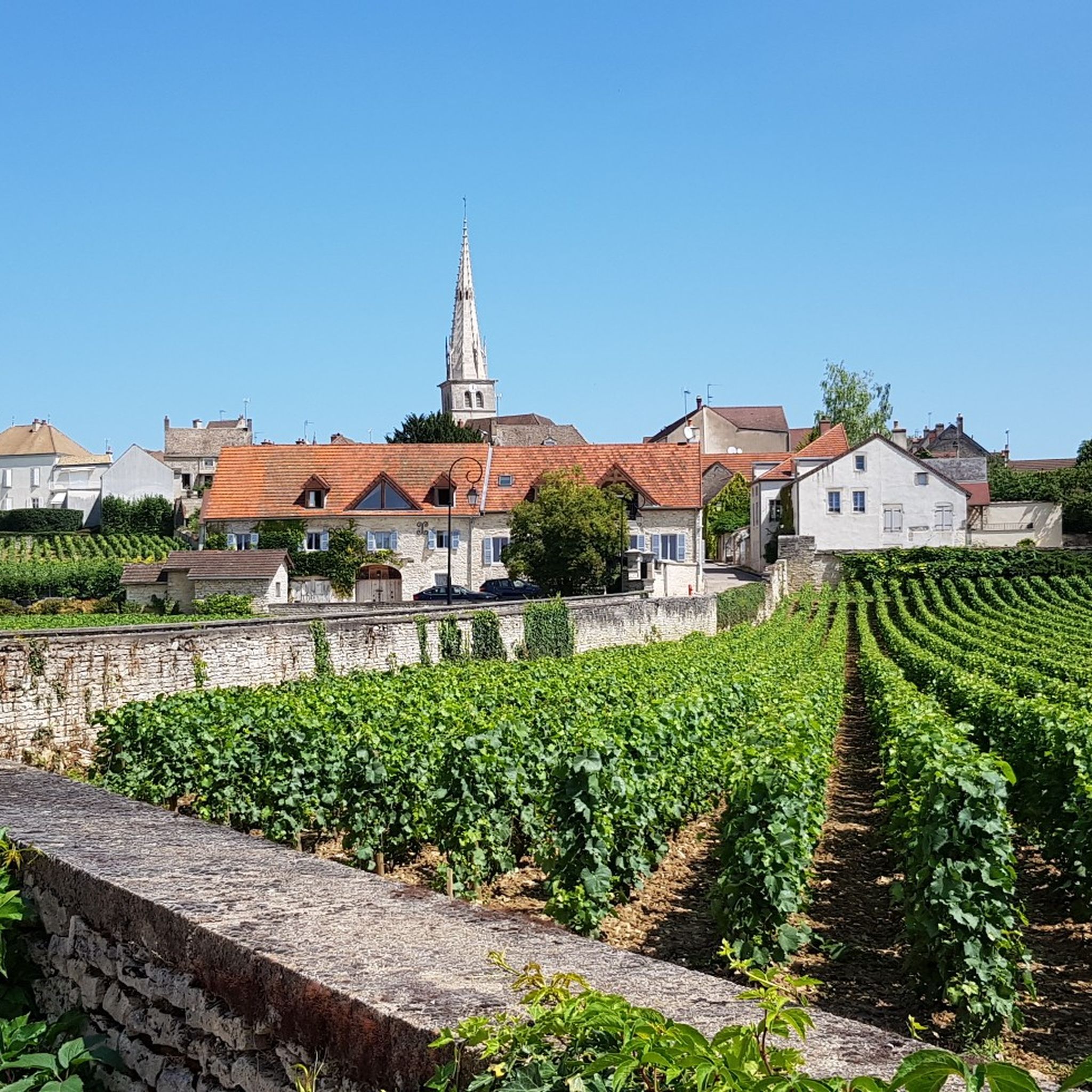
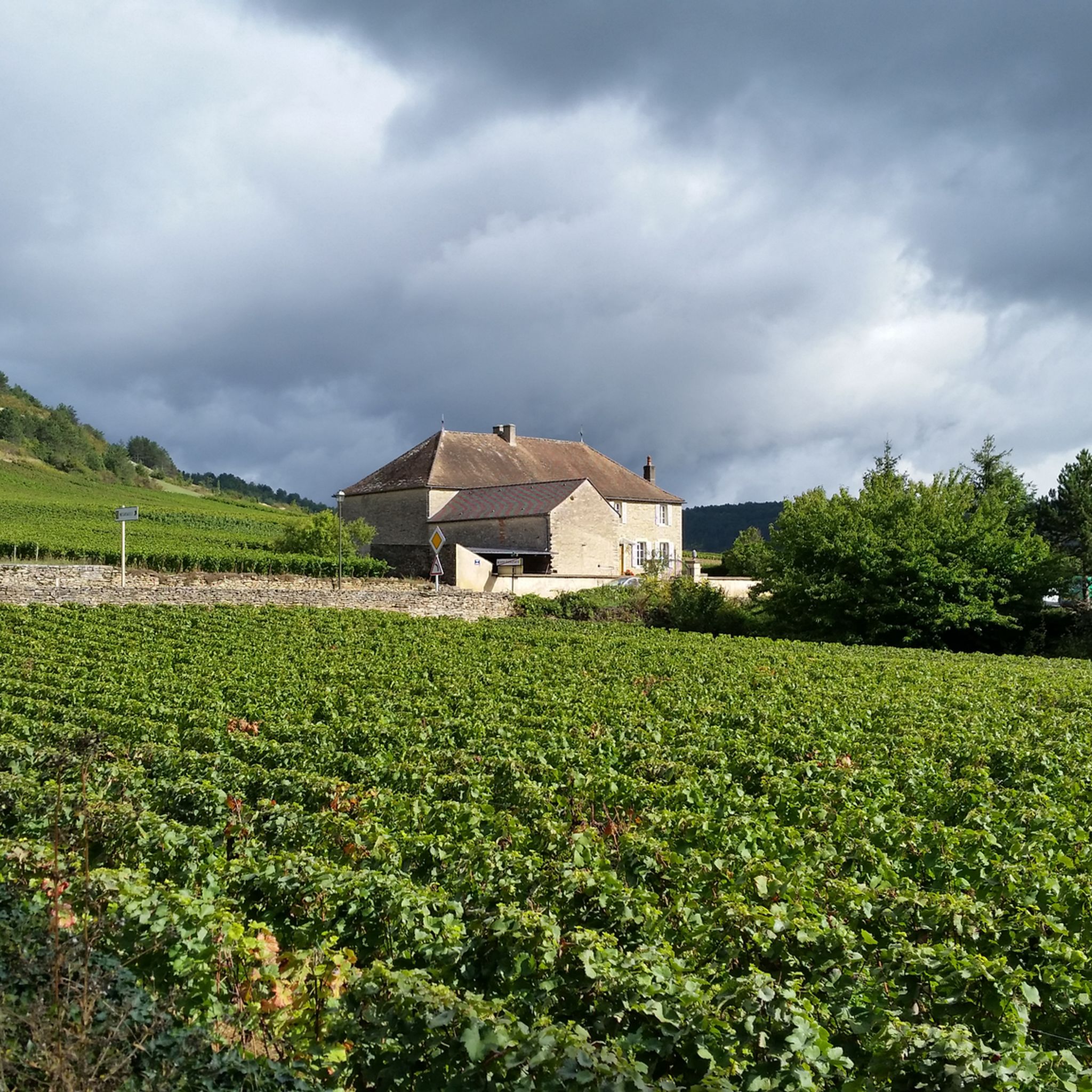
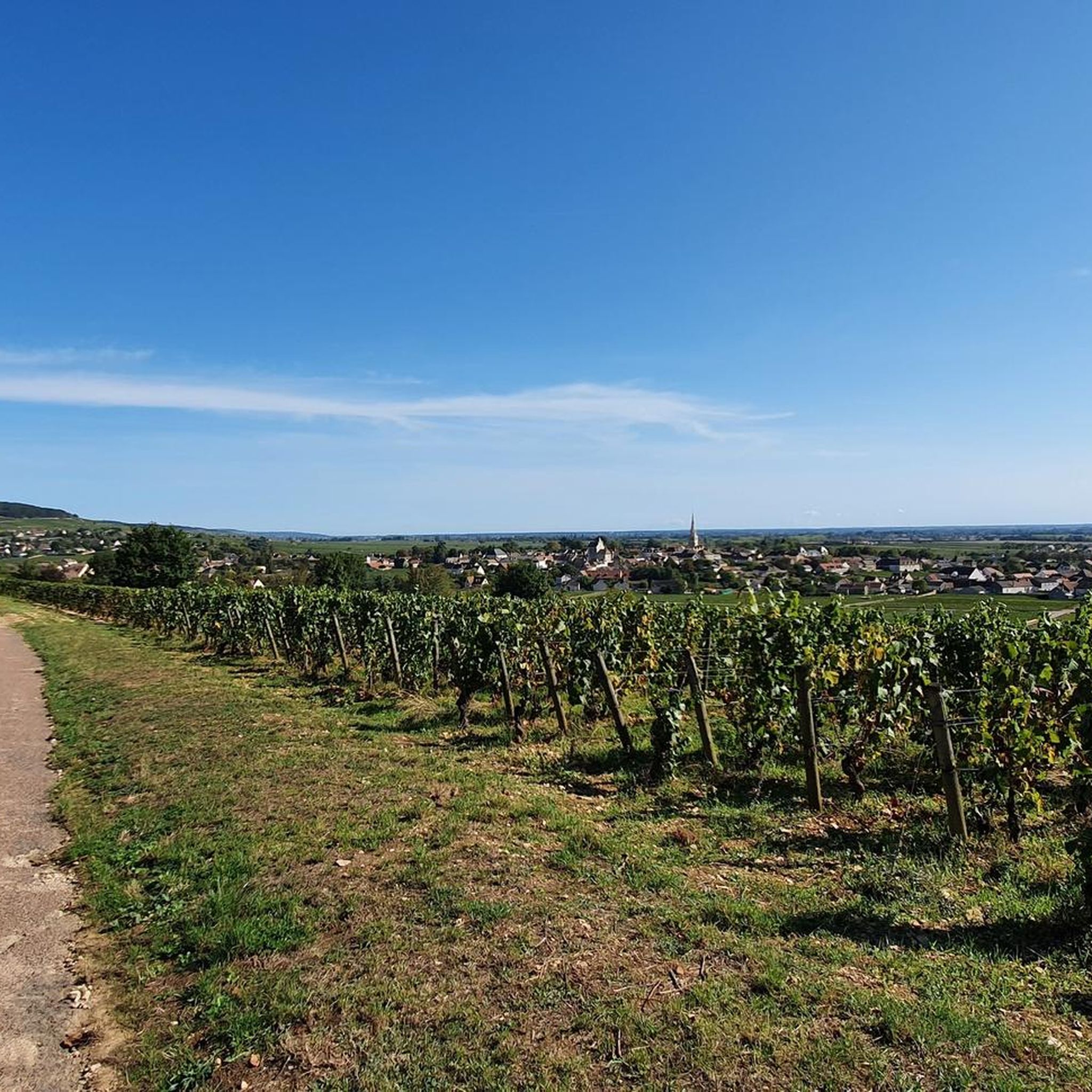
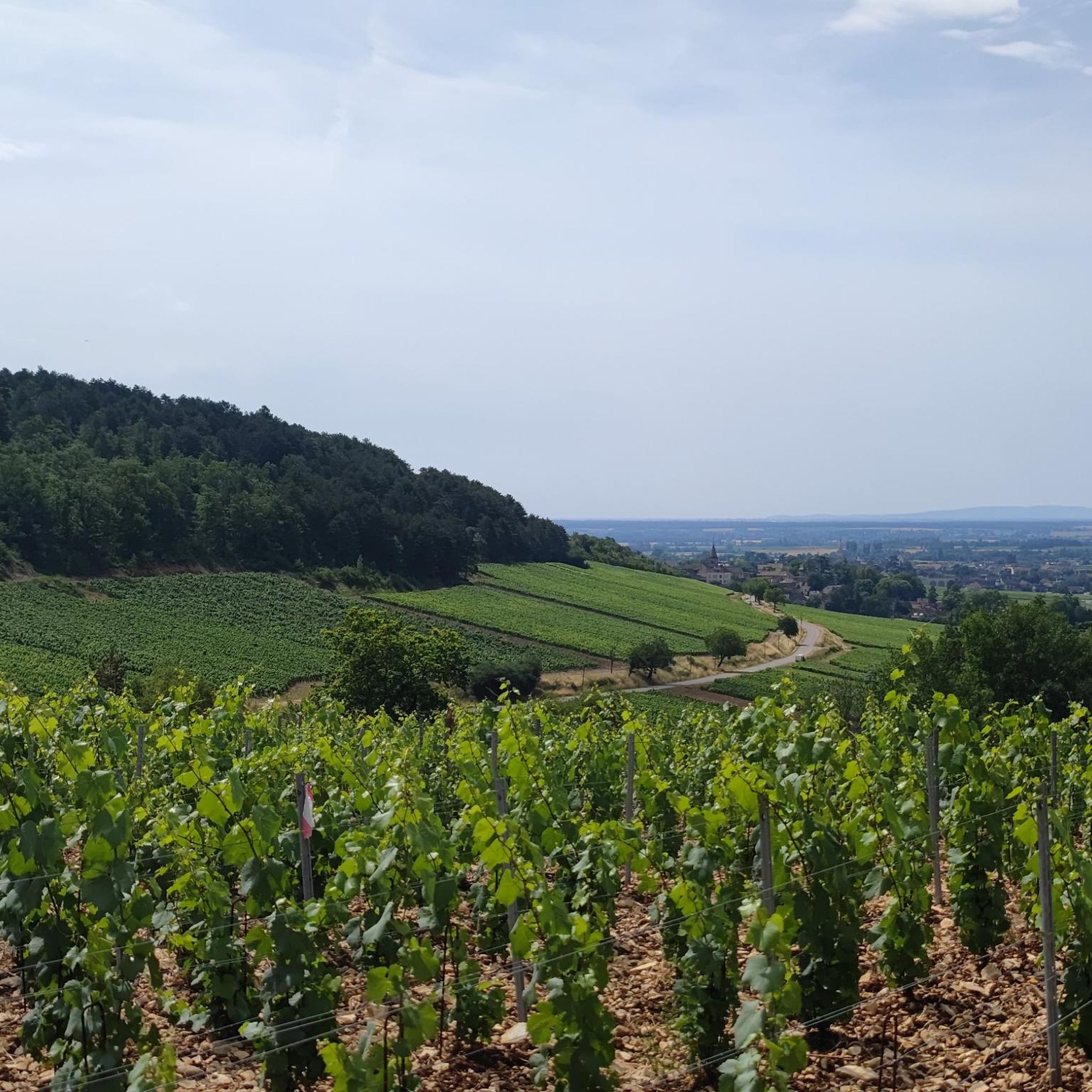
Best natural monuments near Meursault are shaped by the region's distinctive geological "terroir" and extensive vineyards. The landscape features an irregular, stepped slope formed by tectonic movements, with diverse soil compositions crucial for its acclaimed wines. Elevations range from 199 to 458 meters, providing varied microclimates and panoramic views. Exploring these areas on foot or by bike offers insight into the natural and viticultural heritage.
Best natural monuments around Meursault
- The most popular natural monuments is Cliffs of Saint-Romain,…
Last updated: July 2, 2026
Cul de Menevault Waterfall
Highlight • Waterfall
Translated by Google •
Tip by

Impressive Cliff With Steep Descent and Waterfall
Highlight • Gorge
Translated by Google •
Tip by

Sign up now to discover places like this
Get recommendations on the best single tracks, peaks, & plenty of other exciting outdoor places.
Sign up for free
Cliffs of Saint-Romain
Highlight • Canyon
Translated by Google •
Tip by

View of the Cirque at the End of the World
Highlight • Viewpoint
Translated by Google •
Tip by
View of the Cirque du Bout du Monde and Vauchignon
Highlight • Viewpoint
Translated by Google •
Tip by

Sign up for free to discover even more natural monuments around Meursault.
Sign up for free
Already have an account?
Start today with a free account
Your next adventure awaits.
Login or Signup

Tips from the Community

The village is located near Nolay, at the bottom of a green valley where the Cozanne, a trout river, flows. At the foot of the Bout du Monde valley and its waterfall, a "refuge" for the peregrine falcon or the white-bellied swift, and a veritable dictionary of protected cave-dwelling flora and fauna, the village of Cormot-Vauchignon is a unique and remarkable site where hiking or cycling tours are enchanting. Starting point for several hiking circuits, including that of "Saint-Antoine via the Roman road". Its St Antoine chapel is dominated by cliffs, a popular climbing site with 237 routes. The Eagle Owl watches.
0
0

There is a thick boat rope here to make it easier to climb up and down in the upper part - very helpful, especially when it is wet.
4
0

This first plateau of the Jura massif offers beautiful views of the valley. The cliff that extends among the trees also embellishes the landscape.
0
0


During a long drought there is no waterfall. A very nice view above the treetops.
1
0

Single at the edge of the cliff with magnificent views of the circus. Rollable in gravel.
0
0

This trail that runs along the top of the Cirque du bout du monde offers a breathtaking view of the cliffs and the precipice. You really feel like you're at the end of the world!
4
0
The Cascade du Cul de Menevault is a magnificent waterfall that is an integral part of a hike around the end of the world.
4
0
Frequently Asked Questions
What are the most notable natural landmarks and viewpoints around Meursault?
Meursault's natural allure is largely defined by its extensive vineyard landscape, a unique geological 'terroir' shaped by millions of years of activity. Key viewpoints include the panoramic vistas from Mont de Sène (or Montagne des Trois Croix), offering views of the Burgundy vineyards, Saône plain, and even the Jura mountains. You can also experience the dramatic natural spectacle at the View of the Cirque at the End of the World, known for its impressive cliffs.
Are there specific natural monuments that offer challenging experiences?
Yes, for those seeking a challenge, the Impressive Cliff With Steep Descent and Waterfall presents a demanding descent or ascent. Visitors note that a thick boat rope is available to assist with climbing in the upper part, which is especially helpful when the area is wet.
What kind of geological features can I expect to see in Meursault's natural monuments?
The region's natural monuments are deeply tied to its geology. You'll observe an irregular, stepped slope formed by tectonic movements, with diverse soil compositions ranging from thin layers of marl with compact limestone to more recent marl soil from the Upper Jurassic period. These geological variations are crucial to the character of Meursault's vineyards. The Cliffs of Saint-Romain, for instance, showcase a prominent cliff extending among the trees, part of the first plateau of the Jura massif.
What outdoor activities can I do near these natural monuments?
The best way to appreciate Meursault's natural monuments is by exploring the landscapes on foot or by bike. There are numerous cycling routes, such as those found in the Cycling around Meursault guide, including routes along the 'Chemin des Grands Crus' and 'Voie des Vignes'. For road cycling, consider routes like 'Meursault – Cliffs of Saint-Romain loop' from the Road Cycling Routes around Meursault guide. Gravel biking options are also available, for example, routes from the Gravel biking around Meursault guide.
Are there any historical natural sites or monuments in the area?
Yes, the Source of the Aigue in Beaune is a historic natural spring that has supplied the town with water since Celtic and Roman times. Excavations have revealed a temple dedicated to Diana and a chapel founded by Saint Martin nearby. Additionally, the Cul Blanc Dolmen, a megalithic chest, is listed as a historical monument since 1912, offering a glimpse into ancient human presence within the natural landscape.
What is the best time to visit Meursault's natural sites?
The region's natural beauty, particularly its vineyards, is stunning throughout the year. Spring and autumn offer pleasant temperatures for walking and cycling, with vibrant green foliage in spring and rich colors during the grape harvest in autumn. Clear days can provide exceptional panoramic views from elevated points like Mont de Sène, where you might even see the Alps.
Are there family-friendly natural monuments or activities around Meursault?
While many of the natural monuments involve hiking or cycling, the Source of the Aigue is categorized as family-friendly, offering an accessible historical natural site. Gentle walks or bike rides through the vineyards themselves can also be a pleasant family activity, allowing everyone to appreciate the unique landscape.
What do visitors enjoy most about the natural monuments around Meursault?
Visitors particularly enjoy the breathtaking views and the immersive experience of the landscape. For instance, the View of the Cirque at the End of the World makes visitors feel 'like you're at the end of the world' due to its dramatic cliffs. The Cliffs of Saint-Romain are appreciated for their beautiful valley views and the way the cliff embellishes the landscape among the trees.
Can I find cafes or pubs near the natural attractions in Meursault?
Meursault is a charming village renowned for its wine. While specific cafes or pubs might not be directly adjacent to every natural monument, the village itself and surrounding towns offer numerous options for dining and refreshments. Exploring the vineyards often leads to opportunities to visit local wineries and establishments.
Are there any hidden natural gems or less-known spots worth discovering?
Beyond the well-known viewpoints, the true 'hidden gems' of Meursault often lie in the subtle variations of its vineyard landscape. Exploring the numerous hiking and cycling trails, such as the 'Meursault Vineyards loop,' allows you to discover secluded spots, observe diverse soil structures, and appreciate the unique geological formations that contribute to the region's world-renowned wines. These paths offer a deeper connection with the earth that gives life to its celebrated wines.
What are the typical terrain and elevation difficulties for trails around Meursault's natural monuments?
The vineyard slopes around Meursault range in altitude from 199 to 458 meters above sea level, providing varied exposure and microclimates. Trails through the vineyards are generally gently sloping. However, some natural monuments, like the Impressive Cliff With Steep Descent and Waterfall, involve challenging descents or ascents. The Cliffs of Saint-Romain and View of the Cirque at the End of the World are typically rated as intermediate difficulty.
Is it possible to visit Meursault's natural monuments using public transport?
While Meursault is a village, public transport options might be limited directly to the more remote natural monuments. It's often recommended to use a car, bicycle, or walk to access these sites. For general information on reaching Meursault, you might consult local tourism resources. Once in the area, cycling or walking through the vineyards is a popular and effective way to explore.
Most popular routes around Meursault
Most popular attractions around Meursault

Get inspired with the komoot mobile app


Explore more
Extend your search for the best caves by checking out these guides of the top ones around Meursault:
