Top 6 Natural Monuments around Vic-Le-Comte
Best natural monuments around Vic-Le-Comte showcase the diverse geological features and rich biodiversity of the Auvergne region. The area is characterized by the "Limagne des buttes," a plain dotted with hills and plateaus of ancient volcanic origin, and features the Comté Forest, known for its extensive lowland oak stands. The Allier River, one of Europe's last wild rivers, also traverses the municipal territory. These sites offer varied landscapes, from volcanic peaks and forests to riverine environments, providing opportunities for outdoor…
Last updated: June 18, 2026
Chapel in the courtyard of Busséol Castle
Highlight • Viewpoint
Translated by Google •
Tip by

Gergovie Plateau
Highlight • Natural Monument
Translated by Google •
Tip by

Sign up now to discover places like this
Get recommendations on the best single tracks, peaks, & plenty of other exciting outdoor places.
Sign up for free
View from Puy Saint-Romain
Highlight • Viewpoint
Views of Longue, Les Martres de Veyre, Mirefleurs, Corent le Puy de Dôme, Chains des Puys on the WEST side
Views …
Translated by Google •
Tip by
View of the Puy d'Olloix Ridge
Highlight (Segment) • Viewpoint
Translated by Google •
Tip by
View of the Château de Busséol
Highlight • Viewpoint
Translated by Google •
Tip by

Sign up for free to discover even more natural monuments around Vic-Le-Comte.
Sign up for free
Already have an account?
Start today with a free account
Your next adventure awaits.
Login or Signup
Popular around Vic-Le-Comte



Tips from the Community

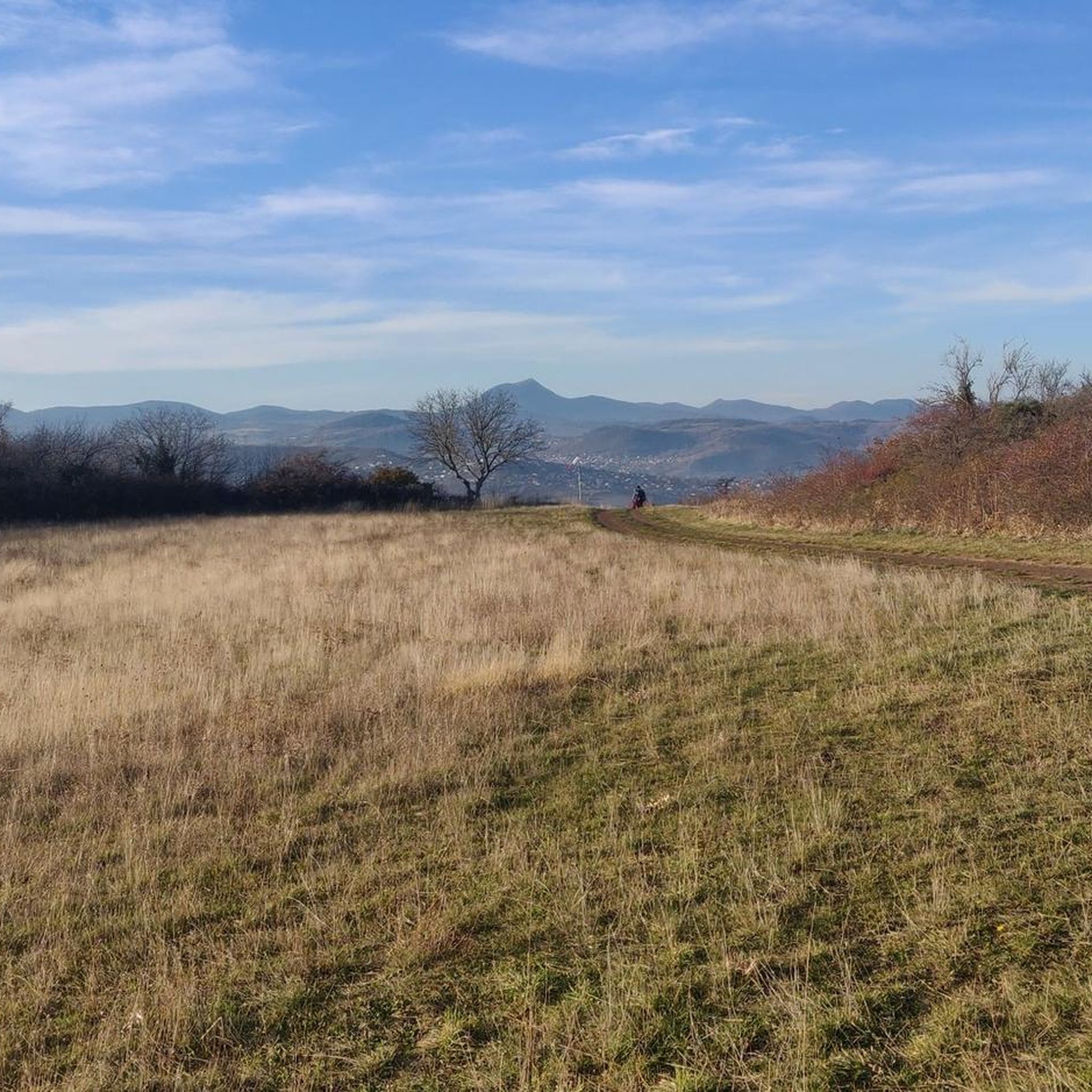
magnificent view of the chain of puys
0
0

The Château de Busséol was built in 1170. It is located on a small volcanic mound and overlooks the Liomagne. It was previously the home of several kings and queens of France.
1
0


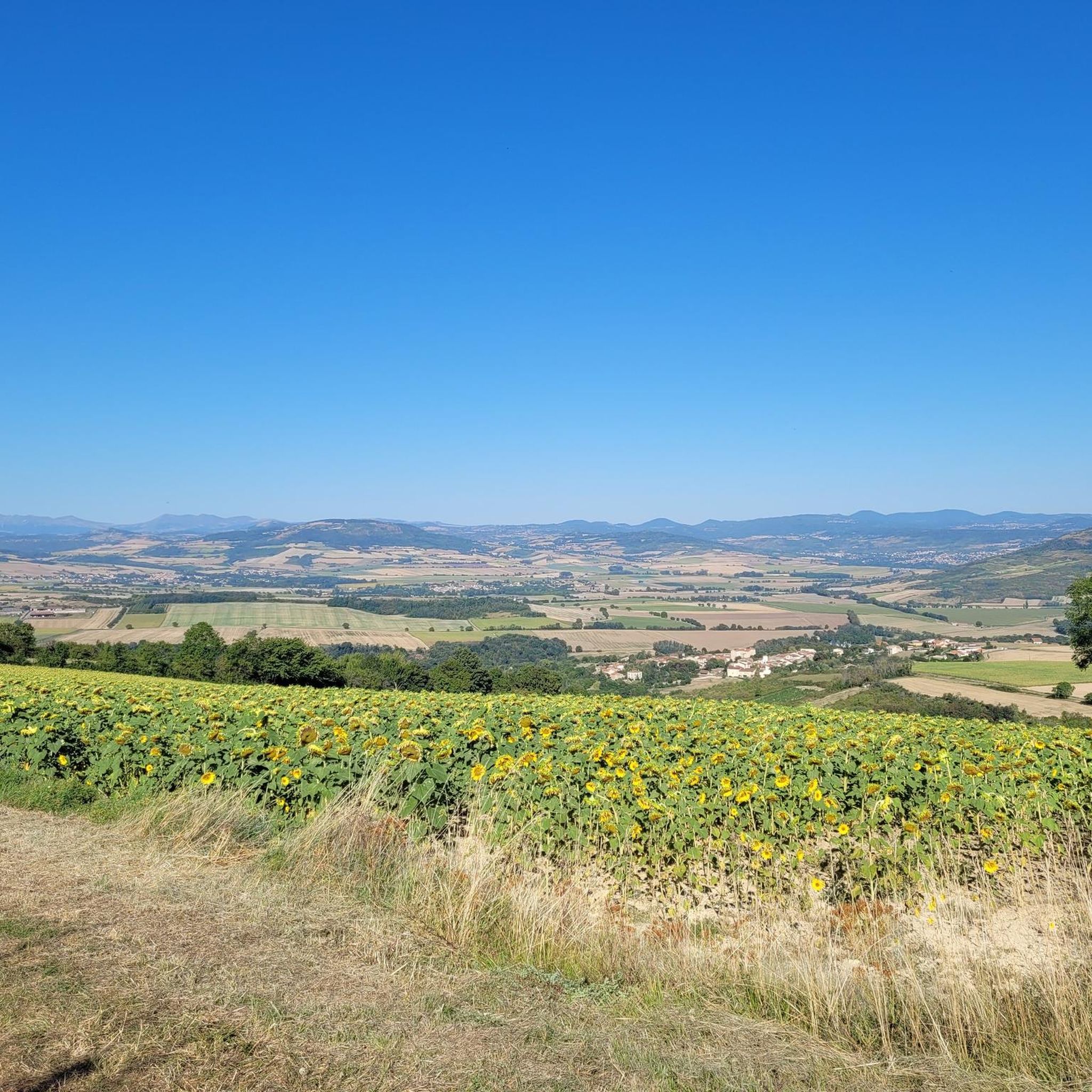
Superb 360 ° view from the paraglider take-off area. Views of Longue, Les Martres de Veyre, Mirefleurs, Corent le Puy de Dôme, Chains des Puys on the WEST side Views of Vic de Comte and Livradois Forez on the EAST side. Average time on the day of the photo;)
0
0
Fortified castle built in 1170 overlooking Limagne, stronghold of the Counts of Auvergne and the most historic royal domain in the province. The castle of Busséol, built in 1170 on a volcanic dyke is a fortified castle overlooking the Limagne. It is the oldest and most historic of the County of Auvergne. Placed to defend the access to Vic le Comte. It belonged to several kings and queens of France. He resisted the assaults of the soldiers during the Hundred Years War. Spared by Richelieu, it was inhabited until the Revolution. Restored from 1966, the current owner presents during the opening to the public, an exceptional circular fireplace, furniture and weapons and armor evoking feudal life. The visit ends on the covered way which leads to a "singular" medieval garden.
0
0
Fortified castle built in 1170 overlooking Limagne, stronghold of the Counts of Auvergne and the most historic royal domain in the province.
0
0

The access is a bit rough from the plain, but you can get there by car and go around the plateau.
0
0
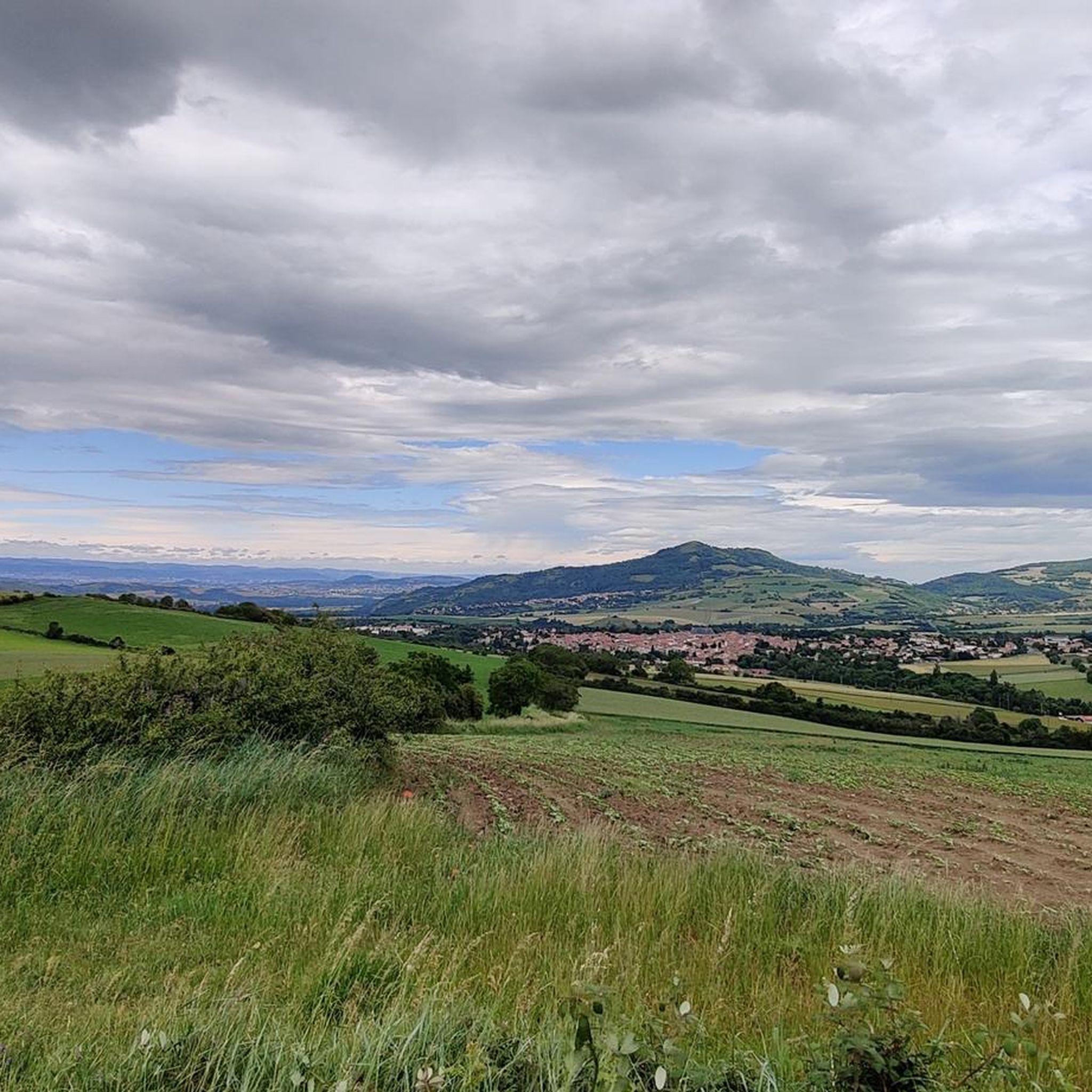
The Gergovie plateau, a must for regional walks. High place of the battle between Vercingetorix and Julius Caesar.
1
0
Frequently Asked Questions
What unique natural features can I explore around Vic-le-Comte?
The region offers a diverse range of natural features. You can explore the Forêt de la Comté, known as the largest lowland oak forest in Auvergne, with exceptional biodiversity. The landscape is also characterized by the Limagne des Buttes, a plain dotted with hills of ancient volcanic origin, offering varied terrain and ecosystems. Additionally, the Allier River, one of Europe's last great wild rivers, flows through the area, providing pristine riverine environments.
Where can I find the best panoramic views of the region?
For breathtaking panoramic views, visit View from Puy Saint-Romain. This viewpoint and summit offers superb 360° vistas, including the Chaîne des Puys to the west and Vic-Le-Comte and Livradois Forez to the east. Another excellent spot is the View of the Puy d'Olloix Ridge, which provides magnificent views over a significant portion of the ridge.
Are there natural monuments with historical significance?
Yes, the Gergovie Plateau is a highly significant natural monument, renowned as the site of the battle between Vercingetorix and Julius Caesar. Another historical site is the View of the Château de Busséol, where the castle, built in 1170 on a volcanic mound, offers views over the Limagne and has a rich history, having belonged to several kings and queens of France.
What outdoor activities can I do near these natural monuments?
The natural monuments around Vic-le-Comte are excellent for various outdoor activities. The Forêt de la Comté is ideal for hiking, with trails that allow you to discover its natural treasures. The Allier River is popular for canoeing, kayaking, and fishing. For cycling enthusiasts, there are numerous routes available, including MTB Trails, Road Cycling Routes, and Gravel biking routes, many of which pass through or near these scenic areas.
Are there family-friendly natural monuments or trails?
While specific 'family-friendly' categories aren't always explicit, many natural monuments offer accessible options. The Forêt de la Comté has various trails, some of which are suitable for family walks. The Gergovie Plateau is a great spot for regional walks with historical context, and while the access from the plain can be a bit rough, you can reach it by car to explore the plateau itself, making it more accessible for families.
When is the best time to visit the natural monuments around Vic-le-Comte?
The best time to visit is generally during spring, summer, and early autumn (April to October) when the weather is mild and conducive to outdoor activities like hiking, cycling, and river sports. Spring brings blooming flora to the forests and hills, while autumn offers beautiful foliage. Winter can be an option for those seeking quieter, colder hikes, but some trails might be more challenging due to conditions.
What geological formations are prominent in the Vic-le-Comte area?
The region is defined by its volcanic geology. The Limagne des Buttes is a prime example, characterized by hills and plateaus of ancient volcanic origin, significantly modified by erosion. These 'buttes' are former volcanic edifices like Puy de Serpanoux and Puy Saint Hyppolyte. The Forêt de la Comté also spans ancient volcanic complexes, with notable peaks such as Pic du Cheix Blanc.
Can I bring my dog to the natural monuments?
Many natural areas in France, including forests and trails, are generally dog-friendly, especially if dogs are kept on a leash. For specific natural monuments like the Forêt de la Comté or trails around the Limagne des Buttes, it's usually acceptable. However, always check local signage at specific sites for any restrictions, especially in protected natural areas or near wildlife habitats, to ensure compliance.
What do visitors enjoy most about the natural monuments in Vic-le-Comte?
Visitors particularly enjoy the superb 360° views from spots like Puy Saint-Romain, the historical significance of the Gergovie Plateau, and the diverse landscapes perfect for walking and exploring. The blend of natural beauty, volcanic terrain, and rich biodiversity, as seen in the Forêt de la Comté and along the Allier River, is highly appreciated by outdoor enthusiasts.
Are there any hidden natural gems or less-known spots worth discovering?
While not explicitly 'hidden,' the extensive Forêt de la Comté, as an 'Espace Naturel Sensible,' offers numerous trails where you can discover its exceptional diversity of natural environments, including ravine forests and pioneer grasslands, away from more crowded spots. Exploring the various 'buttes' within the Limagne des Buttes, beyond the most prominent viewpoints, can also lead to unique discoveries of microclimates and ecosystems.
What kind of flora and fauna can I expect to see?
The region is rich in biodiversity. The Forêt de la Comté is a haven for flora, hosting at least 600 plant species, including protected ones like the martagon lily and superb carnation. It also supports approximately 40 mammal species (such as otters and beavers), over a hundred nesting bird species, and numerous butterflies and dragonflies. The varied terrain of the Limagne des Buttes also creates a mosaic of habitats supporting diverse plant and animal life.
Most popular routes around Vic-Le-Comte
Most popular attractions around Vic-Le-Comte

Get inspired with the komoot mobile app


Explore more
Extend your search for the best caves by checking out these guides of the top ones around Vic-Le-Comte:
