Top 4 Natural Monuments around Pinsac
Natural monuments around Pinsac showcase the rich geological heritage and diverse landscapes of the Lot department in France. This region is characterized by its limestone plateaus, deep valleys, and significant underground river systems. Visitors can explore unique geological formations and picturesque natural sites. The area provides opportunities to connect with nature and appreciate its distinctive features.
Best natural monuments around Pinsac
- The most popular natural monuments is Viewpoint over Rocamadour, a viewpoint that offers a panoramic vista of the…
Last updated: July 2, 2026
Viewpoint over Rocamadour
Highlight • Viewpoint
Translated by Google •
Tip by

Roc des Monges
Highlight • Viewpoint
Translated by Google •
Tip by

Sign up now to discover places like this
Get recommendations on the best single tracks, peaks, & plenty of other exciting outdoor places.
Sign up for free
Along the banks of the Ouysse
Highlight • River
Translated by Google •
Tip by

Sanctuary of Rocamadour
Highlight • Religious Site
Translated by Google •
Tip by

Path Along the Ouysse River
Highlight (Segment) • River
Tip by

Sign up for free to discover even more natural monuments around Pinsac.
Sign up for free
Already have an account?
Start today with a free account
Your next adventure awaits.
Login or Signup
Tips from the Community

From here, you have the best view of the gorge and, above all, of the medieval village, built steeply on the rocks (150 m high) with its churches and chapels. Rocamadour is a much-visited place of pilgrimage and houses the relics of Saint Amadour and the Black Wooden Madonna (12th century). Many shops and restaurants are located along the Rue de la Couronnerie, the only and lively street. There are plenty of parking spaces in the surrounding area, so it will be very busy in the summer months.
1
0

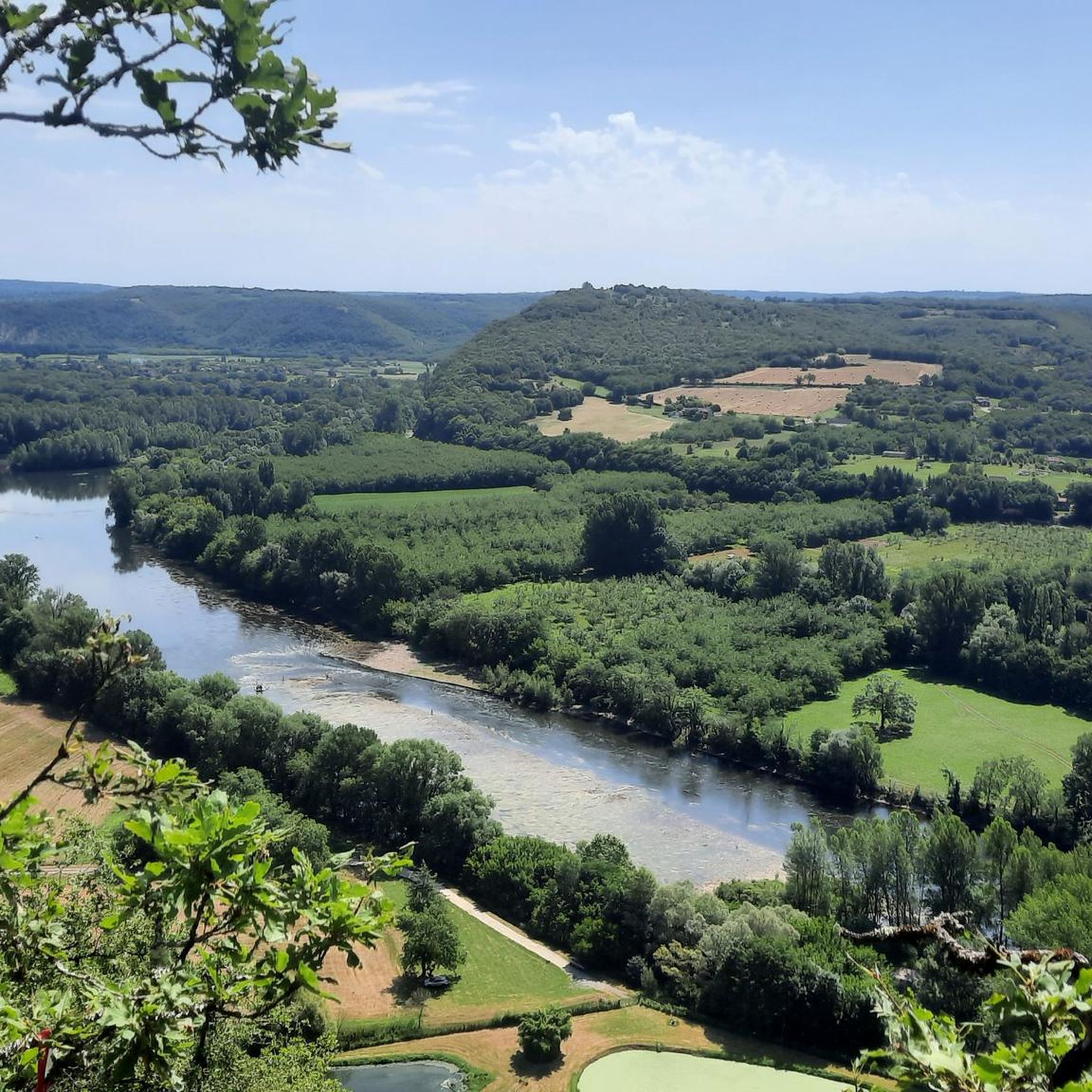
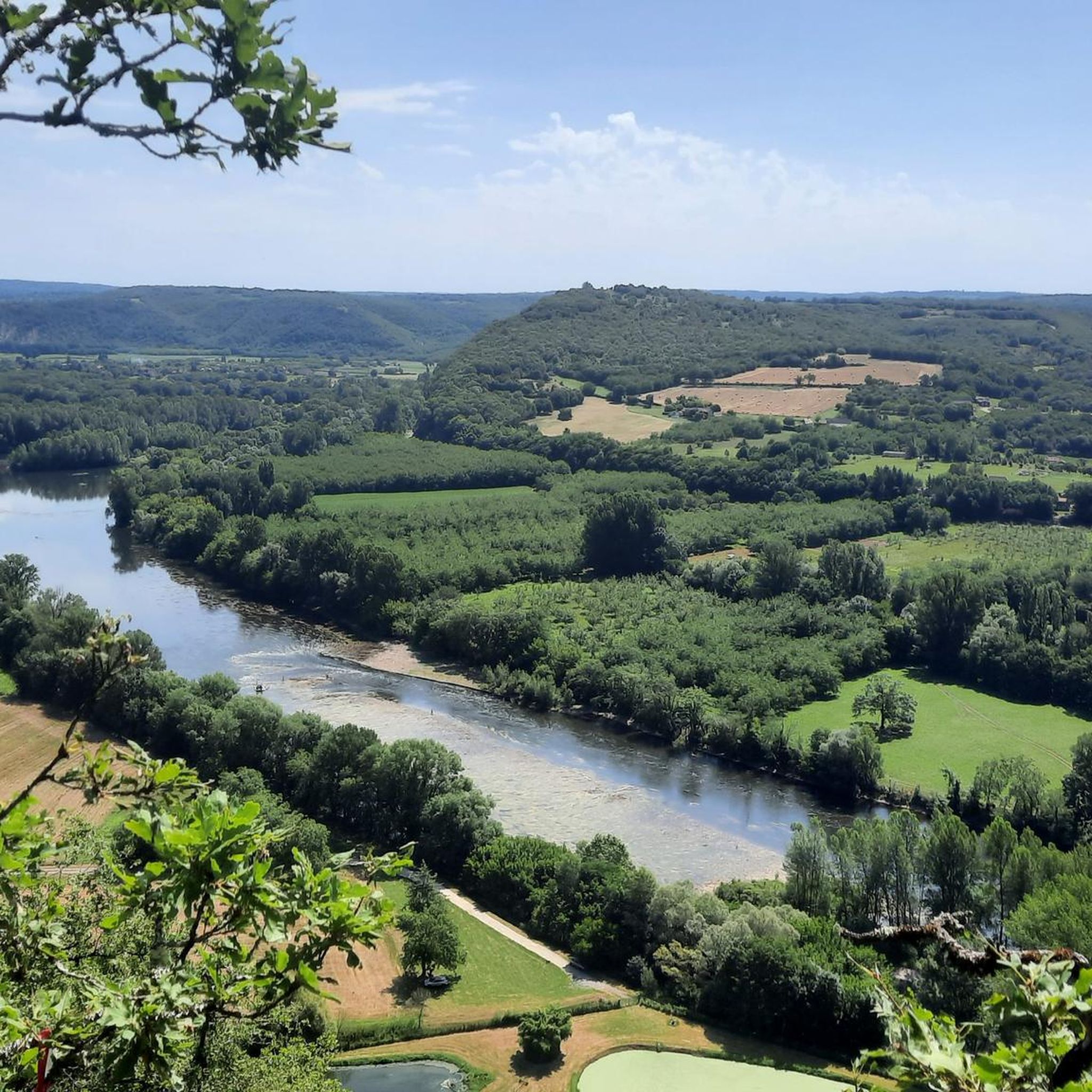
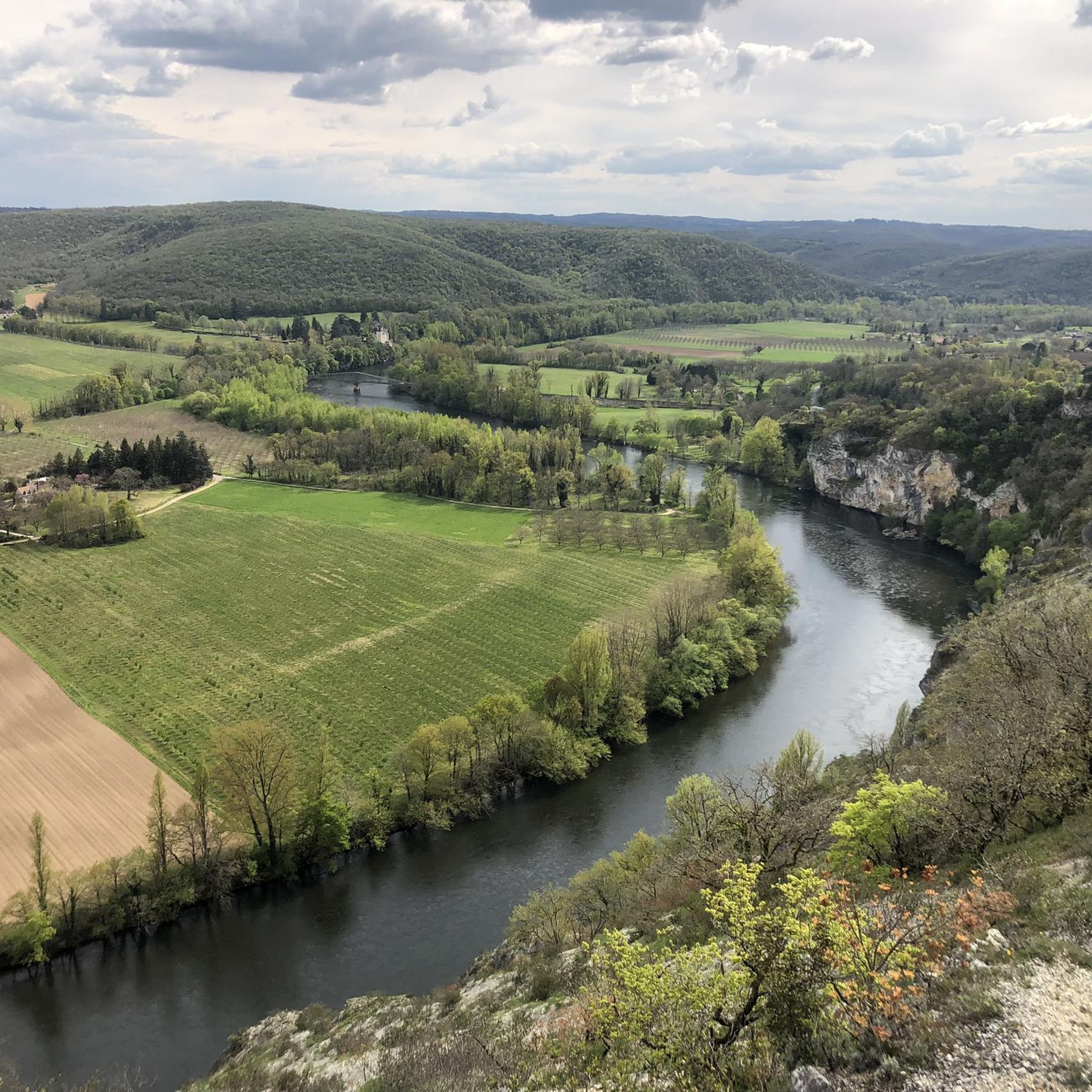
The Ouysse is a river that flows underground for most of its course. It reaches Lacave through the deep canyons carved along its path. As you follow its path towards Rocamadour, you'll find yourself caught between the cliffs that form its canyon. Old fortified mills mark the route, sometimes clinging to the rocks of the cliffs.
0
0

Two aspects are significant for this very important pilgrimage site in France. The story of its foundation with the discovery of the non-decayed body of the hermit Armadour / Amoureux / Lovers and La Vierge Noir / the Black Madonna, a simple wooden statue from the 12th century. —— RELIQUARY OF SAINT AMADOUR On August 25, 2016, on the eve of the Solemnity of Saint Amadour, founder of the sanctuary, the relics of the saint were unveiled in this new reliquary by Bishop Laurent Camiade (Bishop of Cahors-Rocamadour). In 1166, the life of the sanctuary was shaken by a major event, a perfectly preserved body was found in the hollow of the rock. Tradition would give it a name: Amadour (The Lover). He is described as the founder of the sanctuary, the hermit who is said to have carved the first statue of N-D de Rambadour, who created Rocamadour. Tradition also links him to the biblical figure of Zacchaeus the tax collector. The body of the saint was venerated in the crypt of St. Amadour until 1562, when it was dismembered by the Huguenots. His remains are housed in this reliquary, consecrated in 2016 on the occasion of the 8th anniversary of the discovery of the body.
0
0

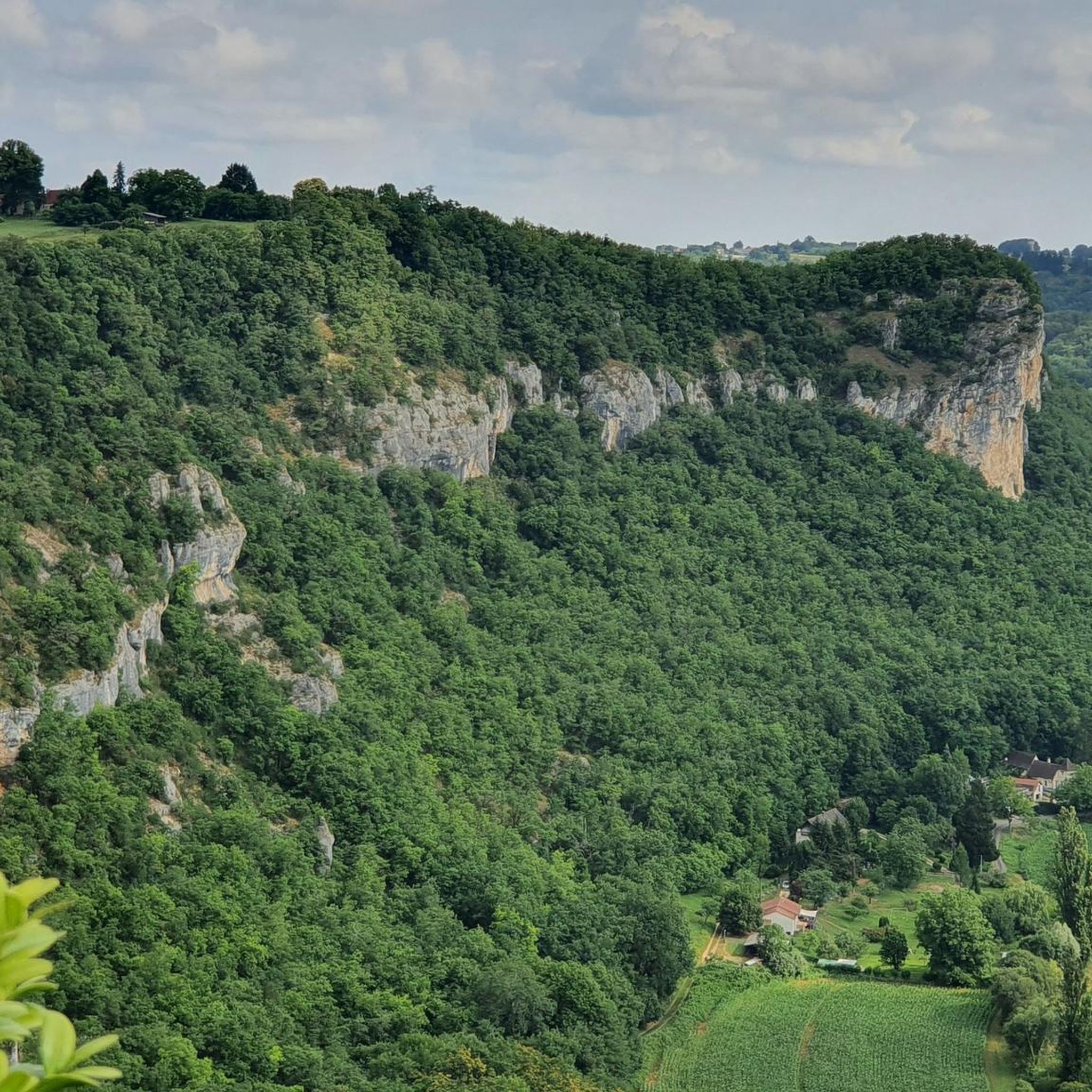
Why Visit Roc des Monges? For the natural beauty: Enjoy an exceptional landscape, with breathtaking views of the Vézère Valley and the surrounding countryside. For the outdoor activities: Hiking, climbing, or simply walking, Roc des Monges is a perfect place for nature and outdoor sports lovers. For the proximity of historical sites: By combining a visit to Roc des Monges with the prehistoric sites of Les Eyzies-de-Tayac, visitors can explore one of the cradles of humanity. Roc des Monges is a natural jewel of the Dordogne, offering both an enriching hiking experience and a unique panorama of a region that has been part of human history for thousands of years.
1
0
Hiking and Outdoor Activities: Hiking Trails: Several trails provide access to the Roc des Monges, offering a pleasant walk in the heart of the Périgord nature. The hike to the summit is a great adventure, with paths that cross forests and meadows. Climbing: The Roc des Monges is also a climbing site appreciated by experienced climbers, thanks to its vertical walls that offer interesting challenges in an exceptional natural setting. Proximity to Prehistoric Sites: Les Eyzies-de-Tayac: A few kilometers from the Roc des Monges are the famous caves of Eyzies-de-Tayac, a high place of prehistory, with sites such as the Font-de-Gaume cave and the National Museum of Prehistory. Historical Heritage: The Roc des Monges is located in a region rich in prehistoric and human history. The surrounding cliffs were inhabited by prehistoric men, and remains still bear witness to their passage.
1
0
The Roc des Monges is an imposing rock formation located in the Dordogne, in the Nouvelle-Aquitaine region. This spectacular natural site overlooks the Vézère Valley, near the village of Les Eyzies-de-Tayac, famous for its prehistoric caves and magnificent landscapes. The Roc des Monges is a popular place for nature lovers and hikers, and it also offers breathtaking views of the surrounding region. Points of Interest of the Roc des Monges: Geological Formation: Imposing Rock: The Roc des Monges is an imposing limestone cliff that dominates the surrounding area. Its height and spectacular shape make it a natural landmark in the valley, and it is often associated with the typical cliffs of the Périgord Noir. Natural Erosion: Like other rock formations in the region, the Roc des Monges has been shaped by centuries of erosion, creating unique shapes and cavities that enrich the landscape. Panoramic View: Vézère Valley Panorama: From the top of Roc des Monges, visitors can enjoy a breathtaking view of the lush green Vézère Valley, a UNESCO World Heritage Site for its prehistoric sites. Fauna and Flora Observation: In addition to the panorama, Roc des Monges is an excellent spot to observe the local flora, composed of bushes, oaks and other species typical of the Périgord, as well as wildlife, including birds of prey that nest in the cliffs.
1
0

Great viewpoints along the walk
3
0

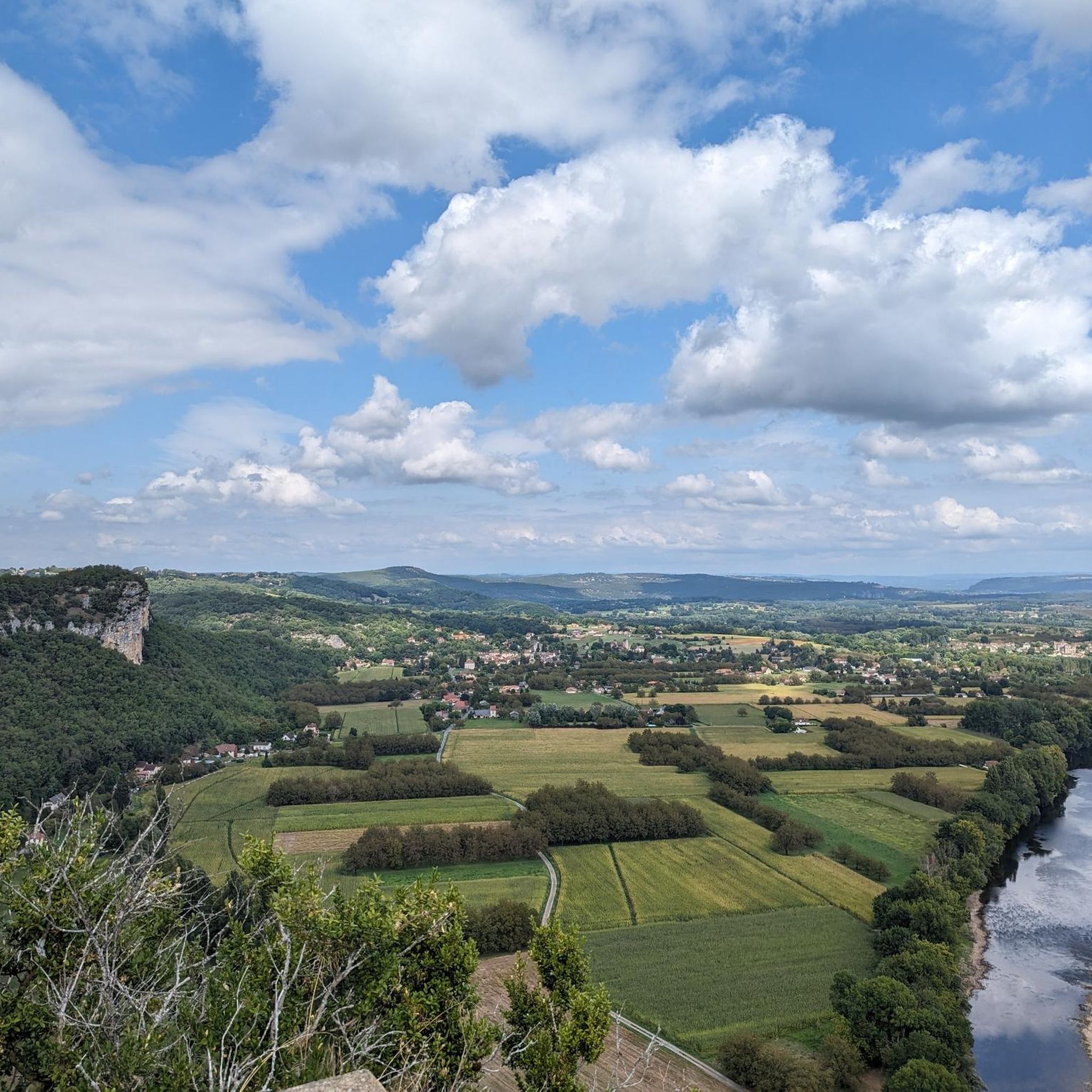
Magnificent view from the top of this rock. The vertiginous drop gives the impression of being much higher than one is.
3
0
Frequently Asked Questions
What are some of the most popular natural monuments to visit around Pinsac?
The region offers several highly-rated natural monuments. Among the most popular is the Viewpoint over Rocamadour, which provides a stunning panoramic vista of the medieval village dramatically clinging to a cliff face. Another favorite is the View of the Vézère Valley from Roc des Monges, an imposing rock formation offering breathtaking views of the lush valley. Visitors also enjoy the Path Along the Ouysse River, a serene trail winding through a karst landscape past old fortified mills.
Are there any family-friendly natural monuments or activities near Pinsac?
Yes, several natural sites are suitable for families. The Viewpoint over Rocamadour is easily accessible and offers a memorable sight for all ages. For a unique adventure, the Gouffre de Padirac, a famous sinkhole with an underground river system, offers boat tours through illuminated caves, which is often a hit with children. The Lacave Caves also provide an engaging underground experience with electric train rides and impressive formations.
What kind of unique geological features can I explore in the Pinsac area?
Pinsac is rich in geological wonders, primarily due to its limestone landscape. You can explore dramatic sinkholes like the Gouffre de Padirac, which leads to vast underground river systems. The Lacave Caves offer extensive networks of chambers with intricate concretions. The Ouysse River itself is a geological marvel, flowing underground for much of its course before re-emerging and carving deep canyons, creating a distinctive karst topography.
What outdoor activities can I do near these natural monuments?
The area around Pinsac is excellent for various outdoor activities. You can find numerous hiking trails, such as the 'Pech de Pinsac Trail' or 'Overlooking the Dordogne River loop from Pinsac', which offer panoramic views of the Dordogne Valley. For running enthusiasts, routes like the 'Château de Cieurac loop' are available. Cyclists can enjoy longer tours, including the 'Rocamadour – Ouysse Bridge loop'. You can find more details on these activities in the hiking guide, running guide, and cycling guide for Pinsac.
Are there any historical or cultural sites integrated with the natural landscape?
Absolutely. The region beautifully blends natural beauty with rich history. The village of Rocamadour, seen from the Viewpoint over Rocamadour, is a prime example, with its medieval buildings clinging dramatically to a cliff face. The banks of the Ouysse feature old fortified mills nestled into the landscape, showcasing centuries of human interaction with the river. Additionally, the Sanctuary of Rocamadour is a significant pilgrimage site with deep historical roots, set within a stunning natural gorge.
What is the best time of year to visit the natural monuments around Pinsac?
The best time to visit is generally during the spring (April to June) and autumn (September to October). During these seasons, the weather is pleasant for outdoor activities like hiking and exploring caves, and the natural landscapes are vibrant with spring blooms or autumn colors. Summer (July and August) can be warm and more crowded, especially at popular sites like Rocamadour and the major caves.
Are there any natural viewpoints offering panoramic vistas of the region?
Yes, the area is renowned for its spectacular viewpoints. The View of the Vézère Valley from Roc des Monges provides a magnificent panorama of the lush Vézère Valley. The Viewpoint over Rocamadour offers an iconic perspective of the village and its dramatic cliffside setting. For river views, a hike around Pech de Pinsac can offer stunning vistas of the Dordogne River's meanders.
Can I find easy hiking trails suitable for beginners near Pinsac's natural monuments?
Yes, there are options for easier hikes. For instance, the 'Hiking loop from Pinsac' is rated as easy and covers about 6 km. While the Path Along the Ouysse River is generally intermediate, sections of it offer relatively flat and enjoyable walks along the riverbanks, suitable for those looking for a less strenuous experience. Always check the specific trail details for difficulty and length before heading out.
What do visitors enjoy most about the natural monuments in this region?
Visitors frequently praise the dramatic and unique landscapes, particularly the interplay between human history and natural formations. The sheer scale of sites like the Gouffre de Padirac and the breathtaking views from places like the Roc des Monges are often highlighted. The tranquility of river paths, like the one along the Ouysse, and the opportunity to connect with nature are also highly valued.
Is there a larger protected natural area nearby for extensive exploration?
Yes, approximately 34 km from Pinsac, you'll find the Regional Natural Park of Causses du Quercy. This vast protected area is known for its diverse landscapes, including limestone plateaus (causses), deep valleys, and rich biodiversity. It's an excellent place for extensive hiking, cycling, and exploring a pristine natural environment, offering a comprehensive experience of the region's geological and ecological richness.
Are the natural monuments around Pinsac accessible by public transport?
While Pinsac itself is a small commune, public transport options to reach specific natural monuments can be limited. Major sites like Rocamadour and the Gouffre de Padirac might have seasonal bus services or be accessible via regional train lines to nearby towns, followed by local transport or taxis. However, for many of the more secluded natural monuments and trailheads, a car is generally recommended for convenience and flexibility.
Can I bring my dog to the natural monuments and trails in the Pinsac area?
Policies vary by specific site. While many outdoor trails and natural areas, such as those along the Ouysse River or around Pech de Pinsac, are generally dog-friendly, it's crucial to keep dogs on a leash and clean up after them. However, indoor attractions like the Gouffre de Padirac or Lacave Caves typically do not permit dogs, with the exception of service animals. Always check the specific rules of each attraction before visiting.
Most popular attractions around Pinsac

Get inspired with the komoot mobile app


Explore more
Extend your search for the best caves by checking out these guides of the top ones around Pinsac:
