Top 3 Natural Monuments around Vaux
Best natural monuments around Vaux encompass a diverse range of natural features, from coastal cliffs and beaches to ancient woodlands and unique geological formations. The region offers varied landscapes, including the Atlantic coastline with its "conches" and inland areas featuring forests and rock formations. These natural sites provide opportunities to explore distinct ecosystems and historical natural landmarks.
Best natural monuments around Vaux
- The most popular natural monuments is The Battle Beech, a forest natural monument that is over 200…
Last updated: June 18, 2026
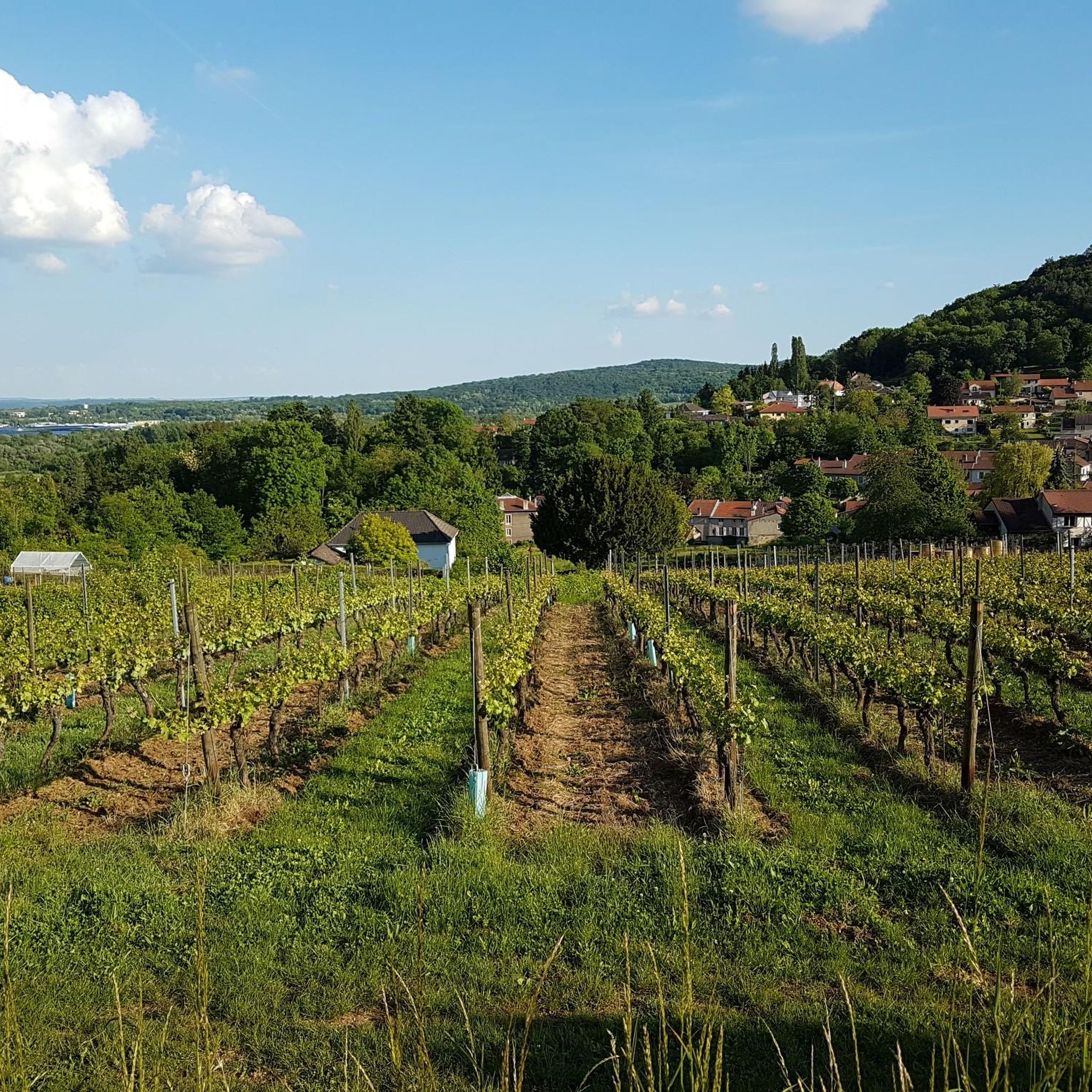
The Battle Beech
Highlight • Natural Monument
Translated by Google •
Tip by

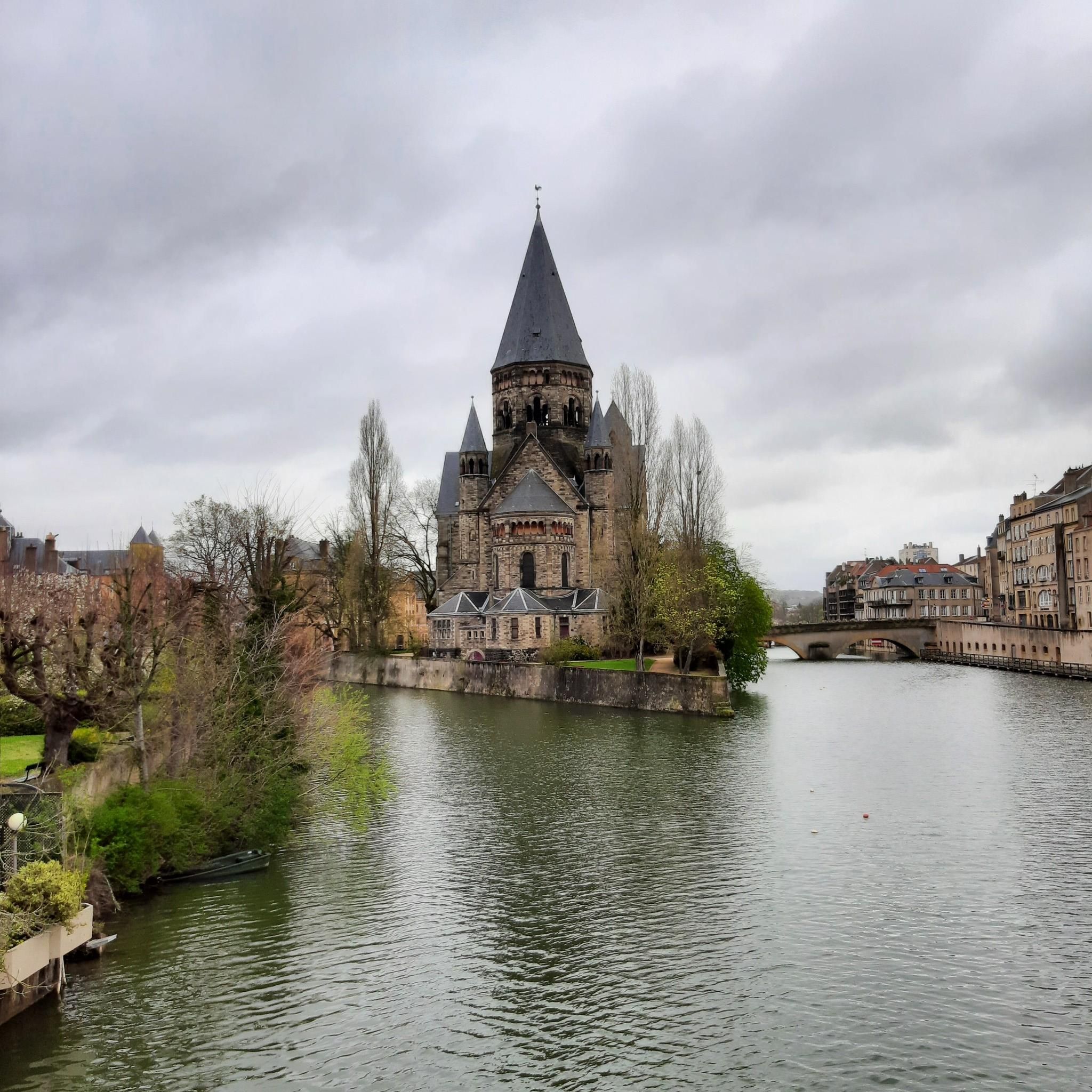
Giant Sequoia tree, Metz Botanical Garden
Highlight (Segment) • Natural Monument
Translated by Google •
Tip by

Sign up now to discover places like this
Get recommendations on the best single tracks, peaks, & plenty of other exciting outdoor places.
Sign up for free
La Fraze Rocks
Highlight (Segment) • Natural Monument
Translated by Google •
Tip by

Turning Stone
Highlight • Natural Monument
Translated by Google •
Tip by

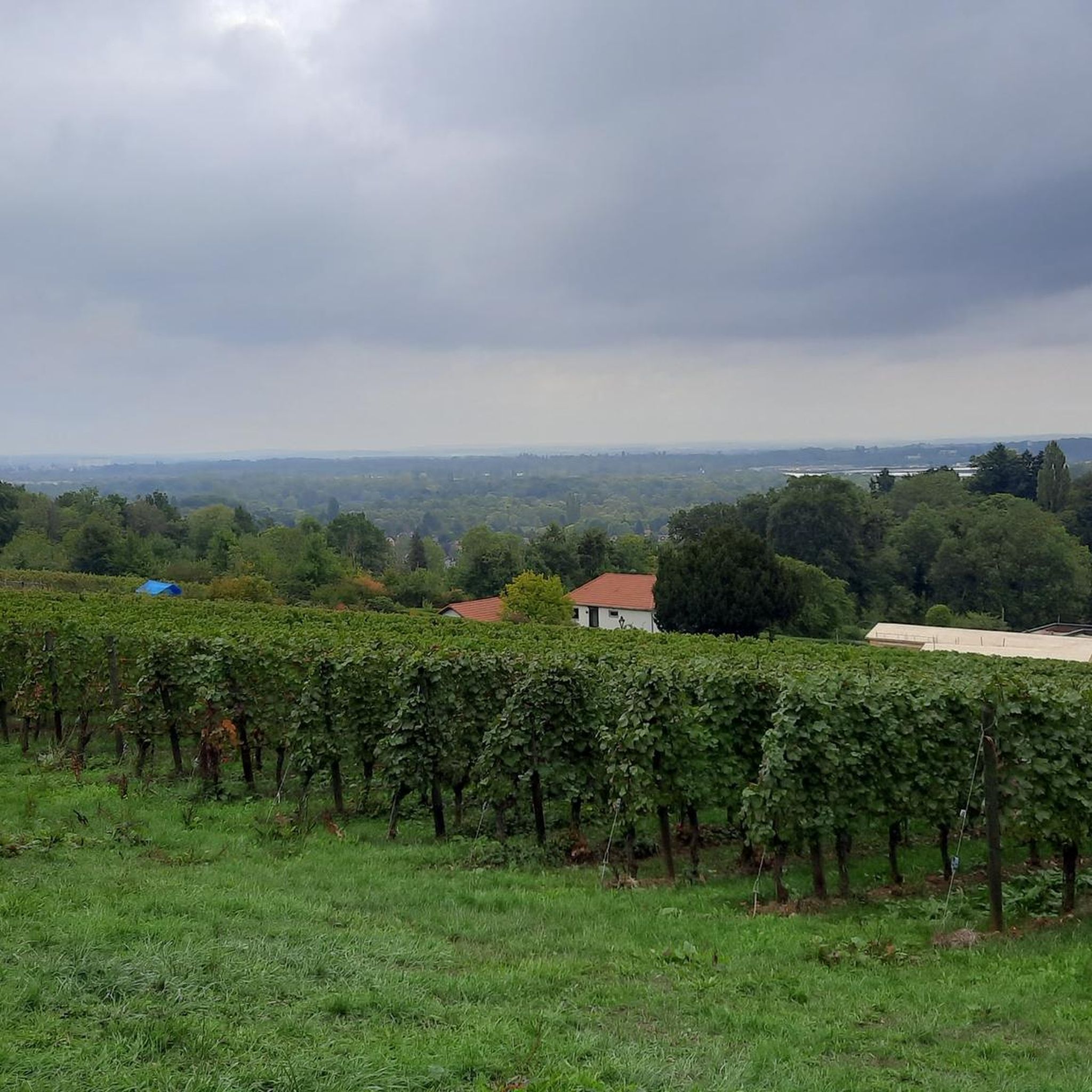
View of the Rupt de Mad Valley
Highlight • Viewpoint
Translated by Google •
Tip by
Start today with a free account
Your next adventure awaits.
Login or Signup
Tips from the Community


Very beautiful hike that I do every year
1
0

Great place to rest and reflect. The tree is located in a forest that is criss-crossed by sharp iron posts along a former defense line.
0
0

The top of these cliffs offers a breathtaking view of this ridge line.
3
0
The top of these cliffs offers stunning views.
4
0
Breathtaking view of the Arnaville water reservoir and the Rupt de Mad valley.
5
0

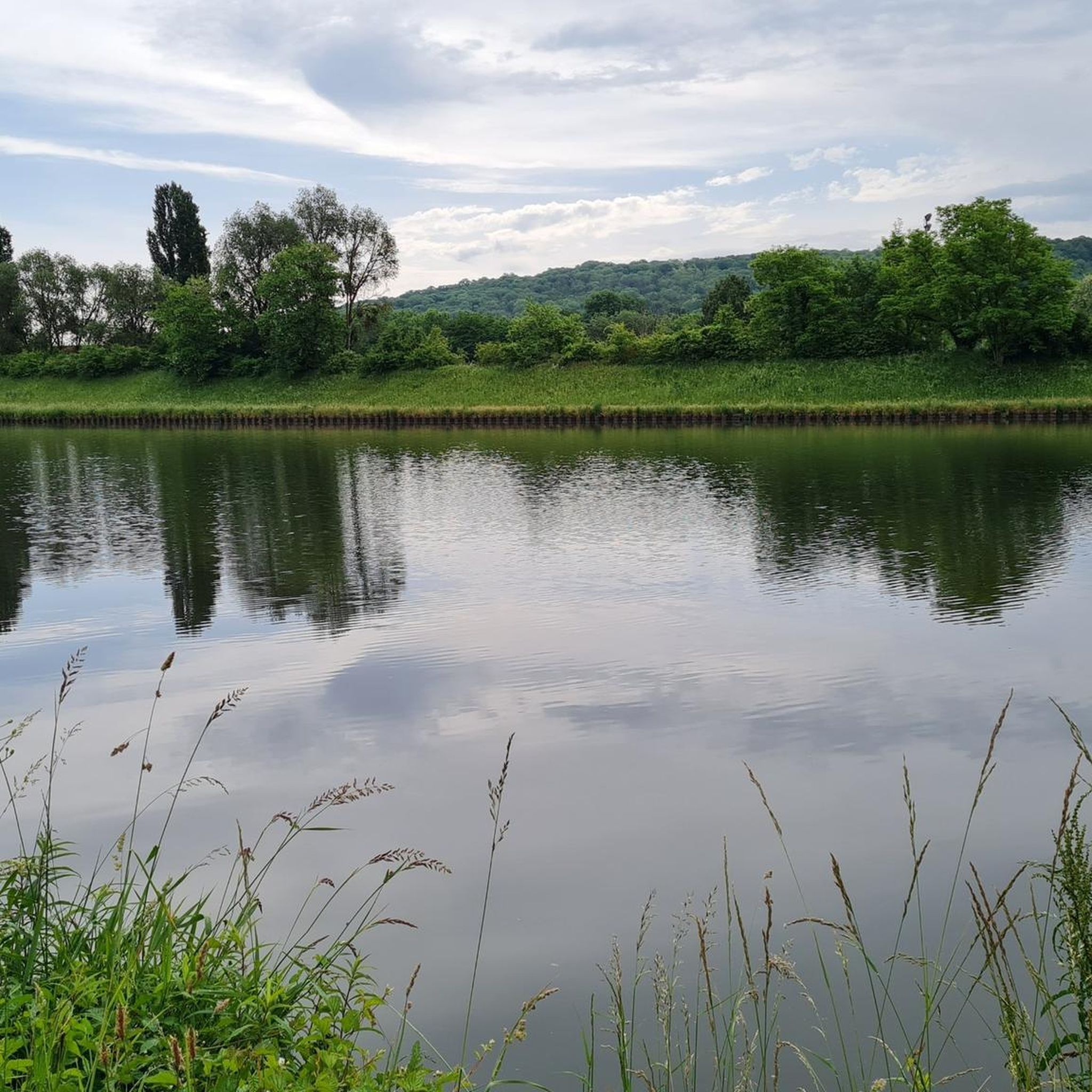
Pure nature, as you can rarely experience it today.
4
0
Frequently Asked Questions
What types of natural monuments can I expect to find around Vaux?
The Vaux region offers a diverse range of natural monuments. You can explore coastal cliffs and beaches, ancient woodlands, unique geological formations like the Turning Stone, and significant trees such as The Battle Beech. The area also features viewpoints like La Fraze Rocks, offering stunning vistas.
Are there any unique geological formations or ancient trees to see?
Yes, the region is home to several impressive natural features. You can visit Turning Stone, a striking stone table located at a crossroads in the forest. Another notable site is The Battle Beech, a forest natural monument over 200 years old, known for its unique layering and fusion between two branches. Additionally, the Giant Sequoia tree in Metz Botanical Garden is a centuries-old arboretum specimen.
What coastal natural features are there in the Vaux-sur-Mer area?
In Vaux-sur-Mer, you'll find a beautiful coastline characterized by cliffs and four distinct beaches known as 'conches'. These include Nauzan Beach, and smaller, secluded conches accessible via paths like those in the Bois des Fées. The coastal path is ideal for walking and cycling, offering serene moments by the seaside.
Can I find diverse ecosystems like wetlands or dunes near Vaux?
Yes, particularly in the Pays de Bagé and Pont-de-Vaux region. Here you can explore the unique Dunes des Charmes de Sermoyer, which present an unexpected sand dune landscape far from the sea. The region also features the Peat Moor of the Oignons in Boz and the rich Floodplain Meadows of the Val de Saône, vital for diverse avifauna and flora.
What kind of wildlife can I observe in the natural monuments around Vaux?
The diverse ecosystems around Vaux support various wildlife. In the Pays de Bagé and Pont-de-Vaux, the Island of La Motte is significant for fish diversity and hosts colonies of herons, including black-crowned night herons, little egrets, and cattle egrets, with beavers also present. In La Vallée des Vaux in Jersey, you might spot red squirrels and woodland birds like the Great Spotted Woodpecker.
What outdoor activities can I do near the natural monuments around Vaux?
You can enjoy a variety of outdoor activities. For hiking, explore routes like the 'Dornot – Turning Stone loop from Ars-sur-Moselle' or the 'Turning Stone – La Croix Saint Clément loop'. Cycling enthusiasts can try the 'Idyll on the Moselle – Pont-à-Mousson loop from Vaux'. Mountain biking options include 'Whoops du Saint Quentin – Blocaus plappeville loop'. You can find more details on these activities in the Hiking around Vaux, Cycling around Vaux, and MTB Trails around Vaux guides.
Are there hiking trails suitable for different skill levels?
Yes, there are hiking trails catering to various skill levels. For example, the 'Dornot – Turning Stone loop from Ars-sur-Moselle' is a moderate hike, while the 'Turning Stone – La Croix Saint Clément loop from Ars-sur-Moselle' is considered difficult. Many natural monuments, like The Battle Beech and Turning Stone, are located within forests criss-crossed by paths, offering opportunities for intermediate walks.
Where can I learn more about the local flora and fauna in the Pays de Bagé and Pont-de-Vaux region?
For an in-depth look at the local flora and fauna, visit the Maison de l'Eau et de la Nature in Pont-de-Vaux. It serves as an excellent starting point for exploring the region's natural heritage through interactive exhibitions.
Are there family-friendly natural monuments or activities in the Vaux area?
Yes, several natural monuments are suitable for families. The Giant Sequoia tree in Metz Botanical Garden is a family-friendly spot with its extensive plant collections. The Park of Vaux-sur-Mer, with its lake and pleasant areas for strolls, is also a great option. Coastal paths along the 'conches' in Vaux-sur-Mer offer easy walks for all ages.
What do visitors enjoy most about the natural monuments around Vaux?
Visitors particularly appreciate the pure, untouched nature found in places like The Battle Beech, which offers a place for rest and reflection. The stunning views from viewpoints such as La Fraze Rocks and the View of the Rupt de Mad Valley are also highly rated. The unique geological features like Turning Stone also leave a lasting impression.
When is the best time to visit the natural monuments around Vaux?
The best time to visit depends on your preferred activities. Spring and autumn generally offer pleasant temperatures for hiking and exploring the woodlands and coastal paths. Summer is ideal for enjoying the beaches and coastal areas of Vaux-sur-Mer. For observing migratory birds in the floodplain meadows, spring and early autumn are often best.
Are there any natural monuments with significant viewpoints?
Absolutely. La Fraze Rocks offers breathtaking views of the ridge line from the top of its cliffs. Another excellent spot is the View of the Rupt de Mad Valley, which provides a stunning panorama of the Arnaville water reservoir and the surrounding valley.
Most popular attractions around Vaux

Get inspired with the komoot mobile app


Explore more
Extend your search for the best caves by checking out these guides of the top ones around Vaux:
