Top 20 Natural Monuments around Ruhlingen
Best natural monuments around Ruhlingen are situated in the Moselle department of Grand Est, northeastern France. While the immediate vicinity of Ruhlingen offers local natural features, the broader region provides access to diverse landscapes. Visitors can explore areas known for significant natural beauty, including regional natural parks and specific sites of interest within a reasonable distance. The area's geography is characterized by its position in northeastern France, offering a mix of forests, water bodies, and historical natural formations.
Best natural…
Last updated: July 2, 2026
Spicheren Memorial and Europastein
Highlight • Monument
Translated by Google •
Tip by

Mühlenwald Pond
Highlight • Lake
Translated by Google •
Tip by

Sign up now to discover places like this
Get recommendations on the best single tracks, peaks, & plenty of other exciting outdoor places.
Sign up for free
Mithras Cave (Heathen Chapel) on the Halberg
Highlight • Cave
Translated by Google •
Tip by

Schankenbrunnen Fountain
Highlight • Natural Monument
(whereby it corresponds to the art of poetry / if this 'source' is a 'well'): …
Translated by Google •
Tip by

Deutschmühlen Pond
Highlight • Lake
Translated by Google •
Tip by

Sign up for free to discover even more natural monuments around Ruhlingen.
Sign up for free
Already have an account?
Start today with a free account
Your next adventure awaits.
Login or Signup
Tips from the Community


Very nice for local recreation.
0
0

"The little water sprite is annoyed by the winter preparations, so he decides to go on a trip alone. The raft he's traveling on is difficult to steer in the storm without his friend, the beaver. He's lucky in his misfortune and only sprains his ankle when the raft crashes into a bridge pillar. Water sprite father and the Moor man finally find him, and afterward, despite the winter preparations, the family goes on a whole day's vacation. A wonderful book to brighten up dreary autumn days. The story doesn't shy away from the boring and unpleasant aspects of autumn and children's everyday life, nor does it omit the parents' distress in finding their child, nor does the little water sprite's feeling of not knowing what to do alone in the rain. All of this is brought to a happy and plausible ending and inspires trust in the parents. The atmospheric illustrations by Daniel Napp complement the text and make the already vivid language almost luminous, inviting you to explore the images." (Review by Antonia Mentel for the Borromäusverein)
1
0
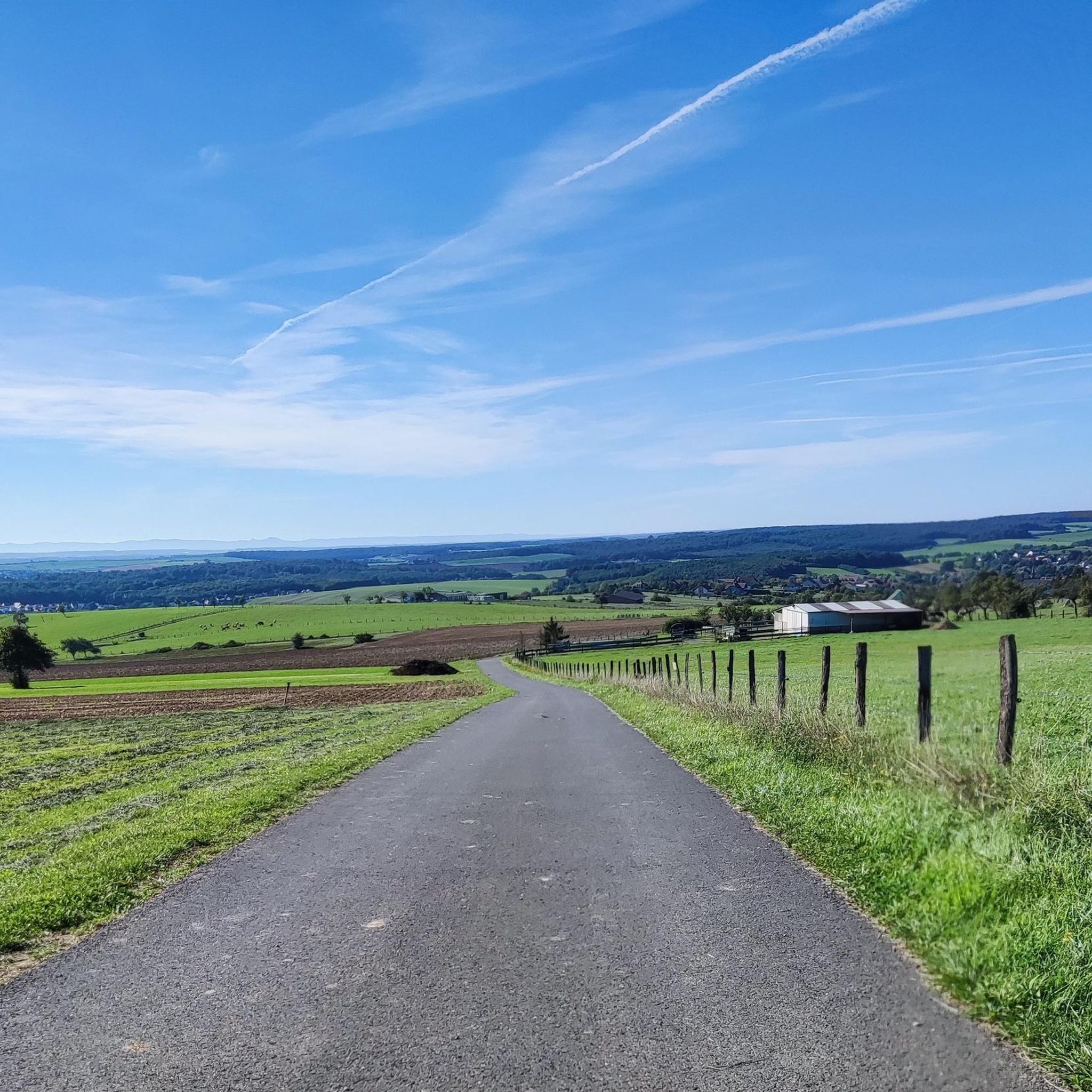
When we see a monument like this, which we also encounter here in Spicheren, we are accustomed to thinking first of the two world wars that shook Europe in the first half of the 20th century. However, the history of the memorial located on this site goes back several decades: It commemorates the victims of the 1870/71 war waged by France against Germany. France's military defeat at the hands of the forces of the North German Confederation (led by Prussia), with the participation of the southern German states, led directly to the founding of what was then the German Empire.
0
0

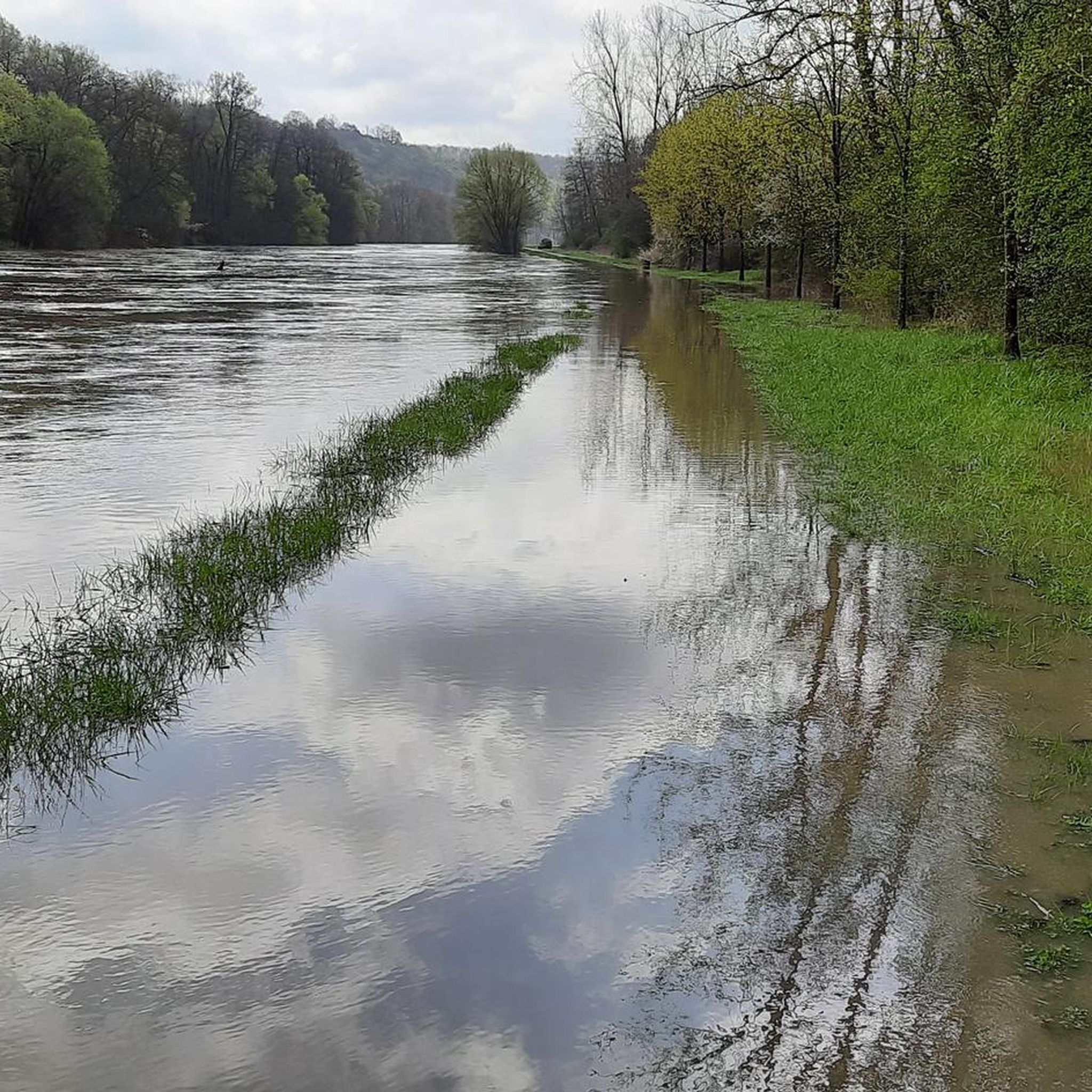
Idyllically situated among the trees, the Mühlenwaldweiher pond with its narrow wooden walkway invites you to take a short break. In summer, the water's surface is often covered with water lilies, while dragonflies and waterfowl enliven the scene. A perfect place to enjoy the tranquility of nature. 💡 Tip: It's best to visit early in the morning or late in the afternoon – this is when the trees are reflected particularly beautifully in the water, and the light creates a peaceful atmosphere.
0
0

The idyllic pond in the forest invites you to linger. There's a playground for the little ones.
2
0

A place steeped in history! The Battle of Spichern (also known as the Battle of Speicher, Battle of Spicheren, in France also known as the Bataille de Forbach) on August 6, 1870 was a battle of the Franco-Prussian War. It was named after its location, the village of Spichern near Forbach, not far from the German-French border near Saarbrücken.
1
1
The three associated water cascades were probably created by Carl Ferdinand Stumm in the 19th century.
0
0
Frequently Asked Questions
What are some popular natural monuments to visit near Ruhlingen?
Visitors frequently enjoy the Mithras Cave (Heathen Chapel) on the Halberg, a historical cave from Roman times. Another popular spot is the Spicheren Memorial and Europastein, which offers expansive views and historical significance. The idyllic Mühlenwald Pond, nestled within a forest, is also a favorite for those looking to linger in nature.
Are there any historical natural monuments in the Ruhlingen area?
Yes, the region features several natural monuments with historical significance. The Mithras Cave (Heathen Chapel) on the Halberg is a notable historical site from Roman times, also known as the Pagan Chapel. The Spicheren Memorial and Europastein is a man-made monument and viewpoint that commemorates the Battle of Spichern from the Franco-Prussian War.
What kind of natural features can I expect to see around Ruhlingen?
Around Ruhlingen, you can explore a variety of natural features. These include serene water bodies like the Mühlenwald Pond and Deutschmühlen Pond, as well as the unique geological formation of the Mithras Cave. The area also features forests and viewpoints offering scenic vistas.
Are there family-friendly natural monuments suitable for children?
Several natural monuments in the area are suitable for families. The Mühlenwald Pond is particularly family-friendly, featuring an idyllic setting within a forest and a playground for children. The Spicheren Memorial and Europastein is also considered family-friendly, offering easy trails and great views.
Can I find natural monuments with good views in the Ruhlingen area?
Yes, the region offers natural monuments with excellent viewpoints. The Spicheren Memorial and Europastein is known for its expansive views. Additionally, both Mühlenwald Pond and Deutschmühlen Pond offer scenic spots and viewpoints within their forest settings.
What outdoor activities can I do near the natural monuments around Ruhlingen?
The area around Ruhlingen offers various outdoor activities. You can find numerous routes for running, cycling, and mountain biking. For instance, there are moderate running trails like the "Golf petit tour" and cycling routes such as the "Bridge over the Blies" loop. You can explore more options on the Running Trails around Ruhlingen, Cycling around Ruhlingen, and MTB Trails around Ruhlingen guide pages.
Are there hiking trails associated with these natural monuments?
Yes, many natural monuments are integrated into hiking trails. For example, the Mithras Cave is part of the Star Trail list, and the Schankenbrunnen Fountain is highlighted as a feature on a hiking trail. The Spicheren Memorial also has easy trails leading to it. For more hiking options, refer to the various route guides available for the region.
What do visitors enjoy the most about the natural monuments in this region?
Visitors appreciate the blend of natural beauty and historical significance. Many enjoy the great views from spots like the Spicheren Memorial and the serene, idyllic atmosphere of places like Mühlenwald Pond. The historical context of sites like the Mithras Cave also adds to the appeal, offering a unique experience.
What is the best time of year to visit the natural monuments around Ruhlingen?
The natural monuments around Ruhlingen can be enjoyed throughout the year, but spring and autumn often offer the most pleasant conditions for outdoor activities. During these seasons, the weather is generally mild, and the landscapes are particularly scenic, whether with blooming flora or vibrant fall colors. Summer is also suitable, though it can be warmer, while winter offers a different, often quieter, experience.
Are there any larger natural parks or areas near Ruhlingen?
While Ruhlingen itself is a commune, the broader region offers significant natural areas. Approximately 40 kilometers away, you can find the Vosges-du-Nord Regional Natural Park. This park is recognized for its diverse landscapes, rich biodiversity, and cultural heritage, providing extensive opportunities for hiking and wildlife observation.
Where can I find natural monuments with water features like ponds or fountains?
The area around Ruhlingen is home to several beautiful water features. You can visit the Mühlenwald Pond, an idyllic lake within a forest, or the Deutschmühlen Pond, known as one of the most beautiful corners near Saarbrücken. The Schankenbrunnen Fountain is another notable water feature, often highlighted on hiking trails.
Are the natural monuments around Ruhlingen generally accessible?
Accessibility varies by specific site. Many natural monuments, such as the Spicheren Memorial and Europastein, feature easy trails that are generally accessible. However, some sites, like the Mithras Cave, might involve narrower paths or require a slight detour from the main trail. It's advisable to check specific highlight details for more information on terrain and access.
Most popular routes around Ruhlingen
Most popular attractions around Ruhlingen

Get inspired with the komoot mobile app


Explore more
Extend your search for the best caves by checking out these guides of the top ones around Ruhlingen:
