Top 5 Natural Monuments around Franois
Natural monuments around Franois are found in the Doubs department of France, a region known for its diverse natural landscapes. Situated in the Bourgogne-Franche-Comté region, Franois provides access to impressive geological formations, waterfalls, and panoramic viewpoints. The area is characterized by its river valleys, cliffs, and rich biodiversity, offering varied opportunities for outdoor exploration.
Best natural monuments around Franois
- The most popular natural monuments is The Holed Rock, a natural monument that offers unobstructed views and unique rock formations.…
Last updated: October 5, 2026
Bout du Monde Waterfall
Highlight • Waterfall
Translated by Google •
Tip by

Liberation Monument
Highlight • Historical Site
The Mémorial Notre-Dame de …
Translated by Google •
Tip by

Sign up now to discover places like this
Get recommendations on the best single tracks, peaks, & plenty of other exciting outdoor places.
The Holed Rock
Highlight • Natural Monument
It also has the advantage and the comfort of being placed on …
Translated by Google •
Tip by

State Major Fountain
Highlight • Monument
Translated by Google •
Tip by

Chère Cave
Highlight • Cave
The path leads from the meadow above through the wooded slope …
Translated by Google •
Tip by

Sign up for free to discover even more natural monuments around Franois.
Already have an account?
Start today with a free account
Your next adventure awaits.
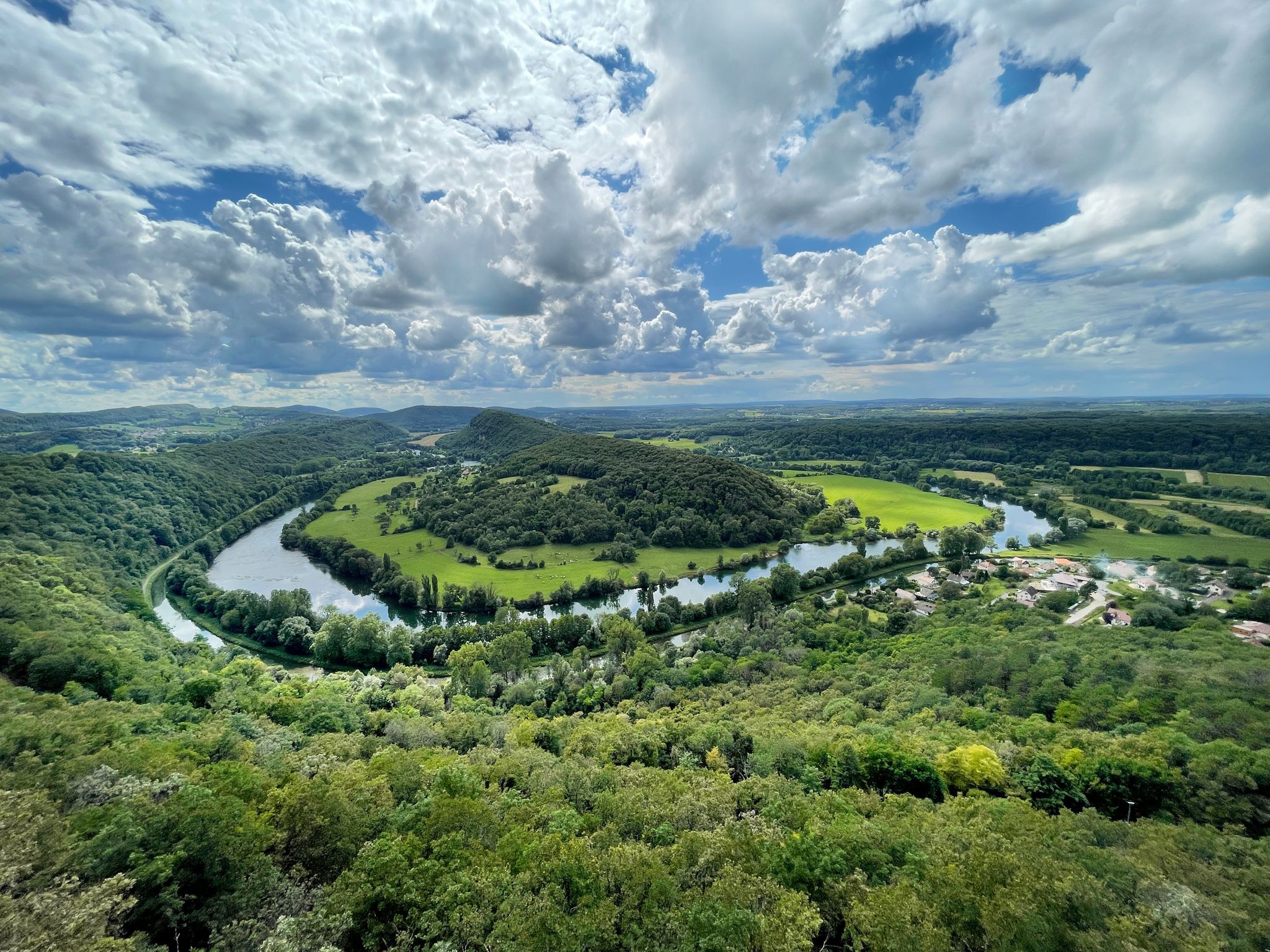
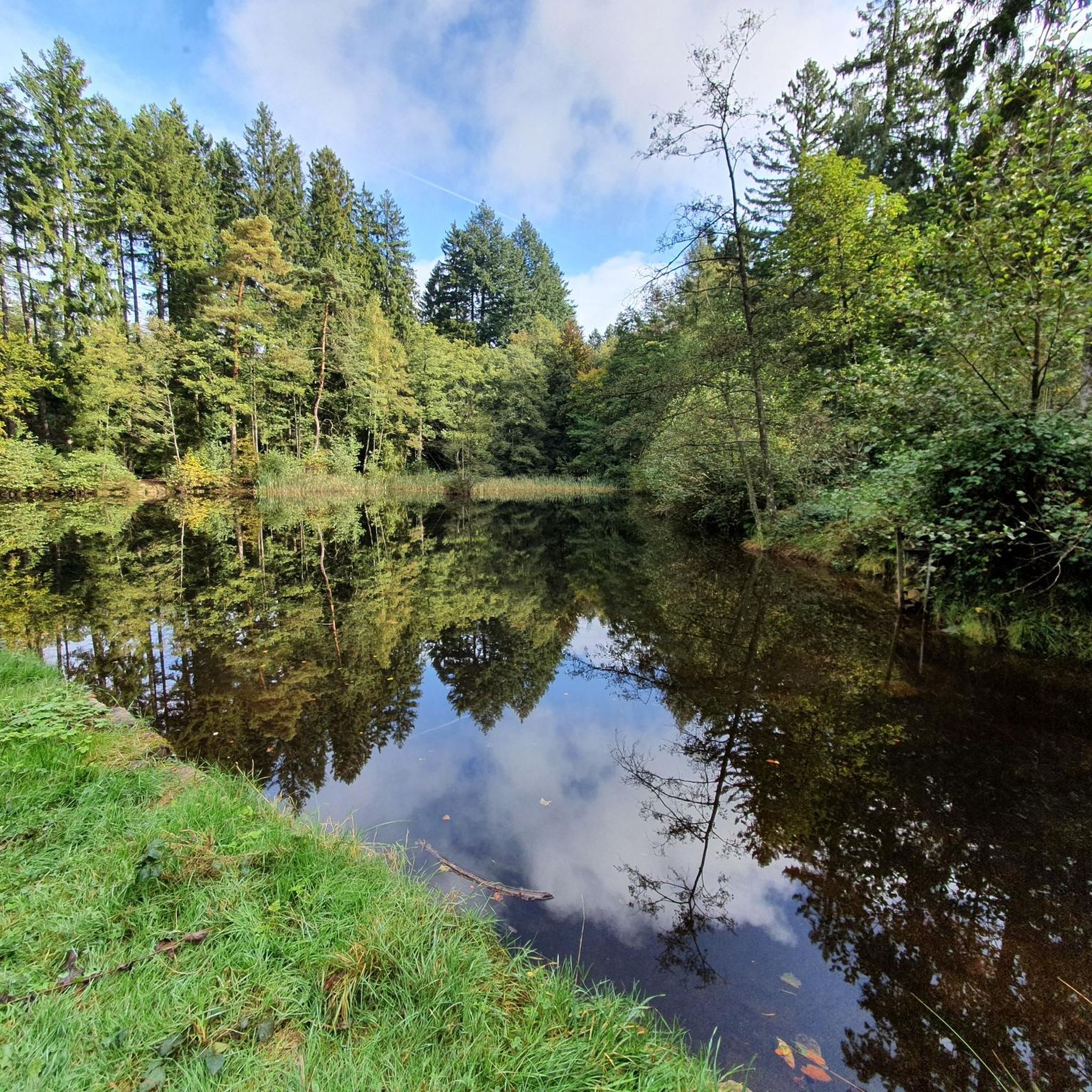
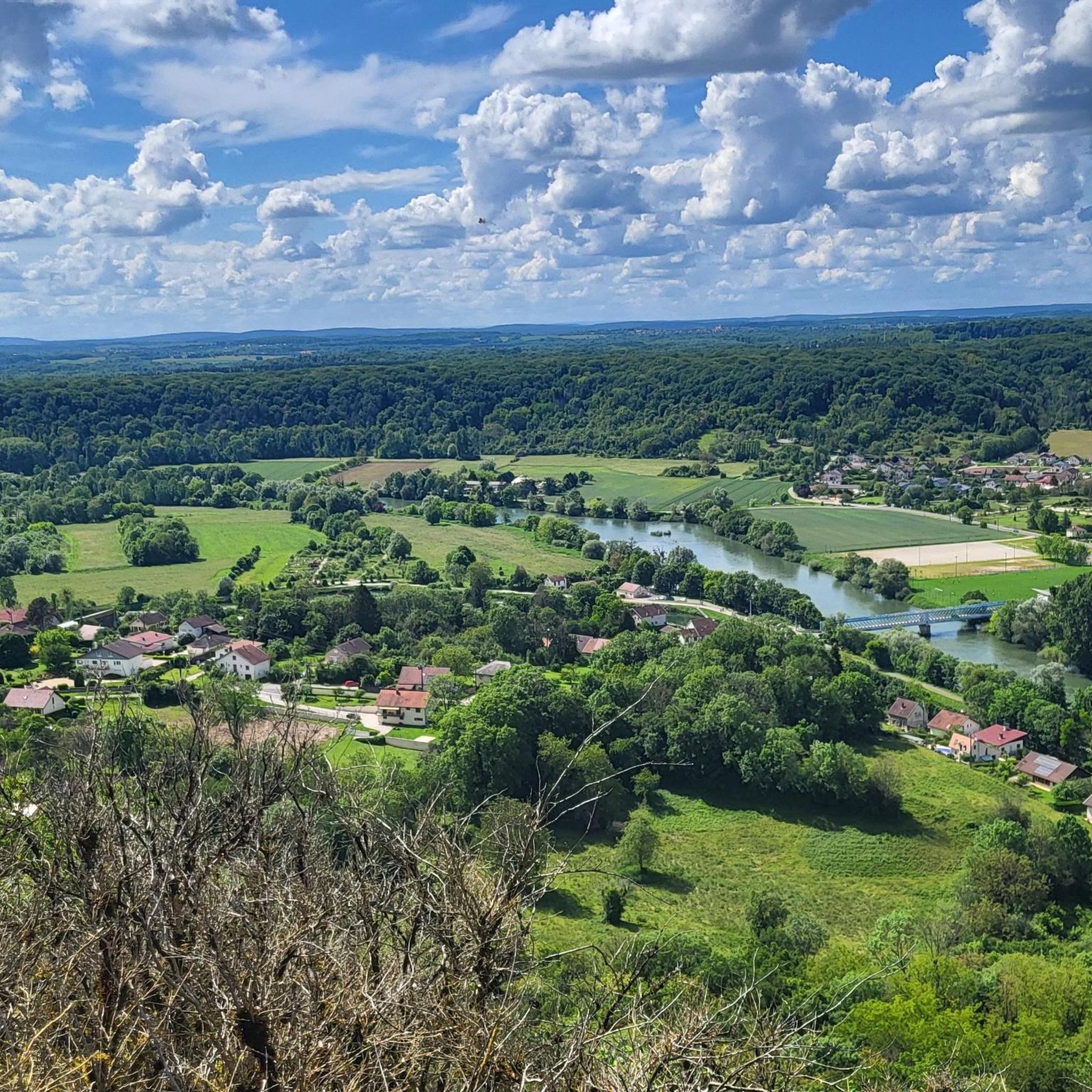
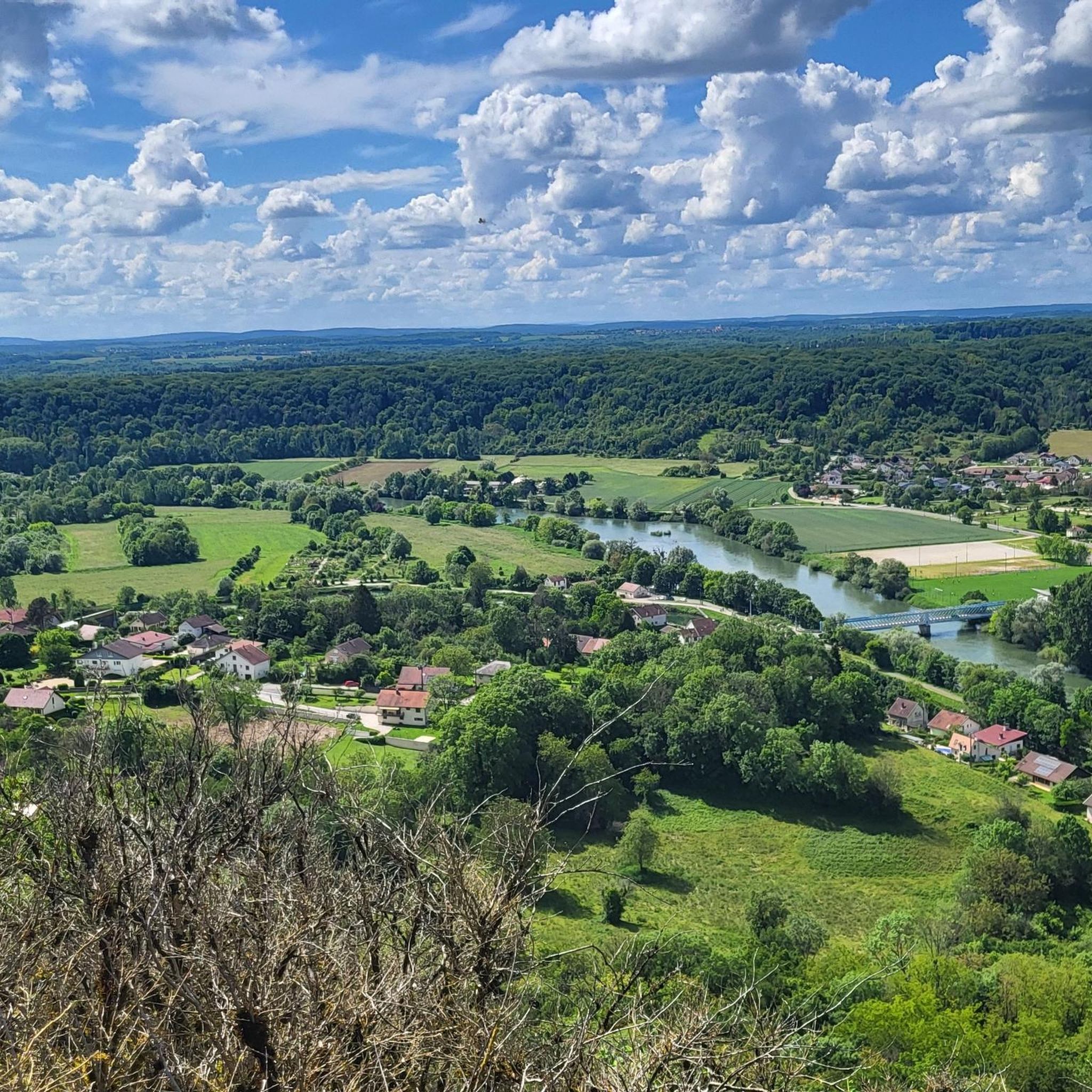
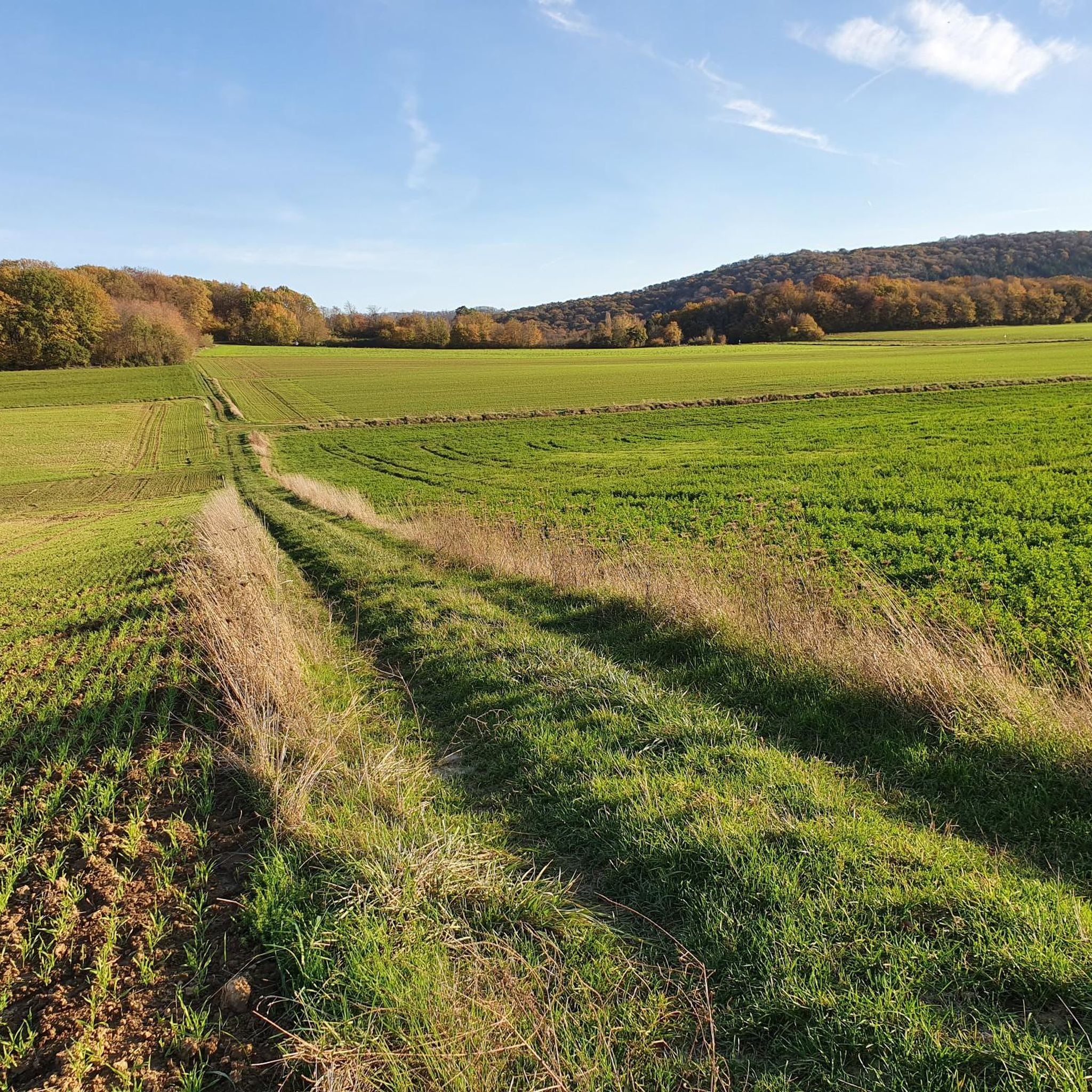
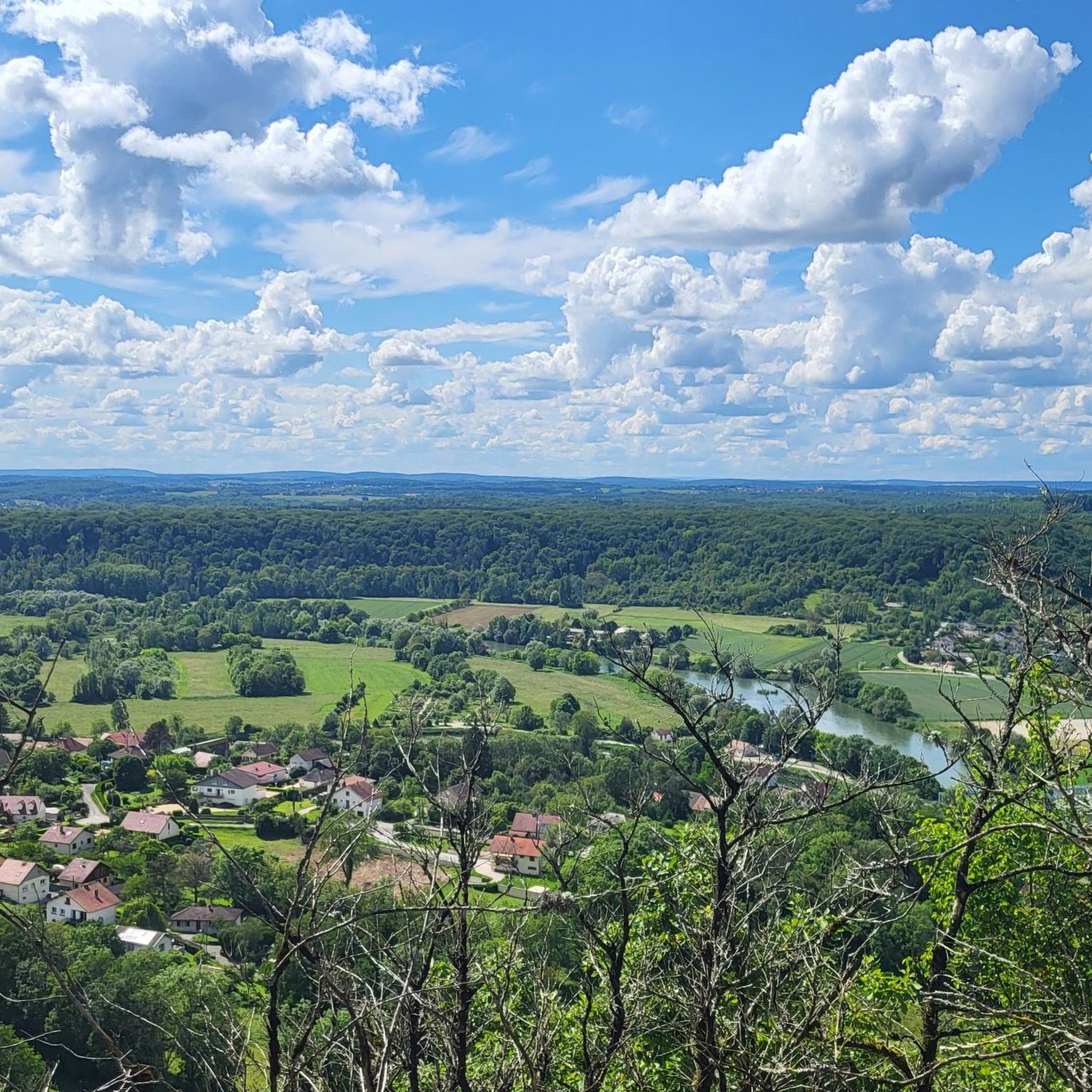
Other adventures around Franois

Tips from the Community

The waterfall is impressive even when it's carrying little water. Unfortunately, it can only be seen from the small path leading down from the road. The area at the base of the waterfall is private and extensively fenced. I found that a shame.
0
0

The area around the waterfall is cordoned off, so that it is actually inaccessible and can only be seen from afar. The "standing seats" that have been set up are friendly, but do not really add value to the barbed wire. You can get closer to the waterfall from above, but you should do this with caution!!
1
0

Decorative monument in Besançon
4
0
Corner fountain created in 1900 by the sculptor Pasche based on the drawings of the architect Saint-Ginest. This monumental fountain replaced a fountain created in 1740 that was destroyed during the Revolution. The inscription "UTINAM" engraved under the pediment is the motto of Besançon, which can also be found engraved on other monuments in the form "PLÛT A DIEU".
1
0

Notre-Dame de la Libération is a site of memory built on the Mont des Buis inside the ditches of an old fort which dominates the city of Besançon. After the Second World War, in 1949, a place of commemoration and memory was built on the site of Fort des Buis-est. A crypt is topped with a statue of the Virgin Mary. Inside the crypt, there are the names of the 5,500 Besançon people who died during the war.
0
0


The Mémorial Notre-Dame de la Libération in the Chapelle des Buis is a memorial site erected in memory of the victims of the Second World War. The Mémorial Notre-Dame de la Libération is located on the Mont des Buis, within the moats of a former fortress, which overlooks the city of Besançon at an altitude of almost 500 meters. This memorial dominates the city and houses a crypt with more than 5,500 names engraved in stone. These names represent both civilian and military victims from the departments of Doubs, Haute Saône and Territoire de Belfort. The Mémorial Notre-Dame de la Libération is a place of memory and tribute to those who gave their lives during one of the most turbulent periods in history. A religious and military ceremony is held annually on September 1 at this special place to commemorate the victims.
8
0
First of all, here you have a beautiful official viewpoint
7
0
Frequently Asked Questions
What are some of the most impressive natural features to explore near Franois?
The region around Franois, in the Doubs department, offers a variety of striking natural features. You can visit the magnificent Saut du Doubs, a 27-meter waterfall forming part of a grand canyon, or the series of seven stunning cascades at the Cascades du Hérisson. Another exceptional site is the Cirque de Baume-les-Messieurs, known for its impressive cliffs and waterfall.
Where can I find panoramic views of the landscape around Franois?
For breathtaking panoramic views, consider visiting Liberation Monument, which offers vistas over the city of Besançon and the plains of the Doubs from nearly 500 meters altitude. Another excellent spot is Mont d'Or, the highest peak in the region, providing extensive ridge walks and views that can stretch to the Alps and Lake Geneva on clear days. The Chère Cave also offers a very nice viewpoint of the Doubs valley.
Are there any significant waterfalls to visit in the Franois area?
Yes, the area is rich in waterfalls. The Bout du Monde Waterfall is a classified natural site reaching an impressive height of 50 meters, though its flow depends on precipitation. Further afield, the Saut du Doubs is a grand 27-meter waterfall on the French-Swiss border, and the Cascades du Hérisson feature a series of seven waterfalls over a 3-kilometer stretch, particularly impressive in autumn.
What kind of outdoor activities can I do near the natural monuments around Franois?
The natural monuments near Franois are excellent starting points for various outdoor activities. You can find numerous hiking opportunities, including trails like the 'Fort de Planoise Trail' or the 'Valmy Rock – The Holed Rock loop'. For mountain biking, routes such as the 'Bout du Monde Waterfall – Montfaucon Viewpoint loop' are available. Road cycling enthusiasts can explore routes like the 'Citadel Tunnel – Citadel of Besançon loop'. You can find more details on these activities in the hiking guide, MTB guide, and road cycling guide for Franois.
Are there family-friendly natural monuments in the region?
Yes, several natural monuments are suitable for families. The Liberation Monument is categorized as family-friendly, offering historical context and panoramic views. The Saut du Doubs is also a great family destination, with boat tours and accessible trails. The Cascades du Hérisson offer a network of paths suitable for various fitness levels, making it enjoyable for families to explore the waterfalls.
What is the best time of year to visit the natural monuments around Franois?
The best time to visit depends on what you want to see. Spring and autumn are ideal for hiking, with pleasant temperatures and vibrant foliage, especially around the Cascades du Hérisson when water flow is strong. Summer offers warmer weather for exploring and enjoying boat tours at the Saut du Doubs. Winter can be magical, with frozen waterfalls, though some paths might be less accessible.
Can I explore caves or gorges in the Franois area?
Yes, the region offers opportunities to explore geological formations like caves and gorges. The Chère Cave provides access to a rock gate and a viewpoint of the Doubs valley. The Saut du Doubs is set within a grand canyon, offering impressive gorge scenery. The Cirque de Baume-les-Messieurs is another excellent example of a natural amphitheater with dramatic cliffs.
Are there any natural rock formations worth seeing near Franois?
Absolutely. One notable natural rock formation is The Holed Rock, a natural rock arch over 4 meters high and almost 10 meters wide, easily accessible on a signposted path. The Cascades du Hérisson also reveal unique rock formations like flagstones and 'giant's kettles' during drier periods.
Are there opportunities for wildlife observation near Franois' natural monuments?
Yes, the natural areas around Franois provide opportunities for wildlife observation. The Liberation Monument is classified by the League for the Protection of Birds (LPO) as a privileged place for bird watching, especially for birds of prey. The Ravin de Valbois National Nature Reserve is particularly known for its biodiversity, including a variety of insects and unique plant species.
How accessible are the natural monuments around Franois?
Accessibility varies by site. The Holed Rock is easily accessible on a signposted path. The State Major Fountain is wheelchair accessible. For other sites like the Saut du Doubs and Cascades du Hérisson, while main viewing areas might be accessible, exploring trails and getting closer to the falls may involve uneven terrain. Mont d'Or offers chairlifts in summer for easier access to higher elevations.
Are there any historical sites among the natural monuments near Franois?
Yes, the Liberation Monument is a significant historical site and viewpoint. It's a memorial dedicated to the victims of the Second World War, offering panoramic views over Besançon and housing a crypt with over 5,500 names engraved in stone. While primarily a natural monument, the Cirque de Baume-les-Messieurs also features a charming village classified as one of France's most beautiful, adding a cultural and historical dimension to the visit.
Most popular routes around Franois
Most popular attractions around Franois

Get inspired with the komoot mobile app


Explore more
Extend your search for the best caves by checking out these guides of the top ones around Franois:
