Top 7 Natural Monuments around Les Rouges-Eaux
Best natural monuments around Les Rouges-Eaux are found within the Vosges department of France, characterized by dense forests, geological formations, and serene waterways. The region offers extensive hiking and cycling opportunities across its diverse landscapes. These sites provide access to the area's natural beauty, including rock formations and elevated viewpoints. Visitors can explore a variety of natural landmarks and enjoy the tranquility of the Vosgian environment.
Best natural monuments around Les Rouges-Eaux
- The most popular natural monuments is La Roche…
Last updated: June 18, 2026
La Bure Celtic Camp
Highlight • Historical Site
Translated by Google •
Tip by

La Roche Saint-Martin and View of Saint-Dié
Highlight • Viewpoint
Translated by Google •
Tip by

Sign up now to discover places like this
Get recommendations on the best single tracks, peaks, & plenty of other exciting outdoor places.
Sign up for free
Roche d'Anozel
Highlight • Viewpoint
Translated by Google •
Tip by
Pointhaie Rocks
Highlight • Natural Monument
Translated by Google •
Tip by

La Pierre Percée
Highlight • Natural Monument
Translated by Google •
Tip by
Sign up for free to discover even more natural monuments around Les Rouges-Eaux.
Sign up for free
Already have an account?
Start today with a free account
Your next adventure awaits.
Login or Signup
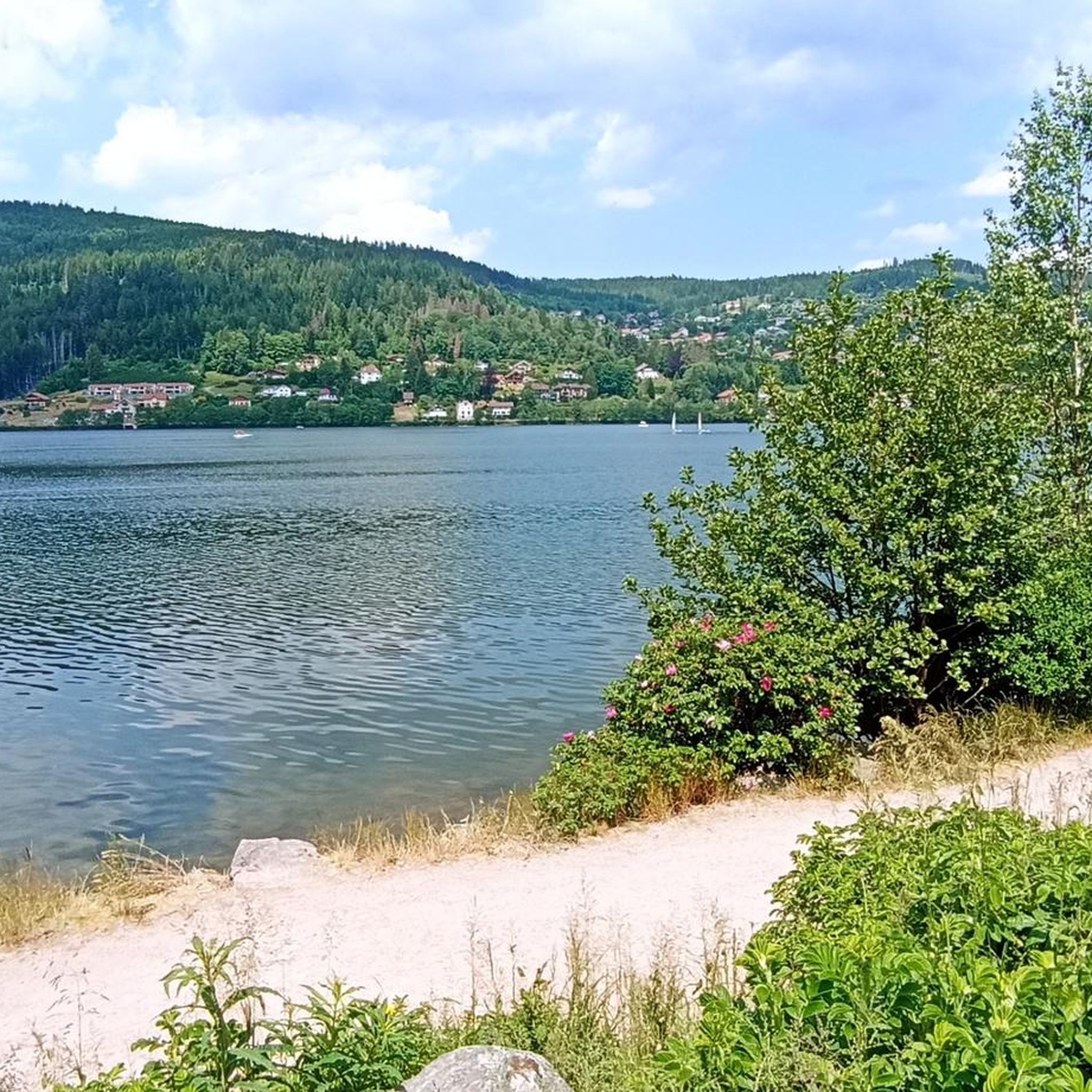
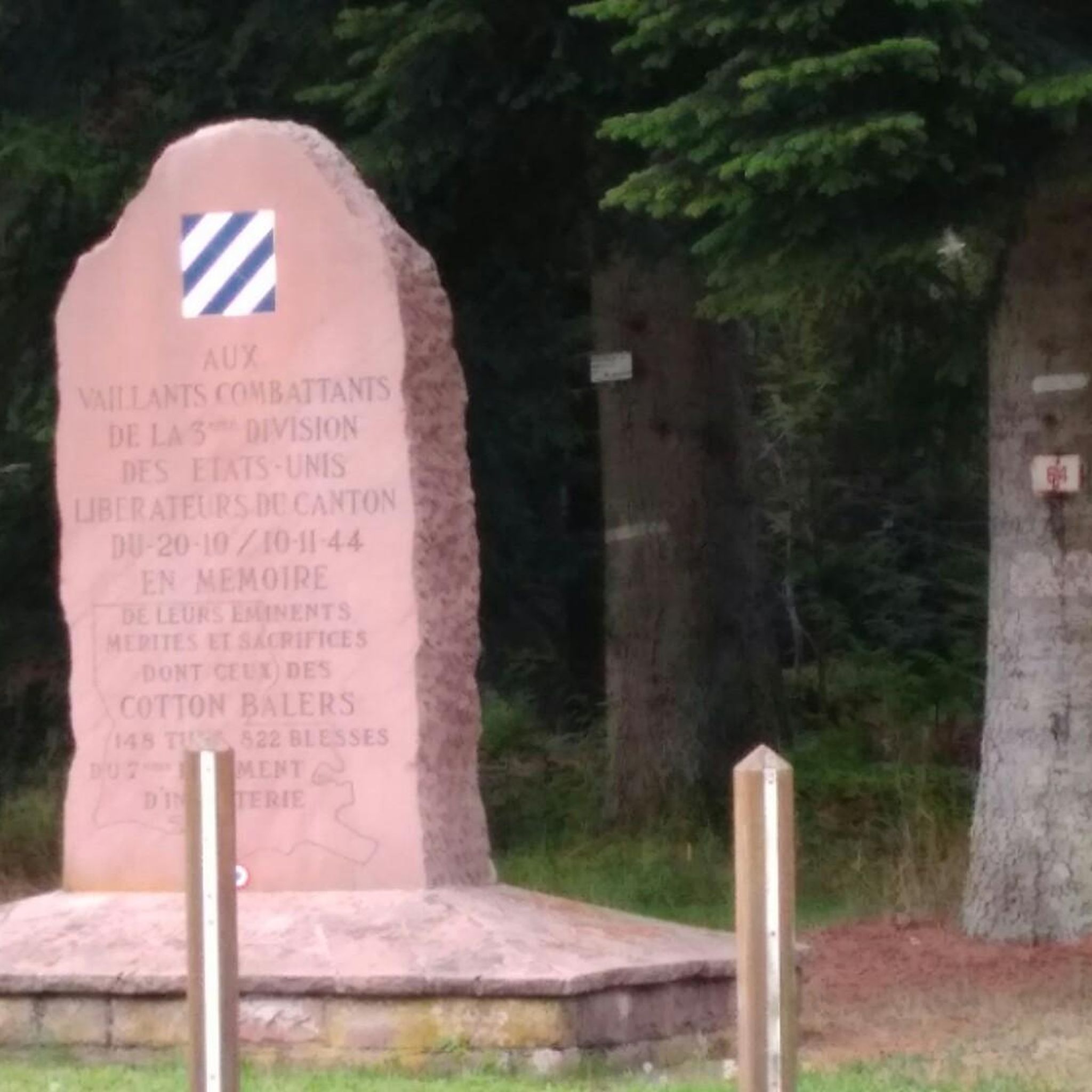
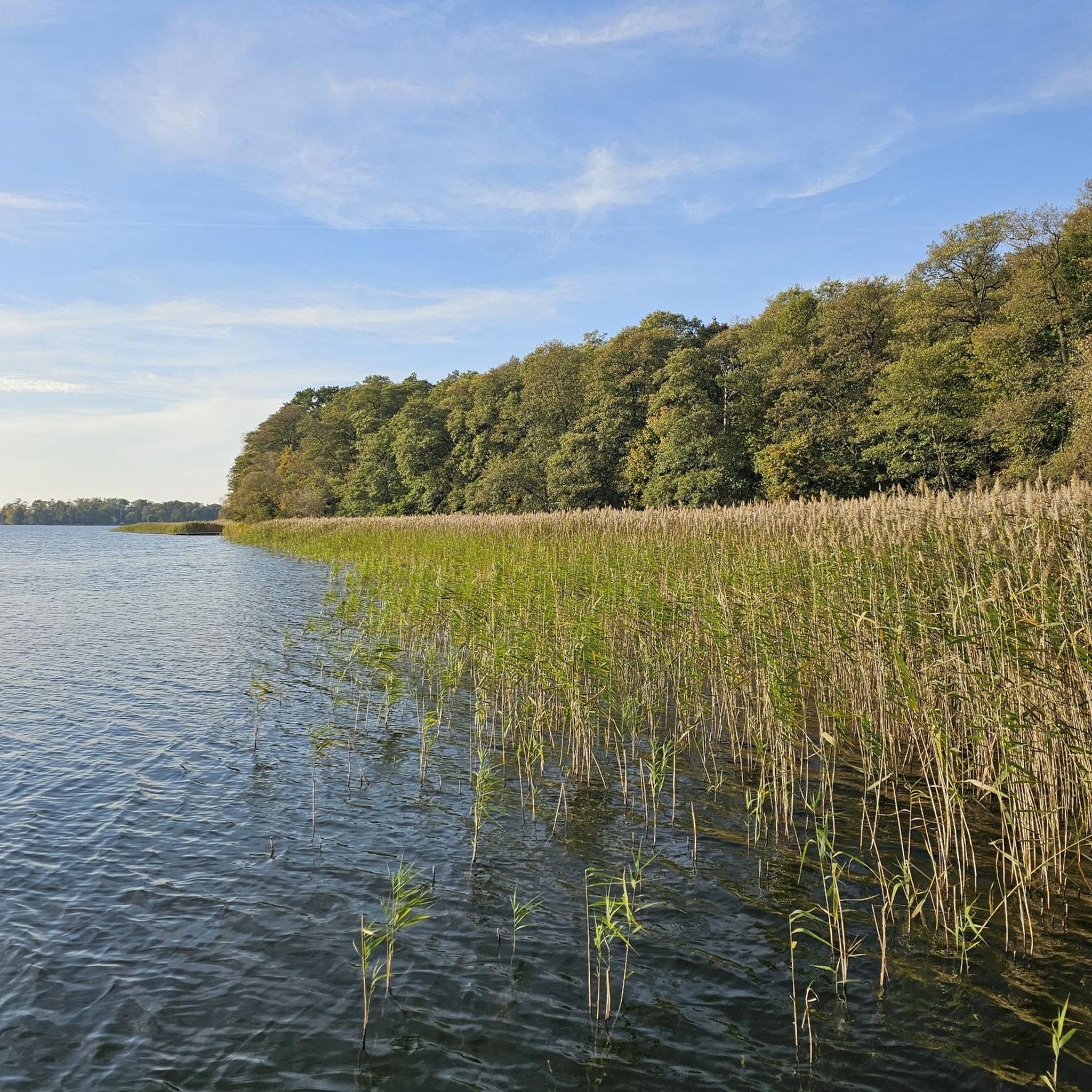
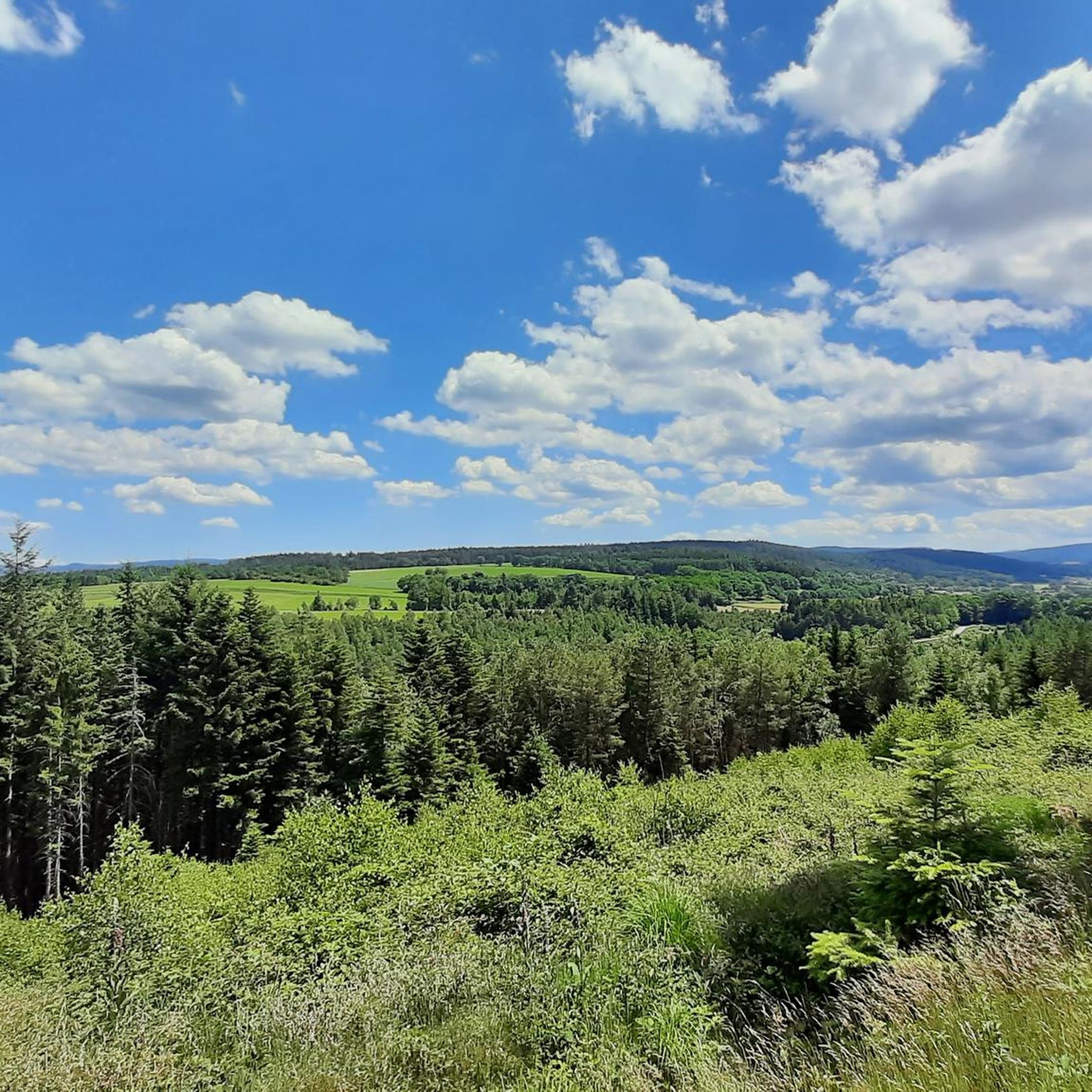

Tips from the Community


Emblematic rock of the Kemberg massif, from which the view of the Vosges is clear.
0
0

Large steep rock with south-facing viewing platform.
1
0
Small viewpoint on a rock which is accessed by a footbridge. Superb view to the south, weather permitting.
2
0

Magnificent Roche St Martin
3
1

The Celtic camp of the Bure is a fortified plateau bordering the Haute-Meurthe valley in the Grand-East of France. The plateau, now wooded, lies between the communes of Saint-Dié-des-Vosges and that of Hurbache, at the western end of the Ormont massif. This site, known for 23 years of archaeological research from 1964 to 1986, has been classified as a Historical Monument since August 6, 1982. The site has been inhabited since at least the Neolithic period. Then used intensively by the Celts and later by the Romans. There is a lot to see from that time, also because there have not been any settlement activities worth mentioning for a long time. More information e.g. here: https://fr.wikipedia.org/wiki/Camp_celtique_de_la_Bure
6
0

These sandstone rocks are 15 meters high and the view from the top of these rocks is magnificent.
2
0
Frequently Asked Questions
What geological features can I explore around Les Rouges-Eaux?
The region is characterized by impressive geological formations. You can find imposing sandstone columns, such as those at La Roche Saint-Martin and View of Saint-Dié, where two columns are connected by a bridge. Other notable rock formations include Pointhaie Rocks, which are 15 meters high, and Roche d'Anozel, an emblematic rock of the Kemberg massif.
Are there any historical sites among the natural monuments in this area?
Yes, La Bure Celtic Camp is a significant historical site that also functions as a natural monument. This fortified plateau has been inhabited since the Neolithic period and was used intensively by Celts and Romans, offering a unique blend of natural surroundings and ancient history.
What kind of views can I expect from the natural monuments around Les Rouges-Eaux?
Many natural monuments in the area offer fantastic panoramic views. From La Roche Saint-Martin, you can enjoy truly fantastic views of Saint-Dié. Roche d'Anozel provides clear views of the Vosges from its south-facing viewing platform, and La Pierre Percée offers superb views to the south.
What outdoor activities can I do near these natural monuments?
The region around Les Rouges-Eaux is ideal for outdoor activities, particularly hiking and cycling. You can find numerous trails that traverse the extensive forests and picturesque natural settings. For hiking, explore routes like the Belle Jambe Rock loop or the High Fields Rock loop. For cycling, options include the Bike loop from Massif du Kemberg or the Anozel Pass loop. You can find more details on these activities in the Hiking around Les Rouges-Eaux and Cycling around Les Rouges-Eaux guides.
Are there family-friendly options for visiting natural monuments in the area?
The extensive forests and well-maintained trails around Les Rouges-Eaux offer many opportunities for family-friendly outings. While specific 'family-friendly' designations for individual monuments aren't always present, the general environment is suitable for walks and exploration with children. Look for easier hiking routes, such as the La Roche des hauts champs – Pit Rocks loop, which is rated as easy, to ensure a pleasant experience for all ages.
Can I bring my dog to the natural monuments and trails?
Many trails and natural areas in the Vosges department are dog-friendly, provided dogs are kept on a leash and owners clean up after them. It's always recommended to check local signage at specific sites or trailheads for any particular restrictions, but generally, the region's natural environment welcomes well-behaved dogs.
What is the best time of year to visit the natural monuments around Les Rouges-Eaux?
The best time to visit is typically from spring through autumn (April to October) when the weather is mild, and the forests are lush. This period offers ideal conditions for hiking, cycling, and enjoying the panoramic views. While winter can offer a different, serene experience, some trails might be challenging due to snow or ice.
How accessible are the natural monuments, and is parking available?
Access to many natural monuments often involves hiking trails, which vary in difficulty. Parking is generally available near trailheads or starting points for popular routes. Public transport options directly to all natural monuments might be limited, so driving is often the most convenient way to reach them.
What makes La Roche Saint-Martin a popular natural monument?
La Roche Saint-Martin is popular for its unique geological formation, featuring several imposing sandstone columns, two of which are connected by a bridge. It also offers truly fantastic panoramic views over Saint-Dié-des-Vosges, with benches provided for visitors to relax and appreciate the scenery.
Where can I experience the broader natural heritage of the region beyond individual monuments?
For a broader experience of the region's natural heritage, consider exploring the Northern Vosges Regional Nature Park. This UNESCO World Biosphere Reserve, though a wider area, highlights the significant natural beauty surrounding Les Rouges-Eaux, with pristine forests and diverse landscapes. You can find more information about this park on the Visit Strasbourg website.
What do visitors enjoy most about the natural monuments in Les Rouges-Eaux?
Visitors particularly enjoy the stunning panoramic views from elevated rock formations, the unique geological structures like sandstone columns, and the tranquility of immersing themselves in the dense Vosgian forests. The combination of natural beauty and opportunities for outdoor activities like hiking and cycling is highly appreciated.
Are there any hidden gems or less-known natural monuments worth exploring?
While the guide highlights popular spots, the charm of Les Rouges-Eaux also lies in its widespread natural beauty. Exploring the scenic forest road between Brouvelieures and Autrey, which follows the La Mortagne river, offers a peaceful immersion in nature away from more frequented sites. Many local trails also lead to smaller, less-known rock outcrops and viewpoints.
Most popular routes around Les Rouges-Eaux
Most popular attractions around Les Rouges-Eaux

Get inspired with the komoot mobile app


Explore more
Extend your search for the best caves by checking out these guides of the top ones around Les Rouges-Eaux:
