Top 7 Natural Monuments around Saint-Maurice
Best natural monuments around Saint-Maurice showcase the region's geological formations and diverse landscapes. The area features a variety of natural features, including historic caves, impressive waterfalls, and prominent mountain ranges. These notable natural landmarks offer opportunities to explore the unique environment of Saint-Maurice, Switzerland. The landscape provides a setting for outdoor activities and appreciating natural beauty.
Best natural monuments around Saint-Maurice
- The most popular natural monuments is Chêne des Bruyères, a forest that features a majestic oak tree. This…
Last updated: July 2, 2026
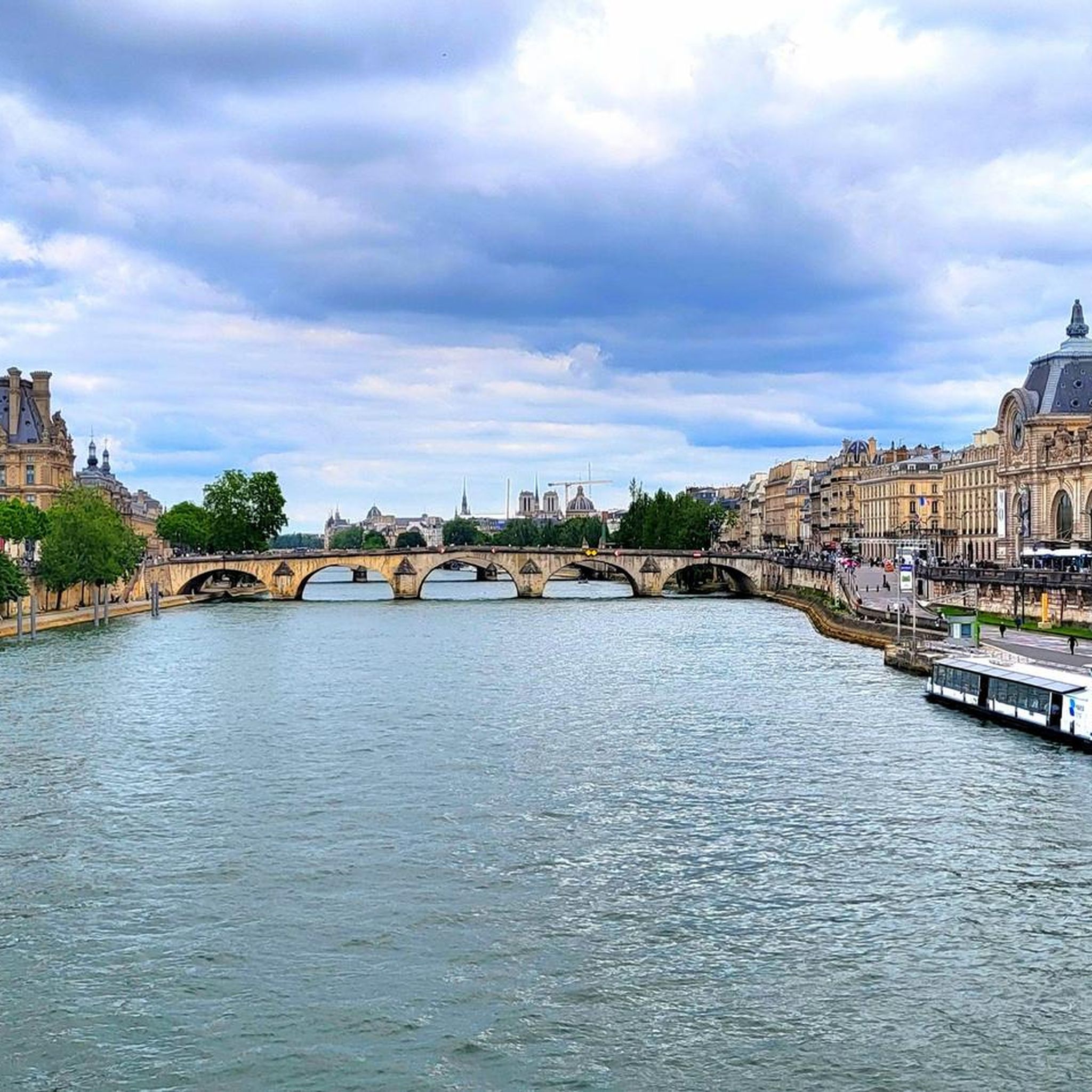
Saint-Michel Bridge
Highlight • Bridge
Source: de.parisinfo.com/transportmittel/73150/Fontaine-Saint-Michel
Translated by Google •
Tip by

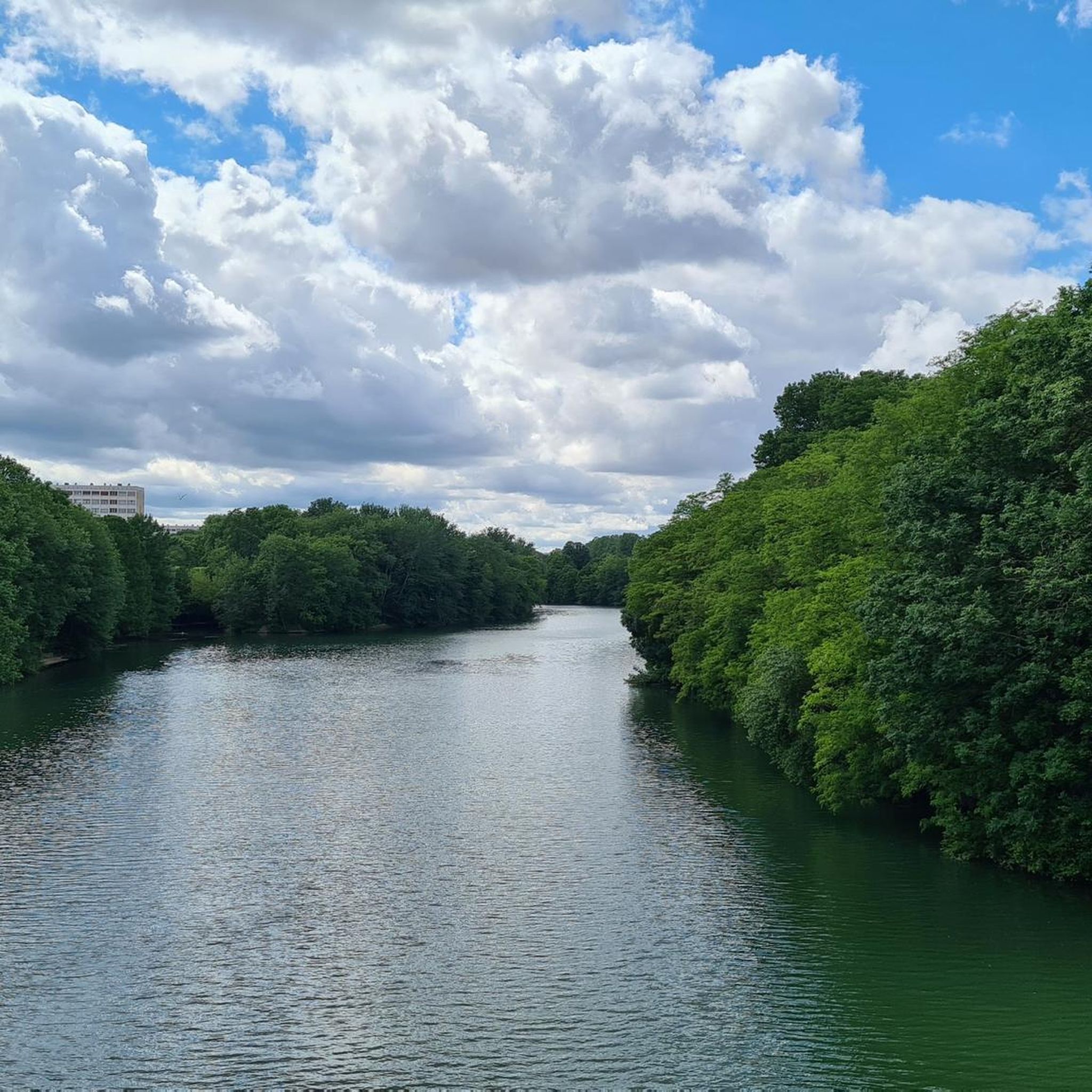
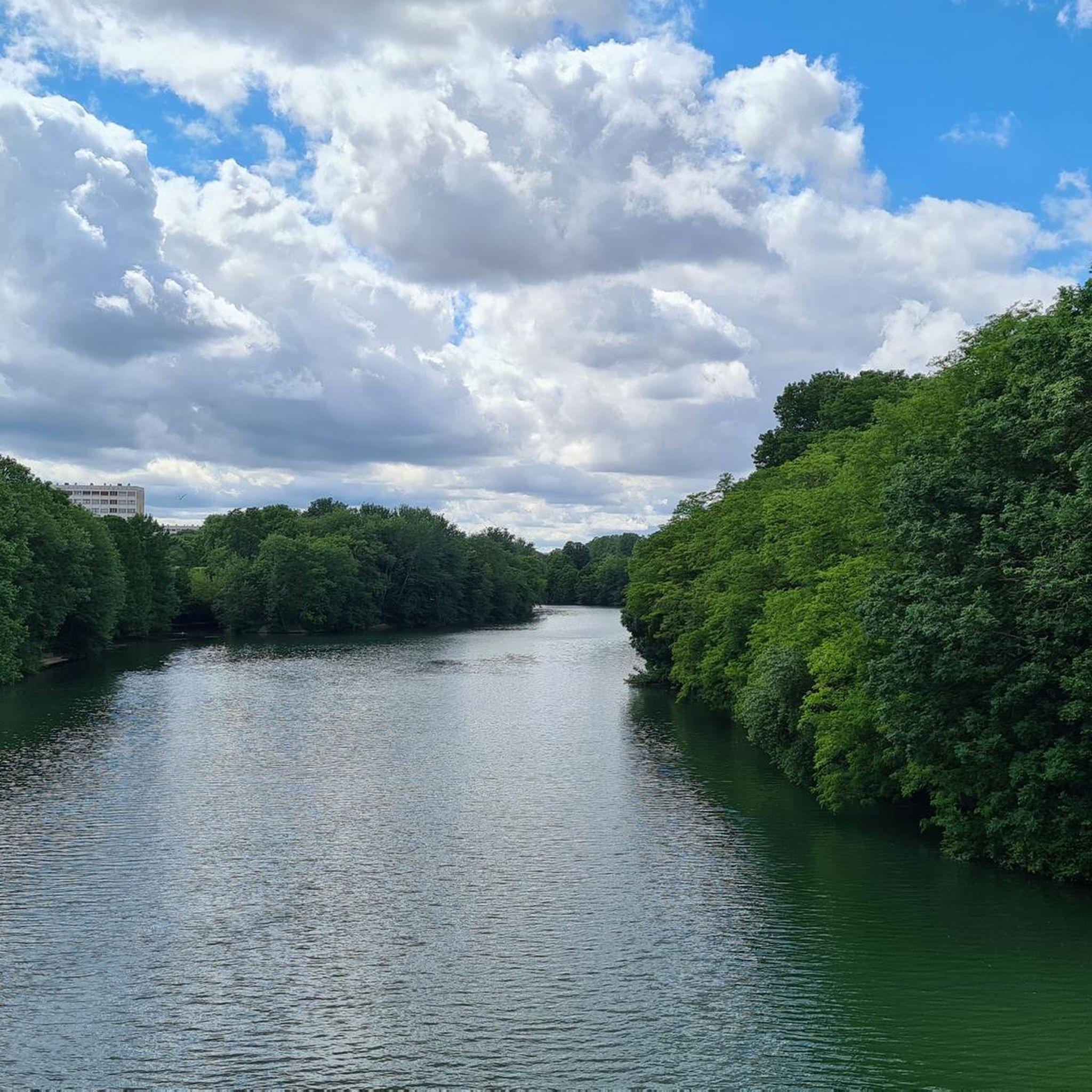
Lake Gravelle
Highlight • Lake
Translated by Google •
Tip by

Sign up now to discover places like this
Get recommendations on the best single tracks, peaks, & plenty of other exciting outdoor places.
Sign up for free
Fountain of the Four Parts of the World
Highlight • Monument
Translated by Google •
Tip by

Square du Temple – Elie Wiesel
Highlight • Natural Monument
Translated by Google •
Tip by

Chêne des Bruyères
Highlight • Forest
Translated by Google •
Tip by
Sign up for free to discover even more natural monuments around Saint-Maurice.
Sign up for free
Already have an account?
Start today with a free account
Your next adventure awaits.
Login or Signup

Tips from the Community

The fountain on Avenue Denise Versay in Paris is a beautiful sight. Plenty of benches invite you to linger. A visit is highly recommended.
4
0

Why Visit Pont Saint-Michel? Architecture and History: Admire the bridge’s classical architecture and learn about its history through its various reconstructions. Spectacular Views: Enjoy breathtaking views of the Seine, Île de la Cité, and Notre-Dame Cathedral, perfect for memorable photos. Central Location: Use the bridge as a base to explore Paris’s major attractions nearby. Parisian Vibe: Soak up the lively and historic ambiance of the surrounding neighborhood, with its cafés, restaurants, and boutiques. Pont Saint-Michel is a vital part of Parisian heritage, providing both practical functionality and aesthetic appeal in one of the city’s most picturesque and historic neighborhoods.
4
0
The Pont Saint-Michel is a historic bridge that crosses the Seine in Paris, connecting the Île de la Cité, where the famous Notre-Dame de Paris is located, to the Latin Quarter on the left bank. It is an iconic bridge, both for its history and its central location in the city. Features of the Pont Saint-Michel: Architecture: The Pont Saint-Michel is a stone bridge, built in a classical style. It features an arched structure and sculpted ornaments that add to its historical charm. It is characterized by its elegant arches and architectural details, reflecting the style of Parisian urban architecture of the early 20th century. History: The current bridge was built between 1857 and 1859, replacing an older version dating from the Middle Ages. The original medieval bridge had been rebuilt several times over the centuries before being replaced by the current structure. The Pont Saint-Michel is thus the result of a series of reconstructions that resulted in its current form. Location: Pont Saint-Michel is located in a strategic location in Paris, connecting the Île de la Cité to the Latin Quarter. This location is in the heart of Paris, offering magnificent views of the Seine River, the surrounding historic buildings, and the Notre-Dame de Paris. Function: The bridge plays a key role in the connectivity between the two banks of the Seine. It is used by pedestrians, cyclists, and vehicles, facilitating access to many important tourist sites and neighborhoods on both sides of the river. Visibility: Due to its central location and elegant architecture, Pont Saint-Michel is a popular spot for photographers and visitors. It offers picturesque views of the Seine River, Notre-Dame Cathedral, and the historic buildings of the Latin Quarter. Proximity to Attractions: The bridge is close to several major Paris attractions, including Notre-Dame Cathedral, the Palais de Justice, and the Latin Quarter. It is also close to many cafes, restaurants, and shops, making it a convenient place to explore the city.
4
0

In the Grosbois regional forest, a majestic oak tree stands proudly among the heather, well marked by an explanatory sign. This century-old oak tree, nestled in the heart of the forest, is a true natural monument and shows the richness and biodiversity of this wooded area. This site is accessible via a hiking trail.
1
0

One of the many ways to cross the Seine.
9
0

A place right next to the Luxembourg Gardens
1
0

The Square du Temple was a refuge for the Knights Templar in the 13th century and was the scene of bloody punishments because the Templars were considered heretics. Today, luckily, peace has returned. The Square du Temple is an English garden adorned with many exotic trees (American honey locust, ash tree, ginkgo biloba) and remarkable trees (18m high Byzantine hazel or Japanese pagoda tree). The fauna seems more alive than ever in this large garden. You will discover birds of all kinds refreshing themselves in the pool or in the artificial waterfall constructed from rocks from the Fontainebleau forest. https://parisjetaime.com/eng/kultur/square-du-temple-elie-wiesel-p1027
2
0

Beautifully landscaped green area designed in the English style with a water feature and waterfall, lawns, rare trees and a monument in honor of the Nobel Peace Prize winner, Elie Wiesel, which he received for his role model function in the fight against violence, oppression and racism.
5
0
Frequently Asked Questions
What are some of the most notable natural monuments to visit around Saint-Maurice?
The region around Saint-Maurice offers several impressive natural monuments. You can explore the historic Grotte aux Fées, witness the powerful Pissevache waterfall, or admire the majestic Dents du Midi mountain range. Other popular spots include Chêne des Bruyères, a majestic oak tree, and the serene Lake Gravelle.
Are there family-friendly natural monuments in the Saint-Maurice area?
Yes, several natural monuments are suitable for families. Lake Gravelle is a preserved natural site that is family-friendly. The Grotte aux Fées, with its underground lake and waterfall, offers a unique adventure for all ages, though it requires a 15-minute uphill walk. Additionally, Square du Temple – Elie Wiesel is a beautifully landscaped green area designed in the English style, perfect for a family outing.
What kind of outdoor activities can I do near these natural monuments?
The natural monuments around Saint-Maurice are excellent starting points for various outdoor activities. You can find numerous routes for gravel biking, running, and mountain biking. For example, explore the "Small waterfalls – Vincennes Polygon loop" for an easy gravel biking experience, or try the "Lake Daumesnil – Lake Daumesnil loop" for an easy run. For more options, check out the Gravel biking around Saint-Maurice, Running Trails around Saint-Maurice, and MTB Trails around Saint-Maurice guides.
What is the best time to visit the natural monuments in Saint-Maurice?
The best time to visit largely depends on the specific monument and your preferred activities. The Grotte aux Fées is typically open from mid-March to mid-November, though it will be closed for renovations for at least the entirety of 2026. Spring and autumn offer pleasant temperatures for hiking around the Dents du Midi and visiting the Pissevache waterfall, with vibrant foliage or blooming flora. Summer is ideal for longer hikes and enjoying the full flow of the waterfall, while winter can offer unique snowy landscapes, especially in the higher mountain areas.
How accessible is the Grotte aux Fées, and what should I expect?
The Grotte aux Fées is located above Saint-Maurice and requires a 15-minute uphill walk through a forest path from a free parking area. Once inside, the main gallery extends for 504 meters, leading to an underground lake fed by a 77-meter-high waterfall. The cave is developed for tourism with lighting, offering a unique subterranean experience. Please note that the grotto is scheduled for significant renovation work and will be closed for at least the entirety of 2026.
Can I reach the natural monuments using public transport?
While specific public transport details for each monument vary, Saint-Maurice itself is well-connected. For the Grotte aux Fées, you would typically reach Saint-Maurice and then take the uphill walk. For the Pissevache waterfall, it's located between Martigny and Saint-Maurice, and you can access it via a small path from a parking lot near the "la Cascade" hotel and restaurant. It's advisable to check local public transport schedules for the most up-to-date information on reaching specific sites.
Are there any historical natural monuments in the area?
Yes, the region boasts several sites with historical significance. The Grotte aux Fées is a historic tourist cave, notable as the first such cave opened to the public in Switzerland over a century ago. While not strictly natural, the Saint-Michel Bridge is a historic bridge initially built in stone in 1378, located near the Petit-Pont and associated with the Saint-Michel fountain, offering a blend of natural and man-made history.
What makes the Dents du Midi mountain range special?
The Dents du Midi is a prominent three-kilometer-long mountain range in the Chablais Alps, known for its rugged silhouette visible from as far as Lake Geneva. It features seven distinct peaks, with the highest being Haute Cime at 3,258 meters. Composed mainly of limestone, it's characterized by steep rocky mountainsides, rivers, lakes, and glaciers. It's also a haven for diverse flora and fauna, including rare plants and wildlife like chamois, marmots, and alpine ibex. The "Tour des Dents du Midi" is one of the oldest multi-day hiking tours in the Canton of Valais.
What should I know about the Pissevache waterfall?
The Pissevache waterfall, also known as Cascade de Salanfe, is an impressive 116-meter-high cascade fed by the Salanfe river. It's considered one of Switzerland's most beautiful sights, with its highest single drop being 65 meters. Although its flow has been reduced due to a dam, it remains a powerful and captivating natural spectacle. Visitors can access it via a small path from a parking lot near the "la Cascade" hotel and restaurant.
Are there any natural monuments that are wheelchair accessible?
While many natural monuments in mountainous regions can be challenging for wheelchair users, some sites offer better accessibility. The Saint-Michel Bridge and the Fountain of the Four Parts of the World are listed as wheelchair accessible. For natural trails and caves like the Grotte aux Fées or the Dents du Midi, accessibility might be limited due to uneven terrain or uphill paths.
What do visitors enjoy most about the natural monuments around Saint-Maurice?
Visitors frequently praise the unique blend of natural beauty and historical significance. The Grotte aux Fées offers a fascinating 'journey into the bowels of the earth,' while the Pissevache waterfall is admired for its powerful spectacle. The Dents du Midi provides breathtaking alpine scenery and challenging multi-day hikes. The komoot community particularly appreciates the diverse landscapes, with over 800 upvotes and more than 100 photos shared across the various natural monuments.
Are there any hidden natural gems or less-known spots worth exploring?
While the Grotte aux Fées, Pissevache, and Dents du Midi are well-known, the region is rich with smaller, equally charming natural spots. For instance, Chêne des Bruyères, a majestic century-old oak in the Grosbois regional forest, offers a peaceful natural retreat. Exploring the various trails and paths around the main attractions can often lead to discovering serene viewpoints and less crowded natural features.
Most popular routes around Saint-Maurice
Most popular attractions around Saint-Maurice

Get inspired with the komoot mobile app


