Top 7 Natural Monuments around Malbuisson
Natural monuments around Malbuisson are characterized by diverse landscapes, including glacial lakes, high mountain peaks, and scenic valleys. The region, situated in the Doubs department, offers a variety of natural attractions for outdoor exploration. These sites provide opportunities to observe unique geological formations and varied ecosystems. Malbuisson serves as a base for discovering these natural landmarks.
Best natural monuments around Malbuisson
- The most popular natural monuments is Mont d'Or, a summit that is the highest point in the Doubs…
Last updated: October 5, 2026
Mont d'Or
Highlight • Summit
Its position offers hikers superb and very …
Translated by Google •
Tip by

Lac de Saint-Point
Highlight • Lake
Translated by Google •
Tip by

Sign up now to discover places like this
Get recommendations on the best single tracks, peaks, & plenty of other exciting outdoor places.
Two Lakes Viewpoint
Highlight • Viewpoint
Translated by Google •
Tip by
The Jougnena Valley
Highlight • Gorge
Tip by

View of Lac de Remoray
Highlight • Viewpoint
Translated by Google •
Tip by

Sign up for free to discover even more natural monuments around Malbuisson.
Already have an account?
Start today with a free account
Your next adventure awaits.
Tips from the Community

Here you have a magnificent all-round view!
0
0

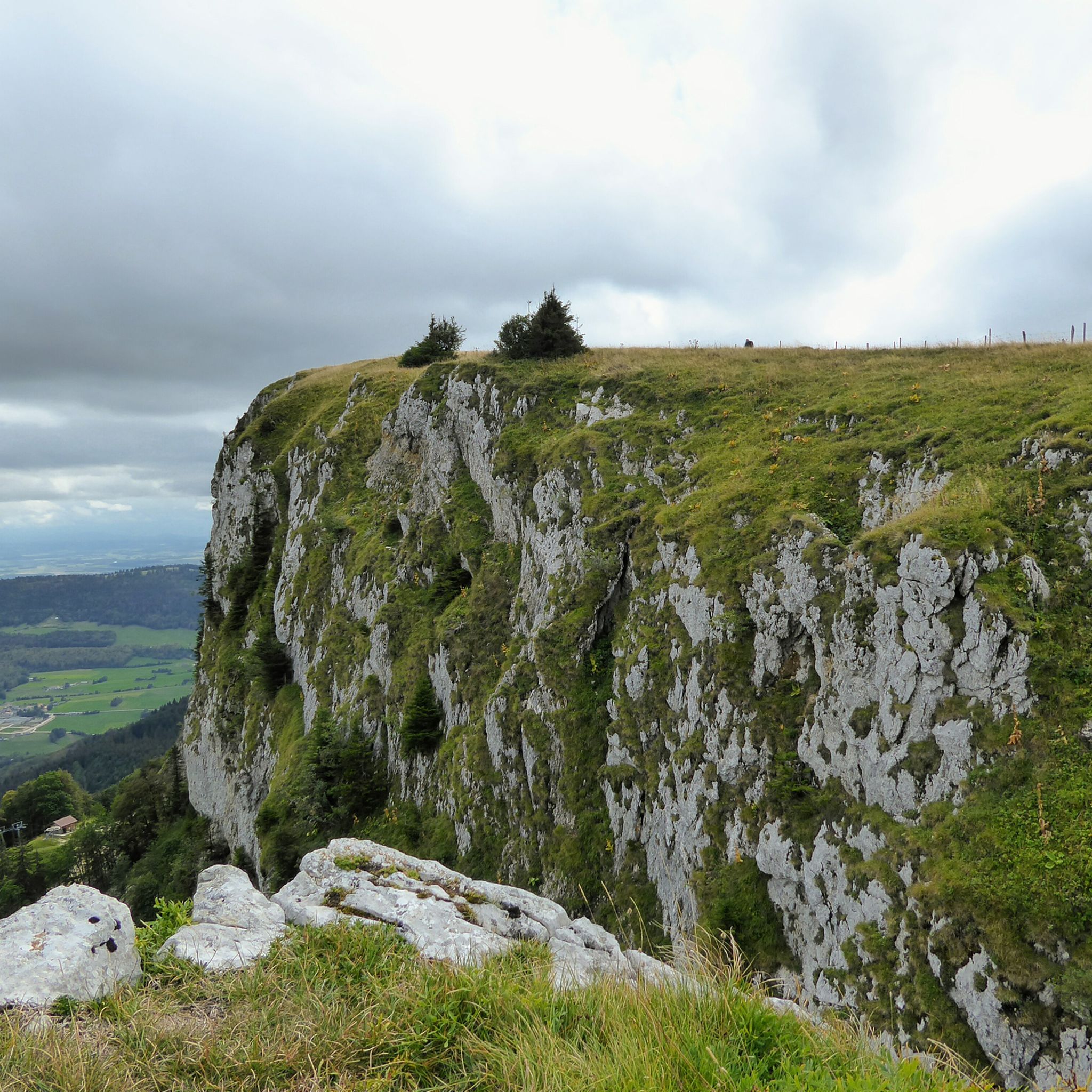
The Mont d'Or is a mountain in the Jura Mountains on the border between France and Switzerland, whose summit is 1463 m in the French department of Doubs, not far from the national border, north of the Swiss town of Vallorbe.
2
0

On clear days you can see the snow-capped peaks of the Alps
1
0

La vallée de la Jougnena is a picturesque valley that straddles the border between Switzerland (canton of Vaud) and France (department of Doubs). The valley is known for its rich history and natural beauty, featuring a thematic trail that connects the towns of Jougne, Ballaigues, and Vallorbe. This 19 km trail, which can be completed in about 5 hours, follows an old railway line and a historic pilgrimage route, offering insights into the region’s geography, history, and industrial heritage. Along the way, you’ll find notable landmarks such as the Musée du fer et du chemin de fer in Vallorbe, the viaduct of Le Day, and the Saint-Maurice chapel.
5
0
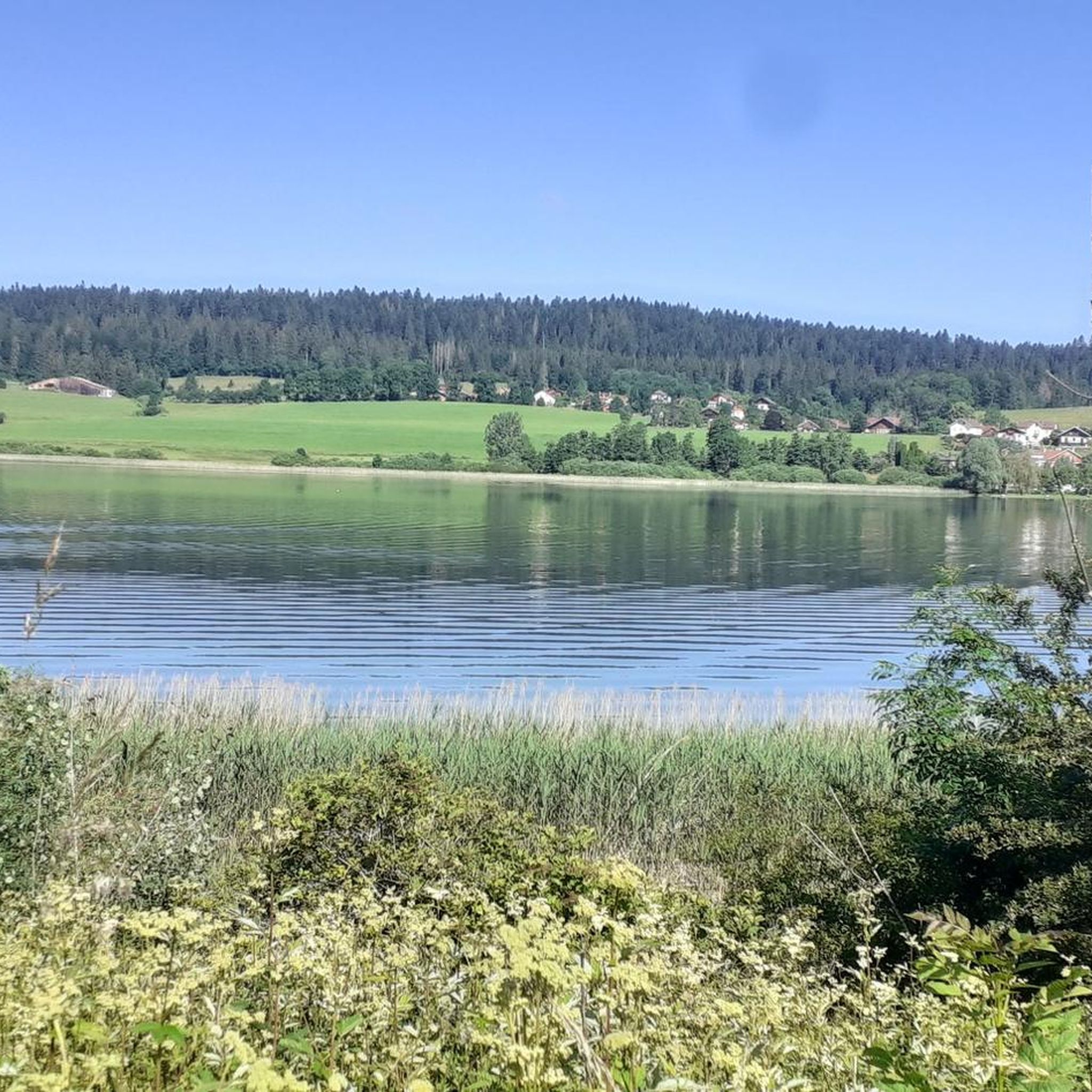
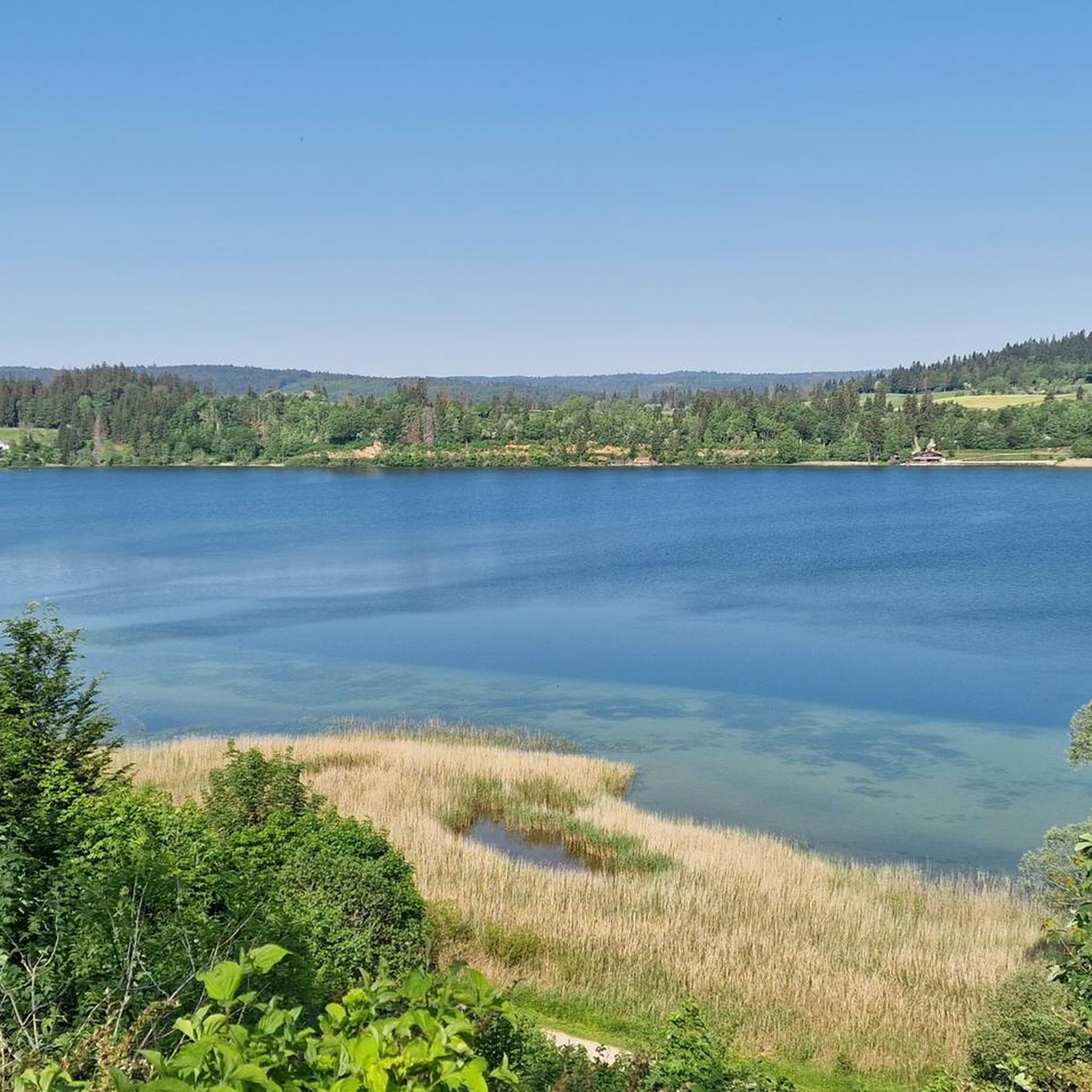
This lake, known for its bright blue water, crosses the Doubs in a 'valley'. This lake once formed one large body of water together with Lake Remoray. The lake is 6.3 km long and 800m wide, making it the fourth largest natural lake in France. In winter it freezes. By constructing a dam on the north side, it helps regulate the water of the Doubs.
6
0

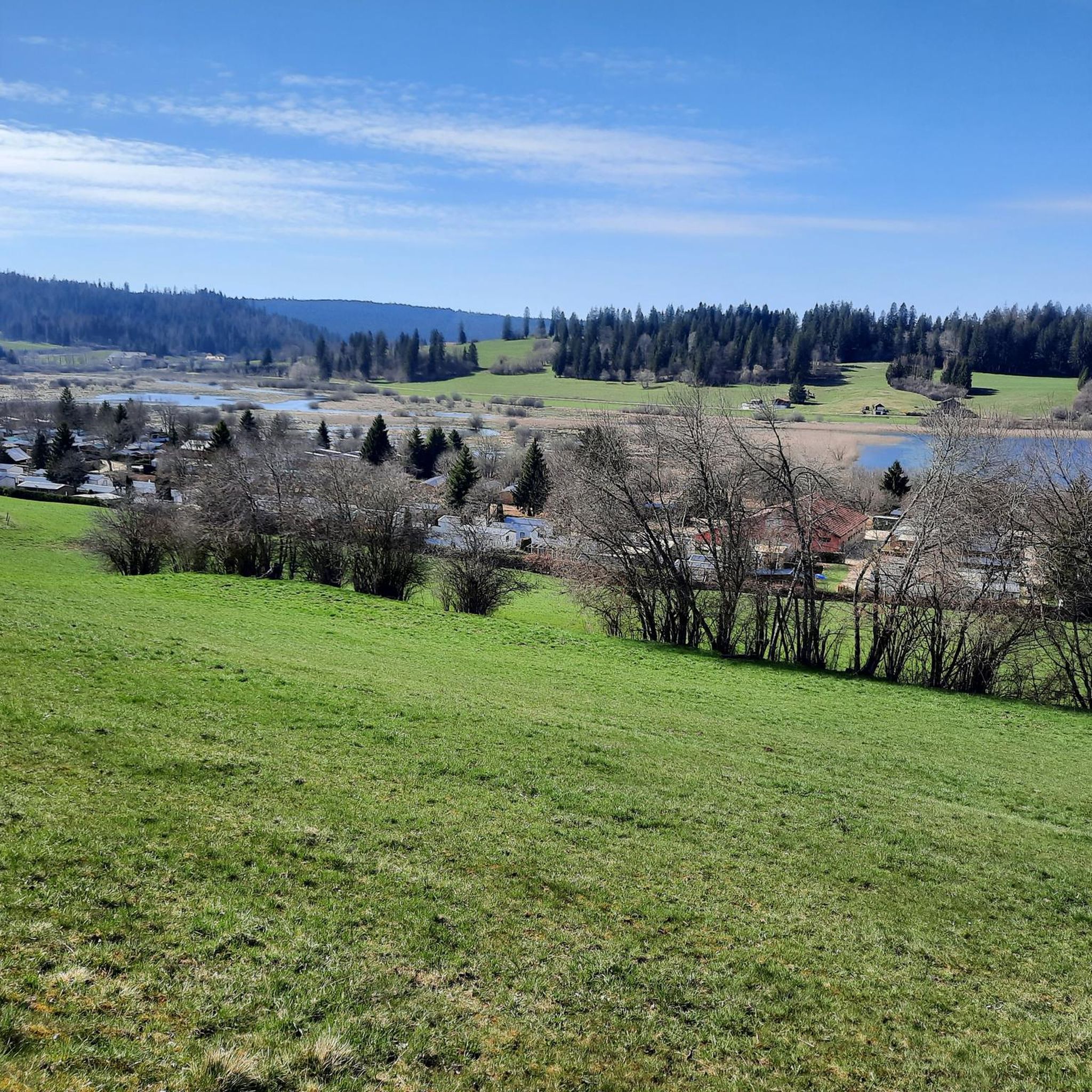
Formerly, the lakes of Remoray and Saint-Point were one. From this superb viewpoint, you can appreciate the different environments created by the separation of the two bodies of water: lakes, marshes, peat bogs, rivers, meadows and forests. A unique point of view in a perfect alignment which allows you to enjoy all the beauty of this typical landscape of Haut-Doubs.
0
0

Lake Remoray is one of the richest areas of Doubs in terms of nature. On this 430 hectare site there are numerous plant and animal species due to the wide variety of natural environments (marshes, lakes, peat bogs, forests, meadows, gravel pits, rivers), and also at altitude. 1872 species are currently recorded there.
0
0
Mont d'Or does not dominate the Jura chain, but its 1,463 meters of altitude make it the highest point in the Doubs department. Its position offers hikers superb and very clear views of the Suchet massif and the Dent de Vaulion, without forgetting of course the Alps. On a clear day, you can admire more than 300 alpine peaks, including the unique Mont Blanc. The Mont d'Or is perfect for a picnic break, but like all the Jura peaks, it is very exposed to the wind. Don't hesitate to take a windbreaker with you.
4
0
Frequently Asked Questions
What are the most popular natural monuments around Malbuisson?
Visitors frequently enjoy Mont d'Or, the highest point in the Doubs department, offering panoramic views. The serene Lac de Saint-Point is also very popular for its clear waters and surrounding activities. Additionally, the Route du Lac de Saint-Point is a favored spot for its scenic beauty.
Are there family-friendly natural monuments around Malbuisson?
Yes, several natural monuments are suitable for families. Lac de Saint-Point is ideal, offering beaches for swimming in summer, pedal boating, and easy walking paths. The Route du Lac de Saint-Point is also considered family-friendly, providing accessible trails along the lake.
What kind of natural features can I expect to see in the Malbuisson area?
The Malbuisson area is rich in diverse natural features. You'll find impressive glacial lakes like Lac de Saint-Point, high-altitude summits such as Mont d'Or with its panoramic views, and scenic valleys like The Jougnena Valley. The region also features forests, marshes, peat bogs, and natural springs like the Source Bleue.
What outdoor activities can I do near these natural monuments?
The area around Malbuisson offers a wide range of outdoor activities. You can enjoy gravel biking on routes like 'The little Fourgs' or 'Lake Saint-Pont – Doubs Waterfall loop from Malbuisson' (Gravel biking around Malbuisson). Road cycling is popular with routes around Lake Saint-Point (Road Cycling Routes around Malbuisson), and there are numerous MTB trails, including loops around Lac de Saint-Point and the Two Lakes Viewpoint (MTB Trails around Malbuisson).
Are there hiking trails near the natural monuments?
Yes, there are many hiking opportunities. Around Lac de Saint-Point, you'll find walking paths, and the Réserve Naturelle Nationale du Lac de Remoray offers trails to explore its diverse ecosystems. Mont d'Or is perfect for hiking, with varying terrain from pine forests to alpine pastures. The Jougnena Valley also features a thematic trail.
What is the best season to visit the natural monuments around Malbuisson?
The best season depends on your preferred activities. Summer (July and August) is ideal for swimming and water sports at Lac de Saint-Point. Spring and autumn offer pleasant temperatures for hiking and enjoying the changing foliage. In winter, the frozen Lac de Saint-Point can be used for ice skating, and Mont d'Or is suitable for winter hiking, though it can be very exposed to wind.
What wildlife can be observed in the natural monuments area?
The Réserve Naturelle Nationale du Lac de Remoray is particularly known for its rich biodiversity, making it an excellent destination for observing local wildlife and unique plant species in a preserved natural setting. The varied ecosystems, including marshes and peat bogs, support a diverse range of fauna.
Can I find panoramic viewpoints among the natural monuments?
Absolutely. Mont d'Or offers superb and clear panoramic views, including the Suchet massif, the Dent de Vaulion, and on clear days, over 300 alpine peaks, including Mont Blanc. The Two Lakes Viewpoint provides a unique perspective on the formerly conjoined Lakes Remoray and Saint-Point, showcasing the diverse landscapes created by their separation.
Are there any natural springs or unique water features to visit?
Yes, the Source Bleue is a notable natural spring in the area, accessible via a specially developed pedestrian path. Its name suggests strikingly clear or blue waters, offering a tranquil spot for a leisurely walk. Additionally, Lac de Saint-Point is known for its brilliant blue water.
What makes the Réserve Naturelle Nationale du Lac de Remoray significant?
The Réserve Naturelle Nationale du Lac de Remoray is a significant ecological site due to its diverse range of environments, including a glacial lake, gravel pits, marshes, peat bogs, agricultural meadows, and forests. This juxtaposition creates a rich biodiversity, making it an excellent place for observing unique flora and fauna. The Maison de la Réserve in Labergement-Sainte-Marie offers exhibitions to learn more.
What should I know about visiting Mont d'Or?
Mont d'Or is the highest point in the Doubs department at 1,463 meters, offering breathtaking panoramic views of the Jura Mountains and even the Alps on clear days. It's perfect for hiking, but be aware that it is very exposed to the wind, so bringing a windbreaker is recommended. You'll also find the artificial Lake Morond at 1400m, used for water reserves and trout fishing.
Are there any natural monuments that were once connected?
Yes, Lac de Saint-Point and Lake Remoray once formed a single, large body of water. The Two Lakes Viewpoint offers a superb perspective to appreciate the different environments that have emerged since their separation, including lakes, marshes, peat bogs, rivers, meadows, and forests.
Most popular routes around Malbuisson
Most popular attractions around Malbuisson

Get inspired with the komoot mobile app


Explore more
Extend your search for the best caves by checking out these guides of the top ones around Malbuisson:
