Top 14 Natural Monuments around L'Isle-Sur-La-Sorgue
Best natural monuments around L'Isle-Sur-La-Sorgue are characterized by the unique hydrology of the Sorgue River, which originates nearby and flows through the town. This area, often noted for its canal network, features significant natural sites shaped by water and limestone geology. The landscape includes powerful springs, river divisions, and diverse trails, offering various outdoor experiences.
Best natural monuments around L'Isle-Sur-La-Sorgue
- The most popular natural monuments is Fontaine-de-Vaucluse, a man-made monument and natural monument that is the largest resurgence in Europe. This site is notable for its underground river emerging from a 230-meter high cliff, with an annual flow of more than 600 million cubic meters.
- Another must-see spot is Botanical trail, a trail through a forest. Visitors can expect to see a rich diversity of trees, local wildlife, and old cultivation terraces, alongside panoramic views of the Luberon.
- Visitors also love Sénancole Valley, a gorge. This location offers a challenging hike with some scrambling sections, leading to views of the Abbaye de Senanque.
- L'Isle-Sur-La-Sorgue is known for its powerful springs, river systems, and scenic trails. The region offers a variety of natural monuments to see and explore, from water sources to forested paths and valleys.
- The natural monuments around L'Isle-Sur-La-Sorgue are appreciated by the komoot community, with over 900 upvotes and more than 380 photos shared.
Last updated: July 2, 2026
Fontaine-de-Vaucluse
Highlight • Monument
Its flow is enormous: it is ranked fifth in the world with an annual flow of 630 to 700 million cubic meters. The beauty of this natural site makes it one of the most visited places in the department. In the past, it attracted many poets and writers who came to meditate here: Petrarch, Chateaubriand, Frédéric Mistral and René Char are a few examples.
A word of advice: in the height of the tourist season, go and visit the source early in the morning, because the flow of tourists is also significant.
Translated by Google •
Tip by

Sénancole Valley
Highlight • Gorge
Translated by Google •
Tip by

Sign up now to discover places like this
Get recommendations on the best single tracks, peaks, & plenty of other exciting outdoor places.
Sign up for free
Source of the Sorgue
Highlight • River
Translated by Google •
Tip by

Botanical trail
Highlight • Trail
Translated by Google •
Tip by

Obelisk With a View Over the Sorgue Valley
Highlight • Monument
Tip by

Sign up for free to discover even more natural monuments around L'Isle-Sur-La-Sorgue.
Sign up for free
Already have an account?
Start today with a free account
Your next adventure awaits.
Login or Signup
Popular around L'Isle-Sur-La-Sorgue
Other adventures around L'Isle-Sur-La-Sorgue

Tips from the Community

Power of the Sorgue at Fontaine de Vaucluse
0
0

A beautiful and mostly leisurely hiking trail through the gorge. Occasional climbing sections.
0
0

Hike done with a group of 17 from the village of Borries towards Senanque which we were unable to reach. The path in the Senancole valley is pleasant even if strewn with small pitfalls. At the top of the valley the rocky passage is too difficult for some people and we had to turn back.
0
0

The place is the namesake of the department of Vaucluse. Until 1946, this was also the official name of the municipality. In order to avoid confusion, it was decided in that year to change the name to Fontaine-de-Vaucluse. Vaucluse is derived from the Latin "Vallis clausa" which means "closed valley". During the Middle Ages, the village church was a place of pilgrimage because of the tomb of Bishop Veranus of Cavaillon.
9
2

The Lagnes Botanical Trail offers an immersion in the nature of Vaucluse, with a rich diversity of trees such as holm oaks, Atlas cedars, and a remarkable pine forest. The site is also home to local wildlife, including the southern warbler. There we discover old cultivation terraces, dry stone walls, and grazing areas, testifying to ancient agricultural practices. The panorama of the Luberon and the Montmirail laces is spectacular.
0
0

It is in this village that springs from the rocks the source of the Sorgue which is the largest resurgence in Europe. The underground river rises from the depths above a vertiginous cliff 230 meters high. Its flow is enormous: it is ranked fifth in the world with an annual flow of 630 to 700 million cubic meters. The beauty of this natural site makes it one of the most visited places in the department. In the past, it attracted many poets and writers who came to meditate here: Pétrarque, Chateaubriand, Frédéric Mistral and René Char are some examples. A word of advice: in the middle of the tourist season, go visit the source early in the morning, because the flow of tourists is also important.
6
0

Built around 1030 (probably along with its church), a deed of donation mentions it in 1034, but the ruins date from the early twelfth century. The extraordinary place "Vallis Clausa", the closed valley, was the inspiration for the name Vaucluse.
3
0

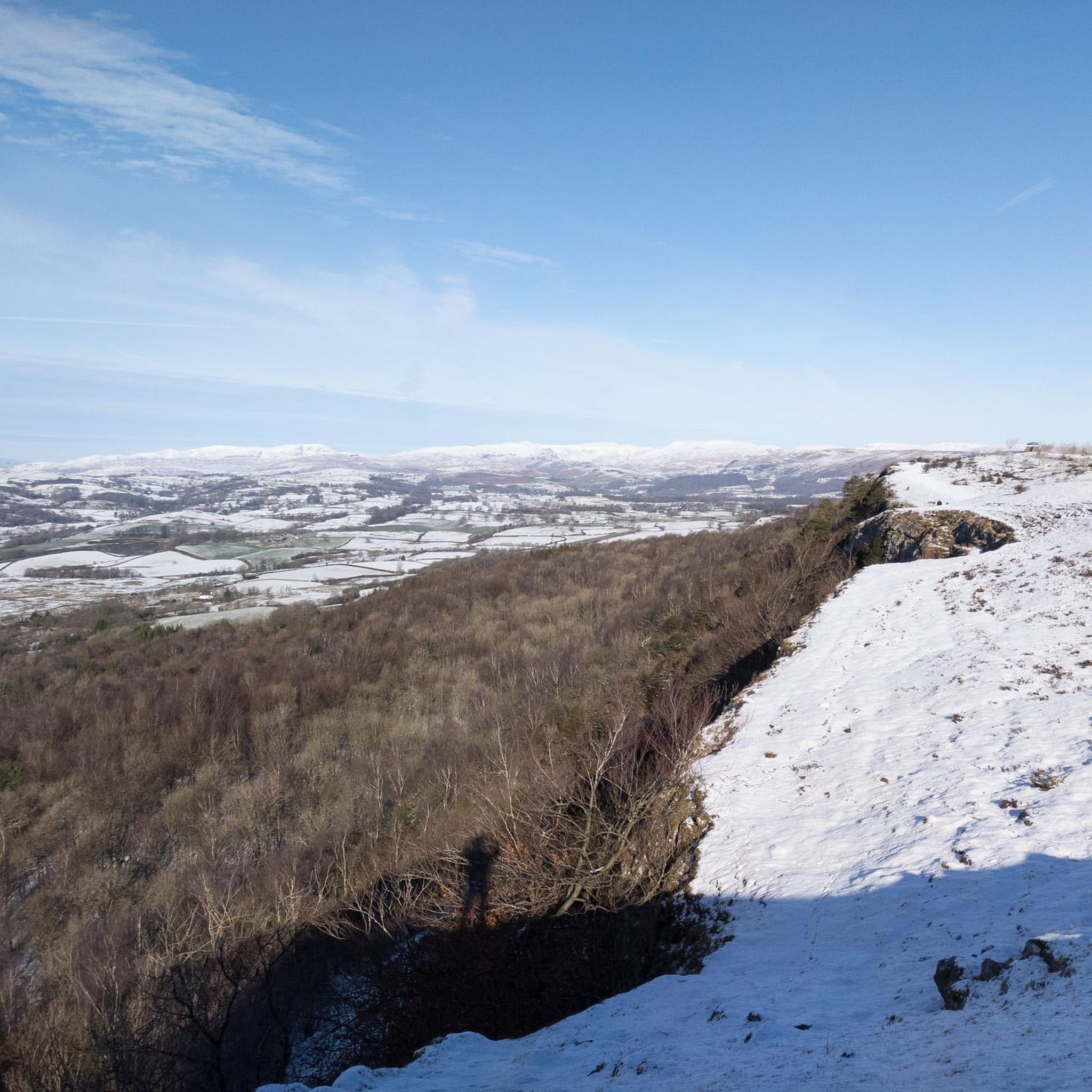
The trail does not end at this monument but goes another 600 meters and eventually meets a department road from Saumane. That point is somewhat higher at 713 meters. The views from the monument are spectacular.
0
0
Frequently Asked Questions
What are the most popular natural monuments around L'Isle-sur-la-Sorgue?
The region is renowned for its unique hydrology. Among the most popular sites are Fontaine-de-Vaucluse, the largest resurgence in Europe and the source of the Sorgue River, and Le Partage des Eaux, where the Sorgue divides into two main branches. Other appreciated natural monuments include the challenging Sénancole Valley and the tranquil Botanical trail.
What unique natural features define the L'Isle-sur-la-Sorgue region?
The area is characterized by the powerful Sorgue River and its intricate network of canals. Key features include the immense underground network of Fontaine-de-Vaucluse, which is one of the world's most powerful springs, and Le Partage des Eaux, where the river naturally splits. These hydrological wonders create the distinctive landscape often referred to as the 'Venice of Provence'.
Are there family-friendly natural monuments to visit near L'Isle-sur-la-Sorgue?
Yes, several natural monuments are suitable for families. Fontaine-de-Vaucluse offers an impressive natural spectacle with its emerald green waters and a charming village. The Botanical trail is another excellent choice, providing an easy walk through a diverse forest with panoramic views, ideal for all ages.
What kind of outdoor activities can I do near these natural monuments?
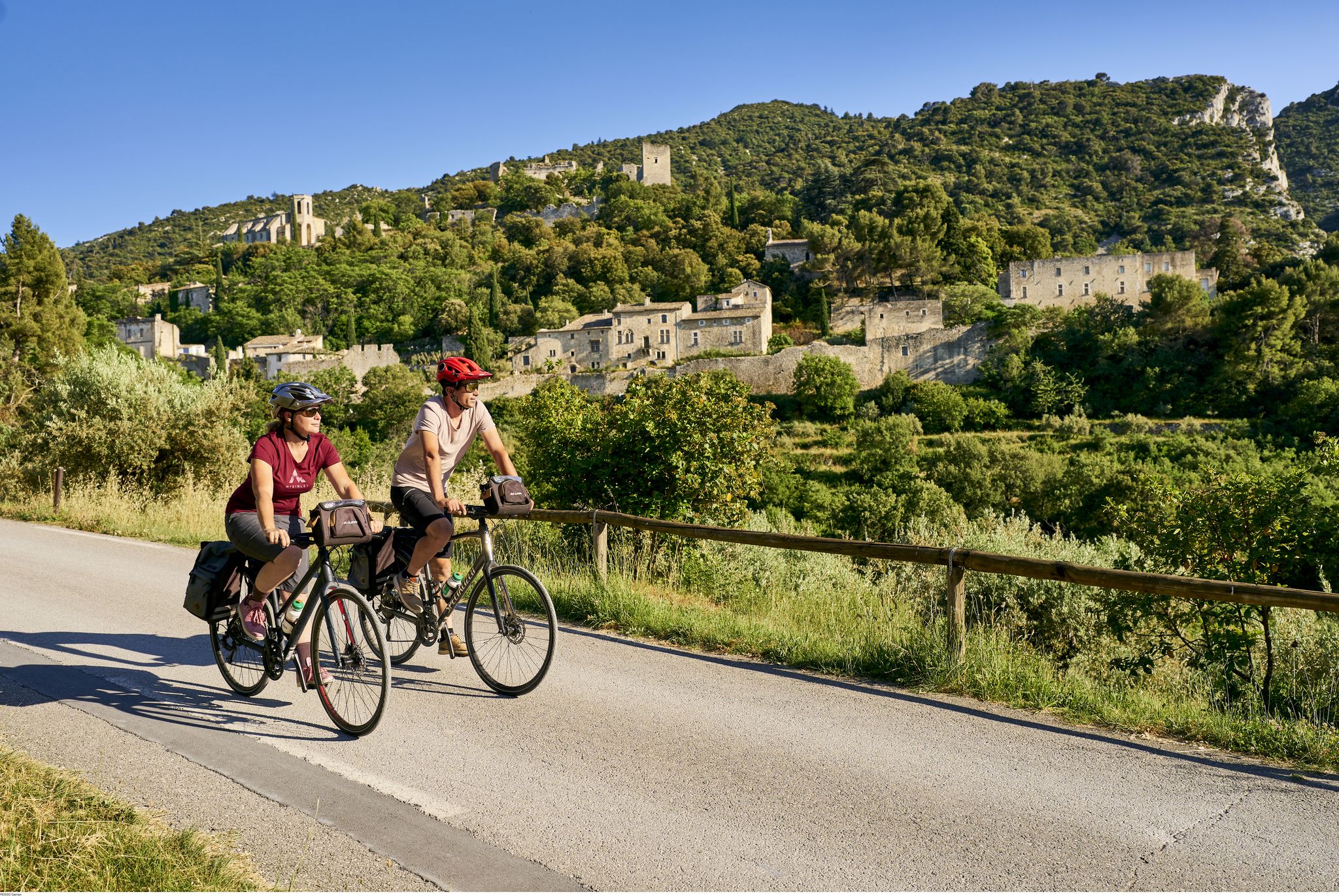
The region offers a variety of outdoor activities. You can enjoy road cycling on routes like the 'View over Gordes' loop, running trails such as the 'Canal de Carpentras Path', or gravel biking on challenging routes like the 'Murs Pass' loop. For more details on these and other routes, you can explore the Road Cycling Routes, Running Trails, and Gravel Biking guides for L'Isle-sur-la-Sorgue.
Are there hiking trails near the natural monuments, and what are their difficulties?
Yes, there are various hiking opportunities. The Sénancole Valley offers a challenging hike with some scrambling sections, requiring surefootedness. The Botanical trail, on the other hand, provides a more accessible and family-friendly walk through a forest. For more specific routes and their difficulties, refer to the relevant komoot guides for the area.
What is the best time to visit the natural monuments around L'Isle-sur-la-Sorgue?
The natural monuments can be enjoyed year-round, but spring is particularly spectacular, especially for Fontaine-de-Vaucluse when the spring transforms into a gushing torrent due to heavy rainfall or snowmelt. Visiting early in the morning during peak tourist season is advisable to avoid crowds at popular spots like the Source of the Sorgue.
Are there any historical or literary connections to the natural monuments in the area?
Yes, Fontaine-de-Vaucluse has a rich historical and literary significance. It has attracted numerous poets and writers, including Petrarch, Chateaubriand, and René Char, who found inspiration in its beauty and tranquility. The village itself also has historical sites like the ruins of a medieval castle and an old paper mill.
What amenities are available near the natural monuments?
Near Fontaine-de-Vaucluse, the charming village offers riverside restaurants, artisan shops, and other facilities. Le Partage des Eaux is a popular spot for picnics. L'Isle-sur-la-Sorgue itself, being a vibrant town, provides a full range of amenities including cafes, pubs, and accommodation options.
Can I bring my dog to the natural monuments and trails?
While specific regulations vary, many natural areas in Provence are dog-friendly, especially on trails. However, for challenging routes like the Sénancole Valley, which includes scrambling sections, it might be difficult for dogs, and some visitors have had to carry their pets. Always ensure your dog is on a leash and check local signage for any restrictions.
What makes Le Partage des Eaux a significant natural site?
Le Partage des Eaux is significant because it's the precise point where the Sorgue River, after its journey from Fontaine-de-Vaucluse, divides into two main branches. This division is crucial to the unique hydrological system that gives L'Isle-sur-la-Sorgue its 'Venice of Provence' character. It's also a tranquil spot for relaxation and picnics.
Are there any viewpoints offering panoramic vistas of the region's natural beauty?
Yes, several natural monuments offer spectacular views. The Botanical trail provides panoramic views of the Luberon. Additionally, the Obelisk With a View Over the Sorgue Valley offers spectacular vistas of the surrounding landscape.
What geological features are prominent in the natural monuments around L'Isle-sur-la-Sorgue?
The region is dominated by limestone geology, which is evident in the dramatic 230-meter high cliff at Fontaine-de-Vaucluse, from which the Sorgue River emerges. The vast underground network feeding this spring is a prime example of karst topography, where water has carved out extensive subterranean systems in the soluble limestone.
Most popular routes around L'Isle-Sur-La-Sorgue
Most popular attractions around L'Isle-Sur-La-Sorgue

Get inspired with the komoot mobile app


Explore more
Extend your search for the best caves by checking out these guides of the top ones around L'Isle-Sur-La-Sorgue:
