Top 13 Natural Monuments around Nancy-Sur-Cluses
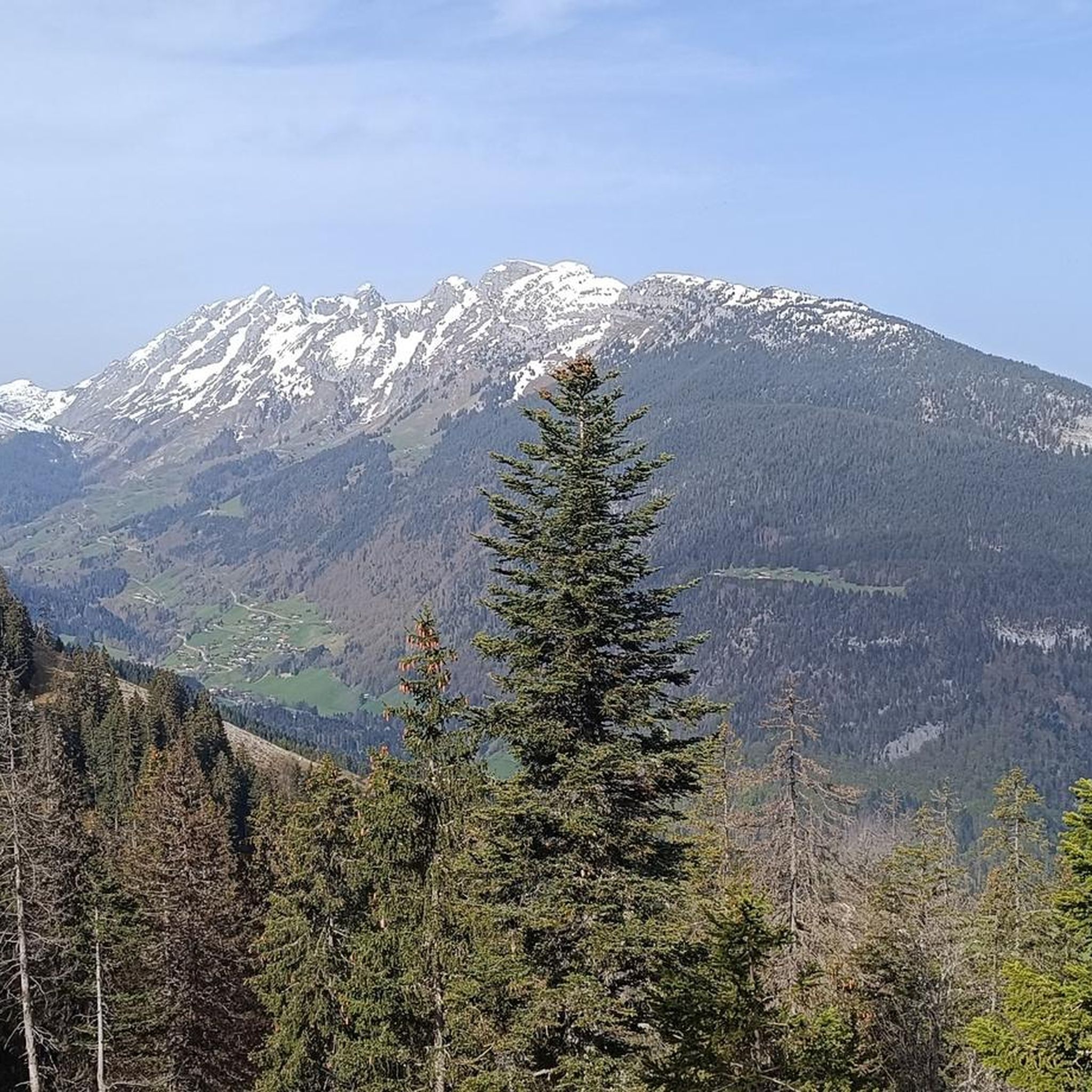
Best natural monuments around Nancy-Sur-Cluses are found in the French Alps, a region with elevations ranging from 650 to 2220 meters. This diverse topography includes alpine meadows, dense forests, and steep terrain. The area supports a rich biodiversity, featuring forest animals like deer and foxes, alongside mountain species such as ibex and marmots. The entire region offers extensive opportunities for outdoor activities within a varied alpine environment.
Best natural monuments around Nancy-Sur-Cluses
- The most popular natural monuments is Fly Hole…
Last updated: July 2, 2026
Fly Hole
Highlight • Summit
Tip by

Arpenaz Waterfall
Highlight • Waterfall
Translated by Google •
Tip by

Sign up now to discover places like this
Get recommendations on the best single tracks, peaks, & plenty of other exciting outdoor places.
Sign up for free
Lac Bénit
Highlight • Lake
Translated by Google •
Tip by

Gorges du Pont du Diable
Highlight • Gorge
Translated by Google •
Tip by

Pic de Jallouvre
Highlight • Summit
Translated by Google •
Tip by

Sign up for free to discover even more natural monuments around Nancy-Sur-Cluses.
Sign up for free
Already have an account?
Start today with a free account
Your next adventure awaits.
Login or Signup
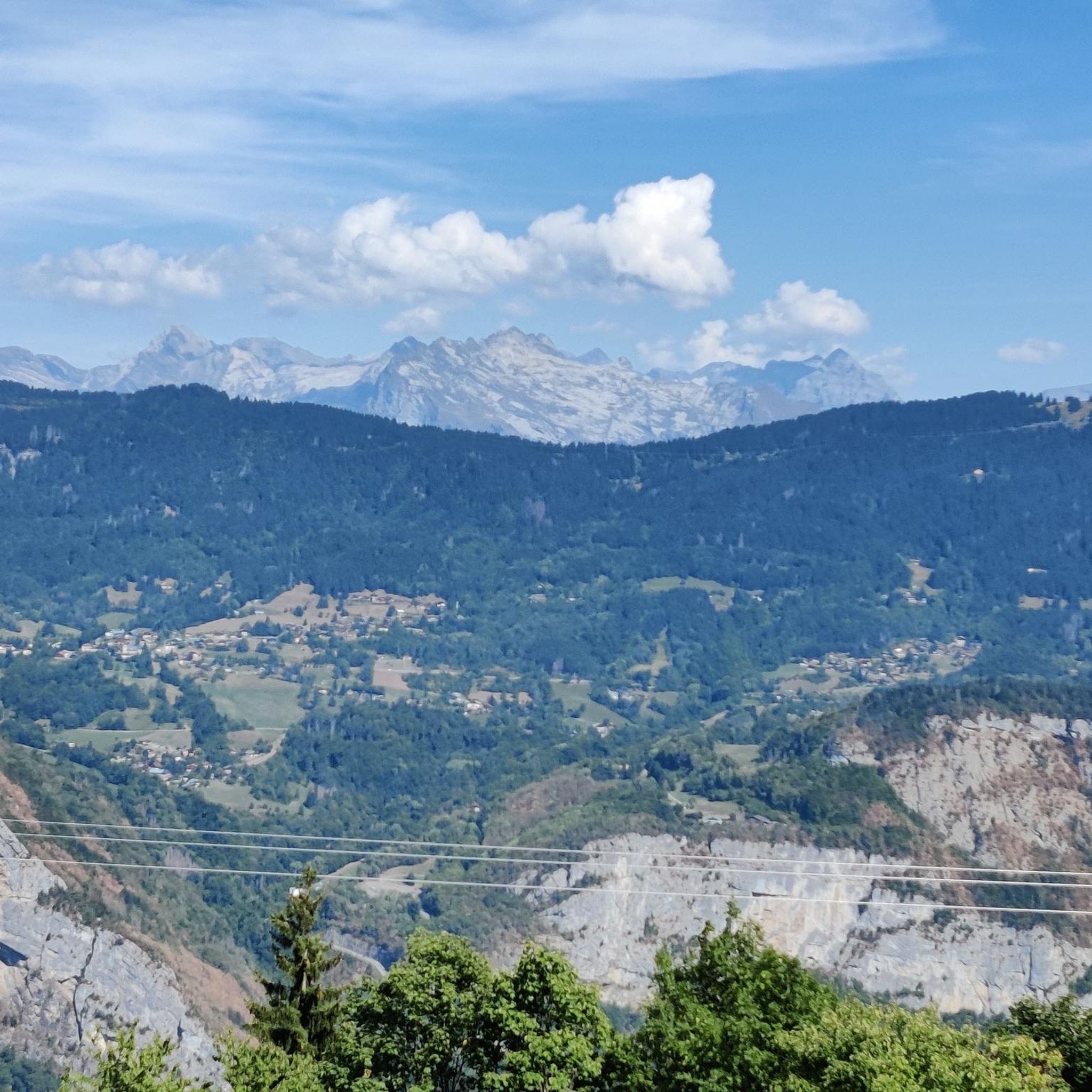
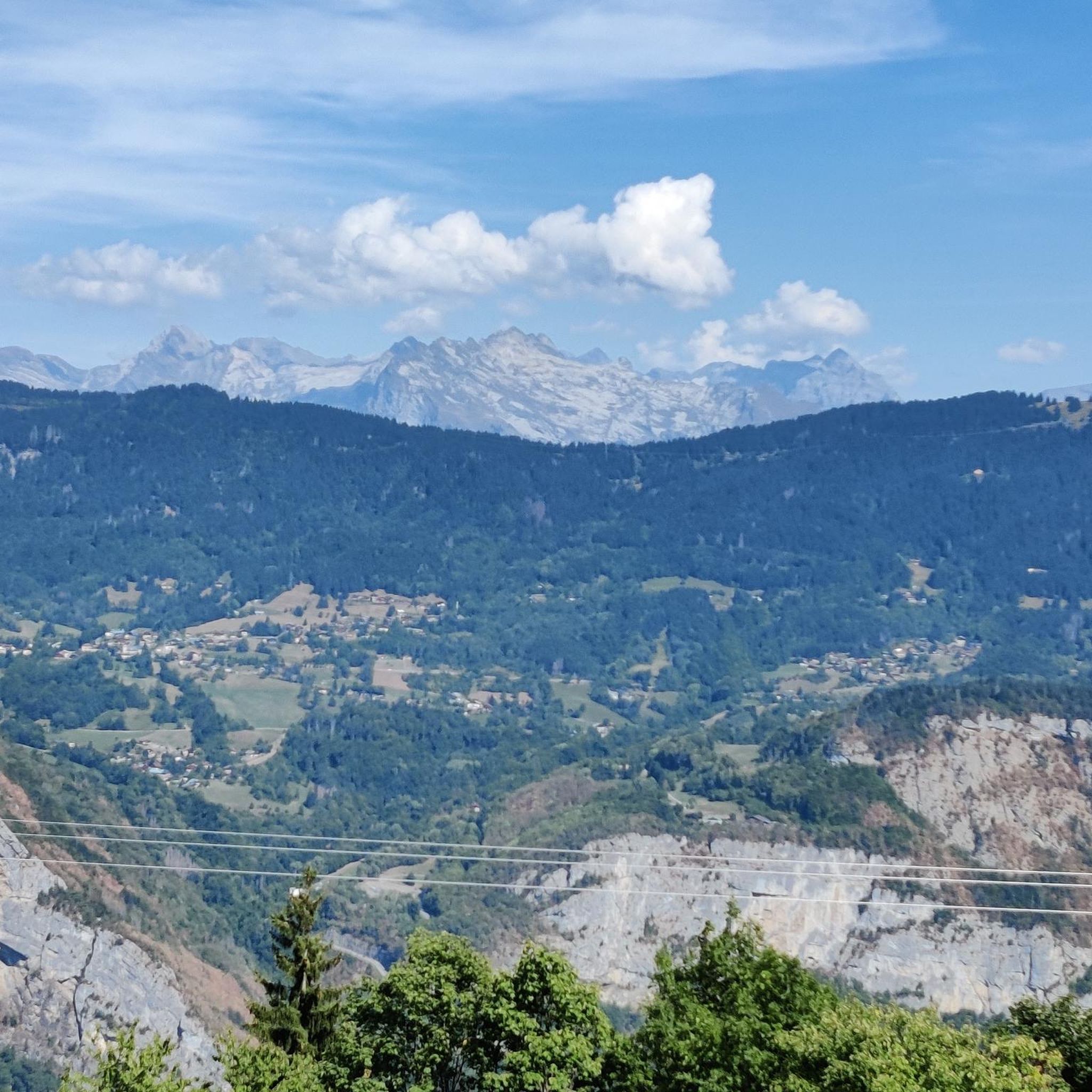
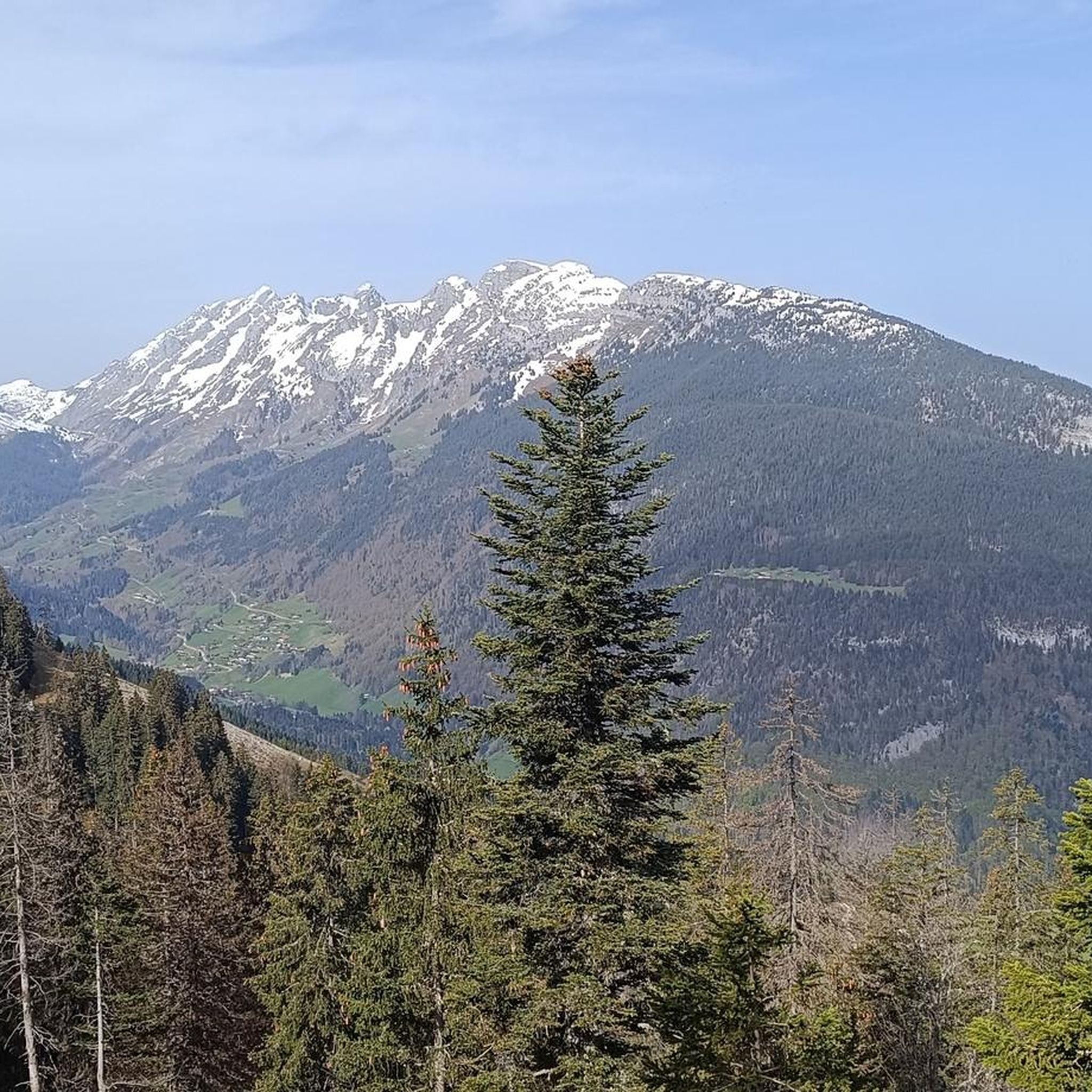
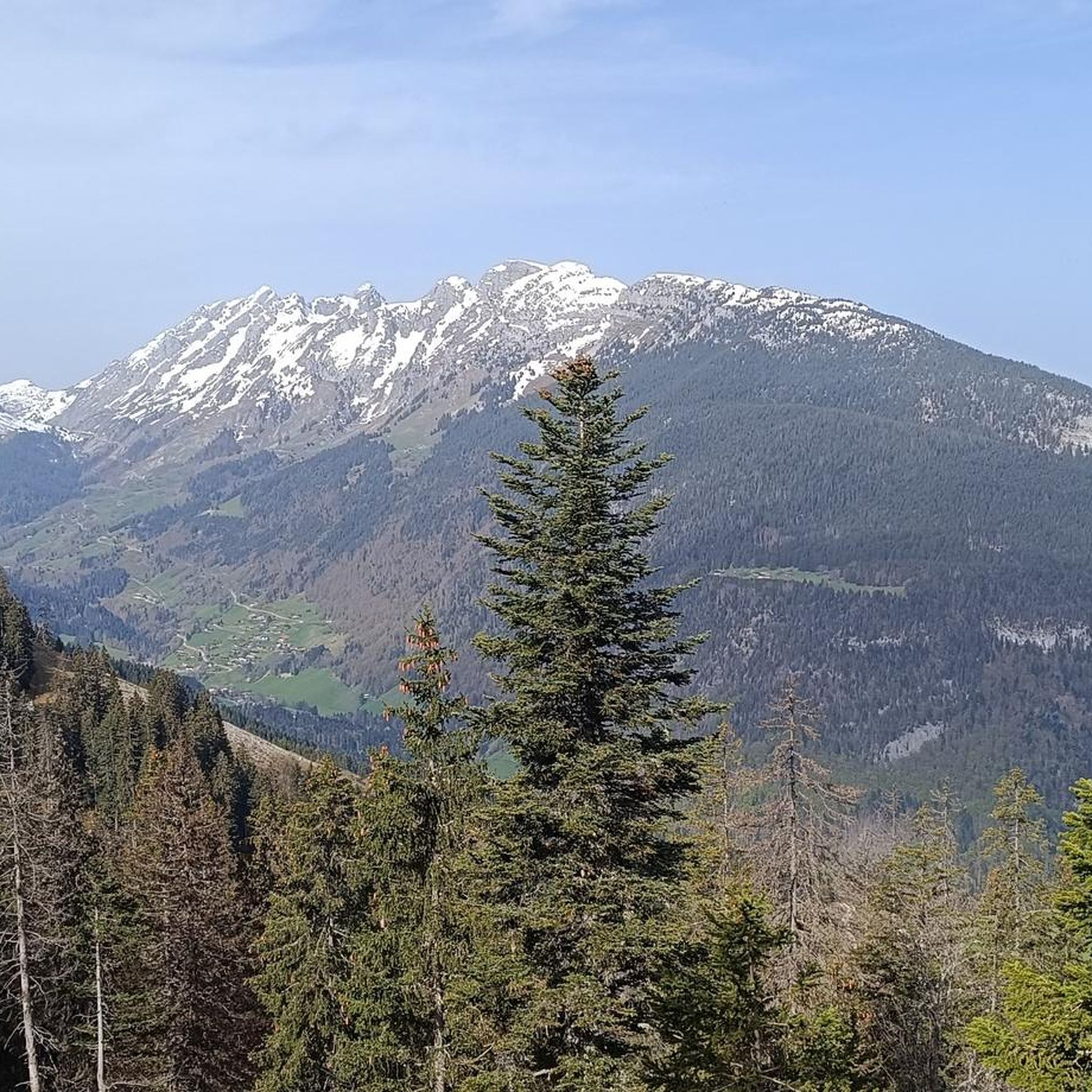

Tips from the Community

We were there at the end of September 2024, and there was already a lot of snow. Be sure to check the weather conditions beforehand. The snow made the hike significantly more challenging. Many people weren't well prepared.
1
0

This is the famous waterfall that can be seen from the highway. The Arpenaz waterfall is impressive at 270 meters high. It is ranked 3rd in the country and the 1st waterfall in the French Alps.
1
0

Superb rocky hole at the top of the mountain. Difficult to access (bike on your back) on the way up and 150m unrideable at the start of the descent on either side. Prefer to go up via Grand Crêt and go down via Paccaly. Very technical, steep and exposed trail. Reserved for excellent descenders.
0
0

A majestic summit resembling a pyramid from the Cenise side, the Jallouvre - or Jalouvre - is a mythical summit whose ascent, although not difficult compared to its neighbor Pointe Blanche overhanging it by 30m, remains in the memory like that of a almost epic adventure between grueling scree (on both sides), the mythical Col du Razoir (the aptly named) and the Passage de la Cravate which, in the end, poses no more problem than that when the residual snowfields have disappeared, unless that we are subject to vertigo. In summary, one of the most beautiful hikes in the area in my opinion, for which you still need to be sure-footed and in good shape, but which can be tamed quite easily. Do not miss !
1
0

After a nice climb, we find ourselves straddling two very different valleys under this natural limestone arch, all in all impressive.
3
2

Awesome waterfall. Great for swimming in too.
2
0

Incredible nature, the river has carved out a passage
0
0

Lake Bénit is located at an altitude of 1,452 meters, on the northern slope (ubac) of the Bargy chain, in the Bornes1 massif. It is dominated to the south by the limestone wall of the Bargy chain from where the scree of the Col d'Encrenaz cirque spills out and delimits the south-west shore of the lake. The northwest bank corresponds to the slope of the old glacial basin while the east bank opens onto the valley of the Lac Bénit stream. In 1988, Father Arsène Bourgeaux, ethnographer, in a publication dedicated to the parish, indicated that the lake, “for the inhabitants of the Mont is considered as a sort of founding place where the identity of a population originates” 7. The lake was the subject of processions by the populations of Marnaz and Mont-Saxonnex, on Saint Claude's Day, in order to protect the villages from flooding. The lake benefited from developments in the early 1960s, notably with the raising of the lake level, which made it possible to double its surface area7. The inauguration took place on July 11, 19657. A mass was improvised by priest Claude Scherantz. Lake Bénit is the subject of many legends. One of them relates that the fairies came to bathe there and were at the origin of the production of butter and tomme in the town. A second legend says that an episcopal ring is found in the lake9. Following a deadly avalanche, the bishop of the diocese is said to have gone “in a grand procession” to bless the lake and to have thrown “his episcopal ring into the waves asking heaven that such a catastrophe never happens again”9. Another version says that the object was so heavy that it fell into the lake at the time of the blessing9. According to this legend, an avalanche emptied the lake and flooded Marnaz below4. Finally Alphonse Favre (en) reports that “this lake is due to a collapse in which a fir forest disappeared. As for the time, it can only be established in a very doubtful manner, by the fact that an old man from the village of Brezon assured, around 1845, that this event had happened in his father's youth. »1
0
0
Frequently Asked Questions
What are some of the most impressive natural monuments to visit around Nancy-sur-Cluses?
The region offers a variety of stunning natural monuments. For a challenging ascent with panoramic views, consider the Fly Hole, a summit featuring an impressive natural limestone arch. Another must-see is the Arpenaz Waterfall, where you can even stand in the pool underneath. For unique geological formations, explore the Gorges du Pont du Diable, where the river has carved out a dramatic passage.
Are there family-friendly natural monuments or activities in Nancy-sur-Cluses?
Yes, the Arpenaz Waterfall is considered family-friendly, offering a beautiful spot where visitors can enjoy the impressive cascade. Additionally, the region features diverse hiking trails like the easy 3.6 km “Colporteurs trail,” which includes explanatory signs about local heritage, fauna, and flora. There are also adventure games in nature, providing engaging activities for children and families.
What kind of hiking experiences can I find near Nancy-sur-Cluses' natural monuments?
Nancy-sur-Cluses is crisscrossed with numerous hiking trails. You can explore high-altitude pastures like Vormy, offering splendid mountain views and opportunities to discover local farms. For a more challenging adventure, the ascent to Pic de Jallouvre provides an epic experience with breathtaking scenery. The region also offers multi-day excursions, such as the “Romme - Le Reposoir walking circuit.” For more options, check out the Running Trails around Nancy-Sur-Cluses guide, which includes various hiking routes.
Are there any natural monuments with historical or cultural significance?
Yes, Lac Bénit, located at 1,452 meters, is steeped in local legends. It's considered a founding place for the identity of the local population and was historically the site of processions to protect villages from flooding. Legends also speak of fairies bathing there and an episcopal ring being thrown into the lake to prevent avalanches.
What are the best natural features for panoramic views in the area?
The Col de Romme is highly recommended for its spectacular 360-degree panoramic view, encompassing the Aravis mountains, the Chablais range, and even the majestic Mont-Blanc massif. The Fly Hole also offers impressive views straddling two different valleys after a challenging climb.
What outdoor sports or activities can be done near the natural monuments?
Beyond hiking, the region offers various outdoor activities. The Arpenaz Waterfall is known for canyoning. For experienced climbers, the recently equipped Vuardes Cliff near Romme provides challenging routes. You can also find numerous cycling opportunities; explore Road Cycling Routes around Nancy-Sur-Cluses or Gravel biking around Nancy-Sur-Cluses for detailed routes.
What kind of wildlife can I expect to see around Nancy-sur-Cluses' natural monuments?
The diverse topography of Nancy-sur-Cluses, ranging from alpine meadows to dense forests, supports rich biodiversity. You might spot forest animals like deer and foxes, as well as mountain species such as ibex, chamois, and marmots. Rare and protected birds like the black grouse, bearded vulture, and ptarmigan also find sanctuary in this region.
Is there public transport available to reach natural monuments near Nancy-sur-Cluses?
While specific public transport routes directly to all natural monuments are not detailed, Nancy-sur-Cluses itself is a village in the French Alps. For detailed information on local transport options to specific sites, it is advisable to check the official tourism website for the area: Cluses Montagnes Tourisme.
What is the best time of year to visit the natural monuments around Nancy-sur-Cluses?
The region is beautiful year-round, but the best time depends on your preferred activities. Late spring to early autumn (May to October) is ideal for hiking and outdoor activities, as trails are generally clear of snow. However, some challenging routes like the Fly Hole should be avoided at the very beginning of summer due to lingering snow on steep slopes. Winter offers opportunities for snow-related activities, but be prepared for snow-covered trails and check conditions beforehand, as some routes become significantly more challenging.
What should I wear when visiting the natural monuments in Nancy-sur-Cluses?
Given the varied terrain and alpine environment, it's essential to dress in layers. Sturdy hiking boots are recommended for most trails, especially for challenging ascents like Pic de Jallouvre. Always check weather conditions before heading out, as mountain weather can change rapidly. If visiting in late spring or early summer, be aware that snow can still be present on higher, exposed trails, requiring appropriate gear.
Are there any natural monuments suitable for experienced climbers?
Yes, the Vuardes Cliff near Romme is a notable natural feature specifically equipped for climbing. It is reserved for experienced climbers, offering challenging routes often described as 'carbonated airways' due to their unique rock formations. This provides a thrilling experience for those with the necessary skills.
What do visitors enjoy most about the natural monuments in Nancy-sur-Cluses?
Visitors consistently appreciate the awe-inspiring mountain panoramas, the rich and preserved biodiversity, and the extensive opportunities for outdoor activities. The sheer variety of landscapes, from dense forests to high alpine areas and river-carved formations, ensures a rewarding experience. The ability to stand under the impressive Arpenaz Waterfall or traverse the exposed trails to the Fly Hole are frequently highlighted as memorable experiences.
Most popular routes around Nancy-Sur-Cluses
Most popular attractions around Nancy-Sur-Cluses

Get inspired with the komoot mobile app


Explore more
Extend your search for the best caves by checking out these guides of the top ones around Nancy-Sur-Cluses:
