Top 7 Natural Monuments around Vaux-Et-Chantegrue
Natural monuments around Vaux-Et-Chantegrue are characterized by the diverse landscapes of the Doubs department in France. The region features glacial lakes, extensive peat bogs, karstic springs, and mountain combs. These natural sites offer a range of ecological and scenic experiences, showcasing significant biodiversity. The area provides opportunities to explore varied habitats, from high-altitude lakes to unique geological formations.
Best natural monuments around Vaux-Et-Chantegrue
- The most popular natural monuments is The source of the Doubs, a river that emerges from…
Last updated: July 2, 2026
The source of the Doubs
Highlight • River
On this promontory you can also admire the superb peat bogs of Mouthe in the background, and the forest of Haute-Joux in the background.
Translated by Google •
Tip by

Lac de Saint-Point
Highlight • Lake
Translated by Google •
Tip by

Sign up now to discover places like this
Get recommendations on the best single tracks, peaks, & plenty of other exciting outdoor places.
Sign up for free
Route du Lac de Saint-Point
Highlight (Segment) • Lake
Translated by Google •
Tip by

Two Lakes Viewpoint
Highlight • Viewpoint
Translated by Google •
Tip by
Tourbières de Moutat
Highlight • Natural
Translated by Google •
Tip by
Sign up for free to discover even more natural monuments around Vaux-Et-Chantegrue.
Sign up for free
Already have an account?
Start today with a free account
Your next adventure awaits.
Login or Signup

Tips from the Community

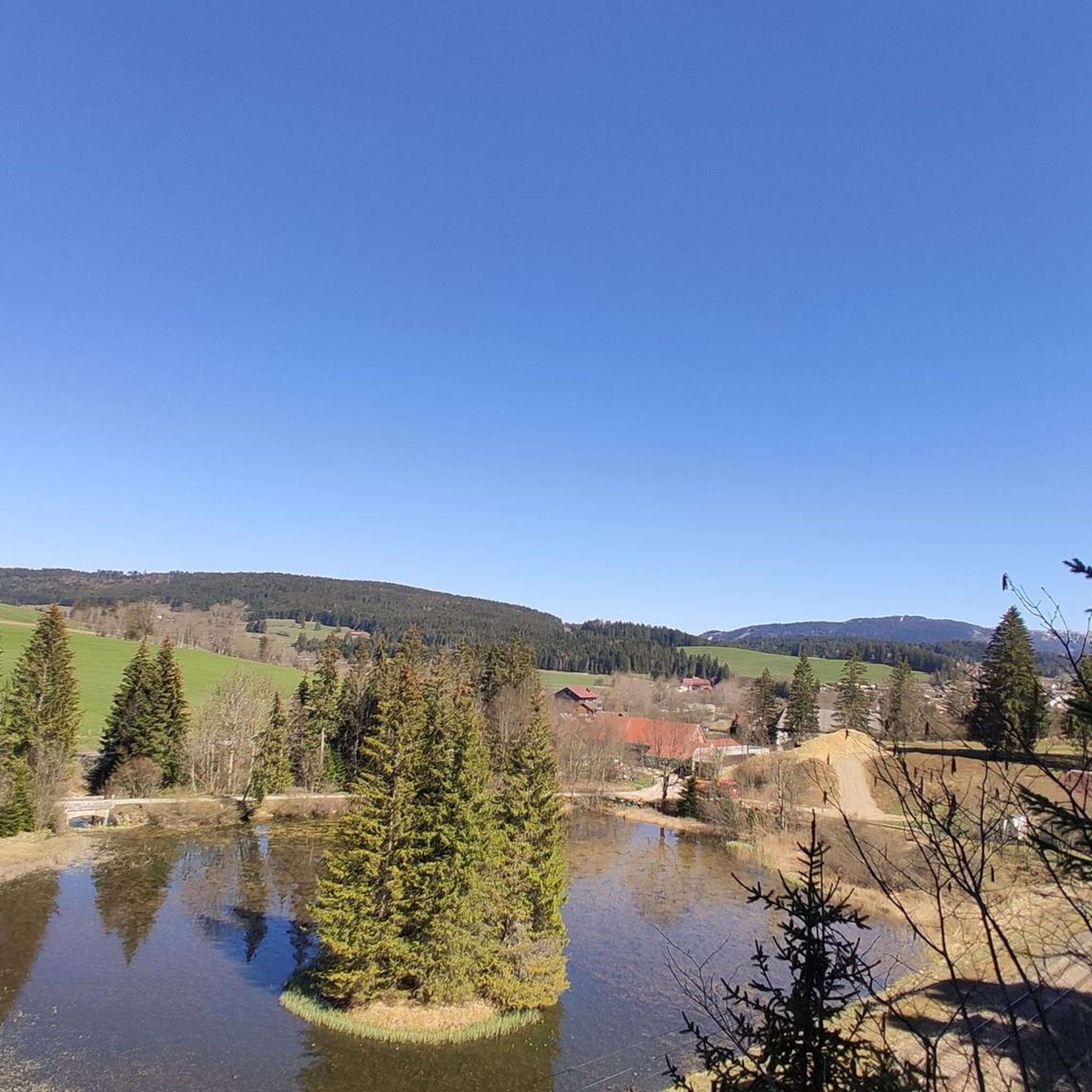
Viewpoint above the Doubs source with beautiful views through a forest clearing to Mouthe and the Doubs river.
6
0
The source of the Doubs River is a powerful karst spring in a heavily karstified area of the Jura Mountains. It lies at an altitude of 937 meters at the foot of the forested, up to 1,419-meter-high Mont Risoux mountain range, which straddles the border between France and Switzerland. The Doubs River rises from a small, approximately five-meter-deep spring basin in a cave in the rock.
6
0

We did a 3-day mountain bike trip in this magnificent region, the routes are great 👍
0
0

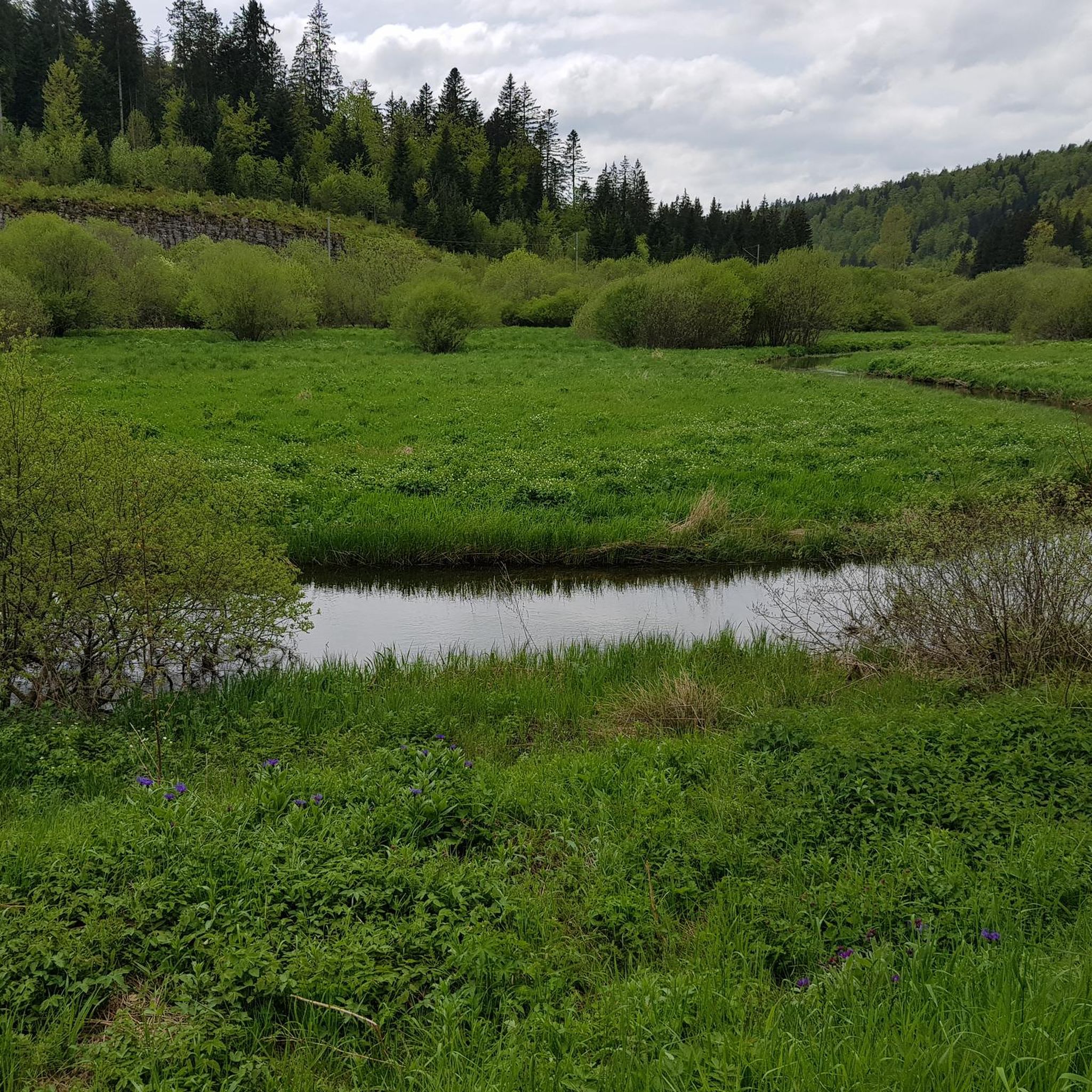
This lake, known for its bright blue water, crosses the Doubs in a 'valley'. This lake once formed one large body of water together with Lake Remoray. The lake is 6.3 km long and 800m wide, making it the fourth largest natural lake in France. In winter it freezes. By constructing a dam on the north side, it helps regulate the water of the Doubs.
6
0
This lake, known for its brilliant blue water, crosses the Doubs River in a valley. It once formed a single, large body of water along with Lake Remoray. The lake is 6.3 km long and 800 m wide, making it the fourth-largest natural lake in France. It freezes over in winter. Thanks to the construction of a dam on its north side, it helps regulate the flow of the Doubs.
6
0

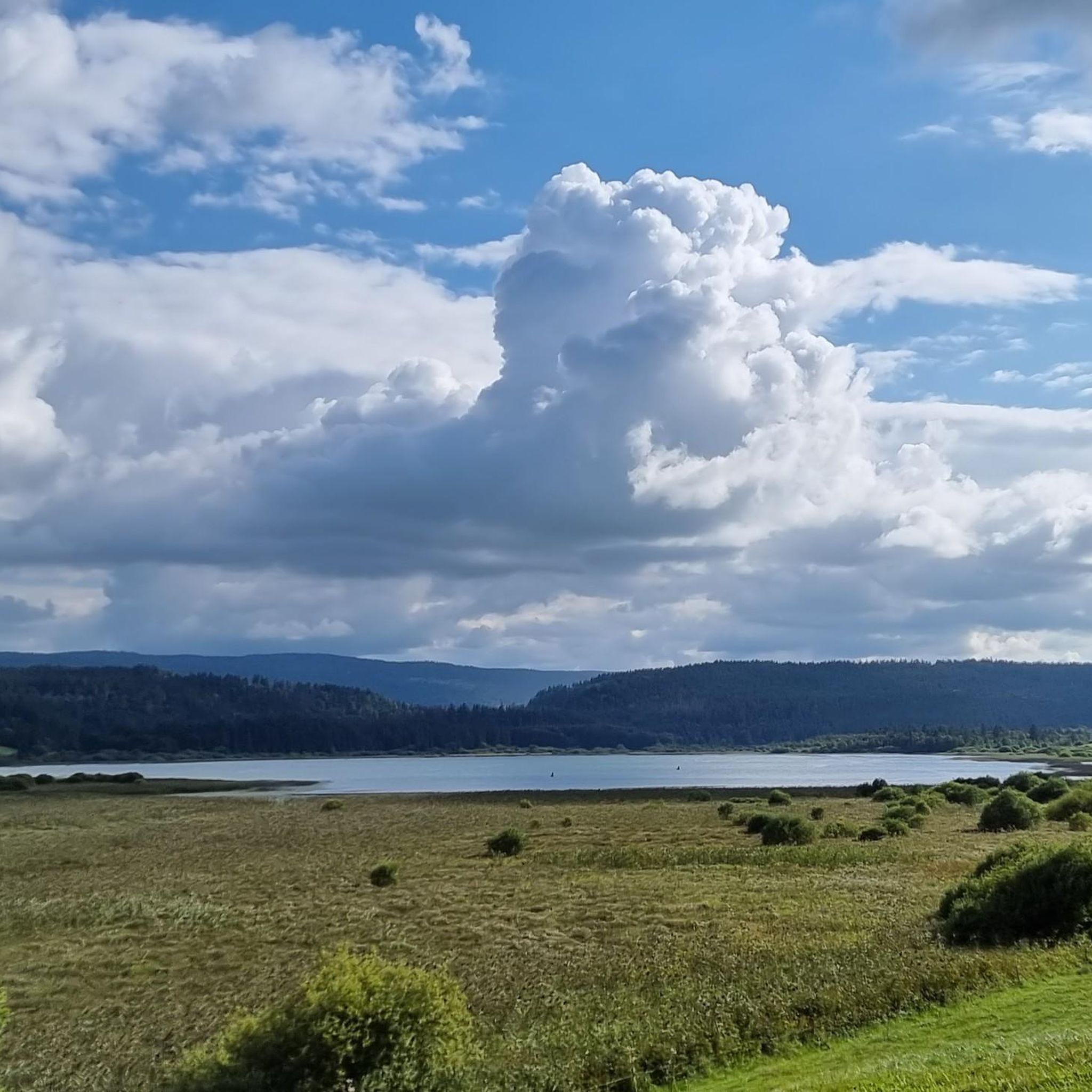
The Moutat peatlands form one of the most important peatlands in the region. These ecosystems contain an enormous quantity of CO2 thanks to their permanent humidity, hence the importance of protecting them. To raise public awareness of these environments while making them accessible, a wooden platform was installed so that they could walk on them without trampling on them.
0
0
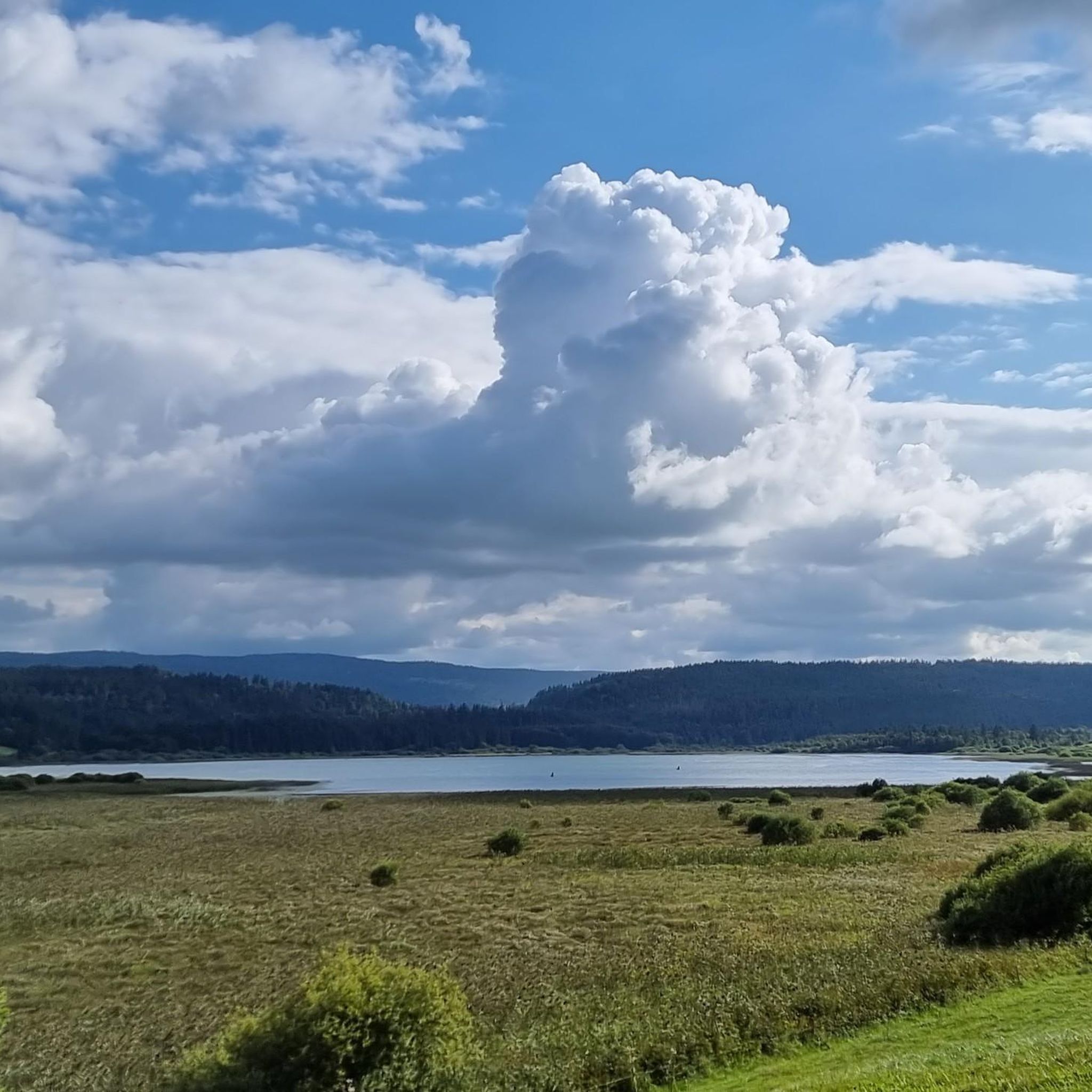
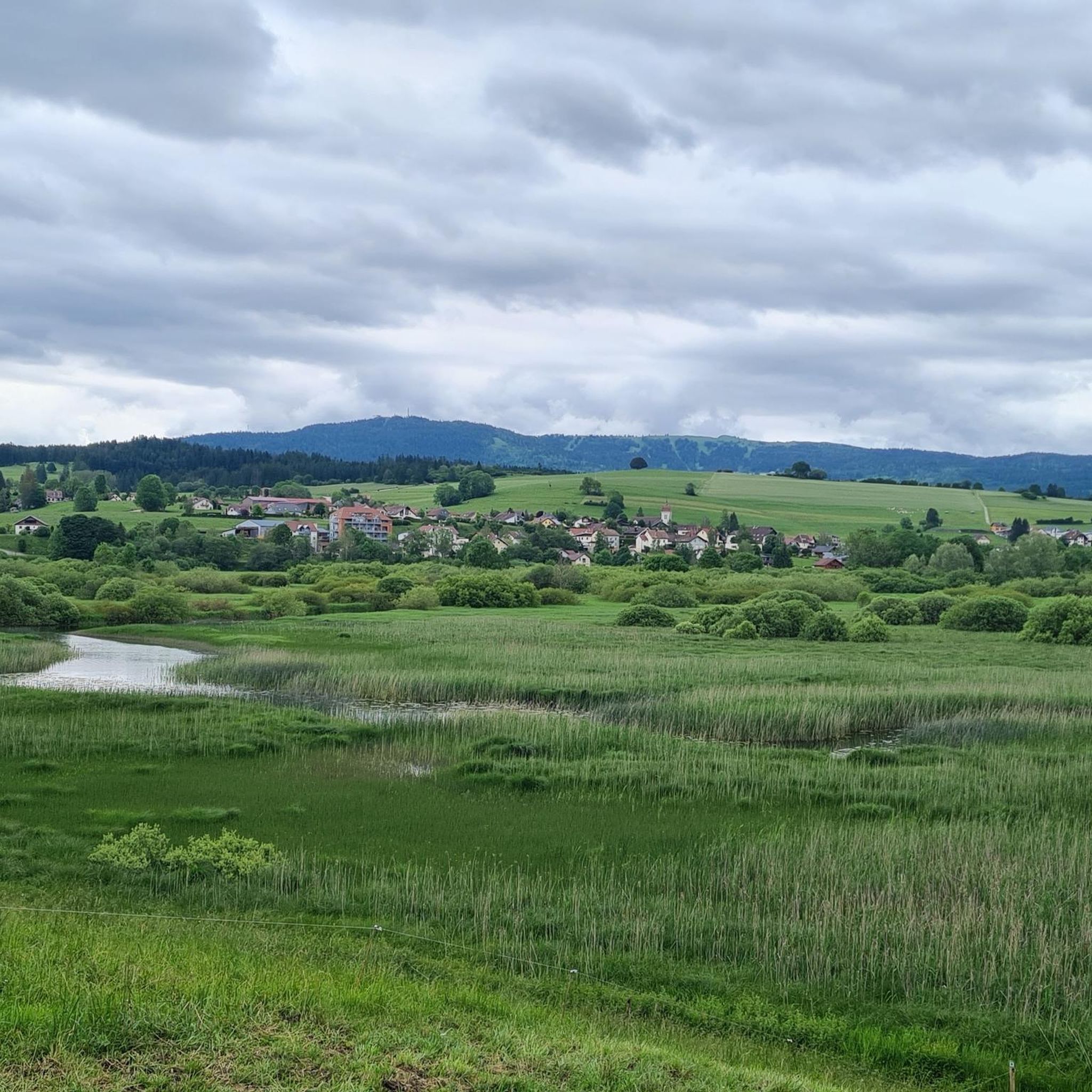
Formerly, the lakes of Remoray and Saint-Point were one. From this superb viewpoint, you can appreciate the different environments created by the separation of the two bodies of water: lakes, marshes, peat bogs, rivers, meadows and forests. A unique point of view in a perfect alignment which allows you to enjoy all the beauty of this typical landscape of Haut-Doubs.
0
0

Take the Saut du Doubs walk at the same time
0
0
Frequently Asked Questions
What are some of the most remarkable natural sites to visit around Vaux-et-Chantegrue?
The region around Vaux-et-Chantegrue is rich in diverse natural monuments. You can explore the powerful karst spring of The source of the Doubs, the extensive peatlands of Tourbières de Moutat, and the picturesque Lac de Saint-Point. Other notable sites include the biodiverse Réserve Naturelle Nationale du Lac de Remoray and the striking blue waters of La Source Bleue of Malbuisson.
What kind of natural features can I expect to see in this region?
The natural monuments around Vaux-et-Chantegrue showcase a variety of landscapes typical of the Doubs department. You'll encounter glacial lakes, extensive peat bogs, karstic springs, and mountain combs. These areas feature diverse habitats including forests, marshes, and rivers, offering unique ecological and scenic experiences.
Are there family-friendly natural monuments or activities suitable for children?
Yes, several natural monuments are suitable for families. Lac de Saint-Point offers supervised beaches in summer and opportunities for non-motorized water sports. The Tourbières de Moutat have accessible wooden platforms for easy exploration. Additionally, the Combe au Prince provides a unique setting for outdoor activities like hiking and mountain biking, with picnic tables and a children's VTT trail.
Can I visit any lakes in the Vaux-et-Chantegrue area?
Absolutely. The region is known for its beautiful lakes. Lac de Saint-Point is the third largest natural lake in France, offering stunning views and recreational activities. Nearby, the Réserve Naturelle Nationale du Lac de Remoray features a glacial lake with exceptional biodiversity. You can also enjoy panoramic views of both lakes from the Two Lakes Viewpoint.
What outdoor activities can I do near these natural monuments?
The area around Vaux-et-Chantegrue offers a wide range of outdoor activities. You can explore numerous running trails, including easy loops from Malpas or moderate routes around Remoray. For cyclists, there are road cycling routes around Lac de Saint-Point and gravel biking options that take you through diverse landscapes like the Mouthe peat bog.
Are there hiking trails near these natural monuments?
Yes, the region provides excellent opportunities for hiking. You can find trails around the lakes, such as the 23-kilometer path encircling Lac de Saint-Point, or the 2-kilometer educational trail along the Rives du Lac de Bouverans and Marais du Varot. The Combe au Prince also offers various hiking routes through its pre-woodland landscape.
What is the best time to visit the natural monuments around Vaux-et-Chantegrue?
The best time to visit largely depends on your preferred activities. Summer (June to August) is ideal for water sports and enjoying the supervised beaches at Lac de Saint-Point. Spring and autumn offer pleasant temperatures for hiking and observing wildlife, especially birdlife at Lac de Remoray. In winter, Lac de Saint-Point freezes over, offering a unique, picturesque landscape, and some areas may be suitable for winter activities.
What makes the Lac de Remoray area special for nature lovers?
The Réserve Naturelle Nationale du Lac de Remoray is considered one of the richest natural areas in the Haut-Doubs. It boasts exceptional biodiversity across its glacial lake, marshes, peat bogs, and forests. It's particularly renowned for its birdlife, with 242 species recorded, and an impressive invertebrate fauna. Visitors can explore this unspoiled environment, observe wildlife, and learn more at the Maison de la Réserve visitor center.
Where can I see unique geological features like karstic springs?
The region is known for its karstic geology. You can visit The source of the Doubs, a powerful karst spring emerging from a cave in the Jura Mountains. Another fascinating karstic spring is La Source Bleue of Malbuisson, famous for its striking translucent blue-green waters, which flows into Lac de Saint-Point.
What do visitors particularly enjoy about the natural monuments here?
Visitors frequently praise the stunning natural beauty and tranquility of the area. Many appreciate the diverse landscapes, from the bright blue waters of Lac de Saint-Point to the unique ecosystems of the peatlands like Tourbières de Moutat. The opportunity to witness the source of a major river at The source of the Doubs and the panoramic views from spots like the Two Lakes Viewpoint are also highly valued.
Are there any natural areas focused on conservation or ecological interest?
Yes, the Rives du Lac de Bouverans and Marais du Varot are classified as a Sensitive Natural Area (Espace Naturel Sensible), recognized for their exceptional richness and variety of natural environments. This site is a haven for numerous animal and plant species and features an educational trail with interpretive panels and an observatory for birdwatching. The Tourbières de Moutat are also important peatlands crucial for CO2 storage and biodiversity.
Most popular routes around Vaux-Et-Chantegrue
Most popular attractions around Vaux-Et-Chantegrue

Get inspired with the komoot mobile app


Explore more
Extend your search for the best caves by checking out these guides of the top ones around Vaux-Et-Chantegrue:
