Top 15 Natural Monuments around Rochebrune
Natural monuments around Rochebrune offer a diverse landscape for exploration. The region features significant geological formations, including ancient caves and dramatic gorges, shaped by millions of years of natural processes. Visitors can experience varied terrain, from riverbeds suitable for walking to elevated rock formations providing panoramic views. This area provides opportunities to observe unique natural features and engage in outdoor activities.
Best natural monuments around Rochebrune
- The most popular natural monuments is Entrance to the Toulourenc Gorges, a gorge…
Last updated: June 18, 2026
Entrance to the Toulourenc Gorges
Highlight • Gorge
Translated by Google •
Tip by

Baume des Eyguiers Grotto
Highlight • Cave
Translated by Google •
Tip by

Sign up now to discover places like this
Get recommendations on the best single tracks, peaks, & plenty of other exciting outdoor places.
Sign up for free
Ascent to the Saint-Julien Rock
Highlight (Segment) • Trail
Translated by Google •
Tip by

Gorges de Saint-May
Highlight • Gorge
Translated by Google •
Tip by

Gorges d'Ubrieux
Highlight • Gorge
Translated by Google •
Tip by

Sign up for free to discover even more natural monuments around Rochebrune.
Sign up for free
Already have an account?
Start today with a free account
Your next adventure awaits.
Login or Signup

Tips from the Community

The sign for the Via Ferrata is broken and the arrow is no longer visible. It is definitely to the right on this pole.
0
0

I am very skeptical that these photos of the gorge correspond to this location.
0
0

beautiful challenging route through the river between the rocks
0
2

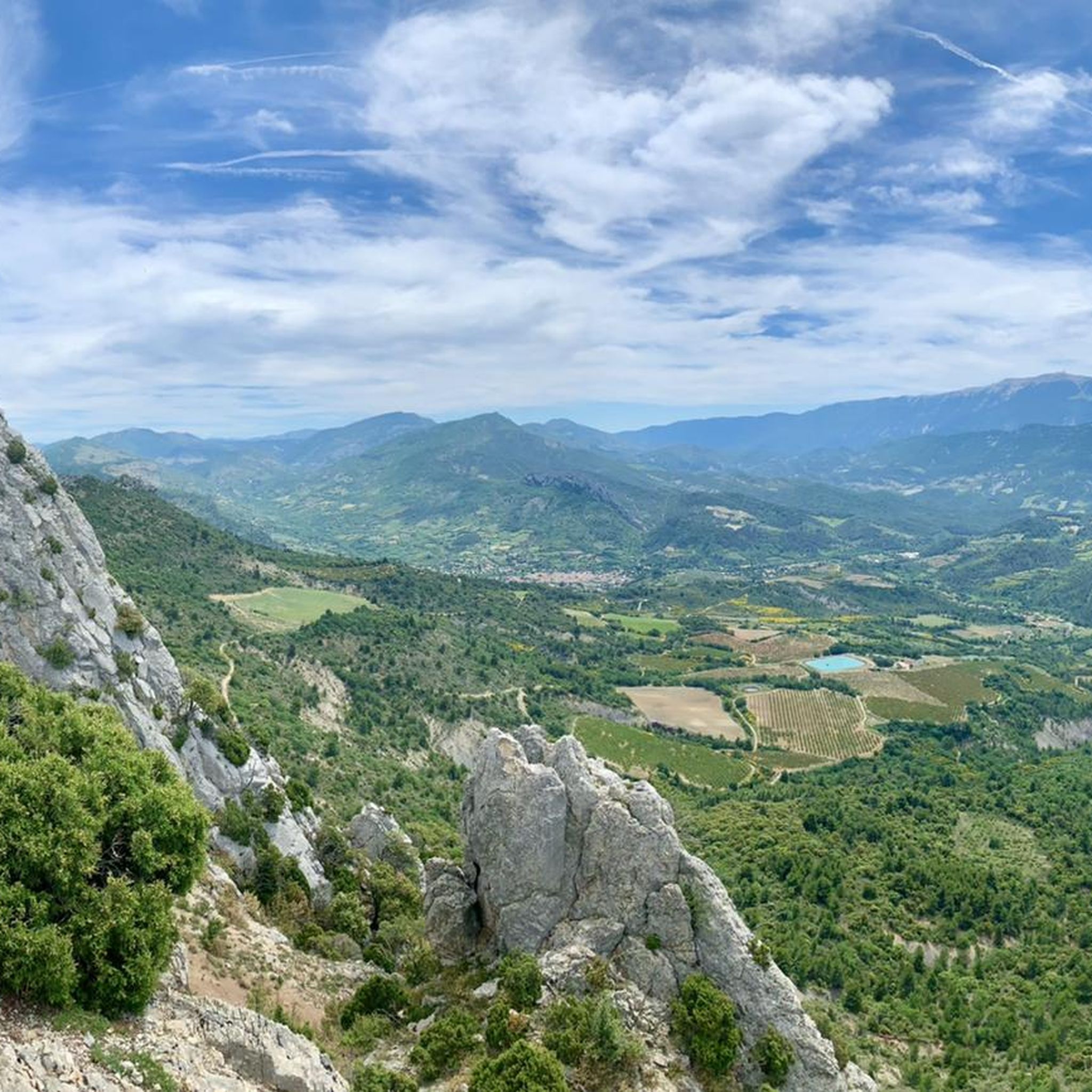
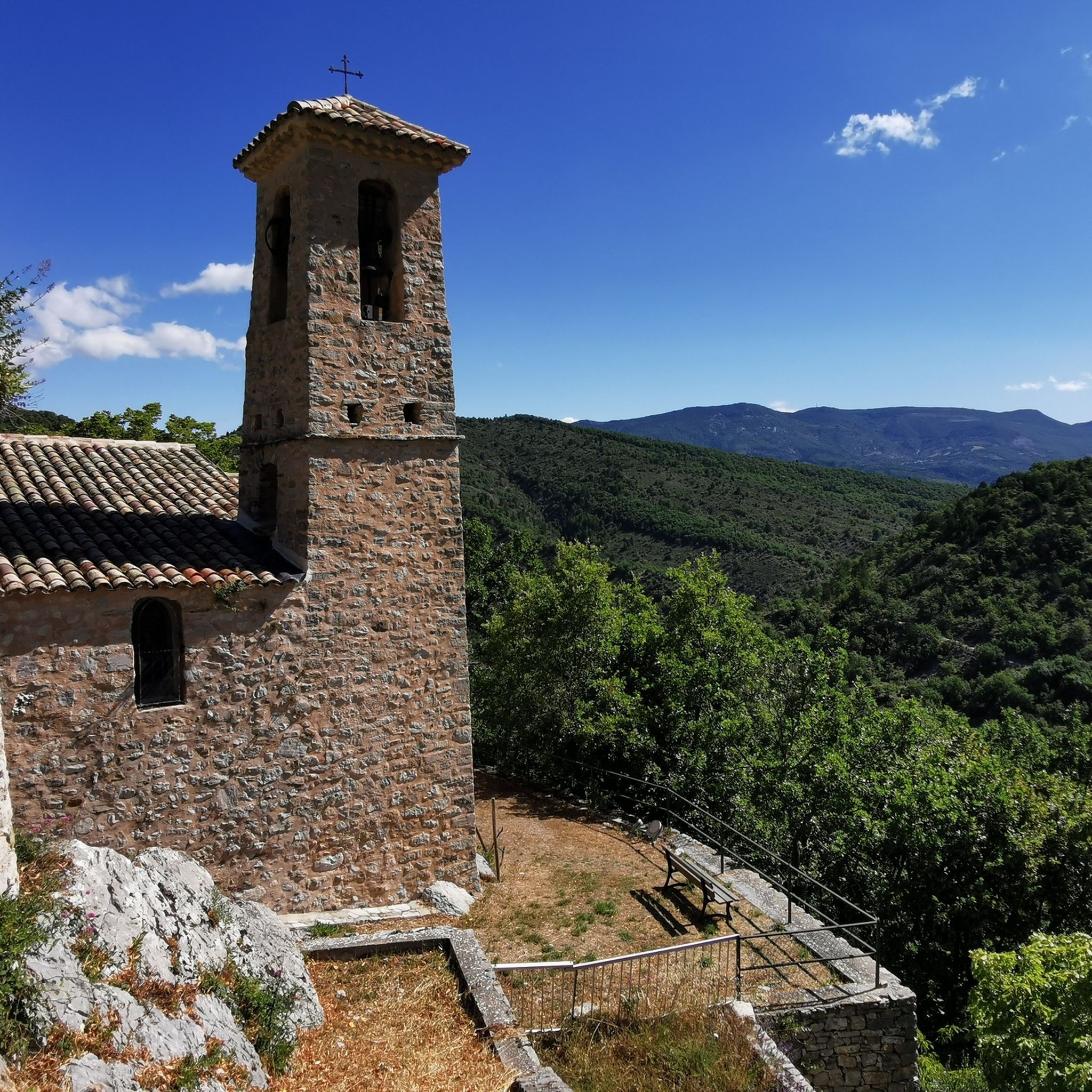
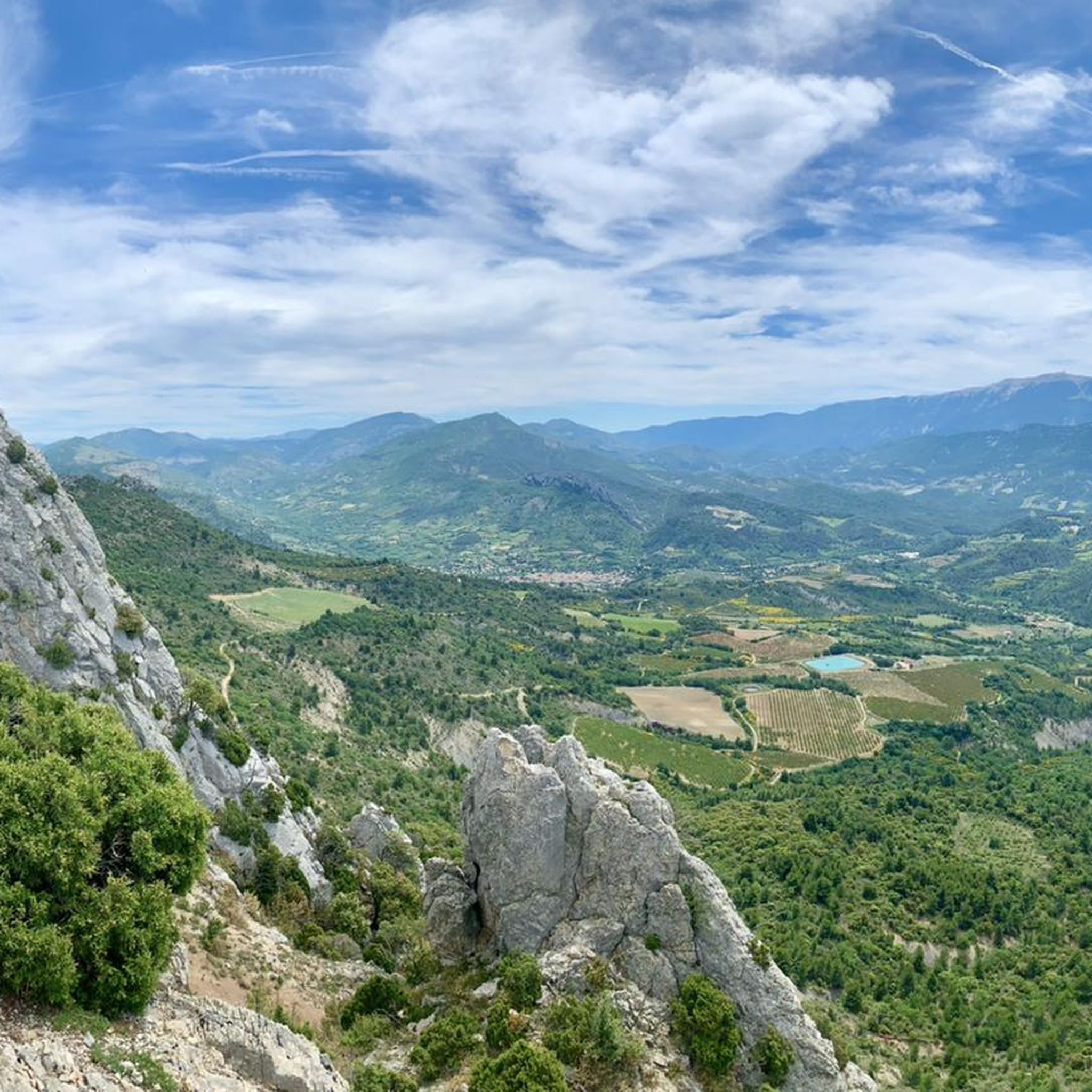
Very beautiful single track which winds through the vegetation. The views of the Saint-Julien rock as well as Buis-les-Baronnies are superb.
1
0

Listed natural site 3km from the village, accessible by a path or by the D546. Ideal place for picnicking, relaxing by the water and practicing climbing on the many routes. Pedestrian path, car park and dry toilets.
1
0

I became aware of this gorge through the tips here. We first walked along the mountain from the bridge and then got in at the back parking lot, so to speak, downstream. The river hike experience is a glorious one. It took us a good 2 hours to get back to the bridge...a special kind of pub tour 😆. Highly recommended ⭐️⭐️⭐️⭐️⭐️
1
1

Here's the starting point for a river hike, which varies considerably in difficulty depending on the direction – upstream or downstream. We're choosing the easier route, upstream. The hike is truly an adventure. Often the water is shallow, allowing for easy progress, but sometimes you have to wade through deeper sections. There are also some short climbs involved when the river becomes too shallow to wade through, requiring you to scramble over boulders or climb up the current. It's advisable to wear water shoes or sturdy trekking sandals; walking barefoot through the river can be quite painful for sensitive feet. It can also be painful for less sensitive feet, as the rocks in the riverbed are jagged and sharp. But by then, you're already well into the hike and no longer at the starting point, which is what this is all about… Nevertheless, it's highly recommended – incredibly fun! However, a word of caution: after heavy rain or in unsettled weather, the hike should not be undertaken, as the rapidly rising water level is a significant risk. Warning signs provide further information. So always keep an eye on the weather forecast. (We were traveling in September, and there were quite a few severe thunderstorms with heavy rainfall.)
1
4

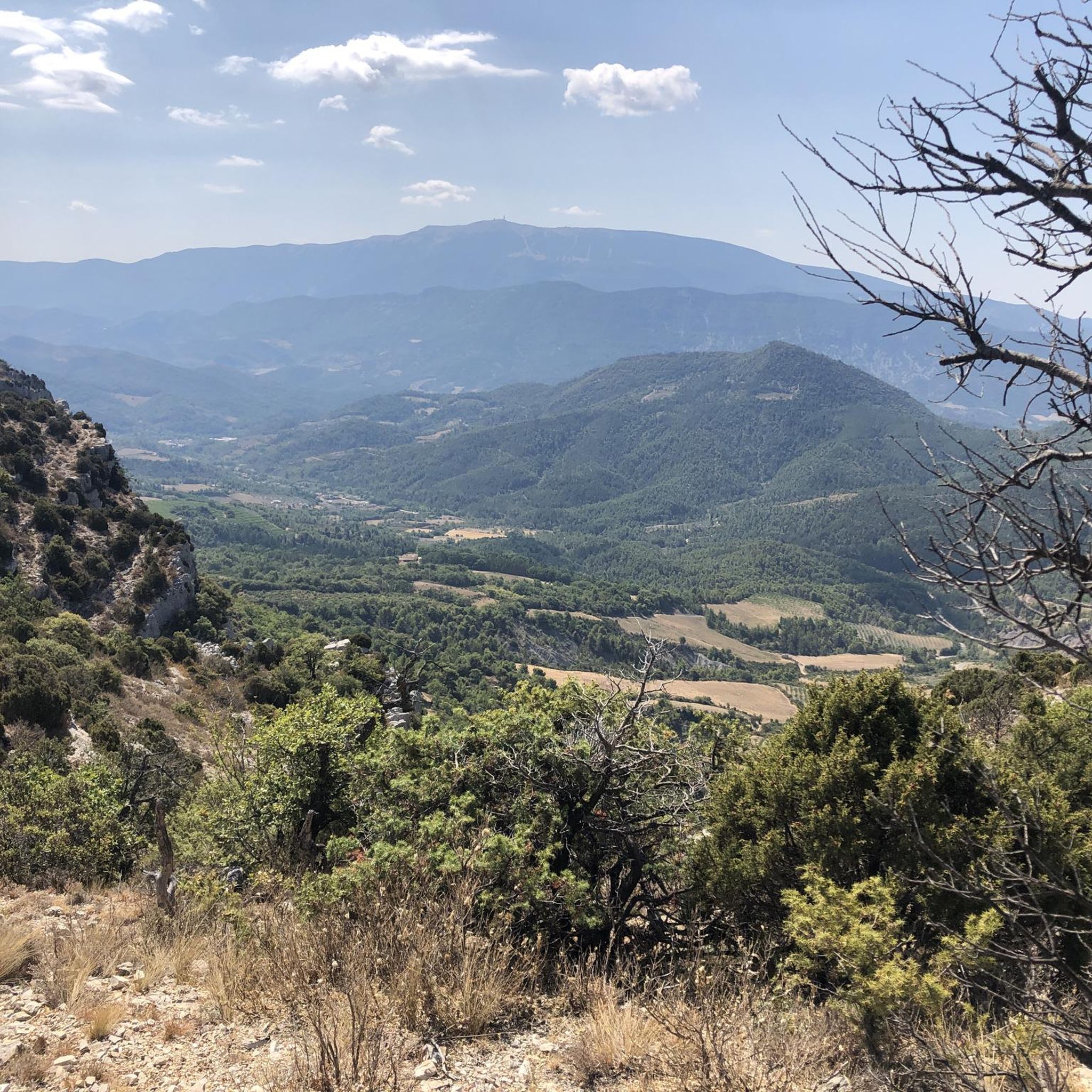
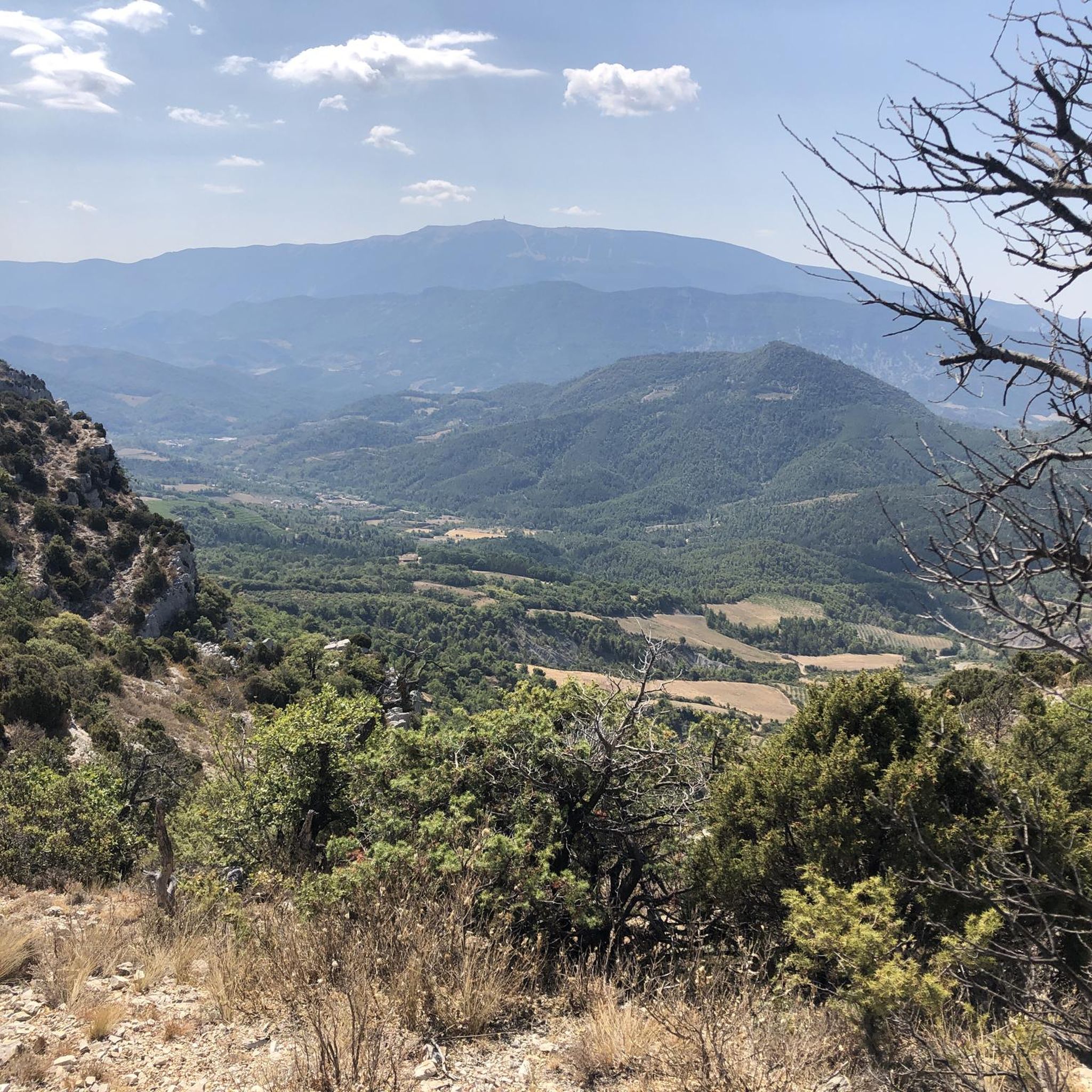
Starting from Buis, head towards the Col de Fontaube. The road climbs gently before straightening in the last km. Nice view of the Ventoux around a bend. At the pass, we take the time for the photo on the Giant of Provence .....
2
0
Frequently Asked Questions
What kind of natural monuments can I explore around Rochebrune?
The area around Rochebrune is rich in diverse natural monuments. You can explore significant geological formations like ancient caves and dramatic gorges. Notable examples include the Entrance to the Toulourenc Gorges, where you can walk in the river, and the Baume des Eyguiers Grotto, a cave formed by millions of years of sediment deposits. There are also scenic trails offering panoramic views, such as the Ascent to the Saint-Julien Rock.
Are there family-friendly natural monuments or activities in the Rochebrune area?
Yes, several natural monuments around Rochebrune are suitable for families. The Entrance to the Toulourenc Gorges offers a unique experience where children can safely walk in the shallow river, especially during warmer months. The trails leading to viewpoints, like the Ascent to the Saint-Julien Rock, are also enjoyable for families looking for a scenic walk through vegetation.
What are the geological features of the Baume des Eyguiers Grotto?
The Baume des Eyguiers Grotto is a fascinating geological feature nestled in a rocky bar. It was formed by the successive deposits of Burdigalian sediments carried by the ebb and flow of various Miocene seas approximately 23 million years ago. Later, the paleo Durance and possibly L’Ouvèze rivers carved out this rocky mass, creating the shelters and grottoes seen today.
Can I hike or walk in the river at the Toulourenc Gorges?
Yes, at the Entrance to the Toulourenc Gorges, you have the option to walk directly in the river, as the water is typically shallow. Alternatively, there is a marked path along the riverbank. About 400 meters upstream, the gorge narrows, and it is generally safer to rejoin the marked path at that point. During summer, the riverbed can sometimes be completely dry.
What kind of views can I expect from the Ascent to the Saint-Julien Rock?
The Ascent to the Saint-Julien Rock offers superb views. The single track winds through lush vegetation, providing excellent vistas of the Saint-Julien rock itself, as well as the charming town of Buis-les-Baronnies.
Are there any notable gorges besides Toulourenc around Rochebrune?
Yes, in addition to the Toulourenc Gorges, you can also explore the Gorges de Saint-May. This gorge offers scenic viewpoints and is part of a fantastic route, particularly if you are heading towards the Col de Fontaube from Buis.
What outdoor activities can I do near the natural monuments around Rochebrune?
The region around Rochebrune offers a variety of outdoor activities. You can find numerous hiking trails, such as the moderate Col de Milmandre – Col de Linceuil loop. For runners, there are running routes like the Col des Lantons loop. Gravel biking is also popular, with challenging routes like the Mollans-sur-Ouvèze – Fontaube Pass loop available in the gravel biking guide.
What do visitors enjoy most about the natural monuments around Rochebrune?
Visitors particularly appreciate the diverse outdoor experiences. Many enjoy the unique opportunity to walk in the river at the Toulourenc Gorges, especially on hot days. The scenic trails, like the Ascent to the Saint-Julien Rock, are praised for their beautiful views. The geological significance of sites like the Baume des Eyguiers Grotto also captivates many.
Are there any historical or cultural sites near the natural monuments?
While primarily focused on natural features, the region does have some historical context. For instance, the highlight Châteauneuf-de-Bordette is a settlement with a castle, offering a blend of natural trails and historical architecture. The area's geological formations themselves tell a story millions of years old.
What is the best time to visit the natural monuments around Rochebrune?
The best time to visit depends on your preferred activities. For river walks in the Toulourenc Gorges, warmer months are ideal. Hiking and cycling are pleasant in spring and autumn when temperatures are milder. Summer offers long daylight hours for exploration, but some riverbeds might be dry. Winter can offer a different, quieter experience, though accessibility to certain trails might vary.
Are there any natural monuments in the wider region of France with similar names that are also worth visiting?
Yes, France has several notable natural monuments in regions with similar names. For example, the Rocher de Roquebrune in Roquebrune-sur-Argens (Var) is a distinctive red sandstone formation with hiking and climbing opportunities. In the Hautes-Alpes, the Pic de Rochebrune is a significant summit, and the Massif du Beaufortain in Haute-Savoie features another Rochebrune mountain with panoramic views, accessible by cable car in summer. These offer diverse natural experiences across different parts of France.
What should I wear when visiting the natural monuments, especially for hiking?
When hiking or exploring the natural monuments around Rochebrune, it's advisable to wear comfortable, sturdy footwear suitable for varied terrain, including rocky paths and potentially wet areas like the Toulourenc Gorges. Layered clothing is recommended to adapt to changing weather conditions. Don't forget sun protection, a hat, and plenty of water, especially during warmer months.
Most popular routes around Rochebrune
Most popular attractions around Rochebrune

Get inspired with the komoot mobile app


Explore more
Extend your search for the best caves by checking out these guides of the top ones around Rochebrune:
