Top 8 Natural Monuments around Recoubeau-Jansac
Best natural monuments around Recoubeau-Jansac are found in the Drôme region of France, offering diverse natural landscapes. The area features significant geological formations, river gorges, and elevated viewpoints. Visitors can explore a variety of natural attractions, from impressive waterfalls to high-altitude summits. These natural features highlight the rich beauty of the Diois mountains between the Vercors and Provence.
Best natural monuments around Recoubeau-Jansac
- The most popular natural monuments is Saut de la Drôme and the Claps, a river and…
Last updated: July 2, 2026
Saut de la Drôme and the Claps
Highlight • River
Translated by Google •
Tip by

Pié Ferré (Le Dôme) – 2,041 m
Highlight • Summit
Translated by Google •
Tip by

Sign up now to discover places like this
Get recommendations on the best single tracks, peaks, & plenty of other exciting outdoor places.
Sign up for free
Gorges des Gâts
Highlight (Segment) • Gorge
Translated by Google •
Tip by

Baume Rousse Spring
Highlight • Natural Monument
Translated by Google •
Tip by

Claps Rock Chaos
Highlight • Natural Monument
Translated by Google •
Tip by

Sign up for free to discover even more natural monuments around Recoubeau-Jansac.
Sign up for free
Already have an account?
Start today with a free account
Your next adventure awaits.
Login or Signup
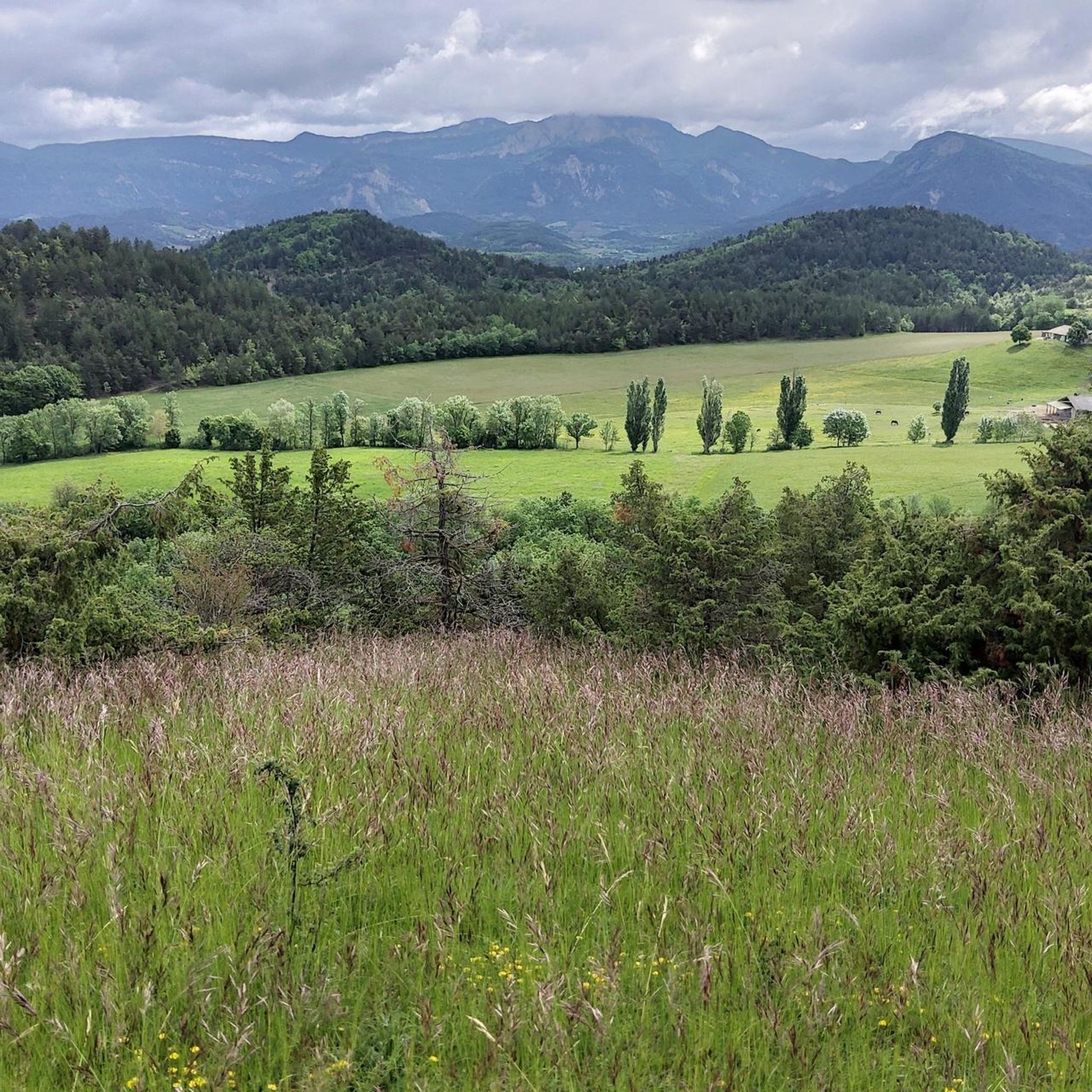
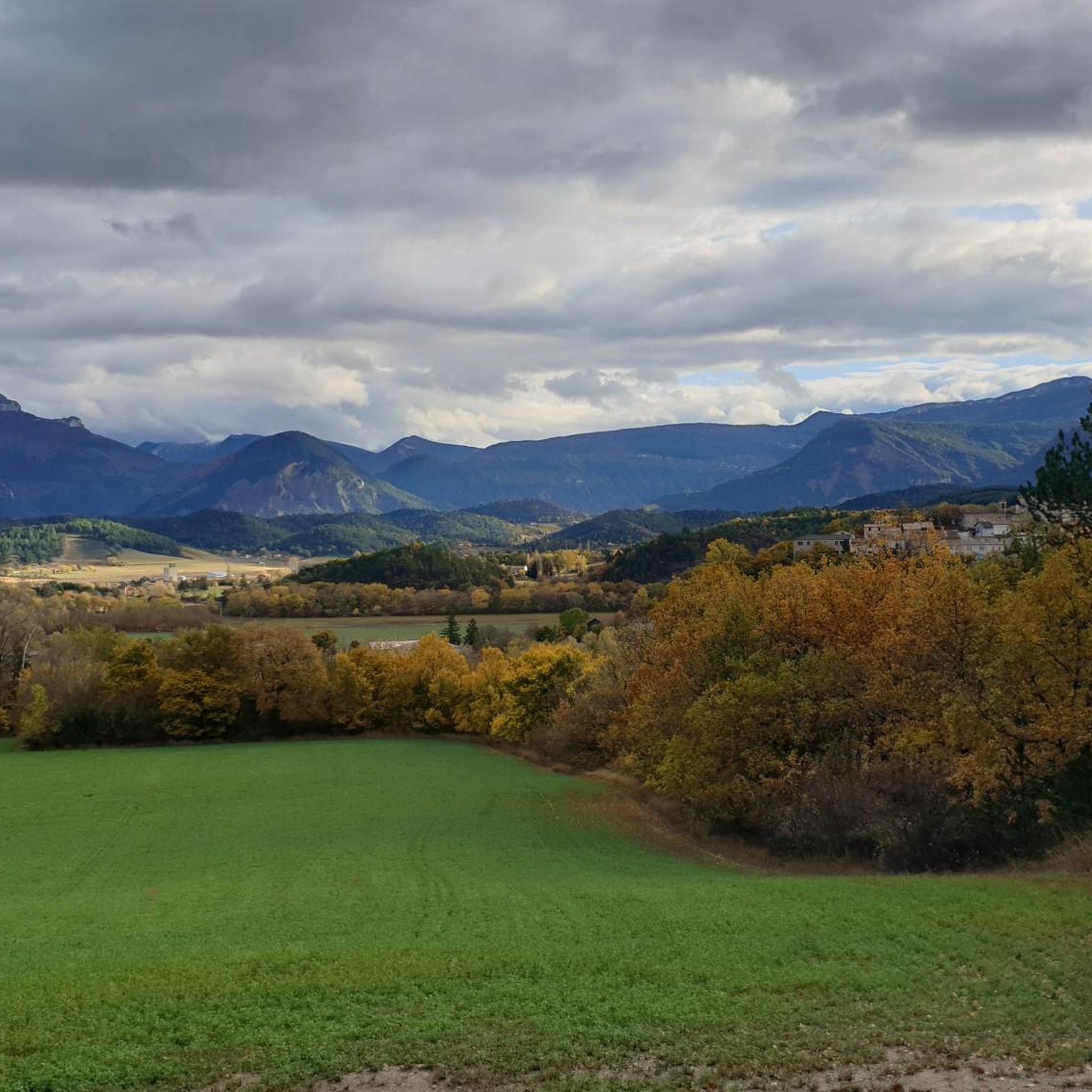
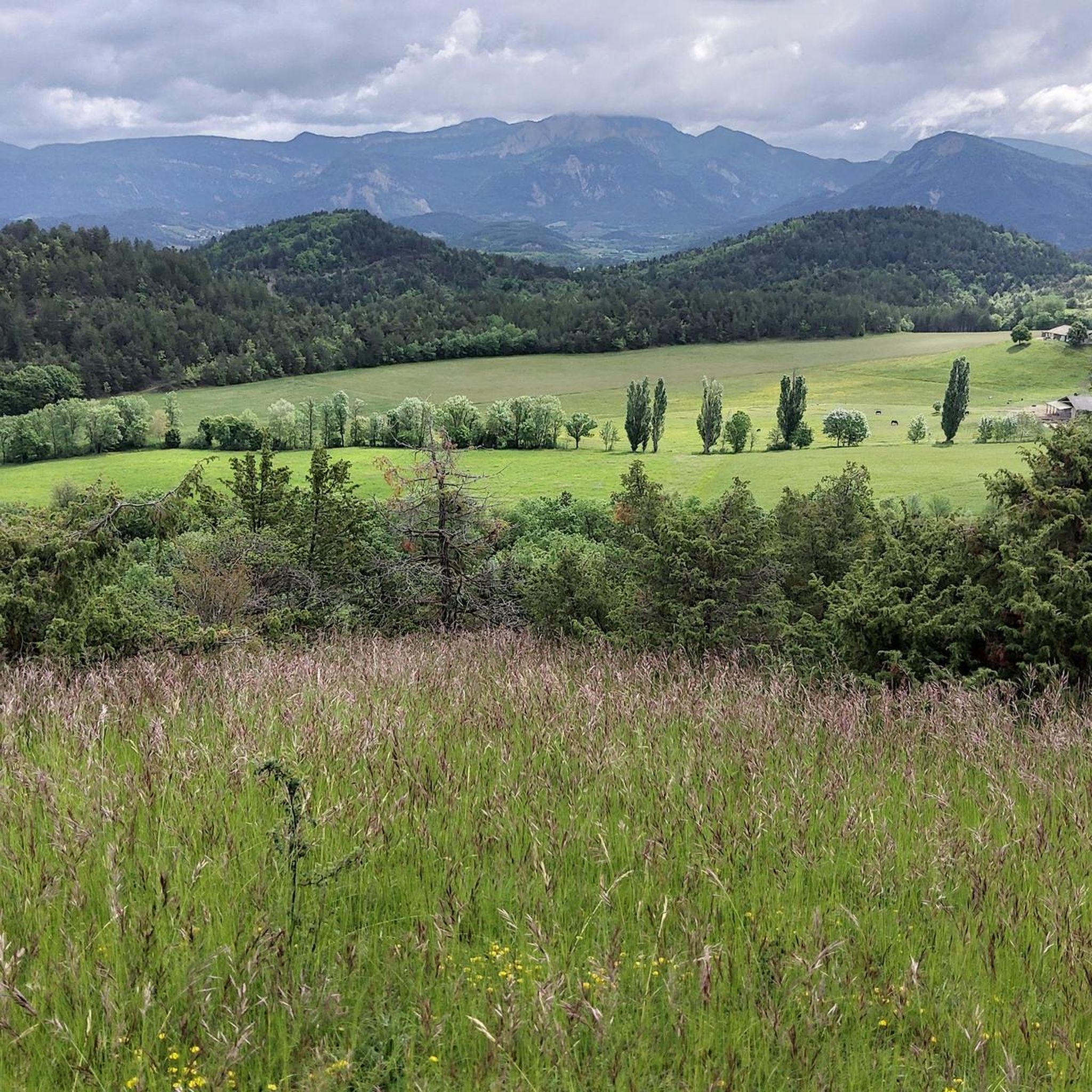
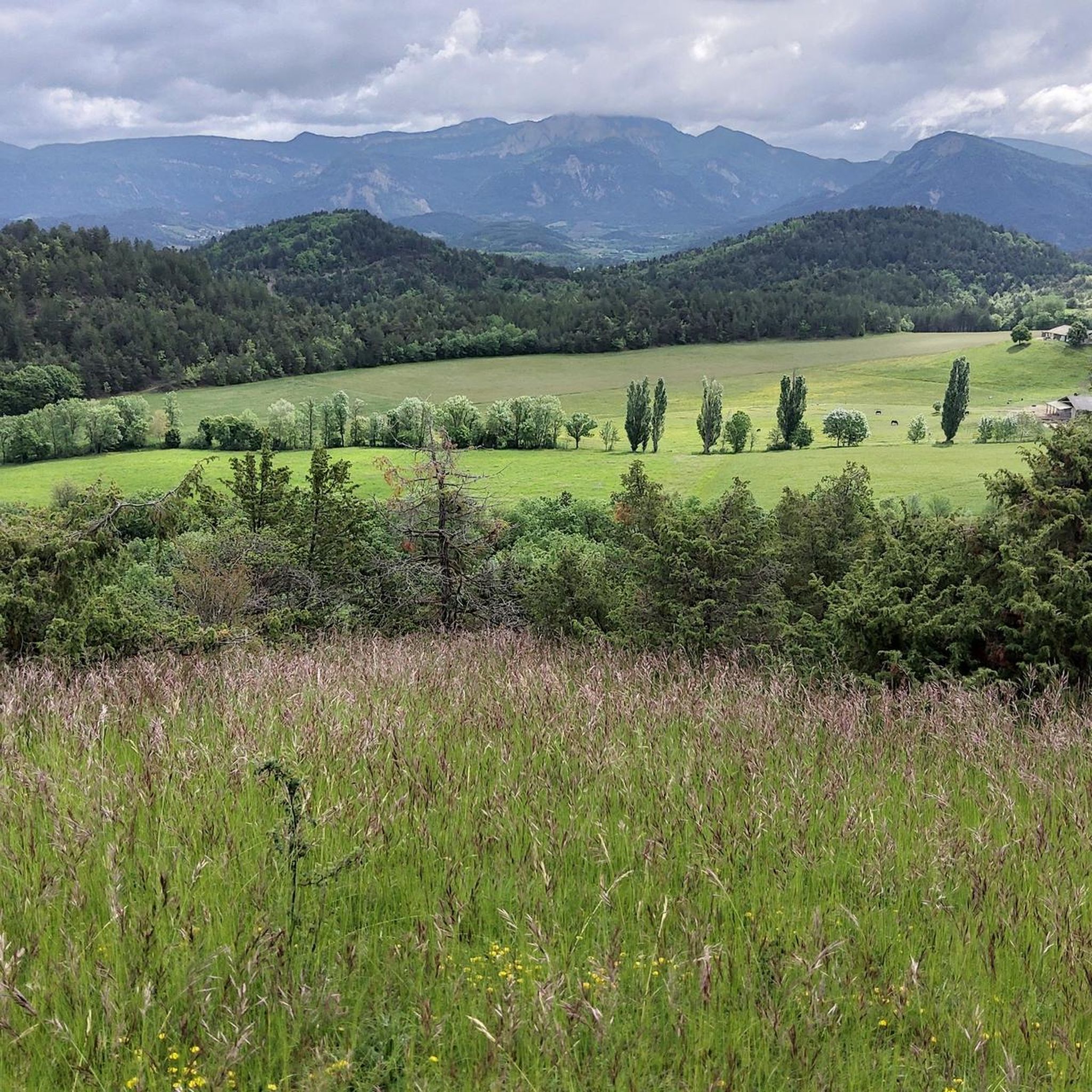

Tips from the Community

Magnificent historic city, plan a day to visit Bouligons a few kilometers away towards Valdrôme.
0
0

At the end of this little path you will find this spring! (Be careful, it is not drinkable so don't count on it for hiking/trail running) otherwise beautiful viewpoint and beautiful story 👌
0
0
Very pretty viewpoint, very rolling, and you will surely be lucky enough to see some marmots and chamois! Quite a few passages under the trees, possibility to do it even if it's hot! 👌
0
0
Very pretty, not technical trail for a hike, however plan to do the route in the opposite direction (start with the small climb) if you want a more rolling trail route. Very beautiful landscapes (no dangerous areas / climbing and as a bonus the possibility of seeing animals!
0
0
Water source with sometimes low or even non-existent flow in summer, make sure you have something to filter it if necessary
0
0
Fountain: 1L in less than 5 minutes
0
0

It all began in 1442 when a foundation broke away from the southern flank of Pic de Luc. As it slid, it hit a limestone spur, divided, broke into enormous blocks and blocked the Drôme at two points... thus two lakes were formed: the Petit downstream and the Grand upstream. The “Grand Lac” is 5 km long and arouses envy because it is full of fish. In 1561 it thus became the property of the Carthusians of Durban, monks to whom meat was forbidden. It was only in 1804 that a huge block, the “dad”, was pierced to let the water flow at the location of the current Saut de la Drôme. This vast dry body of water now gives way to an agricultural plain (ruined Bouligons farm and its formerly cultivated terraces) and the Bouligons marsh, the last vestige of the disappeared lake. The need to avoid the Claps during the construction of the “Briançonnais” railway line at the beginning of the 20th century also gave the site a magnificent viaduct, 244 m long and 44 m high.
1
0
panoramic view, Vercors (Mt Aiguille/ Grand Veymont)/ Écrins / Dévoluy (Obiou)
0
0
Frequently Asked Questions
What are the most popular natural monuments around Recoubeau-Jansac?
Among the most appreciated natural monuments are Saut de la Drôme and the Claps, known for its impressive waterfall and spectacular geological formations. Another favorite is Pié Ferré (Le Dôme) – 2,041 m, which offers an exceptional 360-degree panorama. Visitors also highly rate the scenic Gorges des Gâts with its steep canyons and tunnels.
What kind of geological features can I explore in the region?
The area is rich in geological wonders. The most prominent is Saut de la Drôme and the Claps, a site where a massive landslide in 1442 created enormous rock blocks and temporarily dammed the Drôme river. You can observe the immense rock masses and the geological history of the area here. The Claps Rock Chaos further emphasizes this dramatic landscape.
Are there family-friendly natural monuments around Recoubeau-Jansac?
Yes, several natural sites are suitable for families. Saut de la Drôme and the Claps is a great spot for cooling off in the river during summer, shaded by pine trees, and offers easy access to view the waterfall and rock formations. The Gorges de la Roanne also provide pleasant pools for swimming and refreshment, ideal for a leisurely family outing.
What outdoor activities can I do near these natural monuments?
The region offers diverse outdoor activities. Near the natural monuments, you can go hiking, cycling, or running. For instance, there are various hiking trails like the 'Panorama loop from Menglon' or 'View of the Diois – Jansac and the Diois region loop from Recoubeau-Jansac'. Cyclists can enjoy routes such as 'Roanne Gorges – Along the Drôme River loop from Recoubeau-Jansac'. You can find more details on these activities in the hiking, cycling, and running guides for Recoubeau-Jansac.
Where can I find impressive viewpoints of the Diois valley?
For breathtaking views, head to Pié Ferré (Le Dôme) – 2,041 m. This summit offers an exceptional 360-degree panorama of the Diois valley, including distant views of Mont Aiguille and the Grand Veymont. The cliff edges of Vallon de Combeau also provide striking views of Mont Aiguille.
Are there opportunities for wild swimming near the natural monuments?
Yes, the region offers several spots for wild swimming. Saut de la Drôme and the Claps is a popular place to cool off in the Drôme river during summer. Additionally, the Gorges de la Roanne feature pleasant pools perfect for swimming and refreshment, especially during warmer months.
What is the best time to visit the natural monuments around Recoubeau-Jansac?
The best time to visit is generally during the warmer months, from late spring to early autumn (May to September). This period offers pleasant weather for hiking, swimming in the rivers and gorges, and enjoying the scenic viewpoints. Some sites like Pié Ferré (Le Dôme) are best avoided on very windy days.
Are there any natural springs or unique water features to see?
Yes, you can visit the Baume Rousse Spring, located at the foot of a cliff within a rock shelter. While its flow can be low, it's a unique natural water source in the area. The impressive waterfall at Saut de la Drôme is another significant water feature.
What do visitors enjoy most about the natural monuments in this area?
Visitors particularly enjoy the dramatic landscapes, the opportunities for cooling off in the rivers, and the stunning panoramic views. The geological formations at Saut de la Drôme and the Claps are often highlighted for their grandeur, while the 360-degree vistas from Pié Ferré (Le Dôme) are a major draw. The scenic drives through places like the Gorges des Gâts are also highly praised.
Are there climbing opportunities near the natural monuments?
Yes, Le Claps is an ideal climbing site, offering over 120 routes for all skill levels, as well as a via ferrata. This makes it a popular destination for climbers looking for diverse challenges amidst a spectacular natural setting.
Can I find protected flora in the natural monuments area?
Yes, the Vallon de Combeau is an exceptional site recognized for its protected flora. A short walk into this valley leads visitors into the Hauts Plateaux Nature Reserve, where you can observe unique plant life and alpine pastures.
What is the historical significance of the Claps area?
The Claps area holds significant geological history, stemming from a massive landslide in 1442. This event created the spectacular rock formations and temporarily altered the course of the Drôme river, forming lakes. The area also features historical elements like the ruins of Bouligons farm and its formerly cultivated terraces, remnants of a time when the Grand Lac was a significant resource.
Most popular routes around Recoubeau-Jansac
Most popular attractions around Recoubeau-Jansac

Get inspired with the komoot mobile app


Explore more
Extend your search for the best caves by checking out these guides of the top ones around Recoubeau-Jansac:
