Top 7 Natural Monuments around Aubervilliers
Natural monuments around Aubervilliers, a commune located northeast of Paris, provide important natural havens within an urban landscape. This region features a mix of historic gardens, redeveloped urban forts, and tranquil parks. Its proximity to larger regional parks further enhances its natural appeal, offering opportunities for relaxation and connection with nature. Aubervilliers is characterized by its green spaces and urban natural heritage.
Best natural monuments around Aubervilliers
- The most popular natural monuments is Saint-Michel Bridge, a bridge that was…
Last updated: July 2, 2026
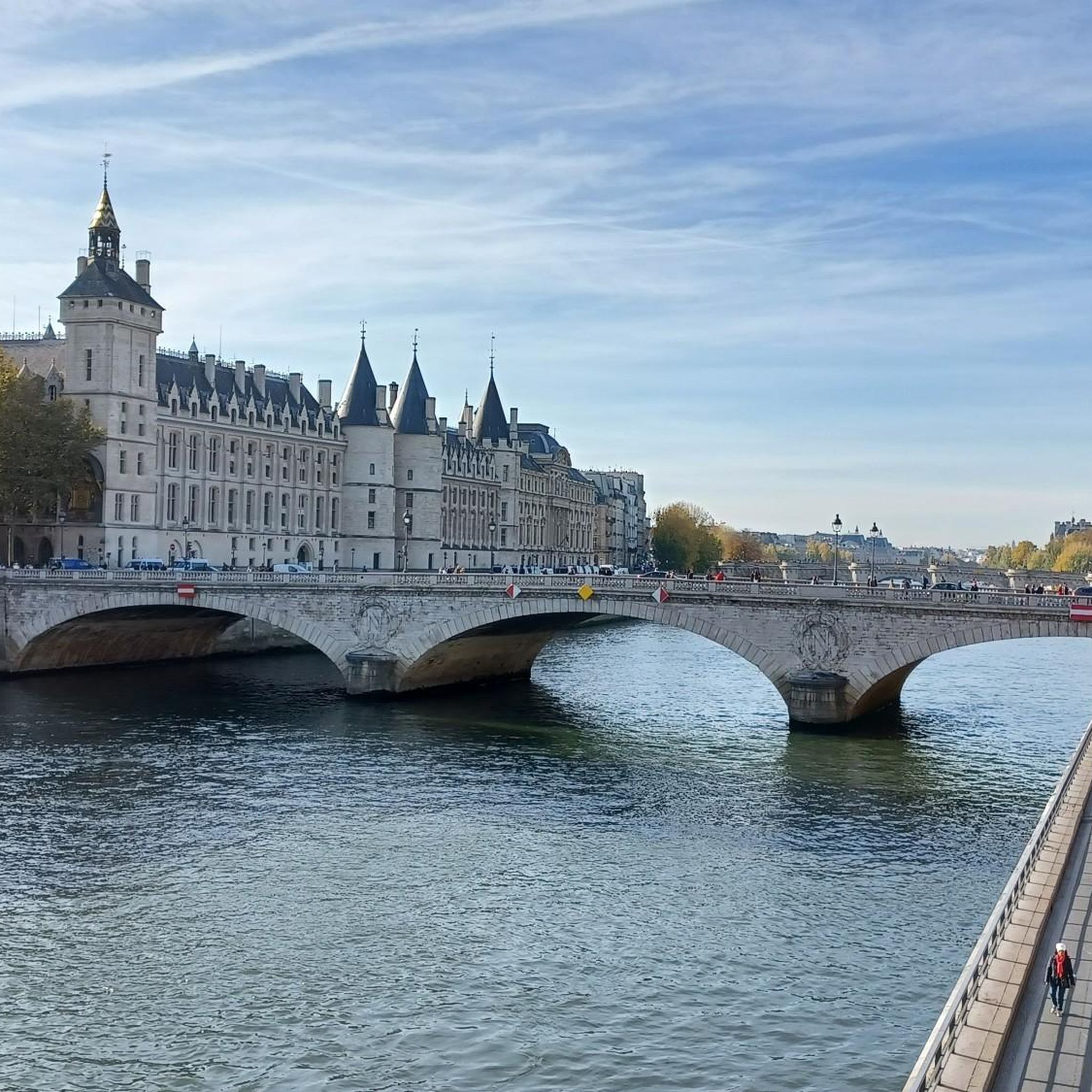
Saint-Michel Bridge
Highlight • Bridge
Source: de.parisinfo.com/transportmittel/73150/Fontaine-Saint-Michel
Translated by Google •
Tip by

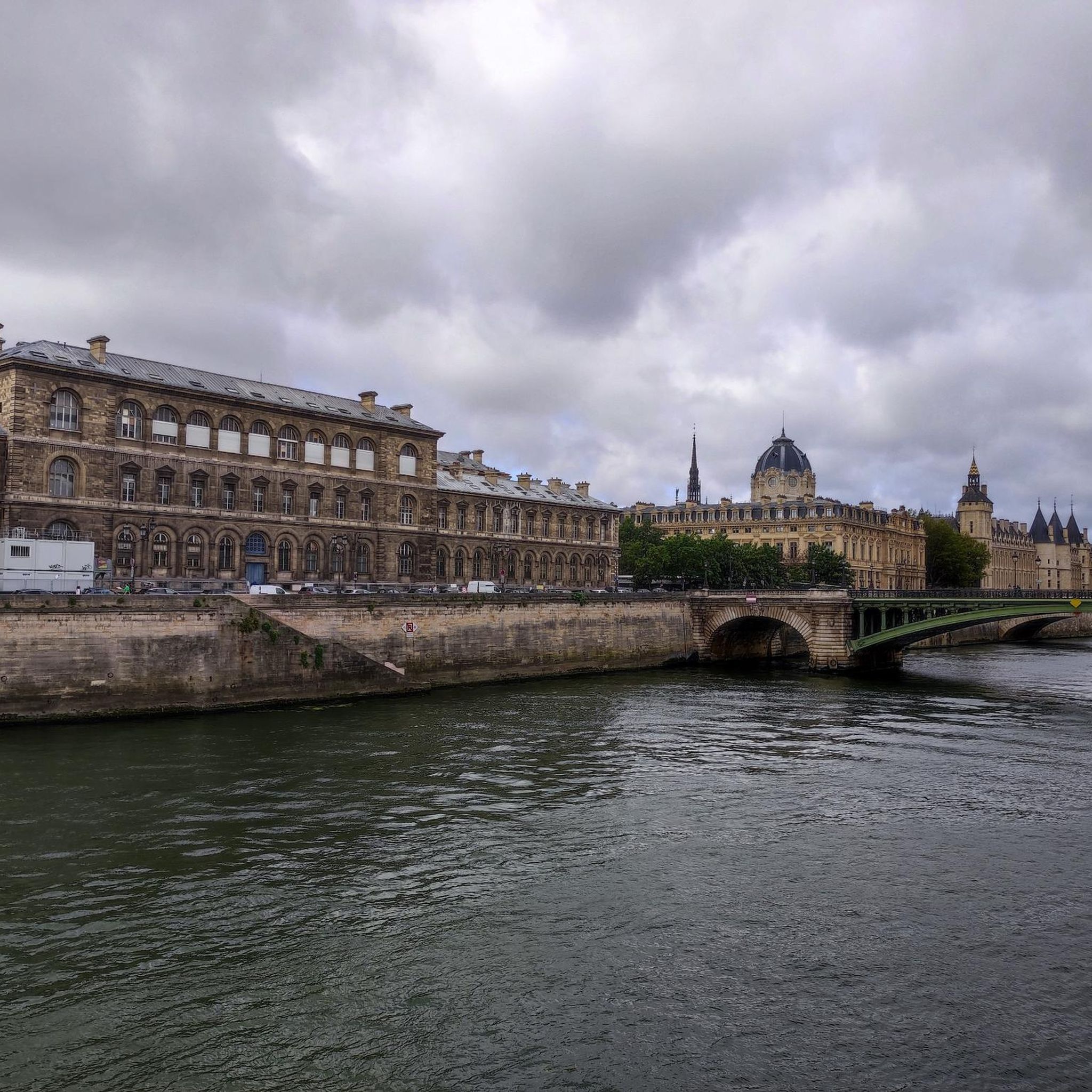
Fountain of the Four Parts of the World
Highlight • Monument
Translated by Google •
Tip by

Sign up now to discover places like this
Get recommendations on the best single tracks, peaks, & plenty of other exciting outdoor places.
Sign up for free
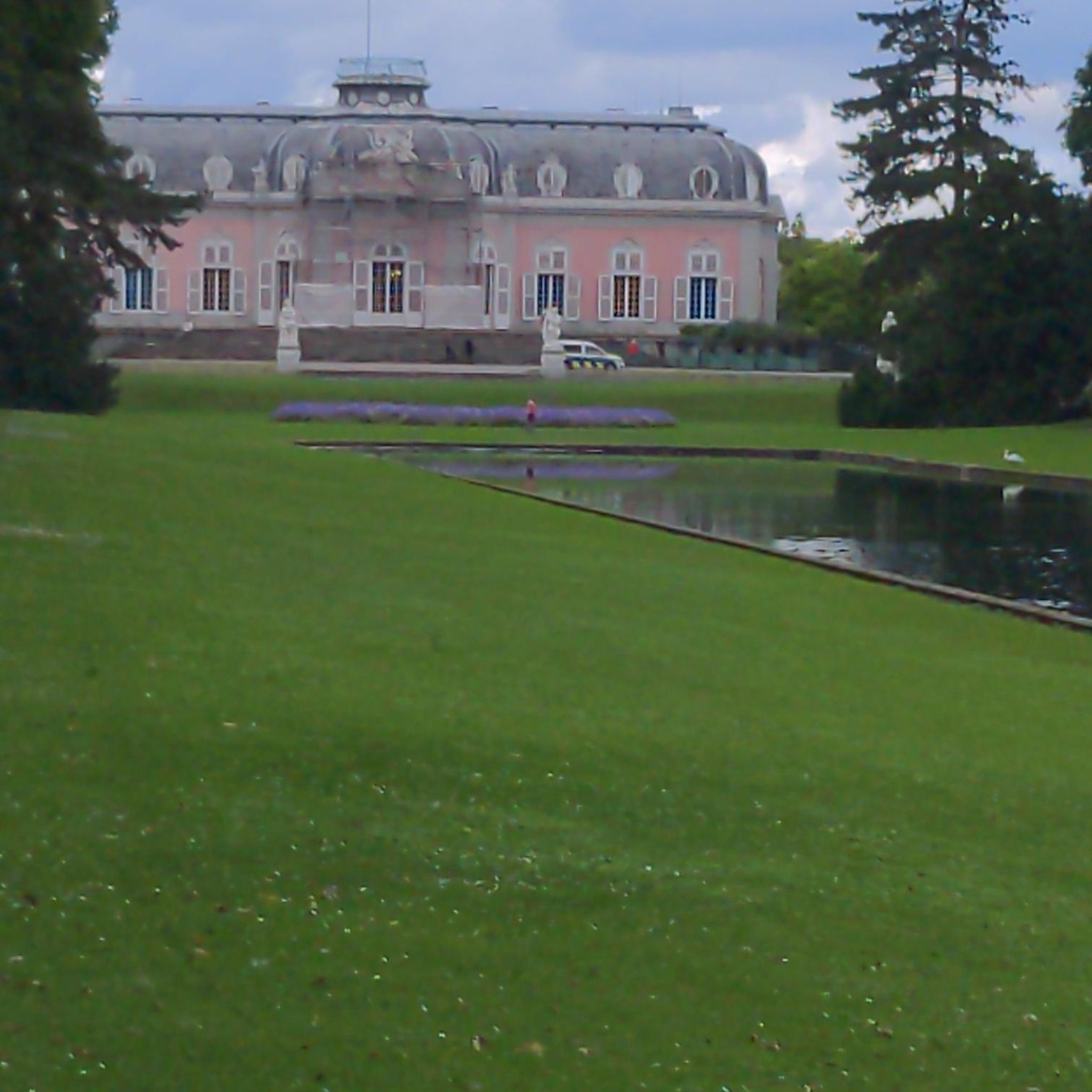
Square du Temple – Elie Wiesel
Highlight • Natural Monument
Translated by Google •
Tip by

Parc Monceau
Highlight • Natural Monument
Translated by Google •
Tip by

Oldest Tree in Paris (Robinier of Square René Viviani)
Highlight • Natural Monument
Translated by Google •
Tip by

Sign up for free to discover even more natural monuments around Aubervilliers.
Sign up for free
Already have an account?
Start today with a free account
Your next adventure awaits.
Login or Signup
Tips from the Community

The fountain on Avenue Denise Versay in Paris is a beautiful sight. Plenty of benches invite you to linger. A visit is highly recommended.
4
0

A very quiet park with hardly any tourists! Definitely worth the detour!
0
0

The walk offers some pleasant surprises: numerous statues, a Renaissance arcade from the former Paris City Hall, spectacular trees, a wide variety of birds, and a large pond. Parc Monceau is surrounded by luxury buildings and magnificent private villas, including the Cernuschi Museum (Asian art). It is a quiet and pleasant park frequented by Parisians and tourists alike.
6
0

René Viviani Square houses the remains of a 12th-century well and the oldest tree in Paris, a black locust from North America. The tree is named after the man who planted and acclimatized it in 1601, Jean Robin, the king's botanist.
1
0

Why Visit Pont Saint-Michel? Architecture and History: Admire the bridge’s classical architecture and learn about its history through its various reconstructions. Spectacular Views: Enjoy breathtaking views of the Seine, Île de la Cité, and Notre-Dame Cathedral, perfect for memorable photos. Central Location: Use the bridge as a base to explore Paris’s major attractions nearby. Parisian Vibe: Soak up the lively and historic ambiance of the surrounding neighborhood, with its cafés, restaurants, and boutiques. Pont Saint-Michel is a vital part of Parisian heritage, providing both practical functionality and aesthetic appeal in one of the city’s most picturesque and historic neighborhoods.
4
0
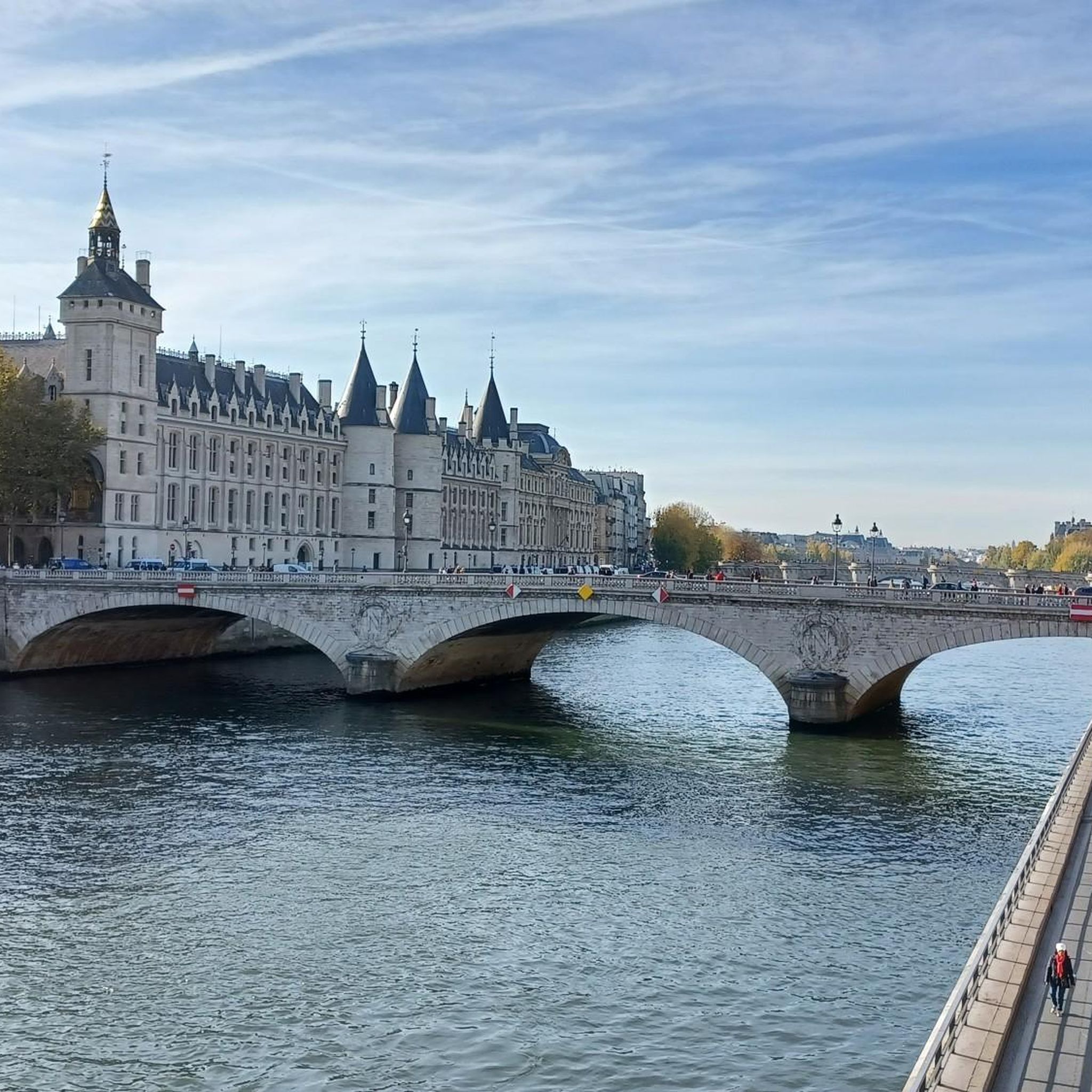
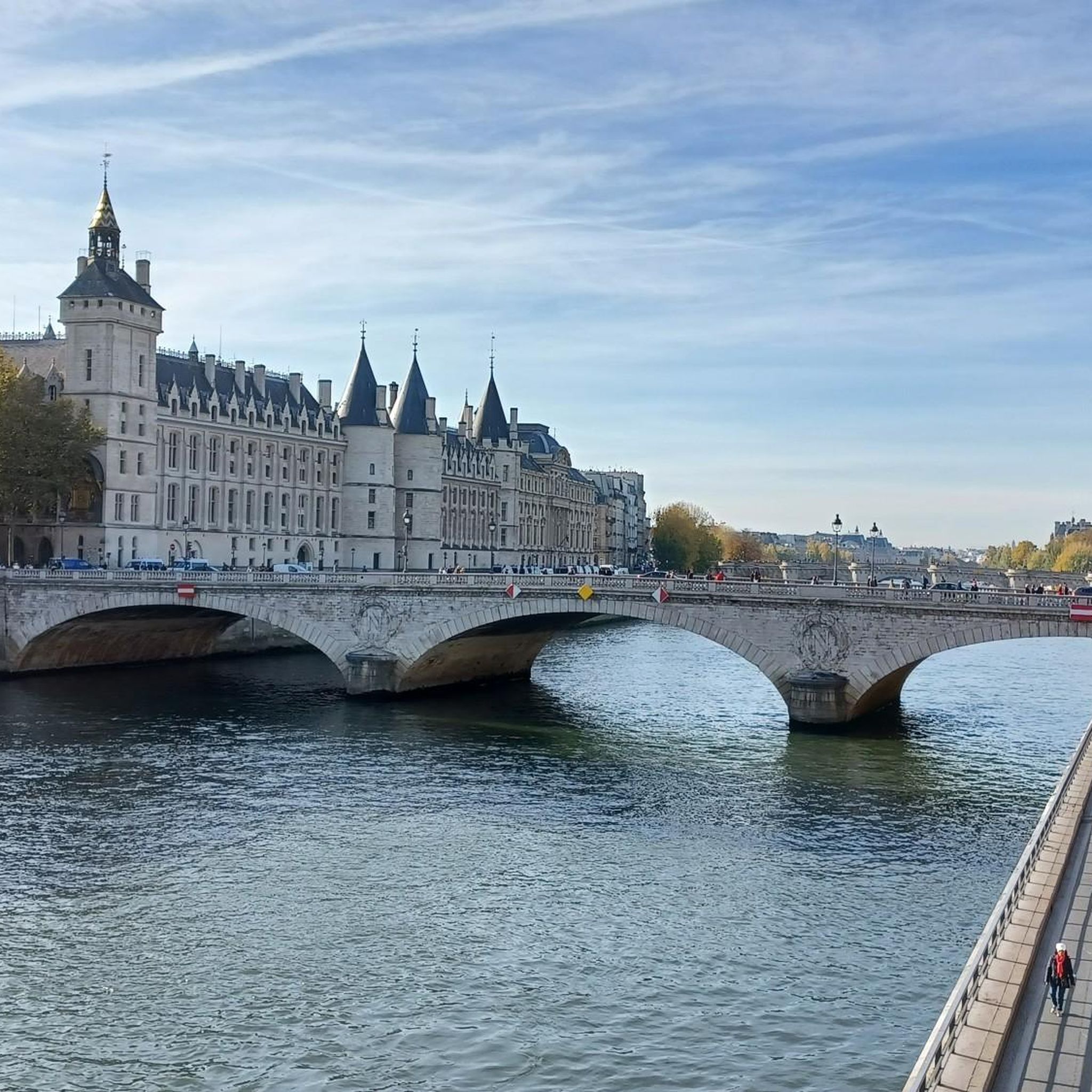
The Pont Saint-Michel is a historic bridge that crosses the Seine in Paris, connecting the Île de la Cité, where the famous Notre-Dame de Paris is located, to the Latin Quarter on the left bank. It is an iconic bridge, both for its history and its central location in the city. Features of the Pont Saint-Michel: Architecture: The Pont Saint-Michel is a stone bridge, built in a classical style. It features an arched structure and sculpted ornaments that add to its historical charm. It is characterized by its elegant arches and architectural details, reflecting the style of Parisian urban architecture of the early 20th century. History: The current bridge was built between 1857 and 1859, replacing an older version dating from the Middle Ages. The original medieval bridge had been rebuilt several times over the centuries before being replaced by the current structure. The Pont Saint-Michel is thus the result of a series of reconstructions that resulted in its current form. Location: Pont Saint-Michel is located in a strategic location in Paris, connecting the Île de la Cité to the Latin Quarter. This location is in the heart of Paris, offering magnificent views of the Seine River, the surrounding historic buildings, and the Notre-Dame de Paris. Function: The bridge plays a key role in the connectivity between the two banks of the Seine. It is used by pedestrians, cyclists, and vehicles, facilitating access to many important tourist sites and neighborhoods on both sides of the river. Visibility: Due to its central location and elegant architecture, Pont Saint-Michel is a popular spot for photographers and visitors. It offers picturesque views of the Seine River, Notre-Dame Cathedral, and the historic buildings of the Latin Quarter. Proximity to Attractions: The bridge is close to several major Paris attractions, including Notre-Dame Cathedral, the Palais de Justice, and the Latin Quarter. It is also close to many cafes, restaurants, and shops, making it a convenient place to explore the city.
4
0

One of the many ways to cross the Seine.
9
0

A place right next to the Luxembourg Gardens
1
0
Frequently Asked Questions
What kind of natural monuments can I expect to find around Aubervilliers?
Aubervilliers is characterized by its significant green spaces and urban natural heritage. You'll discover a mix of historic allotment gardens, redeveloped urban forts with extensive natural areas, tranquil parks, and linear green spaces along canals. These sites are valued for their ecological importance, history, and recreational opportunities within an urban setting.
Are there any historical natural sites worth visiting in Aubervilliers?
Yes, the Saint-Michel Bridge, initially built in stone in 1378, is a notable historical site featuring the iconic Saint-Michel fountain. Another significant historical natural monument is the Oldest Tree in Paris (Robinier of Square René Viviani), a black locust planted in 1601.
Which natural monuments are particularly family-friendly?
Several natural monuments are great for families. Parc Monceau offers a quiet and pleasant environment with statues, a Renaissance arcade, and a variety of birds. Square du Temple – Elie Wiesel is another beautifully landscaped English-style garden with exotic trees, a water feature, and plenty of space for children to enjoy.
Where can I find urban biodiversity and community-led green initiatives?
The Jardins Ouvriers des Vertus (Worker's Gardens of Vertus) are a significant biodiversity hotspot, home to protected bird species, hedgehogs, and Italian crickets. The Cour jardinée Jean Moulin is another vibrant example of urban biodiversity, fostering a connection with nature through cultural, artistic, ecological, and educational activities.
What outdoor activities can I do near these natural monuments?
Aubervilliers and its surroundings offer various outdoor activities. You can explore MTB trails, enjoy gravel biking routes, or go for a run on the many running trails. The Canal Saint-Denis also provides picturesque routes for walking and cycling.
Are there any natural monuments that are wheelchair accessible?
Yes, both the Saint-Michel Bridge and the Fountain of the Four Parts of the World are noted as wheelchair accessible, allowing visitors to enjoy these significant sites.
What are some hidden natural gems or lesser-known spots in Aubervilliers?
Beyond the well-known parks, the Natural Heritage of Fort d'Aubervilliers is an evolving area with over 15 hectares of natural spaces and gardens, including family gardens and wooded areas. New accessible green spaces like the Jardin des Berges and a new neighborhood park are also being created, offering unique landscapes.
Can I spot any wildlife in the natural areas around Aubervilliers?
Yes, despite being an urban environment, several areas support biodiversity. The Jardins Ouvriers des Vertus are known for 22 protected bird species, European hedgehogs, and Italian crickets. The Cour jardinée Jean Moulin also hosts birds, bees, and hedgehogs, while the Canal Saint-Denis attracts various bird species.
What do visitors appreciate most about the natural monuments in Aubervilliers?
Visitors frequently appreciate the tranquility and beauty these green spaces offer within the urban landscape. For instance, Parc Monceau is loved for its quiet, pleasant atmosphere, romantic history, and variety of birds. The Square du Temple – Elie Wiesel is praised for its beautifully landscaped design and exotic trees.
Are there any parks suitable for a quiet afternoon outdoors?
Parc Éli Lotar is described as a green park near the canal, featuring open lawns and playgrounds, making it a perfect spot for a quiet afternoon outdoors. Parc Monceau also offers a quiet and pleasant environment for relaxation.
What is the best season to visit the natural monuments in Aubervilliers?
While many sites can be enjoyed year-round, spring and summer are ideal for experiencing the full bloom of the gardens and parks, such as the Jardins Ouvriers des Vertus and Cour jardinée Jean Moulin. The pleasant weather also makes walking and cycling along the Canal Saint-Denis more enjoyable.
Most popular routes around Aubervilliers
Most popular attractions around Aubervilliers

Get inspired with the komoot mobile app


Explore more
Extend your search for the best caves by checking out these guides of the top ones around Aubervilliers:
