Top 19 Natural Monuments around Collonges-Sous-Salève
Natural monuments around Collonges-Sous-Salève are primarily centered on Mont Salève, a mountain of the French Prealps. This region is known for its diverse natural features, including limestone formations, caves, and panoramic viewpoints. Mont Salève offers varied landscapes, from forests and meadows to cliffs and gorges, providing a rich environment for exploration. The area's geological significance and varied terrain make it a notable destination for natural heritage.
Best natural monuments around Collonges-Sous-Salève
- The most popular natural monument is Orjobet Cave,…
Last updated: July 2, 2026
Jet d'Eau Fountain
Highlight • Monument
Translated by Google •
Tip by

Orjobet Cave
Highlight • Cave
Translated by Google •
Tip by

Sign up now to discover places like this
Get recommendations on the best single tracks, peaks, & plenty of other exciting outdoor places.
Sign up for free
Jet d'Eau and the Lake Geneva waterfront
Highlight • Lake
Translated by Google •
Tip by

Flower Clock (Horloge Fleurie), English Garden
Highlight • Monument
Translated by Google •
Tip by

Broken Chair Sculpture
Highlight • Monument
Translated by Google •
Tip by

Sign up for free to discover even more natural monuments around Collonges-Sous-Salève.
Sign up for free
Already have an account?
Start today with a free account
Your next adventure awaits.
Login or Signup
Popular around Collonges-Sous-Salève
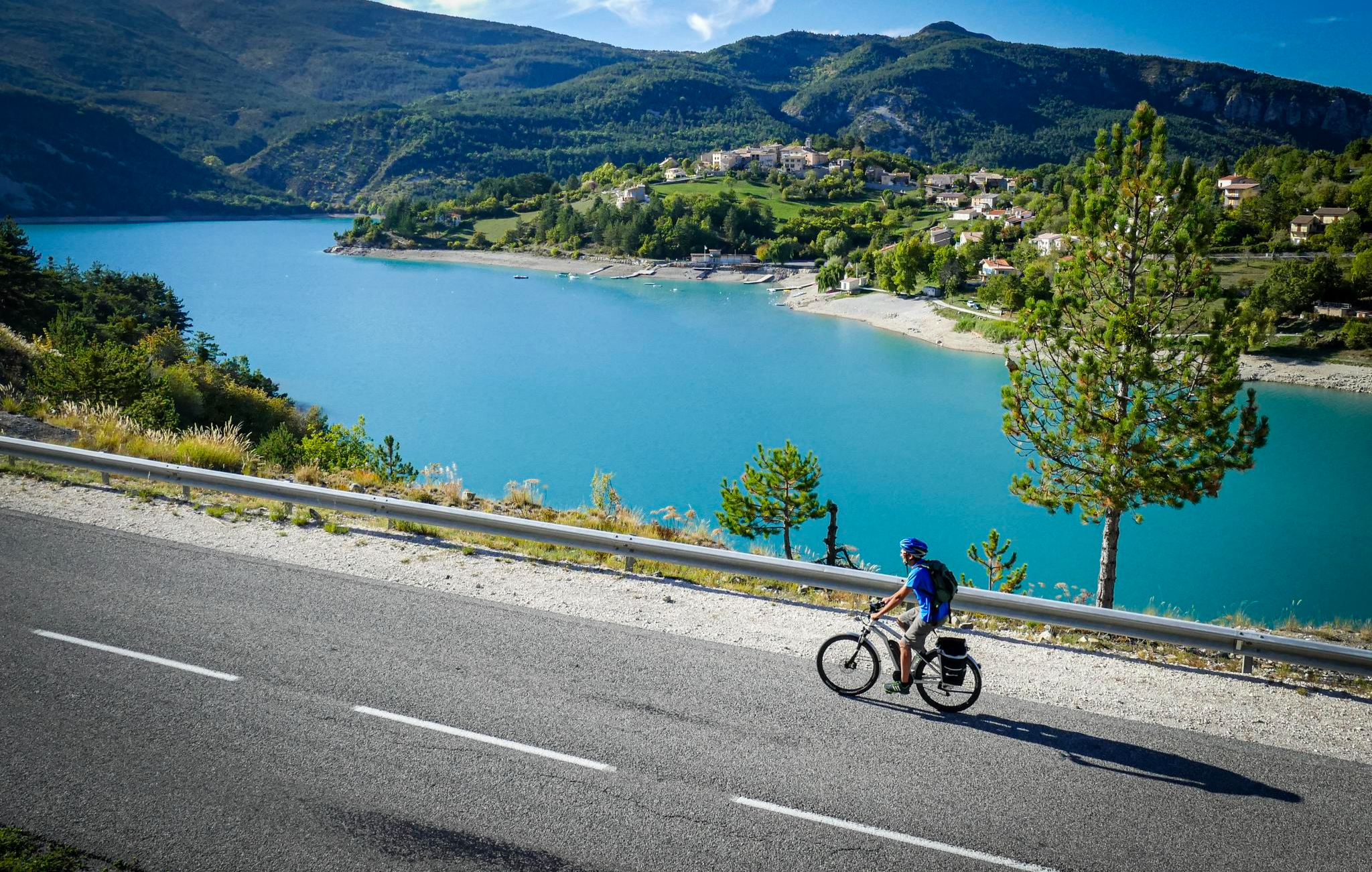
P'tites Routes du Soleil (Little Routes of the Sun)
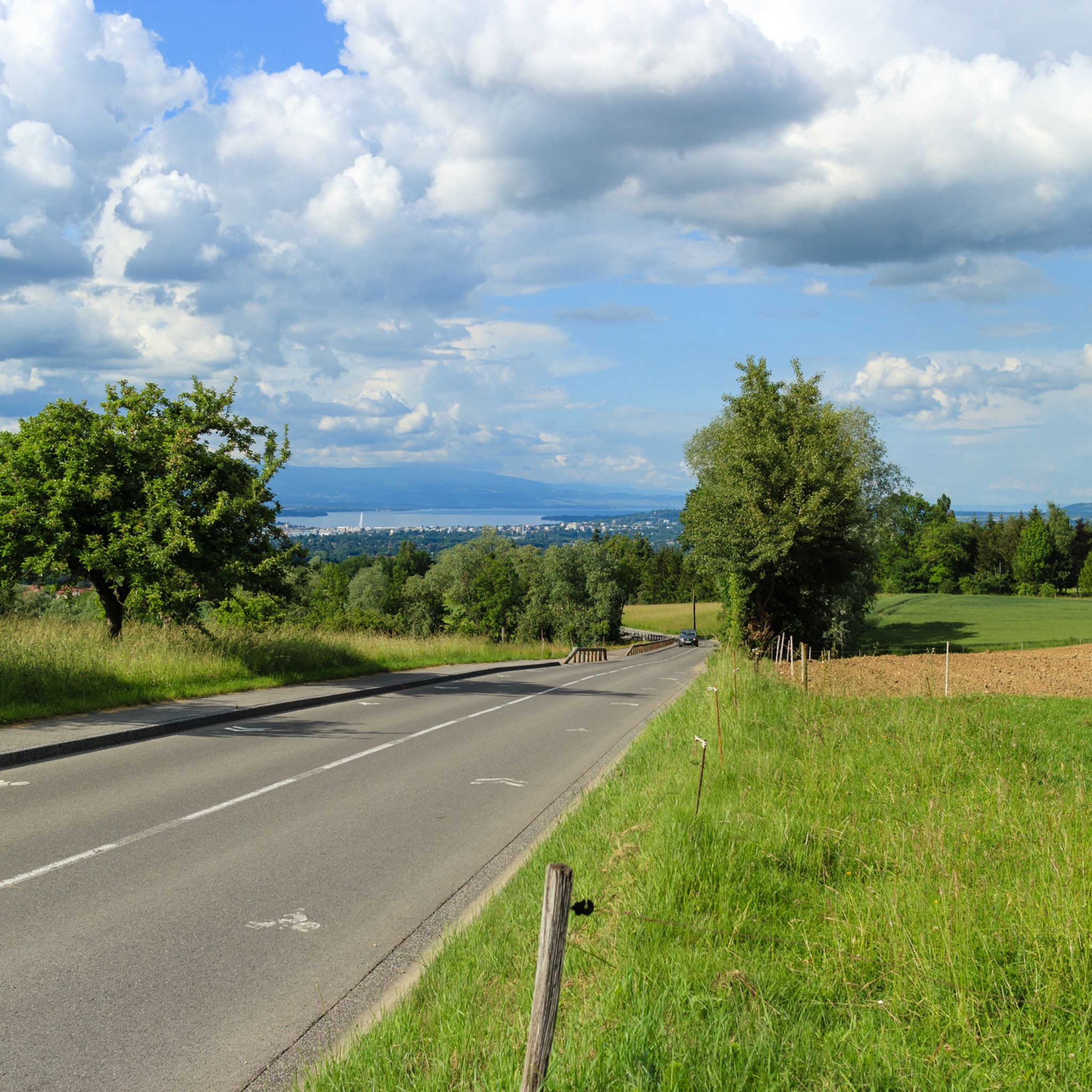
Road Cycling Routes around Collonges-Sous-Salève
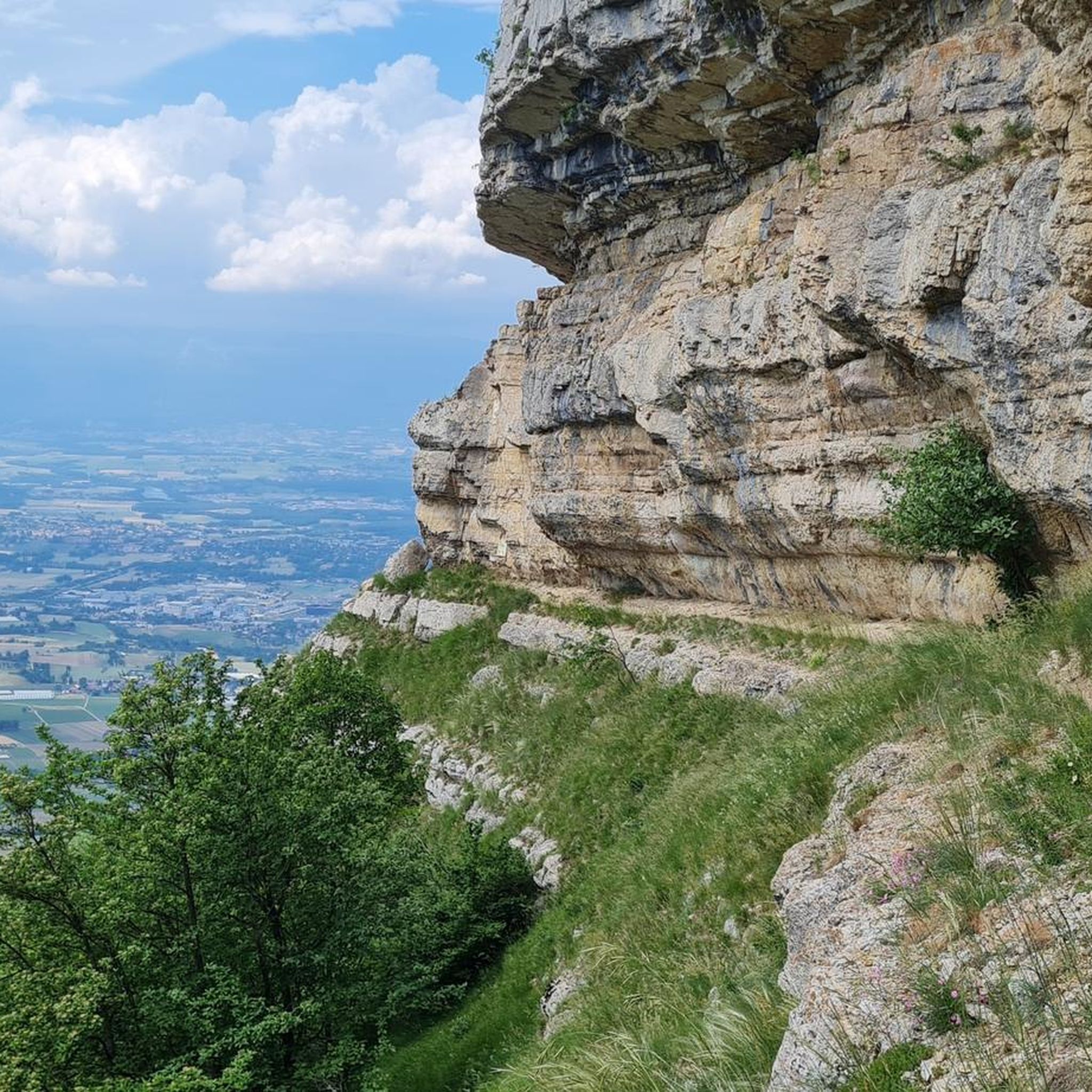
Hiking around Collonges-Sous-Salève
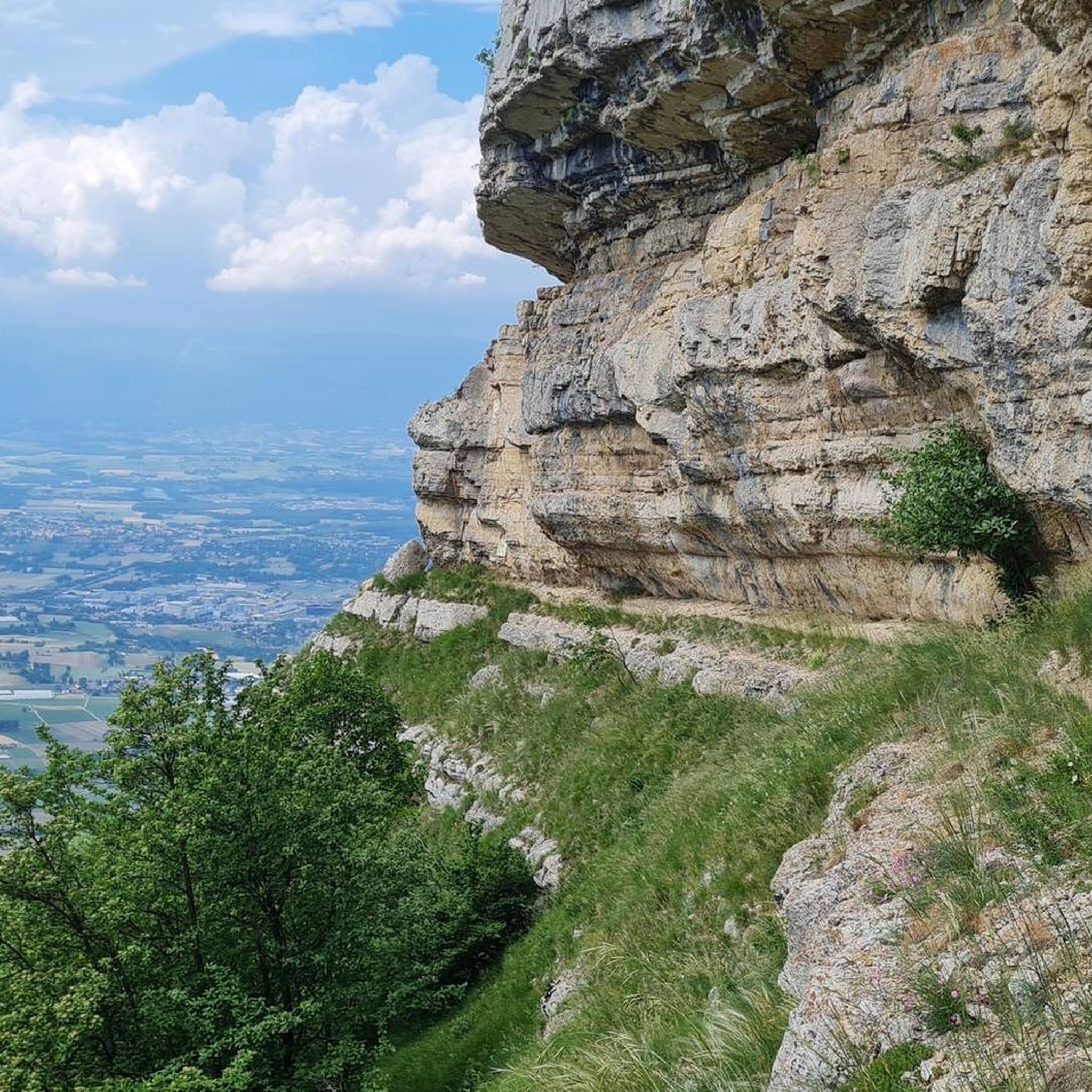
Running Trails around Collonges-Sous-Salève
Cycling around Collonges-Sous-Salève
MTB Trails around Collonges-Sous-Salève
Gravel biking around Collonges-Sous-Salève

Mountain Hikes around Collonges-Sous-Salève
Other adventures around Collonges-Sous-Salève

Tips from the Community

pretty here, very pretty
3
0

wonderfully beautiful area here
0
0


Pretty and lively little park with several highlights and “must sees” of Geneva.
1
0
One of the city’s landmarks and a must-see.
1
0

For an invigorating run with stunning views, head to the shores of Lake Geneva in Geneva. Along the shores, you’ll find spectacular views of the waterfall and stunning scenery of the sparkling lake and distant Mont Blanc. The route offers a mix of shaded areas and open stretches, making it ideal for a refreshing morning or evening run.
0
0

In the English Garden, the flower clock is made up of more than 3,000 colorful plants. This horticultural mosaic requires special know-how, admirably implemented by the green spaces services of the City of Geneva. The plants of the clock are changed four times a year, giving life to a mosaic per season.
0
0
Frequently Asked Questions
What are the most popular natural monuments around Collonges-Sous-Salève?
The most popular natural monument is the Orjobet Cave, known for its unique limestone erosion and equipped path. Another highly appreciated spot is the Jet d'Eau Fountain, a prominent Geneva landmark symbolizing the city with its impressive 140-meter high water jet. Visitors also enjoy the Broken Chair Sculpture, a monumental wooden sculpture that serves as a memorial and call to action.
What kind of natural features can I expect to see in the Collonges-Sous-Salève area?
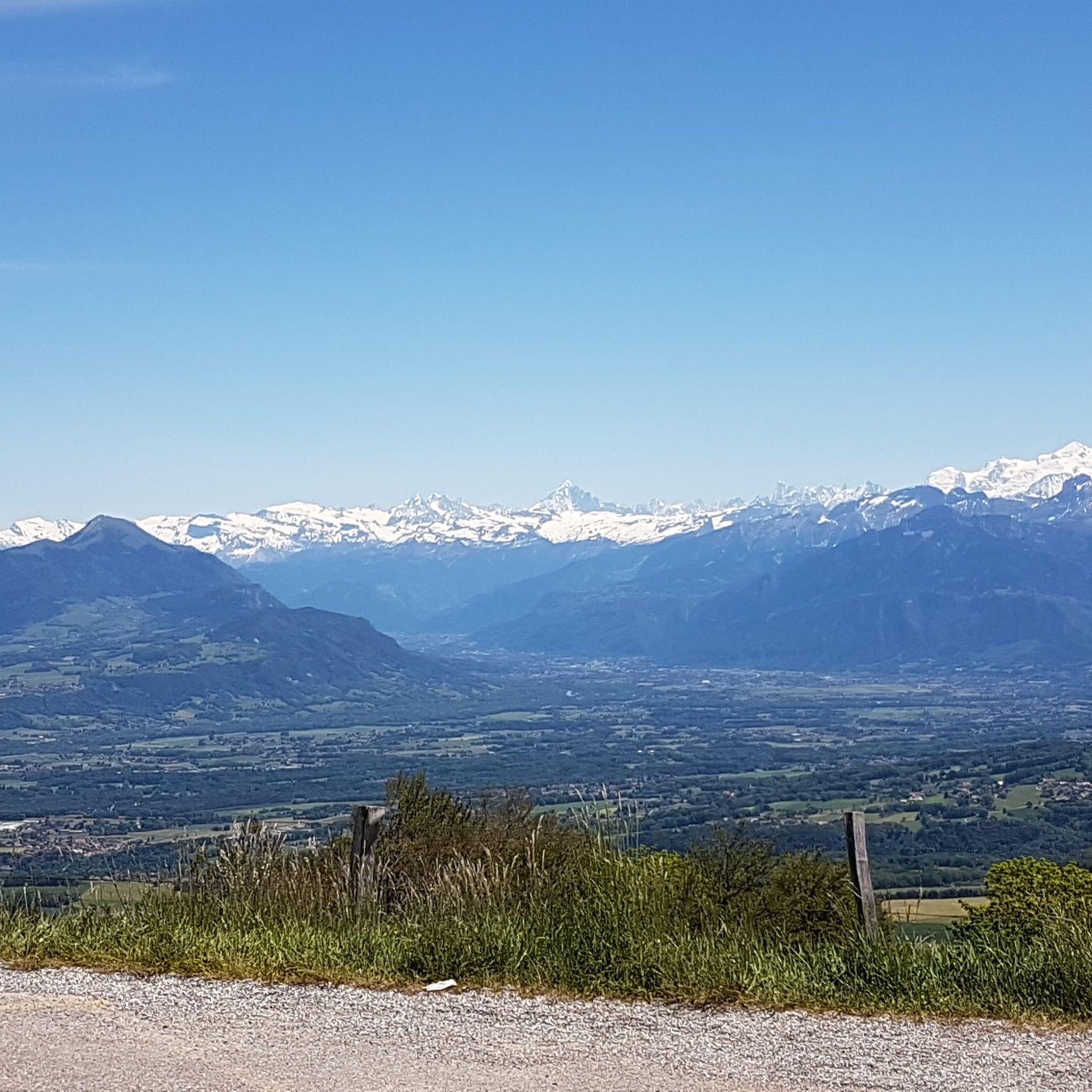
The region is dominated by Mont Salève, offering diverse natural features. You'll find dramatic limestone formations, deep gorges, and various caves like the Orjobet Cave and The Trou de la Tine. The landscape includes forests, meadows, cliffs, and dry grasslands, providing stunning panoramic views over Geneva, Lake Geneva, the Jura mountains, and Mont Blanc.
Are there family-friendly natural monuments or activities in Collonges-Sous-Salève?
Yes, several natural monuments are suitable for families. The Jet d'Eau Fountain and the Flower Clock (Horloge Fleurie), English Garden are both family-friendly and wheelchair accessible. On Mont Salève, the Observatory Trail is ideal for families, offering a peaceful stroll through nature with beautiful views and opportunities to spot wildlife.
What outdoor activities can I do near the natural monuments?
Mont Salève is a hub for various outdoor activities. Besides exploring the natural monuments, you can enjoy extensive hiking, mountain biking, paragliding, and hang gliding. In winter, skiing is possible at the Col de la Croisette. For specific routes, komoot offers numerous options, including hiking trails, running trails, and road cycling routes around Collonges-Sous-Salève.
What are the best hiking trails to explore the natural monuments?
Mont Salève offers trails for all levels. The iconic Pas de l'Échelle Trail features 119 steps carved into the rock, providing a challenging ascent and historical experience. For a more moderate option, consider the 'View of Genève and the lake – Col des Pitons loop from Grotte d'Orjobet' hiking route. You can find more detailed hiking routes, including those passing by Orjobet Cave, on the hiking guide for Collonges-Sous-Salève.
How accessible is Mont Salève and its natural monuments?
Mont Salève is highly accessible. The Téléphérique du Salève (cable car) provides easy access to the summit in just five minutes from Le Pas de l'Echelle (Veyrier), making it convenient for a wide range of visitors. Several highlights like the Jet d'Eau Fountain, Flower Clock, and Broken Chair Sculpture are also wheelchair accessible.
What is the best time of year to visit the natural monuments in Collonges-Sous-Salève?
The natural monuments around Collonges-Sous-Salève can be enjoyed year-round, depending on your preferred activities. Spring and autumn offer pleasant temperatures for hiking and exploring. Summer is ideal for panoramic views and outdoor sports. In winter, Mont Salève offers opportunities for skiing at Col de la Croisette, and the views can be particularly stunning with snow.
Can I find historical or cultural sites among the natural monuments?
While primarily natural, some sites have historical significance. The Pas de l'Échelle Trail on Mont Salève follows the route of an old electric cog railway from 1893 to 1935. The Broken Chair Sculpture, though a modern monument, stands opposite the Palace of Nations and serves as a powerful memorial and call to action, adding a significant cultural and historical layer to the area.
What are some unique geological formations to look out for?
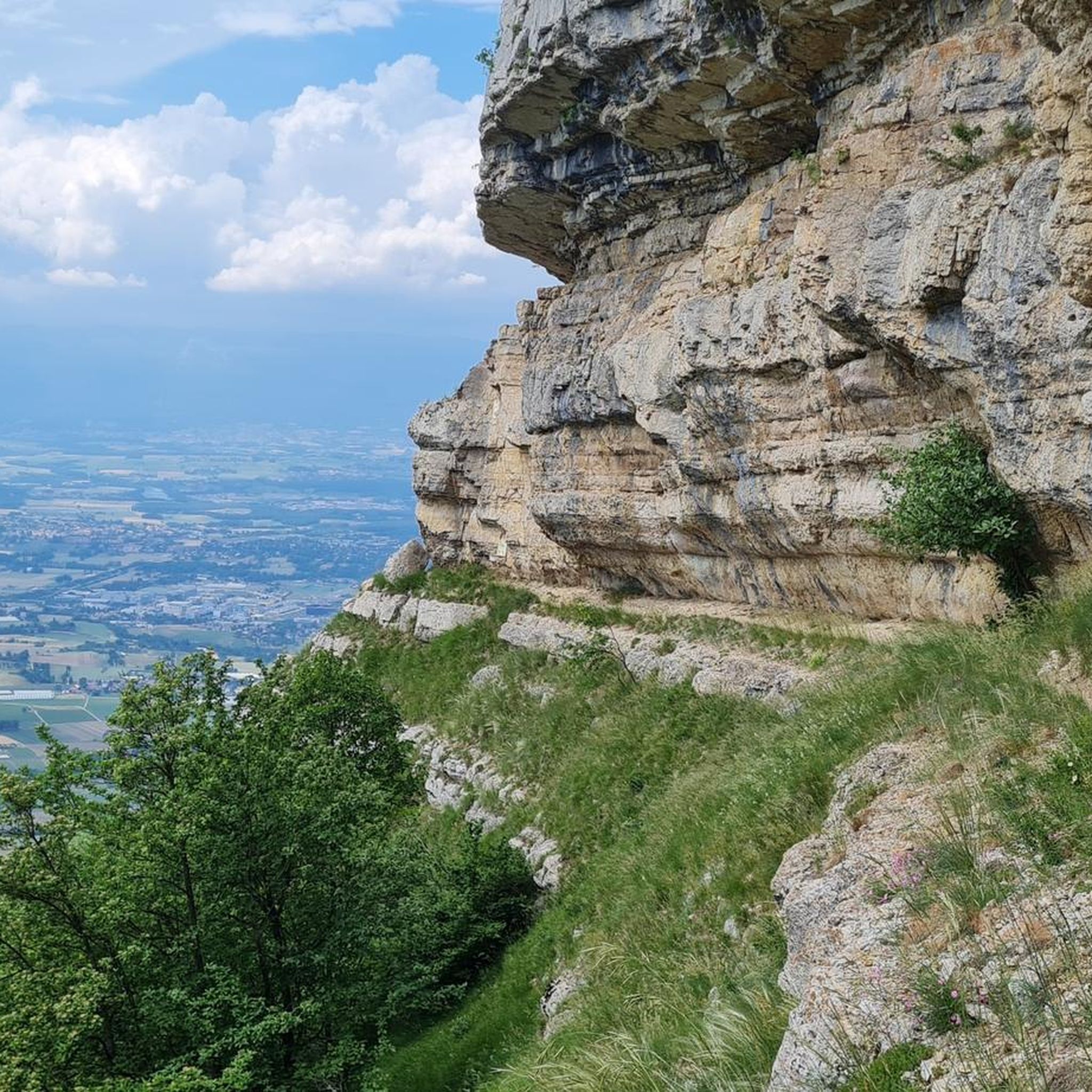
Mont Salève is geologically part of the Jura chain, characterized by abrupt western slopes with exposed limestone layers. You can explore deep, narrow gorges, including the Grande Varappe, which is historically significant for rock climbing. The Orjobet Cave and The Trou de la Tine are excellent examples of typical erosion in limestone areas, showcasing fascinating cave structures.
What do visitors enjoy most about the natural monuments in Collonges-Sous-Salève?
Visitors particularly enjoy the breathtaking panoramic views from Mont Salève, extending across Geneva, Lake Geneva, and even Mont Blanc. The diverse hiking opportunities, from challenging ascents to family-friendly strolls, are also highly appreciated. The unique geological features like the Orjobet Cave and the iconic Jet d'Eau Fountain are frequently highlighted for their distinct appeal and memorable experiences.
Are there any hidden natural gems or less-known spots worth discovering?
While Mont Salève itself is well-known, exploring its numerous marked trails can lead to quieter spots and unique perspectives. The Trou de la Tine, a cave whose ceiling has collapsed, offers a short but interesting detour for those looking for unique geological formations off the main path. The diverse environments of meadows, forests, cliffs, and dry grasslands often reveal local wildlife for observant visitors.
Most popular routes around Collonges-Sous-Salève
Most popular attractions around Collonges-Sous-Salève

Get inspired with the komoot mobile app


Explore more
Extend your search for the best caves by checking out these guides of the top ones around Collonges-Sous-Salève:
