Top 6 Natural Monuments around Luynes
Best natural monuments around Luynes are found within the Centre-Val de Loire region of France, characterized by its significant natural heritage. The area is defined by the Loire River, a UNESCO World Heritage site, and its valley, offering diverse landscapes and ecological importance. Luynes and its surroundings feature protected natural areas, scenic viewpoints, and unique geological formations. These sites provide opportunities to experience the region's biodiversity and historical connections.
Best natural monuments around Luynes
- The most popular natural monuments is…
Last updated: August 25, 2026
Gardens of the Château de Villandry
Highlight • Castle
Translated by Google •
Tip by

The petrifying caves of Savonnière
Highlight • Cave
February / March: 10h-12h / 14h-18h
April to June: 10h-19h
July / August: 9h30-19h30
September: 10h-19h
October / November: 10h-12h / 14h-18h
There are guided tours (duration approx. 1 hour).
Translated by Google •
Tip by

Sign up now to discover places like this
Get recommendations on the best single tracks, peaks, & plenty of other exciting outdoor places.
Sign up for free
Prébendes d'Oé Garden
Highlight • Forest
Translated by Google •
Tip by

Confluence of the Cher and Loire Rivers
Highlight (Segment) • River
Translated by Google •
Tip by

Botanical Garden
Highlight • Natural
Translated by Google •
Tip by
Sign up for free to discover even more natural monuments around Luynes.
Sign up for free
Already have an account?
Start today with a free account
Your next adventure awaits.
Login or Signup
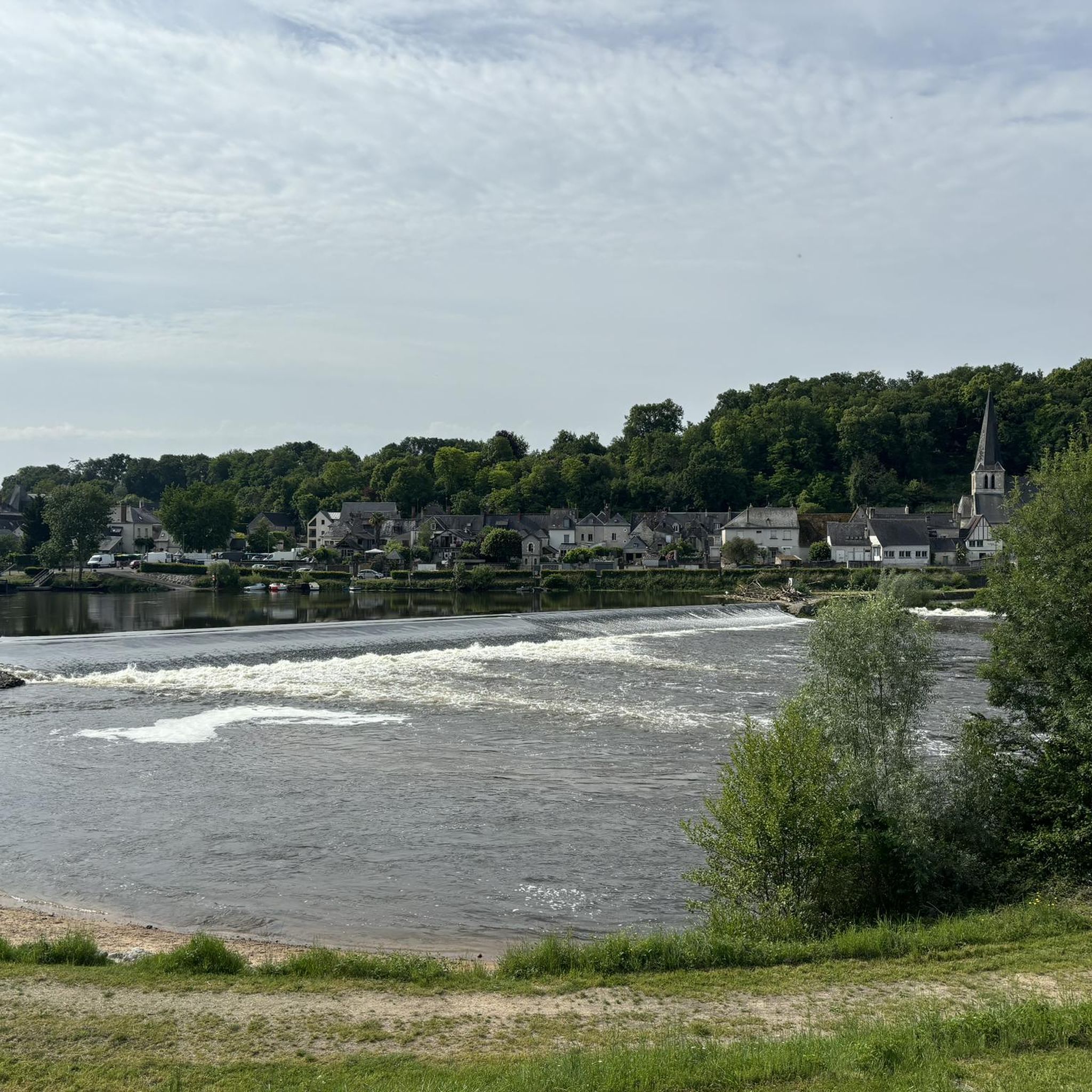
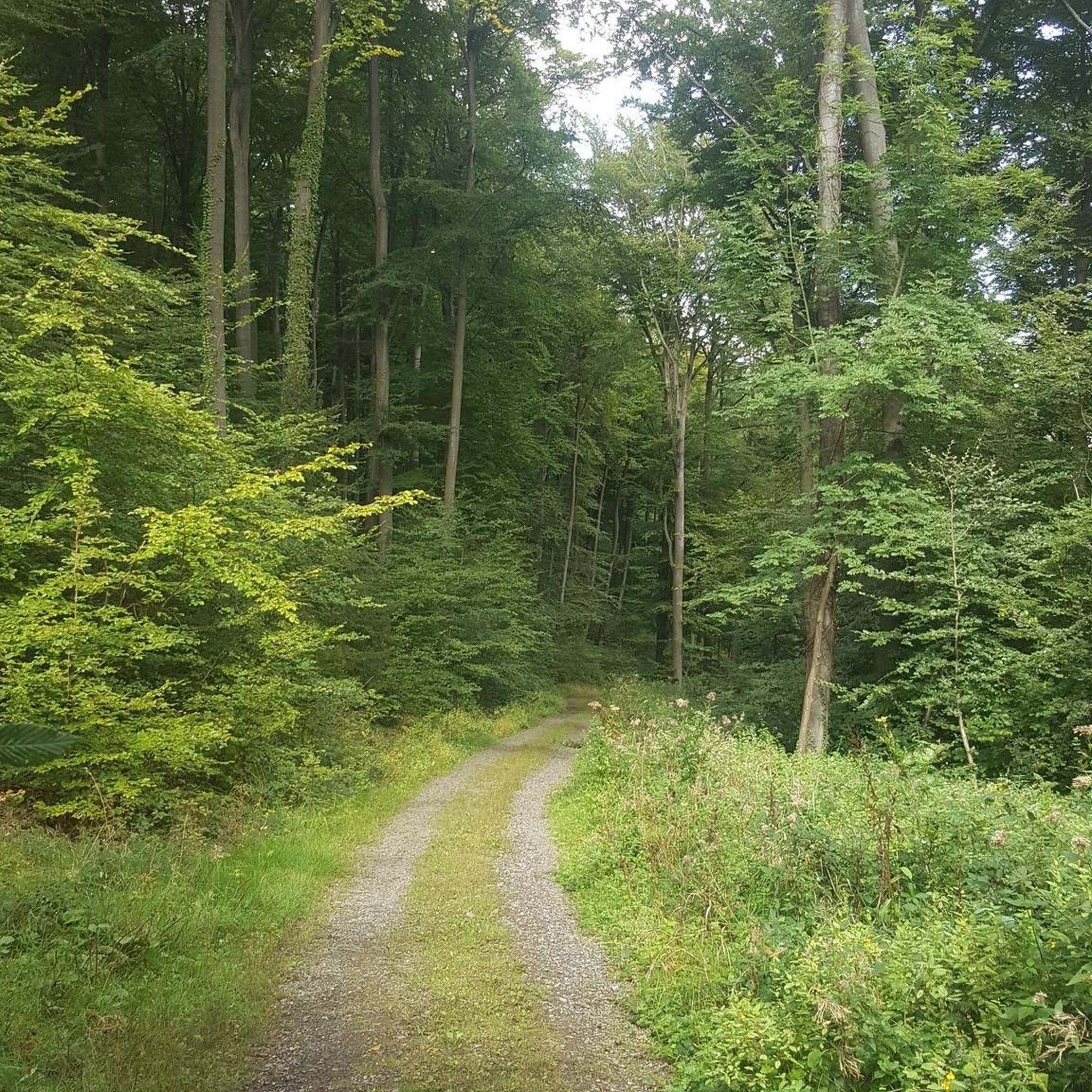
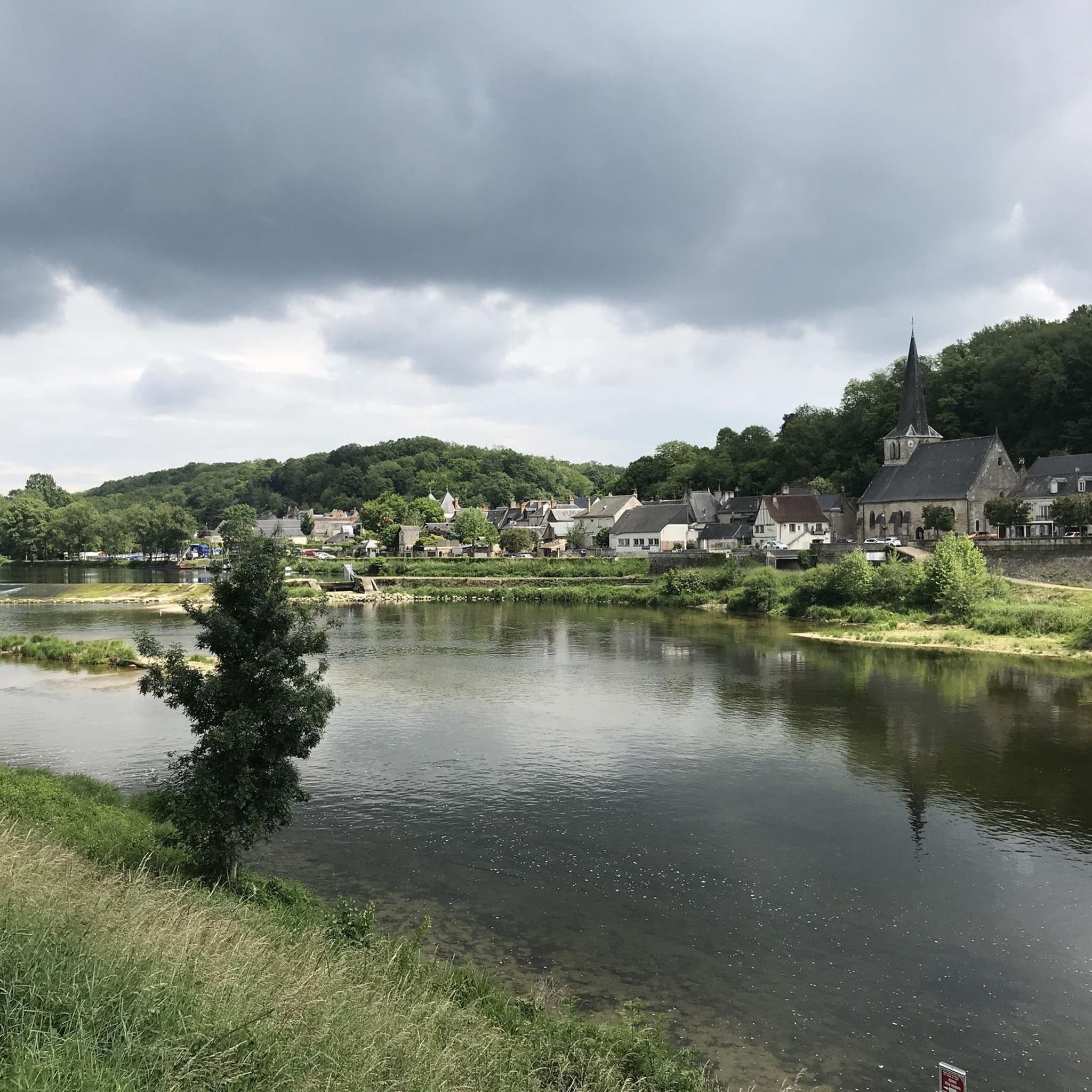
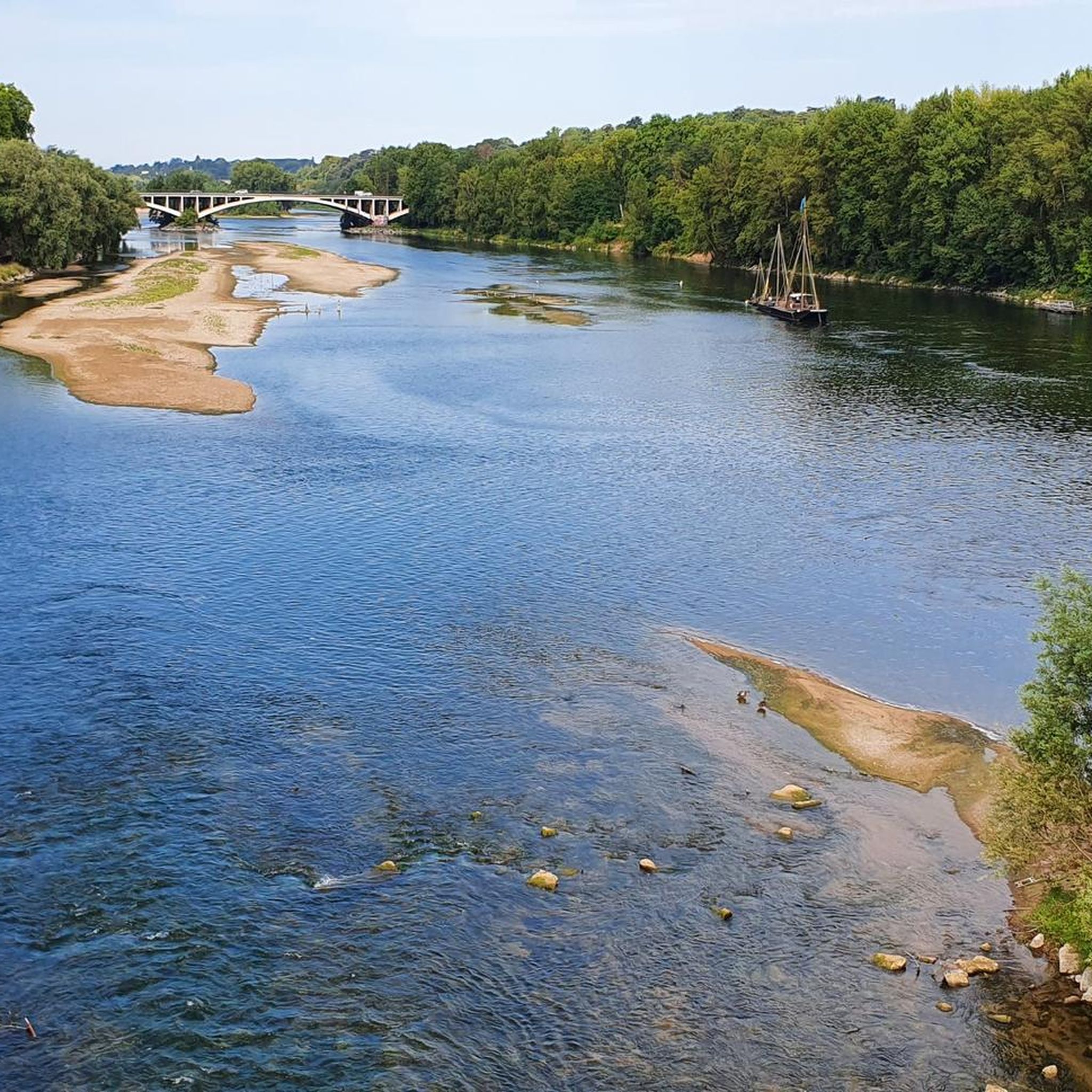
Tips from the Community

Open all year round opposite Bretonneau Hospital
0
0

The route directly to the confluence is not really recommended for racing bikes
0
0


quiet and lively garden, beautiful stretch of water in the center
0
0

Between Loire and Cher, the botanical garden is a must in the city of Tours. The rich diversity of species that makes up its park makes this place the most complete garden in the city. Animal areas as well as a mini-farm open to the public increase its appeal tenfold. Wandering the paths of this green setting is not only a stroll for the body, but also an escape for the mind.
0
0
Built in 1872 on a former marshy area, the Prébendes d’Oé garden is the green lung of the city center of Tours. Designed like an English garden, it invites you to take a bucolic stroll. It also has the “Jardin Remarquable” label, awarded by the Ministry of Culture. On an area of 5 hectares, you travel to the four corners of the world. Poplars from Holland, hazel trees from Byzantium, tulip trees from Virginia and elms from Siberia adorn your route. A catering area, toilets and a water point are available in the park.
0
0
Villandry Castle is one of the Loire Valley castles renowned for the beauty of its gardens. During the beautiful seasons, trees, shrubs and flowers color the decor with iridescent hues. Built between the 16th and 18th centuries, the castle is today a private property open to the public. It is possible to visit its interior which houses occasional and permanent exhibitions. The entire castle and its gardens were included in the list of historic monuments in 1927.
0
0

A few steps from the Château de Villandry, you will find these old freestone quarries dating from the Middle Ages and petrified caves. About 100 million years ago, in the secondary era, a shallow sea covered our region. At the bottom of the sea were deposited masses of chalk which, once exposed to the air, formed the dominant rock of the Loire Valley: the Tuffeau. This soft stone, but sufficiently hard, was used in the construction of the most elegant castles of the Loire. The quarries ended up being waterlogged and abandoned.
2
0
Frequently Asked Questions
Beyond the most popular spots, what other natural monuments can I explore near Luynes?
While the Loire River Valley is a central feature, you can also discover the Prébendes d'Oé Garden, a remarkable English-style garden in Tours with diverse plant species. Another unique site is the Petrifying Caves of Savonnière, ancient freestone quarries that offer a glimpse into the region's geological past.
What makes the Loire River Valley a significant natural monument in the Luynes area?
The Loire River, a UNESCO World Heritage site, is France's longest river and a defining natural feature of the Luynes region. Its free-flowing nature, sandbanks, and islands create dynamic landscapes. The valley's alluvial plains and flood meadows are crucial for diverse flora and fauna, including unique dragonflies and the European beaver. It's a place where nature and human history beautifully intertwine.
Are there any unique geological formations or caves to visit near Luynes?
Yes, the Petrifying Caves of Savonnière are a notable geological site near Luynes. These old freestone quarries, dating back to the Middle Ages, became waterlogged and formed petrified caves. They offer a fascinating insight into the Tuffeau stone, which is prevalent in the Loire Valley and was used to construct many of the region's elegant castles.
Are there family-friendly natural monuments around Luynes?
Several natural monuments around Luynes are suitable for families. The Gardens of the Château de Villandry are a popular choice, offering expansive, beautifully landscaped gardens. The Botanical Garden in Tours is another excellent option, featuring diverse species, animal areas, and a mini-farm. The Confluence of the Cher and Loire Rivers also provides a peaceful setting for families to enjoy.
What kind of outdoor activities can I do to explore the natural monuments near Luynes?
The Luynes area offers a variety of outdoor activities. You can enjoy cycling along the well-maintained trails like 'La Loire à Vélo' to experience the lush landscapes of the Loire Valley. Hiking is also popular, with routes such as the 'Luynes Aqueduct loop' offering easy to moderate options. For more adventurous cyclists, there are gravel biking routes that explore the riverbanks and surrounding areas. Find more details on routes in our guides for hiking, road cycling, and gravel biking around Luynes.
Are there specific hiking trails recommended for exploring the natural beauty around Luynes?
Yes, there are several hiking trails to explore the natural beauty. An easy option is the 'Luynes Aqueduct loop from Luynes,' which is about 4.2 km long. For a slightly longer, moderate hike, consider the 'Aqueduc de Luynes – Luynes Aqueduct loop from Luynes,' spanning approximately 15.8 km. These trails allow you to experience the local landscapes and historical structures. You can find more hiking options in our hiking guide for Luynes.
Can I go cycling to explore the natural monuments in the Luynes region?
Absolutely! The Luynes region is excellent for cycling. The Loire River offers opportunities for cycling along trails like 'La Loire à Vélo,' providing scenic views of the valley. There are various road cycling routes, such as the 'Views of the Château de Luynes loop from Luynes' (around 41 km, moderate difficulty). For gravel biking, you can find routes like 'Cycling along the Loire – On the banks of the Loire loop from Fondettes - Saint-Cyr-sur-Loire' (around 66 km, moderate). Explore more options in our guides for road cycling and gravel biking around Luynes.
Where can I find diverse ecosystems and opportunities for wildlife spotting near Luynes?
The Parc de la Vallée de la Choisille (Choisille Valley Park) is an 'Espace Naturel Sensible' that offers a mosaic of natural environments, including wet meadows and woodlands, supporting rich biodiversity. The Loire River itself, with its sandbanks and islands, is home to diverse species, including unique dragonflies and the European beaver. Additionally, the Natura 2000 sites, like 'La vallée de la Loire d'Indre-et-Loire,' are designated protected areas under the Birds Directive, making them excellent for birdwatching, with species like Little Terns and Black-headed Gulls.
What is the best time to visit the natural monuments around Luynes?
The region benefits from a mild climate, influenced by the Atlantic, making spring and summer particularly pleasant. During these 'beautiful seasons,' as noted for the Gardens of the Château de Villandry, the trees, shrubs, and flowers are in full bloom, offering vibrant colors. Many outdoor activities and sites are best enjoyed when the weather is warmer and nature is at its most lush.
Are there any natural viewpoints offering panoramic scenery near Luynes?
Yes, the Belvedere in Luynes, located on Rue de l'Alma, offers remarkable panoramic views overlooking the expansive Loire Valley. This site is managed with respect for its unique ecosystem and provides accessible paths and relaxation areas. The Confluence of the Cher and Loire Rivers also provides scenic views where two major rivers meet, offering a peaceful setting to observe the landscape.
What do visitors enjoy most about the natural monuments in the Luynes area?
Visitors frequently appreciate the serene and picturesque settings, especially at the Confluence of the Cher and Loire Rivers, described as a peaceful road with magnificent views. The Gardens of the Château de Villandry are highly praised for their lavish landscaping and beauty. The region's blend of natural beauty, historical significance, and opportunities for gentle strolls or more active exploration are consistently highlighted.
Most popular attractions around Luynes

Get inspired with the komoot mobile app


Explore more
Extend your search for the best caves by checking out these guides of the top ones around Luynes:
