Top 5 Natural Monuments around Saint-Félix-De-Sorgues
Best natural monuments around Saint-Félix-De-Sorgues offer diverse landscapes and geological formations in the Aveyron department of France. The region is characterized by its preserved Sorgues Valley, surrounded by hills and forests, and features unique geological wonders. These natural features, including plateaus and river gorges, provide varied terrain for exploration. The area's geology reveals layers of strata, bearing witness to millennia of natural history.
Best natural monuments around Saint-Félix-De-Sorgues
- The most popular natural monuments is Le Rougier de Camarès, a…
Last updated: July 2, 2026
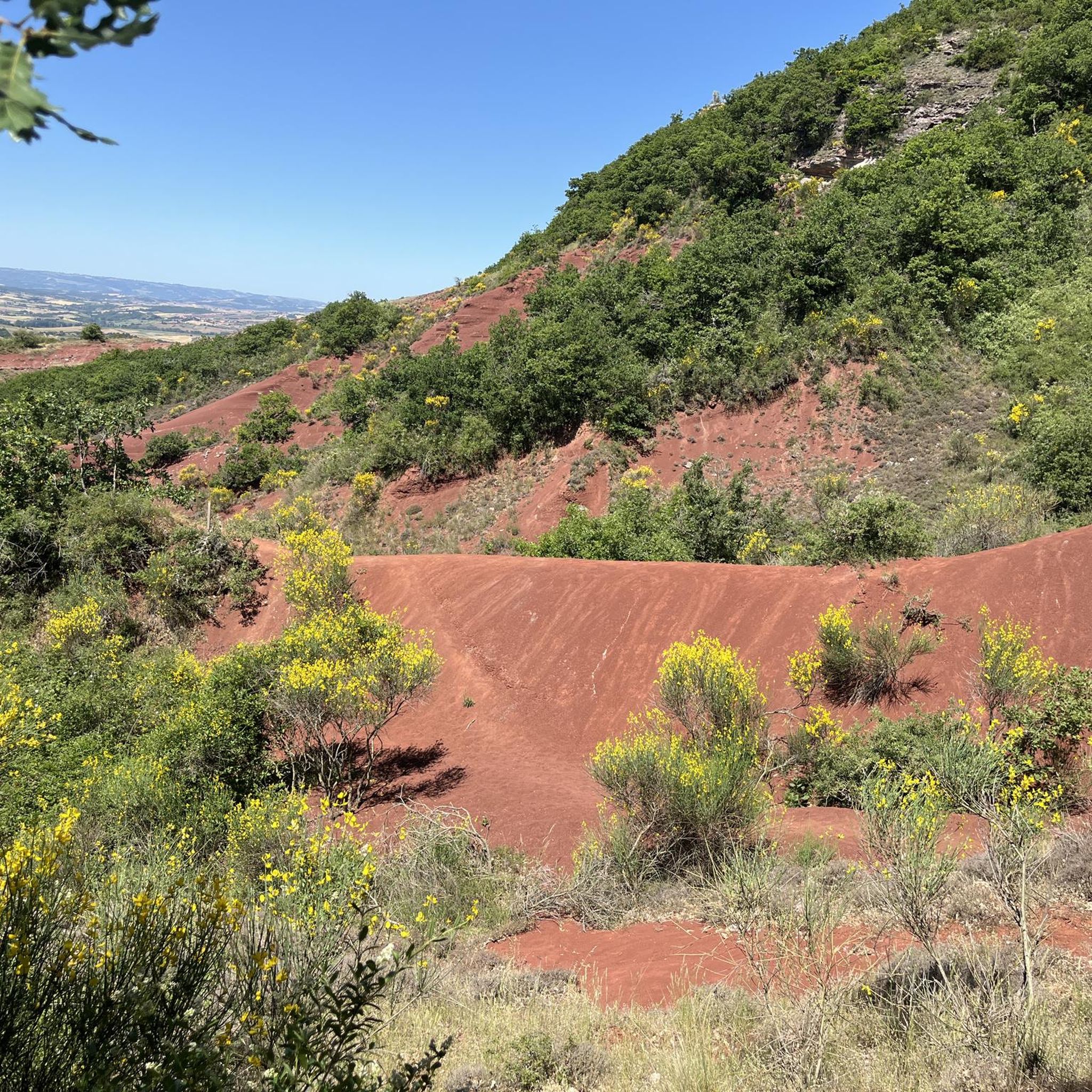
Le Rougier de Camarès
Highlight • Natural Monument
Translated by Google •
Tip by

The Rock Engraved with Two Crosses
Highlight • Natural Monument
Translated by Google •
Tip by
Sign up now to discover places like this
Get recommendations on the best single tracks, peaks, & plenty of other exciting outdoor places.
Sign up for free
Rocher de Caylus
Highlight • Natural Monument
Translated by Google •
Tip by

Cirque de Tournemire
Highlight (Segment) • Gorge
Translated by Google •
Tip by
Grotte des Résistants
Highlight • Cave
Translated by Google •
Tip by
Sign up for free to discover even more natural monuments around Saint-Félix-De-Sorgues.
Sign up for free
Already have an account?
Start today with a free account
Your next adventure awaits.
Login or Signup
Tips from the Community

Magnificent moment, we did it on September 12, 2023 at 24° ideal weather it was really good :O
0
0

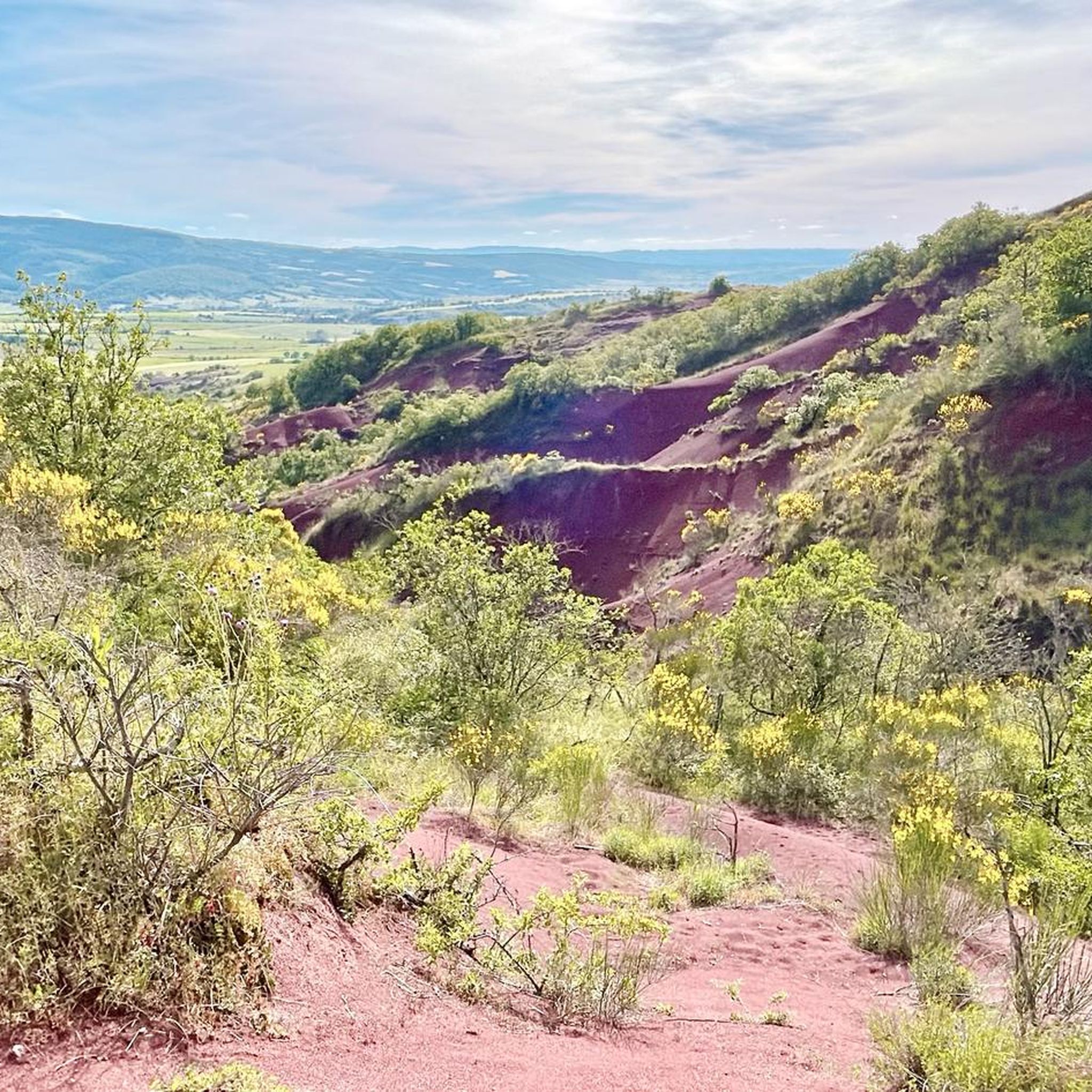
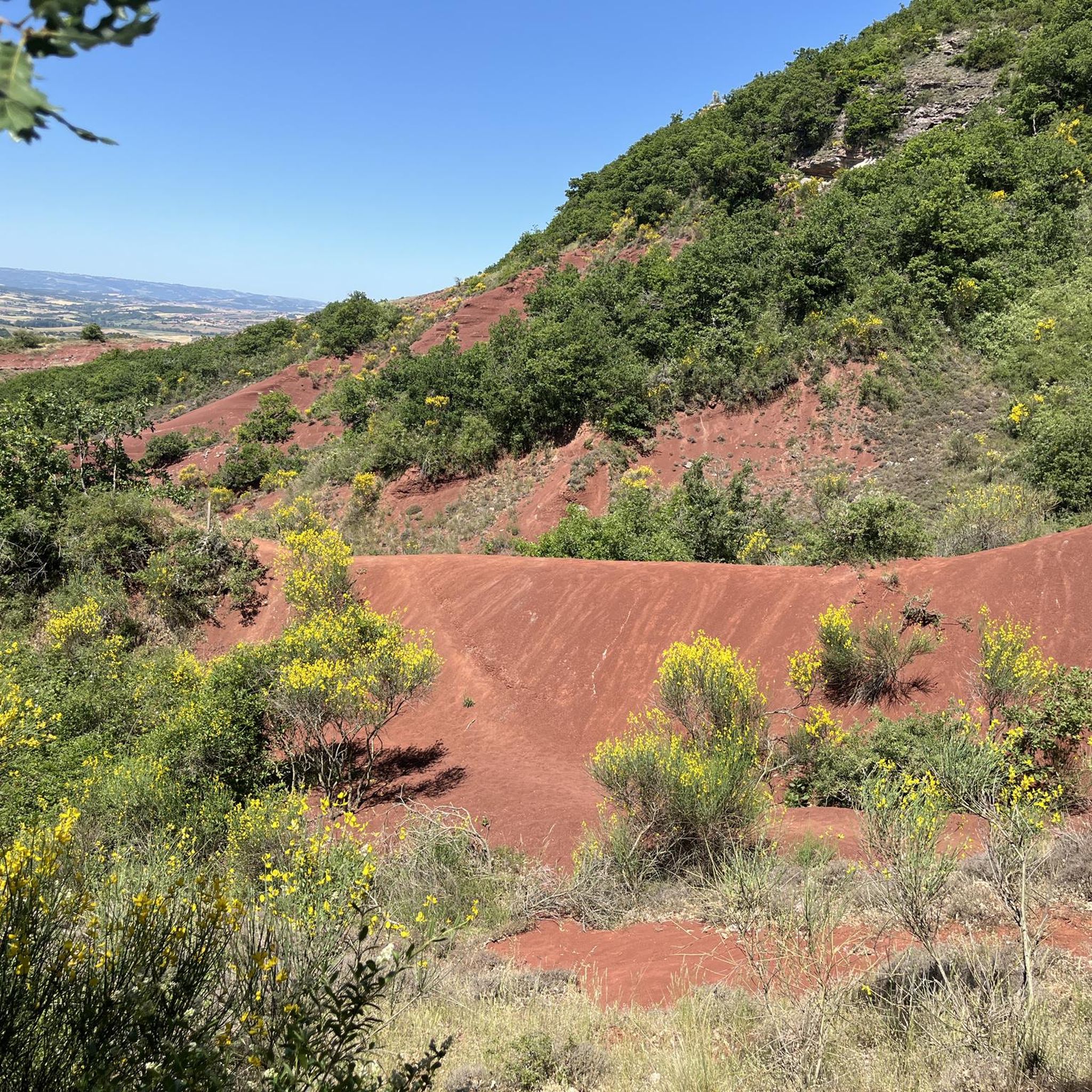
The Rougier de Camarès offers a magnificent landscape of red clay rich in iron.
0
0
Even if it is commonly called Menhir, it is very likely that this block is not really one since nothing suggests that it was erected by man. On the other hand, it was engraved with two crosses as was sometimes done.
0
0
The cave of the Resistance fighters, or cave of the Maquisards, was formerly called the Baoumasse and served as a summer sheepfold.
0
0
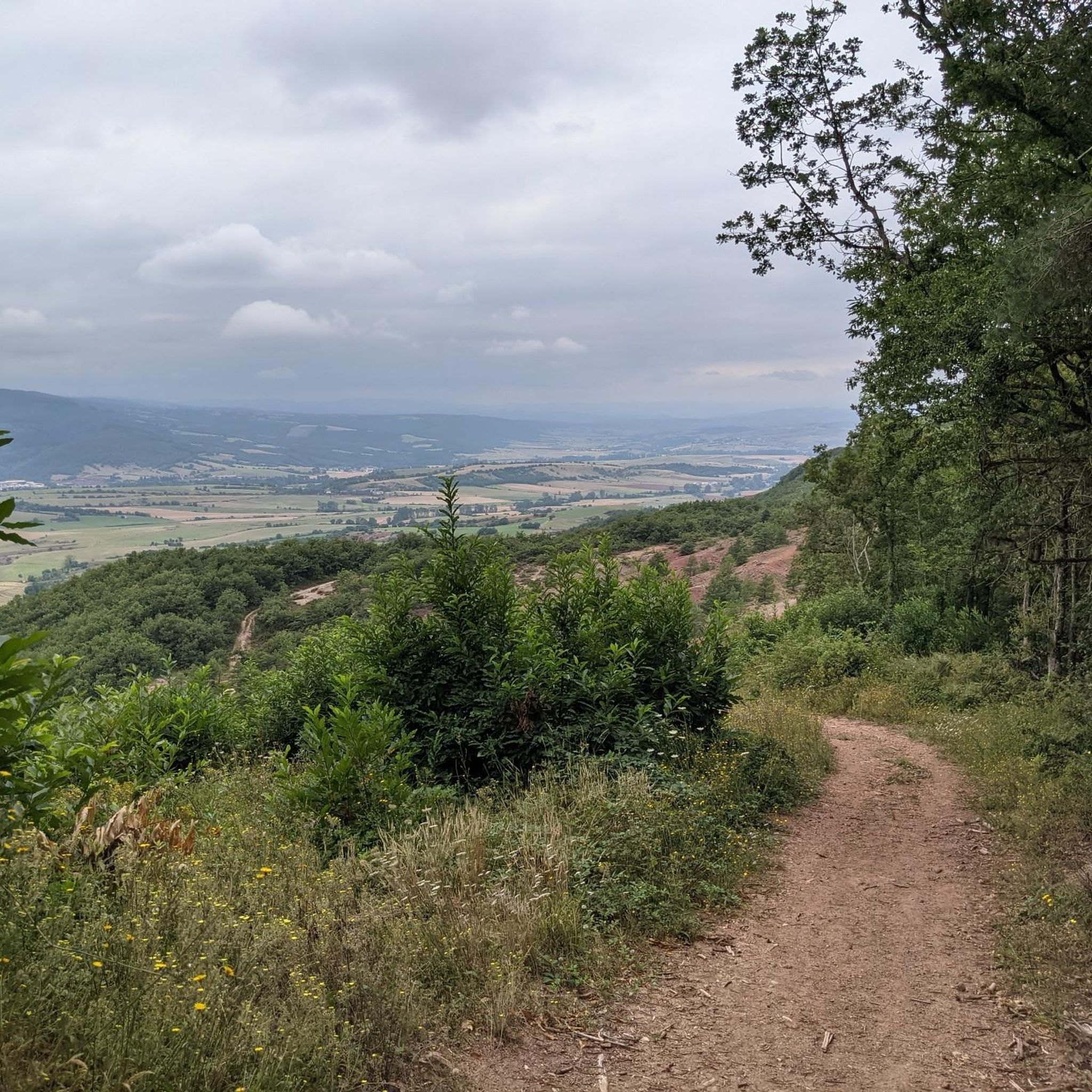
The Cirque de Tournemire is an extraordinary site on the southwestern edge of the Causse du Larzac. Erosion has done its work on this limestone plateau from sediments and shells of ancient marine organisms. It is also in the area that a magnificent Plesiosaur skeleton was discovered some forty years ago. Today the local fauna is rather made up of birds of prey, such as the golden eagle.
1
0
Magnificent landscape of iron-rich red clay.
0
0

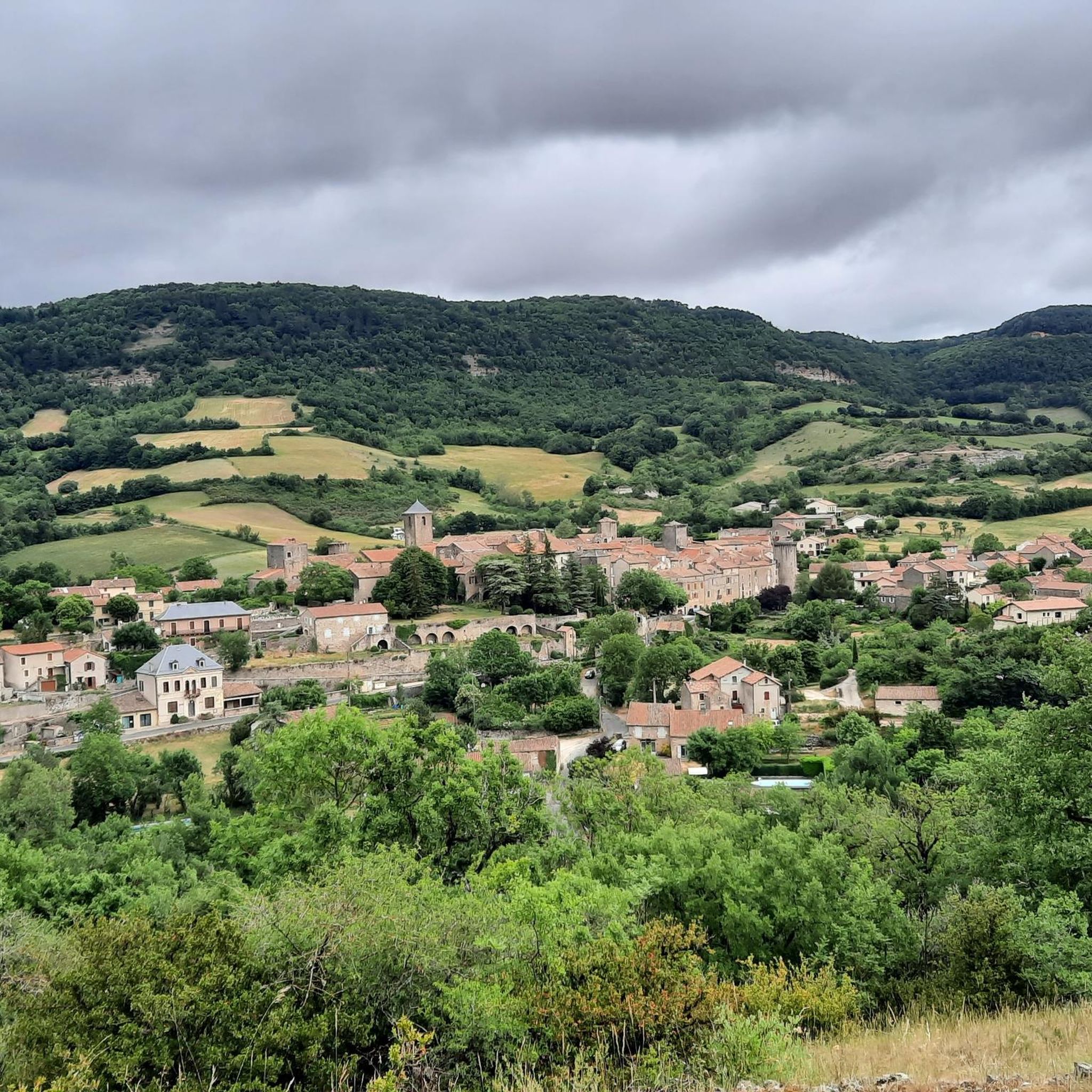
Beautiful climb by the path of Puech Bourillou to the remains of a medieval castle which dominated the town of Saint-Affrique. A botanical garden has been laid out around the rock, from where there is a superb view of the Sorgues valley.
1
0
Frequently Asked Questions
What unique natural monuments are located directly within Saint-Félix-De-Sorgues?
Within Saint-Félix-De-Sorgues, you can find the striking Quille de Berger, a mysterious rocky spire that stands out in the landscape. The village is also nestled in the preserved Sorgues Valley, which itself is a natural monument. Overlooking the valley are Mont Grand, offering panoramic views, and the Loubière Plateau, known for its biodiversity and refreshing walks through beech forests.
What are some of the most popular natural monuments in the wider Saint-Félix-De-Sorgues area?
Visitors particularly appreciate Le Rougier de Camarès, known for its magnificent landscape of iron-rich red clay. Another favorite is Cirque de Tournemire, a stunning gorge shaped by erosion, also home to birds of prey like the golden eagle. These sites are highly rated by the komoot community.
Are there any natural monuments with historical significance near Saint-Félix-De-Sorgues?
Yes, several natural monuments in the area have historical connections. The Rock Engraved with Two Crosses is a large rock formation notable for its ancient engravings, suggesting early human interaction. Additionally, the Grotte des Résistants, also known as the cave of the Maquisards, served as a summer sheepfold and played a role during historical periods.
What geological features can I explore around Saint-Félix-De-Sorgues?
The region is rich in diverse geological formations. You can explore the unique red clay landscape of Le Rougier de Camarès. The Gorges du Tarn, a UNESCO World Heritage site about 1-1.5 hours away, are Europe's longest karstic gorges, featuring cliffs up to 500 meters high, mysterious caves, and uniquely shaped rock formations. The Rocher de Combalou, near Roquefort-sur-Soulzon, is famous for its 'fleurines' – natural fissures crucial for aging Roquefort cheese.
Are there family-friendly natural monuments or activities in the area?
Many natural monuments offer family-friendly experiences. The wooded paths of the Loubière Plateau provide refreshing and beautiful walks suitable for families. Exploring the Sorgues Valley with its gentle river is also pleasant. For a more adventurous family outing, the Gorges du Tarn offer kayaking and opportunities to explore caves like Grotte Dargilan, which can be exciting for children.
What kind of hiking trails can I find near these natural monuments?
The area offers a variety of hiking trails. You can hike to the summit of Mont Grand for panoramic views over the Sorgues Valley. The Loubière Plateau has wooded paths through beech forests. For more extensive options, you can find numerous trails in the Gorges du Tarn. The komoot community also enjoys routes like the 'Saint-Félix-de-Sorgues – loop via the foothills of Loubière and Téron' for mountain biking, or the 'Sorgues Valley – Saint-Affrique loop' for road cycling. You can find more details on MTB Trails around Saint-Félix-De-Sorgues or Road Cycling Routes around Saint-Félix-De-Sorgues.
What outdoor activities, besides hiking, are available near the natural monuments?
Beyond hiking, the region is excellent for cycling. You can find various routes for mountain biking, road cycling, and touring. For example, there are mountain bike trails like 'Saint-Félix-de-Sorgues – loop via the foothills of Loubière and Téron' and road cycling routes such as 'Roquefort-sur-Soulzon – Route de Maß Raynal to Canals loop'. The Gorges du Tarn are particularly popular for kayaking and caving. Explore more cycling options on Cycling around Saint-Félix-De-Sorgues.
Are there any natural monuments that offer impressive viewpoints?
Absolutely. Mont Grand, with an altitude of 677 meters, provides sublime panoramic views over the Sorgues Valley. The Loubière Plateau also offers spectacular vistas, including views of Saint-Félix-De-Sorgues and surrounding forests. Further afield, the Gorges du Tarn feature notable viewpoints like Point Sublime and Roc des Hourtous, offering breathtaking perspectives of the deep canyon.
What is the best time to visit the natural monuments around Saint-Félix-De-Sorgues?
The region's natural monuments can be enjoyed throughout much of the year. Spring and autumn generally offer pleasant temperatures for hiking and outdoor activities, with lush greenery or vibrant fall colors. Summer is ideal for water-based activities in the Gorges du Tarn, though it can be warmer. Always check local weather conditions before your visit.
Can I visit the famous Roquefort cheese cellars near a natural monument?
Yes, the Rocher de Combalou, a limestone plateau near Roquefort-sur-Soulzon (about a 45-minute drive), is intrinsically linked to Roquefort cheese. Its natural fissures, called 'fleurines,' create the unique microclimate essential for aging the cheese. Visitors can tour the underground cheese cellars at its base to learn about the production process and the natural conditions that make it possible.
What do visitors enjoy most about the natural monuments in this area?
Visitors frequently highlight the diverse and magnificent landscapes, from the iron-rich red clay of Le Rougier de Camarès to the dramatic gorges and plateaus. Many appreciate the opportunities for immersive outdoor experiences, such as hiking through forests, cycling along scenic routes, and exploring unique geological formations. The blend of natural beauty with historical elements, like ancient engravings or resistance caves, also adds to the appeal.
Are there any caves to explore near Saint-Félix-De-Sorgues?
Yes, the region offers cave exploration. Within the immediate area, you can visit the Grotte des Résistants. Further away, within the Gorges du Tarn, there are impressive underground caves like Grotte Dargilan, known for its naturally colored stalactites and stalagmites, providing a fascinating subterranean experience.
Most popular routes around Saint-Félix-De-Sorgues
Most popular attractions around Saint-Félix-De-Sorgues

Get inspired with the komoot mobile app


Explore more
Extend your search for the best caves by checking out these guides of the top ones around Saint-Félix-De-Sorgues:
