Top 20 Natural Monuments around Curienne
Best natural monuments around Curienne are found within the Savoie region of France, nestled on the foothills of the Bauges Massif. This area is part of the protected Parc naturel régional du Massif des Bauges, recognized for its biodiversity and natural heritage. The landscape features verdant forests, meadows, and alpine pastures. It offers a setting for outdoor activities and natural exploration.
Best natural monuments around Curienne
- The most popular natural monument is Nivolet Cross, a summit that is visible…
Last updated: June 18, 2026
Nivolet Cross
Highlight • Summit
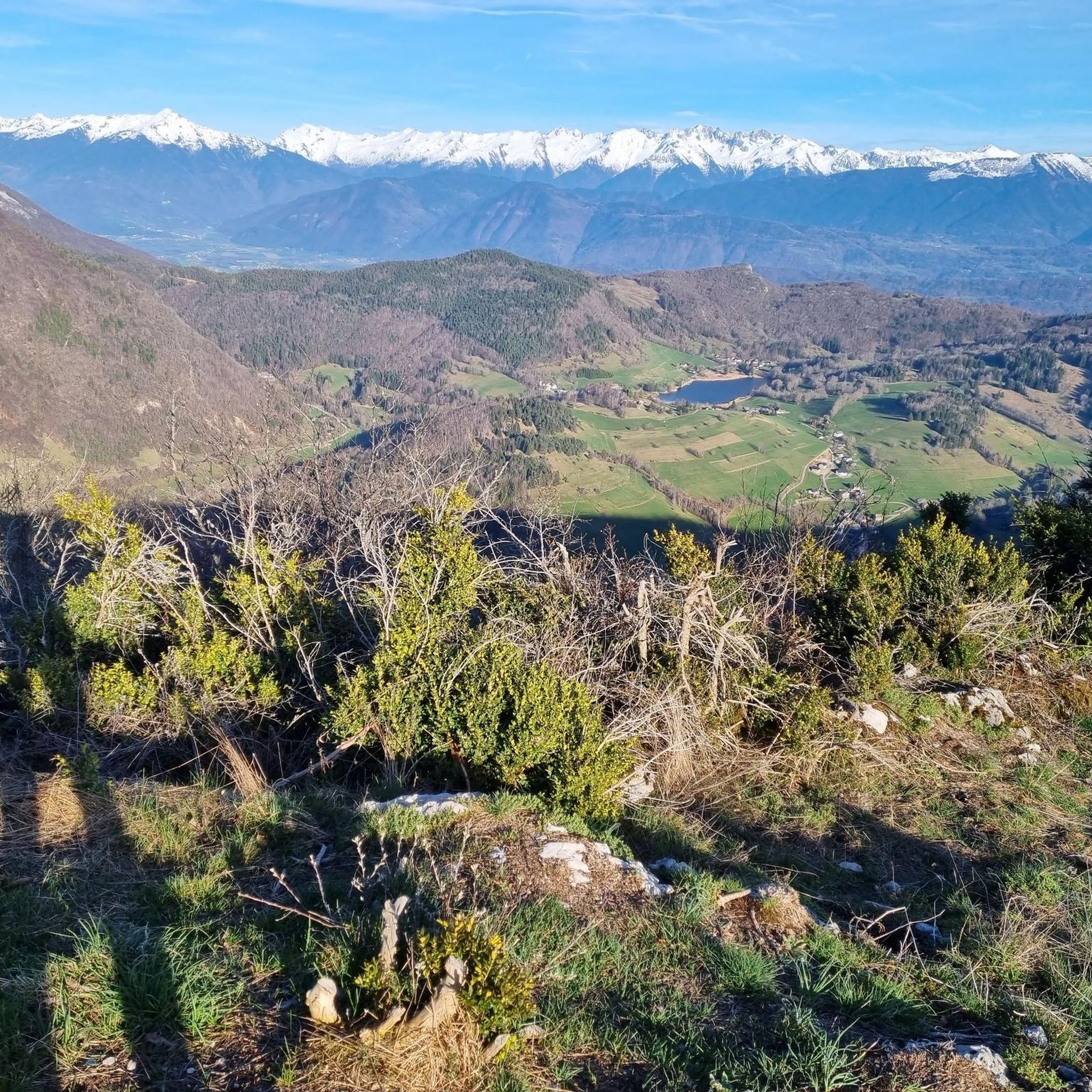
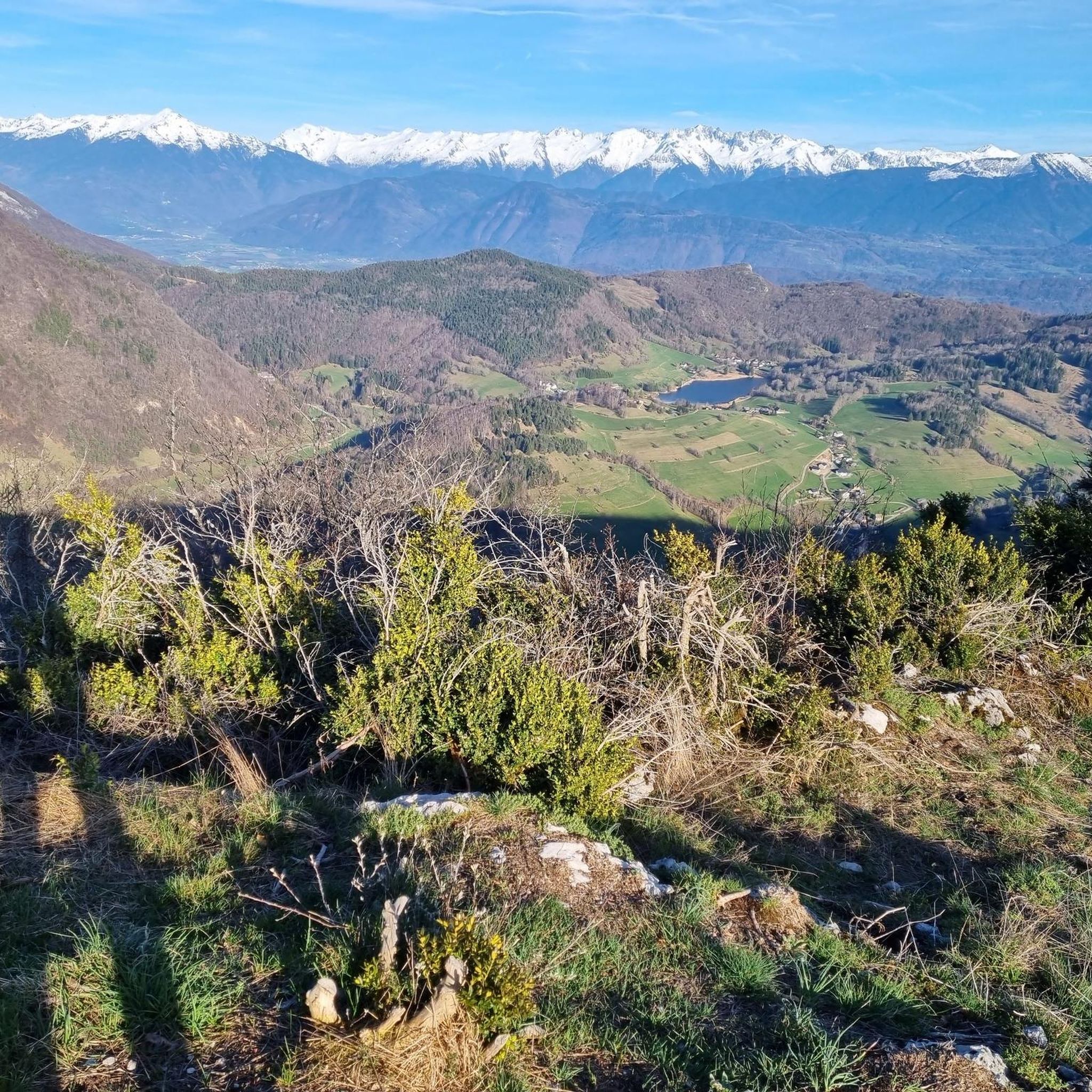
The view - everyone agrees - is phenomenal!
Translated by Google •
Tip by

Lake Saint-André
Highlight • Lake
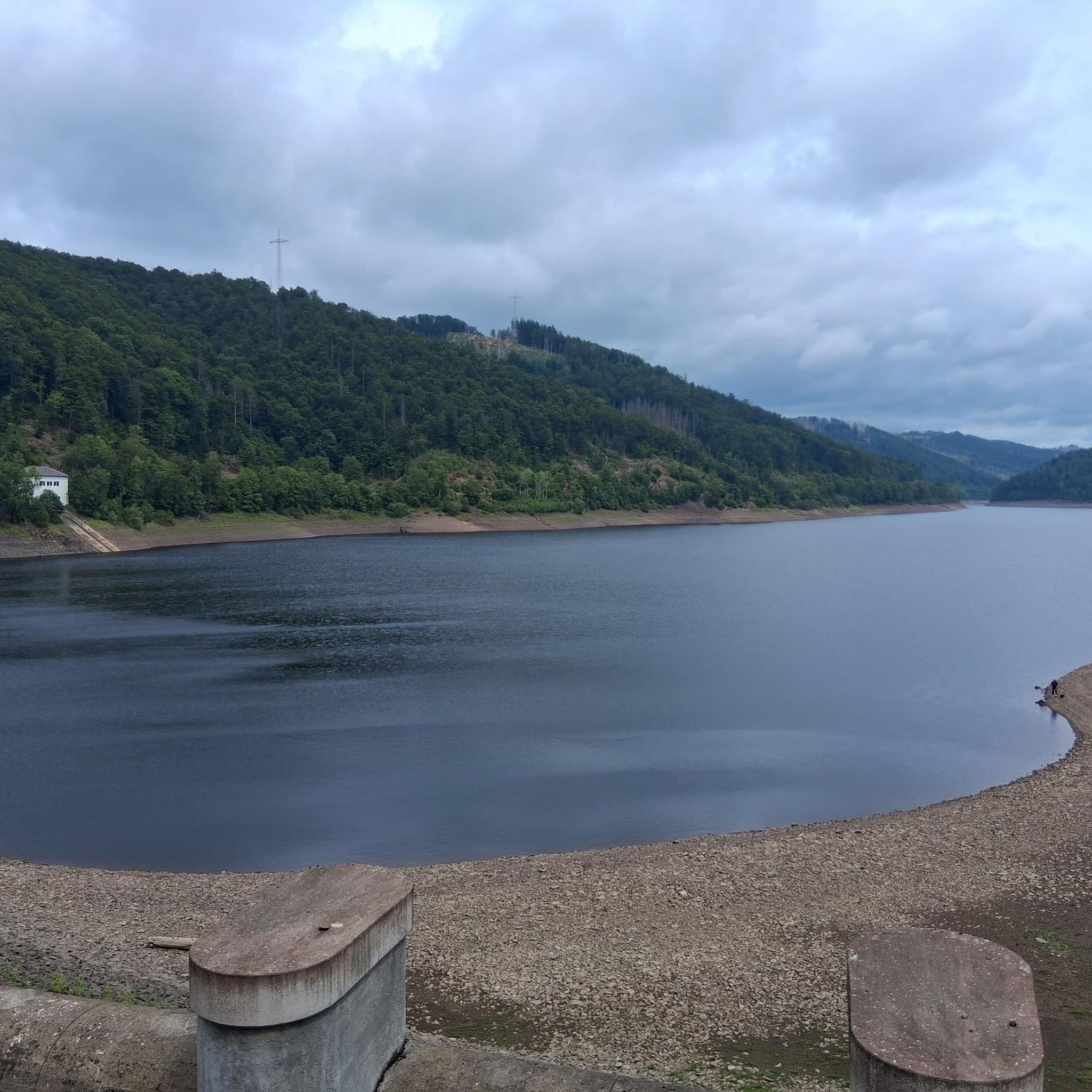
In the leisure area, unsupervised, swimming is tolerated at the risk and peril of users. Prohibited in the rest of the lake.
Translated by Google •
Tip by

Sign up now to discover places like this
Get recommendations on the best single tracks, peaks, & plenty of other exciting outdoor places.
Sign up for free
Col du Frêne (950 m)
Highlight • Mountain Pass
Translated by Google •
Tip by

Cascade de la Doriaz
Highlight • Waterfall
Translated by Google •
Tip by
Étincelle Viewpoint
Highlight • Viewpoint
Translated by Google •
Tip by
Sign up for free to discover even more natural monuments around Curienne.
Sign up for free
Already have an account?
Start today with a free account
Your next adventure awaits.
Login or Signup

Tips from the Community

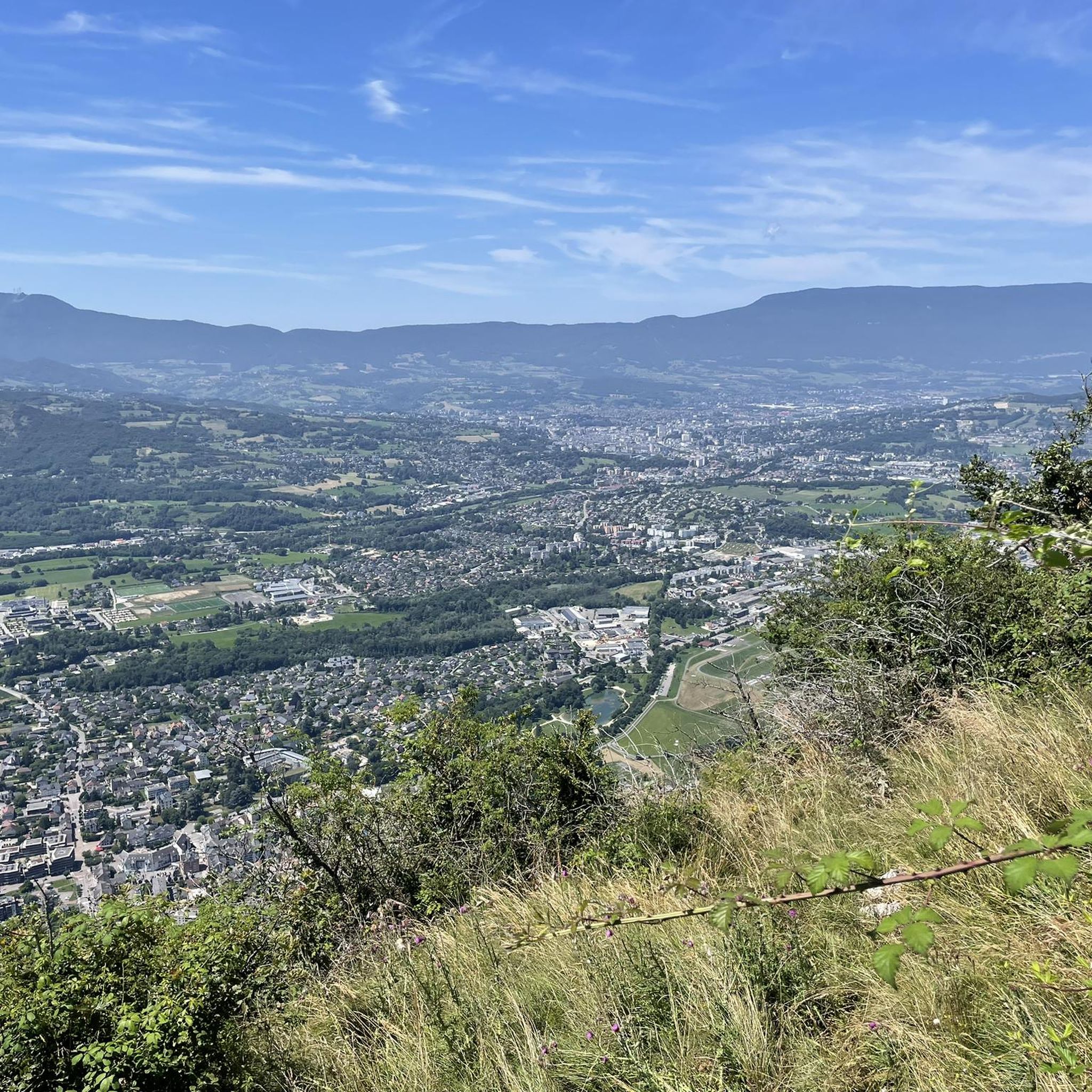
Magnificent view of Chambéry and Lake Bourget A lovely picnic area
0
0

Don't forget that even if it's in the mid-mountains, you need to be equipped for the weather, good shoes, and good physical condition.
0
0

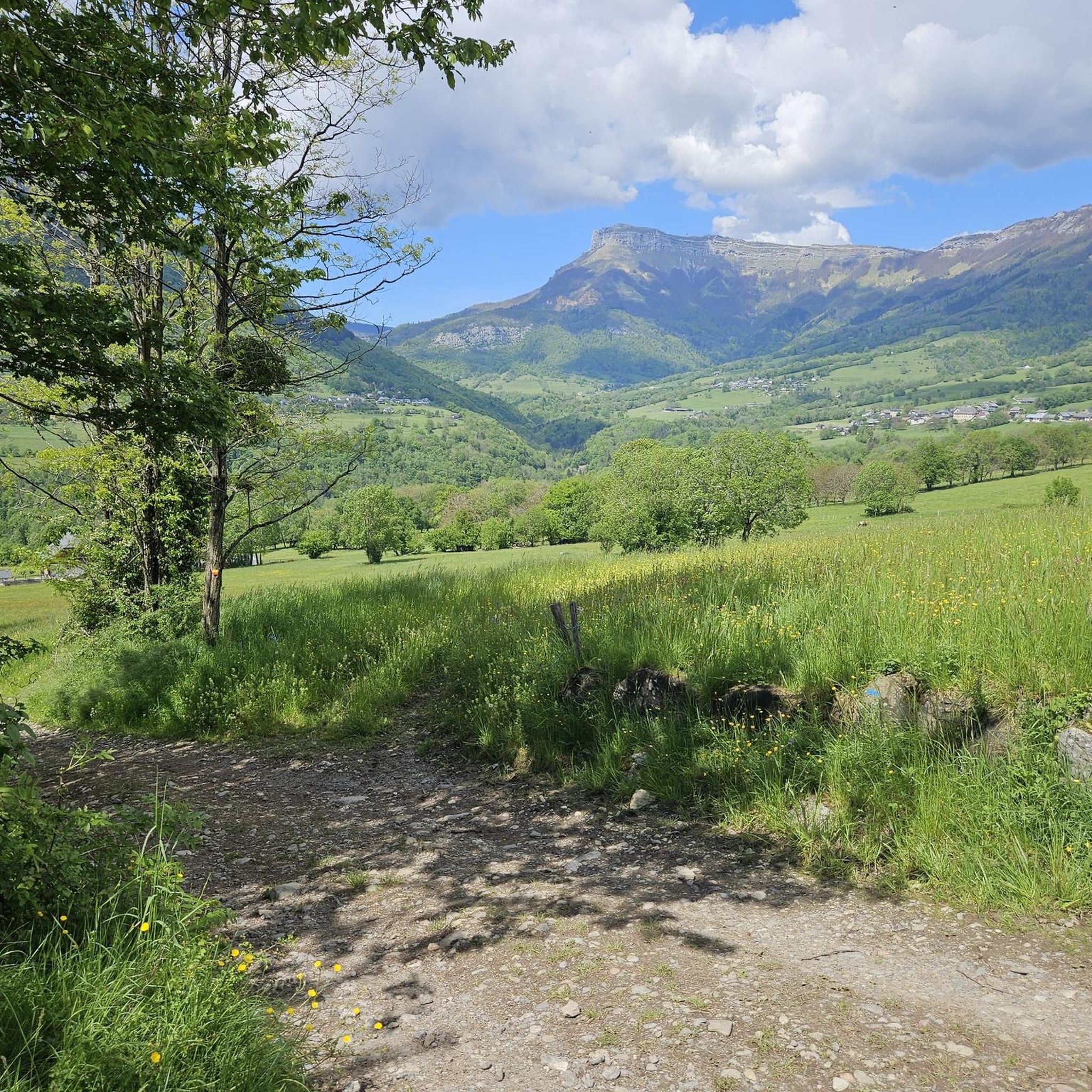
Quiet little road to begin the ascent of the Col du Frêne. Very beautiful view.
0
0

Beautiful pass. The climb is a bit gentler from the north. The descent to the south offers beautiful views of the Isère Valley.
0
0

small viewpoint on Lake St André
1
0

Col du Frêne from Saint Pierre d'Albigny is a climb in the Annecy region. It is 7.7 kilometres long and has a vertical ascent of 554 metres with an average gradient of 7.2%, implying a difficulty level of 483. The summit of the climb is located at 960 metres
0
0

The climb is very pretty and pleasant until the Col
1
0

The Col du Frêne culminates at an altitude of 950 meters. This mid-mountain pass allows you to enjoy views of both the Combe de Savoie and the impressive Dent d’Arclusaz.
1
0
Frequently Asked Questions
What kind of natural features can I expect to see around Curienne?
The natural monuments around Curienne offer a diverse range of features. You can explore majestic summits like Nivolet Cross, serene lakes such as Lake Saint-André, and impressive waterfalls like Cascade de la Doriaz. The region is also characterized by mountain passes, verdant forests, meadows, and alpine pastures, all within the protected Parc naturel régional du Massif des Bauges.
Where can I find the best panoramic views in Curienne?
For exceptional panoramic views, head to Nivolet Cross. From its summit, you can enjoy vistas of the Chambéry region and beyond. Another great spot is Coche Pass, which offers a beautiful panorama over the surrounding countryside, including the Chambérien basin and Lake Bourget. The Col du Frêne (950 m) also provides views of both the Combe de Savoie and the impressive Dent d’Arclusaz.
Are there family-friendly natural monuments in Curienne?
Yes, several natural monuments are suitable for families. Lake Saint-André is a great option, offering a picnic area and a discovery trail. While Nivolet Cross can be challenging, there are relatively easy access routes that make it accessible for families seeking a rewarding view.
What outdoor activities can I do near these natural monuments?
The area around Curienne is ideal for various outdoor activities. You can find numerous opportunities for hiking, running, and road cycling. For instance, there are several running trails, including the challenging 'Mont Saint-Michel Chapel – Trail mont saint Michel loop from La Ravoire'. Hikers can explore routes like the 'Trou de l'Enfer footbridge – Canyon of Hell loop from Curienne'. Cyclists can enjoy scenic routes such as the 'Lake Saint-André – Lake Saint-André loop from La Ravoire'. You can find more details on these activities in the dedicated guides for running, road cycling, and hiking around Curienne.
Are there hiking trails near the natural monuments?
Absolutely. The region offers a variety of hiking trails. For example, you can hike the 'Trou de l'Enfer footbridge – Canyon of Hell loop from Curienne' or explore routes leading to the 'Grand Joueret Summit'. There are also moderate trails like the 'Mont Saint-Michel Chapel loop from Curienne'. Many of these trails allow you to discover the unique dry grasslands and enjoy the natural beauty of the Parc naturel régional du Massif des Bauges. For more hiking options, refer to the hiking guide for Curienne.
What is the best time of year to visit the natural monuments in Curienne?
The best time to visit the natural monuments in Curienne largely depends on your preferred activities. Spring and autumn offer pleasant temperatures for hiking and cycling, with vibrant flora in spring and beautiful foliage in autumn. Summer is also popular, especially for enjoying lakes and higher-altitude views. The region's 'dry lawns' on Mont Saint-Michel are particularly rich in diverse flora, including orchids, during warmer months.
Is parking available at natural monuments in Curienne?
Yes, parking is available at some natural monument locations. For instance, you can park at Col du Frêne (950 m), which serves as a starting point for hiking or jogging. For other specific natural monuments, it's advisable to check local signage or trail information for designated parking areas near trailheads.
Are dogs allowed on trails around Curienne's natural monuments?
While specific regulations can vary, generally, dogs are welcome on many trails in the Parc naturel régional du Massif des Bauges, provided they are kept on a leash to protect wildlife and respect other visitors. Always check local signage at trailheads for any specific restrictions or protected areas where dogs might not be permitted.
What do visitors enjoy most about the natural monuments around Curienne?
Visitors consistently praise the phenomenal views, especially from summits like Nivolet Cross, which offers a beautiful 360° panorama. The tranquility of places like Lake Saint-André nestled among vineyards is also highly appreciated. Many enjoy the diverse hiking opportunities and the chance to relax in shaded spots near waterfalls like Cascade de la Doriaz.
Are there any challenging hikes to natural monuments in Curienne?
Yes, for those seeking a challenge, there are several difficult routes. The climb to Nivolet Cross can be quite demanding depending on the access point, though rewarding. The 'Mont Saint-Michel Chapel – Trail mont saint Michel loop from La Ravoire' is a difficult running trail, and the 'Doria Waterfall loop from Saint-Jean-d'Arvey' is also rated difficult. The Cascade de la Doriaz itself is part of a challenging area, with a steep path leading to its source.
What makes Mont Saint-Michel in Curienne special?
Mont Saint-Michel is renowned for its unique 'dry lawns' (pelouses sèches), which host a rich variety of flora, including numerous orchids, and diverse insect life. This ecological importance has earned it a Natura 2000 classification. Beyond its biodiversity, the summit, topped with an old chapel, offers exceptional panoramic views of Challes-les-Eaux, the Chambéry cluse, and the Chartreuse massif, making it a must-visit for nature lovers and hikers.
Can I find cafes or accommodation near the natural monuments?
While specific cafes or accommodations might not be directly adjacent to every natural monument, the charming commune of Curienne and nearby towns in the Savoie region offer various options for dining and lodging. It's recommended to plan your visit and check for services in the closest villages or towns to your chosen natural monument.
Most popular routes around Curienne
Most popular attractions around Curienne

Get inspired with the komoot mobile app


Explore more
Extend your search for the best caves by checking out these guides of the top ones around Curienne:
